
Créé par Romane, le 2 oct. 2026
Votre guide Ryo
Puebla, Mexico
The City of Angels
Parcours audioguidé pour visiter Puebla en 1 jour
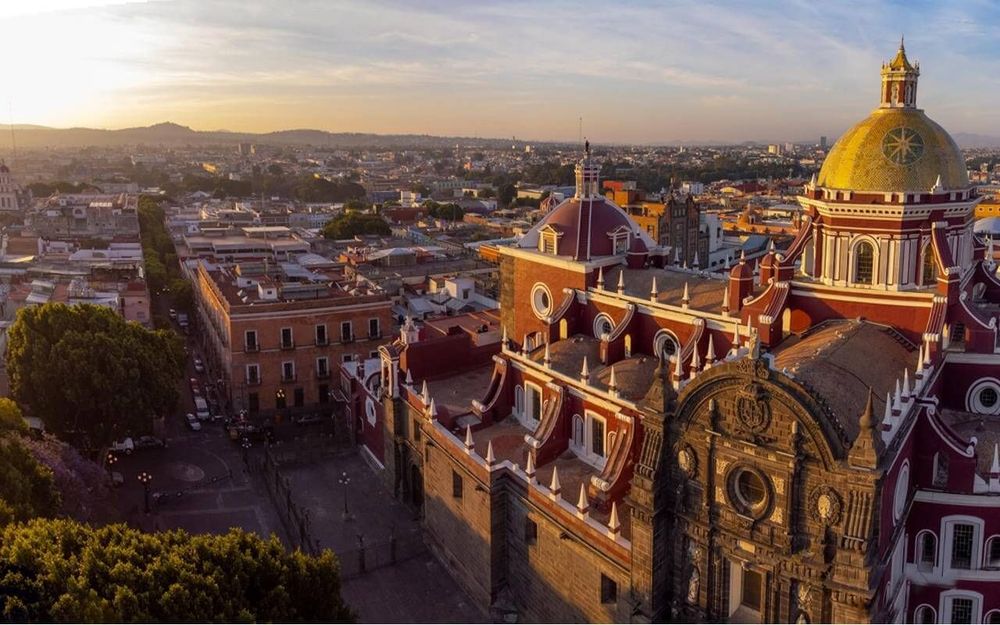
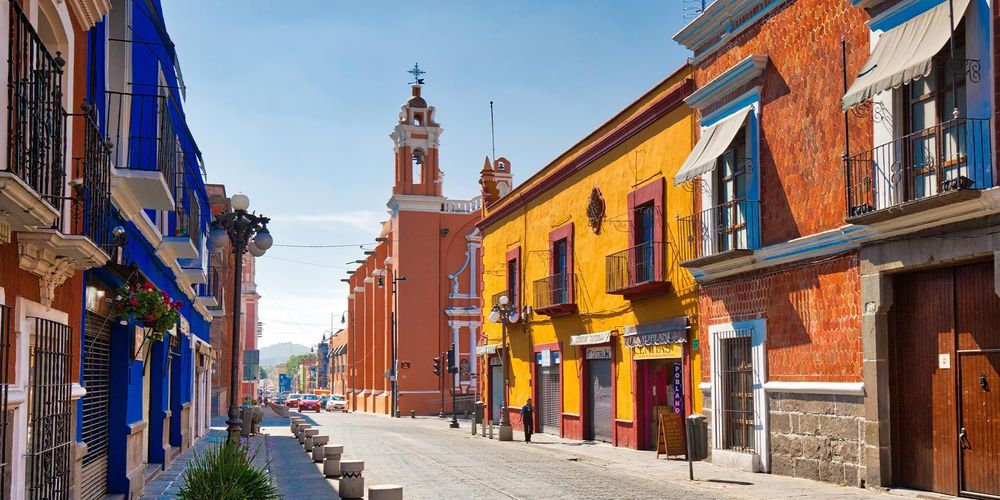
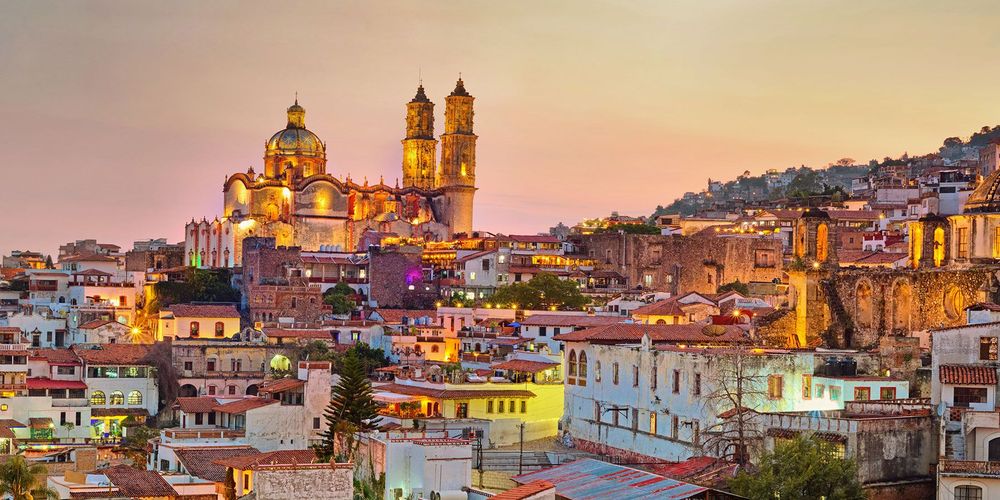
Rich in a UNESCO-listed historic center, Puebla reveals remarkable colonial heritage and a vibrant culture. With its colorful façades, renowned cuisine, and pre-Hispanic influences, the city offers an authentic immersion in the heart of Mexico.
Quand partir à Puebla ?
Jan.
15°
3
Feb.
16°
3
March
18°
5
April
20°
7
May
21°
12
June
20°
16
July
19°
18
Aug.
19°
18
Sept.
19°
17
Oct.
19°
10
Nov.
17°
5
Dec.
15°
3
The climate in Puebla is subtropical highland, with mild and dry winters, generally between 8 and 22°C, and temperate summers marked by the rainy season, with temperatures most often ranging from 20 to 26°C; the best time to visit is from November to April, during the dry season, when temperatures are pleasant and conditions are ideal for enjoying the historic center, cultural sites, and surrounding areas without the frequent summer showers.
Départ conseillé
No need to worry about where to begin! Our tours are designed as a loop, so you can jump in wherever you are. The navigation system and audio-guide will automatically adjust to your location. However, if you happen to be nearby, we do have a preferred starting point: : In front of the San Francisco convent.
Parking à proximité
Parking San Francisco : 12 Av. Ote. 423
Once you're in Puebla, you won’t need a car to explore the city. In fact, driving around can be quite tricky due to frequent traffic jams, and the rules of the road aren’t always strictly followed. When it comes to parking, look for designated lots marked with an “E”. These are often monitored by an attendant who will park your car for you. It’s definitely safer to use a parking lot rather than street parking—if you do park on the street, make sure to read the signs carefully and never leave any valuables inside the car.
Découvrez 27 lieux d'intérêt pour visiter Puebla








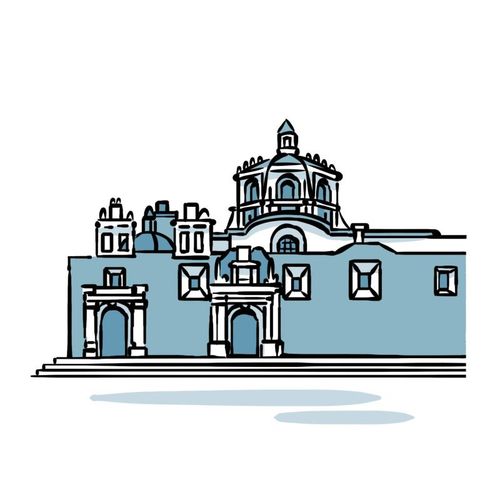
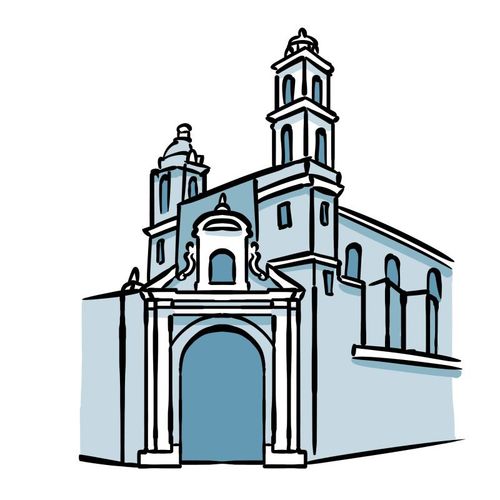
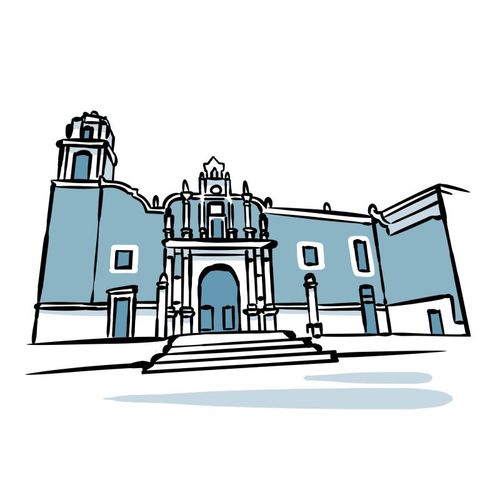







Le plein d'inspirations
Explorez le monde en totale liberté, à pied au cœur des villes ou au fil des routes. Nos guides audios transforment chaque destination en une découverte culturelle immersive et unique.
FAQ for visiting Puebla
When is the best time to visit Puebla?
The ideal time to discover Puebla runs from November to April, during the dry season. You'll then enjoy pleasant temperatures ranging between 8 and 22°C and generally clear skies, perfect for exploring the historic centre and its colonial treasures. The summer months, from May to October, correspond to the rainy season with frequent afternoon showers, although temperatures remain mild between 20 and 26°C. If you travel in summer, bring an umbrella and opt for morning visits. Puebla's high-altitude subtropical climate remains pleasant all year round, but the dry season offers optimal conditions for strolling through the colourful streets and fully enjoying the cultural sites.
How many days do you need to visit Puebla?
Two to three days is the ideal length of time to appreciate Puebla without rushing. In two full days, you'll be able to explore the magnificent historic centre, visit the cathedral and the main Baroque churches, discover the artists' quarter and savour the local gastronomy. If you have an extra day, you can deepen your discovery with the museums, the El Parián craft market and perhaps an excursion to nearby Cholula and its great pyramid. Lovers of colonial architecture and history could easily extend their stay to four or five days to explore more of the many churches, convents and historic mansions that make up the richness of this World Heritage city.
How do you get to Puebla from Mexico City?
The journey between Mexico City and Puebla is simple and quick, the city being about two hours' drive away. Direct buses depart regularly from Mexico City's TAPO and Terminal del Norte terminals, with companies such as ADO offering comfortable services roughly every hour. The bus journey generally costs between the equivalent of a few euros and around twenty depending on the level of comfort chosen. If you prefer to drive, the modern 150D motorway links the two cities directly, passing through spectacular mountain landscapes. Private transport services and ride-sharing apps also offer practical alternatives. Puebla airport exists, but direct flights from Mexico City are rare, with land transport remaining the preferred option.
What is an absolute must-do in Puebla?
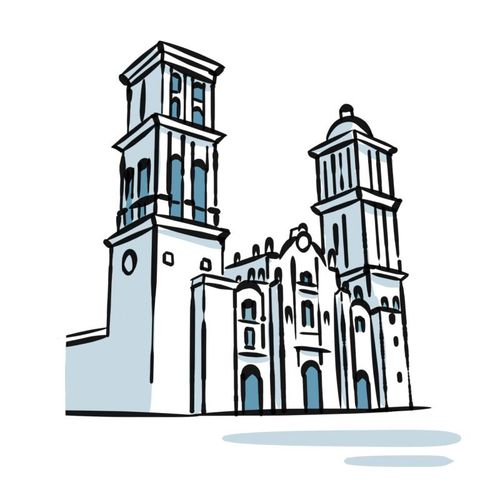
Your visit to Puebla must absolutely include the majestic cathedral on the Zócalo, a masterpiece of colonial architecture, and the sublime Capilla del Rosario, considered one of the most beautiful Baroque chapels in Mexico. Don't miss the Street of Sweets with its multicoloured façades or the artists' quarter where local craftsmanship comes to life. The Palafoxiana Library, the first public library in the Americas, is also worth the detour. For an optimal discovery of these treasures and many others, the Ryo audioguide offers a narrated tour that leads you through the historic alleys, revealing the city's secrets. Finish with a tasting of mole poblano in one of the traditional restaurants for a complete experience.
Where should you stay in Puebla?
The historic centre is the best district for staying in Puebla, allowing you to easily explore the main attractions on foot. There you'll find elegant colonial houses transformed into boutique hotels, offering charm and authenticity, as well as more modern establishments to suit all budgets. The area around the Zócalo and 5 de Mayo street is full of accommodation options, from budget hostels to luxury hotels housed in former convents. The Los Sapos district, renowned for its antique dealers and its bohemian atmosphere, also offers characterful accommodation. For a quieter stay, consider residential districts such as La Paz, slightly off-centre but well served and generally more affordable than the historic heart.
What are the gastronomic specialities to try in Puebla?
Puebla is considered one of the birthplaces of Mexican gastronomy and you absolutely must try mole poblano, that complex sauce blending chocolate and spices, traditionally served with turkey. Chiles en nogada, a patriotic dish in the colours of the Mexican flag, are a must between July and September. Don't miss out on cemitas, typical generously filled sandwiches, or chalupas poblanas, small crispy tortillas topped with sauce and meat. For dessert, savour camotes, candied sweet potatoes, or tortitas de Santa Clara, traditional convent biscuits. The streets around the El Carmen market and the Parián area offer excellent spots to discover these delights in an authentic and convivial atmosphere.
How do you get around Puebla's historic centre?
Puebla's historic centre is ideally explored on foot, its compact size and wide pavements making walking pleasant and practical. Most of the major attractions are within easy reach of the Zócalo, allowing you to wander from one site to another while admiring the colonial architecture. For longer distances or if you're tired, taxis are plentiful and generally affordable, but always agree on the price before getting in. Transport apps like Uber work well in the city. Tourist buses also offer panoramic tours if you prefer a quick overview. The romantic horse-drawn carriages offer a picturesque option for discovering the centre, particularly appreciated in the evening when the façades light up.
Can you visit the Popocatépetl and Iztaccíhuatl volcanoes from Puebla?
The majestic Popocatépetl and Iztaccíhuatl volcanoes are visible from Puebla on a clear day and make a popular excursion. The Izta-Popo national park is about an hour and a half's drive away, offering spectacular views of these sleeping giants. However, access to Popocatépetl generally remains restricted due to its regular volcanic activity. Iztaccíhuatl, an extinct volcano, allows closer approach with hiking trails suited to different levels, although the high altitude requires good physical condition. Organised tours leave regularly from Puebla, including transport and a guide, ideal if you don't have a vehicle. The best time runs from November to March to enjoy optimal visibility. Bring warm clothing, as temperatures drop considerably at altitude.
What is there to see in Cholula from Puebla?
Cholula lies a few kilometres west of Puebla and is easily reached by bus or colectivo from the city, in the space of half a day. People come for the Great Pyramid, the largest monument in the world by volume, now so covered in earth and vegetation that it looks like a hill, crowned by the church of Nuestra Señora de los Remedios. A network of excavated tunnels can be visited beneath the mound.
From the esplanade the view stretches to the Popocatépetl when the sky is clear, and you then walk back down towards the great Franciscan monastery and the lively markets of the centre. Two nearby churches, Santa María Tonantzintla and San Francisco Acatepec, offer exuberant indigenous baroque, with interiors carved from top to bottom and façades covered in ceramics.
Why is Puebla famous for its Talavera tiles?
From colonial times onwards the city inherited the skills of potters who came from Talavera de la Reina, in Spain, and found ideal clay here. The glazed ceramic, now protected by its own appellation, has become the visual identity of Puebla: church domes, entire façades and courtyard interiors are covered with it, from cobalt blue to saffron yellow.
The historic centre gives the finest demonstration of it, between the Casa de los Muñecos and the Casa del Alfeñique, the entirely gilded Rosary Chapel, the Palafoxiana library, one of the oldest on the continent, and the collections of the Amparo museum. Several workshops in the centre can be visited and show the wheel and firing work. The Ryo audio guide offers a dedicated Puebla route linking these different places.
Vos commentaires, idées et suggestions
Aucun avis pour le moment