Walk
A backdrop to Adventure and Legends
Campeche, Mexico
Walk
A backdrop to Adventure and Legends
Campeche, Mexico
4.3 km
Distance
2h00
Durée
22
Audios
Loop
Parcours
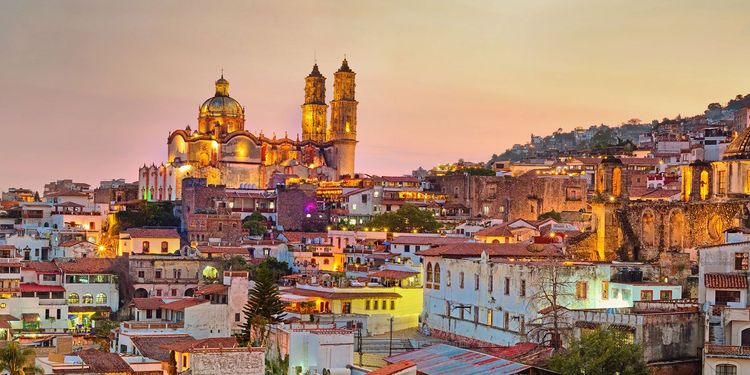
Mexico unfolds like a continent unto itself, stretching between snow-capped volcanoes and turquoise coastlines, between ancient ruins and incandescent colonial cities. To visit Mexico is to accept being shaken by its contrasts, bewitched by the scents of copal and chile, and slowed down by the warmth of its people. For those who wish to explore this land at their own pace, the Ryo audio-guided tours accompany the traveller to the heart of some of its most fascinating cities, like a discreet and knowledgeable travel companion.
Ryo currently offers audio-guided tours in four Mexican cities, each carrying its own singular history and an atmosphere impossible to replicate.
At the heart of one of the world's largest metropolises, Mexico City reveals layers of history stacked like geological strata. The traveller walks in the footsteps of an Aztec empire whose remains still surface beneath the modern city, square after square, museum after museum. The Ryo audio-guided tour invites visitors to read the city differently, from the majestic Zócalo to the ruins of the Templo Mayor, with a gaze that is both informed and sensitive.
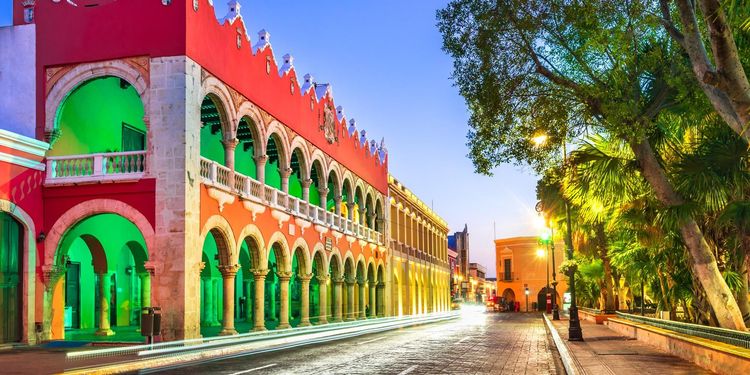
The capital of Yucatán, Mérida gracefully blends the imprint of Mayan civilisation with the Baroque architecture inherited from Spanish colonisation. Its wide avenues lined with ochre mansions and its colourful markets make it an ideal gateway to the peninsula. The Ryo audio-guided tour leads the traveller through its shaded squares and founding stories.
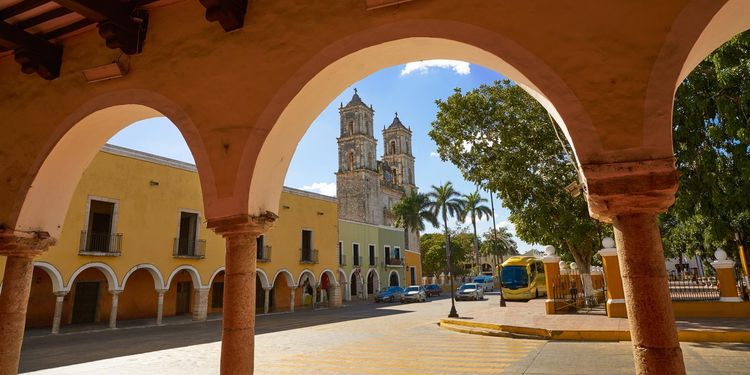
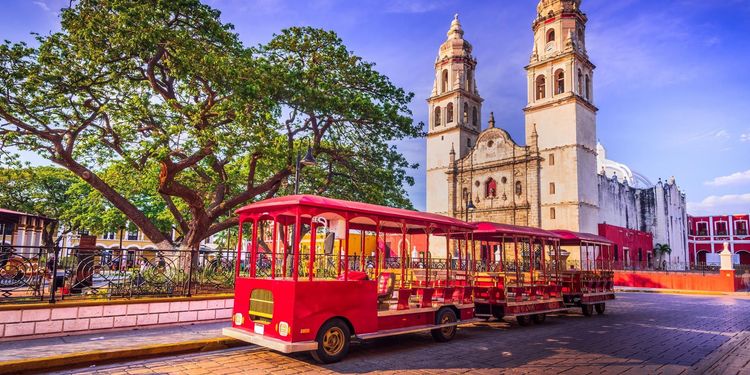
Behind its colourful ramparts and Baroque fortifications, Campeche conceals a past of pirates, trade, and resistance. A UNESCO World Heritage Site, this port city on the Gulf of Mexico reveals, through the Ryo audio-guided tour, its alleyways with painted facades and its still-vibrant legends.
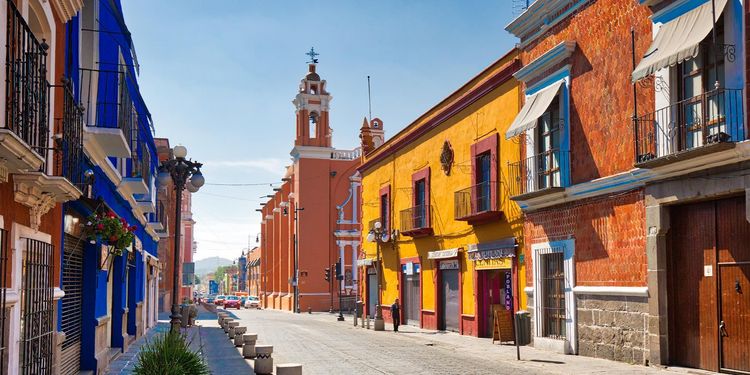
A few hours from the capital, Puebla stands as a Baroque masterpiece, with cathedrals adorned with Talavera tiles and a culinary tradition that gave birth to mole poblano. With Ryo, the traveller strolls through its cobbled streets following the story of a city that has managed to resist and shine across the centuries.
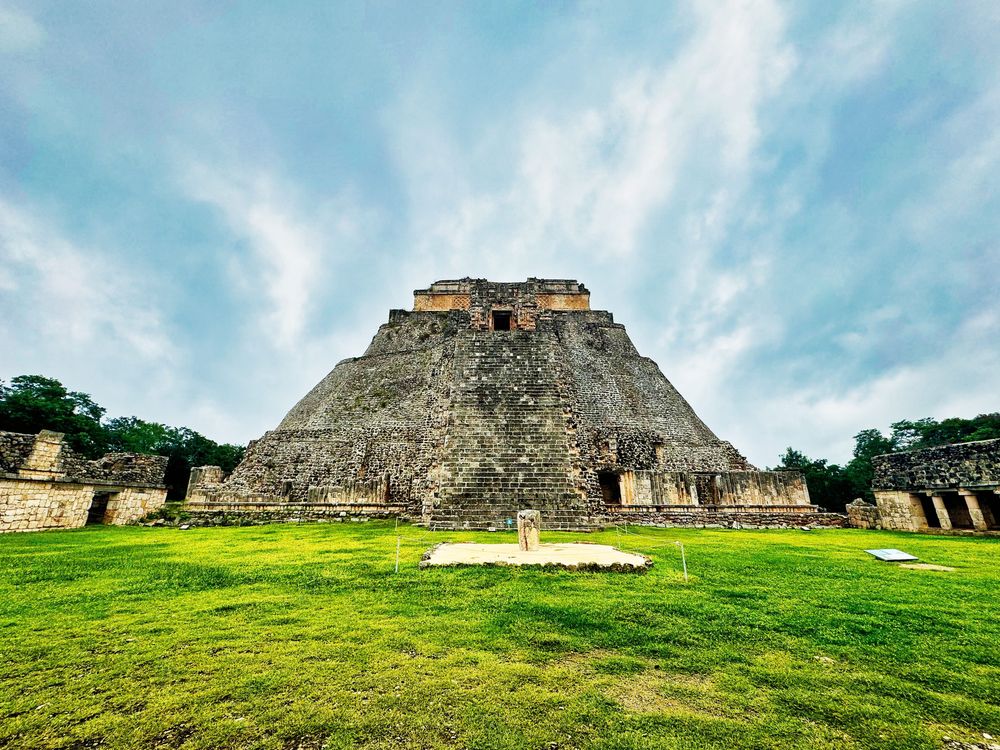
Beyond the cities covered by Ryo, Mexico offers a diversity of landscapes well worth lingering over. The Yucatán Peninsula captivates with its iconic Mayan archaeological sites and its cenotes of crystal-clear water. Further south, Chiapas plunges the traveller into dense forests and unspoiled scenery close to the Guatemalan border. Along the Gulf of Mexico, white sandy beaches invite quiet contemplation, while Quintana Roo combines Caribbean islands, coral reefs, and ancient ruins. Inland, Guanajuato, born from colonial silver mining, unrolls a historic centre of winding alleyways and vivid colours. The Bacalar Lagoon, whose blue shifts with the light and depth, ranks among the country's most singular natural wonders.
Mexico can be visited year-round, but the dry season, generally from November to April, offers the most pleasant conditions in the majority of regions. Summer coincides with the rainy season across much of the country, with showers that are often brief but intense, and an increased risk of hurricanes along the Caribbean coast. The central highlands, sitting at higher altitudes, enjoy a more temperate climate throughout the year. Certain festive periods, such as Día de Muertos in November, offer an unparalleled cultural immersion.
The long-distance bus network is extensive and covers virtually the entire country, with comfortable routes connecting major cities. Flying remains the most practical option for covering long distances in such a vast country. Within cities, local public transport, taxis, and ride-hailing services make it easy to get around. To explore rural areas or isolated archaeological sites, renting a vehicle offers a welcome freedom, provided one researches road conditions according to the season.
The period from November to April is generally considered the most favourable, with abundant sunshine and limited rainfall across most regions. The months of July and August, though wetter, remain accessible in the central highlands. Those interested in festivals and traditions would do well to time their trip around Día de Muertos or Holy Week, two highlights of Mexican cultural life.
Given the size of the country, a short stay only allows you to explore one region or a handful of cities. Two weeks represents a reasonable minimum to combine one or two major cities, an archaeological site, and a natural area. A month allows for a more unhurried exploration, at the traveller's own pace, without sacrificing depth for quantity.
Long-distance buses, reliable and well spread across the country, are the most common way to travel between cities. For significant distances, flying saves considerable time. Within cities, local transport varies by destination, and walking often remains the best way to soak up the atmosphere of a historic neighbourhood.
Mexico is home to an exceptional number of UNESCO World Heritage Sites, including colonial historic centres and pre-Hispanic archaeological zones. The Mayan and Aztec sites rank among the most impressive on the American continent. The diversity of landscapes, from Pacific beaches to northern canyons and southern tropical forests, also offers unforgettable natural experiences. Mexico City, Mérida, Puebla, and Campeche are among the most heritage-rich cities, and all are accessible through Ryo audio-guided tours.
Mexican cuisine, recognised as an Intangible Cultural Heritage of Humanity, goes far beyond the clichés. Each region cultivates its own specialities: Puebla's mole poblano, simmered with dozens of ingredients; Yucatán's cochinita pibil, slow-cooked underground; Oaxacan tamales wrapped in banana leaves. Local markets remain the best places to taste authentic cuisine, prepared according to recipes passed down from generation to generation.