






Créé par Camille, le 4 oct. 2026
Votre guide Ryo
Valladolid, Mexico
The rebellious city on the water
Parcours audioguidé pour visiter Valladolid en 1 jour
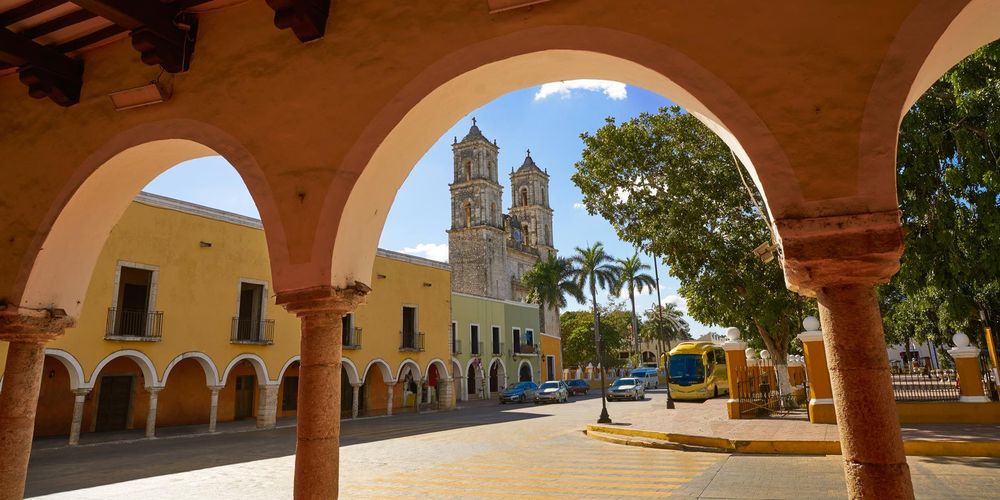
This tour of Valladolid invites you to discover the colonial gem of the Yucatán, nestled in the heart of Mayan lands between lush jungles and sacred cenotes. As you walk through the city, explore its colorful streets with pastel facades and centuries-old churches, witnesses to a fascinating history where ancestral traditions and Spanish heritage intertwine. An authentic and captivating immersion to savor the peaceful atmosphere of this "Magic Town" at your own pace.
Quand partir à Valladolid ?
Jan.
23°
4
Feb.
24°
2
March
26°
2
April
28°
7
May
29°
7
June
28°
15
July
28°
16
Aug.
28°
17
Sept.
28°
17
Oct.
26°
12
Nov.
24°
7
Dec.
23°
3
Valladolid, in the Yucatán, has a warm tropical climate year-round, with temperatures usually ranging between 25 and 35°C. The dry season, from November to April, is the most pleasant time to visit: it’s warm, the air is drier, and rain is uncommon. From May to October, it’s the rainy season, with showers often arriving late in the day and a heavier, more humid atmosphere. The landscapes are very green and there are usually fewer visitors, but September and October are also the months when the region is most exposed to tropical storms.
Départ conseillé
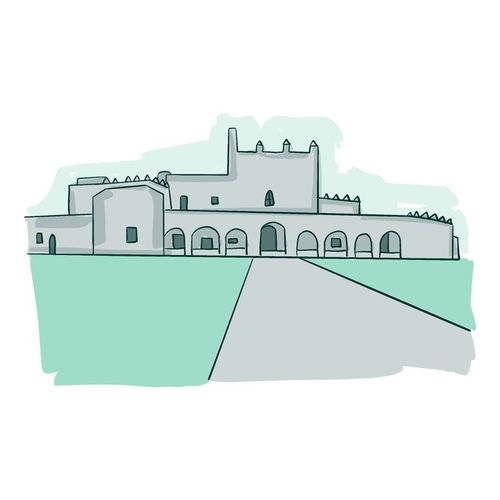
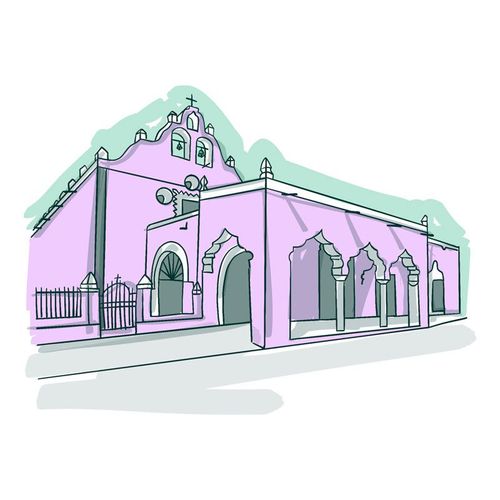
We design our tours as loops, so you can easily start the visit from whichever point is closest to you, and the guidance will automatically adjust. If you happen to be nearby, a great place to begin is the Convent of San Bernardino of Siena.
Parking à proximité
Free parking Estacionamiento gratuito Cenote Zaci, Calle 34 x 37 y 39, Sta Ana, Valladolid.
Paid parking Estacionamiento Centro Histórico Valladolid, Calle 37 x Calle 42, Centro, 97780 Valladolid.
In Valladolid, you can park for free at the Cenote Zaci parking lot between 7 a.m. and 8 p.m., although spaces are limited, or on the residential streets around the city center, where parking is generally free, even at night, unless signs indicate otherwise. If you’d rather leave your car in a monitored lot, you can use Estacionamiento Centro Histórico Valladolid. And if you’re staying in town, many hotels and Airbnb rentals also offer free parking, often in secured areas.
À savoir
Credit cards are widely accepted, but it’s still important to carry some cash for markets and small services. Lunch, which is the main meal of the day, is usually eaten between 2 and 4 p.m. Tap water is not safe to drink, so stick to bottled water. Tipping is expected: plan to leave around 10 to 15 percent in restaurants and a few pesos for guides, drivers, porters, or caretakers, while checking first whether service is already included. The Yucatán, including Valladolid, is generally considered safe, but it’s still best not to leave anything visible in your car, to stay discreet with valuables, and to avoid driving at night on smaller secondary roads. On the health side, make sure your vaccinations are up to date; hepatitis A vaccination is recommended, and it’s a good idea to use mosquito repellent. Finally, politeness goes a long way: greet people when entering a place and always ask permission before taking photos of individuals, especially in local communities.
Découvrez 17 lieux d'intérêt pour visiter Valladolid




Le plein d'inspirations
Explorez le monde en totale liberté, à pied au cœur des villes ou au fil des routes. Nos guides audios transforment chaque destination en une découverte culturelle immersive et unique.


FAQ for visiting Valladolid
When is the best time to visit Valladolid?
Valladolid can be visited all year round, but the dry season, running broadly from November to April, is the most comfortable: clear skies, more bearable heat and cenotes at their best. Spring turns very hot as May approaches, while summer and early autumn bring showers that are often brief but intense, along with a risk of tropical storms over the peninsula. The busiest periods match the North American holidays and the end-of-year festivities; outside those, the town returns to its quiet rhythm. In every case it is hot and humid, and sightseeing is easier early in the morning or towards the end of the day.
How many days should you plan for Valladolid?
A day is enough to walk the colonial centre, but two or three nights let you really enjoy the town and make the most of its location. Count on a first day for the main square, the Calzada de los Frailes, the convent of San Bernardino and the cenote in town, then a second for the surrounding cenotes and a Mayan site. Many travellers only pass through on a day trip from the coast and miss the evening atmosphere, when locals come out onto the square and the façades are lit. Staying the night changes the experience noticeably, and also lets you set off early for the archaeological sites, ahead of the groups coming from the Riviera Maya.
What are the must-sees in Valladolid?
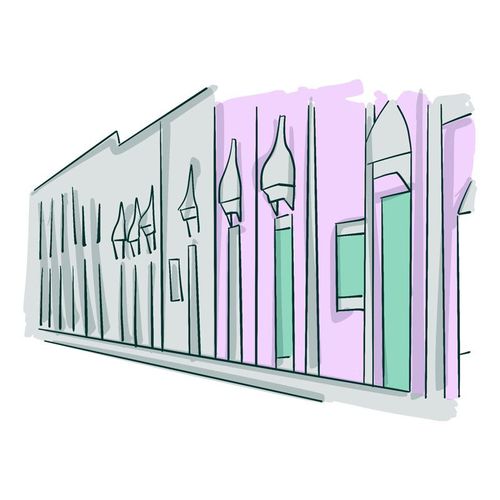
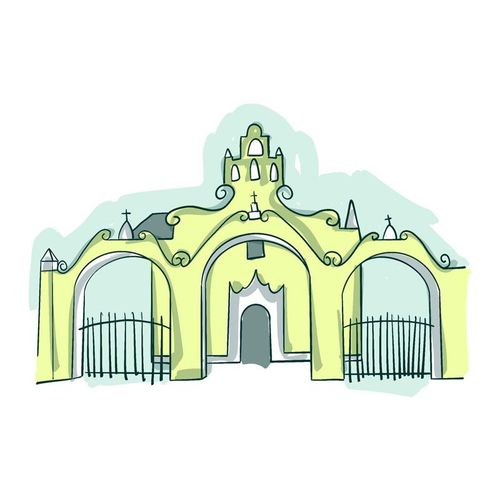
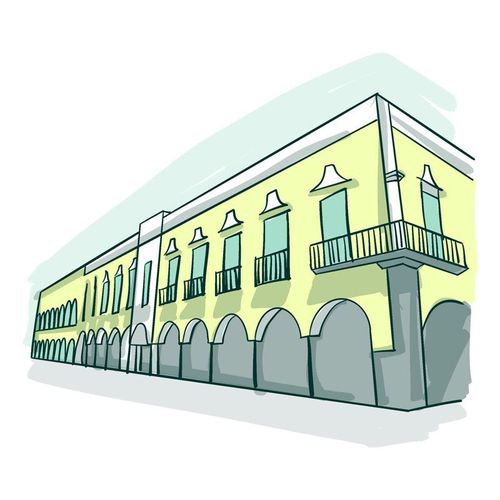
The heart of town is Parque Francisco Cantón Rosado, framed by San Servacio cathedral and busy from morning to night. From there the Calzada de los Frailes sets off, a cobbled street of colourful houses leading to the convent of San Bernardino de Siena, a vast sixteenth-century complex that shelters a cenote hidden beneath the building. A few steps away, the Casa de los Venados gathers a private collection of Mexican folk art in a colonial mansion, while the municipal market gives the pulse of daily life. The Zací cenote, right in town, rounds off the visit. The Ryo audio guide offers a dedicated Valladolid route that links these places on foot.
How do you get to Valladolid from Cancún, Mérida or Tulum?
Valladolid lies halfway between Cancún and Mérida, on the road that crosses the peninsula, which makes it easy to reach. Long-distance coaches connect both cities several times a day, as well as Playa del Carmen and Tulum, from a terminal a few minutes' walk from the centre. By car, the toll motorway is the quickest option, while the free road passes through Mayan villages and takes noticeably longer. A regional train has also served the peninsula for a short while, with a station on the outskirts. From the airports of Cancún or Mérida, the journey is generally made by bus or hire car.
How do you get around Valladolid and its surroundings?
The centre can be covered entirely on foot: the main square, the colonial streets and the principal monuments all sit within a few blocks, and the grid layout makes finding your way straightforward. For the cenotes and neighbouring villages, moto-taxis and shared taxis wait near the market and serve the busiest spots; a bicycle is also a good option over short distances, outside the hottest hours. Colectivos, the shared minibuses, link the surrounding towns for very little but follow their own timetables. A hire car remains the most flexible solution if you want to string several sites together in the same day.
Which cenotes can you visit in and around Valladolid?
The region rests on limestone riddled with natural wells, and Valladolid has several within immediate reach. In town, the Zací cenote opens to the sky in a garden a few streets from the square. On the edge of the built-up area, the X'keken and Samulá cenotes, next door to each other, form caves where light drops through an opening in the roof. Suytun, to the north-east, is known for its circular platform set on the water, caught in a beam of light at certain hours. Others, such as Oxman or Hubiku, combine bathing with a hacienda. Bring a swimsuit and a towel, and go without sunscreen, which is often banned to protect the water.
Can you visit Chichén Itzá and Ek Balam from Valladolid?
Yes, and it is one of the town's great advantages. Chichén Itzá, with its pyramid of Kukulcán, its ball court and its sacred cenote, is less than an hour away to the west; setting off as it opens means arriving ahead of the coaches from the coast and escaping the midday heat. Ek Balam, to the north, is far smaller in size but has an acropolis you can still climb, decorated with remarkably well-preserved stucco sculptures. The site of Cobá, further south-east, is sometimes added to the programme. A hat, a large supply of water and closed shoes are strongly advised, as shade is scarce on the esplanades.
What food should you try in Valladolid?
Yucatecan cooking is among the most distinctive in Mexico, marked by achiote, bitter orange and habanero chilli served on the side. You will come across cochinita pibil, pork marinated and slow-cooked in the ground, sopa de lima scented with the local lime, panuchos and salbutes, small filled corn cakes, as well as lomitos and longaniza, two specialities the town claims as its own. On the sweet side, marquesitas, rolled wafers filled with cheese and dulce de leche, are sold on the square in the evening. To drink, try horchata, fruit waters or xtabentún, a liqueur of anise and honey. The municipal market and the cantinas in the centre remain the best hunting grounds.
Is Valladolid a safe town for travellers?
Yucatán is generally regarded as one of the calmest parts of Mexico, and Valladolid is no exception: the town is small and family-minded, and you can walk around it easily by day as well as in the evening around the square. The usual precautions apply: keep valuables discreet, avoid deserted streets late at night, use clearly identified taxis. On the roads, driving after dark is best avoided because of animals, poorly marked speed bumps and limited lighting. At the cenotes, follow the bathing instructions, as the surroundings are often slippery. Finally, the heat and humidity are good reasons to drink plenty and to protect yourself well from the sun.
What language is spoken and what currency is used in Valladolid?
Spanish is the everyday language, but Yucatec Maya is still very much alive in the region and you will hear it in the market as well as in the neighbouring villages; a few polite words in Spanish are always appreciated, as English is really only spoken in tourist establishments. The currency is the Mexican peso: cards work in hotels and restaurants in the centre, but it is wise to carry cash for markets, moto-taxis, smaller cenotes and tips, which are part of local custom. Cash machines are clustered around the main square. With a gentler cost of living than the Riviera Maya, a stay in Valladolid generally works out cheaper than on the coast.
Vos commentaires, idées et suggestions
Aucun avis pour le moment
