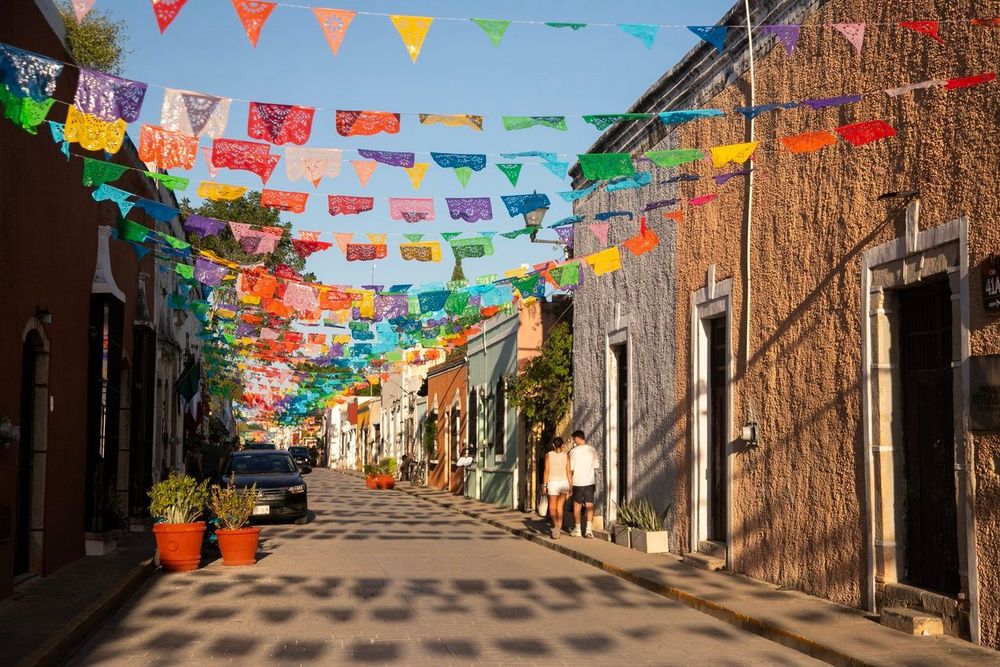
© Shutterstock
 Votre guide Ryo
A Weekend in Valladolid, Mexico: The Complete 2026 Itinerary
Planning a weekend in Valladolid starts with a small surprise: search for it and two completely different cities compete for your attention, a Castilian capital with a Gothic cathedral, and a mustard-and-terracotta town in the Yucatán where the local swimming hole is a collapsed limestone cave right in the middle of town. This guide is about the second one. Valladolid, Mexico sits roughly halfway between Cancún and Mérida, close enough to Chichén Itzá that most visitors treat it as a weekend base rather than a rushed day trip from the coast. Before getting into the itinerary, it is worth bookmarking Ryo's audio-guided tour of Valladolid, a self-paced walk through the historic center that pairs naturally with the two days mapped out below.
Over the next 48 hours you will swim in a cenote with tree roots hanging down through a hole in the ceiling and eat cochinita pibil that has been cooking in an earth pit since the night before. After dark, a 16th-century convent turns into a screen for a free light show. Day two opens with Chichén Itzá at gate time, before the heat and the tour buses arrive, followed by a choice between two very different cenotes for the afternoon. Further down, we cover where to sleep, what a realistic daily budget looks like, how to actually get there, and the side trips worth adding if a weekend quietly stretches into three or four days.
Day 1: Cenotes, Colonial Streets and Evening Magic
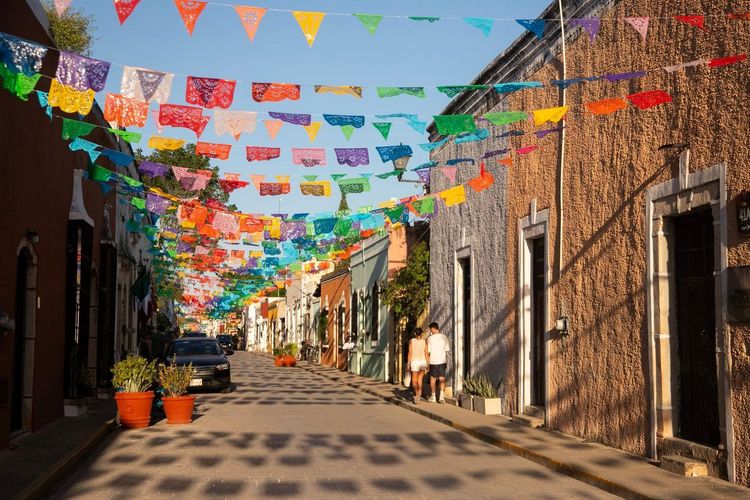
Valladolid rewards an early start, mostly because of the heat. By 1pm the Yucatán sun turns the colonial streets into a slow, syrupy walk, so the plan below front-loads the outdoor stops and saves the shaded, slower activities for later. The historic center is small enough that most stops on this list sit within a fifteen-minute walk of the main square, so you can rearrange the order without wrecking the day.
Morning: Swim at Cenote Zací
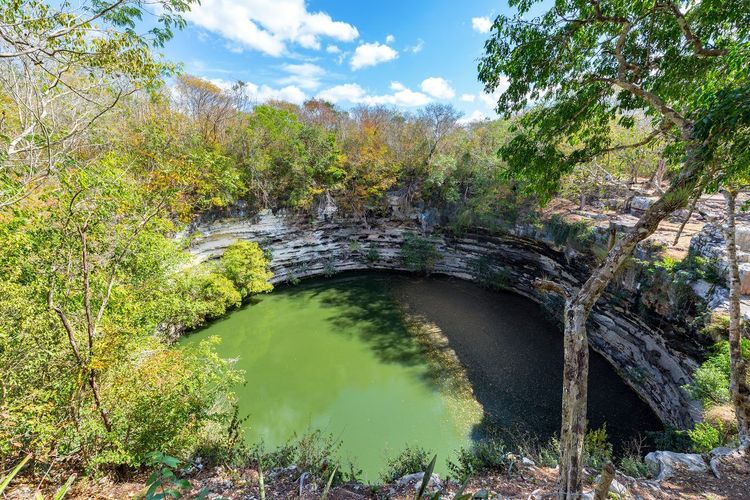
Start at Cenote Zací), a semi-open sinkhole that sits inside the town itself, a five-minute walk from the main square. Half the cenote is roofed in stone, half is open to the sky, and the water underneath runs a deep, almost black green from the shade and the limestone. Local catfish patrol the shallows, which unsettles some swimmers more than the depth of the pool itself.
Arrive before 9am if you can. The cenote opens early, entry runs a few dollars, and the crowds that show up with the 11am tour vans have not yet arrived. There is a diving platform for the confident and a set of stone steps for everyone else, plus lockers and a small restaurant on site if breakfast did not happen yet.
A few practical notes locals mention more than guidebooks do: the stone around the platform gets slippery when wet, so skip the flip-flops, and the restaurant upstairs does a decent breakfast if you want to dry off before heading back into the heat. Life vests are available to rent for a small fee if you are not a confident swimmer, and nobody will judge you for using one.
Mid-Morning: Parque Principal and Iglesia de San Servacio
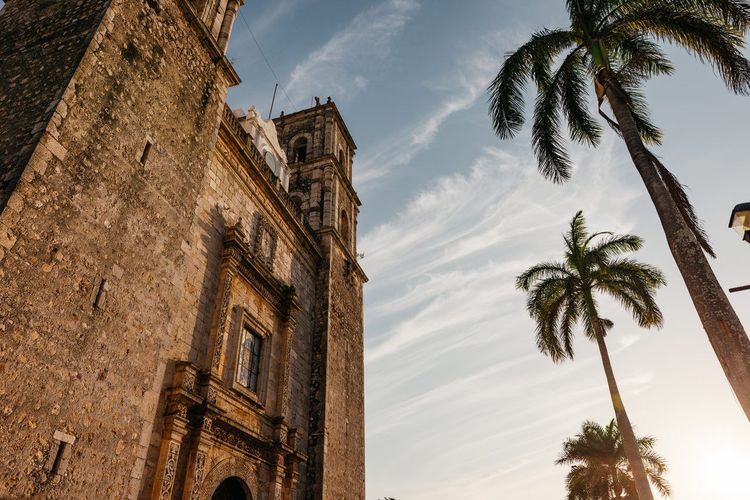
From Zací it is a short walk back into the colonial grid to Parque Principal Francisco Cantón Rosado), the leafy main square where horse-drawn carriages wait under the trees and ice cream carts do steady business even before noon.
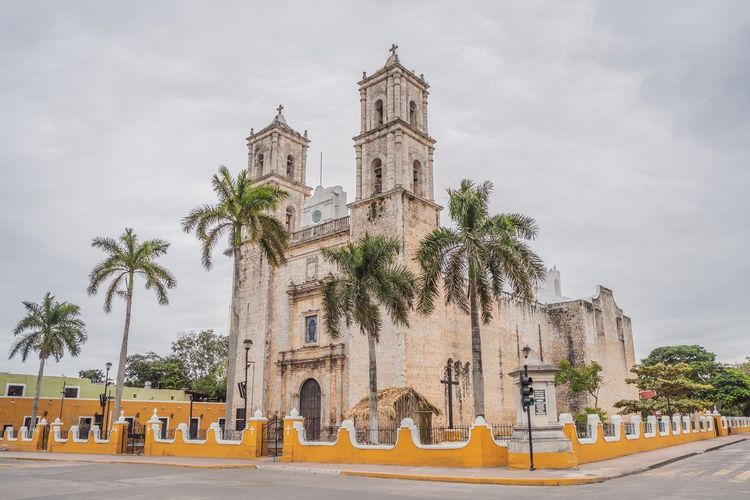
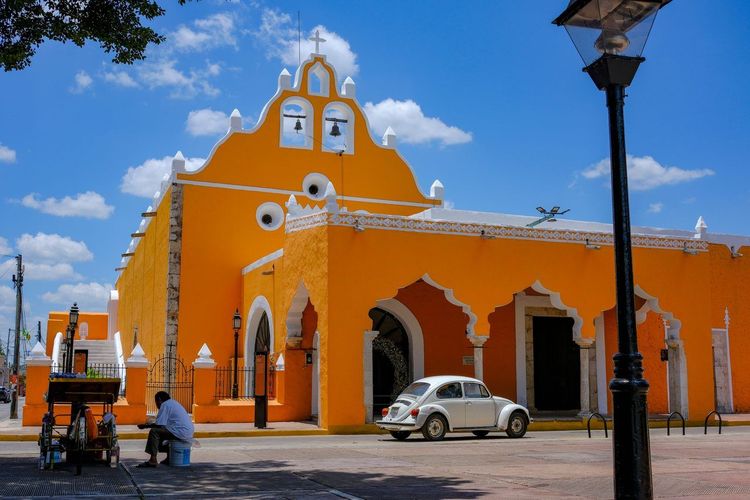
On the south side of the square stands the Iglesia de San Servacio), and its story is darker than its sunny facade suggests. In July 1703, during the episode remembered as the Crime of the Mayors, two men who had sought refuge inside the original church were killed there. The profaned building was partly demolished in 1705 and rebuilt from 1706, this time facing north onto the square rather than west like nearly every other colonial church in Yucatán. Step inside for the cool air alone; the stone interior runs noticeably colder than the street.
If you have twenty minutes to spare, a carriage ride around the square's perimeter costs very little and gives a slower, higher view of the colonial facades that is easy to miss on foot. Benches under the laurel trees fill up with locals around mid-morning, and sitting among them with an ice cream for ten minutes is, honestly, one of the better free things you can do in Valladolid.
Lunch: Yucatecan Flavors (Cochinita Pibil at Ix Cat Ik)
Cochinita pibil is the dish that defines a visit to Valladolid more than any ruin does: pork marinated in achiote and sour orange, wrapped in banana leaves, and slow-cooked until it falls apart with a fork. Ix Cat Ik (Calle 39 x 20 y 22, Colonia Militar, 97782 Valladolid, Yucatán, rated 4.6/5 on Google (2 146 avis)), in the Colonia Militar about fifteen to twenty minutes on foot east of the square (or a cheap taxi hop), cooks it the old way, in a pit in the ground over firewood, and serves it with handmade tortillas, pickled red onion and a habanero salsa that arrives separately so you can decide how much pain you want with lunch.
The kitchen opens at noon, so time your arrival after the cenote and the square rather than before. Pair the cochinita with a glass of agua de chaya, a bright green drink made from a leafy Yucatecan plant that tastes closer to cucumber than spinach, or horchata if you want something sweeter against the habanero. The garden setting, shaded by trees and set with Maya-inspired details, makes it an easy place to wait out the hottest hour of the day.
Evening: Light and Sound Show at the Convent of San Bernardino
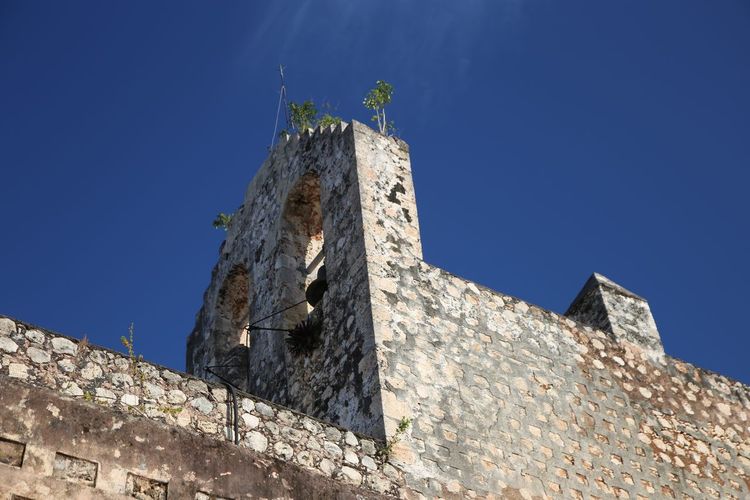
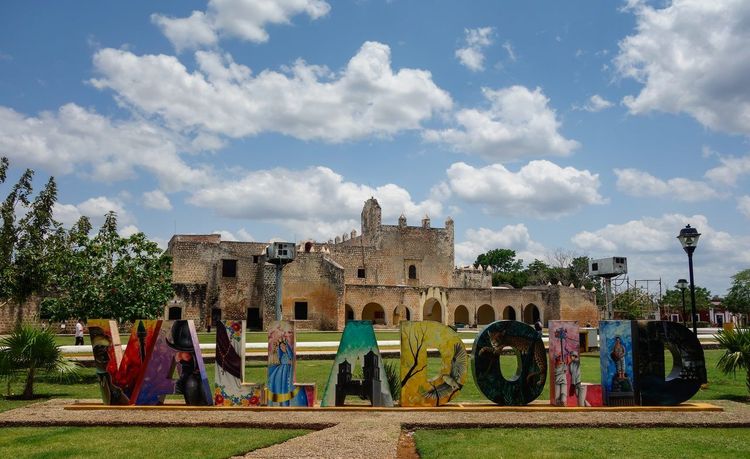
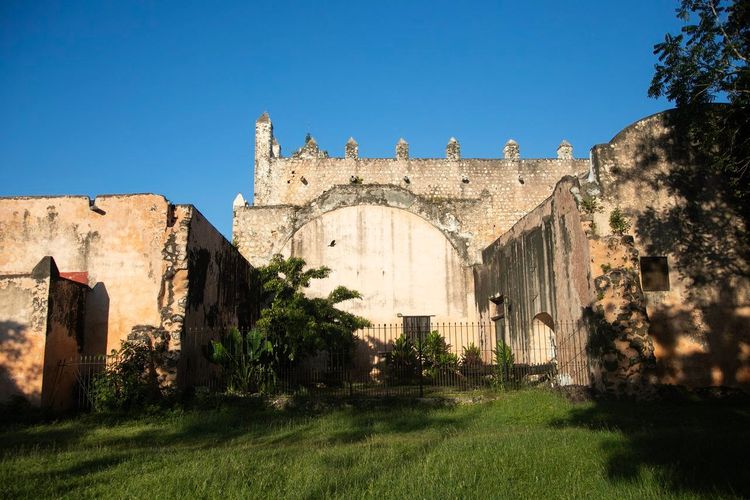
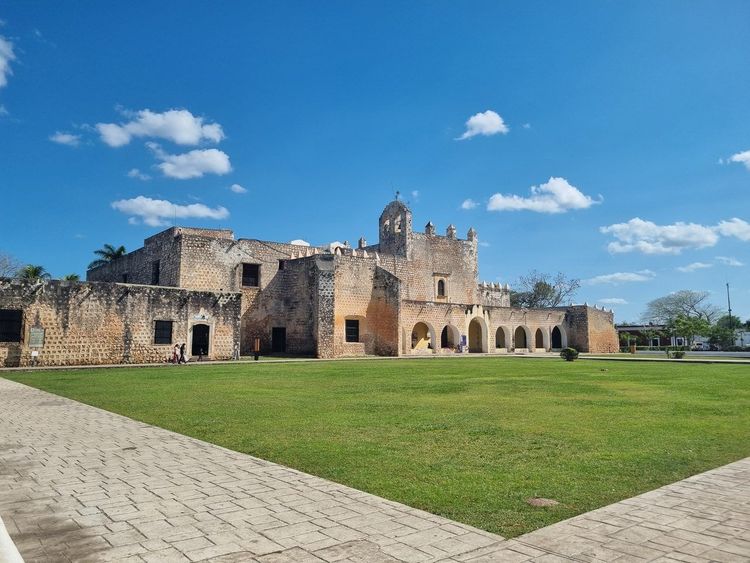
As the afternoon heat breaks, walk down Calzada de los Frailes or cab over to the Sisal neighborhood for the Convent of San Bernardino de Siena, a Franciscan complex from the mid-1500s with walls thick enough to look like a fortress. By day it is a quiet cloister with a cenote of its own in the back garden. By night, its stone facade becomes the screen for a free video mapping show, Nights of Heroic Valladolid, which runs through the founding of the town, the Caste War and the first spark of the Mexican Revolution in about 22 minutes.
The show usually starts at 9pm in Spanish, followed by an English version around 9:25pm, but check the schedule locally since times shift occasionally. Arrive fifteen minutes early to claim a seat on the lawn facing the facade; latecomers end up standing at the back of the crowd, which still works fine but loses some of the detail projected higher up the wall.
For day one specifically, Ryo's audio-guided tour of Valladolid follows almost this exact loop on foot, from Cenote Zací to the Parque Principal and the San Servacio church, which makes it a natural companion for whichever order you tackle the morning in, and it tells the 1703 story far better than any plaque.
Day 2: Chichén Itzá, Hidden Cenotes and Artisan Markets
Day two leaves town. Pack sunscreen, water, and closed shoes, because the second day covers more ground and more sun than the first, and there is less shade along the way than the colonial streets offered yesterday.
Morning: Chichén Itzá and the Temple of Kukulcán
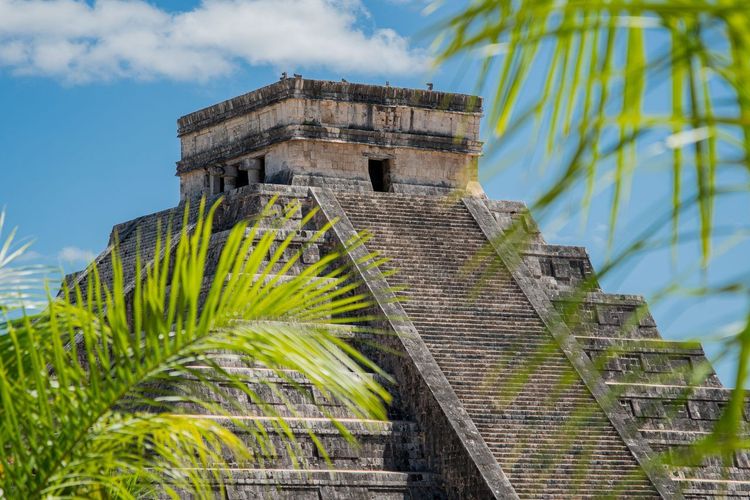
Chichén Itzá) sits about 45 minutes west of Valladolid by car, which makes it genuinely feasible to arrive right at the 8am opening, see the site before the heat and the coach tours arrive around 10:30, and still be back in town for lunch. The pyramid everyone recognizes is the Temple of Kukulcán, also called El Castillo, a roughly 30-meter step pyramid aligned so precisely that the equinox sunlight creates a shadow resembling a serpent slithering down the staircase.
Climbing the pyramid itself has not been allowed since 2006, so budget your time for walking the grounds instead. The Great Ball Court and the Temple of the Warriors sit within a short walk of the main pyramid, with the Sacred Cenote a little further down a shaded path. Hire a licensed guide at the entrance if you want the mythology explained rather than read off a plaque; prices are negotiable and drop noticeably by midday, though by then you will also be sharing the site with every tour bus that left Cancún at 6am.
Good news for independent visitors: since 2026 the old double queue (one federal fee, one state fee) has been merged into a single ticket of about 697 pesos for foreign adults, paid once at the gate. The site also has its own evening light and sound show, Noches de Kukulcán, sold as a separate ticket, but it was paused for equipment maintenance as of October 2026, so confirm it is running before planning a second drive out after dinner.
Midday: Cooling Off at Cenote Suytun or Cenote Oxmán
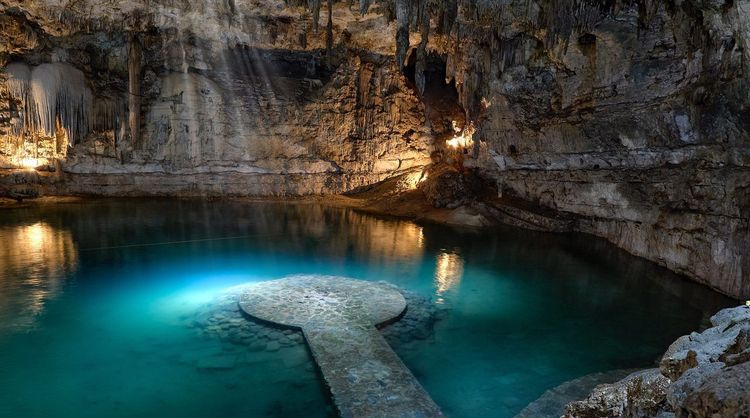
After a few hours of ruins, nearly every visitor wants water, and Valladolid gives you a choice rather than a single obvious stop. Cenote Suytun) is the famous one, a cavern cenote with a stone platform jutting out over the water that catches a single beam of sunlight through a hole in the ceiling around midday, the shot you have probably already seen on Instagram. Cenote Oxmán), closer to town inside an old hacienda, trades the dramatic lighting for hanging roots, a rope swing, and a much calmer crowd most afternoons.
If your schedule is tight, pick one rather than trying to squeeze in both. Suytun rewards an early midday visit for that light beam and gets crowded fast after, with lines forming for the platform photo by early afternoon; Oxmán is the easier, less touristy swim if you are running behind on time or simply want to relax on a hammock rather than queue for a photo. Both charge a modest entry fee and rent life vests on site, though the swimming area at Suytun is smaller and gets busy quickly once a tour bus pulls in.
Afternoon: Artisanal Shopping on Calzada de los Frailes and at the Mercado Municipal
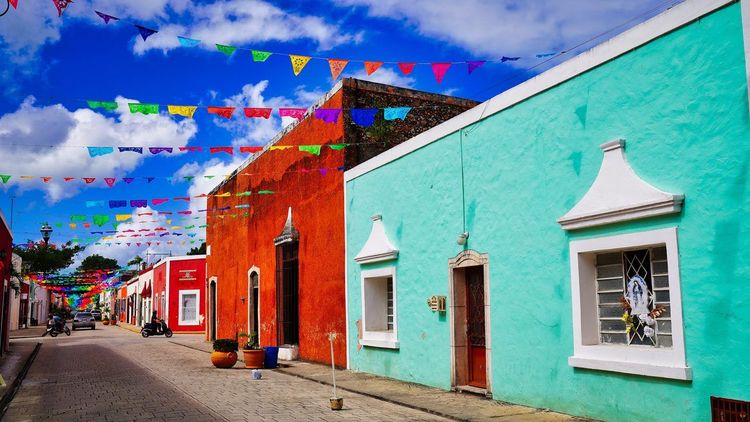
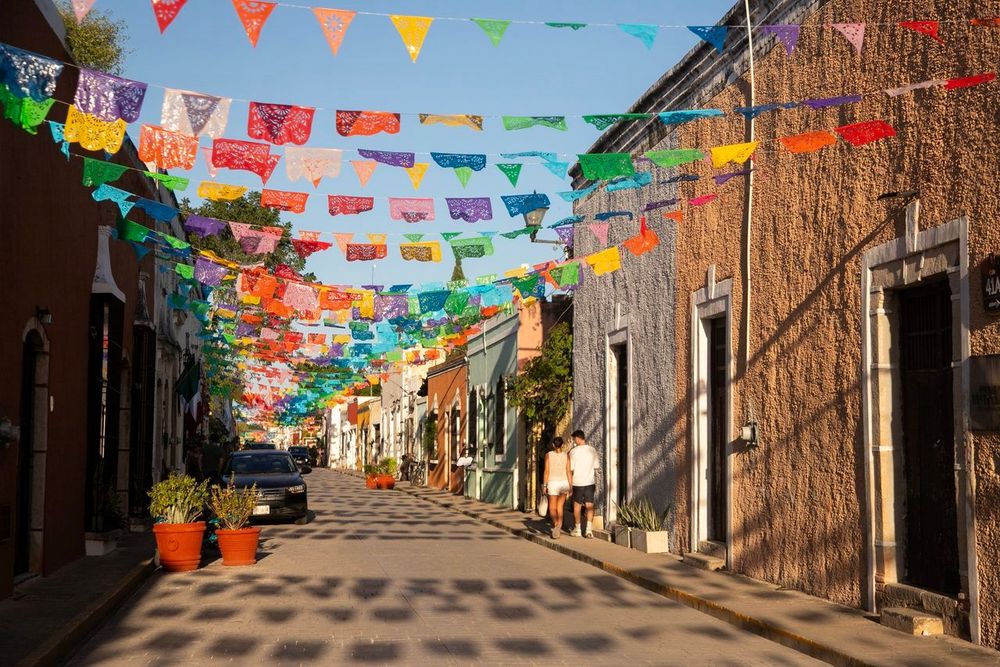
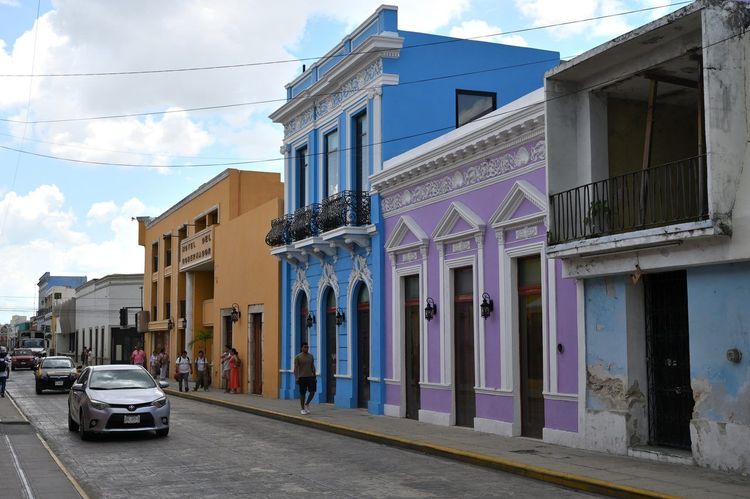
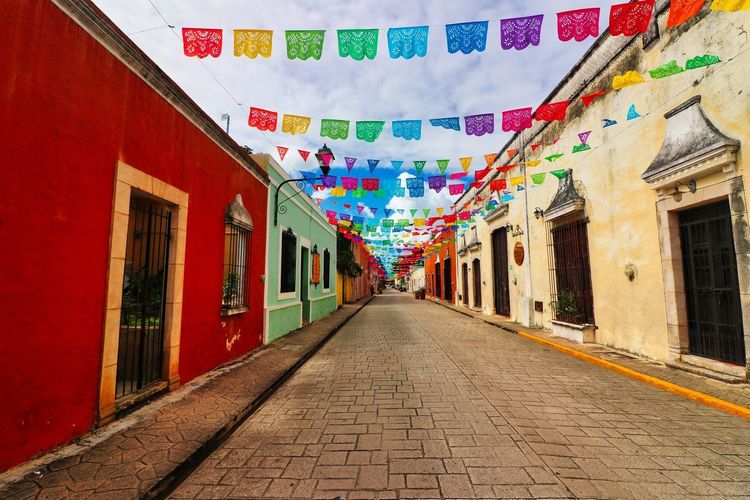
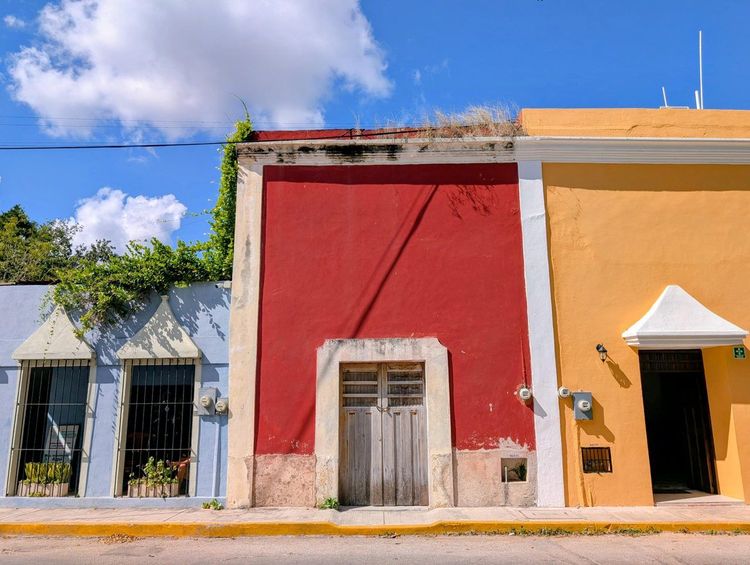
Back in Valladolid, spend the late afternoon on Calzada de los Frailes), a cobbled street lined with low colonial houses painted in faded pastels, now home to small galleries, hammock weavers, and a handful of cafes with courtyard seating. It is the most photographed street in town for good reason, and it stays pleasant to walk even at 5pm, with the light turning warm against the pastel walls.
For something less curated, the Mercado Municipal (Calle 32, Centro, 97780 Valladolid, Yucatán, rated 4.3/5 on Google (4 139 avis)) near the center sells embroidered huipiles, hammocks, leather sandals, and produce side by side with butcher stalls, and prices here run noticeably lower than on the tourist-facing streets. Bring small bills and expect to bargain gently on anything handmade; vendors generally expect a counter-offer and rarely take it personally.
A hand-woven hammock from one of the Calzada de los Frailes workshops packs down small enough for a carry-on and makes a far better souvenir than the mass-produced versions sold near the main square, if you have room in your bag for one. Back in town, the same Ryo audio tour has around thirty commentated stops scattered through the historic center, enough to fill whatever energy you have left after a full day between Chichén Itzá and the cenotes.
More Things to Do If You Have Extra Time
Two days covers the essentials, but a weekend in Valladolid has a habit of stretching. If you can add a day, here is where it tends to go.
Casa de los Venados and Maya Folk Art
Casa de los Venados) is a restored colonial home turned private museum, holding the largest private collection of Mexican folk art in the country, assembled by an American couple who moved to Valladolid and never really stopped collecting. The house can only be visited on a guided tour, in English or Spanish, starting on the hour from 10am to 1pm, and the building itself is worth seeing even without the art, a reminder of how large these colonial interiors actually are behind their street-facing walls.
There is no fixed ticket: a suggested donation of around 100 pesos per person goes toward local charities, and the guides, often longtime residents themselves, tend to know more stray local history than most paid tour guides elsewhere in town.
Ek Balam: Climbable Mayan Ruins Without the Crowds
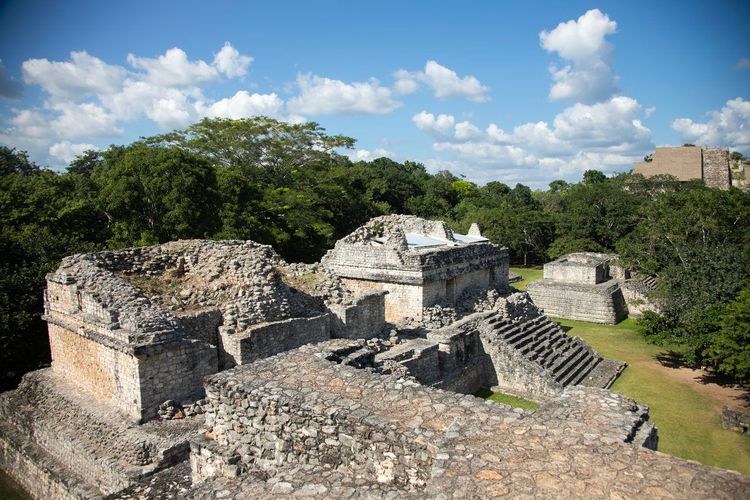
Ek Balam (Temozón Norte, 97780 Yucatán, rated 4.7/5 on Google (11 238 avis)), about 30 minutes north of town, gets a fraction of Chichén Itzá's visitors despite having an equally impressive main pyramid, the 43-meter Acropolis, which you are still allowed to climb in 2026 via a steep, rope-assisted staircase (access depends on INAH rulings, so check before you go). The site's standout feature is a stucco frieze near the summit depicting winged figures, unusually well preserved for a Classic-period Maya monument.
Entry costs a fraction of Chichén Itzá's ticket, and on most mornings you can have entire sections of the site to yourself, which is reason enough for history-minded travelers to prioritize it over a second cenote. There is a cenote nearby too, Cenote X'Canché, a reasonable combo if you rent a bike at the entrance for the short ride over.
Las Coloradas Pink Lake Day Trip
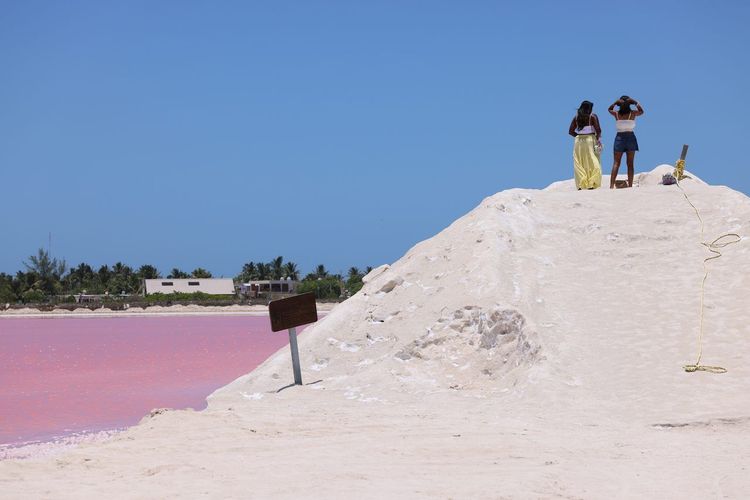
Las Coloradas, about 120 km north, close to two hours by car, is a working salt production facility whose evaporation ponds turn bubblegum pink depending on algae concentration, salinity, and how recently it has rained. It is a full day out rather than a quick stop, and the color is real but variable, so temper your expectations against the most saturated photos online.
Visits are now organized through paid access from the main entrance, from roughly 430 pesos for foreign adults depending on the option, and wandering past the barriers for a closer photo is both unsafe and the kind of thing that gets tourists fined. Combine it with the flamingo reserve at Río Lagartos if you are already making the drive, since the two sit close enough together to pair into one long but worthwhile day.
Traditional Jarana Dance at Parque Principal
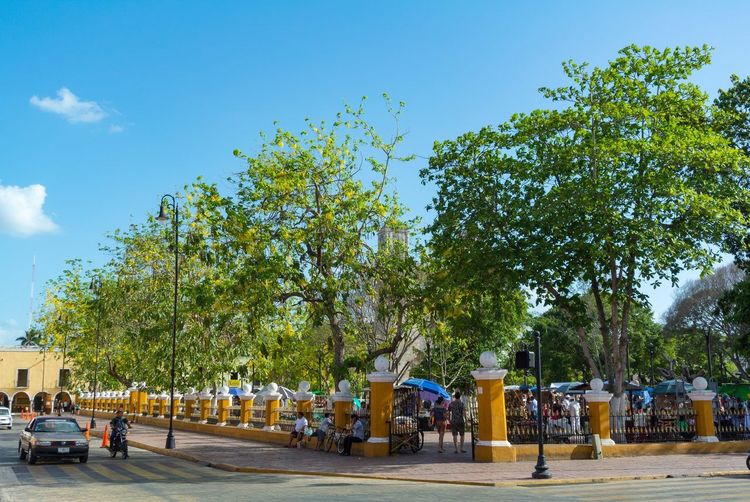
Several evenings a week, local dancers perform the jarana, a Yucatecan folk dance with Spanish and Maya roots, right in Parque Principal, often with the women balancing trays or bottles on their heads while the band plays. It is free, informal, and a pleasant way to end a day without planning anything else.
The best viewing spot is standing room along the square's edge rather than the benches further back, since the dancers move close to the crowd and the brass band tends to drown out conversation from a distance anyway. If you are staying an extra day, Ryo's audio-guided tour of Valladolid also stops outside Casa de los Venados with a short story about the house's art collection and the family behind it, a nice way to anchor a third day around the center rather than another day trip.
Where to Stay in Valladolid
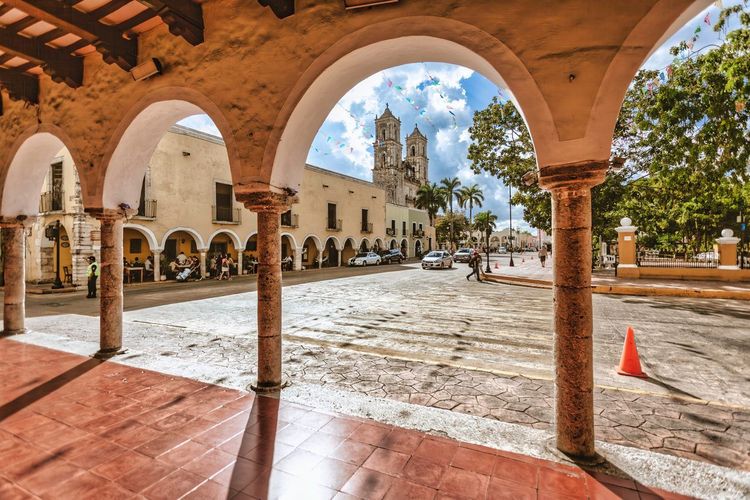
Valladolid is small enough that almost anywhere in or near the historic center puts you within walking distance of everything in this guide, so the choice mostly comes down to budget and how much colonial atmosphere you want with your room.
Luxury Hotels
Casa Lecanda), a boutique hotel inside a restored 19th-century mansion a few blocks from Parque Principal, is the pick for travelers who want colonial charm without compromising on the pool or the air conditioning. Rooms are limited, so book a few weeks ahead during the dry season, particularly around Christmas, New Year, and Easter week when the whole town fills up fast.
Expect rates well above the town average in exchange for a quieter courtyard and a small plunge pool, with breakfast included, which matters more than it sounds once you have spent a day sweating through cenotes and ruins.
Mid-Range Hotels
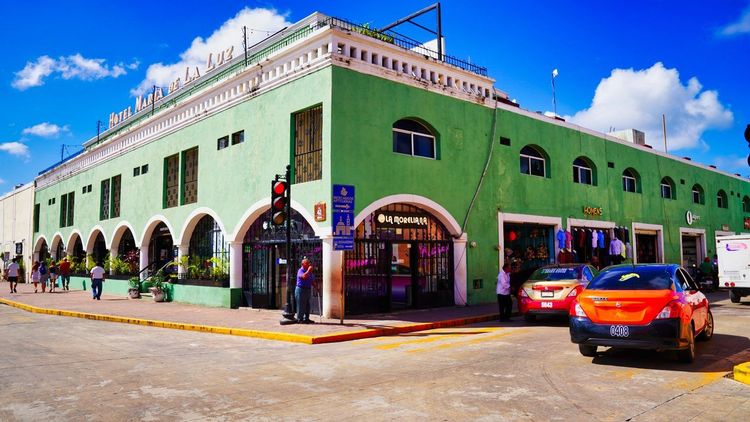
Hotel María de la Luz), right on the square, is the dependable mid-range choice, with clean rooms and a pool in the kind of location where you can hear the jarana music from your balcony. Expect simple, slightly dated interiors rather than boutique styling at this price point, which suits most travelers fine given how much time you will spend out of the room anyway.
Ask for a room facing away from the square if light sleeping is an issue, since the jarana band and the evening foot traffic carry further than you might expect through older colonial windows.
Budget Hotels and Hostels
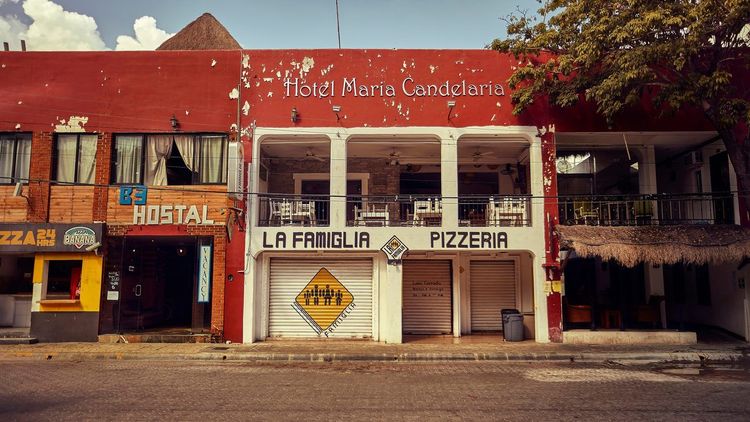
Hostel La Candelaria (Calle 35, Centro, 97780 Valladolid, Yucatán, rated 4.5/5 on Google (434 avis)), set around a plant-filled courtyard a short walk from the center, covers the budget end with dorms and a handful of private rooms, plus a kitchen most guests actually use given how cheap the market produce is nearby.
For a weekend trip built around walking, Ryo's self-guided route through Valladolid works well from any of these three price tiers, since none of them sit more than fifteen minutes on foot from the loop, and several hostels in this price bracket also organize shared cenote shuttles that cut transport costs further.
Where to Eat and Where to Go Out at Night
Beyond the cochinita pibil at Ix Cat Ik on day one, Valladolid has enough range to eat well for an entire weekend without repeating a restaurant. El Mesón del Marqués), inside a converted colonial home right on the square, serves refined Yucatecan classics in a courtyard setting, worth the slightly higher prices for the setting alone.
For something more casual, the food stalls inside the Mercado Municipal sell panuchos, salbutes, tacos, and fresh-pressed juices for a fraction of restaurant prices, and locals eat there as readily as visitors do. Vegetarians generally do better than expected here too, since Yucatecan cooking leans on citrus and achiote nearly as much as it leans on pork, and most market stalls will happily leave meat off a plate of beans and vegetables on request.
For breakfast, small cafes just off the main square serve strong local coffee alongside eggs motuleños, fried eggs over tortillas and black beans topped with tomato sauce, cheese, peas, fried plantain and ham, which does a reasonable job of fueling a cenote morning. At night, the center quiets down earlier than in beach towns, but Hennessy's Irish Pub (Calle 35, Centro, 97780 Valladolid, Yucatán, rated 4.4/5 on Google (3 063 avis)), just off the main square, draws a mixed crowd of expats, guides, and travelers for a few beers after dinner, and occasionally hosts live music on weekends.
Calzada de los Frailes also picks up a quieter, more atmospheric evening crowd once the shops close and the cafes switch their lighting, a nice stop before bed if the pub scene is not what you are after. Small mezcal bars along the same stretch pour tasting flights for a reasonable price if you want to compare a few varieties before committing to a bottle to take home.
How to Get to Valladolid
Valladolid sits close enough to three major Yucatán hubs that getting there rarely requires much planning, and all three options below drop you within easy reach of the historic center.
By Bus from Cancún, Mérida or Tulum
ADO buses are the easiest option for most travelers without a rental car. From Cancún, the ride runs roughly two and a half to three hours; from Mérida, around two to two and a half hours; from Tulum, closer to ninety minutes. Buses run frequently throughout the day, tickets are inexpensive, and the terminal sits a short walk or cheap taxi ride from the historic center.
Book tickets a day or two ahead through the ADO website or app during peak season, since popular departure times from Cancún's airport can sell out, particularly around weekends and holidays. The buses themselves run air-conditioned with reasonably comfortable seating, which makes the trip from any of the three cities an easy way to arrive without feeling wrecked on landing.
By Rental Car
Driving gives you the most flexibility, particularly for combining Chichén Itzá, Ek Balam, or Las Coloradas into the same trip without waiting on bus schedules. The toll highway from Cancún takes about two hours, and roads around Valladolid are generally in good condition, though a GPS with offline maps is worth having for the smaller village roads around Ek Balam and Las Coloradas.
Parking inside the historic center is informal but easy to find near most hotels, and several properties offer secure overnight parking included in the room rate. Tolls between Cancún and Valladolid are not cheap, so budget them alongside fuel if you are comparing the car against a bus ticket.
By Private Transfer or Guided Tour
Private transfers and organized day tours from Cancún or the Riviera Maya are widely available and tend to bundle in a Chichén Itzá stop on the way, which suits travelers who only have one full day rather than an overnight stay. Expect to pay noticeably more than the bus for the convenience of door-to-door pickup, though splitting the cost across a group narrows the gap considerably.
When to Visit Valladolid
The dry season, roughly November through April, brings the most comfortable temperatures and the clearest skies for cenote photos, though it also overlaps with the highest tourist numbers around Christmas and Easter week, when hotel prices climb and Chichén Itzá gets noticeably busier by mid-morning. May through October runs hotter and wetter, with short, intense afternoon downpours more common than all-day rain, plus a real hurricane risk from June through November that is worth checking before booking non-refundable travel.
Want a quieter weekend with lower hotel prices? Aim for late May, June, or September, when the crowds at Chichén Itzá and the main cenotes thin out noticeably compared to the winter rush, as long as you can handle the heat. Late October through early November adds Día de los Muertos atmosphere to the historic center, with altars and marigolds appearing in homes and shop windows. February and March tend to be the sweet spot if you want warm, dry days without the Christmas and Easter crowds pushing up prices, and the spring equinox around March 20 draws big crowds to Chichén Itzá for the serpent shadow.
How Much Does a Weekend in Valladolid Cost?

Few guides put real numbers on a Valladolid weekend, so here is a rough daily breakdown by travel style. On a tight budget, expect around 900 to 1,200 pesos per day per person, covering a hostel dorm bed, market meals, cenote entry fees, and local buses, with the Chichén Itzá ticket (about 697 pesos for foreign adults in 2026) as your one bigger splurge.
Mid-range travelers should plan for roughly 2,000 to 3,000 pesos per day, which comfortably covers a hotel like María de la Luz, one restaurant meal plus market food, a rental car split between two or three people, and entry fees at two or three sites. On the higher end, 4,500 pesos per day and up covers a boutique stay at somewhere like Casa Lecanda, with private transfers or a guided Chichén Itzá tour folded in. At this level, restaurant dining for every meal is simply assumed.
Across any budget, factor in cenote entry fees separately from your main costs, usually 80 to 250 pesos each depending on how famous the cenote is, plus a day trip to Las Coloradas if you add one. Tipping at sit-down restaurants typically runs 10 to 15 percent, and guides at sites like Chichén Itzá or Casa de los Venados generally expect a modest tip even where a donation box already exists.
Is Valladolid Safe? Essential Travel Tips
Valladolid is consistently described as one of the safer towns to visit in Mexico, and Yucatán state as a whole has some of the lowest violent crime rates in the country, with a town center that feels comfortable walking after dark, within reason. Petty theft is the main concern, mostly opportunistic bag-watching at the market or busy cenotes rather than anything targeted at tourists specifically.
A few practical notes worth knowing before you go: tap water is not safe to drink, so stick to bottled or filtered water even for brushing teeth if you want to be cautious. ATMs inside bank branches on or near the main square are safer than standalone street machines, which occasionally get targeted with card skimmers. Taxis in town do not use meters, so agree on a price before getting in, though fares rarely exceed 50 to 80 pesos for anywhere within the historic center.
Pack biodegradable sunscreen for the cenotes, and better still, rinse it off: most sites ask swimmers to shower before entering to protect the water. Bring mosquito repellent too, for the shaded sections around Ek Balam and the convent gardens, where the bugs are noticeably more persistent than in the open sun of the main square. Pharmacies sit within a few blocks of Parque Principal, which is worth noting even if you never need one.
Where to Travel After Valladolid
Valladolid's location makes it a natural midpoint rather than a dead end. Mérida, about two hours west, offers a bigger city with more museums and a stronger food scene. It also has its own set of cenotes further out, if you are not done swimming yet. Tulum, roughly ninety minutes east, trades colonial streets for beach clubs and a younger, more coastal energy, with its own cluster of cenotes closer to the coast. Cancún, about two to three hours away, is the obvious choice if you are flying out, with the airport as the main draw rather than the city itself.
Travelers with an extra half day sometimes break the trip toward Mérida with a stop in Izamal, a small town painted almost entirely yellow with its own oversized Franciscan monastery, an easy detour if you are driving rather than taking a direct bus. If you are traveling solo, our article on solo travel in Valladolid goes deeper into logistics specific to one person moving through the Yucatán.
And before you get back on the road to Mérida, Tulum, or Cancún, it helps to know that Ryo's audio tour of Valladolid wraps up near the historic center close to a local food stand, a good last excuse to grab one more snack before you go.



FAQ
How many days do I need in Valladolid?
Two full days cover the core experience: cenotes and the colonial center, with a Chichén Itzá day trip built in. Three days let you add Ek Balam or Las Coloradas without rushing, and four days give you enough slack to slow down and skip the early alarms entirely. Most travelers who only plan for a single overnight end up wishing they had booked a third.
What is Valladolid famous for?
Valladolid is best known for its cenotes, particularly Cenote Zací and Cenote Suytun, and for its proximity to Chichén Itzá. Its well-preserved colonial architecture, painted in the mustard yellows and deep reds typical of Yucatán towns, is its other calling card. Cochinita pibil and the town's role as a quieter, more walkable alternative to Mérida or the busier parts of the coast also come up often in why people choose it over other Yucatán bases.
What can you do in Valladolid?
Beyond swimming in cenotes and visiting Chichén Itzá, you can walk the colonial streets and Calzada de los Frailes, eat Yucatecan food at family-run restaurants, shop at the Mercado Municipal, tour Casa de los Venados, and catch the free jarana dance or the nightly video mapping show at San Bernardino. Day trips to Ek Balam and Las Coloradas extend the list if you have extra time, and simply wandering the side streets away from the main square turns up colonial doorways and small churches that rarely make it into guidebooks.
Is Valladolid worth visiting?
Yes, particularly as a base for the Chichén Itzá area rather than a rushed day trip from Cancún or Tulum. The town's own attractions, from Cenote Zací inside the city limits to the colonial architecture and food scene, hold up well even without the ruins, which is part of why it has become a popular weekend stop in its own right rather than a mere stopover between the coast and the pyramids.
Is Valladolid safe to visit?
Generally yes. Yucatán is regularly cited as one of Mexico's safest states, and the historic center feels comfortable to walk even in the evening. Standard travel precautions apply: watch your belongings at markets and busy cenotes, and use ATMs inside bank branches rather than standalone machines. Agree on taxi fares before getting in too, since meters are not standard practice in town.
How far is Chichén Itzá from Valladolid?
Chichén Itzá sits about 45 km and roughly 45 minutes from Valladolid by car or private transfer, and slightly longer by public bus depending on the route and stops along the way. This short distance is the main reason so many visitors base themselves in Valladolid rather than staying closer to Cancún or Mérida for the ruins, since it allows an early, less crowded visit followed by a return in time for lunch.
Is Valladolid in Mexico or Spain?
Both cities exist. Valladolid, Spain is a historic Castilian capital known for its cathedral and role in Spanish royal history. Valladolid, Mexico, the subject of this guide, is a colonial town in Yucatán state near Chichén Itzá and the Caribbean coast. The two share a name because the Spanish founders named the Yucatán town after the Castilian city in the 1540s, but the travel experience, climate, and attractions have almost nothing in common, so it is worth double-checking which one shows up in your flight search before booking.
A weekend in Valladolid works precisely because the town does not try to be everything at once. You get one world-famous ruin and a handful of cenotes that would anchor a trip on their own anywhere else. Add a colonial center small enough to walk in an afternoon, and you have all of it without the crowds or prices of the coast. Whichever order you tackle the two days in, pairing the walk with Ryo's audio-guided tour of Valladolid is a simple way to catch the details, like the 1703 story behind San Servacio or the Casa de los Venados collection, that are easy to miss when you are juggling a map and a cenote schedule at the same time.