







Créé par Romane, le 4 oct. 2026
Votre guide Ryo
Mérida, Mexico
From Mayan heritage to colonial elegance
Parcours audioguidé pour visiter Mérida en 1 jour
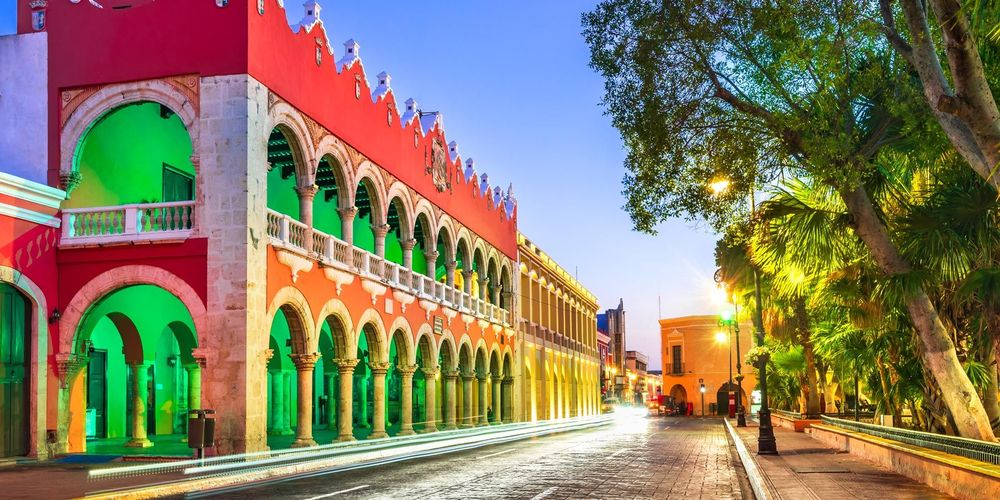
This tour of Mérida invites you to explore the city in depth, wandering through its streets, lively squares, and iconic landmarks. Along the way, discover the colonial history, Mayan heritage, and everyday life that continue to shape the capital of Yucatán. A simple and immersive way to experience Mérida at your own pace.
Quand partir à Mérida ?
Jan.
24°
4
Feb.
25°
3
March
27°
2
April
29°
2
May
30°
5
June
30°
11
July
30°
13
Aug.
30°
13
Sept.
29°
14
Oct.
27°
10
Nov.
26°
5
Dec.
25°
4
The best time to visit Mérida is generally between November and March, when the climate is drier and temperatures are more comfortable, making urban and cultural visits more pleasant. April and May are often very hot, with daytime heat that can be difficult to handle, while the rainy season, from June to October, brings frequent but usually brief showers, along with high temperatures and noticeable humidity. This period can, however, mean fewer tourists.
Départ conseillé
No need to worry about where to begin! Our tours are designed as a loop, so you can jump in wherever you are. The navigation system and audio guide will automatically adjust to your location. However, if you happen to be nearby, we do have a preferred starting point: On Plaza Grande.
Parking à proximité
Parking Estacionamiento Canto Morell : C. 61 497, Centro.
In Mérida, several parking options are available, starting with Estacionamiento Canto Morell, a private parking facility located near the historic center and commonly used by visitors. The city also has many paid parking lots, especially around the centro, offering a practical solution for short- or medium-term parking. Street parking is possible in certain areas, but it is subject to signage and local regulations that vary by zone, so it is important to check the indications carefully on site.
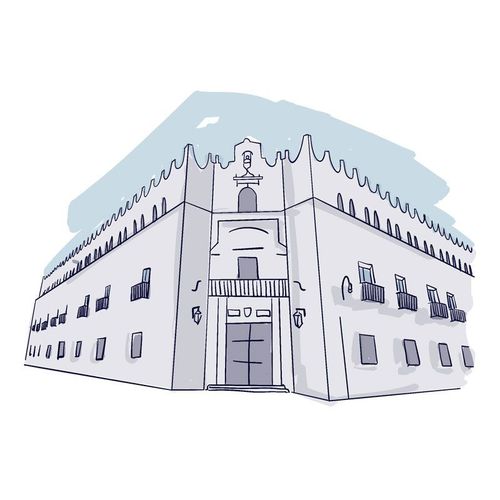
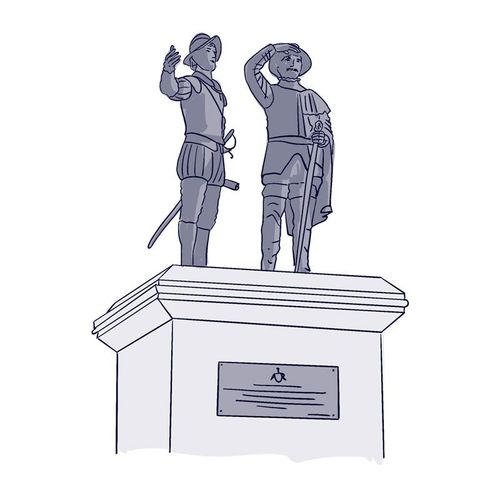
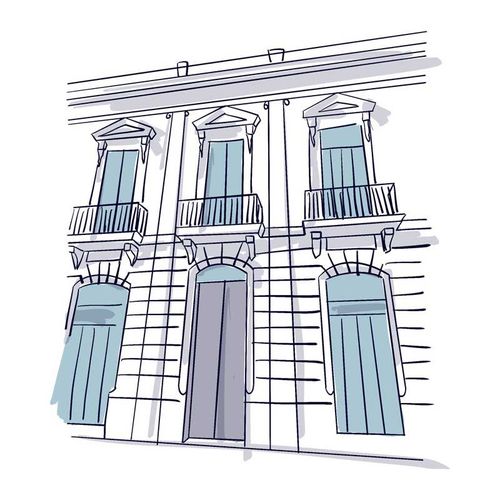
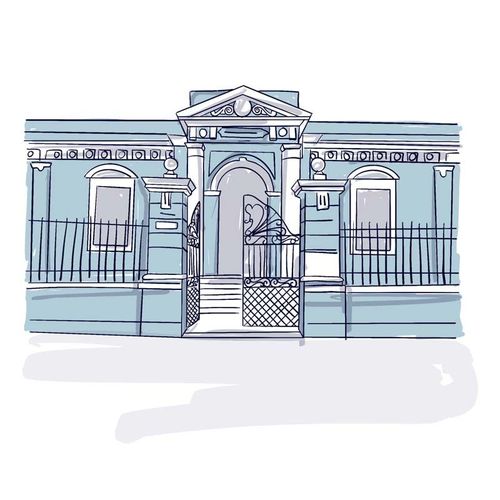
Découvrez 28 lieux d'intérêt pour visiter Mérida









Le plein d'inspirations
Explorez le monde en totale liberté, à pied au cœur des villes ou au fil des routes. Nos guides audios transforment chaque destination en une découverte culturelle immersive et unique.

FAQ for visiting Mérida
When is the best time to visit Mérida?
The ideal time to discover Mérida runs from November to March, when the climate becomes drier and the temperatures milder. You will then enjoy pleasant weather for exploring the city on foot and visiting its colonial monuments. The months of April and May can be trying with intense heat during the day. From June to October, the rainy season brings generally brief but frequent downpours, with high humidity. This period nevertheless remains interesting, as it attracts fewer tourists, allowing you to discover the city more peacefully.
How many days do you need to visit Mérida?
Ideally allow three to four days to fully appreciate Mérida. Two days will let you discover the historic centre, its lively squares and its main colonial monuments. An extra day will give you time to explore the more authentic neighbourhoods and to soak up the local atmosphere. If you also wish to venture out to the Maya archaeological sites in the surrounding area or the cenotes, count on five to six days in total. The Ryo audioguide accompanies you for an in-depth discovery of the city centre in a day's walk, covering the essentials of the historical and cultural heritage.
How do you get around Mérida?
The historic centre of Mérida is easily explored on foot, its colonial streets being relatively flat and pleasant. For longer journeys, taxis are numerous and affordable; remember to agree on the price before getting in. Local buses serve the city well but can be confusing without a knowledge of Spanish. Many visitors also enjoy renting bikes to explore the residential neighbourhoods. Ride-hailing apps generally work well in the city. To reach more distant sites such as the haciendas or the cenotes, renting a car remains the most practical and flexible solution.
What are the must-see sites?
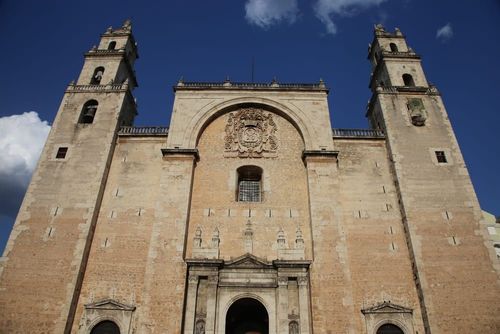
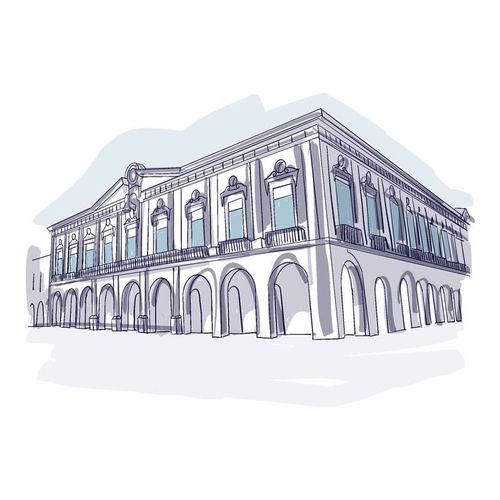
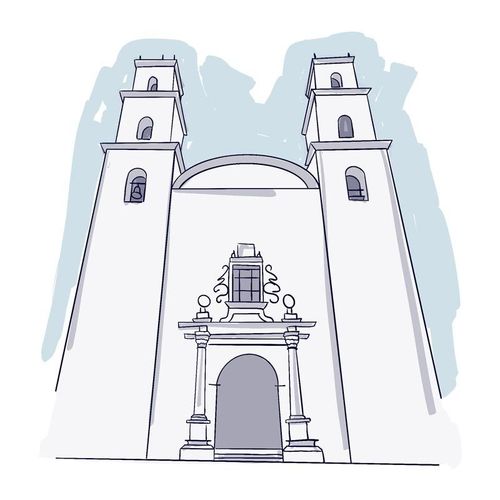
The heart of Mérida beats around the Plaza Grande, surrounded by the majestic cathedral and the government palace with its historical frescoes. The Paseo de Montejo, an elegant avenue lined with colonial mansions, bears witness to the golden age of henequen. Don't miss the Lucas de Gálvez market for an immersion in local life. The Casa de Montejo museum and the Gran Museo del Mundo Maya shed light on the region's history. The Ryo audioguide guides you through these must-sees, revealing the hidden stories behind each façade and letting you grasp all the cultural richness of the Yucatán capital at your own pace.
Where to stay in Mérida?
The historic centre remains the preferred choice for staying, placing you in immediate proximity to the main attractions and restaurants. The boutique hotels set in former colonial mansions offer charm and authenticity. The Santiago neighbourhood, more residential, charms with its local atmosphere and its generally gentler prices. For more modernity, the areas around the Paseo de Montejo offer contemporary accommodation. Tight budgets will find excellent youth hostels in the centre. Book in advance during the high tourist season and the local festivals, when the crowds drive up rates and reduce availability.
How do you get from Mérida to the cenotes?
The cenotes closest to Mérida are generally about an hour's drive away. Renting a car offers the freedom to explore several sites in a day. Organised tours leave daily from the city centre, often combining several cenotes with other attractions. The colectivos, local minibuses, serve some popular cenotes from the bus terminals for a very economical fare. For the cenotes of Cuzamá or Homún, shared taxis leave regularly. Plan to set off early in the morning to avoid the crowds and enjoy the best light. Don't forget a swimsuit, a towel and biodegradable sunscreen to protect these fragile ecosystems.
Is the city safe for tourists?
Mérida enjoys an excellent reputation for safety, often considered one of the safest cities in Mexico. Tourists can generally walk around serenely in the historic centre, even in the evening. The locals are known to be welcoming and helpful towards visitors. As everywhere, stay alert with your valuables and avoid ostentatiously displaying money or jewellery. The tourist neighbourhoods are well lit and regularly patrolled. Preferably use official taxis or transport apps. Petty crime exists but remains limited compared to other large Mexican cities. Your stay should go smoothly by applying the usual travel precautions.
Which local specialities should you try?
Yucatán cuisine holds unique flavours in store for you, inherited from Maya traditions and enriched with European influences. Absolutely try the cochinita pibil, pork marinated in achiote and cooked underground. The panuchos and salbutes, topped tortillas, make excellent snacks. Don't miss the sopa de lima, a soup fragrant with local lime. For breakfast, try the huevos motuleños, eggs on tortilla with black beans and tomato sauce. The marquesitas, crispy filled crêpes, are a treat for dessert. To cool off, order an agua de chaya or de jamaica. The traditional cantinas often serve free botanas with drinks, a perfect chance to discover several specialities.
Which Mayan sites can you visit from Mérida?
Mérida makes an ideal base for exploring the Mayan cities of the Yucatán. Uxmal, to the south, stands out for its Puuc architecture, its rounded Pyramid of the Magician and its façades covered in stone mosaics. The Puuc route extends the visit towards Kabah, Sayil and Labná, far less busy, which can easily be strung together in a day by car.
Closer to the city, the site of Dzibilchaltún and the former capital of Mayapán make for shorter visits, while Chichén Itzá, to the east, calls for a full day and is more enjoyable right at opening time, before the heat and the groups. Bring water, a hat and decent shoes, as shade is scarce on the esplanades.
Which cultural events can you catch in Mérida?
Mérida keeps up a free programme that punctuates the week and takes place in the open air. On the Plaza Grande and in front of the city hall, evenings celebrate the Yucatecan vaquería, a traditional dance performed in embroidered costume, while Santa Lucía square regularly hosts serenades and trova concerts.
On Sundays the historic centre closes to traffic: locals take over the roadway by bike, craft markets are set up and bands play from one square to the next. Ask at your accommodation or check the boards in the centre, as the calendar shifts through the year, particularly during local festivals.
Vos commentaires, idées et suggestions
Aucun avis pour le moment
