





Walk
Between Ancient Shadows and Hilltop Views
Gjirokastër, Albania
Walk
Between Ancient Shadows and Hilltop Views
Gjirokastër, Albania
2.2 km
Distance
1h00
Durée
21
Audios
Loop
Parcours
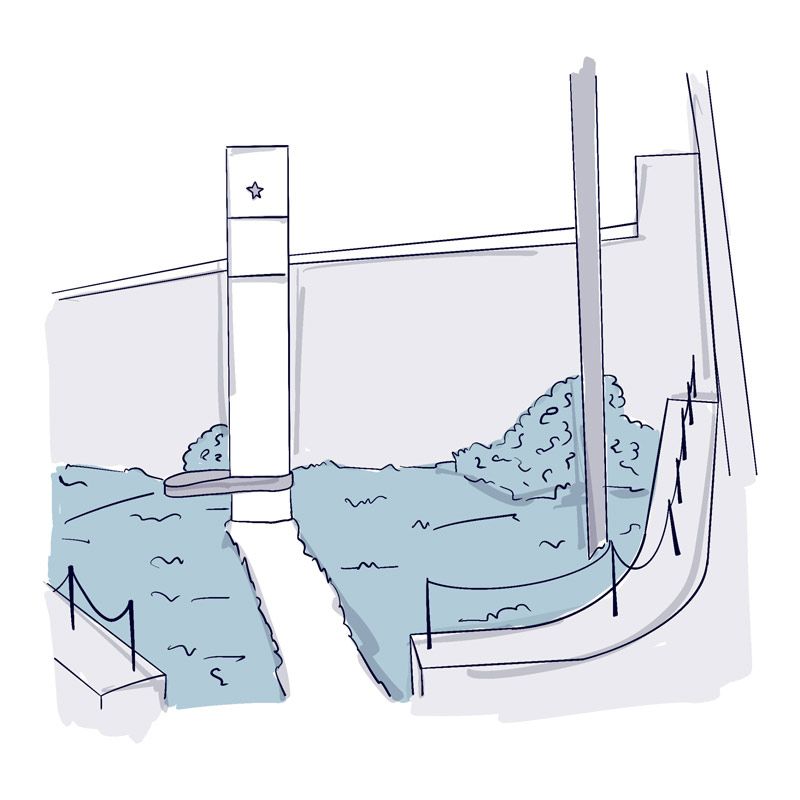
The lapidarë are commemorative stone monuments that you often come across in Gjirokastër and in Albania. The Gjirokastër audio-guided tour stops here, with respect, to evoke these memorials that honour the history and the memory of the country.
In Gjirokastër, you often come across monuments called lapidarë. In Albania, the word lapidar designates commemorative stone monuments, erected mainly after the Second World War to honour historical events, fighters, martyrs or founding values like liberty, education or national unity. Present throughout the country, from the great towns to the villages, these monuments are part of the landscape and the collective memory of Albania. They testify to a history marked by the struggles for independence, the resistance and the long communist period. You discover them with respect, attentive to the memory of the people and the events they commemorate, which are part of the identity of Gjirokastër and the country.
Here you discover, with respect, these commemorative stone monuments erected after the Second World War to honour events, fighters, martyrs or values like liberty and education, present throughout Albania. The lapidarë are part of the collective memory of the country. It is a stop to be discovered with respect.
The lapidarë are encountered in the old town of Gjirokastër and throughout the country, reachable on foot. They are open-air monuments, freely visible from the public space. It is best to observe them with the respect due to the memory of the people and the events they commemorate.
Commemorative stone monuments, erected mainly after the Second World War to honour historical events, fighters, martyrs or founding values like liberty, education or national unity.
In the old town of Gjirokastër and throughout the country, in Albania.
Aucun avis pour le moment
