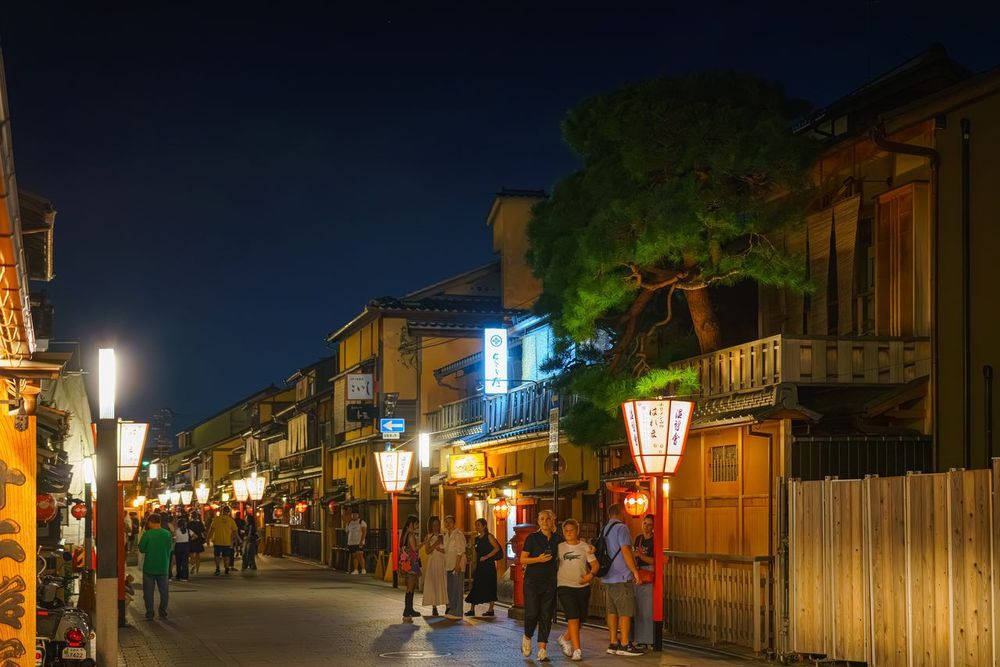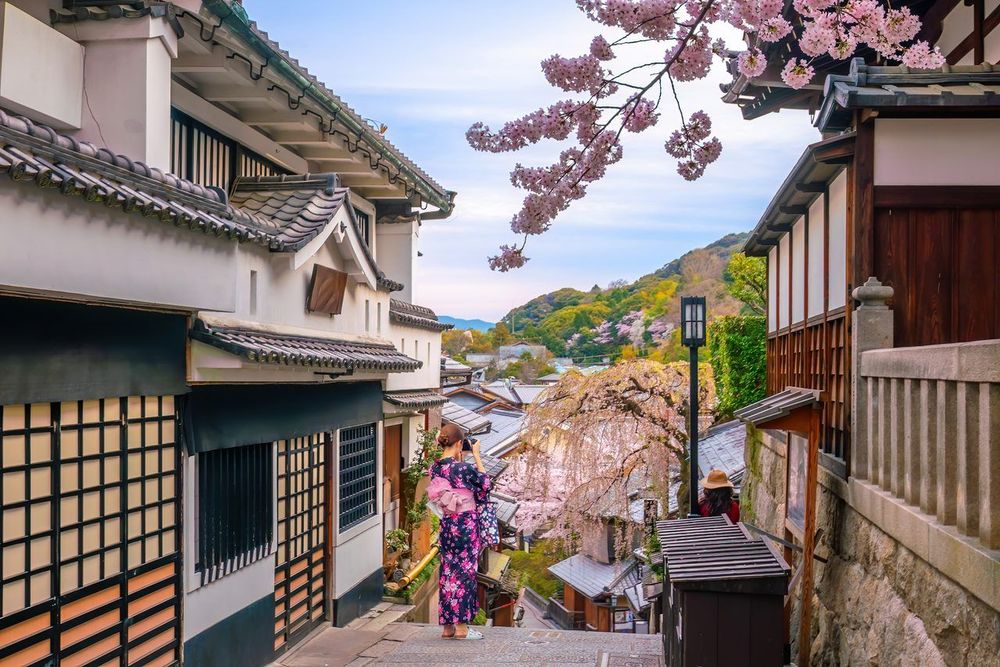
© Shutterstock
 Votre guide Ryo
15 Romantic Things to Do in Kyoto: A Couples' Guide for 2026
Kyoto doesn't do romance the way Paris or Venice do, with grand gestures and postcard kisses on a bridge. Here, romance hides in a five-second gap between two tour groups at a vermillion gate, in the particular quiet of a bamboo grove just after the last tour bus has pulled away, in the sound of wooden sandals on stone steps at dusk. If you're planning romantic things to do in Kyoto, the real skill isn't finding famous places, since every guidebook already lists those, it's learning when and how to be there so the city actually feels like it belongs to the two of you. Ryo's self-guided audio tour of Kyoto is built around exactly that timing problem, nudging you toward quieter stretches of Higashiyama while the crowds are still queuing somewhere else.
Over the next sections you'll find fifteen ways to build that kind of trip: a torii-gate hike best started before 7am, a bamboo path that looks nothing like its daytime photos at golden hour, a slow wooden boat gliding past sake warehouses that have been brewing since the Edo period, and a handful of ryokan with their own private hot-spring baths for couples who'd rather skip the communal bath altogether. There's a kaiseki dinner that takes three hours to eat on purpose, a cherry blossom itinerary for the two-week window when the whole city turns pink, a three-day pacing plan for honeymooners, and the practical details, season, budget, how many days you actually need, that turn a wish list into a trip for two.
1. Walk hand in hand through the torii gates of Fushimi Inari Taisha
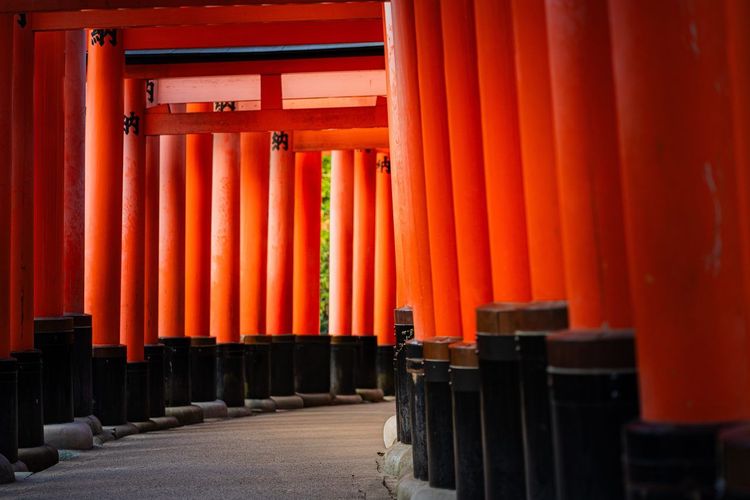
Most visitors arrive at Fushimi Inari Taisha (68 Fukakusa Yabunouchicho, Fushimi Ward, Kyoto 612-0882, rated 4.6/5 on Google (92 127 avis)) around mid-morning, which is exactly the problem. The shrine's famous tunnel of some 10,000 vermillion torii gates winds up the slopes of Mount Inari, 233 meters high, and by nine o'clock the narrow lower path is a slow shuffle of selfie sticks. Come instead at sunrise, when the gates are still cool to the touch and the only sound is gravel underfoot, and the whole place turns into something closer to what it was built for: a path of thanks, donated gate by gate over centuries by merchants asking the fox spirits of Inari for good fortune.
The climb to the summit and back takes roughly two to three hours round trip, though most couples don't need to go that far to get the romance of it. The postcard shot, the one with the gates stacked in perfect perspective, is taken from Senbon Torii, barely fifteen minutes past the main gate. Push on another twenty minutes past the crowds to Yotsutsuji intersection, roughly halfway up, and you're rewarded with a clearing that looks out over the rooftops of southern Kyoto, a decent spot to catch your breath together before deciding whether to keep climbing.
If sunrise isn't realistic with your flight schedule, try the opposite extreme: the shrine never closes, and the gates lit by scattered lanterns after dark have a completely different, almost conspiratorial mood, fox statues glinting where tour groups photographed them in daylight. The opening stops on Ryo's Kyoto audio guide are built around this exact shrine, with a short audio story about the fox messengers of Inari and pointers to the angles that photograph best before the crowds catch up.
Before or after the climb, the food stalls clustered at the shrine's base sell inari-zushi, sweet fried tofu pouches stuffed with vinegared rice and named for the shrine's fox messengers, along with grilled rice crackers shaped like foxes. Sharing one on a bench near the entrance, gates receding uphill behind you, is as good a first stop as any. Wear shoes you can actually hike in, too; the stone steps get slick after rain, and sandals rented with a kimono are the wrong choice for this particular stop (save the kimono for Gion, covered a little further down).
2. Lose yourselves in Arashiyama: bamboo grove, a vintage train, and a river cruise
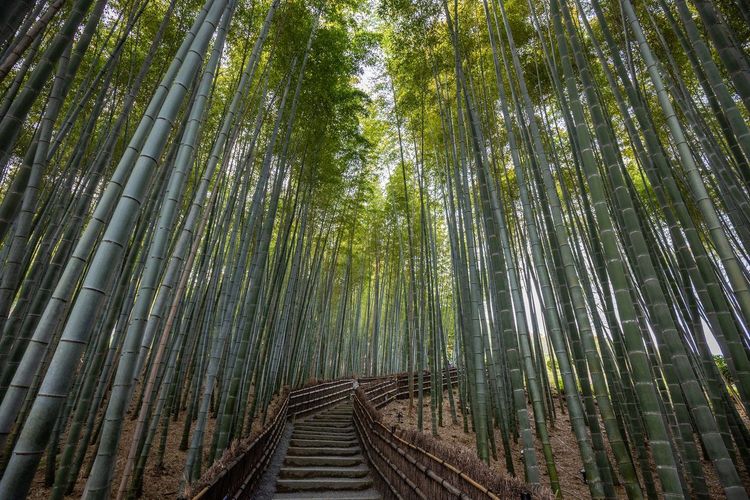
Arashiyama sits on the opposite side of Kyoto from Fushimi Inari, a cluster of hills, a river, and one famous grove that somehow still surprises people who've seen the photos a hundred times. Give it a half-day minimum, and go early if the bamboo matters to you more than the boat; the two don't keep quite the same hours.
The Bamboo Grove and Togetsukyo Bridge
The Arashiyama Bamboo Grove) is a path of roughly 500 meters through bamboo stalks that grow, in places, over 15 meters tall. There's no entrance fee and no gate, which means there's also no way to have it to yourselves except by timing: arrive before 8am or drift through near closing light, and the famous green-on-green corridor empties out enough that you can actually hear what everyone talks about, the way wind moves through bamboo like a different kind of silence.
Plenty of couples rent matching kimono nearby specifically to photograph this stretch, covered in full under kimono rentals below, though you don't need one to enjoy it. A short walk south, the grove's neighborhood opens onto Togetsukyo Bridge), a wooden-railed crossing over the Katsura River with the forested slopes of Mount Arashiyama rising directly behind it. Cross it slowly at golden hour and you'll understand why poets have written about this view since the Heian period, even though the current bridge dates only to 1934. Couples with extra time often tack on Tenryu-ji Temple, a UNESCO-listed Zen temple whose pond garden frames the hillside right beside the grove's entrance.
The Sagano Romantic Train and the Hozugawa River boat ride
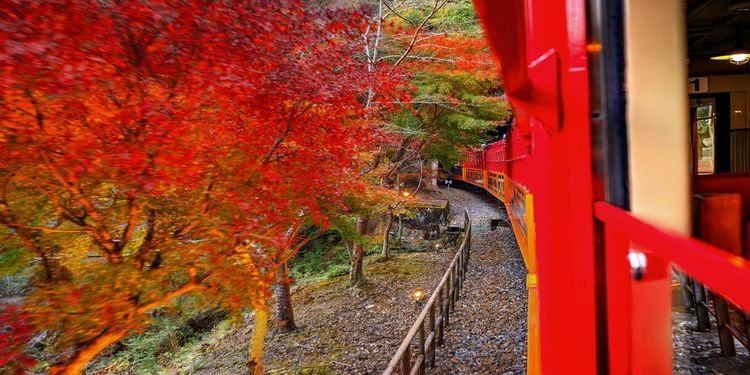
The Sagano Romantic Train earns its name honestly: it's a slow, open-window line that takes about 25 minutes to cover 7.3 kilometers along the Hozugawa gorge, which is roughly the point. The restored carriages run at a pace that practically forces conversation, past cliffside maple trees that turn the whole valley copper in November and cherry blossoms in April. Trains run from March through late December, with a winter break in January and February and most Wednesdays off; reserve seats a few days ahead in cherry blossom or autumn foliage season, since the open-air carriage sells out first.
Ride the train one way and come back the more dramatic way: a traditional wooden boat down the same gorge. The Hozugawa River boat ride (2 Shimonakajima Hoshuzancho, Kameoka, Kyoto 621-0005, rated 4.6/5 on Google (5 665 avis)) departs from Kameoka and takes roughly two hours to drift and occasionally shoot small rapids back toward Arashiyama, steered by boatmen using poles and techniques passed down for generations. Pack a blanket in winter; the boats get cold fast, though heated covered boats replace the open ones in the coldest months. Couples short on time often ride the train up and skip the boat, or the reverse, rather than doing both in one afternoon.
A dedicated stretch of Ryo's Kyoto audio tour follows this same route down from the bamboo grove to the riverbank, with an audio aside on why locals started calling this particular rail line « the romantic train » long before marketing copy caught on.
3. Wander down Sannenzaka and Ninenzaka to Kiyomizu-dera
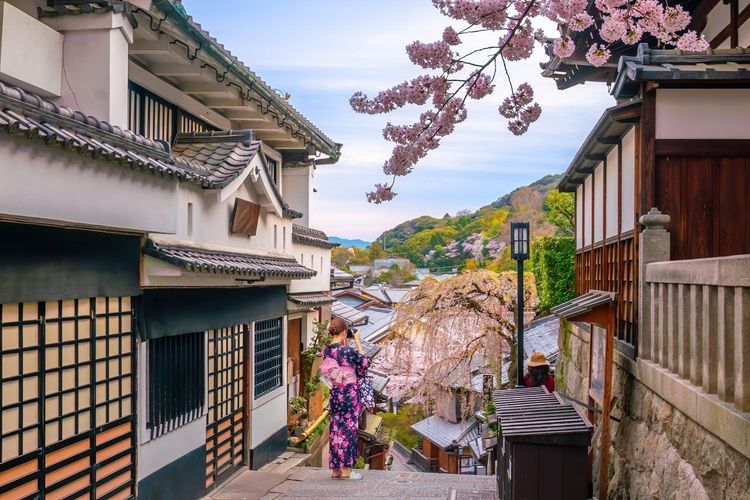
The two sloped stone lanes connecting Kiyomizu-dera) to the rest of Higashiyama are arguably the single most photographed stretch of old Kyoto, which could make them feel like a trap. They're not, as long as you treat the climb itself as the point rather than a hallway between two better things.
Kiyomizu-dera at sunset or after dark
Kiyomizu-dera was founded in 778 on a hillside overlooking the city; its current main hall, rebuilt in 1633, stands on a lattice of giant zelkova pillars fitted together without a single nail. The viewing terrace, cantilevered about 13 meters above the slope, is where everyone takes the obligatory photo, but the better version of this stop happens at the edges of the day. The temple extends evening hours for special illumination periods in spring, summer, and autumn, when the wooden stage glows orange above a forest lit from below; outside those dates, arriving an hour before closing gets you most of the same quiet without the crowds.
Below the main hall, the Otowa Waterfall splits into three separate streams, and tradition holds that drinking from one, for love, success, or longevity, grants that specific wish, but drinking from all three is considered greedy. Pick one stream together and commit; it's a small, slightly silly ritual, and it works better as a couple than it does solo. Just up the hill, the small Jishu Shrine, dedicated to matchmaking, has two « love stones » set apart: walk from one to the other with your eyes closed, and legend says you'll find love (it was closed for restoration recently, so check before you go).
Teahouses, sweet shops, and photo stops along the slopes
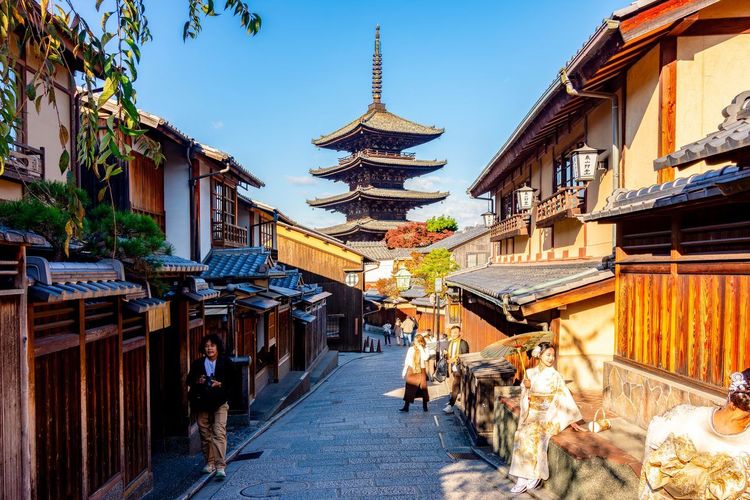
Coming back down, Sannenzaka) and Ninenzaka (Kiyomizu, Higashiyama Ward, Kyoto 605-0826, rated 4.5/5 on Google (11 903 avis)), both in the Kiyomizu area of Higashiyama Ward, are a connected run of stone steps and wooden machiya storefronts, protected as a preservation district that keeps out garish modern signage. Roughly a dozen consecutive stops wind past pickle shops, matcha soft-serve counters, and tiny ceramic galleries, each one a reasonable excuse to stop holding hands for thirty seconds to pick something up.
Local superstition claims that if you trip on Sannenzaka you'll die within three years; the name is often linked to a nearby temple dedicated to safe childbirth, and the legend probably began as a warning on slippery stone. Either way, it gives you a reason to hold on tighter. Ryo's audio-guided walk through Higashiyama traces roughly this same descent, stop by stop, from the temple's wooden terrace down through the lantern-lit lanes, so you can follow it without checking a map instead of each other.
Stop into one of the small teahouses tucked into the machiya along Ninenzaka for matcha and a seasonal wagashi sweet, usually shaped to match whatever's blooming that month, plum in February, hydrangea in June. It's a five-minute pause that costs less than most coffee shop drinks back home and gives your legs a break before the walk down toward Gion.
4. Rent matching kimono for a day of romantic photos
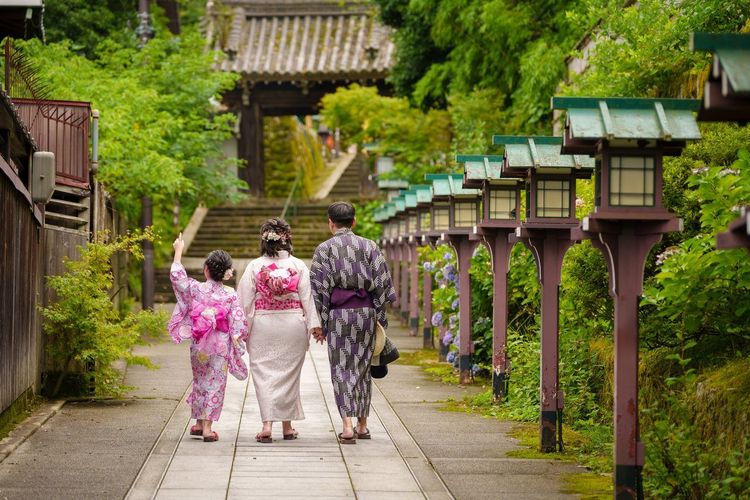
Half the couples you'll see on Kyoto's old streets are in rented kimono, and it's a lovely way to spend a day together: matching or coordinating outfits, a flurry of photos, and a different, more deliberate way of walking that the fabric itself seems to enforce. Shops cluster near whichever neighborhood you plan to photograph in, so pick your backdrop first and rent close to it.
Gion, Hanami-koji Street, and Yasaka Shrine
Hanami-koji Street) is the single most popular kimono backdrop in the city come spring, a lane of preserved teahouses and, with luck, a geiko or maiko hurrying between appointments at dusk. One rule to respect: the private side alleys off Hanami-koji are now closed to tourists, and photographing maiko without permission is frowned upon (and fined on private lanes), so keep your shoot on the main street. Rental shops here book up a week or more ahead during cherry blossom season, so reserve before you land.
A ten-minute walk away, Yasaka Shrine) is Gion's other classic kimono stop, its vermillion gate and stone lion-dogs photographing well at almost any hour, and its grounds connect directly into Maruyama Park if you want to extend the walk.
Kiyomizu Temple and Kodai-ji Temple
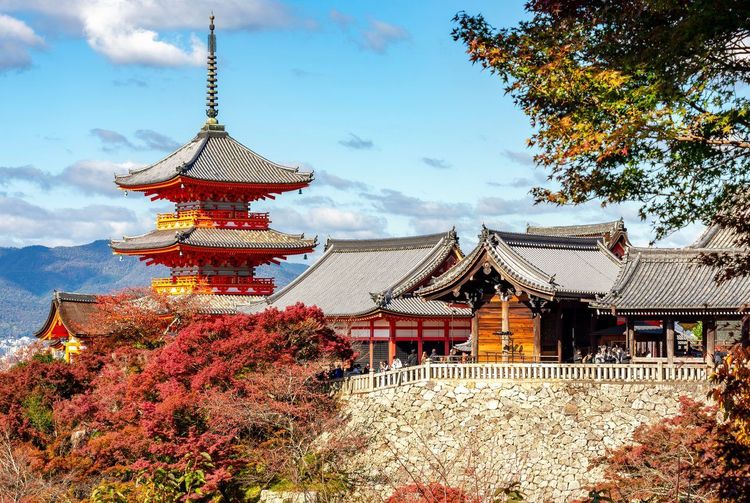
Rental counters near Kiyomizu-dera are the most convenient option if you're combining the temple and the slopes into one outing, letting you change before the climb rather than carrying a change of clothes. A few minutes north, Kodai-ji Temple (526 Shimokawaracho, Higashiyama Ward, Kyoto 605-0825, rated 4.4/5 on Google (10 227 avis)), founded in 1606 by Nene, widow of the warlord Toyotomi Hideyoshi, in his memory, adds a quieter rock garden and bamboo path to your photo walk without the Kiyomizu crowds.
Arashiyama and Kyoto Station rental studios
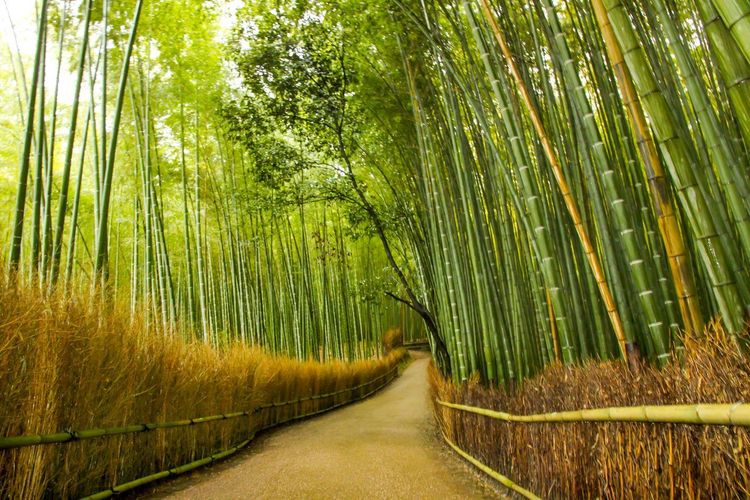
If your plans center on the bamboo grove instead, several studios near Arashiyama Station let you rent, photograph the grove, and return the outfit the same day without backtracking across the city. Kyoto Station has a handful of rental counters too, useful mainly if you're arriving by train and heading straight out, though the station itself is a poor backdrop for the old-town look most couples are chasing.
Expect to pay roughly 4,000 to 8,000 yen per person for a half-day or full-day rental including basic hair styling, more for silk or for add-ons like a parasol or clutch bag. It's entirely normal for only one partner to rent, and most shops are used to dressing visitors with zero kimono experience, wrapping and tying everything for you in under twenty minutes. Ask which colors photograph best against your chosen backdrop; deep indigo and burgundy tend to hold up better in Arashiyama's green light than pale pastels do.
Ryo's Kyoto audio guide threads through Gion's narrowest backstreets on foot, so if you've booked a kimono slot nearby, you can time your walk to the stops that flag the best late-afternoon light for photos.
5. Share a traditional tea ceremony together
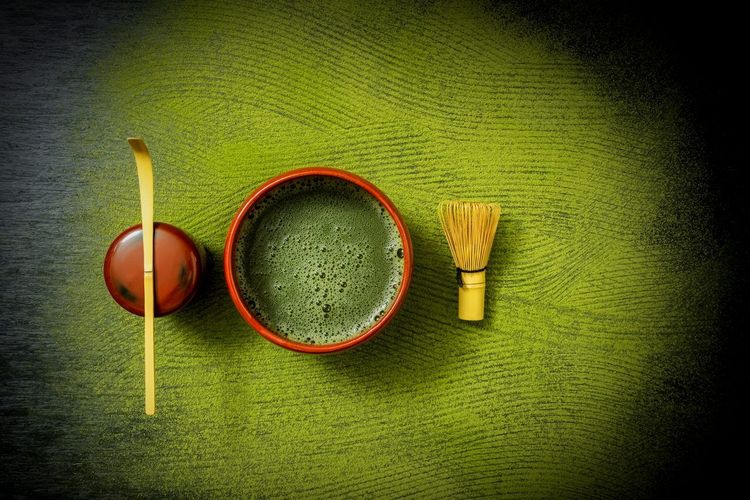
Pair this one with the kimono outing above; several studios bundle a rental with a tea ceremony and photoshoot as a single package, so ask before booking two separate reservations.
Tea houses and gardens in Gion and Higashiyama
The Camellia Flower Garden (349 Masuyacho, Higashiyama Ward, Kyoto 605-0826, rated 4.7/5 on Google (346 avis)) teahouse, tucked a few steps off Ninenzaka, runs English-language tea ceremonies in a tatami room overlooking a small private garden; sessions run about 45 minutes and don't require any prior knowledge of the etiquette involved. Similar houses operate throughout Gion and Higashiyama, usually in converted machiya townhouses, and booking ahead online guarantees a slot.
What a couples' tea ceremony involves
A host trained in a formal tea school tradition guides you through preparing and receiving matcha, whisked to a fine froth, alongside a small wagashi sweet meant to balance its bitterness. You'll be shown how to hold the bowl, rotate it before drinking, and bow at the right moments: less a performance than a shared, quiet ritual that forces both of you to slow down. Some houses offer a combined package of kimono, a short garden photoshoot, and the ceremony itself, which tends to work out cheaper than arranging each piece separately. Expect roughly 3,000 to 6,000 yen per person for a standalone ceremony, and don't tip; it isn't expected in Japan.
6. Take a slow boat ride through Fushimi's sake district
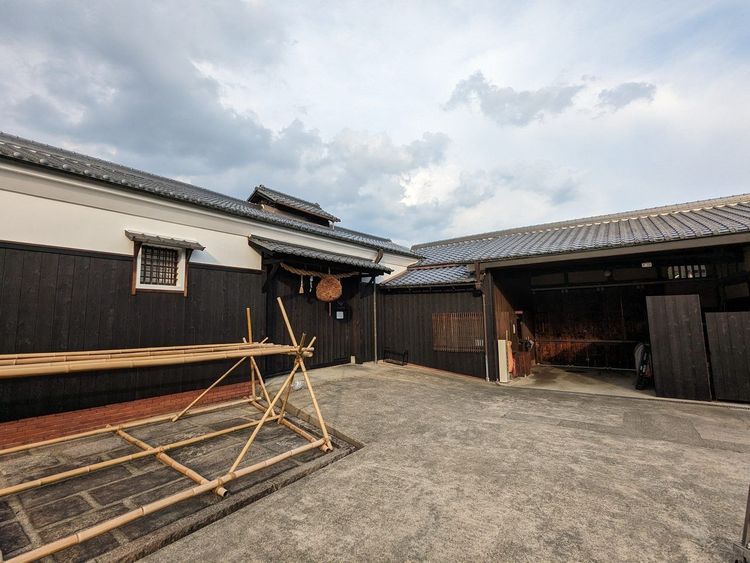
Most visitors see Fushimi Inari and never go the few kilometers south to Fushimi, Kyoto's historic sake-brewing district. That's a shame, because the soft groundwater that made this neighborhood famous for brewing since the 1600s also feeds a peaceful canal running past white-walled warehouses and weeping willows. The jikkoku-bune, flat wooden boats once used to ferry sake and passengers toward Osaka, now run short scenic cruises along the same canal, gliding near the Gekkeikan Okura Sake Museum (247 Minamihama-cho, Fushimi Ward, Kyoto 612-8046, rated 4.2/5 on Google (4 795 avis)), run by a brewer founded in 1637. Sakamoto Ryoma, the samurai who helped bring down the shogunate, famously escaped an assassination attempt at the Teradaya inn beside this canal in 1866, and boat guides are happy to point it out.
Boats run seasonally, roughly spring through early December, with a handful of timed departures a day, so book ahead rather than showing up and hoping. The museum's small admission fee includes a tasting of several styles, from crisp dry junmai to something sweeter, and a souvenir bottle. Swap opinions at the counter on which one to take home; it's a better date conversation than you'd think.
If sake isn't really your thing, the walk alone is worth the detour: Fushimi's backstreets are lined with old warehouse facades, and the canal path makes a quiet, almost rural contrast to the shrine crowds a short train ride away. Shops near the boat dock sell sake soft-serve and sake-steamed sweets, a lighter way to sample the local specialty. Plenty of couples treat this as a half-day add-on after an early Fushimi Inari visit, sake in the afternoon as a reward for the climb that morning.
7. Have a quiet, candlelit dinner along Ishibe-koji and the Kamo riverbank
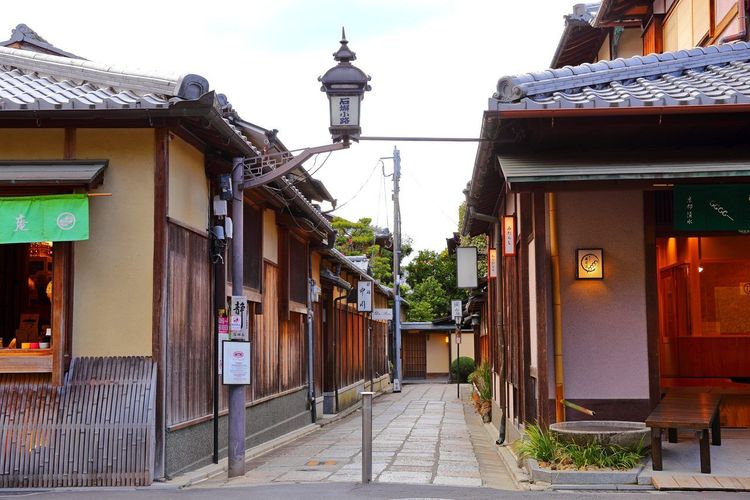
As evening settles over Higashiyama, Ishibe-koji (Shimokawaracho, Higashiyama Ward, Kyoto 605-0825, rated 4.6/5 on Google (186 avis)), a short stone-paved lane near Kodai-ji lit by traditional lanterns, turns into one of the prettiest nighttime walks in the city, free of the shrine crowds and dotted with discreet restaurants and a few traditional inns. It's only a couple of hundred meters long, which is part of its appeal: there's nowhere to rush to, just lantern light on stone.
From there, it's a twenty-minute walk down to the Kamo River, where restaurants along the Pontocho side build raised wooden dining terraces, called noryo-yuka, over the riverbank each year from May through September (Kibune, in the hills north of the city, has its own version, kawadoko, set right over a mountain stream). Reserve a riverside table and dinner comes with a view of the current below and, usually, a line of couples doing exactly the same thing a few platforms down.
Outside yuka season, the riverbank itself is free and open all night, and it's a genuine local tradition for couples to sit along the bank at a slight, unspoken distance from the next pair, close enough to talk, far enough to feel private. Pick up a few things from a convenience store if a sit-down reservation doesn't fit the budget; nobody will think less of you for a riverside picnic. Street musicians occasionally set up along this stretch after dark. Bring a light layer even in summer; the breeze off the water cools faster than the streets a few blocks inland.
8. Soak together in a private onsen
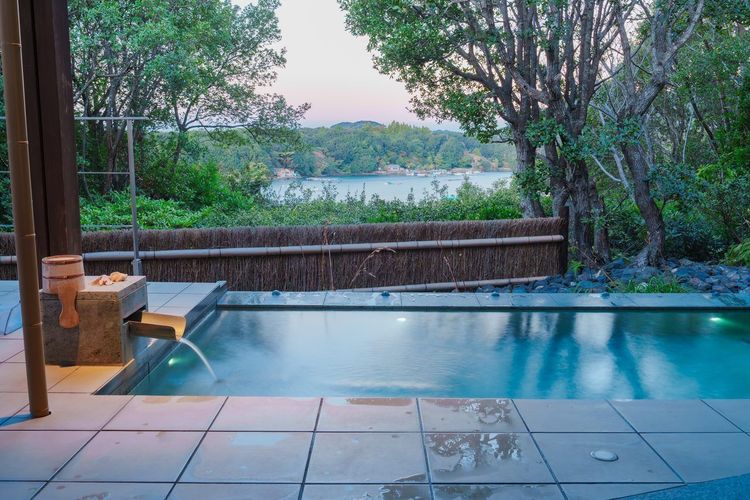
Kyoto's public bathhouses are wonderful, but they're not designed for couples: bathing is segregated by sex almost everywhere, swimsuits aren't allowed, and the whole point is a shared communal space. For a romantic soak together, look instead to ryokan and hotels with private in-room baths, a wooden or stone tub set directly into your room or on an attached terrace.
Some inns also offer a kashikiri bath, a private bath you reserve by the slot, usually 40 to 60 minutes, rather than one built into every room. In Arashiyama, Suiran (12 Susukinobabacho, Saga-Tenryuji, Ukyo Ward, Kyoto 616-8385, rated 4.4/5 on Google (743 avis)), a luxury hotel set in a former estate on the Hozu River, has rooms with private open-air baths fed by Arashiyama's hot spring, about as close as central Kyoto gets to a classic onsen-town stay. Back in Gion, the long-running ryokan Gion Hatanaka is better known for something else couples love: its evening kaiseki dinners with maiko performances, open to non-guests.
One practical note: genuine onsen water, drawn from a natural hot-spring source, is rarer within Kyoto city than in spa towns like Arima or Kinosaki; much of what's marketed as « onsen » in town is heated well water, still relaxing, just not the same mineral bath. Ask directly when booking; most ryokan are upfront about it. Expect a room with a private bath to cost noticeably more than a standard room, with higher-end ryokan building it into an already premium rate. Towels, yukata robes, and toiletries are provided, so there's nothing to pack.
9. Chase cherry blossoms through Kyoto's quietest gardens
If your trip lands during Kyoto's roughly two-week cherry blossom window, usually late March to early April, build at least one day around it. Skip Maruyama Park at peak bloom unless crowds don't bother you; a few quieter grounds deliver nearly the same spectacle with room to stand still together.
Kyoto Imperial Palace Park and the Botanical Gardens
The Kyoto Imperial Palace Park), a vast public park surrounding the former imperial residence, plants its cherry trees in loose, scattered clusters rather than dense tunnels, which means even at peak bloom there's usually a patch of space free for two. The park is free, open year-round, and large enough, about 1.3 kilometers from north to south, that a slow wander fills a relaxed morning. Look for the early-blooming weeping cherries near the Konoe residence pond.
A short subway ride north, the Kyoto Botanical Gardens) charge a small entrance fee in exchange for a curated cherry collection spanning dozens of varieties, several of which bloom after the city's standard Somei Yoshino, extending your window by a week or so if you've timed the main bloom badly.
Shoren-in Temple and Maruyama-koen Park
Shoren-in Temple) is easy to walk past; there's no dramatic gate, just giant camphor trees and an unassuming entrance that opens onto a moss garden and a pond, usually with a fraction of the visitors next door at Maruyama Park. It's a natural stop on the walk between Gion and the Heian Shrine area.
Maruyama-koen Park (Maruyamacho, Higashiyama Ward, Kyoto 605-0071, rated 4.4/5 on Google (6 936 avis)), just behind Yasaka Shrine, is the opposite experience entirely, the city's most famous hanami spot, centered on a large weeping cherry tree lit up after dark, with the park turning into one big picnic by late afternoon. Go for the atmosphere, not for solitude, and treat Shoren-in as the quiet recovery stop afterward. A seasonal detour on Ryo's Kyoto audio tour flags exactly this kind of quieter corner during the bloom, so you're not guessing where the crowds thin out.
10. Start the morning together at Nishiki Market
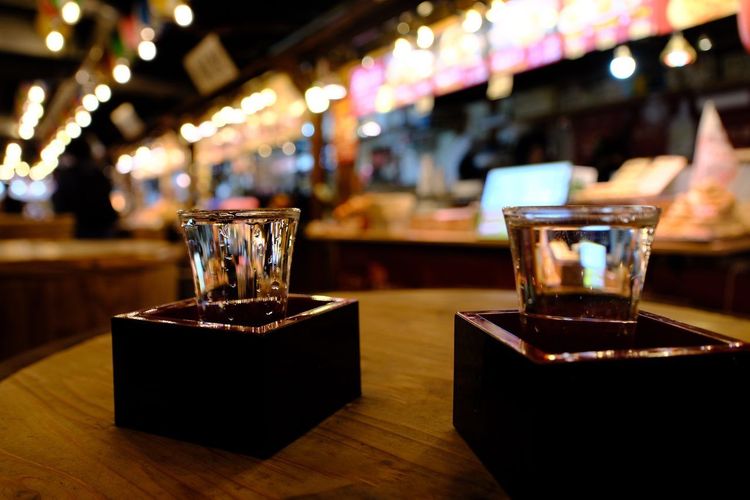
Nishiki Market (Nishikikoji-dori, Nakagyo Ward, Kyoto 604-8054, rated 4.3/5 on Google (54 489 avis)) is a covered, five-block arcade of food stalls that has been feeding the city for some four centuries, earning it the nickname « Kyoto's Kitchen ». Rather than a sit-down breakfast, treat it as a grazing trail: split a skewer of tako tamago, a baby octopus stuffed with a quail egg, share a piece of fresh yuba, the tofu skin Kyoto is known for, and share a paper bag of warm soy milk doughnuts.
Go before 10am; by midday it fills with tour groups. Note that many stalls ask you not to eat while walking, so eat at the stall or in its small standing area. Prices run a few hundred yen per item, so splitting six or seven snacks costs less than a café breakfast back home. It's a few minutes' walk from Pontocho and the Teramachi covered arcade, easy to fold into a morning in central Kyoto.
11. Book a romantic kaiseki dinner
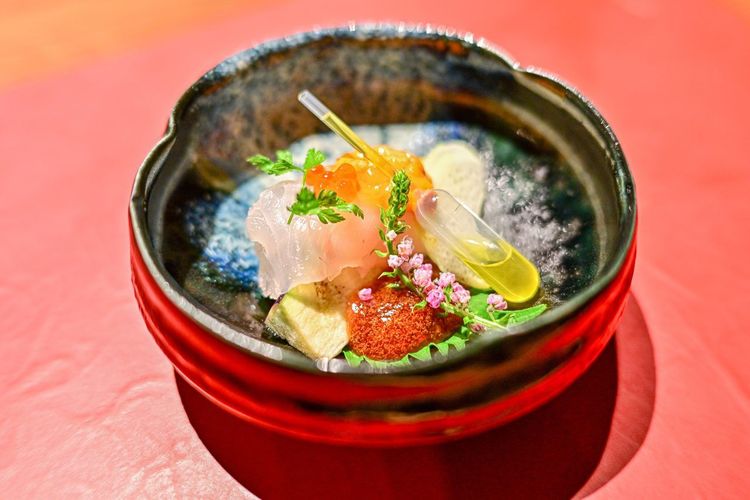
A proper kaiseki dinner, Kyoto's multi-course haute cuisine built around whatever's in season that week, is as much a slow, choreographed performance as it is a meal, which makes it one of the most romantic things to build an evening around.
Kaiseki tasting menus: Jiki Miyazawa, Nakahigashi, and Ajiro
Jiki Miyazawa) serves counter-seat kaiseki where the chef prepares each course in front of you, a format that turns dinner into something closer to a conversation than a standard restaurant service. Weekend slots need booking weeks, sometimes months, ahead, so lock this in before you've finalized the rest of the trip.
Sojiki Nakahigashi), near Ginkaku-ji at the northern end of the Philosopher's Path, is built around wild vegetables and mountain herbs the chef forages himself, a rustic, deeply seasonal take on kaiseki. Walk the Philosopher's Path beforehand and you have one of the best date evenings in the city. For a plant-based alternative, Ajiro, just outside the south gate of Myoshin-ji temple in Ukyo Ward, specializes in shojin ryori, the vegetarian temple cuisine of Zen monks, elegant enough for a special occasion without meat or fish on the table.
Riverside dining along the Kamo and in Pontocho
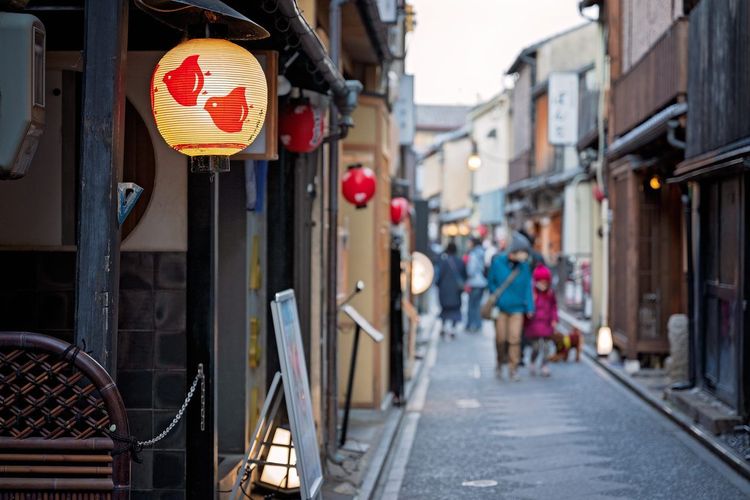
If a multi-hour tasting menu feels like too much for one evening, Pontocho (Pontocho, Nakagyo Ward, Kyoto 604-8016, rated 4.5/5 on Google (976 avis)), the narrow alley running parallel to the Kamo River, packs dozens of smaller restaurants into a few hundred meters, many offering shorter kaiseki-style set menus at a fraction of the counter-seat price. Several open onto the river in summer via the yuka terraces mentioned earlier.
Budget roughly 15,000 to 30,000 yen per person or more for the top-tier counters, against 5,000 to 10,000 yen for a solid Pontocho set menu. Smart casual dress is expected at the higher-end counters, and most require a credit card guarantee given how few seats they turn each night. If your Japanese is limited, ask your hotel concierge to book for you; many top kaiseki houses don't take direct reservations from overseas.
12. Choose a romantic place to stay
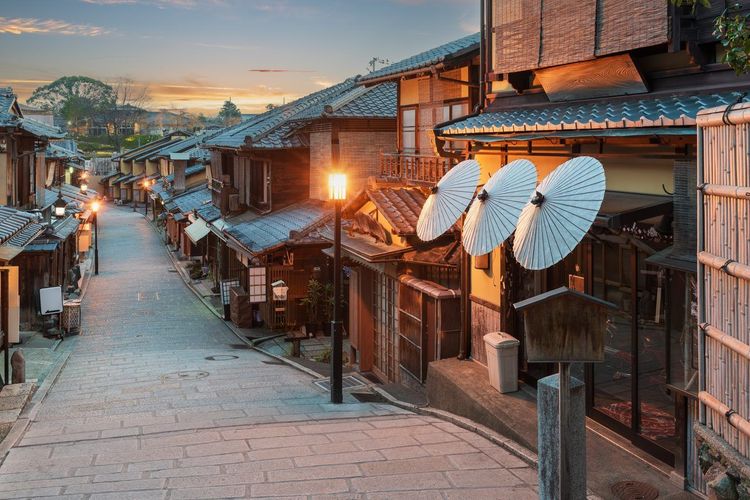
Where you sleep shapes the whole trip more than any single sightseeing stop, and Kyoto's range runs from five-star hotel gardens to century-old wooden townhouses with a single bedroom.
Luxury hotels and ryokan with a view: Four Seasons Kyoto and Hyatt Regency Kyoto
The Four Seasons Hotel Kyoto) is built around Shakusui-en, an 800-year-old pond garden, with a teahouse on the water and many rooms looking out over it. Expect premium rates, but also a level of quiet that's hard to find in central Kyoto.
The Hyatt Regency Kyoto (644-2 Sanjusangendo Mawaricho, Higashiyama Ward, Kyoto 605-0941, rated 4.3/5 on Google (2 301 avis)), a few minutes' walk from Sanjusangendo Temple, blends Japanese and international design with a spa and well-regarded restaurants, a reliable middle ground for couples who want Japanese atmosphere without futon bedding and a fixed ryokan dinner time.
Boutique machiya stays in Gion and Higashiyama
For something smaller, a growing number of restored machiya, traditional wooden merchant townhouses, operate as private whole-house rentals throughout Gion and Higashiyama, often with one bedroom, a tiny courtyard garden, and a cypress bathtub. They usually cost less than the five-star hotels while putting you inside the old-town streets this trip is built around, a two-minute walk from Hanami-koji rather than a taxi ride away.
The best ones get reserved months ahead for cherry blossom and autumn foliage season, so sort this out early. Whichever category you choose, ask about street-facing rooms if you sleep lightly; Kyoto's older wooden buildings carry sound more than modern construction, charming by day, less so at 2am above a bar street.
13. Take a day trip together to Nara or Osaka
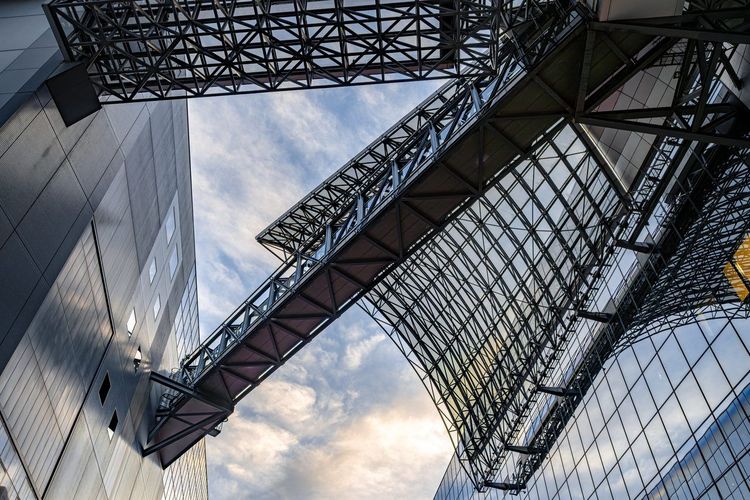
Kyoto Station puts both cities within easy reach, close enough to add either as a single extra day without restructuring the whole trip.
Nara's deer park and Todai-ji
About 45 minutes by train from Kyoto, Nara Park) is home to more than 1,000 free-roaming sika deer, considered sacred messengers in local Shinto tradition and known to bow for the crackers sold by vendors, a funny, faintly surreal shared experience for any couple. Walk through the herd toward Todai-ji Temple), whose Great Buddha Hall is one of the largest wooden buildings in the world and houses a bronze Buddha about 15 meters tall, consecrated in 752.
Budget a full day if you also want Kasuga Taisha's lantern-lined approach a little further into the park; a half-day covers the deer and the temple but leaves that walk out.
Osaka's Dotonbori at night
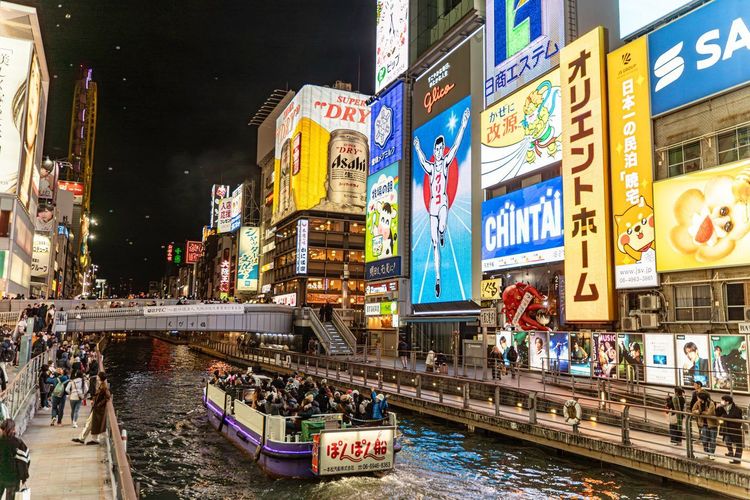
If Nara is about daylight and quiet, Osaka's Dotonbori (Dotonbori, Chuo Ward, Osaka 542-0071, rated 4.4/5 on Google (86 535 avis)) district is its loud, neon-lit opposite, a canal-side strip of giant animated signs, street food, and crowds well into the night, about 45 to 50 minutes from Kyoto by train. Share a plate of takoyaki, octopus dumplings, from a stall along the canal, then walk the strip under the Glico running-man sign before catching a late train back.
Both cities work as return trips, so there's no need to book a second hotel. If you're choosing just one, Nara suits couples who found Kyoto's temples the highlight, while Dotonbori suits anyone craving one loud night to contrast against several quiet ones.
14. Plan the trip: best season, budget, and getting around
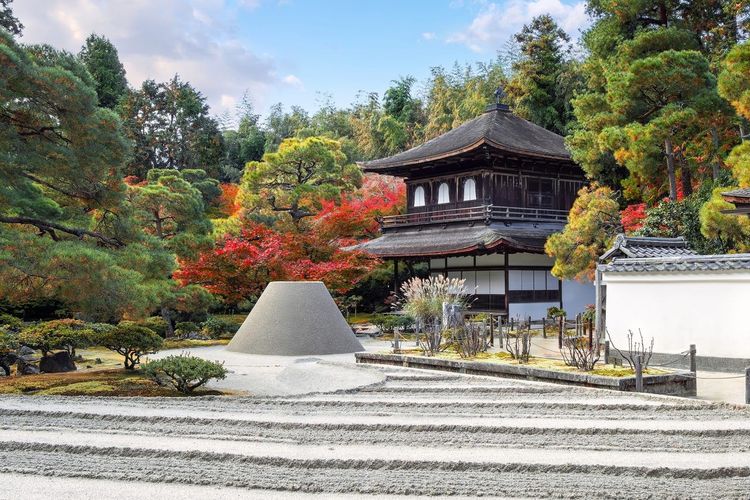
Kyoto rewards planning around season more than almost any other Japanese city, and a little structure goes a long way.
When to go and how many days you need
Cherry blossom season, typically the last week of March through the first week of April, and autumn foliage, mid-November into early December, draw the heaviest crowds and the highest hotel rates of the year, often double the off-peak price for the same room. If crowds bother you more than you love blossoms, consider early December just after peak foliage, or June's rainy season, quieter, cheaper, and lush green.
Most couples do well with three to four full days in Kyoto: enough for the major temples and at least one of the slower experiences on this list without rushing. Add a day for Nara or Osaka.
A 3-day honeymoon itinerary for couples
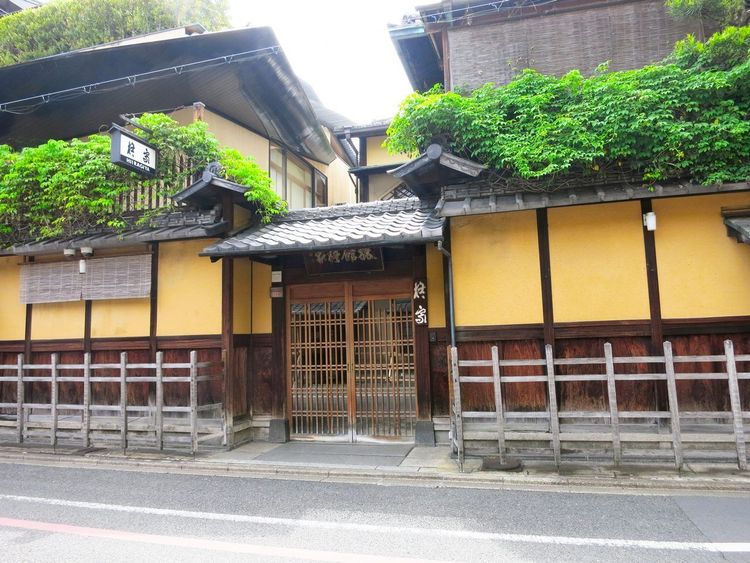
- Day 1, Higashiyama: sunrise at Kiyomizu-dera, the slopes of Sannenzaka and Ninenzaka, a tea ceremony, kimono photos in Gion, then dinner on Pontocho.
- Day 2, Arashiyama: the bamboo grove before 8am, Tenryu-ji, the Sagano train out and the Hozugawa boat back, then an evening soak in a private bath.
- Day 3, south and center: Fushimi Inari at dawn, a sake tasting in Fushimi, Nishiki Market for lunch, and a kaiseki dinner to close.
If you're on your honeymoon, say so when booking: many ryokan and hotels offer honeymoon or anniversary packages bundling a room upgrade, a kaiseki dinner, or a private bath slot, and some add a small celebration at no cost.
Budget and getting around
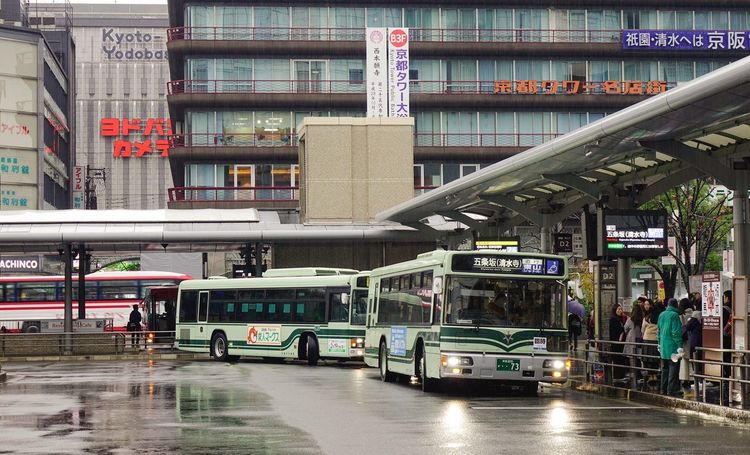
Budget roughly 30,000 to 60,000 yen per day per couple for a mid-range trip, covering a boutique hotel room, two meals out, transport, and one paid activity like a kimono rental or boat ride, before flights. Luxury stays like the Four Seasons push that figure much higher.
Kyoto's bus network covers most major sights more directly than its two subway lines; the bus-only day pass was discontinued in 2023, but a subway and bus one-day pass (about 1,100 yen) pays for itself after four or five rides. Taxis are plentiful for short hops late at night, after a riverside dinner when buses have thinned out. Renting bicycles for a day works well on Kyoto's flat grid. Get an IC card before you start sightseeing, a physical ICOCA from any station machine or Suica or ICOCA added to your phone's wallet; it covers buses, trains, and convenience store purchases.
15. Toast the evening at a rooftop or riverside bar
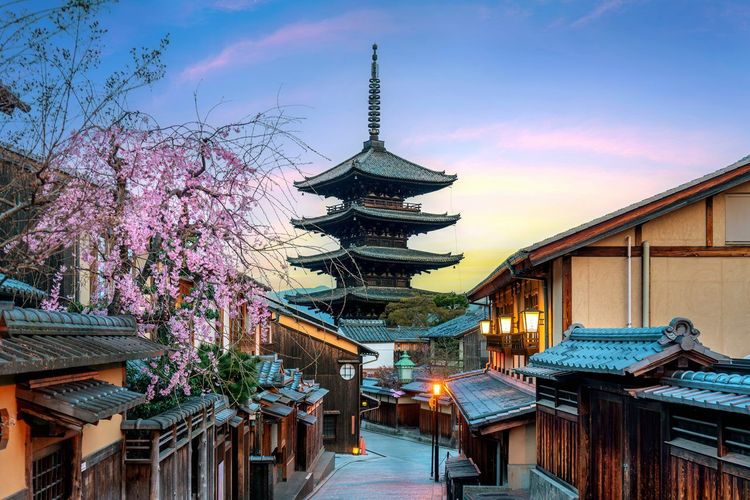
End at least one night somewhere with a view. K36 The Bar & Rooftop (Higashiyama Ward, Kyoto, rated 4.2/5 on Google (1 004 avis)), in the Higashiyama hills near Kiyomizu-dera, looks straight out at the five-story Yasaka Pagoda and the city's low-rise skyline, a rare elevated vantage point in a city that keeps most of its buildings deliberately low.
Along the river, the same yuka terraces that host summer dinners in Pontocho often stay open for drinks after the kitchens wind down, feet practically over the water, the current lit faintly by the restaurants on the opposite bank. Outside the season, small izakaya and wine bars tucked into Pontocho's side alleys keep the same river-adjacent mood year-round. A few pour Kyoto craft beer and Fushimi sake by the glass, a lighter nightcap if you've already eaten.
Ryo's Kyoto tour ends its Higashiyama walk close enough to several of these bars that you can simply keep walking rather than cross town for a last drink. Reserve ahead for rooftop seating on weekends, especially in cherry blossom or foliage season, when every table with a view fills early.


FAQ
How many days should couples spend in Kyoto for a romantic trip?
Most couples need three to four full days to cover Kyoto's major sights at an unhurried pace, including at least one slower experience like a tea ceremony or kaiseki dinner. Add a fifth day if you're planning a side trip to Nara or Osaka. Fewer than three days usually means choosing between the historic temples and the slower, more romantic add-ons.
What is the most romantic time of year to visit Kyoto?
Cherry blossom season, typically late March into early April, and autumn foliage, mid-November into early December, are the two most atmospheric windows, though both bring the heaviest crowds and highest hotel rates. For a quieter, cheaper trip, early December or June offer a gentler version of the same romance.
Is Kyoto a good honeymoon destination?
Yes. Kyoto pairs slow experiences, tea ceremonies, kaiseki dinners, private baths, with a backdrop of temples and gardens built for an unhurried pace. Several hotels and ryokan offer honeymoon packages that bundle a premium room with a kaiseki dinner or spa treatment; ask directly when booking.
Where can couples rent a kimono together in Kyoto?
Rental shops cluster around Gion and Hanami-koji Street, near Kiyomizu-dera, and around Arashiyama Station, so pick a neighborhood based on where you plan to take photos and rent nearby. It's entirely normal for only one partner to rent, and most shops are used to dressing first-timers.
Is there a private onsen couples can book in Kyoto?
Yes, though natural hot-spring water is rarer within Kyoto city than in spa towns like Arima or Kinosaki. Several ryokan and hotels, particularly in Arashiyama, offer rooms with private baths or reservable kashikiri baths that couples can use together.
Should a romantic Japan trip include Tokyo and Osaka too?
It depends on how much time you have. Osaka works well as an evening or day trip from Kyoto, with no need for a second hotel. Tokyo, about two hours and fifteen minutes away by shinkansen, is a bigger commitment, usually its own multi-day leg, so it suits a two-week Japan itinerary better than a shorter trip focused on Kyoto.
Kyoto at your own pace
Kyoto doesn't need embellishing to feel romantic, it mostly needs time, the kind that lets you walk a stone lane twice, linger an extra ten minutes at a temple gate, or skip the next item on this list because the current one is working. Whether that means an early torii-gate climb, a slow boat past sake warehouses, or sharing octopus skewers in a covered market, the city rewards whichever pace the two of you actually want.
Before you land, load Ryo's audio-guided tour of Kyoto onto your phone: it strings several of these neighborhoods together into a walkable route with stories playing at each stop, so you can spend more of the trip looking at each other and less of it staring at a map.