© Shutterstock
 Votre guide Ryo
Tokyo in 3 Days: A Practical 2026 Itinerary for Three Perfect Days
Tokyo does not reveal itself in a straight line. A shrine forest gives way to a pedestrian crossing lit like a film set, and a fish market gives way to a palace moat before the day is even over. Planning Tokyo in 3 days sounds impossible until you accept that the city clusters itself into walkable neighborhoods, and that's exactly how this itinerary is built: one historic day in the east, one trendy day in the west, and one day that mixes imperial Tokyo with its most futuristic museum. If you want to feel that rhythm before you land, Ryo's audio-guided tour of Tokyo follows a similar east-to-west logic, narrating each stop so you're never stuck staring at a phone map mid-intersection.
Three days is enough to walk through a temple gate with nearly 1,400 years of history behind it, eat a convenience-store egg sandwich at 7am, get lost happily in floors of retro video games, watch a digital waterfall swallow an entire room, and still make it to a rooftop bar before the last trains around midnight. This guide covers Senso-ji Temple and Akihabara's electric arcades on day one, Meiji Shrine's quiet forest and Shibuya's neon crossing on day two, and teamLab's immersive art alongside Tokyo Tower's skyline on day three, plus where to sleep, what to eat, what to budget, and how the metro actually works. None of it requires fluent Japanese, a rental car, or more than one suitcase of patience for crowds.
Your 3-Day Tokyo Itinerary at a Glance
Before the detail, here's the shape of the trip. Each day stays inside one half of the city, so you spend your time walking neighborhoods rather than sitting on trains crossing back and forth.
| Day | Area | Highlights | Evening | |---|---|---|---| | Day 1 | Historic east | Senso-ji, Nakamise-dori, Ueno Park, Ameyoko, Akihabara | Tokyo Skytree at sunset, Hoppy Street | | Day 2 | Trendy west | Meiji Shrine, Yoyogi Park, Harajuku, Omotesando, Shibuya Crossing | Shinjuku, Omoide Yokocho, Golden Gai | | Day 3 | Central Tokyo | Tsukiji Outer Market, Imperial Palace East Gardens, teamLab | Tokyo Tower, Roppongi |
You can swap days two and three without breaking anything, which helps if teamLab slots are sold out on the date you wanted. Day one, on the other hand, works best as a first day: Asakusa is at its calmest early in the morning, and jet lag will likely have you awake by 6am anyway.
Day 1: The Historic East - Asakusa, Ueno & Akihabara
Start day one early, before the tour buses arrive and the alleys fill in. This loop moves across old Tokyo and ends on a high observation deck with the whole city lit up at dusk. It covers more ground on foot than it looks like on a map, so comfortable shoes matter more today than any other day of the trip.
Senso-ji Temple and the Nakamise-dori Shopping Street
The Kaminarimon (Thunder Gate)) marks the entrance to Senso-ji), Tokyo's oldest temple. According to temple legend, it was founded in 628 AD after two fishermen brothers pulled a small golden statue of Kannon, the goddess of mercy, out of the Sumida River. The gate's giant red lantern, nearly 4 meters tall and weighing around 700 kilograms, is one of the most photographed objects in the city, and the carved dragon underneath it rewards a second look once the crowd below thins out.
Beyond the gate, Nakamise-dori) stretches roughly 250 meters toward the temple's main hall, lined with around 90 small shops selling folding fans, yukata robes, rice crackers, and cheap souvenir chopsticks. Pace yourself: the stalls closer to the temple tend toward better crafts, while the ones nearer the gate lean generic. Arrive before 8am and the street is nearly empty; arrive after 10am on a weekend and it can take ten minutes just to walk its length.
The Senso-ji main hall asks for a small ritual before you go in. Wave incense smoke from the giant cauldron over yourself, then drop a coin in the offering box. If you're curious about your luck, draw an omikuji fortune slip for 100 yen, and tie a bad one to the rack nearby rather than taking it home; that's the custom. The five-story pagoda beside the main hall is a reconstruction (the original burned in the 1945 air raids), but it's still one of the tallest pagodas in Japan and worth circling once before you move on.
Before leaving Asakusa, grab a ningyo-yaki, a small sponge cake filled with sweet red bean paste, shaped like temple bells or lanterns and sold hot from griddles just off Nakamise-dori. A small bag costs around 500 yen and makes a better breakfast than it sounds, especially eaten warm while you walk.
Ueno Park and Ameyoko Market
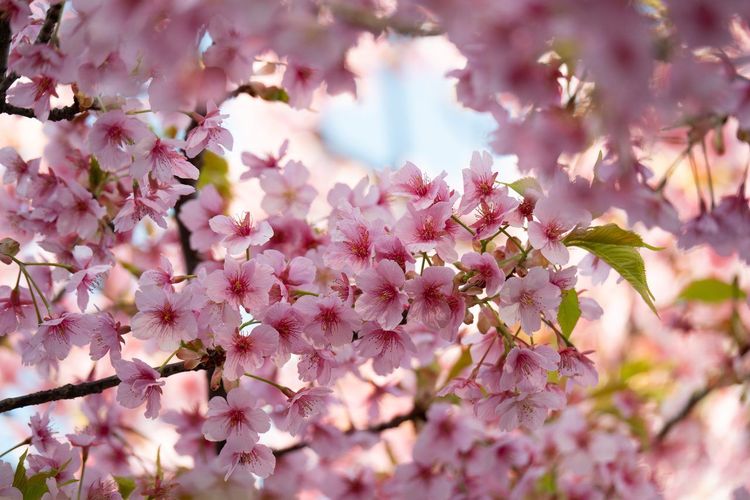
From Asakusa, Ueno is just a 5-minute ride on the Ginza subway line. Ueno Park) is one of Tokyo's oldest public parks, opened in 1873 and spread over roughly 530,000 square meters that include a zoo, several national museums, and, in late March, around 800 cherry trees that turn the central promenade into one of the city's most crowded hanami spots.
If you only have an hour, skip the museums on a 3-day trip and walk the main promenade instead, then head straight into Ameyoko Market), a chaotic strip of stalls running under and alongside the train tracks that started as a black market for American goods after World War II. Today it's closer to a street-food arcade, with grilled seafood skewers, cheap sneakers, and vendors dropping prices the longer you hesitate.
Budget 30 to 45 minutes here if lunch is on your mind. A bowl of fresh seafood over rice from one of the standing counters rarely costs more than 1,200 yen. Cash still works better than cards at the smaller stalls, so keep a few thousand yen in coins and small bills handy.
Akihabara Electric Town and Tokyo Skytree at Sunset
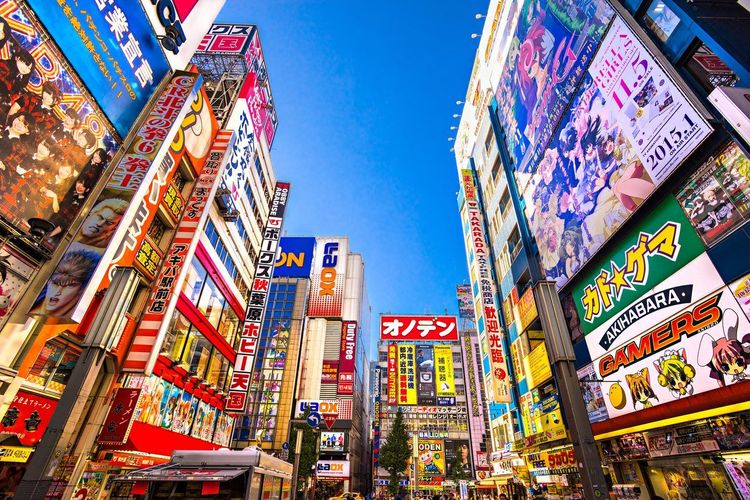
Akihabara is two stops from Ueno on the JR Yamanote line, and it is louder, brighter, and more vertical than anywhere else on this itinerary. Akihabara Electric Town) earned its name in the postwar years selling radio parts; it now sells everything electronic, from secondhand Nintendo consoles to multi-floor arcades humming with claw machines. The main street, Chuo-dori, is closed to cars on Sunday afternoons so pedestrians can spill across it freely.
Two stops are worth building time around. Super Potato), up a narrow staircase in a nondescript building, sells retro video games and consoles going back to the 1980s, with a small retro arcade on the top floor where you can actually play old cabinet games for 100 yen a go. Rare cartridges can climb into the tens of thousands of yen, but browsing costs nothing.
Mandarake) is the other essential stop, a multi-floor tower of manga, anime figures, and collectibles. Even if you don't buy anything, the upper floors usually hold display cases of vintage toys worth a slow look.
Save the last hour of daylight for Tokyo Skytree), about 20 minutes from Akihabara by train. At 634 meters, it's the tallest structure in Japan. Since April 2026, tickets follow date-based pricing: expect from about 1,800 yen for the Tembo Deck at 350 meters, and from about 3,000 yen for the combo that adds the Tembo Galleria at 450 meters, with higher prices on the busiest days. Book online, because buying at the 4th-floor counter adds a 500-yen fee, and arrive by 4:30pm in winter or closer to 6:30pm in summer to catch sunset. Afterward, Hoppy Street (1 Chome Asakusa, Taito City, Tokyo 111-0032) back in Asakusa is where to end the night, a narrow lane of outdoor izakaya serving beef stew, grilled skewers, and the low-alcohol Hoppy beer substitute that gives the street its name.
Prefer listening to reading a map? The Ryo audio guide narrates this historic-east loop, from Senso-ji's legend to Ueno's postwar market, so you hear the story of each place while standing in front of it instead of scrolling for it.
Day 2: The Trendy West - Harajuku, Shibuya & Shinjuku
Where day one was incense and temple bells, day two trades them for neon and record shops. You'll go from a forest shrine to the busiest intersection on earth, then close in Shinjuku after dark. The contrast between the first stop and the last is really the point.
Meiji Shrine and Yoyogi Park
Start at Meiji Shrine), reached through a forest path from Harajuku Station that makes it easy to forget you're inside one of the densest cities on earth. Dedicated in 1920 to Emperor Meiji and Empress Shoken, the shrine sits inside 70 hectares of forest planted with roughly 100,000 trees donated from across Japan, chosen so the forest would eventually look as if it had always been there.
Arrive before 9am if you want the approach to yourself. Look for the wall of sake barrels donated by breweries along the main path, a popular photo stop, and the matching row of French wine barrels opposite, a nod to the emperor's taste for Western food. On weekends, watch for Shinto weddings processing slowly across the courtyard in full traditional dress.
Exit toward Yoyogi Park), just beside the shrine, where on Sundays you'll likely run into rockabilly dancers by the entrance, amateur musicians, and picnicking families. It's a good 20-minute decompression stop before Harajuku, and in late November the park's ginkgo trees turn a bright yellow.
Harajuku and Omotesando Street Style
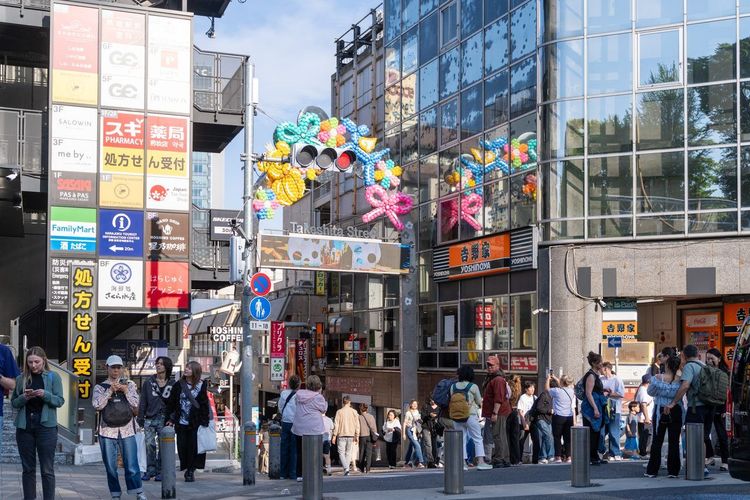
From Yoyogi Park, Takeshita Street) is a five-minute walk and a total shift in energy: crepe stands, rainbow cotton candy the size of a human head, and teenagers in every subculture uniform imaginable, packed into a street barely wide enough for two people to pass. It's only about 350 meters long, but it can easily eat 45 minutes.
If Takeshita Street feels overwhelming, Omotesando) offers the calmer version of the same neighborhood, a zelkova-lined avenue home to flagship stores from Dior to Comme des Garcons. Tadao Ando's Omotesando Hills building is worth seeing even if you have zero interest in shopping, and the side streets of Ura-Harajuku hide small independent boutiques.
Lunch here runs to both ends of the budget spectrum: a convenience-store sandwich for under 300 yen, or a tasting menu that can pass 8,000 yen. Both are legitimate Harajuku experiences.
Shibuya Crossing and Shinjuku by Night
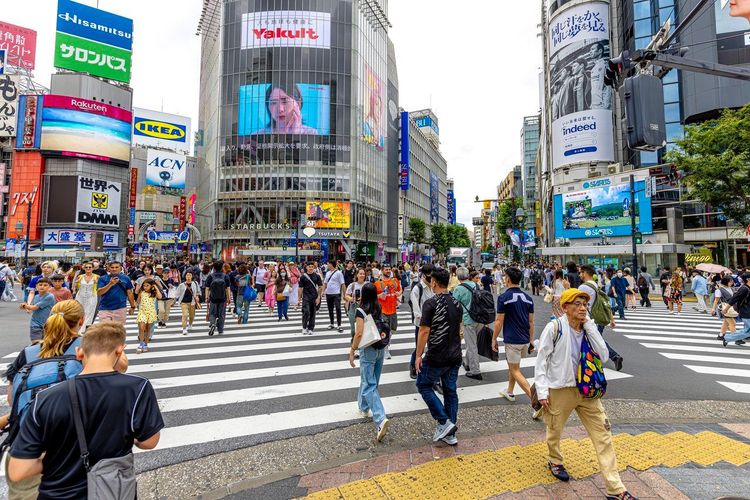
End the afternoon at Shibuya Crossing), where up to 3,000 people cross at once when the lights change. The cheapest view is the second-floor Starbucks in Shibuya Tsutaya, which reopened in April 2024 with a long window counter facing the scramble; you'll likely wait for a seat. For the higher, calmer angle, the Shibuya Sky deck on top of Shibuya Scramble Square charges admission but shows the crossing, Mount Fuji on clear days, and the whole western skyline.
If vintage fashion is your thing, Shimokitazawa's thrift shops are a quick detour by train from Shibuya on the Keio Inokashira line. It's optional, and easy to skip without missing anything essential on a first trip.
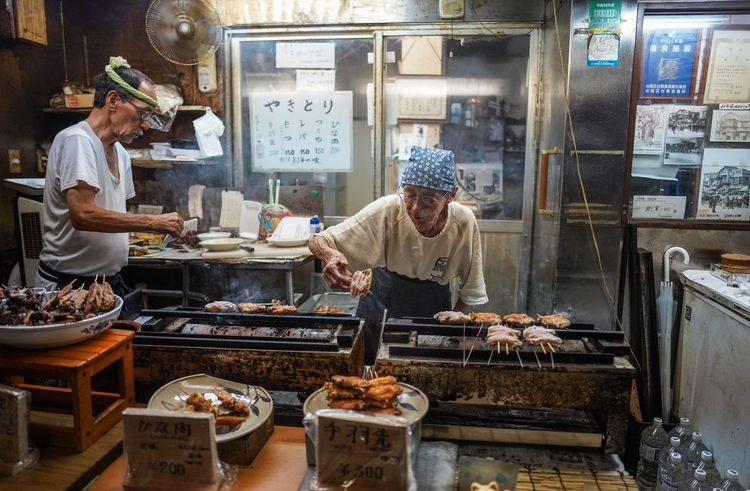
Take the train to Shinjuku for dinner. Past the giant billboards of Kabukicho, duck into Omoide Yokocho, the smoky lane of tiny yakitori counters nicknamed « Piss Alley » from its postwar days, when it had no toilets. Then settle into Golden Gai (1 Chome Kabukicho, Shinjuku City, Tokyo 160-0021, rated 4.3/5 on Google (13 277 avis)), a six-alley maze of roughly 200 tiny bars, most seating fewer than ten people, many charging a small cover fee on top of drinks. Each bar tends to specialize in something narrow, a film genre, a type of whisky, a decade of punk, so peek through a few doorways before committing.
Not every bar in Golden Gai welcomes tourists, and that's fine; plenty do. Look for English signage or an open door with foreign visitors already inside.
A dedicated sub-route, Ryo's Tokyo walk on where tradition meets modernity, pairs Meiji Shrine's quiet forest with Shibuya's crossing a few stops later, with short narrated anecdotes on why that contrast works so well on foot.
Day 3: Central Innovation & Imperial Tokyo - Tsukiji, teamLab & Roppongi
The final day covers the most ground: a fish market breakfast, a palace moat, a digital art museum, and a lit-up skyline after dark. Old Tokyo in the morning, imagined-future Tokyo by mid-afternoon.
Tsukiji Outer Market and the Imperial Palace Gardens
Start early again, ideally by 8am, at Tsukiji Outer Market). The wholesale fish auction moved to Toyosu in October 2018, but the outer market stayed put, with around 400 shops and stalls, and it's still the best place in Tokyo for a seafood breakfast: fresh uni, tuna sliced so cleanly the knife work alone draws a crowd, and tamagoyaki (sweet rolled omelet) on a stick for a few hundred yen. Several stalls also grill scallop or shrimp skewers to order if raw fish this early isn't your thing.
Eat standing at a counter rather than sitting in a restaurant; it's faster, cheaper, and closer to how locals use the market. Many shops close by early afternoon and some on Sundays and Wednesdays, so check before you go.
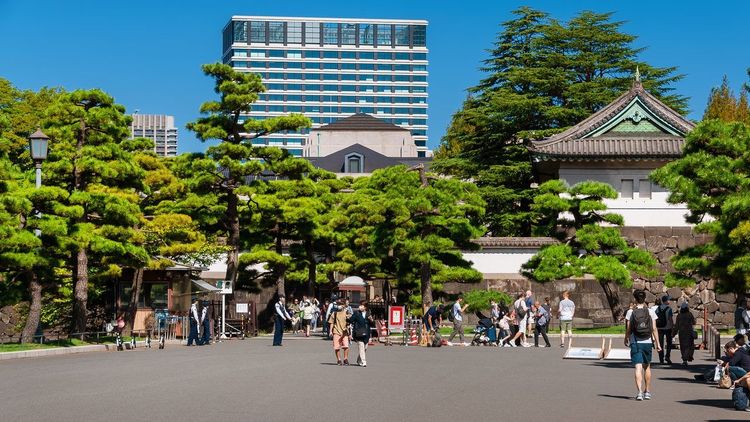
From Tsukiji, it's about 20 minutes by subway and a short walk to the Imperial Palace East Gardens), free to enter and open most days except Mondays and Fridays. The gardens occupy part of the former Edo Castle grounds, and the massive stone foundations of the castle keep are still standing, a quiet contrast after the noise of the market.
Walk to the Nijubashi Bridge viewpoint on the palace plaza for the classic shot of the moat and pine trees. Bring a hat in summer; there's almost no shade along the outer wall.
teamLab Digital Art Museum
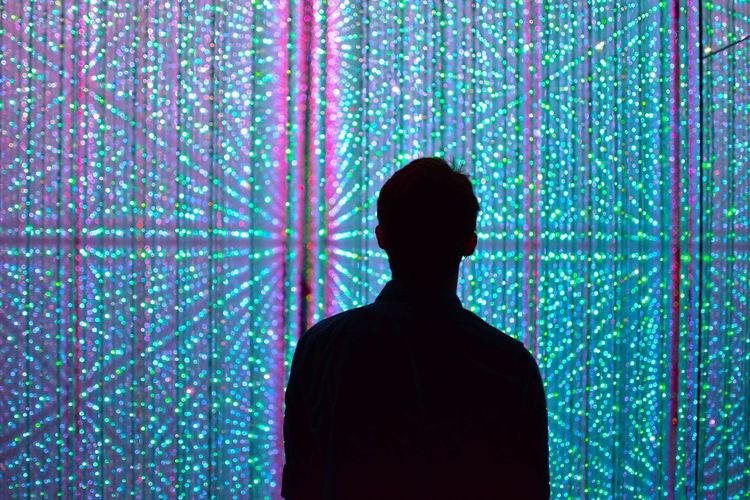
Afternoon belongs to teamLab, the digital art collective. Its Toyosu museum, teamLab Planets, about 30 minutes by train from the Imperial Palace, turns entire rooms into immersive, shifting installations. A mirrored infinity room fills with floating light, and a knee-deep water room gets projected with koi that scatter as you wade through. A flower garden that blooms and wilts in real time is usually where visitors linger longest.
Book well ahead. Entry is by 15-minute timed slots, adult tickets run roughly 3,600 to 3,800 yen depending on the date, and weekend slots regularly sell out a week or two in advance. If Planets is full, teamLab Borderless at Azabudai Hills is a solid alternative, and it sits a short walk from Tokyo Tower), which suits this day perfectly.
Wear clothes you can roll above the knee, because you will be barefoot in water. Lockers and towels are provided. Plan on 90 minutes to two hours inside.
Tokyo Tower and Roppongi Nightlife
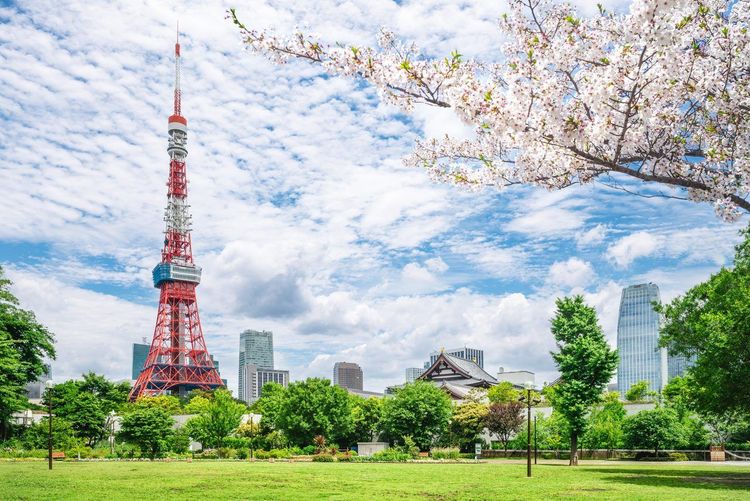
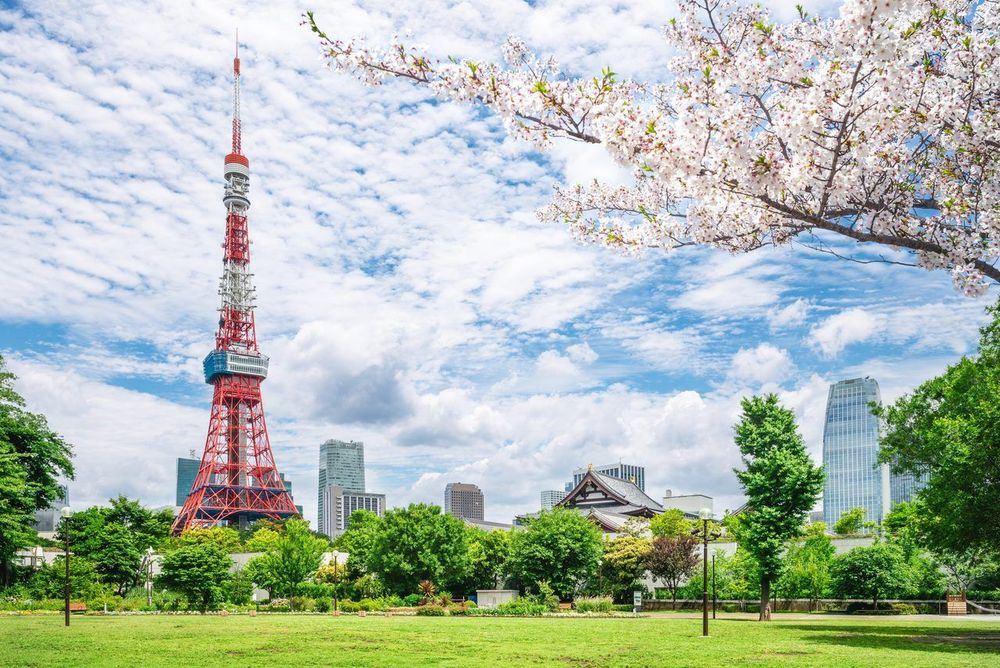
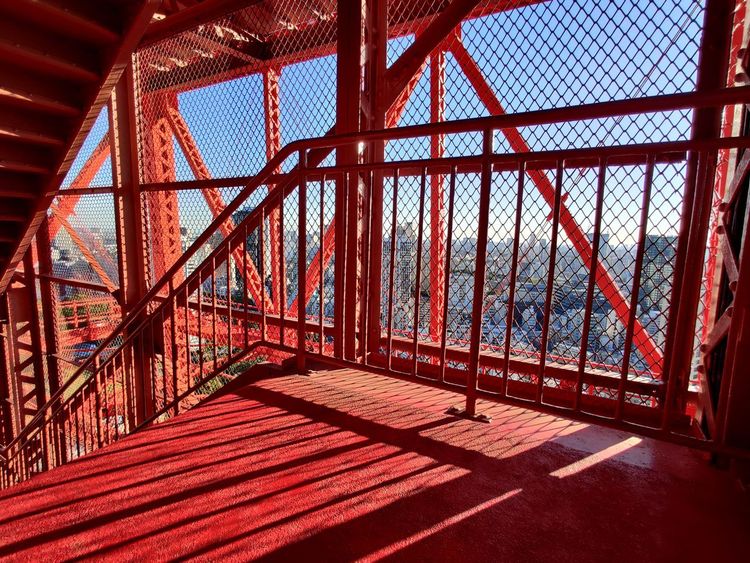
Close the trip the way many first-time visitors picture Tokyo at night. Tokyo Tower, completed in 1958 and inspired by the Eiffel Tower, stands 333 meters tall and glows a warm orange after dark. On clear nights it's visible from surprisingly far away, which makes it a handy landmark if you get turned around.
The main deck gets crowded right at sunset. For a quieter view, arrive 30 minutes earlier or wait until after 8pm once the tour groups clear out.
From the tower, Roppongi (Roppongi, Minato City, Tokyo 106-0032) is a 15-minute walk or a short taxi ride. Tokyo's most international nightlife district mixes late bars with the Mori Art Museum, open until 10pm most nights, and a crowd of locals and expats that feels nothing like Shinjuku the night before.
This last day is where an audio guide earns its keep: the main Ryo route threads the Imperial Palace moat before looping toward Tokyo Tower, so you can let the narrated Ryo walk through Tokyo fill in the Edo-era backstory while your eyes stay on the stone walls.
Where to Eat in Tokyo in 3 Days
You could spend all three days eating and still only scratch the surface; Tokyo has more Michelin-starred restaurants than any other city. For a short trip, the smarter play is to cover the categories rather than chase reservations.
Ramen, Sushi and Izakaya Classics
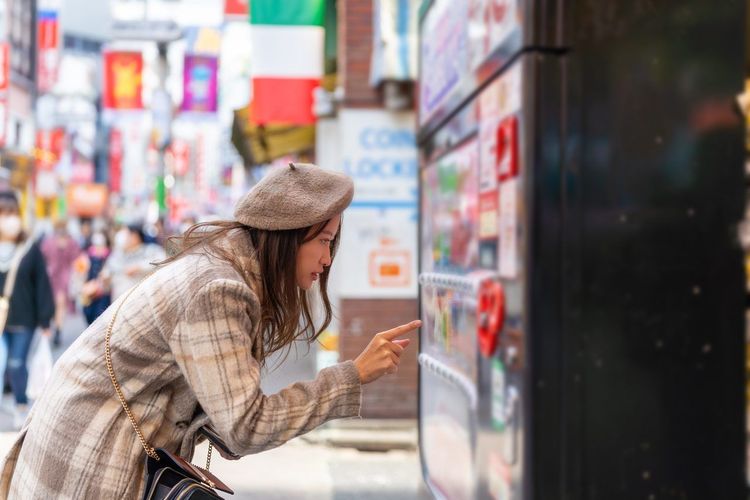
Have at least one bowl of ramen at a ticket-machine shop: you pick and pay at a vending machine by the door, hand over the ticket, and eat at a counter. Expect 1,000 to 1,500 yen. Shinjuku and Ikebukuro are dense with ramen shops, and the basement food courts around Tokyo Station have their own « Ramen Street ».
For sushi without a booking, conveyor-belt chains charge roughly 150 to 500 yen a plate and are genuinely good. Tsukiji covers your fresh-fish breakfast on day three. In the evening, an izakaya, Japan's casual pub, is where you'll eat like a local: small plates of karaage, edamame, and grilled skewers shared over beer or highballs.
Convenience Stores and Department Store Food Halls
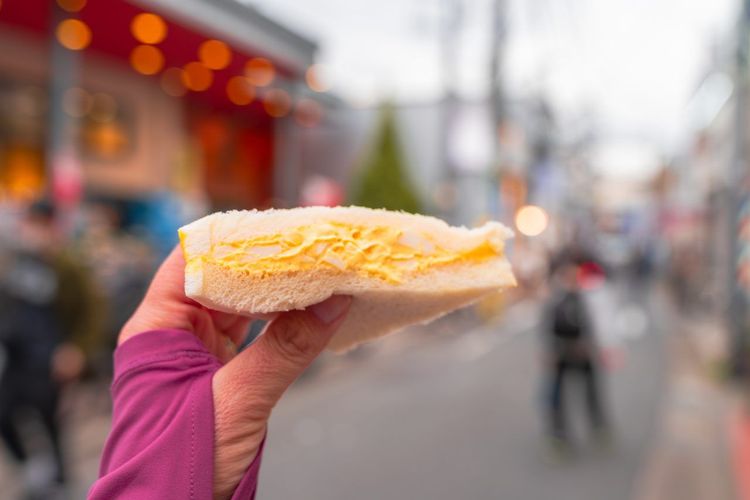
Don't underestimate the konbini. 7-Eleven, Lawson, and FamilyMart sell onigiri, egg sandwiches, and hot fried chicken that make an easy breakfast for under 500 yen, and they're open 24 hours. In the late afternoon, the basement food halls (depachika) of department stores like Isetan in Shinjuku or Mitsukoshi in Nihonbashi discount bento boxes and sushi trays, which makes a cheap picnic dinner back at your hotel.
Where to Stay in Tokyo for a Short Trip
Tokyo's size can make hotel-hunting stressful, but for a 3-day trip it comes down to two profiles: convenience near the action, or a quieter, more traditional base. Neither is better; it depends on how much nightlife you'll actually use.
Shibuya and Shinjuku for First-Time Visitors
For a first visit, Shibuya and Shinjuku are the easiest home base. Both sit on the JR Yamanote loop line, and both put you within a 20 to 30 minute ride of nearly everything in this itinerary. Shibuya skews younger, with mid-range chains clustered around the station; Shinjuku has a wider spread, from capsule hotels under 4,000 yen a night to five-star towers.
Expect to pay 12,000 to 20,000 yen a night for a clean mid-range double in either neighborhood in 2026, more during cherry blossom season or holidays. Book at least a month ahead if your trip lands in those windows.
The tradeoff is noise. Both run loud well past midnight, particularly near Kabukicho. If you're a light sleeper, pick a hotel one or two streets back from the station, or ask for a high floor.
Asakusa for a Budget-Friendly, Traditional Stay
Asakusa, where day one starts, works well if you'd rather wake up somewhere quieter. Hotels here often run 20 to 30 percent cheaper than Shibuya or Shinjuku for a comparable room, and the low-rise streets and temple backdrop feel distinctly older.
The tradeoff is distance: count 30 to 40 minutes by train to Shibuya or Shinjuku, which matters if your evenings run late. It suits travelers who prioritize mornings over nightlife, and families often prefer it for that reason.
Still undecided? Listening to the Ryo audio guide's chapters on Asakusa and Shibuya is a surprisingly useful way to compare the two neighborhoods' moods before committing to a hotel.
Practical Tips for Visiting Tokyo in 3 Days
A few numbers and logistics make this itinerary much easier, and most are worth settling before day one.
Getting Around: Japan Rail Pass, Suica Card and the Metro
For a 3-day trip confined to central Tokyo, skip the Japan Rail Pass. At around 50,000 yen for 7 days, it only pays off on long-distance bullet train trips between cities, not on local lines.
Instead, get a Suica or Pasmo card, Tokyo's rechargeable transit cards. Regular card sales resumed at stations in March 2025 after a two-year chip shortage, and visitors can also use the Welcome Suica card sold at the airports, or the Welcome Suica Mobile app and Apple Pay on an iPhone. Google Wallet only works with Suica on phones sold in Japan. Tap in, tap out, and the fare is deducted across JR lines, Tokyo Metro, and most buses; the same card pays at convenience stores and vending machines.
Budget roughly 800 to 1,200 yen a day in fares. The Tokyo Metro covers most of this guide, and if you'll ride it heavily, the Tokyo Subway Ticket (24, 48 or 72 hours) for visitors covers both Metro and Toei lines for a flat price. JR lines like the Yamanote loop are not included.
Budget: What a 3-Day Tokyo Trip Costs
Excluding flights, a realistic 3 days in tokyo budget for 2026 lands between about 45,000 and 90,000 yen per person, roughly 300 to 600 US dollars, depending on hotel choice and paid attractions.
Breaking it down: accommodation runs 12,000 to 20,000 yen a night in Shibuya or Shinjuku, food averages 3,000 to 5,000 yen a day mixing konbini, ramen, and one sit-down meal, transit costs about 1,000 yen a day, and tickets for Skytree, teamLab, and Shibuya Sky add around 7,000 to 9,000 yen over the three days.
A japan 3 days tour package usually costs more per day but removes the guesswork around tickets and transfers, which can be worth it on a first short trip.
Best Time to Visit: Weather and Seasonal Notes
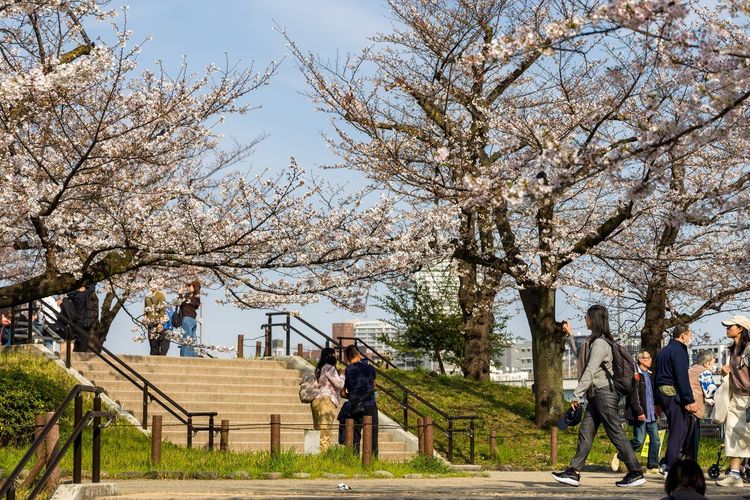
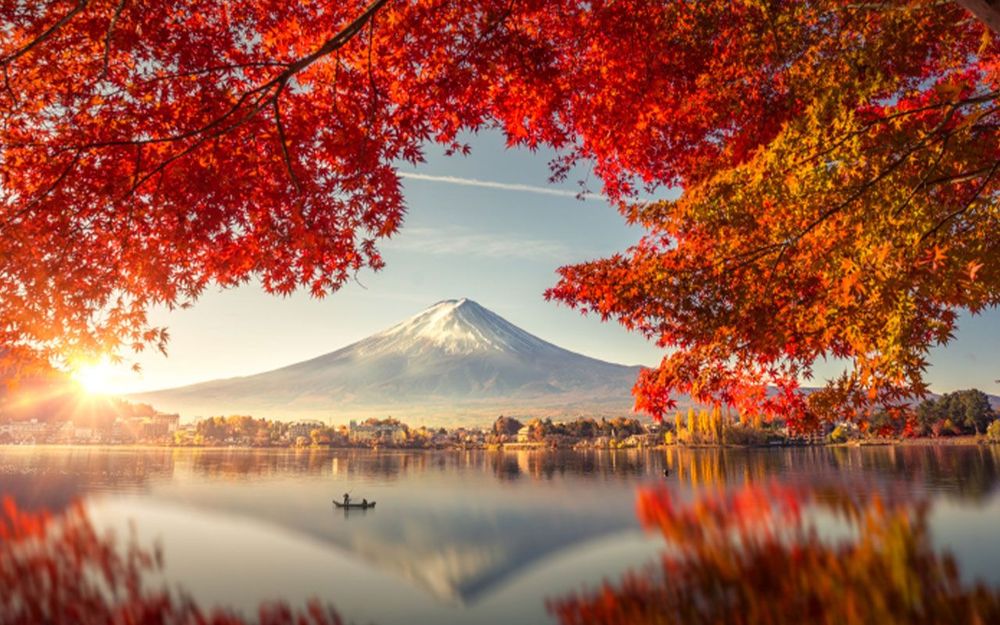
Spring, late March to early April, and autumn, mid-November to early December, are Tokyo's prettiest seasons for cherry blossoms and fall foliage, but also its most crowded and expensive for hotels.
A tokyo itinerary 3 days winter trip, December through February, has real advantages: clear skies for skyline views from Skytree or Tokyo Tower, frequent views of Mount Fuji, and thinner crowds at Senso-ji and Meiji Shrine. Daytime highs hover around 10°C, so pack layers.
Summer, June through August, starts with the rainy season and then brings heat and humidity that make a packed walking itinerary exhausting by early afternoon. If that's your only window, move the Imperial Palace and Yoyogi Park walks to early morning and save teamLab or Mandarake for the hottest hours.
Money, Etiquette and Staying Connected
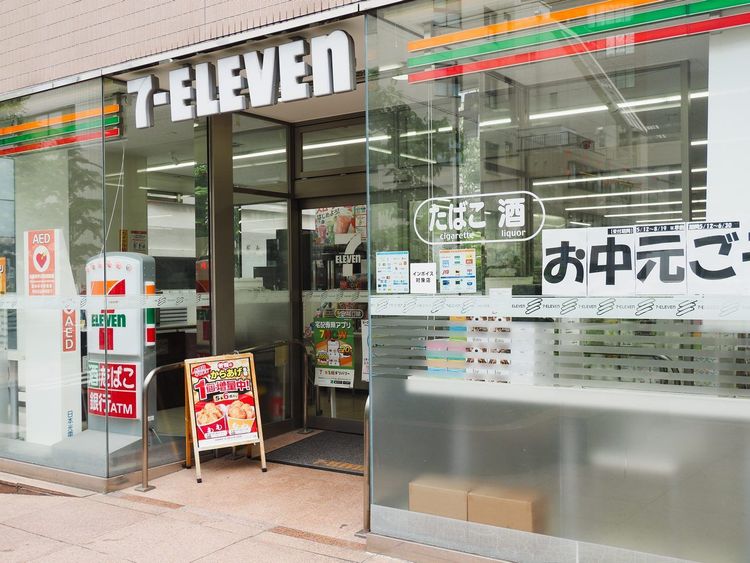
Japan is far more card-friendly than it was a few years ago, but small ramen shops, shrine stalls, and market counters still often take cash only. 7-Eleven ATMs accept foreign cards and are everywhere, so you never need to carry much. Tipping isn't part of the culture; leaving coins on the table usually gets you chased down the street by a staff member returning them.
A few habits will make you blend in: stand on the left of escalators in Tokyo, keep phone calls off trains, and avoid eating while walking on busy streets, especially around temples. Rubbish bins are rare, so carry a small bag for wrappers until you find one at a konbini. For data, an eSIM bought before departure is the simplest option, and free Wi-Fi is available in most stations and convenience stores.
If You Have a Fourth Day: Easy Day Trips
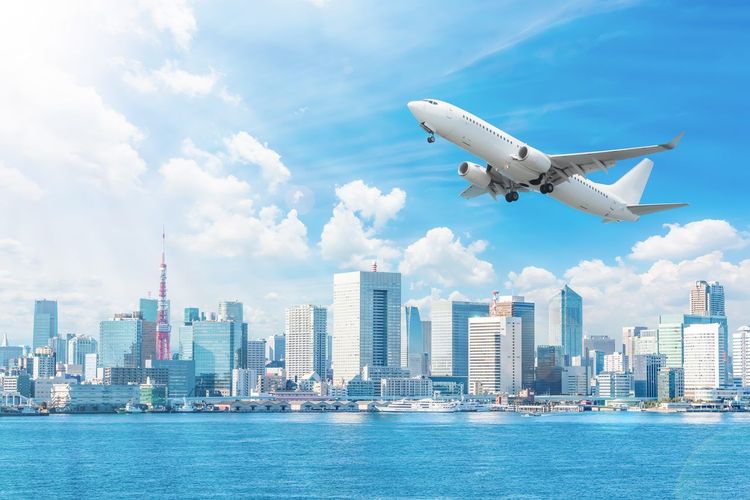
Tokyo in 3 days covers the essentials, but if you can stretch to a fourth, two classic day trips sit within easy reach.
Kamakura, about an hour south by JR, is a seaside town of temples and hiking trails, best known for its 13th-century Great Buddha, a bronze statue more than 11 meters tall sitting in the open air. Nikko, around two hours north, pairs the lavishly decorated Toshogu Shrine, a UNESCO World Heritage site, with mountain waterfalls and cedar forests. Kamakura is easier on a tight schedule; Nikko rewards an early start.
If neither appeals, Yokohama is only 30 minutes from Shibuya by train, with Japan's largest Chinatown, a breezy harbor promenade, and the Cup Noodles Museum, where kids and adults can design their own instant noodle cup. It's the easiest add-on of all, and it works as a half day if you'd rather keep your mornings in Tokyo.



FAQ
Is 3 days enough to see Tokyo?
Three days is enough to cover the city's major highlights: historic Asakusa, trendy Harajuku and Shibuya, and central sights like the Imperial Palace and Tokyo Tower. It's not enough to see everything. Expect to skip day trips to Nikko or Kamakura, and to move at a brisk pace through each neighborhood.
How much does a 3-day trip to Tokyo cost?
Budget roughly 45,000 to 90,000 yen per person, about 300 to 600 US dollars, excluding flights, for a mid-range hotel, mixed street food and sit-down meals, local transit, and a handful of paid attractions like teamLab or Tokyo Skytree.
Is Tokyo a good 3-day destination for families?
Yes, with some adjustments. 3 days in tokyo with family works best by trimming nightlife stops like Golden Gai in favor of extra time at Ueno Park, its zoo, and teamLab, which tends to be a highlight for kids of almost any age. Asakusa also makes a calmer base than Shibuya with younger children.
Do I need a Japan Rail Pass for just 3 days in Tokyo?
No. A Japan Rail Pass is built for long-distance travel between cities on the bullet train network. For a trip confined to central Tokyo, a Suica or Pasmo card covers every local JR, metro, and bus ride for a fraction of the cost.
What's the best way to plan a Tokyo itinerary in winter?
Lean into clear skies for skyline views and thinner crowds at the major temples and shrines, and pack warm layers for the outdoor walking. Sunsets come around 4:30pm in December, so the Skytree and Tokyo Tower stops line up naturally with golden hour.
Should I book a tour package or plan my own 3-day Tokyo itinerary?
A tour package removes the logistics of tickets and transit at a higher daily cost, which suits travelers who'd rather not plan. Self-planning with a route like this one costs less and allows more flexibility, but you'll need to book teamLab and other timed-entry tickets in advance.
Three days, three halves of the city, and a route that moves from a temple founded in the 7th century to a digital art museum without feeling disjointed. Whichever day you start with, Tokyo rewards walking it slowly enough to notice the details: the sake barrels at Meiji Shrine, the knife work at a Tsukiji counter, the orange glow of Tokyo Tower at dusk, and the smell of grilled skewers drifting down Hoppy Street.
If you'd like those details told to you as you walk, Ryo's audio guide to Tokyo follows this same arc from the historic east to the trendy west and the imperial center, stop by stop, so the only thing left to plan is which ningyo-yaki stall to try first.
À lire également