© Shutterstock
 Votre guide Ryo
A Weekend in Tokyo: The Friday-to-Sunday Itinerary for 2026
Fifty-four hours is not a lot of time for a city whose metro map looks like a circuit board, but a weekend in Tokyo works better than most first-timers expect. Land Friday evening and the city already behaves like a series of dense, walkable neighbourhoods rather than one endless sprawl, which is exactly why Ryo's Tokyo audio-guided walks suit a short stay: each one covers a single district on foot, with the stories told as you reach each stop.
By Sunday night you can have stood under Sensoji Temple's giant lantern, watched thousands of pedestrians cross Shibuya Crossing in one green light, ordered ramen from a vending machine before saying a word to anyone, and still squeezed in a kaiseki dinner that costs more than your airport train. This Tokyo itinerary breaks the weekend into Friday, Saturday and Sunday day-parts, the way the city actually runs: temples and gardens before the heat sets in, shopping streets in the afternoon, and izakaya lanes or a rooftop bar once the sun drops behind Shinjuku. You'll also find where to stay, how to get around with a single IC card, what a realistic daily budget looks like and which bucket-list extras deserve a fourth day.
Friday Evening: Your First Taste of Tokyo
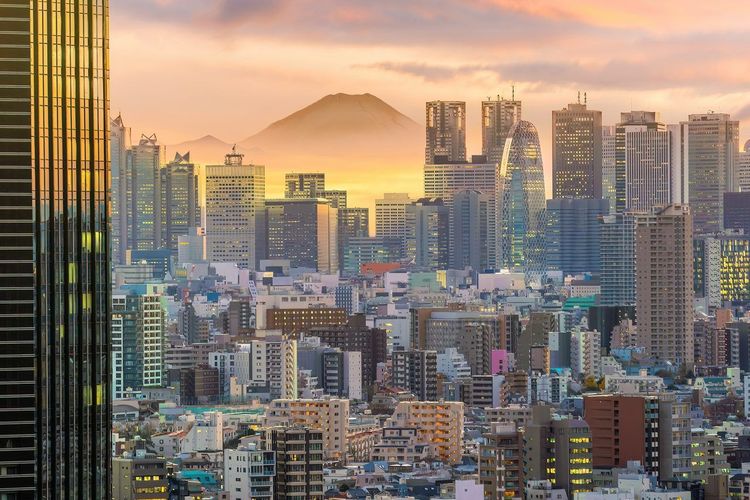
Most flights from Europe and the US land in the afternoon, which means your weekend in Tokyo effectively starts with a few hours of daylight left before dinner. Use them to get oriented rather than to chase a landmark.
Check in and get your bearings
Whichever neighbourhood you picked for your hotel, drop your bags and walk. Tokyo's train system is fast but its street numbering is not built for humans: buildings are numbered by construction date within a block, not in sequence, so even locals rely on landmarks and station exits rather than addresses. Spend your first hour finding the exit you'll actually use each morning, because getting that wrong at rush hour costs ten minutes you don't have on a short trip.
Shibuya and Shinjuku put you closest to Saturday's itinerary and to the last trains home after dark; Asakusa is quieter and cheaper but adds a subway ride to almost everything on day two. Neither choice is wrong, it just shifts where those extra ten-minute buffers land.
Pick up a Suica or Pasmo IC card at the airport or at any station machine before you do anything else. It works on trains, buses, convenience-store purchases and most vending machines, and not having to buy a paper ticket every time you change lines matters more over 54 hours than it does on a two-week trip.
Dinner in Memory Lane or Golden Gai
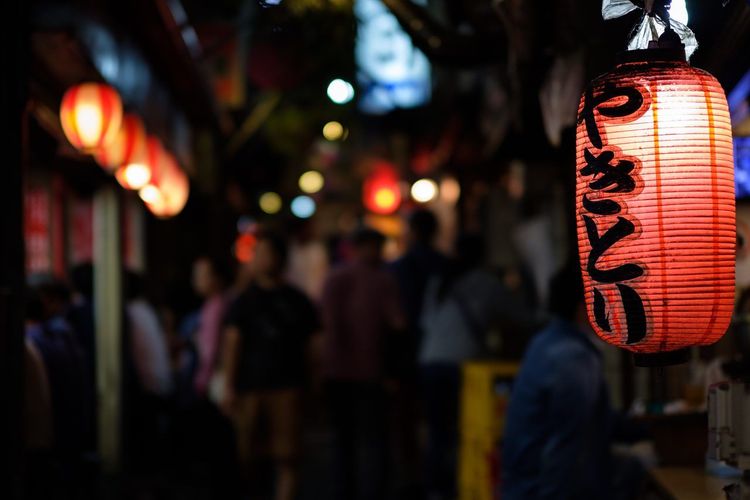
For a first dinner, skip the reservation-only spots and head to one of Shinjuku's two famous alleyways instead. Memory Lane, known locally as Omoide Yokocho), is a narrow strip of yakitori counters under the old railway tracks, smoke and charcoal included.
A few streets over, Golden Gai (1 Chome Kabukicho, Shinjuku City, Tokyo 160-0021, rated 4.3/5 on Google (13 143 avis)) packs roughly two hundred tiny bars into six narrow lanes, most seating fewer than ten people. Many charge a small seating fee and a handful turn away first-time visitors who don't speak Japanese, so treat any bar that waves you in as a decent find rather than a given.
If jet lag has you craving something simpler, look for a ramen shop with a ticket machine by the door. You order and pay before you sit down, hand the ticket to the cook, and never have to flag anyone for the bill, a useful trick on a night when your Japanese vocabulary tops out at a polite thank you.
Saturday Morning: Old Tokyo in Asakusa
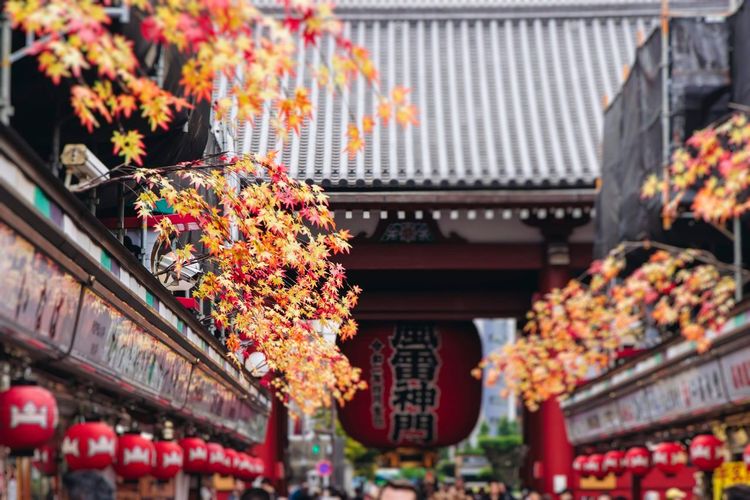
Asakusa is where most Tokyo weekends should start, because it's the version of the city that existed before the skyscrapers, and seeing it first sets a baseline for how much has changed everywhere else.
Sensoji Temple and Nakamise-dori
Tokyo's oldest temple, Sensoji, traces its origins to 628, when, according to legend, two fishermen pulled a statue of Kannon from the Sumida River. Its Kaminarimon gate, with the 3.9-metre red lantern that has become one of the most photographed objects in Japan, marks the start of a five-minute walk to the main hall.
That walk runs straight through Nakamise-dori), a 250-metre shopping street lined with stalls selling rice crackers, folding fans and souvenir yukata. Arrive before 9am if you want photos without three hundred other people in them; by 11am the street is shoulder to shoulder.
This is also where Ryo's Asakusa audio-guided loop begins: 20 audio stops over 3.3 km and about 1h20, from Kaminarimon and Nakamise to the Hozomon gate, the five-storey pagoda, the Sumida River and a viewpoint facing Tokyo Skytree. It fills in exactly the context that's easy to miss when you're focused on getting a clear photo of the lantern.
If you have twenty minutes to spare before lunch, Kappabashi, the kitchenware street a short walk west of the temple, sells everything from lacquered chopsticks to the plastic display food used in restaurant windows, and it's a worthwhile stop for anyone who cooks.
Asakusa backstreets and the Ota Memorial Museum of Art
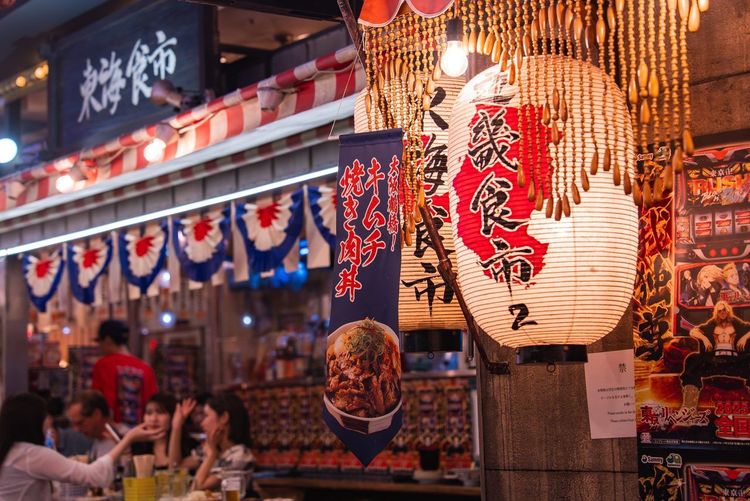
Once you're past the main hall, most visitors turn back the way they came. Don't. The backstreets around the temple are quieter, with small craft shops and old family businesses, and they give a better sense of the neighbourhood than the main approach does. Cross to Sumida Park by the river and you'll see the Asahi Flame sculpture and the Skytree side by side, the clearest snapshot of old and new Tokyo in one frame.
If ukiyo-e woodblock prints interest you at all, note the Ota Memorial Museum of Art (1-10-10 Jingumae, Shibuya City, Tokyo 150-0001, rated 4.3/5 on Google (2 291 avis)) for the afternoon: it sits in Harajuku, a few minutes from Meiji Shrine, and holds one of the country's best private collections of Hokusai and Hiroshige in a building small enough to see in forty minutes.
Grab lunch before you leave Asakusa: a bowl of tempura don from one of the counter shops near the temple approach is a better use of forty minutes than most sit-down restaurants nearby.
Saturday Afternoon: Shrines and Streetwear in Harajuku
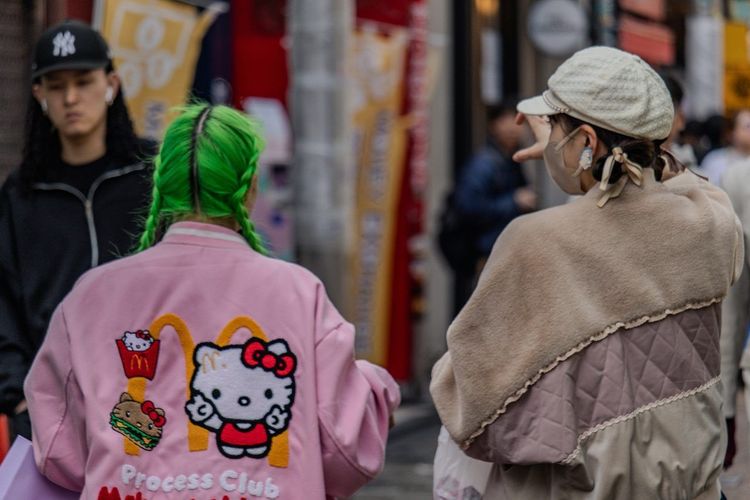
The contrast between Saturday morning and Saturday afternoon is the best argument for visiting Tokyo over almost any other city on a short trip: you can walk from a hushed shrine forest into a shopping street that looks like a fashion magazine cover in under fifteen minutes.
Meiji Shrine's forest walk
Meiji Shrine) was completed in 1920 and sits inside a forest planted from roughly 100,000 trees donated from across Japan. A century later it feels ancient, and the ten-minute walk in from Harajuku Station along the gravel path is quiet enough that you hear gravel crunch and very little else, a strange sensation two train stops from Shibuya.
Weekends often bring traditional weddings through the main courtyard, with the bride in white kimono under a red parasol. It's not staged for tourists, so keep a respectful distance and don't block the procession for a photo.
Harajuku's Takeshita-dori and Shinjuku Gyoen National Garden
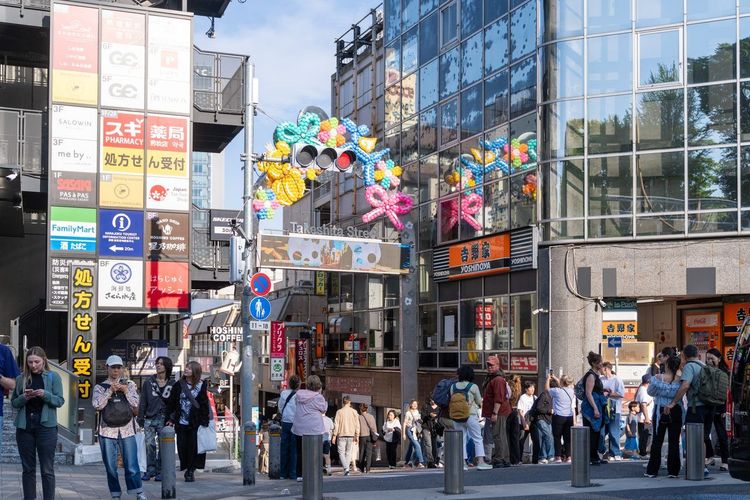
Walk back out toward Harajuku Station and you land almost directly on Takeshita-dori, about 350 metres of crepe stands, thrift shops and streetwear brands that has shaped Harajuku's street style for decades. It's overwhelming on a Saturday afternoon, so this is one part of the day worth doing with no particular goal beyond looking around.
If Takeshita-dori feels too crowded, cut over to Cat Street or Omotesando, a few minutes south, for the same neighbourhood at a slower pace: fewer teenagers, more design boutiques and cafes with somewhere to actually sit down.
For a calmer finish, take the train or walk twenty-five minutes to Shinjuku Gyoen National Garden (11 Naitomachi, Shinjuku City, Tokyo 160-0014, rated 4.6/5 on Google (45 766 avis)), 58 hectares combining English landscape, French formal and traditional Japanese garden styles. Entry is a few hundred yen, the garden is closed on Mondays, and closing time moves with the seasons: 4pm in winter, later from spring through summer, with last entry thirty minutes before. Check the hours before you commit the afternoon to it.
Saturday Evening: Shibuya After Dark
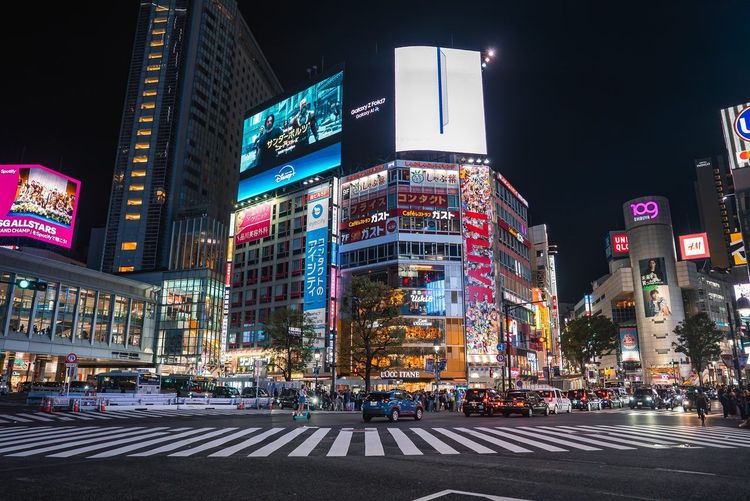
Saturday night is when Tokyo's reputation for scale actually clicks into place, and Shibuya is the neighbourhood built to deliver it.
Shibuya Crossing and Shibuya Sky Observatory
Shibuya Crossing) stops traffic in all directions roughly every two minutes, and at peak times an estimated three thousand people cross at once. Watching it from street level for ten minutes costs nothing and is worth doing before dinner.
For the view from above, Shibuya Sky (2 Chome-24-12 Shibuya, Shibuya City, Tokyo 150-0002, rated 4.6/5 on Google (26 988 avis)), the rooftop observatory on top of Shibuya Scramble Square, puts you 229 metres up on an open-air deck edged only by glass panels. Book the sunset slot online in advance; that time slot sells out most weekends.
On a clear evening, look east for Tokyo Skytree: if you did the Asakusa audio loop this morning, you'll have heard its story from the riverbank at its foot, and seeing it again from the opposite side of the city is a neat way to measure how far you've travelled in a day.
Dinner, karaoke or a kabuki show
Shibuya has enough izakaya and ramen counters to fill several weekends on its own. For something with more atmosphere than a single restaurant, duck into Nonbei Yokocho, a tiny alley of two-storey bars squeezed beside the railway tracks that somehow survived decades of redevelopment around it.
Renting a private karaoke booth is the louder option for later in the night: hourly rooms, all-you-can-drink packages at most chains and song catalogues that go back decades in both Japanese and English. It's a fun way to spend two hours with a group, and nobody outside your room hears a note.
For something quieter but still distinctly Japanese, watching a kabuki performance at Kabukiza in Ginza gives you access to single-act tickets, with English subtitles or audio guides available, which makes the art form far more approachable than a four-hour full programme sounds.
Sunday Morning: Modern Art and Design
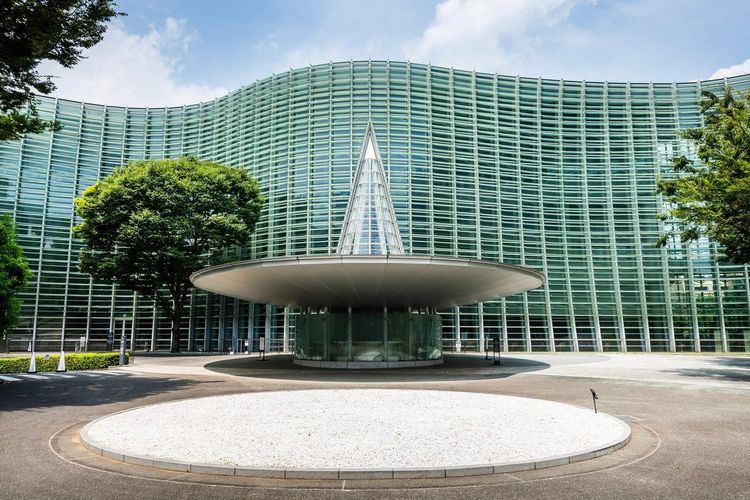
Sunday mornings move at a different pace than the rest of the weekend, which is deliberate: after two dense days, this is where you slow down before the afternoon markets pick things back up.
teamLab Planets or Borderless digital art
Tokyo has two separate teamLab museums, and mixing them up is one of the most common planning mistakes visitors make. teamLab Planets, in Toyosu, is the one where you walk barefoot through water and mirrored rooms; teamLab Borderless, which moved from Odaiba to Azabudai Hills in 2024, is the larger installation where artworks drift from room to room. Book whichever one fits your route, but confirm the address on the ticket.
Morning slots, usually the first entry of the day, sell out fastest and give you the emptiest rooms for photos, so book that slot the moment your dates are fixed rather than leaving it for the week before. At Planets, wear trousers you can roll above the knee: several rooms involve wading through shallow water.
Nezu Museum and its garden
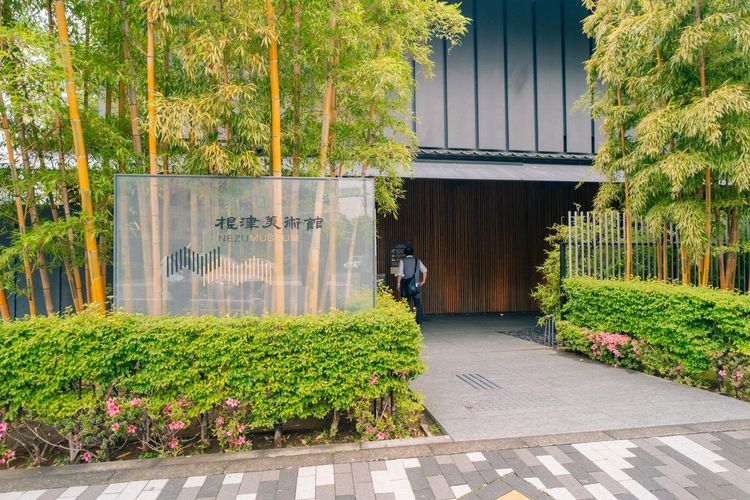
Fewer visitors make it to the Nezu Museum (6-5-1 Minamiaoyama, Minato City, Tokyo 107-0062, rated 4.5/5 on Google (6 620 avis)), which is unfortunate, because its collection of Japanese and East Asian art sits behind a bamboo-lined entrance corridor that's worth the ticket price on its own, before you've seen a single piece inside.
The museum's garden, a hillside landscape with stone lanterns and teahouses, is large enough that you can lose the crowd within five minutes of stepping outside, even on a Sunday. Budget at least an hour if you want to see the garden properly rather than rushing it before lunch. Note that the museum is closed on Mondays and runs on timed online tickets.
Sunday Afternoon: Markets and Local Neighbourhoods
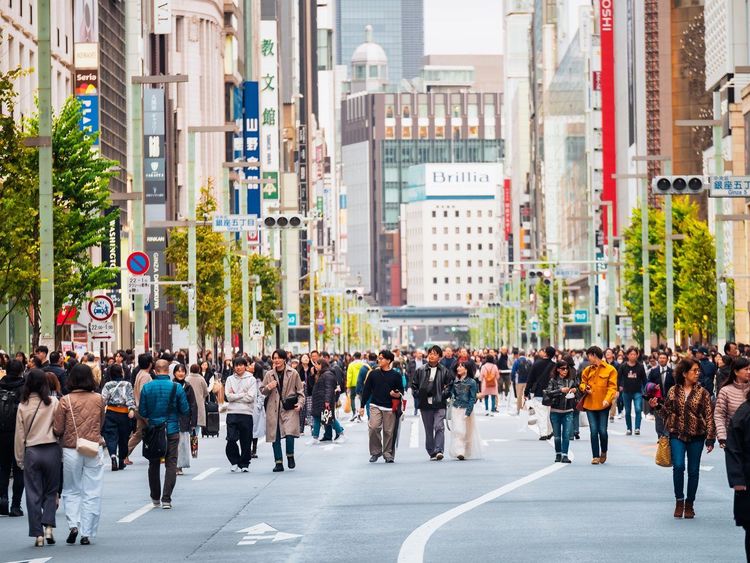
Sunday afternoon is where you trade landmarks for neighbourhoods, and it's the part of the weekend most first-time visitors regret cutting short.
Tsukiji Outer Market food stalls
Tokyo's wholesale fish auctions moved to Toyosu in 2018, but the Tsukiji Outer Market) kept its narrow lanes of food stalls, and it's arguably a better visit for a casual Sunday than the newer, more clinical Toyosu facility. Come hungry: grilled scallops, tamagoyaki skewers and fresh uni are sold in portions small enough that you can work through five or six stalls without filling up on the first one.
Most stalls open early in the morning and start closing by early afternoon, and a number of shops take Sunday off, so this is one stop where arriving late costs you options; aim to be there before 1pm.
If fish markets aren't your thing, swap Tsukiji for Ueno. Ryo's Ueno audio-guided walk strings 20 stories along a 5.6 km loop of about 2h15 through Ueno Park, Shinobazu Pond, Toshogu Shrine and the Tokyo National Museum, and the Ameyoko market street next to the station gives you the street-food fix without the early start.
The Arcades of Ikebukuro or a quiet detour to Shimokitazawa
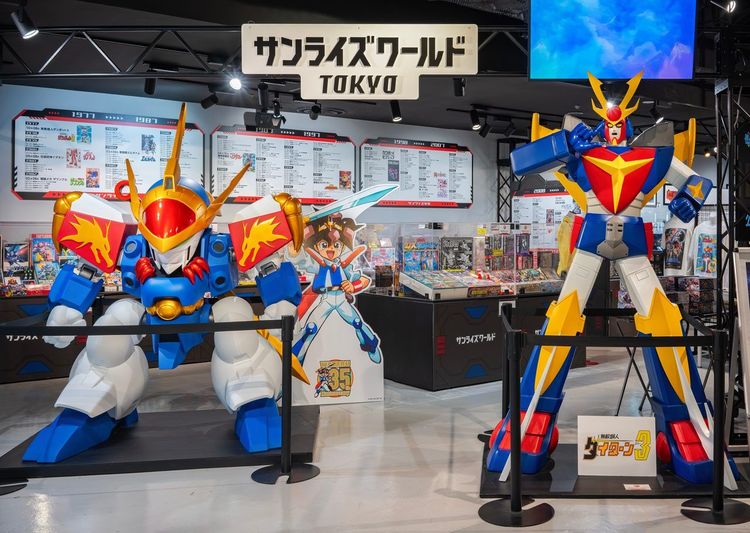
If you'd rather stay energetic, Ikebukuro's streets around Sunshine City (3 Chome-1-1 Higashiikebukuro, Toshima City, Tokyo 170-8630, rated 4.1/5 on Google (35 172 avis)) mix retro game centres, anime shops and multi-floor department stores, and it draws a very different crowd than Shibuya or Harajuku, mostly locals rather than tourists.
For the opposite mood, Shimokitazawa is a low-rise neighbourhood of vintage clothing shops, small live-music venues and independent coffee roasters, largely untouched by the scale of central Tokyo. Either choice works; picking between them mostly comes down to whether your feet want a break.
Travellers with a spare hour can also detour to Jiyugaoka, a quieter residential district known for small temples and a cluster of vegan and vegetarian restaurants, a useful reset if the last two days have been heavy on fried food and ramen.
Sunday Evening: One Last View Before You Fly
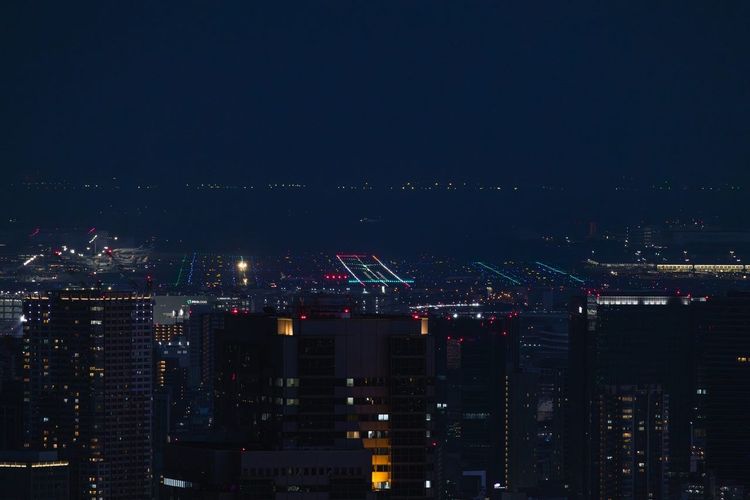
Most weekend guides to Tokyo stop at Sunday afternoon, which leaves a strange gap if your flight isn't until Monday, or leaves late on Sunday. Don't waste the last few hours in an airport lounge.
If you're staying near Shinjuku or Shibuya, head up to a rooftop bar for sunset rather than another observatory: fewer crowds, a drink in hand, and the same skyline you've been walking through all weekend seen from above one last time. Several hotel bars in Nishi-Shinjuku and around Shibuya let non-guests in for the price of a cocktail.
For an easy final dinner before a Monday-morning flight, look for a simple izakaya near a station on your route to the airport rather than planning a big send-off meal across town. Tokyo's convenience stores are also a legitimate option here: an onigiri and a can of highball from a 7-Eleven or Lawson is a better use of your last hour than crossing the city for one more stop on your trip to Tokyo.
Foodie Detours Worth Building Into Your Weekend
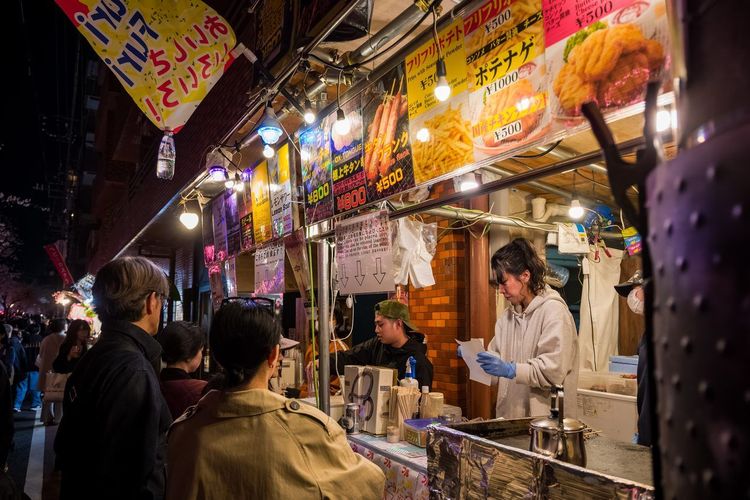
Food isn't a side activity on a weekend in Tokyo, it's arguably half the reason to come, and it splits fairly cleanly into two budget tiers.
A kaiseki splurge or a department-store food basement crawl
If you're going to spend real money on one meal all weekend, a kaiseki dinner is the one to pick: a multi-course, seasonally driven tasting menu that can run anywhere from eight to fourteen courses depending on the restaurant, built entirely around what's in season that particular week. Reservations at the well-known houses often need to be made weeks ahead, so book before you land rather than once you're already jet-lagged and hungry.
For something more contemplative and considerably cheaper, the Sakurai Japanese Tea Experience in Minami-Aoyama, near Omotesando, offers tasting courses of teas paired with small sweets, served by a tea master who explains each pairing rather than just pouring and walking away.
Between meals, a department store food basement, known locally as a depachika, is worth an hour on its own: bento boxes, pastries and prepared dishes from dozens of specialist vendors under one roof, some offering small samples as you walk past. Isetan in Shinjuku and Mitsukoshi in Ginza are the two most frequently recommended, and both sit a short walk from stops already on this itinerary.
Vending-machine ramen, 3D latte art and a Totoro cream puff
At the other end of the spectrum, ordering ramen from a vending machine is a small rite of passage: insert cash, pick a button, hand the printed ticket to the cook, and never say a word if you don't want to. Most ramen shops with ticket machines have an English translation taped somewhere near the buttons, if not on them directly.
For something photogenic, 3D latte art at Cafe Reissue (1 Chome-15-4 Jinnan, Shibuya City, Tokyo 150-0041, rated 4.7/5 on Google (2 414 avis)) in Harajuku turns your cappuccino foam into a small sculpted character rather than a flat pattern, and you can bring a photo of your pet or a favourite character for the barista to copy.
And if you're travelling with kids, or you just like Studio Ghibli, the Totoro cream puffs from Shiro-Hige's Cream Puff Factory in Setagaya are a sweet excuse to pair with a visit to nearby Gotokuji Temple: the shop is tiny and batches sell out, so go early in the afternoon. If you have time for one more savoury stop, a conveyor-belt sushi counter near any major station is a fast, cheap way to try a wide range of fish in one sitting.
Catch a Seasonal Festival or Live Show
Tokyo's events calendar rotates weekly, and no guide, this one included, can tell you exactly what's on for your specific dates. What it can do is show you the range: a cultural festival like Namaste India in Yoyogi Park brings Indian food stalls and dance performances over a full weekend; a summer bon dance night at Miyashita Park turns the rooftop park into an open-air dance floor with drumming and yukata; and international acts, from a touring symphony orchestra to an arena concert by a J-pop group, can land on almost any weekend of the year.
None of these are things you plan a trip around, but they're worth a five-minute check once your dates are fixed. The official Go Tokyo events calendar and most major venue sites publish listings weeks ahead, and it's common to stumble onto something you'd never have found by searching for it directly. If nothing's scheduled during your visit, you haven't lost anything: the itinerary above holds up entirely on its own.
Unique Experiences for a Bucket-List Weekend
Everything so far fits comfortably into a standard Friday-to-Sunday weekend in Tokyo. The following don't, not really, but they're worth knowing about if your trip stretches into a fourth day or you're willing to swap one of the sections above for something closer to your interests. For a longer list, our guide to things to do in Tokyo goes further.
Ghibli Museum and cosplay go-karting
The Ghibli Museum) in Mitaka is one of the hardest tickets in Tokyo: released once a month for the following month, often gone within hours, and tied to a fixed entry time. If Studio Ghibli films matter to you at all, book the moment tickets open for your travel month, because there's no way to buy on-site.
For something considerably less contemplative, cosplay go-karting through public streets, in costume, has become one of the most photographed tourist activities in the city. You'll need an international driving permit valid in Japan, and several operators have had to change their costumes and names after a trademark dispute with Nintendo.
Tokyo DisneySea, a Samurai Restaurant show or the Warner Bros. Studio Tour
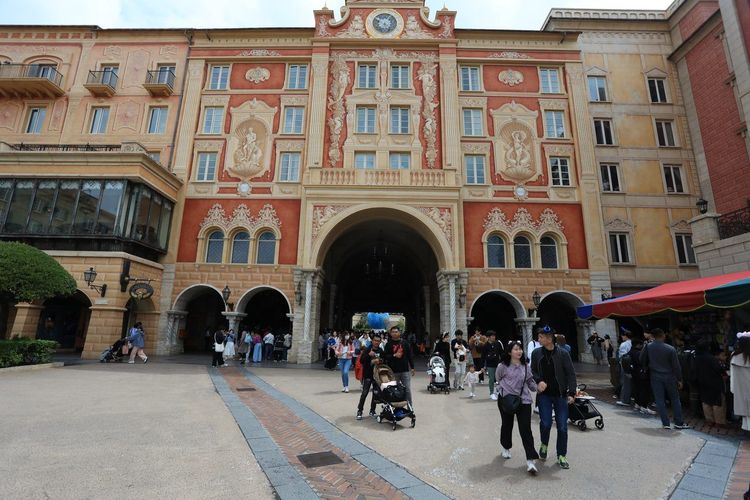
Tokyo DisneySea, a short train ride from central Tokyo in neighbouring Chiba, is a park you won't find anywhere else, built around nautical and exploration themes rather than classic Disney castles, and popular enough with Tokyo residents that weekends are busy; buy dated tickets online ahead of time.
For an evening show closer to the centre, the Samurai Restaurant in Kabukicho, run by the team behind the former Robot Restaurant, stages a loud, strobe-heavy show built around samurai and ninja choreography; go for the spectacle, not the food, and check the current show schedule before you go.
Anyone who prefers film sets to floor shows should look at the Warner Bros. Studio Tour Tokyo, which opened in June 2023 in Nerima, in the northwest of the city, on the former Toshimaen amusement park site. It recreates sets from the Harry Potter films at full scale, from the Great Hall to Diagon Alley, runs on timed tickets and is easily a half-day trip once you count travel time.
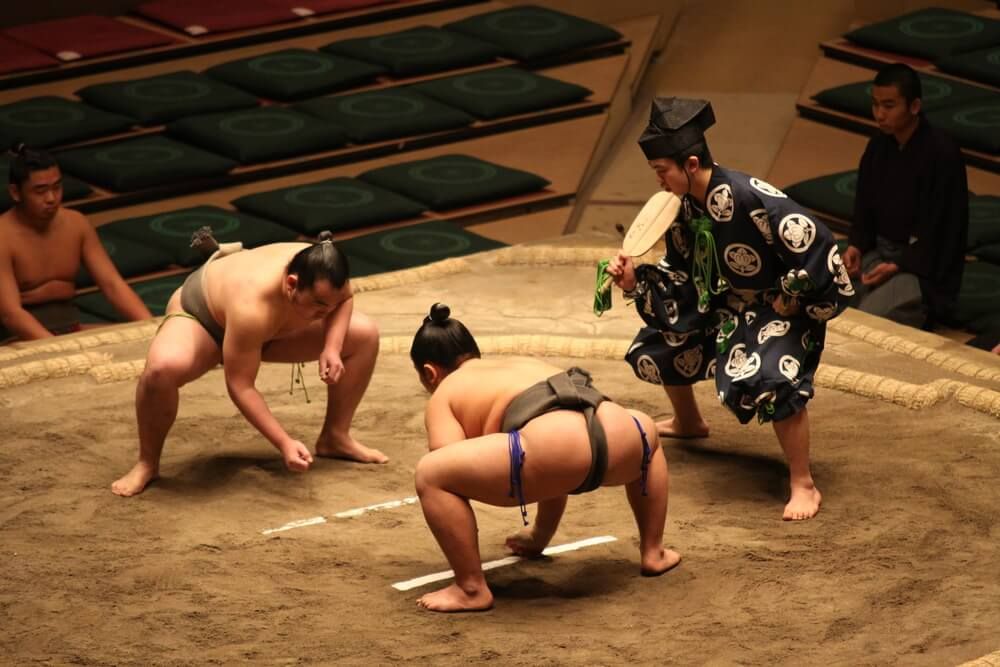
Sports fans should check whether a sumo tournament falls within their dates. Tokyo hosts three of the six annual Grand Sumo tournaments, in January, May and September at Ryogoku Kokugikan; tickets go on sale about a month ahead and weekend seats go fast, so set a reminder.
And for something odd, Gotokuji Temple (2 Chome-24-7 Gotokuji, Setagaya City, Tokyo 154-0021, rated 4.6/5 on Google (11 018 avis)) in Setagaya is credited as a birthplace of the beckoning cat, or maneki-neko, and its grounds hold hundreds of small white cat figurines left by visitors, a strange and quiet contrast to almost everything else on this list.
Where to Stay in Tokyo for a Weekend
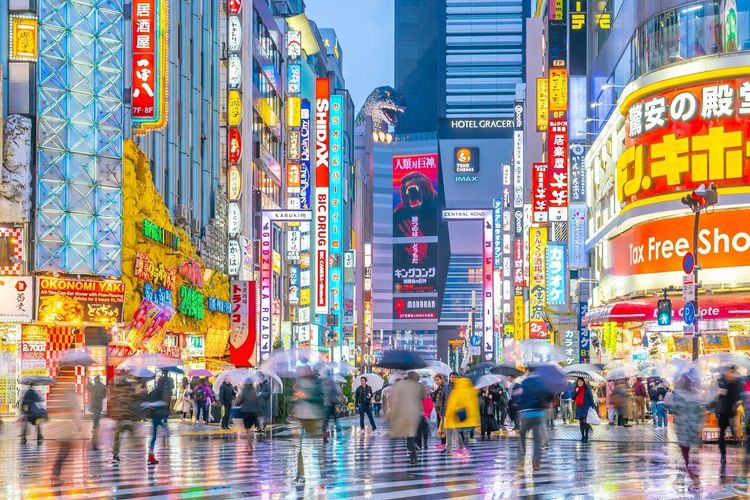
Where you sleep matters more on a 54-hour trip than on a longer one, because every extra train transfer is time you don't get back.
A luxury base: Park Hyatt or Andaz Tokyo
The Park Hyatt Tokyo (3-7-1-2 Nishishinjuku, Shinjuku City, Tokyo 163-1055, rated 4.5/5 on Google (4 590 avis)) in Nishi-Shinjuku, familiar to anyone who's seen Lost in Translation, occupies the top floors of Kenzo Tange's Shinjuku Park Tower, with its New York Bar looking over the whole west side of the city. The hotel closed in 2025 for its first full renovation, so check its reopening status before you plan your weekend around it.
For a more contemporary alternative, Andaz Tokyo sits on the top floors of Toranomon Hills, closer to the business district than the nightlife, with its own rooftop bar and slightly easier access to Haneda Airport if you're flying in or out on a tight schedule.
Central, walkable picks in Shibuya and Shinjuku
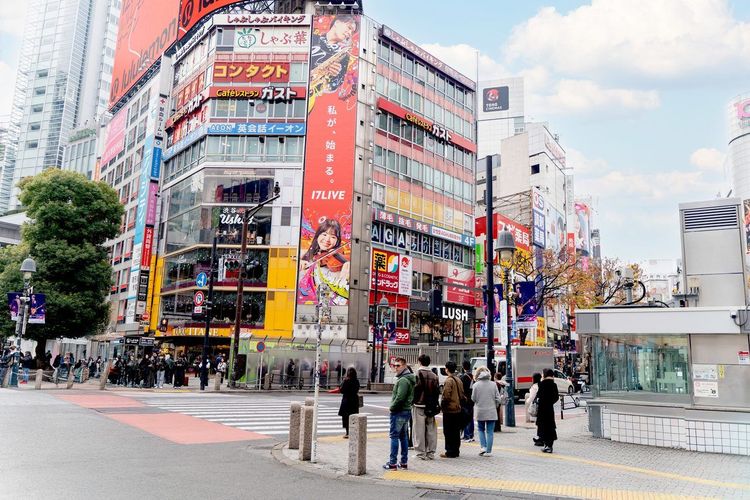
Neither of those needs to set the budget for your whole trip. Mid-range hotels around Shibuya and Shinjuku stations put you within walking distance of most of Saturday's itinerary, and a room a five-minute walk from a major station will save more time over a weekend than a marginally larger room ten minutes further out.
Families or anyone who wants a quieter night's sleep might prefer basing themselves slightly further out, around Ikebukuro or Ueno, and riding the train in for the day rather than sleeping in the middle of Shibuya's nightlife.
Whichever area you choose, book somewhere within walking distance of a JR Yamanote Line station: the loop line touches Shinjuku, Shibuya, Harajuku, Ikebukuro, Ueno and Tokyo Station directly, which covers most of the neighbourhoods in this itinerary without a single transfer.
Getting Around and Practical Tips
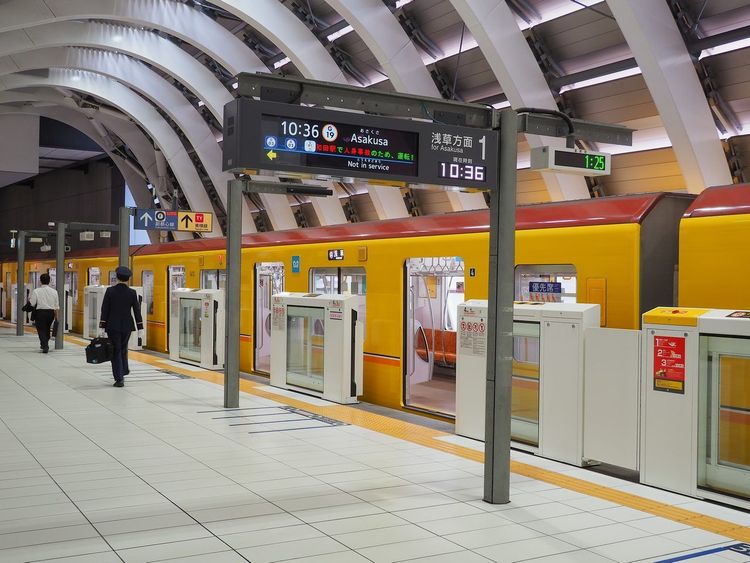
Tokyo's transport system looks intimidating on a map and turns out to be one of the most reliable parts of the trip once you've bought the right card.
IC cards and the fastest way between neighbourhoods
A Suica or Pasmo card, loaded with a few thousand yen, covers JR lines, the Tokyo Metro, most buses and even vending machines and convenience stores. Tap in, tap out, and the fare is calculated automatically, which matters because Tokyo's fares are confusing if you try to work them out from a paper map. iPhone and Android users can also add a Suica or Pasmo to their phone wallet.
For the neighbourhoods in this itinerary specifically, the JR Yamanote Line does most of the work: it's a loop, trains run every few minutes, and it connects Shinjuku, Harajuku, Shibuya and Ikebukuro without a single transfer. Save the subway for Asakusa and Tsukiji, which sit off the loop.
From Narita or Haneda airport, the fastest way into the city is a direct train: the Narita Express or Keisei Skyliner from Narita, and the Tokyo Monorail or Keikyu Line from Haneda. The Monorail and Keikyu accept the same IC card you're already using; the Narita Express and Skyliner need a reserved-seat ticket, and all of them beat the airport limousine bus on time, if not always on comfort, especially at rush hour.
Cash, credit cards and budgeting for the weekend
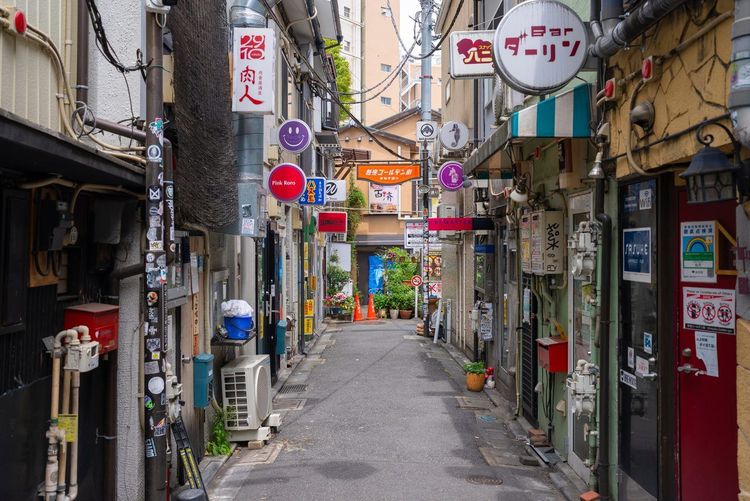
Japan has a reputation as a cash-only country that's increasingly out of date in central Tokyo: major hotels, chain restaurants and department stores take credit cards without issue. Smaller ramen counters, some shrines and most Golden Gai bars are still cash-only, though, so carry at least a few thousand yen for exactly those moments. Convenience-store ATMs at 7-Eleven accept foreign cards.
Budget roughly 15,000 to 25,000 yen per person per day for a comfortable mid-range weekend, food and transport included, before hotel costs. A splurge kaiseki dinner or a luxury hotel night will push that considerably higher for that specific day, but the baseline itinerary above doesn't require it.
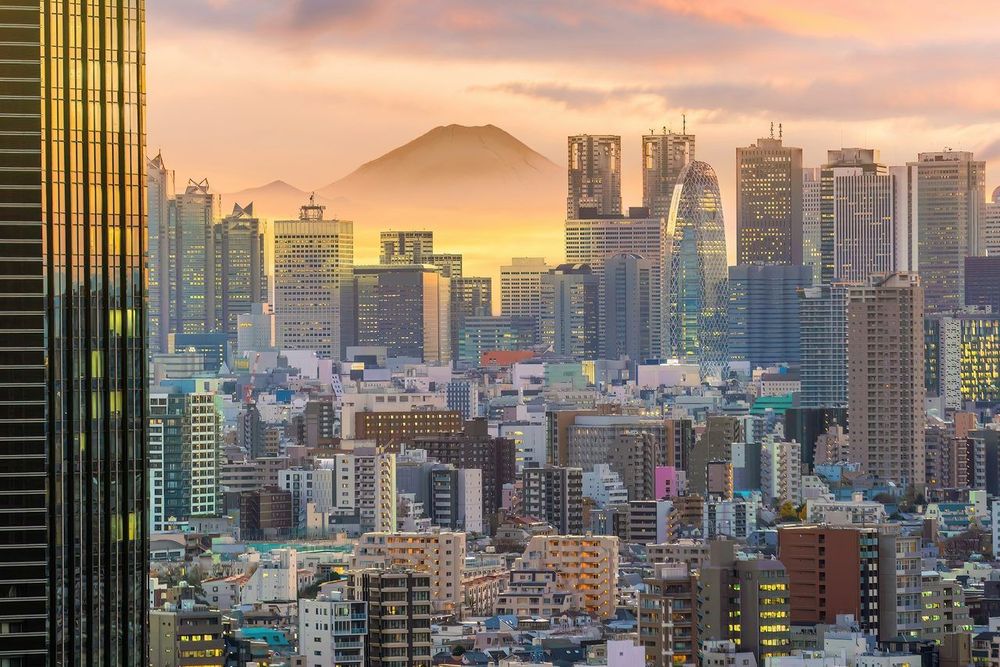
You can also keep costs down with the free sights already on this route: Sensoji and Nakamise, Meiji Shrine, Shibuya Crossing, Takeshita-dori, Gotokuji and the free 45th-floor observation decks of the Tokyo Metropolitan Government Building in Shinjuku, which on a clear day show Mount Fuji on the horizon.



FAQ
How many days do you need for a weekend in Tokyo?
A standard two-night, three-day weekend, Friday evening to Sunday night, is enough to cover Asakusa, Harajuku, Shibuya and one museum morning without rushing. Add a fourth day if you want to fit in the Ghibli Museum, Tokyo DisneySea or a sumo tournament.
Is 3 days enough to see Tokyo's highlights?
Three full days covers the core neighbourhoods in this itinerary comfortably, though seeing all of Tokyo in any complete sense isn't really possible on any timeline: the city is closer to a cluster of small cities than one place, and most residents spend years exploring just their own side of it.
What is the best itinerary for a first-time weekend in Tokyo?
Structure the weekend by day-part rather than by neighbourhood alone: temples and gardens in the morning when it's cooler and quieter, shopping streets in the afternoon, and food or nightlife once the sun goes down. That rhythm, followed above from Friday evening through Sunday, matches how the city itself slows down and speeds up.
How much should I budget for a weekend trip to Tokyo?
Plan on roughly 15,000 to 25,000 yen per person per day for food, transport and activities, not counting accommodation, with one splurge meal or hotel night pushing the total higher for that day only.
What should I not miss on a first visit to Tokyo?
Sensoji Temple, Shibuya Crossing and at least one teamLab museum cover the three experiences most first-time visitors regret skipping. Beyond that, one local neighbourhood, whether that's Shimokitazawa or Jiyugaoka, does more to round out the trip than a fourth major landmark would.
How do you get around Tokyo without a car?
An IC card, Suica or Pasmo, and the JR Yamanote Line loop cover most of this itinerary. Add the Tokyo Metro for Asakusa and Tsukiji, and you'll rarely need a taxi except very late at night after the last trains, usually around midnight.
Do you need cash or do credit cards work everywhere in Tokyo?
Hotels, department stores and chain restaurants take cards without issue. Smaller ramen counters, some shrine offering boxes and most Golden Gai bars are cash-only, so keep a few thousand yen on hand for those specific moments.
Conclusion
A weekend in Tokyo works because the city compresses so well: five distinct neighbourhoods, each with its own mood, sit within about half an hour of each other by train. Follow the day-parts above and by Sunday night you'll have covered more ground than most visitors manage in a week, without ever feeling like you rushed a single stop.
If you'd rather not juggle a printed itinerary between train transfers, load Ryo's Tokyo audio-guided walks before you fly: the Asakusa loop for Saturday morning and the Ueno walk for a Sunday alternative each tell the history a map alone won't give you, one stop at a time.