
Créé par Romane, le 4 oct. 2026
Votre guide Ryo
Aubagne, France
In the Footsteps of Marcel Pagnol
Parcours audioguidé pour visiter Aubagne en 1 jour
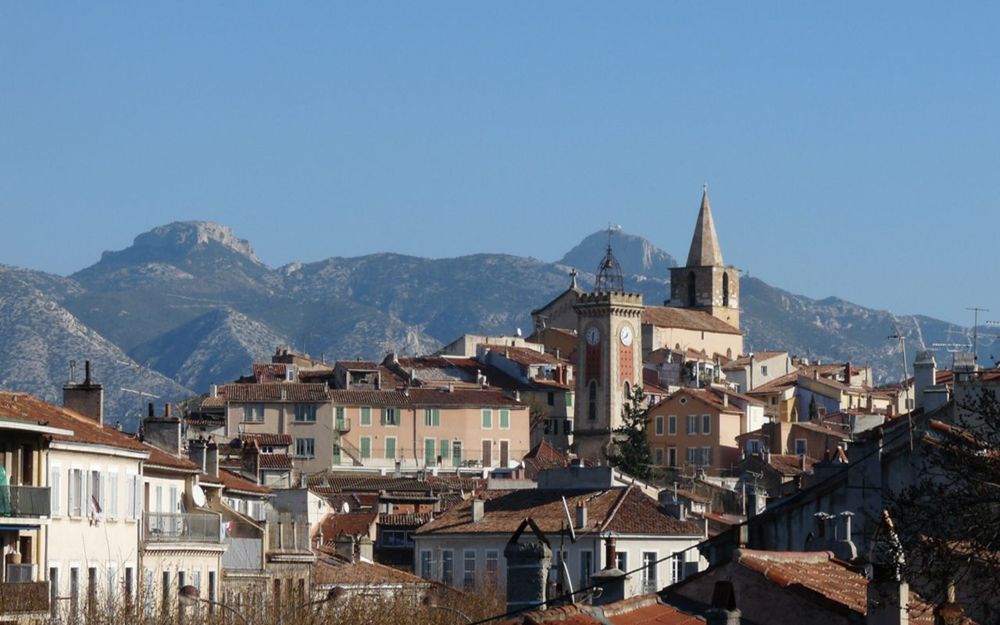
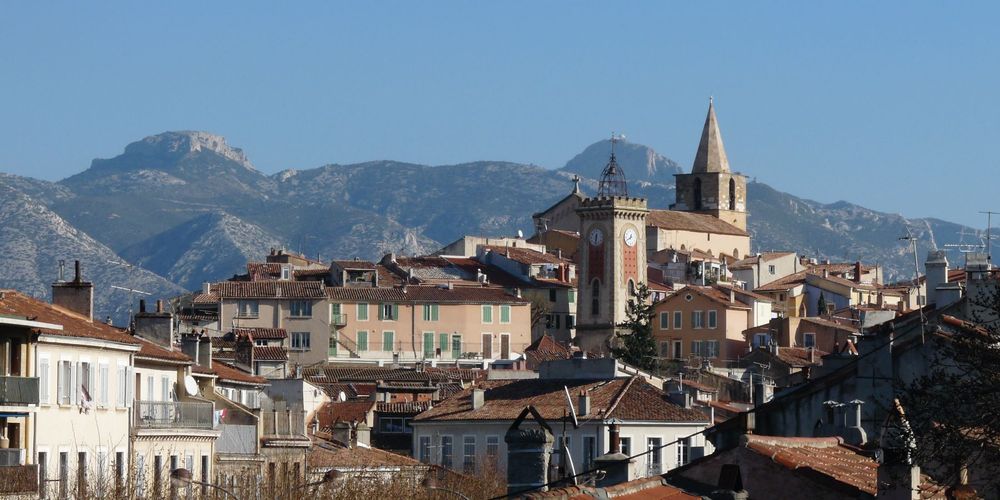
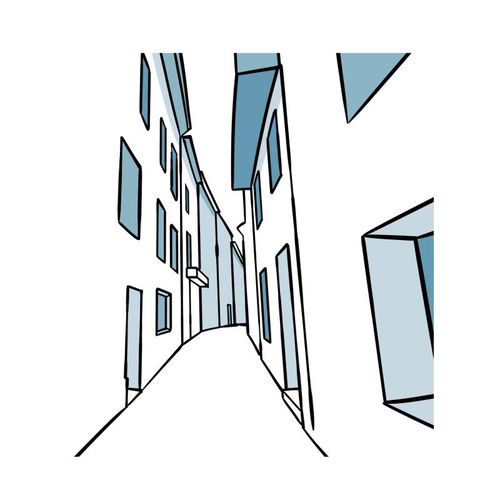
This visit invites you to an immersion in the heart of an authentic Provence, nestled in a setting of sun-bleached hills. Let yourself be charmed by a city that has turned the earth into its finest art, where the hands of artisans have shaped the soul and colors of the region for centuries. Between the steep alleys of the old center and the majesty of the mountain watching over the valley, the city reveals a character that is proud, generous, and deeply connected to the stories of its illustrious children.
Quand partir à Aubagne ?
Jan.
12°
6
Feb.
13°
5
March
16°
5
April
19°
7
May
23°
6
June
28°
4
July
31°
1
Aug.
31°
2
Sept.
26°
6
Oct.
21°
9
Nov.
16°
9
Dec.
12°
7
Aubagne enjoys a Mediterranean climate, characterized by hot, dry summers averaging around 30°C and mild winters fluctuating between 3°C and 13°C, with exceptional sunshine throughout the year. The ideal period runs from May to October to enjoy the surrounding garrigue landscapes. The month of June is particularly pleasant for exploring hiking trails before the intense heat, while September offers golden light and perfect mildness for discovering craft markets and local traditions related to terracotta.
Départ conseillé
No need to worry about where to begin! Our tours are designed as a loop, so you can jump in wherever you are. The navigation system and audio-guide will automatically adjust to your location. However, if you happen to be nearby, we do have a preferred starting point: Cours Beaumont
Parking à proximité
Parking Beaumont : rue de la République
Aubagne is divided into two parking zones: the red zone is limited to 2h30, while the orange zone is limited to 5h. You will also find underground car parks where you can leave your car.
Découvrez 19 lieux d'intérêt pour visiter Aubagne









Le plein d'inspirations
Explorez le monde en totale liberté, à pied au cœur des villes ou au fil des routes. Nos guides audios transforment chaque destination en une découverte culturelle immersive et unique.
FAQ for visiting Aubagne
When is the best time to visit Aubagne?
The ideal time to discover Aubagne runs from May to October, when the Mediterranean climate reveals all its splendour. June is particularly enchanting for exploring the garrigue trails before the intense summer heat, while September will win you over with its golden light and mild temperatures, perfect for wandering the craft markets. Winters remain pleasant with mild temperatures, but spring and autumn offer the best conditions for fully enjoying the heritage and the surrounding landscapes. The exceptional sunshine the town enjoys throughout the year guarantees bright visits, whatever season you choose.
How much time do you need to visit Aubagne?
A full day lets you discover the essentials of Aubagne, wander through its historic centre with its steep lanes and take in the Provençal atmosphere that gives it its charm. If you wish to go deeper into your visit and explore the surrounding hills or immerse yourself further in the world of Marcel Pagnol, plan for two days. That will give you time to visit the artisans' workshops at your leisure, enjoy the local markets and venture along the trails that wind through the garrigue. For an optimal discovery of the cultural and natural heritage, three days is the ideal length, letting you alternate between city sightseeing and getaways into the landscapes that inspired the Provençal tales.
How do you get from Marseille to Aubagne?
Aubagne lies just about twenty kilometres from Marseille, which makes it particularly easy to reach. The regional train is the most convenient option, with frequent connections from Saint-Charles station that will take you to the heart of Aubagne in around twenty minutes. If you prefer to drive, the A50 motorway will take you directly to your destination in under half an hour depending on traffic. Regular bus lines also link the two towns. Once there, the compact town centre is easy to explore on foot, letting you fully enjoy the Provençal atmosphere and discover the charms of this endearing town without worrying about parking.
What are the must-see places in Aubagne?
Aubagne unveils its treasures along a route rich in discoveries. The historic centre with its picturesque lanes will plunge you into an authentic Provençal atmosphere, while Marcel Pagnol's birthplace evokes the world of this iconic storyteller. The santon-makers' workshops carry on a centuries-old tradition that is the town's pride. The Saint-Sauveur church and the Clock Tower dominate the urban landscape, offering fine views over the valley. The surrounding hills, notably the Garlaban massif dear to Pagnol, invite contemplation. The Ryo audioguide accompanies you on this exploration with a narrated tour that reveals the secrets and anecdotes of these iconic sites.
Where should you stay in Aubagne?
Aubagne offers a range of accommodation options to suit every budget and preference. The town centre is home to several charming hotels set in former Provençal residences, offering total immersion in the local atmosphere. For a more independent stay, you will find rental apartments that let you live at the Aubagne pace. The town's surroundings also feature mas farmhouses and guest houses nestled in the garrigue, ideal for those seeking tranquillity and contact with nature. Establishments near the station make it easy to travel to Marseille or the calanques. Remember to book ahead during the high summer season, when demand is particularly strong.
Where can you eat in Aubagne?
Aubagne's cuisine reflects the generous flavours of Provence. The restaurants of the historic centre welcome you in typical settings where conviviality and authenticity reign. There you will savour local specialities such as Provençal daube, pieds paquets or aïoli, paired with the region's wines. The small family bistros carry on traditional recipes handed down from generation to generation. For a sweet break, the shaded terraces of the squares invite you to enjoy a homemade tapenade or anchoïade. The market also offers fresh local produce to put together your own Provençal picnic. Establishments generally champion short supply chains and local producers, guaranteeing freshness and quality on your plate.
What family activities can you do in Aubagne?
Aubagne proves particularly welcoming for families, with a variety of activities that will delight young and old alike. The pottery workshops often offer introductory sessions where children can shape their own clay creation, thus carrying on the local craft tradition. The accessible hiking trails in the hills offer walks suited to all levels, with panoramas that will amaze the whole family. The pedestrian town centre allows a relaxed discovery with the youngest, punctuated by artisanal ice cream breaks. Depending on the time of year, cultural events and street performances liven up the squares. The shaded parks are havens of coolness for moments of relaxation, while the playful discovery of Pagnol's world often captures children's imagination.
Can you visit santon workshops in Aubagne?
Aubagne is renowned as the capital of the santon and of ceramics, home to numerous workshops where this ancestral tradition continues to thrive. Several santon-makers open their doors to visitors, letting you discover the secrets behind these figurines that are emblematic of Provence. You can watch the artisans model, paint and fire these little characters that populate Provençal nativity scenes. Most workshops offer fascinating demonstrations where the craft is passed on with generosity. Some even offer the chance to try your hand at this delicate art during participatory workshops. The adjoining shops present varied collections, from the traditional santon to more contemporary creations. This visit is a fascinating immersion into local craftsmanship and the creative soul of Aubagne.
How can you follow in Marcel Pagnol's footsteps in Aubagne?
Aubagne keeps the memory of its most famous son very much alive. The birthplace of Marcel Pagnol, in the centre, can be visited and restores the modest setting of his family, while the Petit Monde de Marcel Pagnol stages his characters as santons, in scenes recreating the hills and villages of his novels.
Beyond the town, it is the hills that tell his work best: the Garlaban, which towers over Aubagne, and the Font de Mai estate serve as starting points for waymarked paths leading into the landscapes of My Father's Glory and My Mother's Castle. The Ryo audio guide offers a dedicated Aubagne route linking the Pagnol landmarks of the old centre.
Why is the Foreign Legion based in Aubagne?
After Algeria gained independence, the French Foreign Legion left Sidi Bel Abbès and moved its headquarters to Aubagne, where it has since occupied a large military quarter at the entrance to the town. That presence has left a lasting mark on the commune, which hosts the Legion's ceremonies and a large part of its institutional memory.
The Foreign Legion museum, open to the public, retraces this history through uniforms, archives, objects brought back from campaigns and mementoes of well-known figures of the corps. The visit sheds light on the colonial past as much as on more recent deployments, and usefully rounds off a stay in Aubagne otherwise centred on Pagnol and santons.
Vos commentaires, idées et suggestions
Aucun avis pour le moment