Créé par Emilie, le 17 nov. 2026
Votre guide Ryo
Arles, France
2000 years of history
Parcours audioguidé pour visiter Arles en 1 jour
This getaway to Arles offers an immersion into a city of character, where the light of the Rhone has inspired the greatest painters. Let your footsteps lead you through the maze of narrow streets in the La Roquette district, past sun-faded facades and flower-filled balconies, to the imposing shadow of the thousand-year-old Amphitheatre. Here, imperial heritage coexists with the fervor of Camargue traditions and the bohemian spirit of art galleries. A vibrant and authentic exploration on foot to capture the full contrast of a city that lives with passion, balanced between its Roman past and contemporary creation.
Quand partir à Arles ?
Jan.
7°
6
Feb.
8°
5
March
11°
6
April
14°
7
May
18°
7
June
22°
5
July
25°
2
Aug.
25°
3
Sept.
21°
6
Oct.
17°
9
Nov.
11°
9
Dec.
8°
6
Arles enjoys a pure Mediterranean climate, characterized by scorching, dry summers where temperatures easily reach 30°C, and mild winters often swept by the Mistral wind, with daytime averages around 11°C. The ideal periods to discover its Roman remains and walk in the footsteps of Van Gogh are spring (April to June) and early autumn (September and October), offering exceptional light and temperate warmth. The month of July is also a highlight for art lovers with the launch of the Rencontres de la Photographie, while the Easter weekend allows visitors to experience the vibrant rhythm of its famous Feria in a festive and sunny atmosphere.
Départ conseillé
No need to worry about where to begin! Our tours are designed as a loop, so you can jump in wherever you are. The navigation system and audio-guide will automatically adjust to your location. However, if you happen to be nearby, we do have a preferred starting point: Place de la République
Parking à proximité
Parking du Centre : 8 Rue Emile Fassin Park-and-ride facility : Parking des Minimes P9: route de Crau
ENVIA, Arles' public transportation network, is committed to greener commutes with their new fully electric shuttle service. The line serves peripheral parking lots like the parking des Minimes, and drops you off right in the city center. No need to worry about finding parking downtown or navigating city traffic.
À savoir
We'll walk around the Roman Theater and observe it from the outside. If you pay the entrance fee to visit it, you can exit directly onto Rue de la Calade. No need to double back.
Découvrez 19 lieux d'intérêt pour visiter Arles


7. Church of Notre-Dame de la Major






What to see in Arles on your 1h30 tour?
This 3.7 km loop takes about an hour and a half and links 18 sights. From Place de la République it skirts the Roman theatre and the Alyscamps, climbs the Hauture hill for the arena, drops back through Place du Forum and the Rhône banks, crosses the Roquette district, then returns to the centre via the Arlaten museum and the Van Gogh space. With the Ryo app in your ears, every square, church or ancient ruin reveals its story, at your own pace.
Information checked in November 2026 and subject to change.
1 - Republic Square
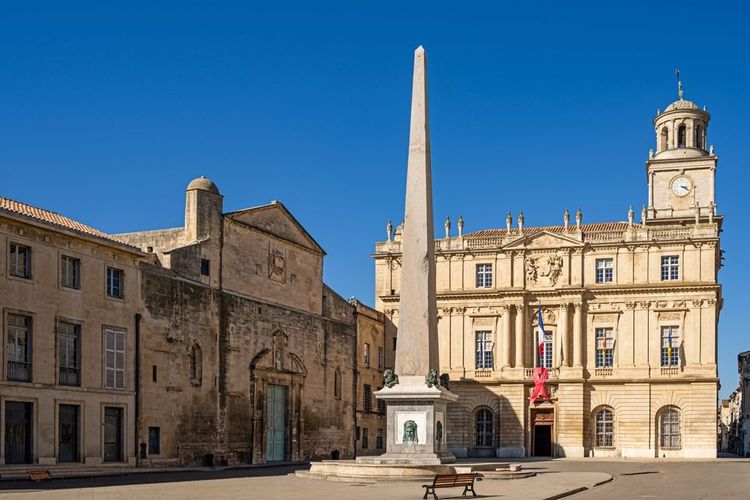
First stop: this small Italian-style square sums up several centuries of Arles in one glance. A Romanesque cathedral stands beside an ancient obelisk raised at its centre, a classical town hall and a clock tower inspired by the Provençal Renaissance. Each facade belongs to a different era, yet nothing feels out of place. The town hall also marks the entrance down to the cryptoporticus, a vaulted underground gallery that once supported the Roman forum.
Free entry
2 - Saint-Trophime Cathedral
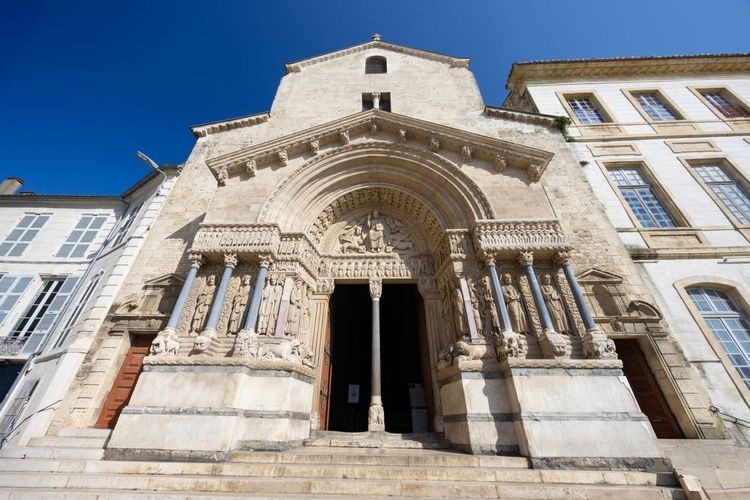
The facade before you shelters a Christian community recorded as early as 254 AD, among the oldest in Gaul. Its carved portal rewards a close look: Christ in majesty at the centre, flanked by the four evangelists' symbols, overlooks a line of the blessed on one side and the damned turned away by the archangel on the other. Inside, the vault rivals the height of early Gothic cathedrals, and the neighbouring cloister, a paid visit, is well worth it.
Free entry
3 - Summer Garden
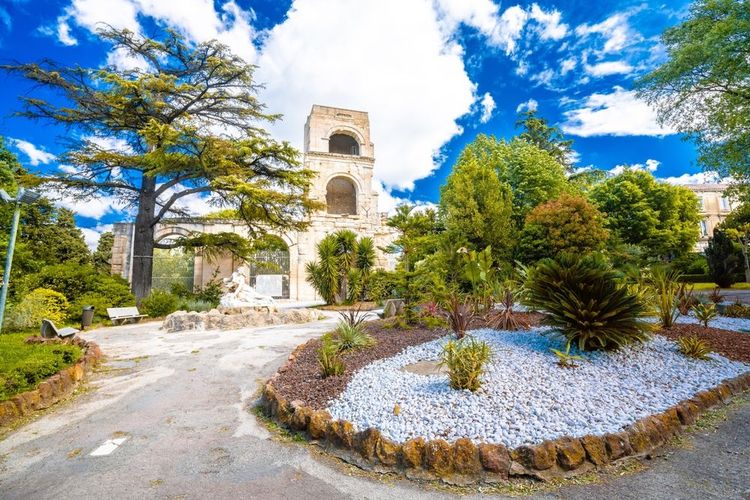
Between Boulevard des Lices and the Roman theatre stretches this park, planted in the 19th century to frame the neighbouring monument. Exotic trees, shaded paths and statues follow one another, including a tribute to the painter who once lived in Arles. The central fountain carries a figure from Greek mythology, turned to stone by grief after losing her children: a leafy pause before the Roman antiquity waiting just beyond the trees.
Free entry
4 - Roman Theater
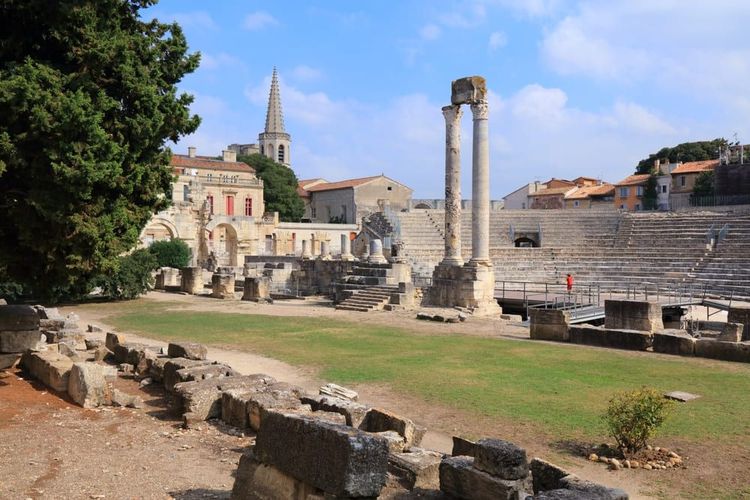
A few steps from the amphitheatre hides a theatre built a century earlier, one of the first stone theatres in the Roman world. Less striking than its neighbour, it takes some imagination: the central stage, once decorated with columns and statues, yielded the famous Venus now kept at the Louvre. Its tiers once held thousands of spectators who came for tragedies and comedies, with nothing to do with the circus games next door.
Paid entry
5 - Explore the Alyscamps
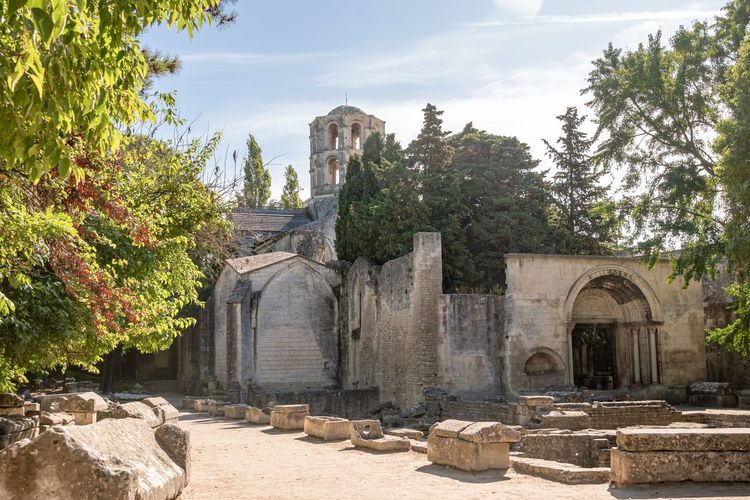
Below runs the avenue leading to this extraordinary necropolis, whose name is said to derive from the Latin for the Elysian Fields of Greek mythology. Lying outside the walls, as ancient custom required, it grew along the old road linking Arles to Spain. The arrival of Christianity filled it with sarcophagi and chapels, drawing pilgrims and later painters, from Van Gogh to Gauguin, captivated by its hushed atmosphere.
Paid entry
6 - Saint-Césaire Convent
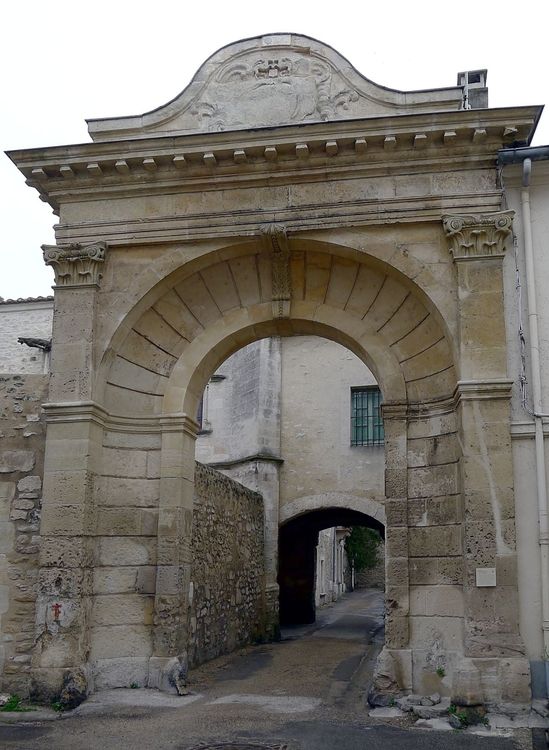
Only an arch remains of this abbey, founded in the 6th century by an archbishop of Arles who became famous for writing a monastic rule for abbesses. Its success crossed borders: a Frankish queen herself adopted it before ending her days in a convent. Once home to the daughters of Provençal nobility, the monastery was sold and largely destroyed during the Revolution; the surviving buildings now house offices.
Free to see from outside
7 - Church of Notre-Dame de la Major
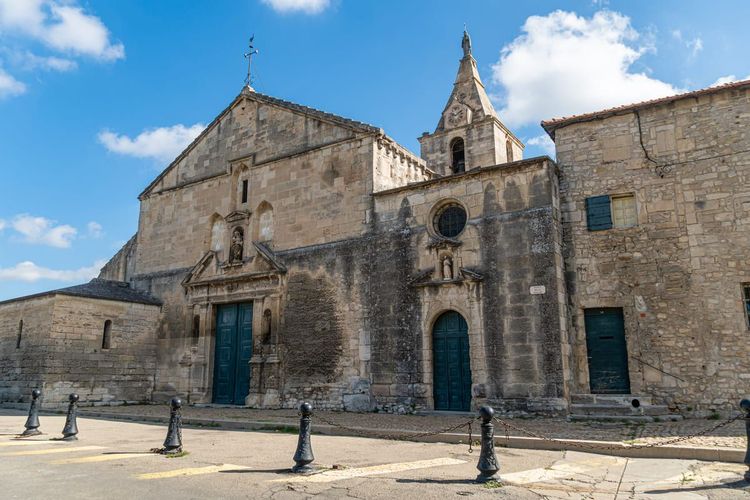
Perched on the hill, this originally Romanesque church was built over an old Roman temple and ranks among the oldest in Arles. It is above all the seat of the brotherhood of Camargue herdsmen, placed under the protection of a horseman saint. Every spring a parade ends here with a blessing of riders and horses in Provençal, followed by the election of a new leader and, every three years, of an Arles queen.
Free entry
8 - View over the rooftops from Place Major
Right next to the church opens a panorama over the sea of rooftops below. An orientation table helps pick out the distant ridges on the horizon, a reminder that Arles, rich in heritage, also opens onto Provençal countryside full of vineyards, salt marshes and hills. Take a moment to enjoy the view before heading down to the city's most famous monument.
Free entry · Best late in the day
9 - Arles Arenas
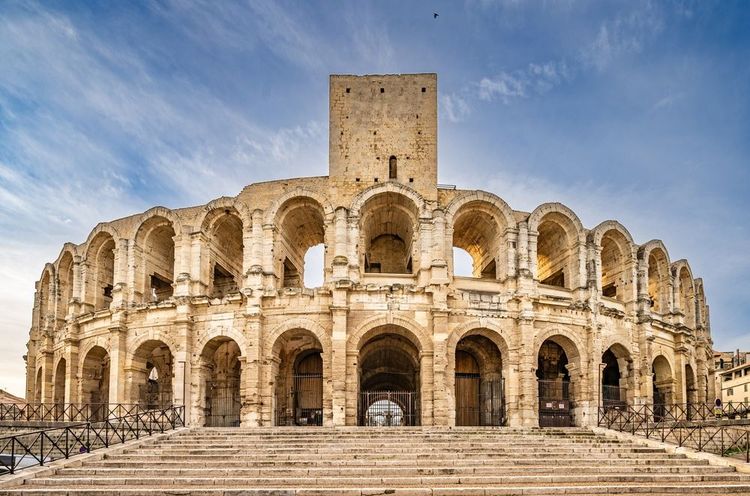
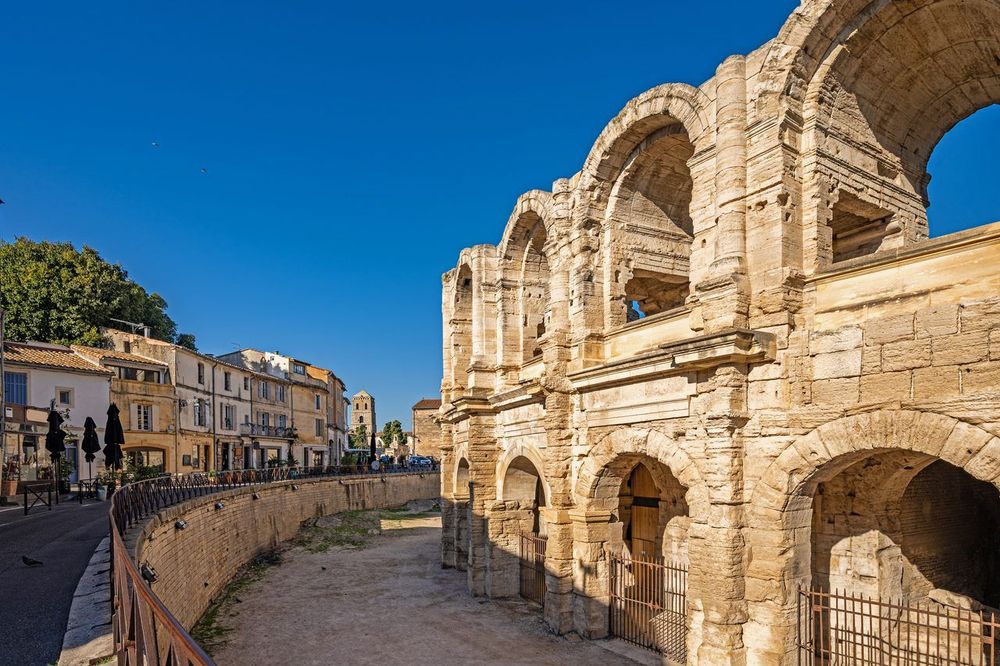
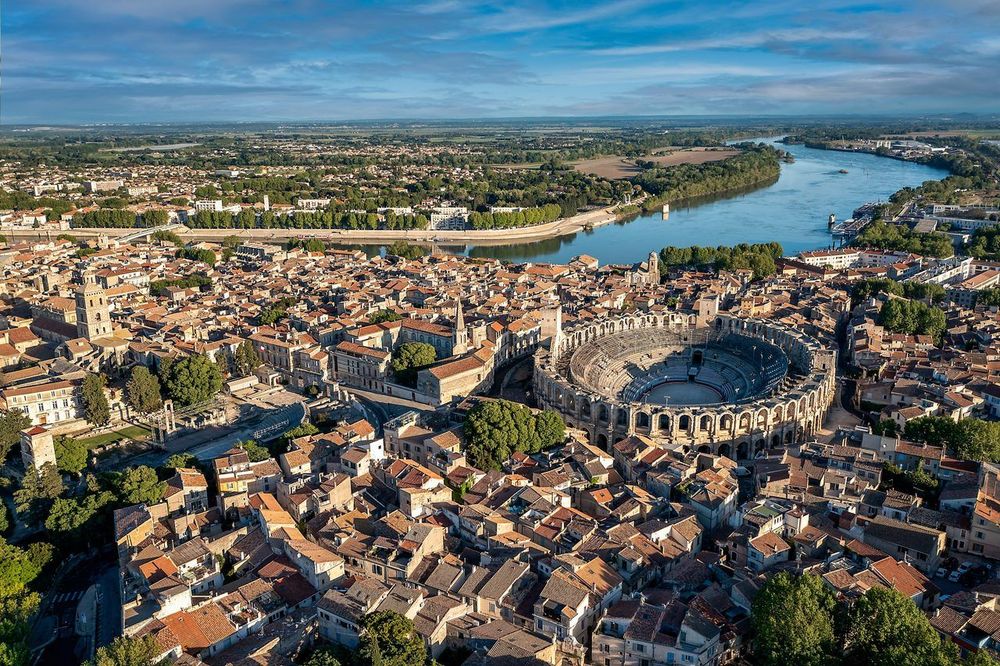
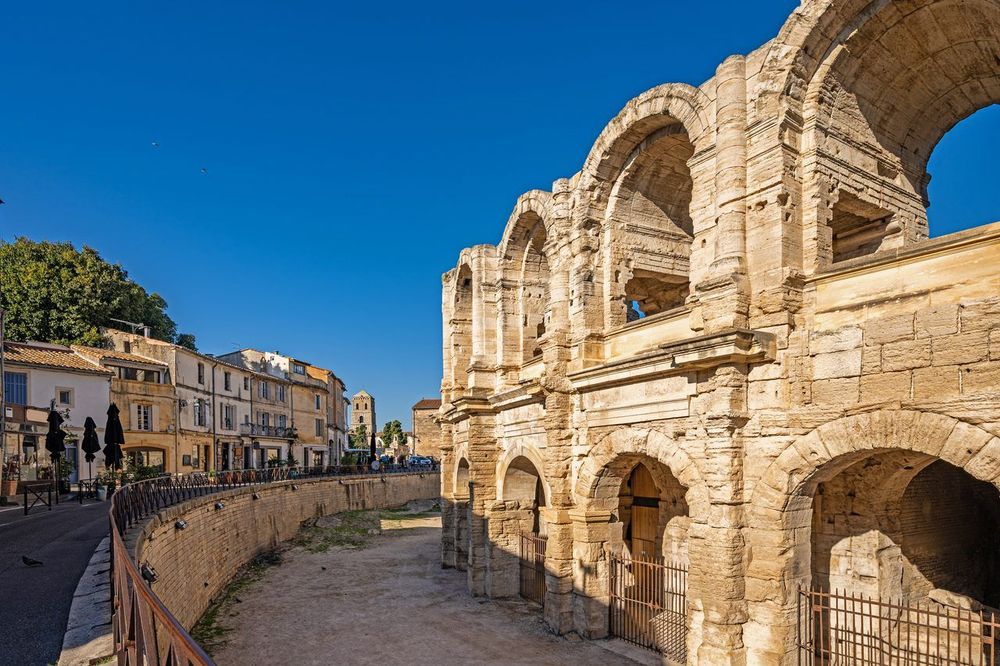
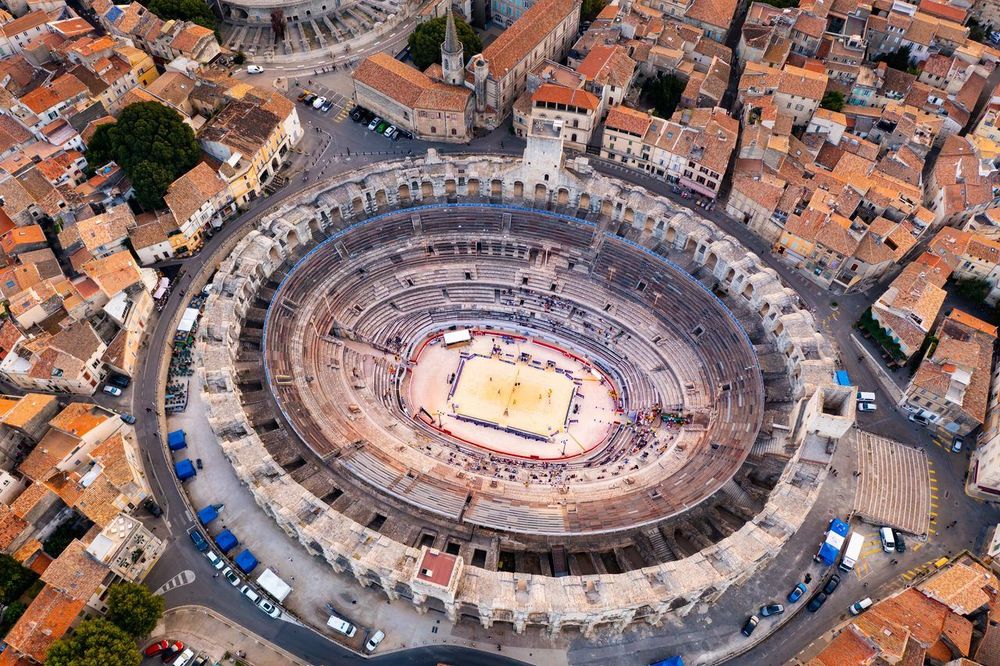
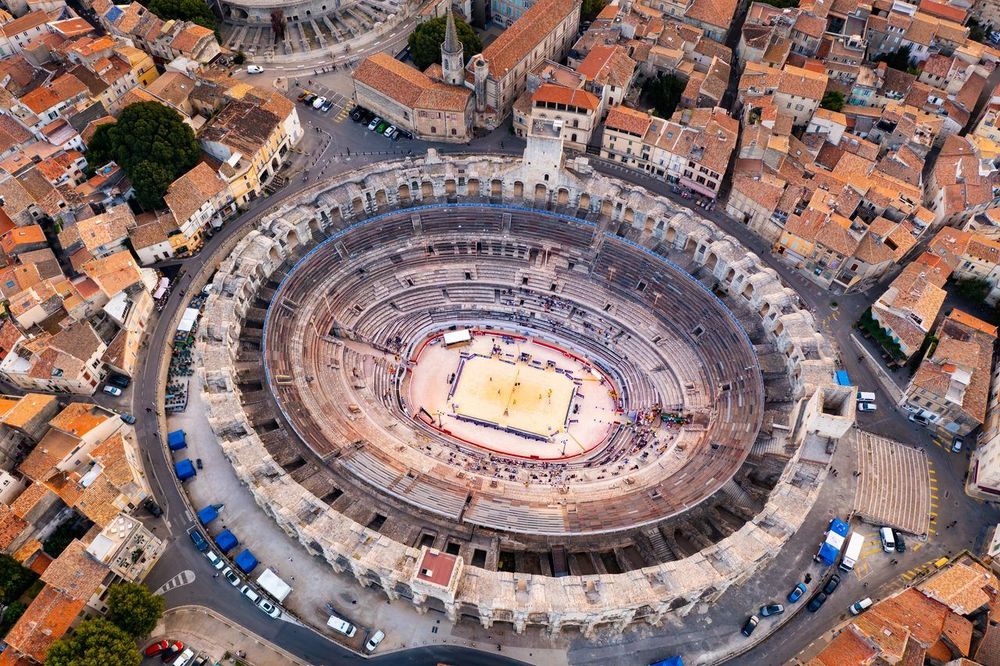
Here stands the most visited monument in Arles, built in the 1st century on the nearby hill, shortly after the Colosseum in Rome was completed, earning the city the nickname little Rome of Gaul. It could hold tens of thousands of spectators thanks to circulation corridors designed to prevent crowding. Turned into a fortified village in the Middle Ages, hence its still-visible square towers, it became an entertainment venue again in the 19th century and now hosts bullfighting and concerts.
Paid entry
10 - Place du Forum
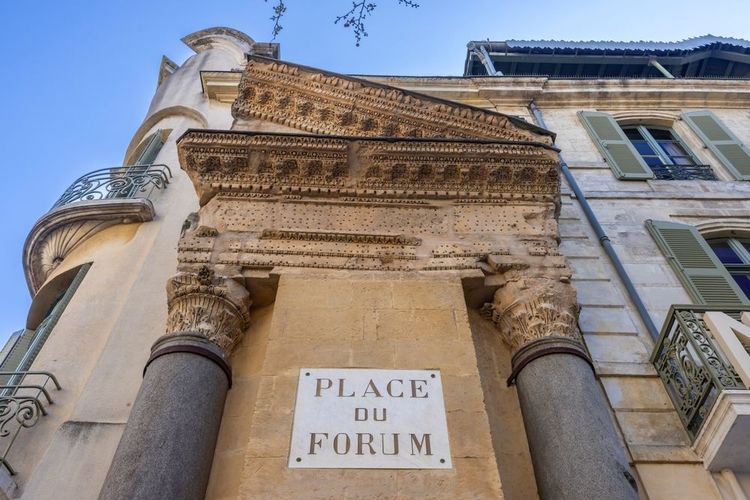
A Dutch painter made this square famous worldwide by capturing on canvas its lit terrace under a starry sky. The café, repainted since to match the picture, now shares top billing with the statue of a Provençal poet, the only Nobel literature laureate honoured for a work written in Occitan. Already an economic and administrative hub in Roman times, the square hides beneath its cobbles the invisible remains of the ancient forum.
Free entry
11 - Van Gogh Foundation
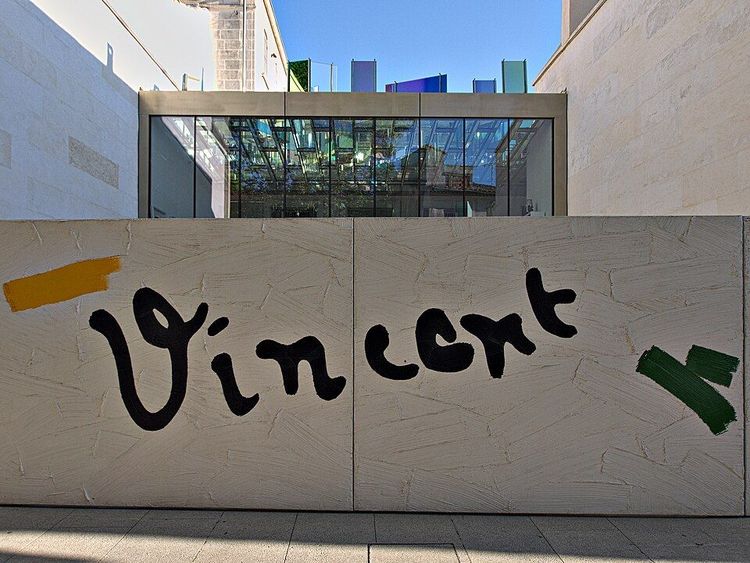
Impossible to miss this art centre devoted to the most creative period of a Dutch painter who once lived in Arles. Far from a museum frozen on his work, it is above all a contemporary art venue, where today's creators engage in dialogue with those of the past. The building itself embodies this link between history and modernity; its terraces, open to visitors, offer a lovely view over the surrounding rooftops.
Paid entry
12 - Dominican Church
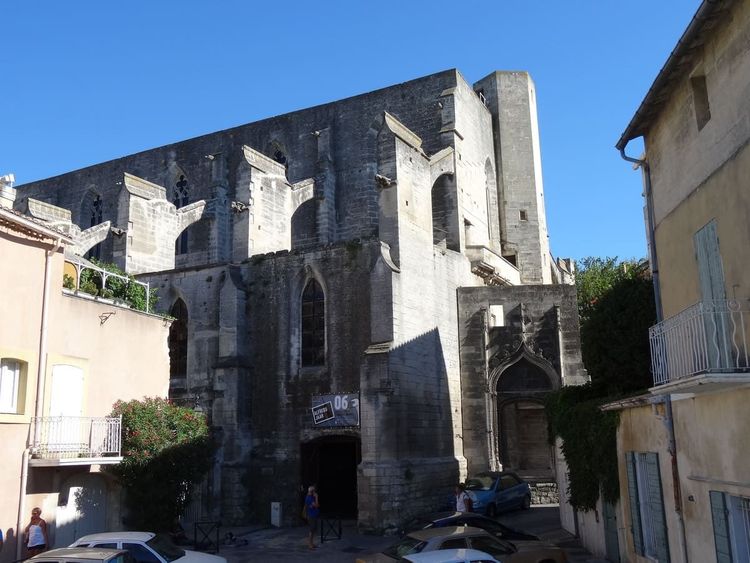
At the end of a dead-end street stands a vast Gothic building, abandoned by its religious order after serving worshippers for centuries. Long sold off in parcels and turned into garages, the church was eventually bought back and secured by the city. Though deconsecrated, it keeps the full scale of its original architecture and now hosts cultural events, including a major annual gathering devoted to photography.
13 - Baths of Constantine and Réattu Museum
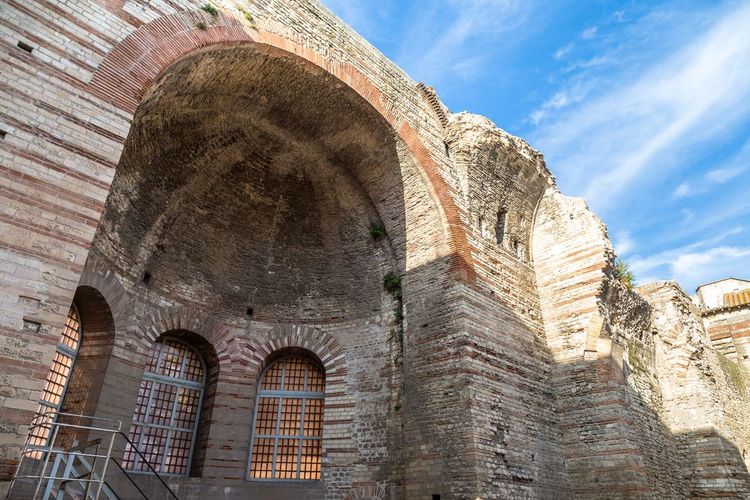
By the Rhône stand the remains of an ancient bathing complex, among the best preserved in Europe. One can still make out the underfloor heating system that created steam rooms and heated pools, free for the whole population. Right next door, an art museum housed in a former priory blends old paintings, modern works and a wing devoted to photography, a pioneering choice when it first opened.
Paid entry (about €8)
14 - Arles bust
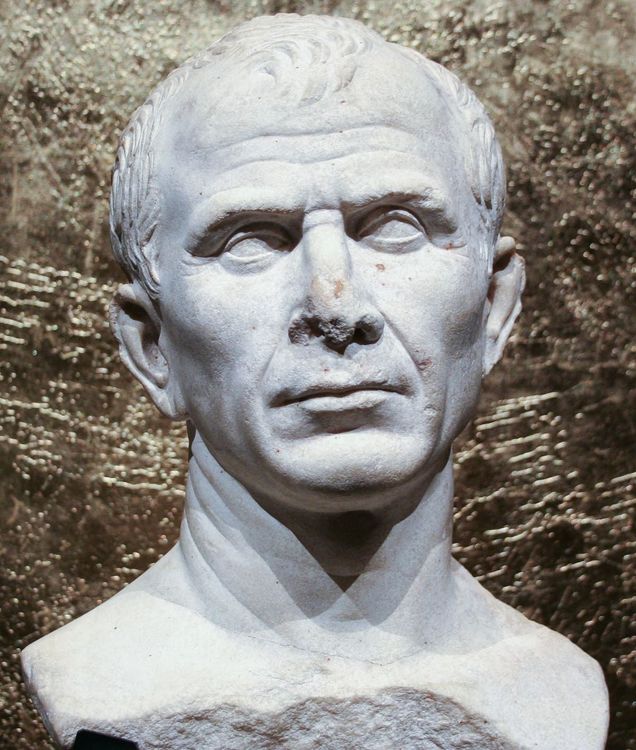
These banks inspired a famous starry-night painting by a Dutch artist, but they also yielded an unexpected archaeological treasure: a marble bust, found six metres underwater, attributed to the Roman emperor who founded the colony. The river, long used to dispose of objects no longer needed, also gave up an ancient boat, now on display at the Arles antique museum after three years of restoration.
Free entry
15 - Roquette district
Now for a working-class district born in the 12th century outside the city walls, long home to fishermen and boatmen who lived off the nearby river. Narrow streets, pale stone facades and colourful shutters now make for a highly photogenic setting. Threatened with decline at the end of the 19th century as river trade faded, it has since gained heritage protection and fine restorations, regaining a lively mix of shops and craft workshops.
Free entry
16 - The Porcelet family
This small square owes its quiet charm to the street leading there, named after one of the oldest families in Arles, whose funerary chapel stands at the necropolis visited earlier. A local legend claims a curse cast by a beggar explains this unusual name, promising as many descendants as a neighbouring sow would have piglets. True or not, the family crest still bears the trace. A good spot for a terrace break, away from the bustle.
Free entry
17 - Arlaten Museum
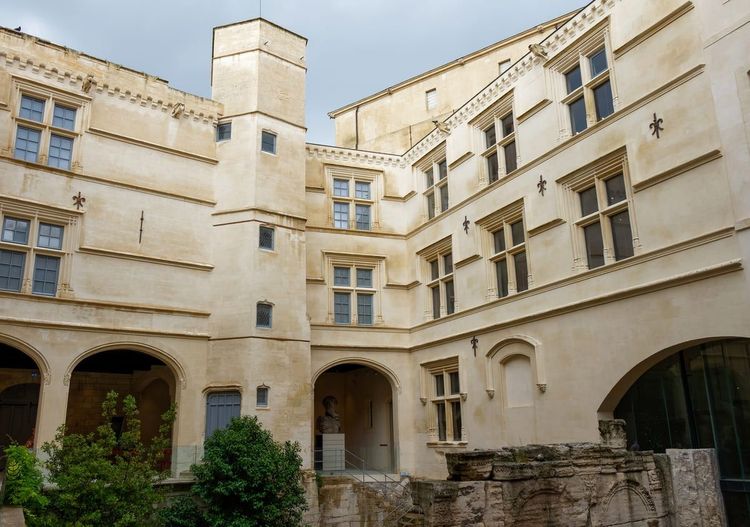
Behind this recently restored facade hides a museum founded at the end of the 19th century by a Provençal writer, the only Nobel literature laureate honoured for a work written in Occitan. Traditional costumes, farming tools, craft objects and antique furniture tell the story of Provençal life across the ages, in a setting that blends old and contemporary. A fashion designer born in the city even took part in renovating the spaces.
18 - Espace Van Gogh
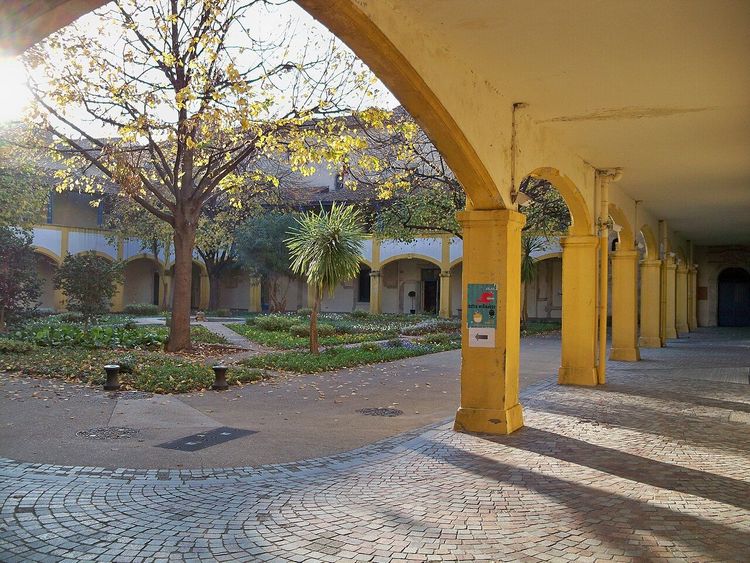
The walk ends in this green, colourfully arcaded haven that looks straight out of a painting. Yet the place was once a hospital, born in 1542 from the merger of many charitable houses, before extending its wings during an epidemic. It was here that a Dutch painter, admitted after the crisis that drove him to injure his own ear, still found inspiration to paint this very garden, now faithfully restored and one of the most photographed spots in the city.
Free entry
What to do in Arles in 2 or 3 days?
The route takes about 1.5 hours for its 18 stops, from the arena to the Roquette district. With two or three days in town, Arles rewards deeper exploration, from little-known underground galleries to a Camargue getaway.
The next day, head down into the cryptoportiques, a U-shaped Roman underground gallery nearly 90 metres long dug beneath Place du Forum, which takes about twenty minutes to walk through. On Saturday mornings, Boulevard des Lices also hosts one of Provence's best-known markets for local produce. Our guide to visiting Arles in 2 days covers these visits and the rest of the stay.
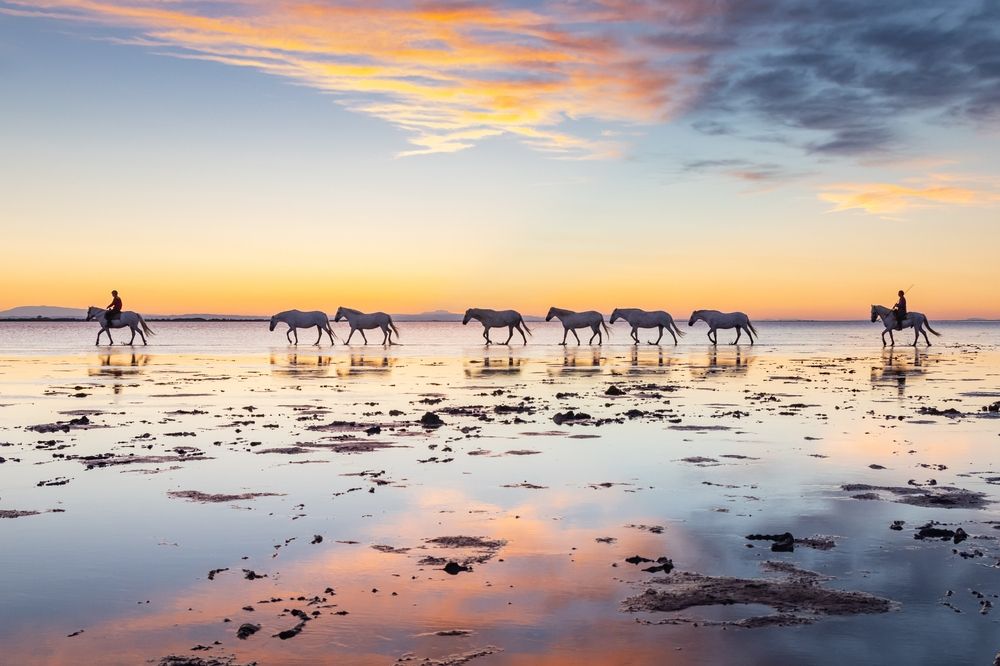
On the third day, head out to the Camargue, which begins fifteen minutes' drive from the arena: tarmac gives way to salt marshes and free-roaming white horses, and a bird park there is home to pink flamingos by the thousand. Our guide to a weekend in Arles devotes its whole second day to the Camargue.
Which neighbourhoods does the tour cross?
Looping around, the route crosses the many faces of Arles, from the Roman city to the town that inspired Van Gogh.
From Place de la République and Saint-Trophime Cathedral, it crosses the Summer Garden and skirts the Roman theatre, from where a detour leads to the Alyscamps, then climbs the Hauture hill, crowned by Notre-Dame de la Major and its view over the rooftops, up to the arena (stops 1 to 9).
It then drops back to Place du Forum, the lively heart of town, passes the Van Gogh Foundation and the Dominican Church, then reaches the Baths of Constantine and the Réattu Museum on the banks of the Rhône (stops 10 to 13).
The last stretch follows the Rhône, where a marble bust believed to be of Caesar was recovered, then cuts through the Roquette, once a district of fishermen and boatmen with painted shutters, before returning to the centre via the Arlaten Museum and the Espace Van Gogh, the former hospital where the painter was treated (stops 14 to 18).
How much does it cost to visit Arles?
Of the route's 18 stops, ten can be visited freely, from Place de la République to the Roquette district, and the Saint-Césaire Convent is seen from the street. Among the others, five require a ticket to go inside:
- the Roman theatre, which the route skirts from the outside;
- the Alyscamps, the ancient necropolis, reached on a detour from stop 5;
- the arena, the most visited monument in town;
- the Van Gogh Foundation, €10 full price;
- the Réattu Museum, €8, next to the Baths of Constantine, which also charge.
The Roman theatre, the Alyscamps, the arena and the Baths of Constantine are also covered by the city pass, sold at the arena ticket office and the tourist office. At Saint-Trophime Cathedral, entry is free; only the cloister charges.
Information checked in November 2026 and subject to change.
Where to stop for a bite along the tour?
Three food stops punctuate the route, from the Roman forum to the Rhône quays.
On Place du Forum (stop 10), shaded by plane trees, terraces crowd around the café Van Gogh painted one evening, since repainted yellow to match the picture. Further on, the little Porcelets square (stop 16), away from the main crowds, is a place to watch the world go by from a café terrace.
On the Rhône quays, which the route follows near the Baths of Constantine (stops 13 and 14), tellines are served in persillade, small shellfish dressed with garlic and parsley.
What to do in Arles with children?
Arles works well for a family outing: its ancient monuments turn almost into a game, as long as you set the younger ones a few challenges.
In front of Saint-Trophime Cathedral (stop 2), which is free to enter, the carved tympanum over the doorway makes for a hunt for the lion, the angel and the apostles. At the Roman theatre, if you go inside, put one child at the top of the tiers and another below, then whisper to test the echo; at the Baths of Constantine (stop 13), the hypocaust is easy to explain: hot air circulated under the floor.
Off the route, ten minutes' walk from the arena, the LUMA Arles tower designed by Frank Gehry hides steel slides, while a colourful skatepark glows in the dark at nightfall. Our guide to visiting Arles with family also covers children's workshops and outings to the Camargue.
What should you know before visiting Arles?
Before setting off, it helps to know two stops that need some planning and the rhythm of the seasons in Arles.
The Van Gogh Foundation (stop 11), which the route passes, reopens in late November 2026 with its new exhibition, "Moissons" (Harvests); as access conditions vary with each exhibition, it's worth checking its programme before going in.
The Roman theatre, meanwhile, is skirted from the outside. If you pay to visit it, you come out directly onto Rue de la Calade, with no need to walk around it.
The Mediterranean climate sets its own pace too: dry summers easily top 30°C, and mild winters (around 11°C by day) are often swept by the mistral. Spring, from April to June, and early autumn, in September and October, bring the finest light and gentle warmth for wandering the lanes.
What to see around Arles?
Arles sits at a crossroads of towns that can also be explored on an audio-guided walk, from the "French Rome" to the shores of the Mediterranean.
28 km away, Nîmes unfolds its intact arena and the elegant columns of the Maison Carrée, another Roman legacy; 33 km away, Avignon reveals the golden ramparts and palaces of a former Christian capital. Orange, 53 km away, has kept impressive ancient remains, including a triumphal arch.
A little further, Montpellier, 61 km away, blends medieval lanes with modern architecture, Aix-en-Provence, 68 km away, offers its fountains and the Cours Mirabeau, and Marseille, 74 km away, its age-old port and hillside neighbourhoods.
Le plein d'inspirations
Explorez le monde en totale liberté, à pied au cœur des villes ou au fil des routes. Nos guides audios transforment chaque destination en une découverte culturelle immersive et unique.
FAQ for visiting Arles
When is the best time to visit Arles?
Arles is ideally discovered in spring, from April to June, and in early autumn, from September to October. These periods offer you the exceptional light that so inspired Van Gogh, with pleasant temperatures for wandering the city. Summer can be scorching, with temperatures often exceeding 30°C, but July remains attractive for enthusiasts with the Rencontres de la Photographie. Winter stays mild despite the mistral, with averages around 11°C. The Easter weekend is a unique moment to experience the excitement of the Féria in a festive and sunny atmosphere.
How many days do you need to visit Arles?
Two to three days is the ideal length to fully appreciate Arles. A first day allows you to explore the major Roman monuments such as the Arena and the ancient theatre, as well as to stroll through the historic centre. The second day can be devoted to the museums, the traces of Van Gogh and the discovery of more intimate districts such as la Roquette. If you have a third day, take advantage of it for a getaway to the nearby Camargue or to deepen your visit of the cultural sites. This length gives you time to soak up the city's unique atmosphere without rushing.
How do you get to Arles?
Arles benefits from excellent rail service with direct trains from Marseille, Nîmes and Avignon. From Paris, the train journey takes between 3h30 and 4h30 with a connection generally in Nîmes or Avignon. Arles station is just a few minutes' walk from the town centre. By car, the city lies close to the A54 motorway which links it to Marseille and Nîmes. It takes about 1h by car from Marseille to reach Arles, which is 32 km from Nîmes and 37 km from Avignon. The nearest airport is Montpellier or Marseille-Provence, about 50 minutes away by road. Shuttles and car rentals are available from the airport. For those arriving from Avignon, regular buses also provide the connection in less than an hour.
How do you get around Arles?
The historic centre of Arles is easily explored on foot, with most major sites reachable within a few minutes' walk. The narrow streets and shaded squares naturally invite you to wander. For more distant sites such as the Alyscamps, you can opt for the city buses or rent a bike, particularly pleasant for exploring the banks of the Rhône. Car parks are available on the outskirts of the centre for those arriving by car, notably near the Arena. During high season, favour early morning outings to avoid the heat and enjoy a more peaceful city.
What are the must-see monuments in Arles?
The Roman Arena dominates the urban landscape majestically and makes the ideal starting point for your exploration; it can hold up to 21,000 spectators. The ancient theatre, the Baths of Constantine and the Alyscamps (a Roman necropolis from the 18th century) bear witness to the grandeur of Roman Arles. Don't miss the church of Saint-Trophime and its cloister, a masterpiece of Provençal Romanesque art. The Departmental Museum of Ancient Arles houses exceptional collections, while the Vincent van Gogh Foundation, opened in 2014, celebrates the unique bond between this artist and the city where the painter stayed between 1888 and 1889. The Ryo audioguide accompanies you in this discovery with enriching commentary on each site, revealing the hidden stories behind these thousand-year-old stones.
The Camargue Regional Nature Park
The Camargue Regional Nature Park is a wild place near Arles; it covers more than 100,000 hectares.
Where to stay in Arles?
The historic centre offers the authentic charm of private mansions transformed into characterful establishments, perfect for soaking up the Arlesian atmosphere. The Roquette and Cavalerie districts offer more intimate accommodation, often in old residences tastefully renovated. For tighter budgets, you will find comfortable options near the station or on the immediate outskirts of the centre. The traditional mas on the edge of the city appeal to those seeking calm and Provençal authenticity. A spacious apartment in Arles costs around 170€/night. During the Féria and the photography festival, remember to book well in advance as the city quickly fills up.
Where to eat in Arles and what are the local specialities?
Arlesian cuisine happily blends Provençal and Camarguais influences. Savour the gardianne de taureau, an iconic dish simmered in red wine, or the telline, a small shellfish caught on the nearby beaches. The restaurants of the historic centre, nestled in shaded courtyards, serve these specialities accompanied by local olive oil and Camargue rice. The Saturday morning market on the Boulevard des Lices remains a must for discovering regional produce. Traditional bistros sit alongside more creative tables that reinvent regional cuisine. Don't forget to taste the fougasses and navettes, typically Provençal treats.
How can you follow in Van Gogh's footsteps in Arles?
Van Gogh immortalised Arles in more than three hundred works during his fifteen-month stay. Signs mark the exact places where he set up his easel, from the night café on the Place du Forum to the Langlois bridge on the outskirts. The Espace Van-Gogh, the former hospital where he was treated, today houses a garden recreated according to his paintings. The Vincent van Gogh Foundation presents exhibitions mixing his works with those of contemporary artists. The Ryo audioguide offers a dedicated route that takes you in the painter's footsteps, enriched with anecdotes about his tumultuous life and his creative process in the very particular light of Arles.
Why is Arles a capital of photography?
Since the late 1960s, the town has hosted a major photography festival every summer that takes over its monuments and disused spaces: a cloister, deconsecrated chapels, railway workshops and private mansions turn into exhibition halls, which is a chance to push open doors that are usually closed. The programme draws an international audience and keeps the streets alive late into the evening.
This vocation was reinforced by a national school devoted to the image and by the conversion of the former railway workshops into a cultural campus, dominated by a contemporary tower visible from afar. Out of season, galleries, specialist bookshops and temporary exhibitions take over. The Ryo audio guide offers a dedicated Arles route linking these places to the Roman remains, between two visits.
How should you plan a two-day weekend in Arles, between ancient Rome, Van Gogh and the Camargue?
On day one, walk the Roman triangle: the Arena, still used for Camargue races, the Ancient Theatre with its 'two widows' columns, then the Baths of Constantine. Add the Romanesque portal of Saint-Trophime and its cloister, the cryptoporticus beneath Place du Forum and, late in the afternoon, the Alyscamps painted by Van Gogh and Gauguin in 1888.
Buy a monuments pass and arrive early in summer, as the stone heats up from 11am. Day two heads into the Camargue, among salt marshes, horses and pink flamingos.
Follow the detailed plan in our 2-day Arles itinerary and our weekend in Arles guide.
How can you explore Arles as a family with children?
The Arena, the Ancient Theatre and the Baths of Constantine lie within 400 metres of each other: a two-hour loop, pushchair included, and the Arena is free for under-18s. At the theatre, test the echo from the tiers; outside Saint-Trophime, go on a hunt for the sculptures on the tympanum.
The Musée départemental Arles antique, free for under-18s, displays the 31-metre Roman barge Arles-Rhône 3. The LUMA foundation, in its Frank Gehry tower, offers slides, a skate park and workshops, and the Camargue flamingos are twenty minutes away.
Plan your trip with our guide to visiting Arles with kids.
Can you visit Arles without a car, by train, on foot, by bus or by bike?
Yes, and it's easy. The TER train station is about a fifteen-minute walk from the Roman amphitheatre, with direct trains from Avignon, Marseille and Nîmes. The historic centre can be crossed on foot in twenty minutes, the Envia bus network serves the outlying neighbourhoods (a 10-ride booklet costs 8 euros), and a rental bike (12 to 15 euros a day) takes you to the Camargue or the Langlois Bridge. Monument passes (Pass Liberté at 15 euros, Pass Avantage at 19 euros) save you buying separate tickets.
Routes, prices and practical tips are all covered in our guide to visiting Arles without a car.
Vos commentaires, idées et suggestions
Aucun avis pour le moment