
Créé par Emilie, le 4 oct. 2026
Votre guide Ryo
Orange, France
The City of Princes
Parcours audioguidé pour visiter Orange en 1 jour
This visit invites you to an immersion into the heart of a city steeped in glory, where golden stones recount two millennia of history. Let yourself be struck by the monumental verticality of a city that has preserved the most impressive vestiges of Antiquity, offering a journey through time at every intersection. Between the reflections of the sun on ancient limestone and the charm of small squares shaded by plane trees, the city reveals a proud character—both a witness to imperial genius and a guardian of the Provençal soul. An exploration on foot, balancing triumphal arches and the scents of the garrigue, to capture the full strength of a city where the past lives in the present.
Quand partir à Orange ?
Jan.
10°
6
Feb.
12°
5
March
16°
6
April
19°
8
May
24°
8
June
28°
5
July
31°
3
Aug.
31°
4
Sept.
26°
7
Oct.
20°
9
Nov.
14°
9
Dec.
10°
7
Orange enjoys a Mediterranean climate, characterized by hot, dry summers climbing to 30°C and mild winters averaging around 10°C, often swept by a vigorous Mistral wind. The ideal period runs from May to September to visit the Roman Theatre. The month of July is a must for the Chorégies (opera festival), while June and September offer perfect mildness for exploring the neighboring Châteauneuf-du-Pape vineyards without the intense heat of midsummer.
Départ conseillé
No need to worry about where to begin! Our tours are designed as a loop, so you can jump in wherever you are. The navigation system and audio-guide will automatically adjust to your location. However, if you happen to be nearby, we do have a preferred starting point: the Triumphal Arch
Parking à proximité
Parking de l’Arc de Triomphe (Free Parking lot): Avenue de l' Arc de Triomphe
The city of Orange has several free parking lots just outside the city center: Parking Sully, Parking de l'Arc de Triomphe and Parking Daudet. If you prefer to park on the street and pay, you should know that the city has two parking zones: the orange zone in the city center, and the green zone at reduced rates on the outskirts.
À savoir
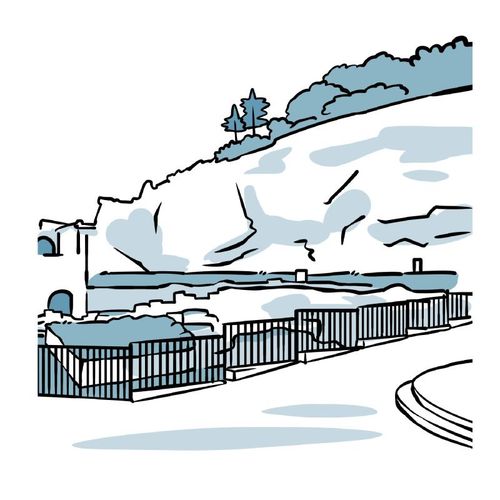
Major restoration work is currently underway on Saint-Eutrope Hill with the aim of restoring the former Castle of the Princes of Orange to its rightful place. After three centuries of neglect, the municipality has taken the lead, launching a massive project to preserve and enhance the hill, the Capitol, and the castle. The first phase of work is expected to last 3 years, with the entire project spanning over 12 years. Our tour navigates around the construction as much as possible while still sharing all the secrets of the past from the City of the Princes.
Découvrez 20 lieux d'intérêt pour visiter Orange













Le plein d'inspirations
Explorez le monde en totale liberté, à pied au cœur des villes ou au fil des routes. Nos guides audios transforment chaque destination en une découverte culturelle immersive et unique.






FAQ for visiting Orange
When is the best time to visit Orange?
The ideal time to discover Orange runs from May to September, when the Mediterranean climate reveals all its gentleness. The months of June and September are particularly pleasant with mild temperatures, perfect for strolling the streets and admiring the monuments without suffering from the heat. If you are a music lover, July becomes a must with the famous Chorégies that bring the Roman Theatre to life. Winters remain mild, around 10°C, but the Mistral can blow strongly. To make the most of the terraces and the Provençal atmosphere, favour spring and early autumn, when the light sublimates the golden stones of the city.
How many days do you need to visit Orange?
A full day is generally enough to discover the main treasures of Orange, notably the Roman Theatre and the Triumphal Arch. You can stroll through the historic centre, have a leisurely lunch and soak up the Provençal atmosphere. If you wish to deepen your visit and explore the surrounding area, notably the vineyards of Châteauneuf-du-Pape or other Roman sites in the region, allow two days. This will let you take your time, enjoy the museums and fully savour the local art of living without rushing. Orange is also an excellent base for venturing out into the Vaucluse.
How do you get to Orange from Avignon?
The journey between Avignon and Orange is very simple and fast, the two cities being about 30 kilometres apart. By train, count on generally 15 to 20 minutes from Avignon Centre station, with regular connections throughout the day. By car, you will take the A7 in the direction of Lyon then the Orange exit, for a journey of about 30 minutes. Departmental buses also provide the connection several times a day. If you prefer a more picturesque approach, the departmental road running along the Rhône offers beautiful landscapes, even if it slightly lengthens the travel time.
Where to park in Orange?
Orange has several convenient parking options for visitors. The Roman Theatre car park, located right next to the monument, remains the most convenient but can fill up quickly in high season. The Gare and Cours Pourtoules car parks generally offer more spaces and are a few minutes' walk from the historic centre. On-street parking is often paid during the day in the city centre, with blue zones limited in time. For a serene visit, favour the free outlying car parks and enjoy a pleasant walk to reach the tourist sites.
What are the must-see monuments?
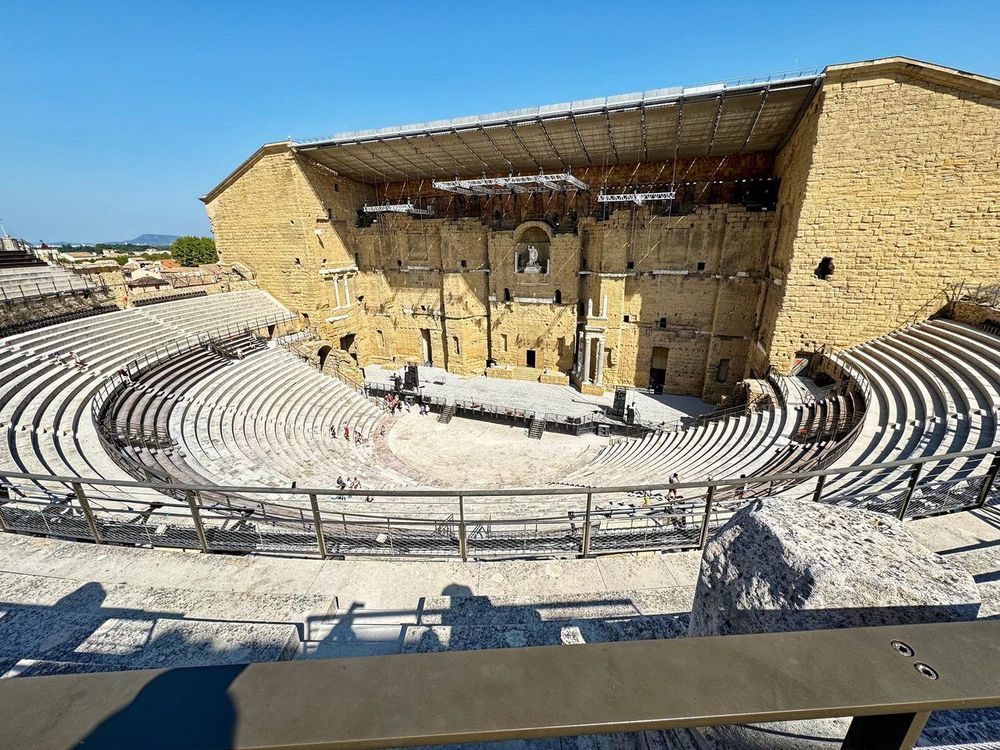
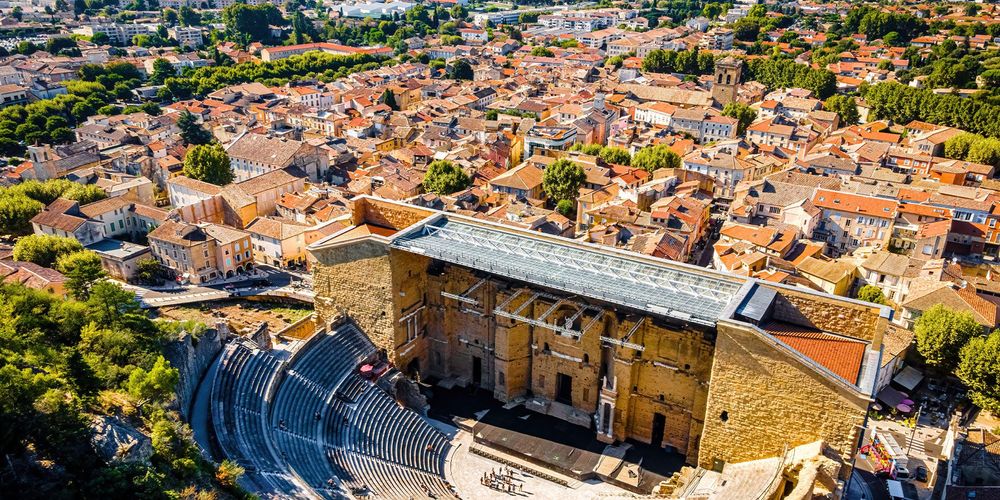
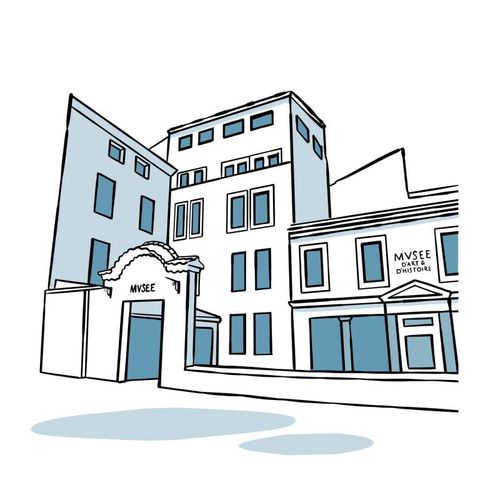
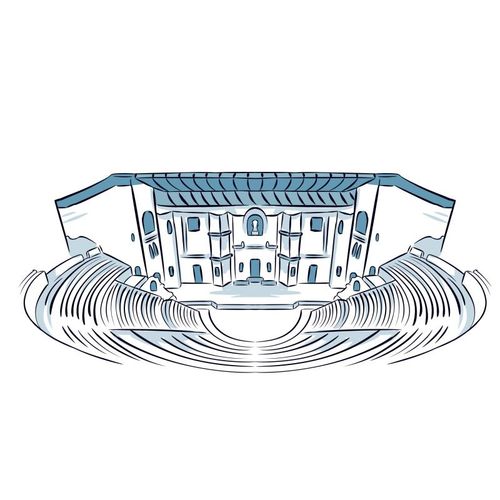
The Roman Theatre remains the absolute jewel of Orange, admirably preserved with its impressive stage wall. The Triumphal Arch, a triumphal monument with three bays, magnificently bears witness to Roman grandeur. The Saint-Eutrope hill offers an exceptional panorama over the city and the Rhône valley. Don't miss the Notre-Dame-de-Nazareth cathedral and its Romanesque treasures, as well as the Museum of Art and History which perfectly complements the discovery of the local heritage. The Ryo audioguide accompanies you in this exploration with a narrated route that harmoniously links these major sites while revealing the secrets of the medieval lanes.
What can you visit around Orange?
The surroundings of Orange are full of wonders to explore. Châteauneuf-du-Pape, just 10 kilometres away, invites you to discover its prestigious vineyards and its medieval castle. The archaeological site of Vaison-la-Romaine magnificently extends your immersion in Antiquity. Further north, the Dentelles de Montmirail offer spectacular landscapes and perched villages such as Gigondas or Séguret. To the south, Avignon and its Palace of the Popes make an unmissable excursion. Nature lovers will appreciate the Ardèche gorges or Mont Ventoux, the giant of Provence. This exceptionally rich region lets you vary your pleasures between heritage, oenology and natural discoveries.
How much does admission to the Roman Theatre cost?
Admission to the Roman Theatre generally represents a modest investment given the richness of the site. Rates vary according to the season and often include access to the Museum of Art and History. Combined tickets usually allow you to visit several monuments at an advantageous price. Discounts are generally granted to students, large families and seniors. Free admission often applies to children and during certain heritage days. It is advisable to check the current rates on site or on the official website before your visit, as they may change. The site's traditional audioguide is sometimes offered as an extra.
Where to eat and what to try in Orange?
Orange offers a lovely range of restaurants where you can savour authentic Provençal cuisine. The terraces of the Place de la République and the streets adjacent to the Roman Theatre offer a warm atmosphere. Don't miss trying the local specialities such as daube provençale, pieds et paquets or homemade tapenade. The colourful markets will let you discover local produce: olives from Nyons, goat cheeses, lavender honey and, of course, the wines of Châteauneuf-du-Pape. In summer, a simple salade niçoise accompanied by a local rosé becomes a delight under the plane trees. Gourmet restaurants sit alongside family bistros to satisfy every craving and every budget.
Why is Orange a UNESCO World Heritage Site?
Orange owes this status to two exceptionally well preserved Roman monuments, its ancient theatre and its triumphal arch, listed together as World Heritage. The theatre has kept its stage wall, something extremely rare anywhere in the Roman world, which gives it a remarkable acoustic still used today for concerts and opera performances. The triumphal arch, standing at the northern entrance to the town on the old road heading towards Lyon, celebrates the power of the colony founded for legionary veterans. Together they show the leading role Orange played in Roman Provence, and explain why the town remains a major stop on any journey through the ancient sites of the Rhône valley.
How can you plan a walking tour of Orange's historic centre?
Orange is easy to explore on foot: the town is compact and its main sights follow a single line linking the triumphal arch, the old town and the ancient theatre. Many visitors start at the arch, walk down towards the shaded squares and Provençal façades of the old centre, then reach the theatre before climbing Saint-Eutrope hill to gain some height and take in the whole site at a glance. Allow a morning for the essentials, and a little more if you also visit the Art and History museum facing the theatre. The Ryo audio guide offers a dedicated walking route through Orange that links these stops in order and tells their story along the way.
Vos commentaires, idées et suggestions
Aucun avis pour le moment