© Shutterstock
 Votre guide Ryo
Visiting Orange with Family: The Complete 2026 Guide
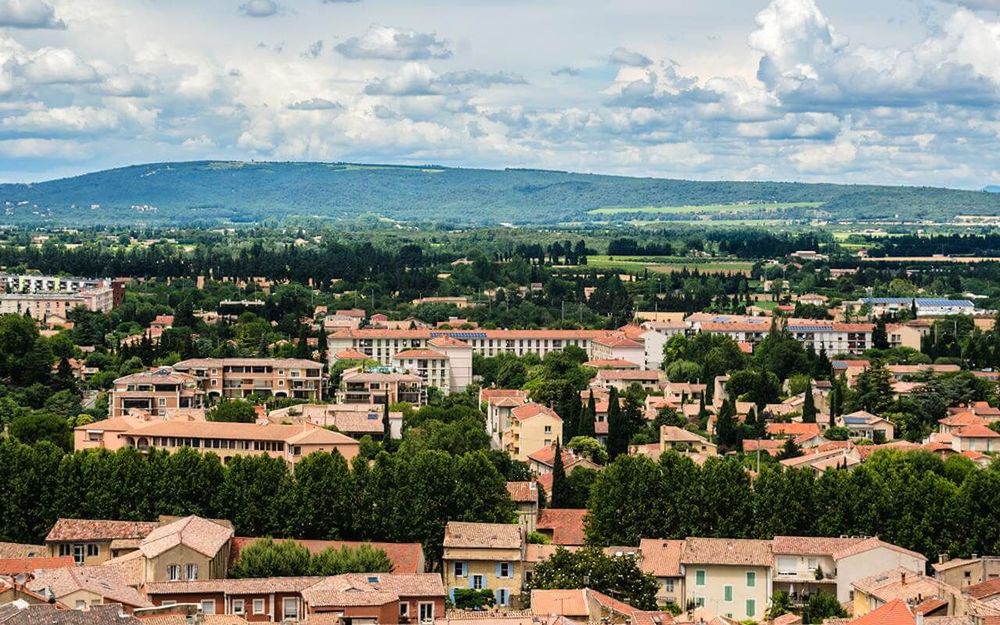
In Orange, kids look up before they've even put down their bags. The stage wall of the ancient theatre rises above the rooftops, as tall as a ten-storey building, and all it takes is crossing the square to find yourself sitting where Romans were applauding two thousand years ago. It's this contrast — between a quiet little town in the Vaucluse and monuments of an almost unreasonable scale — that makes Orange so easy to visit as a family. To prepare your visit, the Ryo audio guide tour of Orange retraces the city's history stop by stop, with anecdotes calibrated to capture the attention of younger visitors.
In a single day or a full weekend, you can climb a fortified hill with a 360° view, listen to (almost) silence in a UNESCO-listed ancient theatre, taste grape juice at a wine estate and end the day with your feet in the water twenty minutes away by car. This guide details every step, with the quieter hours to aim for and the addresses where you can stay without stressing about nap times.
1. The Ancient Theatre of Orange: a Must-See
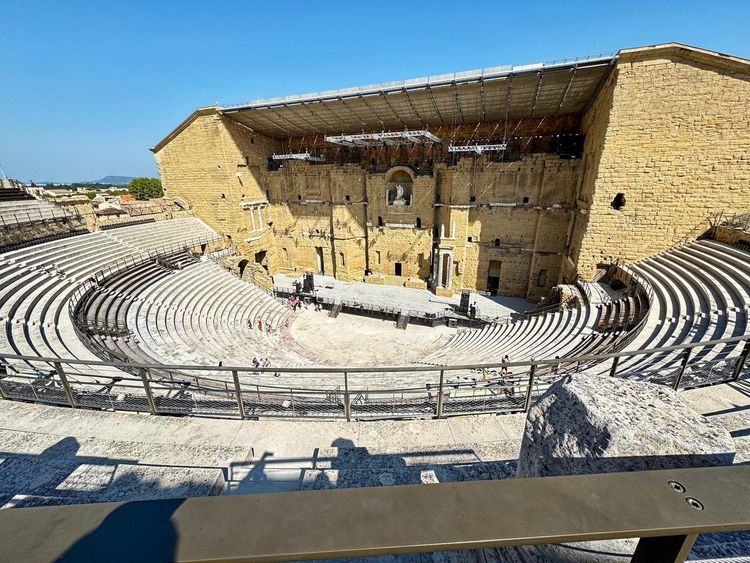
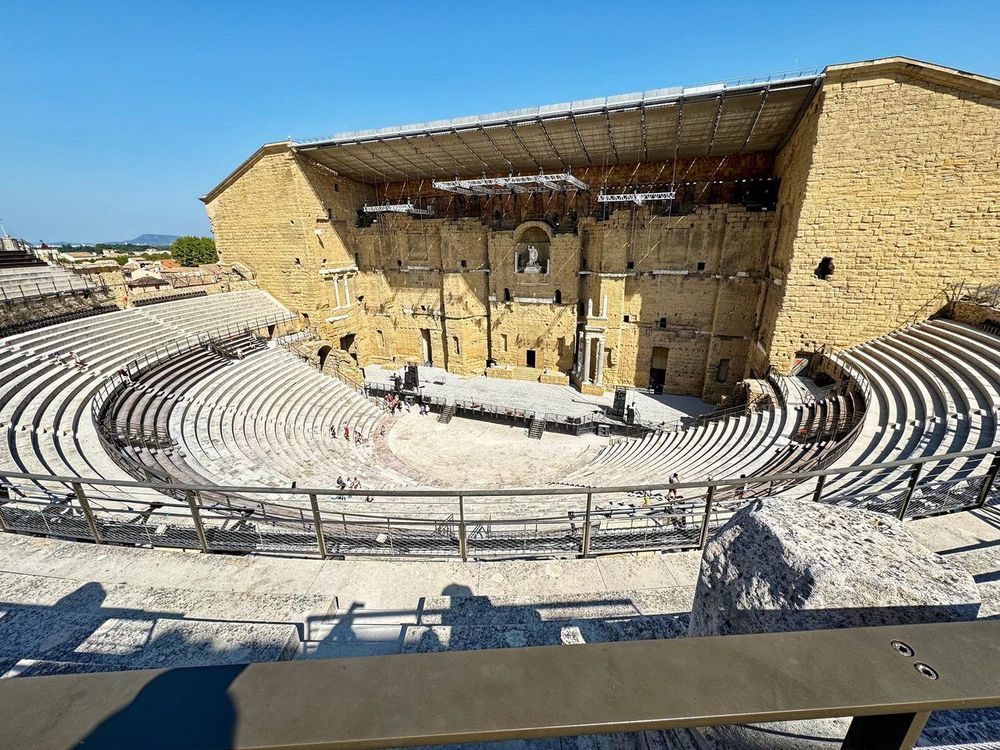
No visit to Orange is complete without coming here. The ancient theatre of Orange (Rue Madeleine Roch, 84100 Orange, rated 4.6/5 on Google across 12,482 reviews) is the only Roman theatre in Europe to have preserved its stage wall almost intact: 103 metres wide, 37 metres tall, with at its centre a 3.5-metre statue of Emperor Augustus that was restored to its place in 1935 after a lengthy restoration. The site has been listed as a UNESCO World Heritage Site since 1981, alongside the triumphal arch.
What works particularly well with children is the video guide included with the ticket: touch-screen terminals with 3D reconstructions, ambient sounds and a children's mode that explains the life of a Roman actor in story form. Allow 1 to 1.5 hours on site, more if your children enjoy climbing the tiers all the way to the top, where the view over the pink-tiled rooftops and the distant Dentelles de Montmirail is worth a photo stop. The acoustics of the place always impress the youngest visitors: a whisper from the stage can be heard clearly from the very top of the tiers, without a microphone.
In terms of budget, admission comes to around €11.50 per adult and €9.50 for 7–17 year olds, with free entry for under-7s; the same ticket gives access to the museum directly opposite, and a combined parent-child rate reduces the bill during school holidays. Audio guides are included in the price, against a deposit of an identity document at the entrance.
If your stay falls in July, be aware that the theatre hosts the Chorégies d'Orange, a lyric arts festival founded in 1869, one of the oldest in France. On performance evenings, the site closes earlier to regular visitors: check the calendar before planning your visit. To extend the experience with a complete narrative of the historic centre, the Ryo audio-guided tour La Cité des Princes covers 20 audio stops around the theatre and the neighbouring streets, over approximately 1 hour 10 minutes of walking.
One tip that makes all the difference with young walkers who tire quickly: come at opening time (9am in summer) or late afternoon. Between 11am and 3pm, school groups and tourist coaches saturate the lower tiers, and the Provençal heat is unforgiving for younger visitors. Ryo's audio-guided tour, which links the Triumphal Arch to the Roman theatre, suits this early start well, before the groups arrive.
2. The Triumphal Arch of Orange
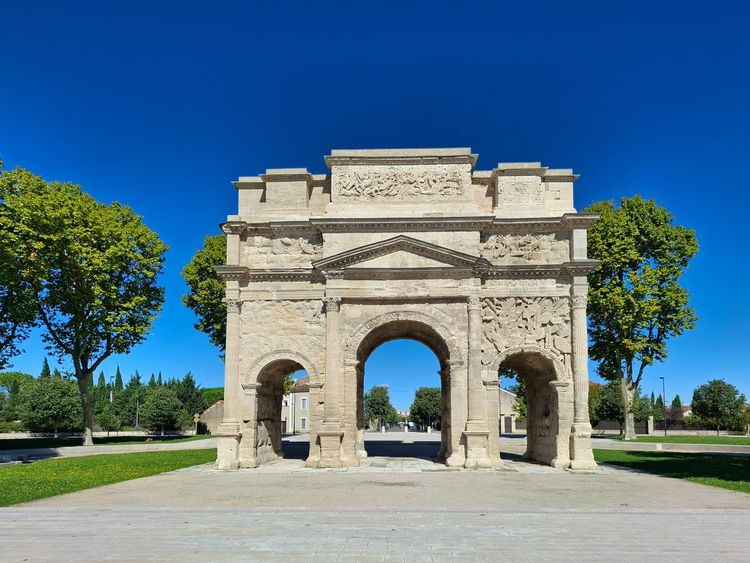
At the northern entrance to the town, the Triumphal Arch of Orange (Avenue de l'Arc de Triomphe, 84100 Orange, rated 4.6/5 on Google across 4,077 reviews) marks the ancient Via Agrippa, the Roman road that linked Lyon to Arles. Built during the reign of Augustus and later remodelled under Tiberius around 25 AD, it stands 19 metres tall by nearly 20 metres wide, with three bays and bas-reliefs depicting scenes of naval and land battles, still legible despite the centuries.
Unlike the theatre, the arch is free to visit at any time, as it stands in the middle of a grassed roundabout, making it a quick stop to slot in between two other visits. Children generally enjoy spotting the sculpted scenes through binoculars or zoomed-in photos on your phone, which are more legible than from the pavement. Allow 15 to 20 minutes, more if you take the time to cross the small lawn to view it from different angles. A free car park is nearby, handy if you then continue on foot into the historic centre.
3. Strolling through the Historic Centre of Orange
Between the theatre and the town hall, the heart of Orange can be explored without a fixed itinerary. The cobbled lanes around place Georges Clemenceau climb gently towards the hill, dotted with ochre façades, century-old plane trees and fountains where children love to dip their hands in summer. The cours Aristide Briand, the main street lined with terraces, is home to most of the shops and ice cream parlours.
Along the way, the église Saint-Florent and the remains of the old medieval walls are a reminder that the town is not defined solely by its Roman monuments: a few ancient gateways and fragments of ramparts are tucked between buildings, to be spotted like a treasure hunt with children. On Thursday mornings, the town centre comes alive with the Orange market, one of the most renowned in the Vaucluse: stalls of Provençal fruit, goat's cheese, colourful fabrics and often a calisson stand where curious children can sample a taste. Even without buying anything, wandering between the stalls remains a free and sensory activity, between the scents of lavender and the calls of the vendors.
To add depth to this unstructured stroll, the article Top 6 Activities to Do in Orange lists additional stops gathered from travellers, useful for putting together a tailored route depending on the age of your children. Many visitors combine this leisurely walk with a picnic on the shaded lawns near the theatre, which are less busy than the café terraces in the town centre at peak season.
4. Climbing the Saint-Eutrope Hill
Behind the ancient theatre, a discreet path climbs up to the Saint-Eutrope hill, the former site of the castle of the princes of Orange, demolished on the orders of Louis XIV in 1673. Today only vestiges of ramparts and sections of walls remain, swallowed up by the garrigue, but the panorama that opens up at the summit, at 105 metres altitude, more than makes up for the climb.
The ascent takes between 15 and 25 minutes depending on the children's pace, along a pine-shaded path that winds up in gentle switchbacks, with no real technical difficulty even for young walkers. At the top, a landscaped park with benches and shaded areas allows for a break before heading back down, while the view takes in the ancient theatre below, the rooftops of Orange and, on a clear day, Mont Ventoux on the horizon. Bring water: there is no refreshment point on site, and in summer the garrigue heats up quickly in the middle of the day. Many people make the climb in the late afternoon, when the low-angled light makes the panorama more photogenic and the heat more bearable.
5. The Museum of Art and History of Orange
Directly opposite the ancient theatre, the Museum of Art and History of Orange (Rue Madeleine Roch, 84100 Orange, rated 3.9/5 on Google across 148 reviews) houses a surprisingly rich collection for a town of this size: Roman cadastres engraved on marble, unique in the world, which already recorded the distribution of agricultural land around the ancient city.
As the ticket is shared with the ancient theatre, the museum becomes a natural stop after visiting the monument, rather than a separate detour. Allow 30 to 45 minutes, a format that works well for children whose attention wanes after the main theatre visit. One room is dedicated to the Chorégies and the history of the festival, with costumes and period photographs, interesting for children who have just attended a performance or are about to do so.
6. The Cathédrale Notre-Dame-de-Nazareth
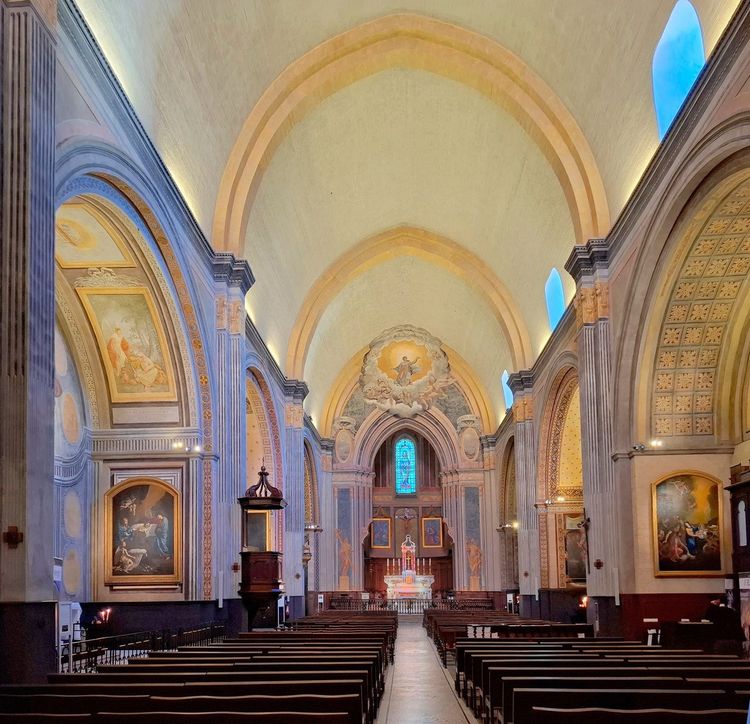
Less visited than the Roman monuments, the Cathédrale Notre-Dame-de-Nazareth (Cours Aristide Briand, 84100 Orange, rated 4.5/5 on Google across 197 reviews) is worth a ten-minute detour while crossing the town centre. Built in the 12th century in a Provençal Romanesque style, it was partially destroyed during the Wars of Religion and then rebuilt, which explains the mix of styles visible on its façade.
The interior, cool even in the height of summer, offers a welcome break for children who have overheated after a morning of sightseeing. The simplicity of the place, without pomp or crowds, makes it a short and calming stop rather than a visit in its own right.
7. The Côtes-du-Rhône Vineyards
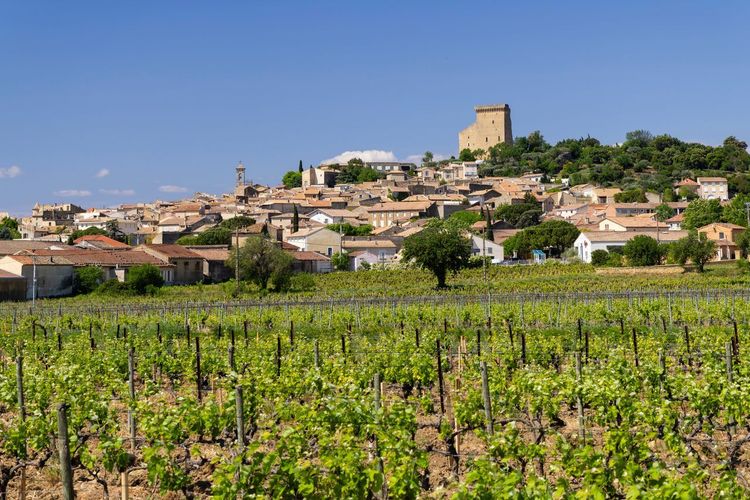
Orange sits at the crossroads of two of the best-known appellations in the Rhône Valley: Châteauneuf-du-Pape to the south and the Côtes-du-Rhône Villages all around. Many wine estates open their doors to visitors with children, with cellar tours adapted for younger guests: grape juice tasting for the little ones while the parents sample the wine, explanations of vineyard work through the seasons, and sometimes a small interactive trail through the rows of vines.
Some estates offer tractor or horse-drawn carriage rides through the vines, an activity that is particularly popular with children under 10 and gives a different perspective on the Provençal landscape from the urban monuments. The landscapes themselves are worth the trip: rows of low vines stretching as far as the eye can see, isolated cypress trees and in the distance the outlines of the Dentelles de Montmirail, jagged limestone ridges that change colour with the hour. Several cellars in the village of Châteauneuf-du-Pape also run short workshops on the galets roulés, the large rounded pebbles that carpet the vineyard and store the day's heat: a concrete detail that resonates with children who are curious to understand why vines grow here.
It is best to book ahead for guided tours in high season (July–August), as the most reputable estates fill up several days in advance. Allow half a day to combine two estates including travel time, or a morning if you prefer to follow up with another activity in the afternoon. Many visitors pair this wine outing with an impromptu picnic among the vines, which is often tolerated by estates as long as you remain discreet.
8. Day Trips around Orange
Orange makes an ideal base for exploring several major sites in Provence, all reachable in less than an hour by car.
About 25 km to the south, the Pont du Gard remains the most requested excursion for visitors staying in Orange. This Roman aqueduct, the tallest ever built by the Romans at 49 metres, can be viewed from the outside for free, while a nearby paid museum space offers workshops and activities for children. In summer, the Gardon river below becomes a popular natural swimming spot, with canoe hire available to paddle upstream and admire the structure from the water. Plan to arrive early: the car park and riverbanks fill up quickly from mid-morning in July and August.
About 35 km to the east, the village of Fontaine-de-Vaucluse (Chemin de la Fontaine, 84800 Fontaine-de-Vaucluse, rated 4.6/5 on Google across 20K reviews) is home to one of the most powerful springs in the world, gushing at the foot of a cliff after an underground journey that remains partly mysterious. The flow varies considerably by season: impressive in spring after the snowmelt, almost dry in some years at the height of summer. The village itself, with its restored water mills and shaded lanes, lends itself to a relaxed one or two-hour stroll, rounded off with a swim or a canoe descent along the Sorgue for those who want to extend the outing.
Finally, just 10 km to the south, the village of Châteauneuf-du-Pape deserves a brief stop: the ruins of the 14th-century papal castle dominate the village and offer a panorama over the Rhône Valley as far as Mont Ventoux on a clear day. The walk up to the ruins takes about fifteen minutes on foot from the central car park, manageable with children from the age of 5–6.
9. Nature and Swimming Activities around Orange
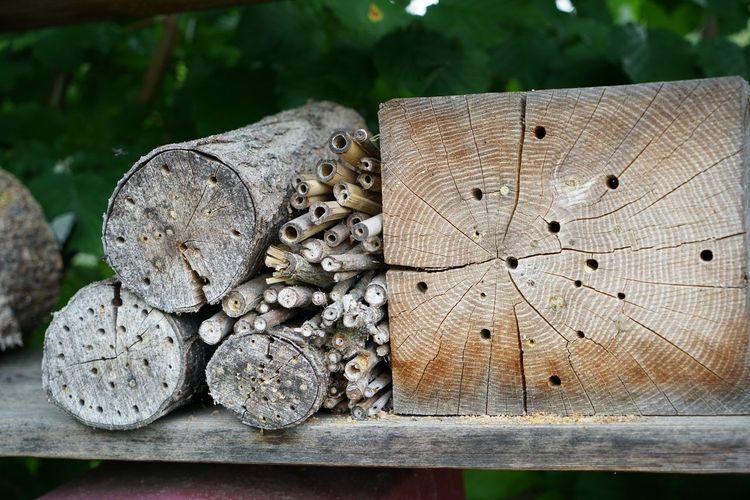
For a breather between heritage visits, several outdoor options are less than 15 minutes from the centre of Orange. In Sérignan-du-Comtat, 10 minutes away by car, the zoological and museum park Micropolis, la cité des insectes occupies the former estate of naturalist Jean-Henri Fabre, whose house and observation garden can still be visited. Live terrariums, giant ant colonies and interactive activities make it an outing that fascinates insect-curious children and parents alike, especially on a heatwave day in search of air-conditioned shade. Allow a good two hours to take it all in without rushing the youngest visitors.
For more classic leisure activities, Cap Vert Loisirs, on the road to Camaret-sur-Aigues, brings together mini-golf, karting and inflatable structures on one site, a handy option for an afternoon without a cultural programme. The piscine municipale des Serres in Orange rounds off the offering for a cool-down at the end of the day, with an outdoor pool open during the summer season and reasonable prices for children.
The banks of the Aygues, the river that runs along the north of Orange, offer a few natural swimming spots known to locals, with no lifeguard or facilities, best suited to visitors comfortable with this type of unsupervised bathing.
10. Where to Eat in Orange
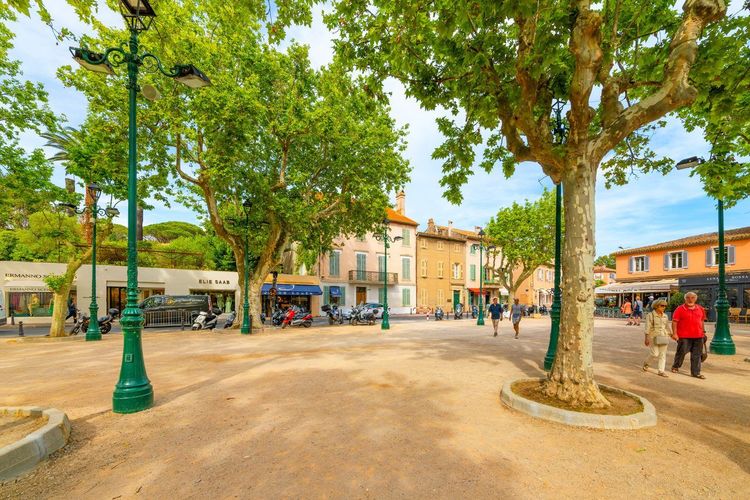
The town centre concentrates most of the family-friendly addresses, often with terraces shaded by plane trees. The cours Aristide Briand and its surroundings bring together pizzerias, crêperies and brasseries offering straightforward children's menus.
For a quicker bite between visits, the ice cream parlours around place aux Herbes provide a welcome cool stop on hot days, while the Thursday market allows you to put together a varied picnic to take to the lawns near the theatre or up to the Saint-Eutrope hill. Booking ahead in the evening during peak season is advisable for tables with terraces, which are especially sought after in July during the Chorégies.
11. Where to Stay in Orange
Orange has a range of accommodation covering several budgets, an asset for travellers who are torn between urban comfort and the great outdoors. In the town centre, the Hôtel Arène (Place Langes, 84100 Orange, rated 4.2/5 on Google across 268 reviews) offers spacious rooms for four people and an outdoor pool, a few minutes' walk from the ancient theatre, handy for returning to cool off between visits without getting back in the car.
On the chain hotel side, the Mercure Orange Centre offers a reliable compromise with a pool and private parking, appreciated by travellers passing through on their way to Provence or the Cévennes. For a longer stay on a controlled budget, camping Le Jonquier, on the outskirts of Orange, offers pitches and mobile homes around a pool, a formula that lets children unwind after a day of sightseeing without the constraints of a conventional hotel. Booking several weeks in advance is recommended from mid-June to the end of August, when accommodation becomes noticeably tight around the Chorégies.
12. Practical Information for Your Stay in Orange
Orange is easy to reach by car via the A7 motorway (Orange Centre exit), about 40 minutes from Avignon and 1 hour 15 minutes from Marseille. By train, Avignon's TGV station remains the quickest gateway from Paris (around 2 hours 40 minutes), with a connection by regional train or hire car to Orange, 25 minutes away.
Once there, the town centre is entirely walkable: the theatre, the Triumphal Arch and the cathedral are all less than 15 minutes' walk from one another. The Ryo audio guide, downloadable in advance on a smartphone, allows you to follow the thread of the visit without depending on a network connection once you are in the lanes. A car remains useful for excursions to Châteauneuf-du-Pape, Fontaine-de-Vaucluse or the Pont du Gard. Budget-wise, the combined theatre and museum ticket comes to around €11.50 per adult, with free entry for under-7s; expect between €60 and €100 per night for a room sleeping four, outside festival periods when prices rise noticeably.
Spring (April–June) and early autumn offer the most comfortable temperatures for walking and climbing the Saint-Eutrope hill with children. July, though hotter, remains unmissable for attending the Chorégies, but requires planning visits for early morning or late afternoon.


FAQ
How much time should you plan to visit Orange with children?
A full day is enough to cover the ancient theatre, the Triumphal Arch and a stroll through the historic centre. To add the Saint-Eutrope hill, the museum and a trip to Châteauneuf-du-Pape or the Pont du Gard, plan for two to three days on site.
Is the ancient theatre of Orange suitable for children?
Yes, the site includes a video guide with content adapted for younger visitors and wide tiers that children love to climb. Bring shade and water in summer, as the stone heats up quickly in the middle of the day.
What is the best time to visit Orange?
Spring and early autumn offer the most comfortable temperatures for walks and the climb up the Saint-Eutrope hill. July remains ideal for attending the Chorégies, but requires organising visits early in the morning.
Is Orange a good base for exploring Provence?
Yes: the Pont du Gard, Fontaine-de-Vaucluse and Châteauneuf-du-Pape are all less than 40 minutes away by car, making it easy to explore the region without changing accommodation every night.
Where can you park in Orange with children?
Several free or low-cost car parks surround the town centre, particularly near the Triumphal Arch and immediately around the ancient theatre, just a few minutes' walk from the main sites.
What free activities can you do in Orange with children?
The Triumphal Arch, a stroll through the historic centre, the walk up to the Saint-Eutrope hill and the Thursday morning market are all free activities.
Orange can be explored without rushing the children: the short distances between monuments leave plenty of time to breathe, and the excursions nearby offer a variety of pleasures between Roman heritage, vineyards and swimming spots. Whether you stay for a day or make the most of a long weekend to explore the Pont du Gard and the nearby wine villages, the town lends itself to a stay without logistical complications. To plan your route and make sure you don't miss any of the stories that capture children's attention, the Ryo audio guide tour of Orange is the simplest resource to take along on the day, directly from your phone.