
Créé par Romane, le 4 oct. 2026
Votre guide Ryo
Avignon, France
On y danse, on y danse !
Parcours audioguidé pour visiter Avignon en 1 jour
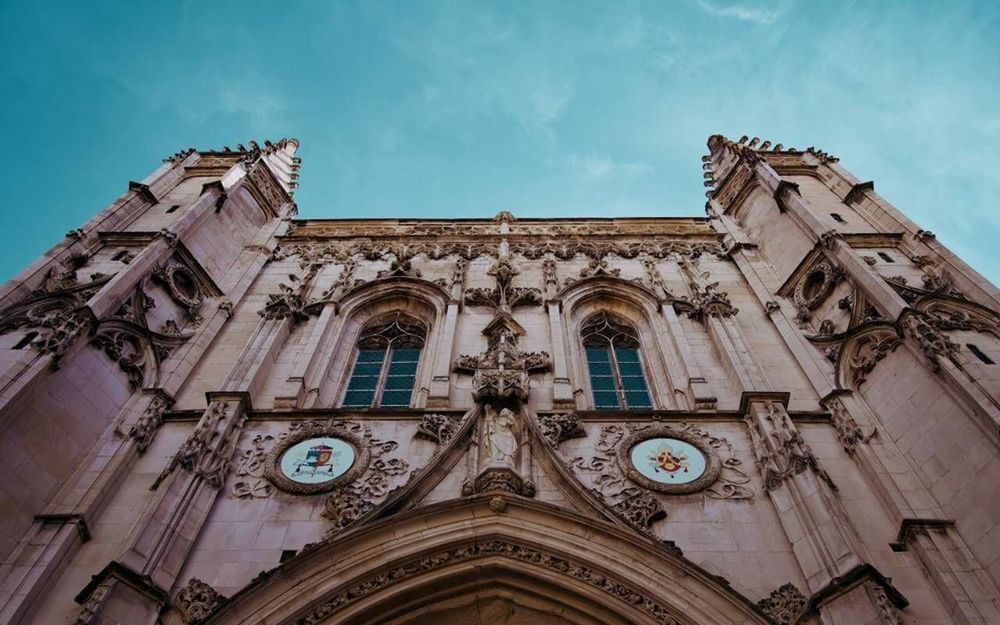
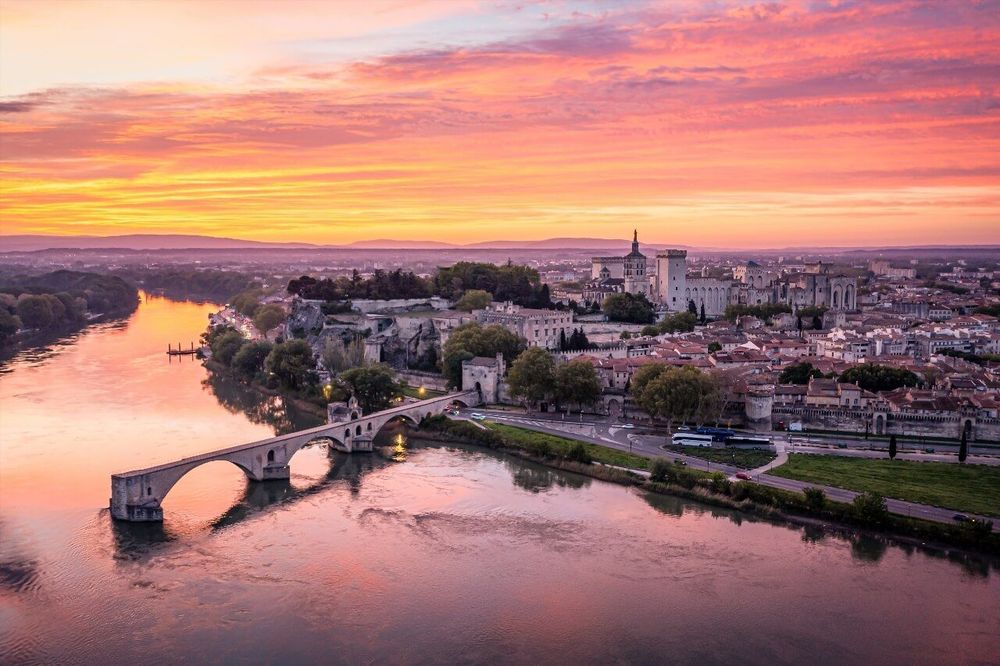
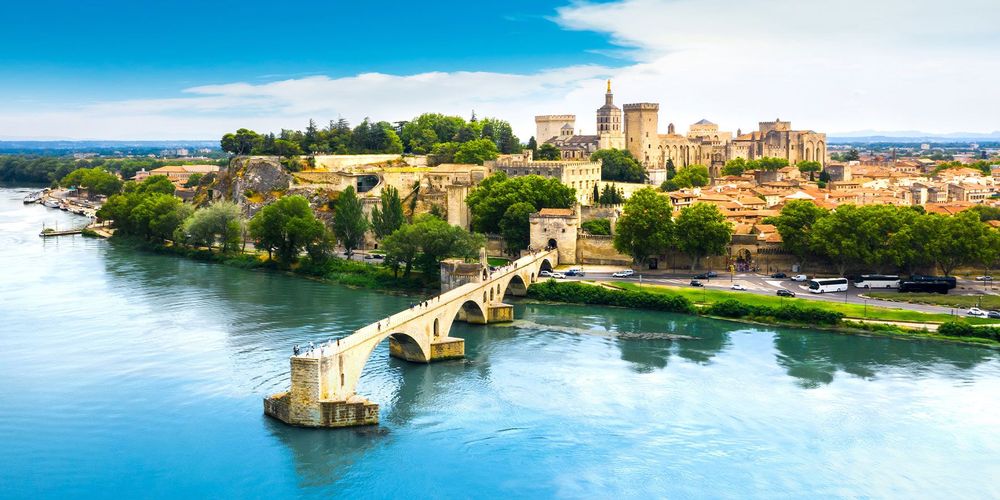
This tour invites you into the heart of a sovereign city, a Gothic jewel set along the river’s edge. Let yourself be captivated by the power of its golden-hued ramparts and the refined elegance of its palaces, each one telling the story of its past as a Christian capital. From the cool shade of cobbled lanes to the lively buzz of its tree-lined squares, Avignon reveals a character that feels at once dignified, artistic, and deeply rooted in Provence. As you explore on foot—between terraced gardens and pale limestone horizons—you’ll uncover the spirit of a city where monumental history continues to pulse alongside contemporary creativity.
Quand partir à Avignon ?
Jan.
10°
6
Feb.
12°
5
March
16°
6
April
19°
86
May
24°
7
June
28°
5
July
31°
2
Aug.
31°
4
Sept.
26°
7
Oct.
20°
9
Nov.
14°
9
Dec.
10°
7
Avignon enjoys a Mediterranean climate, characterized by hot, dry summers easily climbing to 31°C and mild winters fluctuating between 2°C and 11°C, with generous sunshine often accompanied by a powerful Mistral wind. The ideal period runs from May to September to enjoy the Provençal atmosphere and the golden stone architecture. The month of July is the beating heart of the global cultural season, while June and September offer perfect mildness for exploring the historical heritage and shaded terraces without the intensity of the summer heatwaves.
Départ conseillé
No need to worry about where to begin! Our tours are designed as a loop, so you can jump in wherever you are. The navigation system and audio-guide will automatically adjust to your location. However, if you happen to be nearby, we do have a preferred starting point: In front of the Cité Administrative
Parking à proximité
Avignon Jean Jaurès indoor parking lot : Avenue du 7ème Génie
The simplest solution is to park in a paid underground parking lot. If you don't want to deal with city traffic, there are park-and-ride facilities on the outskirts with free shuttles that will take you downtown. Street parking's also an option in the orange and yellow zones, for up to 4 hours. You'll have to pay directly at the parking meter or download the Paybyphone app. The further away you are from the center, the better your chances of finding free parking.
À savoir
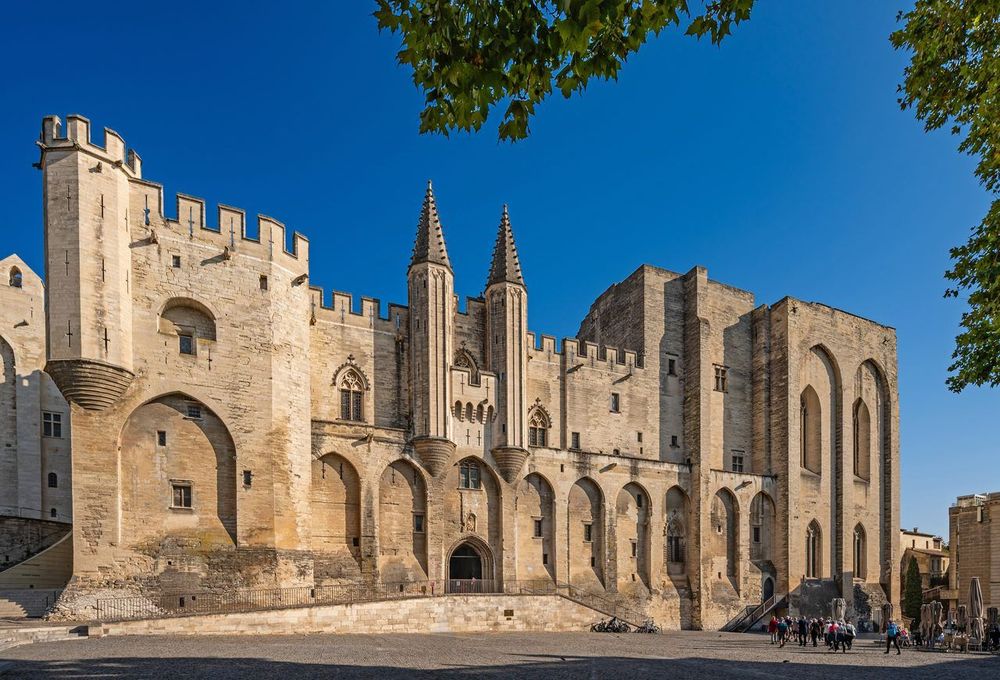
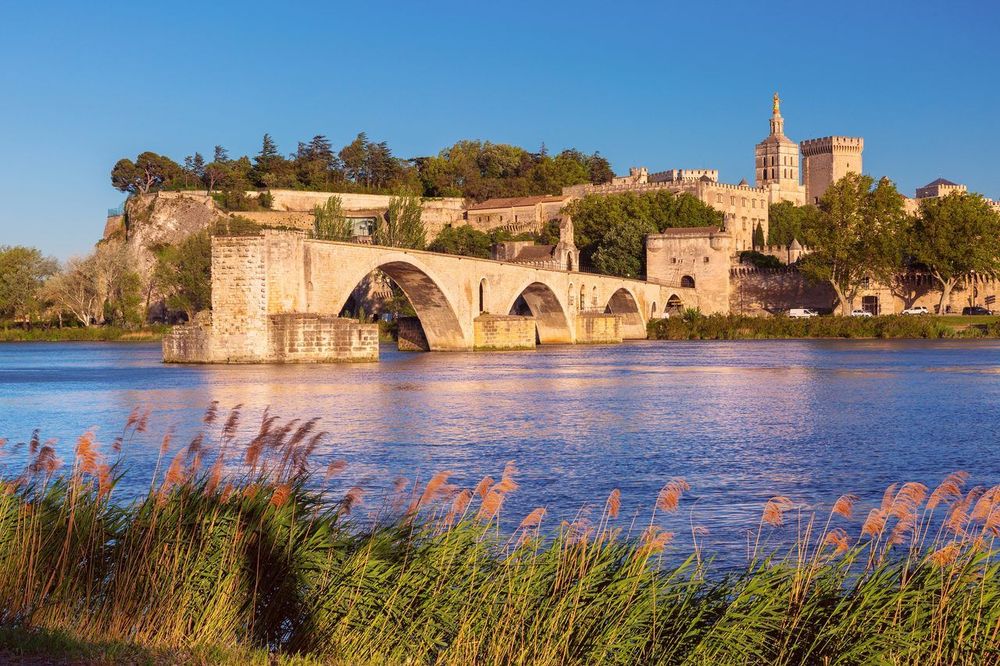
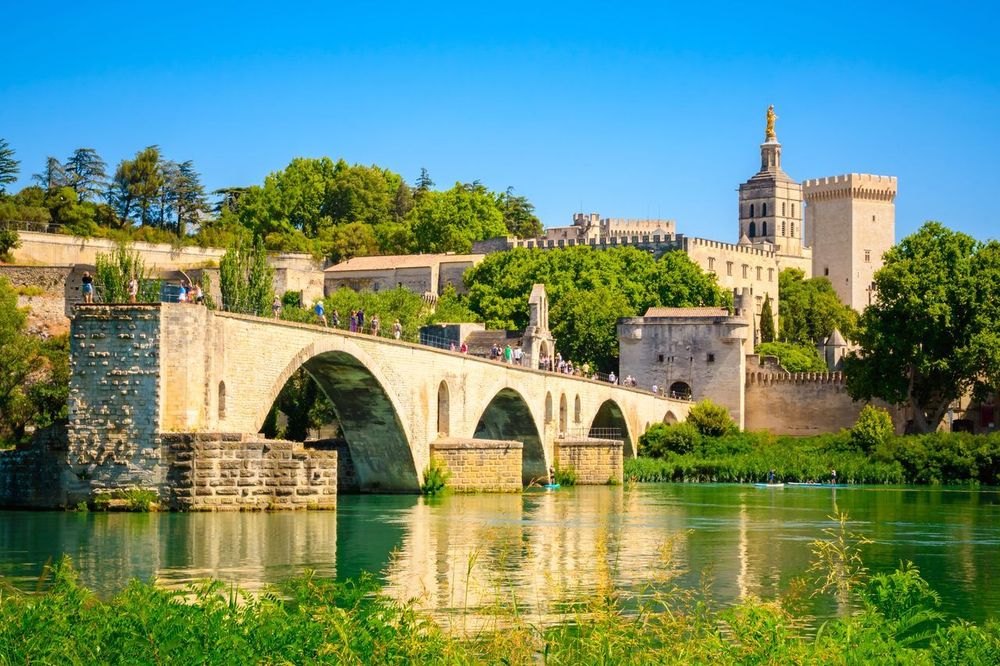
During this tour, we will be passing by the Papal Palace and the St. Benezet Bridge: remember to book your tickets in advance should you wish to visit them!
Major restoration and safety works are currently underway on the cliffs of the Rocher des Doms in Avignon.
Découvrez 26 lieux d'intérêt pour visiter Avignon





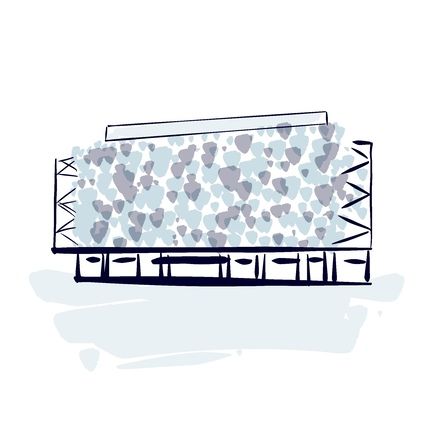

Le plein d'inspirations
Explorez le monde en totale liberté, à pied au cœur des villes ou au fil des routes. Nos guides audios transforment chaque destination en une découverte culturelle immersive et unique.
FAQ for visiting Avignon
When is the best time to visit Avignon?
The ideal time to discover Avignon runs from May to September, when the Mediterranean sun makes the golden stone of the monuments glow. June and September offer mild temperatures, perfect for wandering the cobbled lanes without suffering from the heat. July remains the flagship month with its famous theatre festival that turns the city into a giant stage, but be ready for the crowds and temperatures that easily climb above 30°C. Spring and autumn charm visitors with their exceptional light and lively terraces. Winter stays pleasant with sunny days, even if the mistral can blow strongly. Simply avoid the very windy days, which make visiting less comfortable.
How many days do you need to visit Avignon?
Two to three days is the ideal length to fully appreciate Avignon. Over a weekend, you will have time to explore the historic centre, visit the famous Gothic palace and stroll along the ramparts. An extra day lets you discover the museums, enjoy the hanging gardens and soak up the Provençal atmosphere on a terrace. If you also want to venture into the surroundings to visit the hilltop villages or the nearby ancient sites, allow four to five days. Art and history enthusiasts will enjoy taking their time to explore every corner of this former sovereign city, while visitors in a hurry can see the essentials in one well-organised day.
What are the must-see monuments?
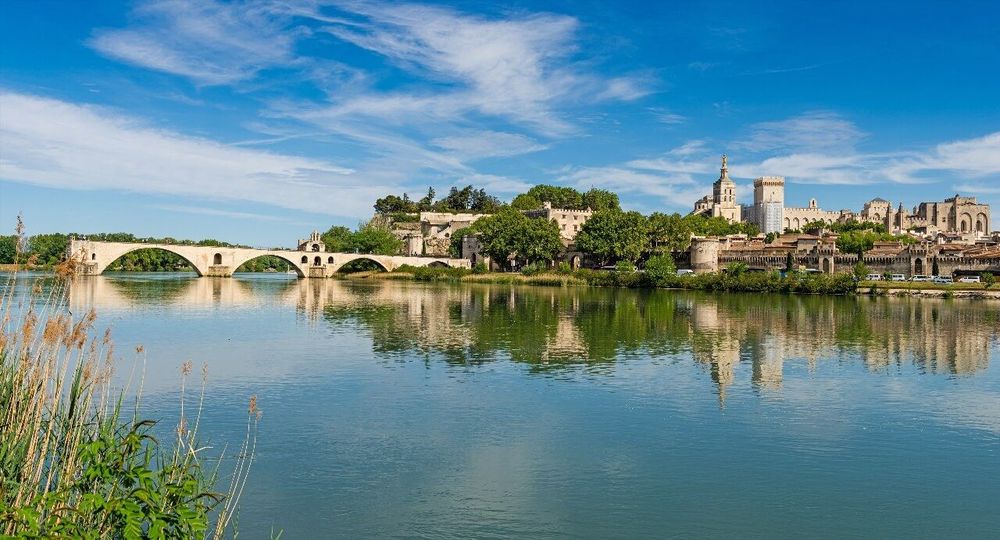
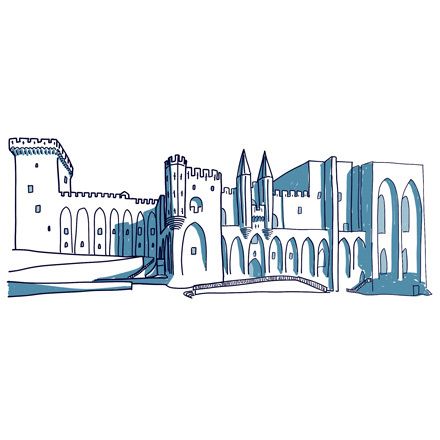
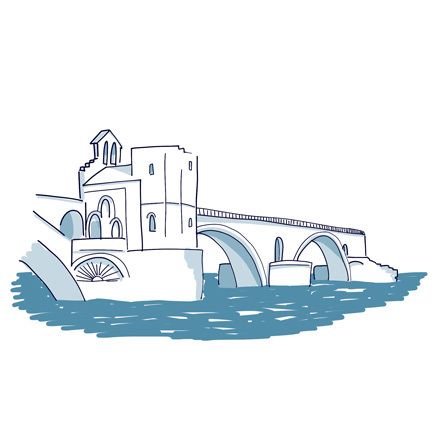
The majestic Palais des Papes dominates your route, a grandiose testament to the era when Avignon was the capital of Christendom. The Saint-Bénézet bridge, immortalised in song, offers an iconic view over the Rhône. The perfectly preserved medieval ramparts encircle the old town for several kilometres. The Notre-Dame des Doms cathedral and its elevated garden are worth the detour for their exceptional panorama. Do not miss the Place de l'Horloge, the beating heart of the city, and the many private mansions that line the streets. The Ryo audioguide accompanies you on this discovery with a narrated itinerary that links all these major sites while revealing the secrets of the lesser-known lanes.
How do you get around Avignon's city centre?
Avignon's historic centre is ideally explored on foot, its modest size and cobbled streets naturally inviting you to wander. Most of the major sites lie within a fifteen-minute walk of one another inside the ramparts. Free shuttles run regularly through the centre for those who prefer to avoid walking. Cycling is an excellent alternative, with numerous self-service rental stations. To reach the TGV station located outside, rail shuttles provide the connection in a few minutes. Taxis and private-hire services round out the options for night-time journeys or trips to the outlying districts. Avoid using a car within the walls, where traffic remains difficult and parking spaces are scarce.
Where can you park in Avignon?
Several paid car parks line the ramparts, offering direct access to the historic centre. The Palais des Papes car park remains the most convenient for visitors, while the Halles car park is perfect for exploring the market and the shopping districts. The park-and-ride car parks on the outskirts offer better rates, often with a free shuttle to the centre. Parking on the streets within the walls is very limited and generally reserved for residents. In high season, arrive early in the morning to find a space easily. Hotels in the centre rarely have private parking, so check when you book. Some car parks offer preferential rates at weekends or for long stays, ideal if you plan to explore the region.
Which museums should you visit in Avignon, and which are free?
The Petit Palais museum houses a remarkable collection of Italian and Provençal paintings from the Middle Ages and the Renaissance. The Calvet museum presents fine and decorative arts in an elegant private mansion. The Palais du Roure immerses you in Provençal traditions, while the Collection Lambert exhibits contemporary art. The Angladon museum delights lovers of Impressionism with works by great masters. Some municipal museums offer free admission on the first Sunday of the month, and the permanent collections often remain accessible at a reduced rate for young people and seniors. The gardens of the Rocher des Doms, for their part, offer free access all year round with sweeping views over the Rhône valley.
What can you see around Avignon on day trips?
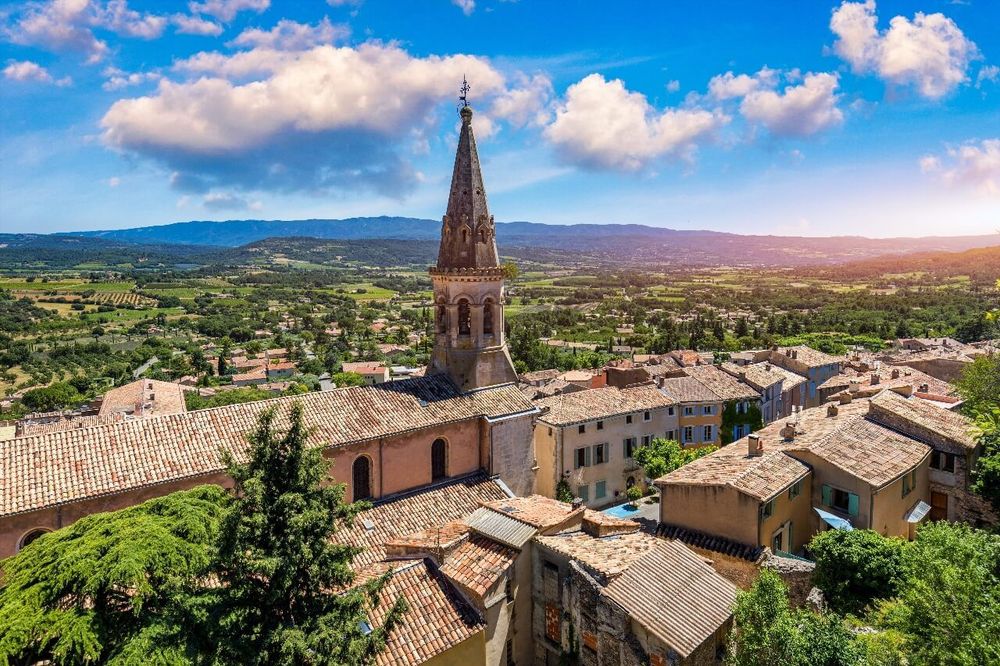
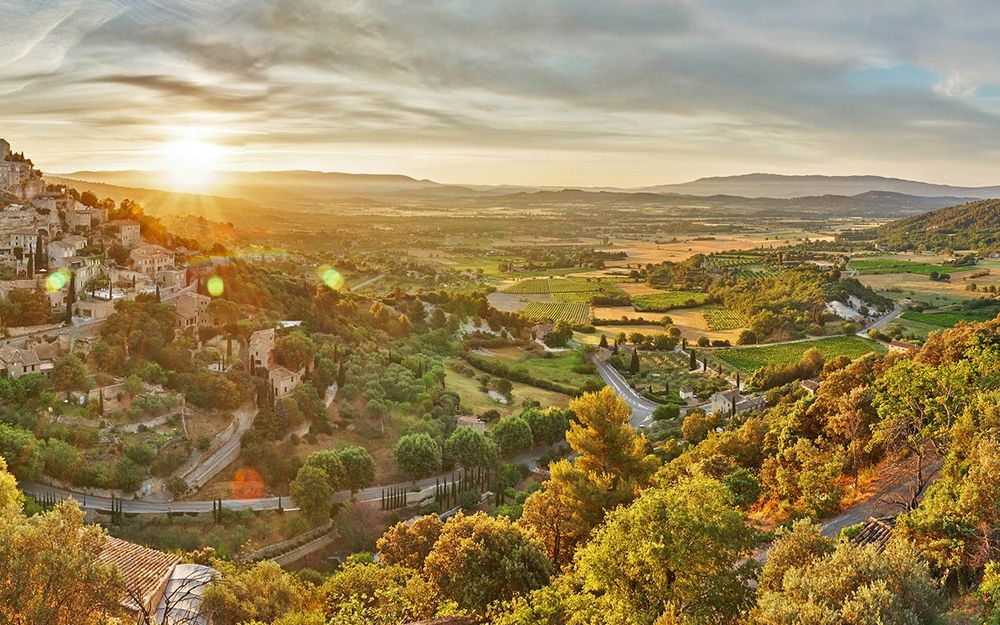
The surroundings of Avignon abound with wonders reachable in under an hour. The Pont du Gard, a majestic Roman aqueduct, impresses with its monumental dimensions. The hilltop villages of the Luberon such as Gordes or Roussillon captivate with their golden stone and picturesque lanes. Châteauneuf-du-Pape delights wine lovers with its prestigious vineyards. L'Isle-sur-la-Sorgue draws bargain-hunters with its many antique dealers and its Sunday market. Les Baux-de-Provence offer a spectacular medieval journey from their rocky spur. Saint-Rémy-de-Provence charms with its ancient remains and the atmosphere that inspired Van Gogh. Orange is worth the detour for its exceptionally well-preserved ancient theatre. These getaways perfectly round out your stay in Avignon.
What is the Avignon City Pass and how does it work?
The Avignon City Pass is a handy key to exploring the city and its monuments. This tourist card generally includes access to the main sites such as the Palais des Papes and the Saint-Bénézet bridge, as well as the municipal museums. Discounts at certain restaurants, shops and cultural activities often round out the offer. Available for different durations depending on your needs, the pass can be bought at the tourist office or online. Its price varies according to the option chosen and the features included. Work out your planned visits carefully to check the value, especially if you intend to visit several paid monuments. Some versions also include public transport or guided tours. The pass is activated on first use and remains valid for the chosen duration.
What is the Avignon Festival and how can you make the most of it?
Every summer, Avignon turns into one huge theatre stage. The festival, founded just after the Second World War on Jean Vilar's initiative, takes over the Court of Honour of the Palais des Papes as well as cloisters, chapels and halls all across the city. Alongside it, the Off festival fills every small café-theatre and the streets of the centre, where companies hand out flyers and put up posters in a very lively atmosphere.
If you come during this period, book your accommodation well in advance and expect a dense, noisy, cheerful city with queues outside the venues. Outside the festival season, Avignon returns to a quieter rhythm that suits sightseeing. Check the programme as soon as it is published in the spring if you want to put together your own run of shows.
What can you discover in Avignon beyond the major monuments?
Beyond the Palais des Papes and the Saint-Bénézet bridge, Avignon is best enjoyed in its lanes. Rue des Teinturiers, lined by the canal and its old paddle wheels, still recalls the printed-cotton workshops that once worked here and now gathers cafés, bookshops and small performance venues. The covered market, behind its wall of living plants, brings together Provençal producers and stalls in the morning, while the Rocher des Doms unfolds a garden above the Rhône, with a view of Mont Ventoux on clear days.
Take the time to wander around Place de l'Horloge and the Balance district, or to cross over to the island of Barthelasse to see the ramparts from the other bank. The Ryo audio guide offers a dedicated Avignon route that links these places and tells their story as you walk.
Vos commentaires, idées et suggestions
Aucun avis pour le moment