© Shutterstock
 Votre guide Ryo
Visiting Avignon in 2 Days: Complete Itinerary, Must-Sees, and Best Addresses (2026)
Avignon fits entirely within a loop of ramparts you can cross on foot in twenty minutes, yet two days there are almost never enough. Visiting Avignon in 2 days means giving yourself time to climb up to the Rocher des Doms at sunrise, to understand why the bridge from the nursery rhyme stops abruptly in the middle of the Rhône, and to leave with a tasting card scrawled on the back of a museum ticket. To get a sense of the distances between monuments before you set off, the Ryo audio-guided tour of Avignon is useful from the moment you step out of the station.
In two days, you have time to walk through the rooms of the Palais des Papes, the largest Gothic fortress in Europe, to venture out onto the pont Saint-Bénézet as far as its fourth arch suspended above the water, to choose from five museums with collections as varied as an archaeology cabinet and a contemporary art donation, and to end the day on the île de la Barthelasse, the largest river island in Europe, fifteen minutes on foot from the city center. This guide details the two days hour by hour, adds options for extending toward the Luberon or Châteauneuf-du-Pape, and answers practical questions about trains, parking, and budget.
Day 1 Morning: the Palais des Papes and place de l'Horloge
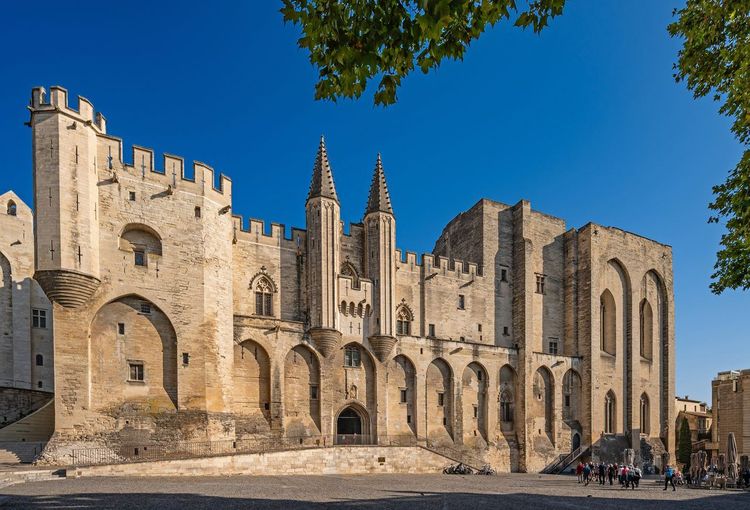
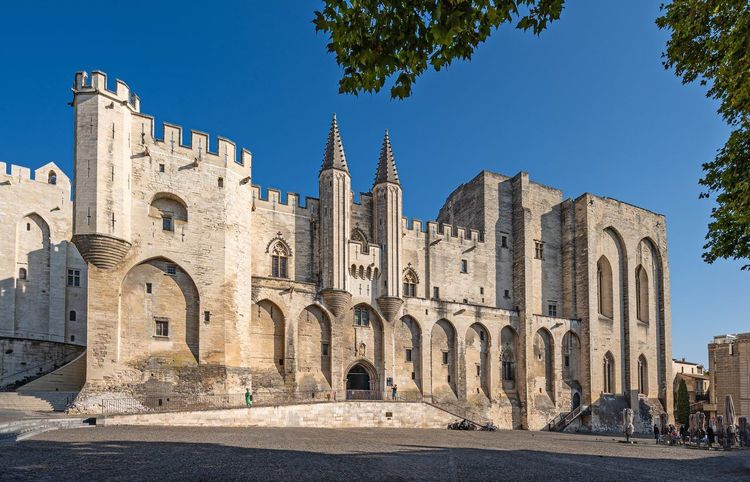
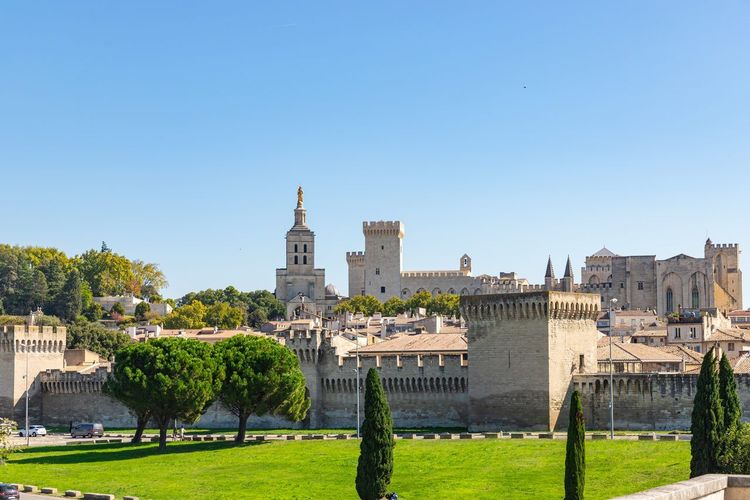
You inevitably start here. The Palais des Papes covers approximately 15,000 m² on the highest point of the historic center, making it the largest Gothic fortress in Europe still standing on its 14th-century foundations. The Ryo audio-guided tour begins its loop right here on place du Palais, making it a logical starting point for the first half of the day.
The palace is in fact made up of two adjoining complexes: the Palais Vieux, austere and defensive, built under Benedict XII, and the Palais Neuf, more lavish, commissioned by Clement VI a few years later. This dual construction explains the contrast between the long, severe galleries of the west wing and the ceremonial rooms of the east wing, where papal banquets were held.
The interior visit follows a signposted route through around twenty rooms and open spaces, including the Grande Chapelle, 52 meters long, and the Chambre du Cerf, the only room in the palace to have retained its original painted décor — a hunting scene commissioned by Clement VI around 1343. Allow 1h30 for a quick pass, 2h30 if you stop at each room with the Histopad tablet given at the entrance, which reconstructs lost decorations using augmented reality.
Opening hours vary considerably by season: doors open at 9am year-round, but closing times range from late afternoon between November and February to a late evening close in July–August during the Festival. Last entry is always around 1 hour before closing. The palace stays open every day including public holidays, except January 1st and December 25th.
Full-price tickets are around €12 to €16 for the palace alone, slightly more for the combined ticket with the pont Saint-Bénézet, with a reduced rate for ages 8–17 and free entry for children under 8. Book your time slot online the day before if you are visiting between June and September: on-site ticket sales regularly sell out by 11am in high season.
Leaving the palace, the place de l'Horloge is thirty seconds away on foot, livelier and shadier thanks to its centuries-old plane trees. This is the tourist heartbeat of the city: café terraces, a 1900s carousel for children, and the town hall with its 14th-century clock tower that gave the square its name.
For lunch without losing time on the rest of the program, avoid the terraces directly on the square, which are pricier and often geared toward passing tourists. The adjacent streets — rue Saint-Agricol in particular — offer equivalent set menus for around €5 less.
Day 1 Afternoon: the Cathédrale Notre-Dame des Doms and the Rocher des Doms
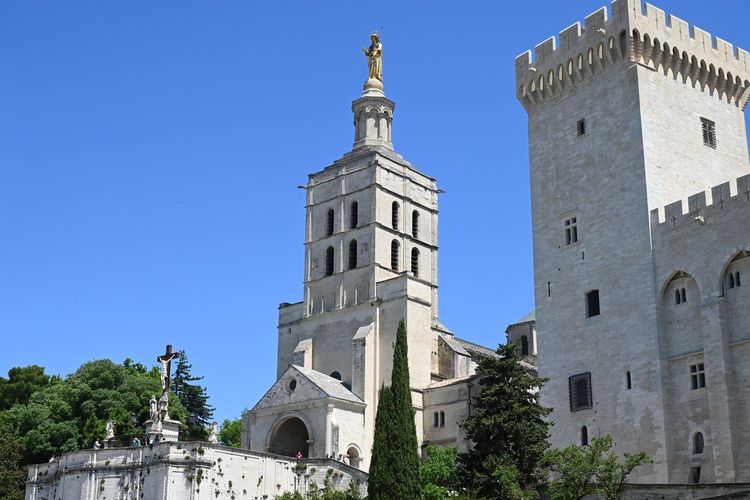
Right next to the palace, the cathédrale Notre-Dame des Doms surprises with its modest size compared to the neighboring fortress. Built in the 12th century and extensively remodeled, it has been crowned since 1859 by a gilded statue of the Virgin, visible from almost every high point in the city.
The interior is worth a fifteen-minute detour for the tomb of Pope John XXII and the 14th-century murals attributed to the circle of Simone Martini. Admission is free, making it a welcome break after the palace ticket desk.
Behind the cathedral, a path climbs toward the Jardin des Doms and the Rocher des Doms, laid out as an English-style garden in the 19th century on the rocky spur where the city was born. This is the best free viewpoint over the Rhône, the pont Saint-Bénézet, and, on a clear day, Mont Ventoux on the horizon.
Plan to arrive in the late afternoon rather than at noon: the low-angled light on the Rhône around 6pm in summer completely transforms the panorama, and the small duck pond at the center of the garden offers a shaded bench to catch your breath before heading back down toward the bridge.
The rock is the oldest inhabited point in the city: it is where the oppidum was established even before the Roman period, long before the popes built their fortress at its foot. Excavations carried out in the 19th century uncovered remains that can still be seen along the upper paths of the garden.
Day 1 Evening: the Pont Saint-Bénézet and the Banks of the Rhône
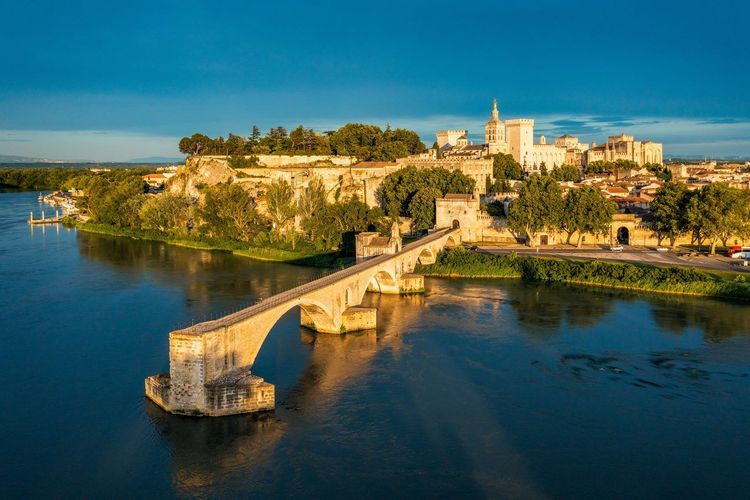
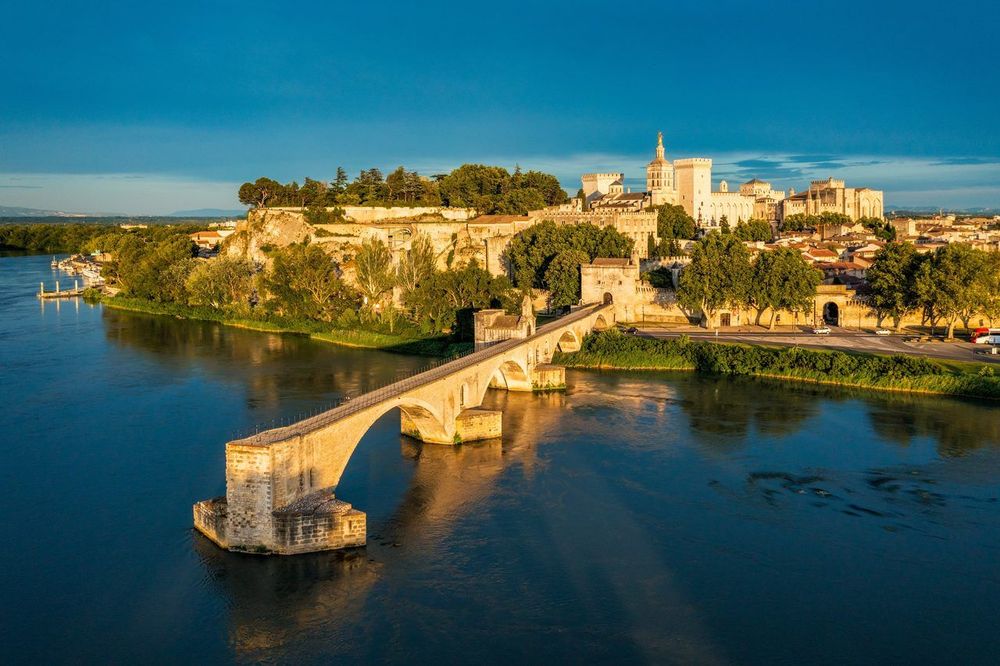
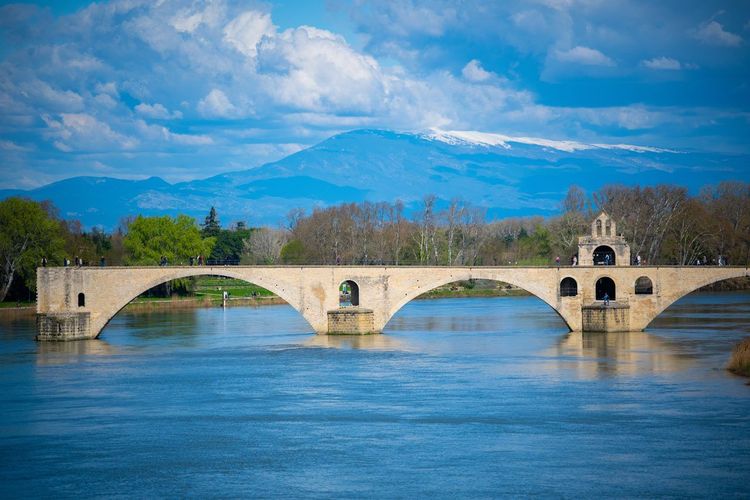
You cannot leave the city without heading down to the pont Saint-Bénézet (Boulevard de la Ligne, 84000 Avignon, rated 4.3/5 on Google with 20K reviews), better known as the pont d'Avignon since the nursery rhyme popularized in the 19th century. Built between 1177 and 1185, it originally had 22 arches and connected Avignon to Villeneuve-lès-Avignon on the opposite bank of the Rhône.
Legend has it that a young shepherd named Bénézet received a divine command to build the bridge and single-handedly lifted a stone that several men could not move, convincing the people of Avignon to fund the construction. Successive floods of the Rhône eventually destroyed the structure: only four arches remain today, the bridge having been definitively abandoned in the 17th century.
The visit to the pont d'Avignon includes an audio guide in the ticket price — a few euros alone or bundled with the Palais des Papes — and takes about twenty minutes. You cannot walk to the far end: the missing arches halt progress halfway across the Rhône, which gives the famous song its particular charm — "sur le pont d'Avignon, on y danse tous en rond" is most likely a reference to the open-air taverns that once stood beneath the bridge, on the island, rather than on the bridge deck itself.
Walking back down to the riverbanks, the promenade along the Rhône offers the best overall view of the bridge and the ramparts, especially at sunset. For more on the monument's history and legends, the Ryo guide to the pont d'Avignon details each arch and the medieval construction techniques still visible today.
Day 2 Morning: the Old Town, the Ramparts, and rue des Teinturiers
The second day begins with a walk through the historic center, easily manageable in a morning since the old town of Avignon fits entirely within its ramparts. Allow about 2h30 for a leisurely stroll without entering any museums.
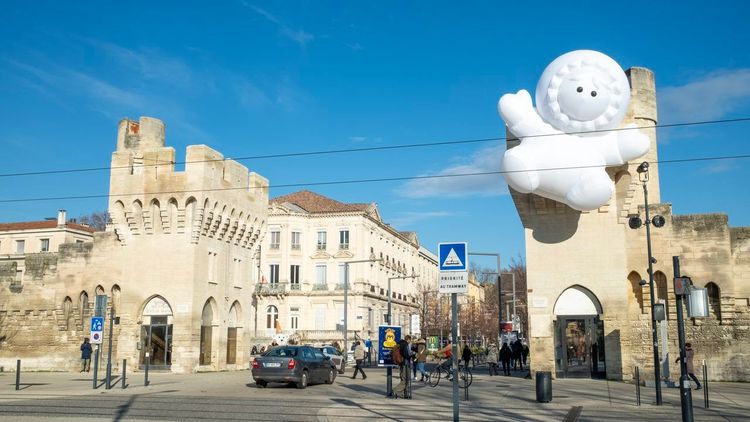
The ramparts of Avignon, raised in the 14th century under papal authority, extend for 4.3 km and include some thirty towers still standing, making them one of the best-preserved medieval enclosures in France. They were restored in the 19th century under the direction of Viollet-le-Duc, who reinstated their crenellations, which had disappeared over the centuries.
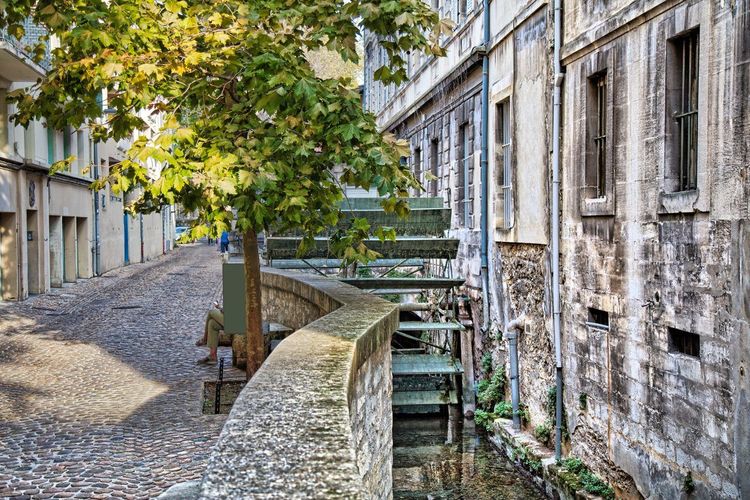
Next, head to rue des Teinturiers, a cobbled street lined by a branch of the Sorgue, where water once powered the paddle wheels of the printed-fabric workshops — the famous indiennes d'Avignon, highly sought after in the 18th century. Four paddle wheels are still visible along the canal, today covered in moss and shaded by plane trees.
This is the most photogenic street in the city center in late morning, when light filters through the foliage. It also houses several artists' studios, café-theaters that burst with activity during the Off festival, and the chapelle des Pénitents gris, open on occasion — worth checking on the spot.
In between, take time to stroll along rue des Marchands and rue du Vieux-Sextier, two commercial streets lined with old facades, before reaching place Pie where the next section focused on museums and the covered market begins.
Day 2: Avignon's Museums (Petit Palais, Calvet, Angladon)
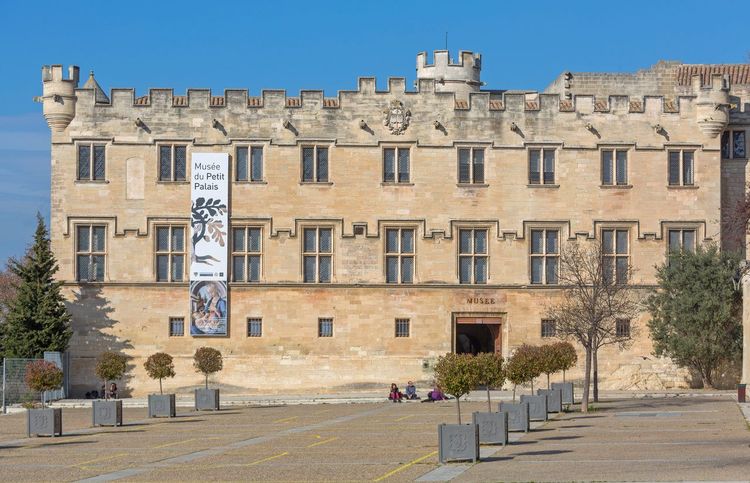
Avignon has five main museums within a ten-minute walk of each other, making it possible to visit two or three in a single morning without rushing. Here is how to prioritize them according to your interests.
The musée du Petit Palais, housed in the former episcopal palace right next to the Palais des Papes, holds one of the richest collections of Italian painting from the 13th to 16th centuries outside Italy, with more than 300 works including a Virgin and Child by Botticelli. Permanent collection entry is free, making it the museum with the best return on time invested in the city.
The musée Calvet, in an 18th-century mansion on rue Joseph-Vernet, covers a broader spectrum: archaeology, painting from the 16th to the 20th century, decorative arts, and a surprisingly rich Egyptian collection for a city of this size. Like the other municipal museums, permanent collections are free; allow a good hour for the visit.
The musée Angladon, more intimate and privately run, presents the personal collection of fashion designer Jacques Doucet: a Van Gogh — the only one on display in Provence — alongside Cézanne, Modigliani, Picasso, and Degas, exhibited in a bourgeois townhouse that has kept its original furniture. This is the museum to prioritize if you only have time for one visit.
Three other venues round out the offer for visitors extending their museum day. The musée Lapidaire, installed in the former chapel of the Jesuit college, is devoted to Gallo-Roman and ancient archaeology, including the famous Tarasque de Noves.
The Collection Lambert is a contemporary art center set across two 18th-century mansions around a Mediterranean garden, born from the donation of gallerist Yvon Lambert to the French state.
The palais du Roure, the former townhouse of the Florentine Baroncelli merchants, hosts temporary exhibitions on Provençal culture and the Félibrige movement, with an interior courtyard worth seeing in its own right.
If you plan to visit several paid sites, the tourist pass sold at the tourist office provides cumulative discounts on monuments and private museums, including the Angladon and Collection Lambert.
Day 2 Afternoon: the Halles Market and a Gourmet Break
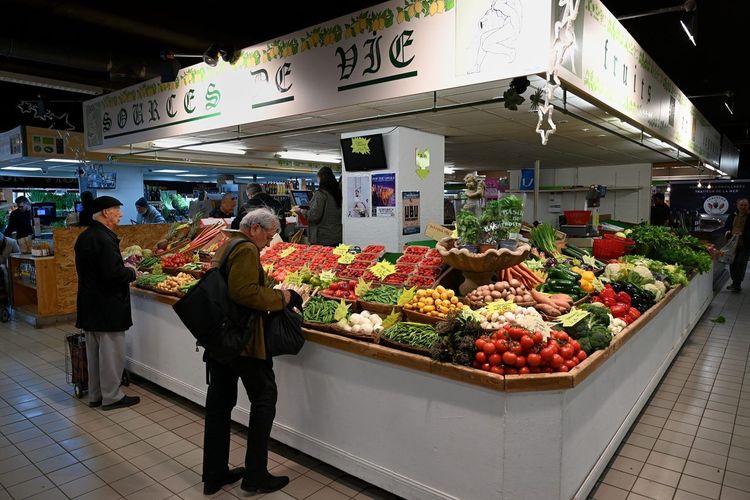
Les Halles d'Avignon, on place Pie, bring together around forty food vendors behind a living plant wall designed by Patrick Blanc, which has itself become a symbol of the city. It is the best spot for a quick lunch between visits, eaten on the go or seated at one of the market's oyster bars. Mind the hours: Les Halles closes in the early afternoon and does not open on Mondays.
Leave with a few typical Provençal specialties: tapenade, papaline d'Avignon (a pink chocolate sweet filled with oregano liqueur from the Comtat), candied fruits from Apt, or goat's cheese from Ventoux. Several stalls also offer tastings before you buy.
On Saturday mornings, chefs run a free cooking demonstration open to the public in the Halles kitchen space, and several addresses in the center offer genuine one-to-two-hour cooking classes, by reservation, to learn how to work with local produce — heirloom tomatoes, lamb, herbes de Provence — bought fresh from the market that same morning.
For a proper Provençal meal without breaking the bank, aim for the small restaurants in the streets perpendicular to place Pie rather than the frontline venues. The Ryo guide to Avignon's culinary specialties lists the addresses that work directly with market producers.
Day 2 Evening: the île de la Barthelasse at Sunset
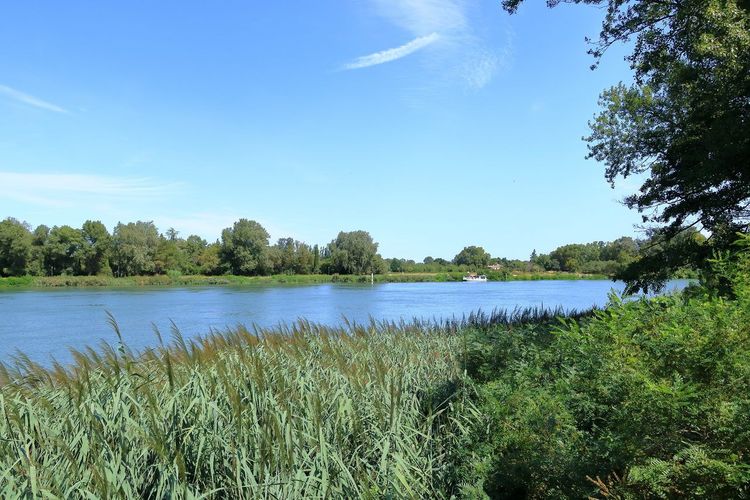
To close the two days gently, cross the pont Édouard-Daladier to reach the île de la Barthelasse (Île de la Barthelasse, 84000 Avignon, rated 4.5/5 on Google with 123 reviews), the largest river island in Europe at some 700 hectares squeezed between two arms of the Rhône, fifteen minutes on foot from the historic center.
The island is a radical contrast to the density of the city center: orchards, market gardens, towpaths, and a head-on view of the ramparts and the Palais des Papes dominating the opposite bank. This is where you best understand the scale of the fortified city — from the outside rather than from within the walls.
Two ways to get there: on foot via the pont Daladier, or by the free river shuttle that leaves from the foot of the ramparts, opposite the pont Saint-Bénézet, and crosses the Rhône in a few minutes. Bike rental is available from the city center for a full loop of the island in an hour, or a simple stroll to the nearest open-air riverside bar for a drink facing the sunset over the river.
Aim to arrive before 7pm in summer: the golden light on the Rhône and the ramparts at that hour is one of the most photographed moments in the city, and the riverside bars fill up quickly on weekends.
A Brief History: When Avignon Was the City of the Popes
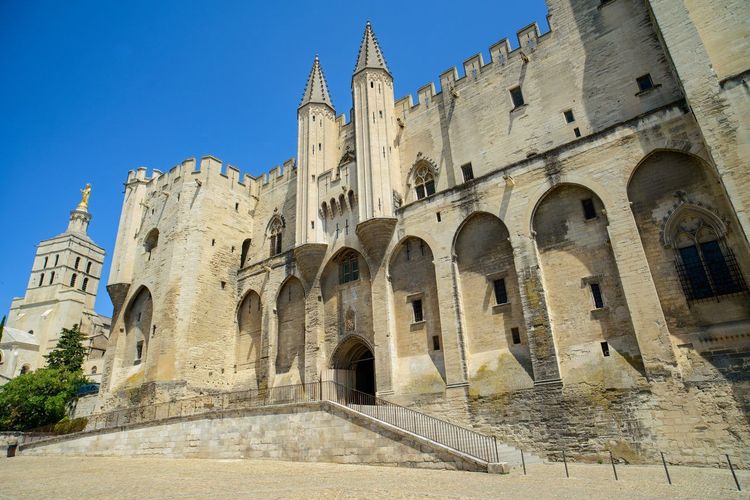
Avignon was not always the capital of Christendom. The city's golden age began in 1309, when Pope Clement V, fleeing the political turmoil of Rome, established the papacy on the banks of the Rhône. Seven popes succeeded one another here until 1377, making Avignon one of the wealthiest and most cosmopolitan cities in Europe for nearly 70 years.
This status earned it UNESCO World Heritage status in 1995, covering the entire historic center: Palais des Papes, episcopal complex, pont Saint-Bénézet, and ramparts. Even before the papacy, the question often comes up: was Avignon a Roman city? The answer is yes — under the name Avenio, a Gaulish oppidum of the Cavares that became a prosperous Roman city thanks to its position on the Rhône, long before the popes arrived.
The departure of the papacy to Rome in 1377 did not empty the city: Avignon remained a papal possession until it was incorporated into France in 1791, which explains the exceptional density of its religious heritage within such a limited territory. This detail changes the way you read the historic center: the cardinals' townhouses, the livrées, and the convents lining the streets in the southern part of the city are the direct vestiges of this prolonged papal administration.
The Avignon Festival and Summer Events
If your visit falls in July, the Avignon Festival completely transforms the face of the city: around forty shows on the official festival program, in historic venues such as the cour d'honneur of the Palais des Papes, and more than a thousand productions at the Festival Off, driven by independent companies in a hundred improvised venues including chapels, garages, and café-theaters.
Crowds explode during the three weeks of the festival in July: hotels are fully booked from spring, accommodation rates double or triple, and queues at the Palais des Papes are far longer than usual. If your goal is a peaceful visit rather than the cultural program, it is better to avoid this period or to book accommodation and tickets several months in advance.
Outside the festival, the city hosts the Luminescences d'Avignon, a sound and light show projected each evening in the cour d'honneur of the Palais des Papes during the summer season, as well as a Christmas market and an ice rink on place de l'Horloge in December. The Ryo guide to the Avignon Festival details the calendar and ticket categories for both the Off and the In.
Tasting the Côtes du Rhône Wines Around Avignon
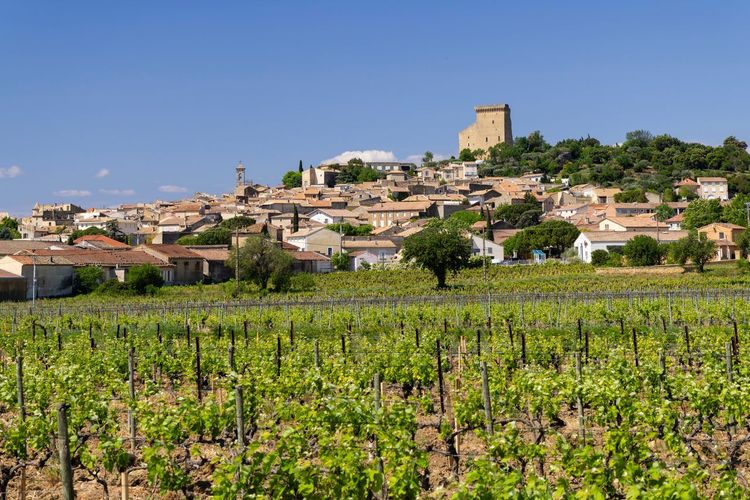
Avignon sits at the heart of the southern Côtes du Rhône vineyard, making it easy to fit in a tasting without leaving the two-day framework — on the late afternoon or evening of the second day.
Several wine cellars in the city center, particularly around rue Saint-Agricol and place Crillon, offer à la carte tastings without reservations, with knowledgeable staff able to guide you by budget and taste, from full-bodied reds to Tavel rosé.
For a more complete experience, Châteauneuf-du-Pape (Château de Châteauneuf-du-Pape, 84230 Châteauneuf-du-Pape, rated 4.5/5 on Google with 1,212 reviews), about twenty minutes by car, remains the benchmark: this is where the Avignon popes had their summer residence and their vineyards in the 14th century, on a soil of rounded pebbles that absorbs the day's heat and releases it at night. Dozens of estates open their cellars for tasting, some welcoming drop-in visitors.
If you have no car, several local agencies offer half-day tasting tours with transport included departing from the city center — an option worth booking the day before in high season. The vineyards of Tavel, Lirac, or the Côtes du Rhône villages around Séguret lend themselves to the same formats, often less crowded than Châteauneuf. Ryo's Avignon audio-guided tour covers the city center itself, a handy way to fill the hours around a wine excursion.
What to Do Around Avignon: Villeneuve-lès-Avignon, Pont du Gard, Arles, and Orange
If you extend beyond two days, or want to dedicate a half-day to an excursion, four destinations lie within 45 minutes of the city center.
Villeneuve-lès-Avignon, just across the Rhône on the opposite bank, is reachable on foot or by bike. Fort Saint-André, built in the 14th century to watch over the papal territory from the kingdom of France, offers one of the best panoramas over Avignon and its ramparts — even better than from the Rocher des Doms. The chartreuse du Val de Bénédiction, the largest charterhouse in France, completes the visit on the Gard side.
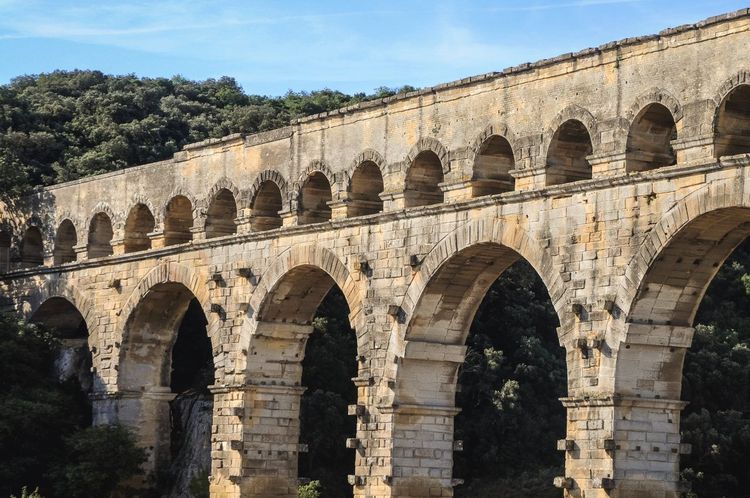
The Pont du Gard (400 Route du Pont du Gard, 30210 Vers-Pont-du-Gard, rated 4.7/5 on Google with 40K reviews), about thirty minutes by car, remains the best-preserved Roman aqueduct in the world: nearly 49 meters high, three tiers of arches, built in the 1st century to carry water over about fifty kilometers to Nîmes. Allow a half-day, with swimming possible in the Gardon in summer.
Arles, 40 minutes away, captivates with its still-active Roman arena, its ancient theater, and the locations that inspired Van Gogh during his Provençal year. A full day is needed to do it justice.
Orange, 30 minutes to the north, is home to an ancient theater whose stage wall is the best preserved in the Roman world, still used for open-air concerts and operas in summer, along with a UNESCO-listed triumphal arch.
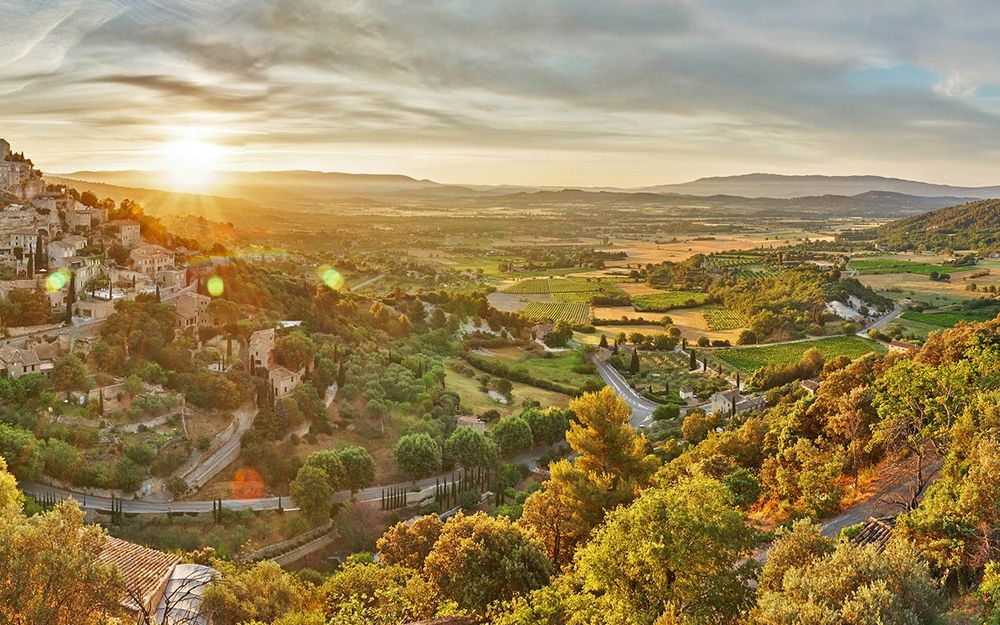
Further east, the Luberon completes the picture with its hilltop villages — Gordes, Roussillon, and Ménerbes — ranked among the most beautiful villages in France. The Ryo guide to the most beautiful villages around Avignon and the Ryo guide to the secret villages of the Luberon help you choose based on available time, from a half-day to a full stay.
Avignon with Children or on a Rainy Day
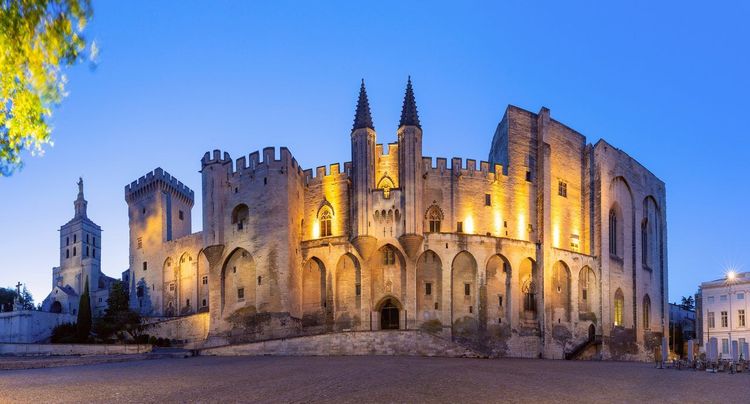
The city lends itself well to a family visit: the Palais des Papes offers a child-friendly route with adapted materials, and place de l'Horloge has a 1900s carousel that consistently delights young children after a morning of walking.
The île de la Barthelasse, with its open spaces and bike rental options, remains the best place to let children burn off energy between two more static monuments. The tourist little train, departing from place du Palais, plays the same role when legs give out.
On a rainy day — and the Provençal sky can be fickle — the five museums in the center become the natural refuge: Petit Palais, Calvet, and Angladon are all indoors and within a ten-minute walk of each other.
The covered Halles also offer a comfortable option for spending an hour or two out of the rain, between tastings and food stalls, before resuming the visit once the shower — often brief in this climate — passes.
How to Get to Avignon and Get Around (Train, Car, on Foot, Little Train)
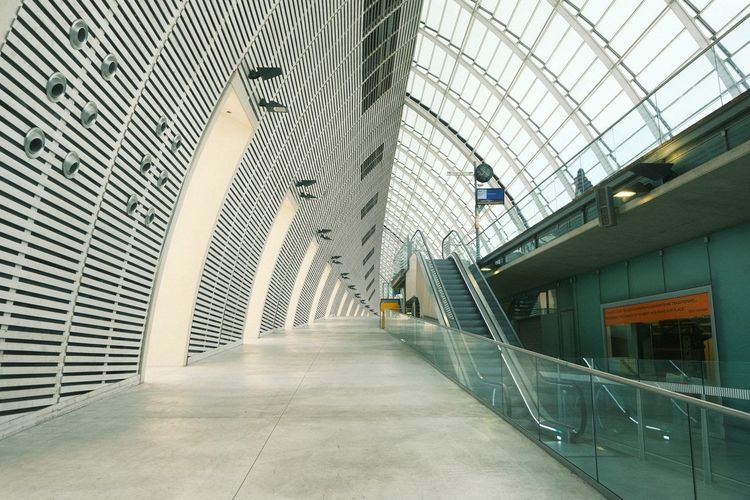
The best way to arrive depends mainly on your starting point. By train, Avignon TGV station (22 Avenue de la Résistance et de la Déportation, 84000 Avignon, rated 3.9/5 on Google with 1,061 reviews) is around 2h40 from Paris and serves Marseille directly (around thirty minutes), Lyon (just over an hour), and Nîmes (around twenty minutes).
This TGV station is located south of the city, outside the ramparts. A rail shuttle nicknamed "la Virgule" connects it to Avignon Centre station in 5 minutes, with several departures per hour; the ticket is often included in the TGV journey. Avignon Centre station is ideally placed just steps from the ramparts and serves regional routes from Arles, Orange, and Nîmes.
Coming by car is possible but impractical in the historic center, which is largely pedestrianized or subject to restricted access. Several free park-and-ride lots on the outskirts — île Piot and parking des Italiens among others — are served by a free shuttle to the center: a far simpler solution than hunting for a parking space in the streets within the walls.
Going car-free is in reality the best option. The entire historic center can be covered on foot in half a day, a network of urban buses and two tram lines serve the outlying neighborhoods, and the tourist little train departing from place du Palais offers a commented forty-minute tour to get your bearings quickly on arrival, before exploring the rest of the stay on foot. Self-service bike rentals complete the picture for reaching the Barthelasse or Villeneuve.
Map and Walking Itinerary to Plan Your Visit
Visiting Avignon on foot with a map in hand greatly simplifies organizing the two days: all the major monuments, from the Palais des Papes to rue des Teinturiers, fit within a circle of about 1.5 km in diameter inside the ramparts.
A free tourist map is available at the tourist office, 41 cours Jean-Jaurès, a few minutes' walk from the central station, with the main monuments numbered and a suggested itinerary. PDF versions are also available for download on the tourist office website.
To visualize this guide's itinerary in concrete terms: day 1 traces a northern loop (palace, cathedral, rock, bridge) while day 2 covers the center and south (old town, museums, Halles, then Barthelasse), which avoids unnecessary back-and-forth between the two days. A useful landmark in the field: as soon as you spot the gilded statue of the Virgin above the rooftops, you are oriented north toward the palace quarter.
Where to Stay in Avignon for Every Budget
The choice of neighborhood depends mainly on how close you want to be to the monuments. Within the walls, in the streets around place de l'Horloge or rue des Teinturiers, hotels and bed-and-breakfasts cost on average 20 to 30% more than a few hundred meters outside the ramparts.
For a budget stay, count €60 to €90 per night for a decent two- or three-star hotel off-season. In the mid-range, €100 to €150 opens up charming addresses in former historic mansions in the city center. Above €200, several upscale establishments occupy restored former convents or palaces with pools and spas.
For vacation rentals, the usual platforms cover the city well, with a clear advantage for apartments within the walls — within walking distance of all the sites on the program — which means no car or bus journeys during your stay. Always check the parking situation: few properties in the center come with a dedicated space.
Book at least two months ahead if your visit falls during the Avignon Festival in July: this is when availability dries up fastest, including in the surrounding area and as far as Villeneuve-lès-Avignon.
Where to Eat in Avignon: Best Addresses
Where to eat without going wrong: the area around rue des Teinturiers and place des Corps-Saints concentrates the best small-scale addresses, far from the tourist traps on place de l'Horloge.
On a tight budget, Les Halles on place Pie make it easy to put together a quick lunch for under €10, between deli counters and Provençal tapas bars open at midday.
In the mid-range, count €25 to €35 for a full set menu at a restaurant specializing in Provençal cuisine, often set in a shaded inner courtyard typical of the historic center.
For a gastronomic experience, several starred or near-starred restaurants offer tasting menus at around €70 to €120, generally requiring a reservation a few days ahead on weekends. The local insider tip is to take advantage of lunch menus, often half the price of the evening menu for the same quality of cooking.
When to Visit Avignon: the Best Time of Year
The best season depends on what you are looking for. Spring (April–June) and early autumn (September–October) offer the best compromise: pleasant temperatures around 20–25°C, moderate crowds, and the surrounding vineyards at their most photogenic in September during the harvest.
Among the months to be aware of, July and August combine intense heat, often above 35°C, with heavy crowds, amplified by the Festival in July. The mistral, which can blow for several days at a stretch — particularly in spring — clears the sky but makes the banks of the Rhône far less pleasant. Winter remains an underrated option: shorter queues, lower hotel rates, and the Palais des Papes just as impressive without the crowds, despite earlier closing times.
Budget and City Pass for 2 Days in Avignon
For two days on the ground, budget an average of €120 to €180 per person excluding accommodation: tickets for the Palais des Papes and the bridge (around €20 with the combined ticket), one or two paid museums, meals, and a wine tasting.
The City Pass, sold by the tourist office in 24- or 48-hour versions, bundles access to the main monuments and museums — including the Palais des Papes and the pont Saint-Bénézet — with a net cumulative discount compared to individual tickets, plus preferential rates on guided tours, the little train, and bike rental. It pays off from three paid sites visited, which matches exactly the program of these two days.
The association Avignon Vélo Passion offers bike rentals and guided rides — a practical option for reaching the île de la Barthelasse or Villeneuve-lès-Avignon without depending on buses.
FAQ
How Much Time Should You Plan for a Visit to Avignon?
Two days are enough to cover the essentials of the historic center: Palais des Papes, cathedral, pont Saint-Bénézet, the old town, and two or three museums. Three days allow you to add an excursion to the Pont du Gard, Villeneuve-lès-Avignon, or the villages of the Luberon at a relaxed pace. A single day is still doable if your stay is limited to the strict historic core — palace, bridge, and place de l'Horloge — knowing that this format means sacrificing the museums and the île de la Barthelasse.
Can You Visit Avignon Without a Car?
Yes, and it is even recommended: the historic center is pedestrian-friendly, compact, and can be covered entirely on foot in two days. The TGV station is connected to the central station by a rail shuttle in 5 minutes, and excursions to Villeneuve-lès-Avignon or the Pont du Gard can be done by bike, regional bus, or with local agencies that include transportation.
How Do You Get from Avignon TGV Station to the City Center?
The rail shuttle "la Virgule" connects Avignon TGV station to Avignon Centre station in 5 minutes, with several departures per hour; from the central station, the ramparts and place de l'Horloge are just a few minutes on foot. A bus line serves the same route, and a taxi takes about ten minutes to reach the center.
Is Avignon Accessible to People with Reduced Mobility?
The historic center, largely pedestrianized and generally flat between the bridge and place de l'Horloge, lends itself well to wheelchair use. The Palais des Papes offers an adapted route covering a good portion of the circuit, with some uneven cobblestone sections, particularly around rue des Teinturiers. The Rocher des Doms, however, involves a climb that is best anticipated: a gentle slope access exists on the north side, more manageable than the steps on place du Palais.
Should You Book the Palais des Papes in Advance?
It is not mandatory off-season, but strongly advised from June to September and during the Avignon Festival in July, when on-site ticket sales sell out by mid-morning. Online booking, available several weeks in advance, guarantees a time slot and avoids waiting at the ticket office.
Can You Visit Avignon in Just 1 Day?
It is possible by focusing on the historic core: Palais des Papes, place de l'Horloge, cathedral, and pont Saint-Bénézet — a full day without the museums or the île de la Barthelasse. The Ryo one-day guide to Avignon details a tighter itinerary suited to this format.
Was Avignon a Roman City?
Yes. Before becoming the city of the popes in the 14th century, the city already existed under the name of Avenio, a Gaulish oppidum of the Cavares Romanized in the 1st century BCE, prosperous thanks to its strategic position on the Rhône, well before the papacy arrived in 1309.
Two days in Avignon give you ample time to understand why the city once rivaled Rome: the density of heritage within such a small perimeter remains rare in France, between a papal fortress, a bridge suspended above the Rhône, and museums housed in former private mansions.
If you prefer to explore at your own pace rather than follow a fixed itinerary, the Ryo audio-guided tour of Avignon — 27 audio tracks for 2h10 of commentary — covers the essentials of the historic center and leaves you free to stop wherever you like. Whether you stay two days or extend your trip toward the Luberon and the Pont du Gard, the city of the popes reveals itself without ever exhausting its hidden corners.
À lire également