© Shutterstock
 Votre guide Ryo
Visiting Camargue: 12 Must-See Things to Do and See
Wild territory between Provence and Languedoc, Camargue reveals its wonders between salt marshes, rice fields and preserved beaches. From the arenas of Arles to the pink flamingos of Pont de Gau ornithological park, passing through the ramparts of Aigues-Mortes and white horses galloping freely, every corner of this authentic land reveals a unique experience. Here are 12 must-sees to visit Camargue and not miss anything of this exceptional region in southern France.
1. The Arles Arena
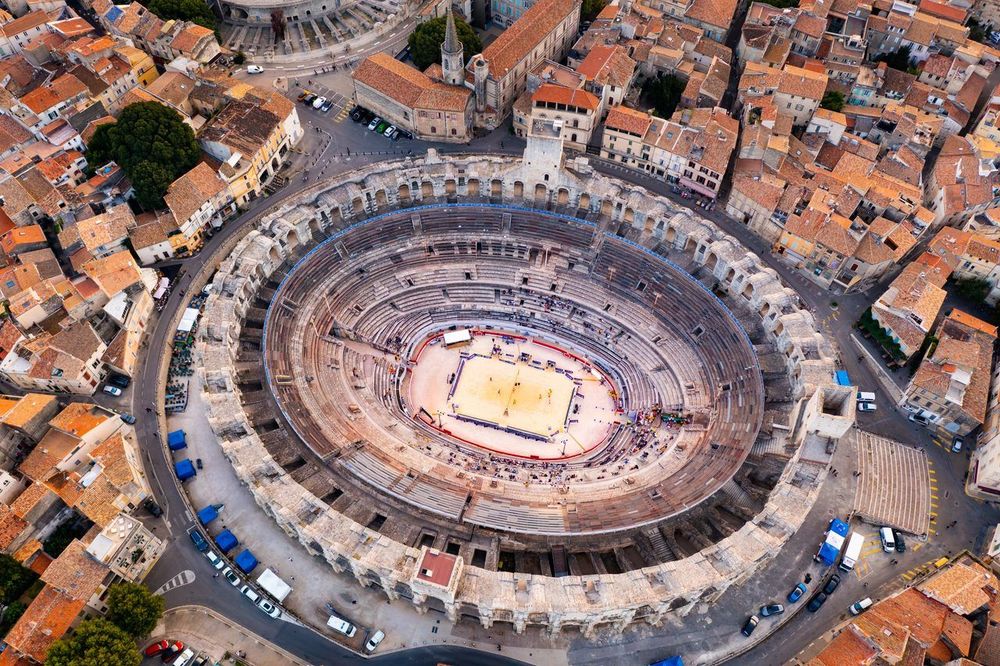
Emblematic monuments to start your discovery of Camargue, the Arles Arena are among the best preserved Roman amphitheaters in the world. Built at the end of the 1st century AD, they could accommodate up to 20,000 spectators. Even today, these arenas host bullfights and Camargue races, perpetuating a thousand-year-old tradition. The building is easily visited from downtown Arles, ideal starting point to visit Camargue.
Download the audio-guided tour to discover Arles on foot and independently
Explore the treasures of Arles with our Ryo guided itinerary of 3.7 km that will take you in 1h30 through 18 remarkable sites. From Place de la République to the Baths of Constantine, passing through Van Gogh space and the Roquette district, let yourself be guided through this city with 2000 years of history.
2. The medieval city of Aigues-Mortes
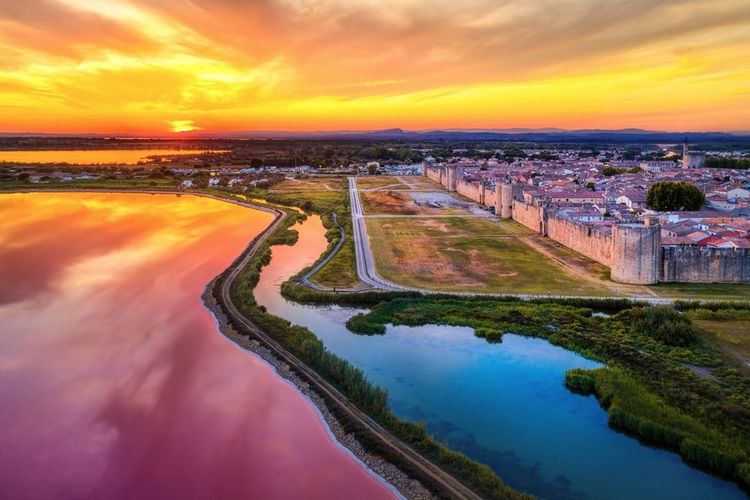
Founded in the 13th century by Saint Louis, Aigues-Mortes fascinates with its perfectly preserved fortified enclosure. This medieval city, built in the salt marshes, offers from its ramparts an exceptional panorama over the pink landscapes of Camargue. The walk over more than a kilometer and a half of ramparts reveals the Tower of Constance, former military keep, and the surrounding salt marshes. Don't miss visiting Avignon during your stay in the region, another medieval jewel nearby.
3. The Camargue National Nature Reserve
Wild heart of the Camargue territory, the national reserve extends over more than 13,000 hectares around the Vaccars pond. Created in 1927, it protects one of France's largest marshes, recognized for its exceptional biodiversity. Marked trails allow discreet approach to pink flamingos, particularly numerous in spring and late summer. This reserve constitutes an unmissable sanctuary to visit Camargue and understand its unique ecosystems.
4. Horseback riding in the Camargue marshes
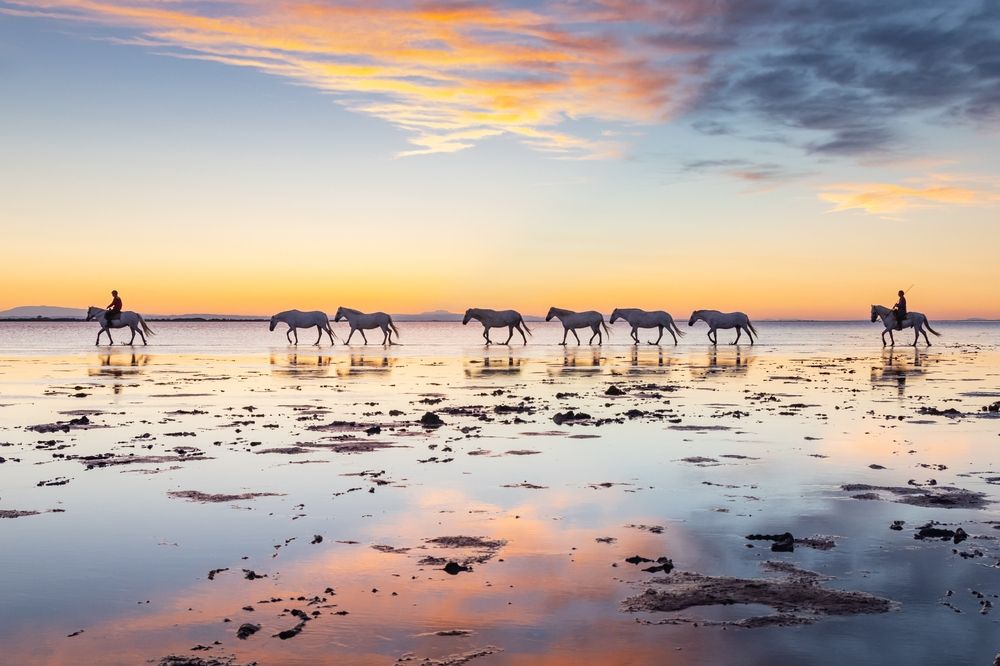
Authentic experience par excellence, horseback riding reveals the wild beauty of Camargue at the peaceful pace of Camargue white horses. These mounts, perfectly adapted to the vast marshy expanses, allow close approach to local wildlife: pink flamingos, black bulls and herons in their natural habitat. Beginners or experienced riders will find their happiness among the numerous manades offering rides from one hour to a full day. The Cavalry School at Domaine de la Palissade (36 Chemin de la plage de Pimanson, 13129 Salin de Giraud, rated 4.6/5 on Google for 289 reviews) offers exceptional rides.
5. Saintes-Maries-de-la-Mer, spiritual capital
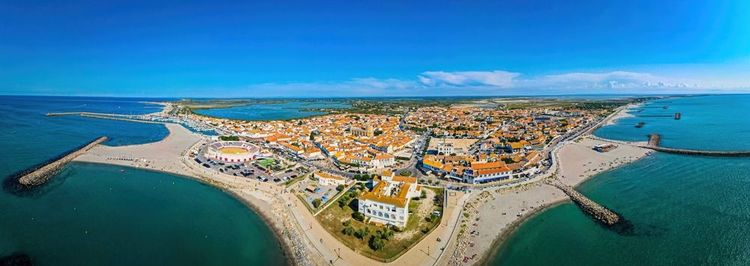
Emblematic village at the heart of Camargue traditions, Saintes-Maries-de-la-Mer attracts pilgrims and visitors with its fortified church and gypsy celebrations. The Notre-Dame-de-la-Mer church houses the statue of Saint Sarah, venerated during pilgrimages on May 24-25 and October 22. The Baroncelli Museum traces local history and Camargue customs. The picturesque port and adjacent beaches perfectly complete this cultural discovery at the heart of Camargue.
6. The Pont de Gau ornithological park
Major site for observing pink flamingos in their natural habitat, the Pont de Gau ornithological park (RD 570 Lieu dit Pont de Gau, 13460 Saintes-Maries-de-la-Mer, rated 4.1/5 on Google for 3,456 reviews) extends over 60 hectares of marshes and reed beds. Developed trails and observation points facilitate the discovery of Camargue wildlife. Open all year, it allows observing according to seasons flamingos, herons, egrets and many other emblematic species. Plan half a day and don't forget your binoculars to fully enjoy the spectacle.
7. The Marais du Vigueirat Nature Reserve
At the gates of Arles, this 1,200-hectare reserve offers a complete overview of Camargue biodiversity. More than 300 bird species find refuge there, observable from marked trails and developed observatories. The Marais du Vigueirat (Chemin de l'Etourneau, 13104 Mas-Thibert, rated 4.3/5 on Google for 1,543 reviews) offers guided tours and educational discoveries to better understand the management of these protected wetlands, essential element of the Camargue ecosystem. Back in Arles itself, our audio-guided loop threads 2,000 years of history through the old town in 19 stops.
8. The salt marshes of Salin-de-Giraud
Spectacular landscapes with pink hues, the salt marshes of Salin-de-Giraud reveal a thousand-year-old extraction process. These basins with changing colors, from immaculate white to intense pink depending on algae concentration, extend over several hectares near the Rhône delta. The best period to admire the pink nuances extends from May to September. Guided tours allow understanding this ancestral know-how while observing the pink flamingos that frequent these salty spaces.
9. The Fangassier pond
Unique breeding site for pink flamingos in France, the Fangassier pond constitutes an exceptional ornithological sanctuary. This protected area, located near Salin-de-Giraud, hosts flamingo nesting between April and July. Regulated access guarantees species tranquility during this crucial period. From marked trails or during accompanied outings, observation is carried out with respect for this fragile ecosystem, living testimony to Camargue's natural wealth.
10. Wild Camargue beaches
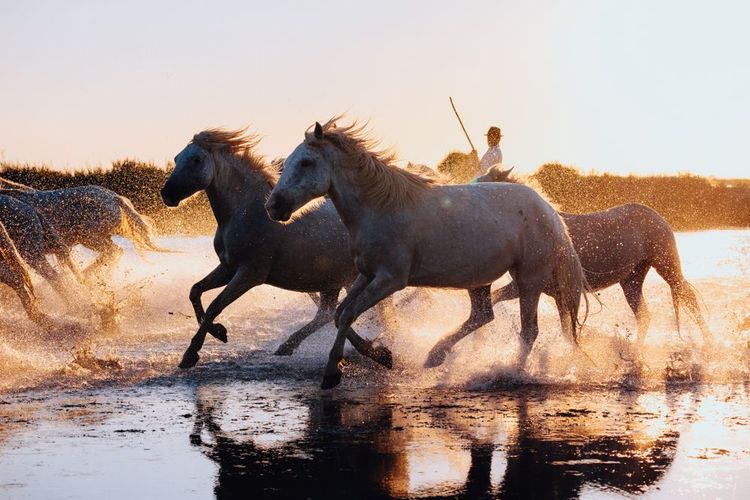
Coastline preserved from mass tourism, Camargue beaches offer wild expanses between blonde sand and intact nature. These protected spaces, subject to regulation to preserve their fragile environment, extend mainly between Le Grau-du-Roi and Salin-de-Giraud.
Piemanson beach
Last wild Mediterranean beach accessible by car, Piemanson near Salin-de-Giraud extends over several kilometers of fine sand. Regulated to preserve its ecosystem, it remains a haven of peace for lovers of authentic nature.
Beauduc beach
Mythical beach of the municipality of Arles, Beauduc seduces with its wild and preserved character. The more rustic access rewards with a feeling of total isolation, ideal for kitesurfing enthusiasts and families seeking tranquility.
L'Espiguette beach
Immense expanse of fine sand bordered by protected dunes, l'Espiguette (30240 Le Grau-du-Roi, rated 4.4/5 on Google for 8,234 reviews) extends over nearly 10 kilometers. This protected natural area offers a unique landscape in France, where dunes several meters high shelter specific fauna and flora.
11. Domaine de la Palissade
Only public access to natural environments not diked in the Rhône delta, Domaine de la Palissade (36 Chemin de la plage de Pimanson, 13129 Salin de Giraud, rated 4.2/5 on Google for 1,876 reviews) reveals an authentic and wild Camargue. Marked trails wind through this preserved territory where pink flamingos, Camargue bulls and white horses roam freely. Guided tours enrich discovery with explanations on hydraulic management of this exceptional wetland.
12. The emblematic lighthouses of Camargue
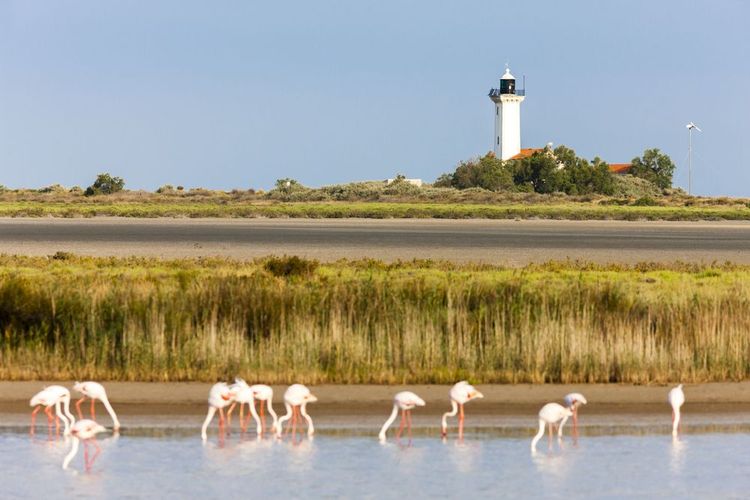
Silent witnesses to Camargue's maritime history, the lighthouses of la Gacholle, Beauduc and Faraman punctuate the wild coastline. The Gacholle lighthouse (Voie Communale du Fangassier, 13129 Arles, rated 4.3/5 on Google for 542 reviews), built in 1882, marks the entrance to the Regional Natural Park. These isolated sites are reached on foot or by bike, offering exceptional panoramas over the Mediterranean coast and surrounding lagoons. Bring appropriate shoes and water, especially in summer, for these refreshing excursions.
The discovery of these 12 must-sees reveals all the richness of Camargue, unique territory where wild nature and secular traditions harmoniously combine. From Roman monuments of Arles to preserved beaches, passing through pink flamingo observation and horseback rides, each experience enriches understanding of this exceptional ecosystem. Let yourself be guided by Ryo's Arles itinerary to optimize your discovery of this gateway to Camargue wonders, and extend your stay by exploring nature reserves and living traditions of this authentic land in southern France.
FAQ about Camargue
What is the best time to visit Camargue?
Spring and autumn offer ideal conditions to visit Camargue. From April to June and September to October, temperatures are pleasant, pink flamingos particularly numerous, and tourist crowds more moderate. Summer is also suitable, but plan sun protection and hydration for outdoor nature activities.
How many days are needed to visit Camargue?
Three to four days allow discovering the main Camargue sites: Arles and its Roman monuments, nature reserves, a horseback ride, Saintes-Maries-de-la-Mer and Aigues-Mortes. A week offers the opportunity to deepen each discovery and explore more confidential sites.
Where to stay to visit Camargue?
Arles constitutes an ideal base to explore, with its historical heritage and proximity to natural sites. Saintes-Maries-de-la-Mer offers total immersion in Camargue atmosphere, while Aigues-Mortes seduces with its medieval setting. Le Grau-du-Roi suits families perfectly with its beaches and nautical activities.
How to observe pink flamingos in Camargue?
Several sites allow observation: Pont de Gau ornithological park for facilitated approach, Fangassier pond to observe them in their breeding site, and Marais du Vigueirat for broader discovery of Camargue birdlife. Binoculars recommended and respect for observation distances essential.
Can you visit Camargue without a car?
Possible but limiting. The train serves Arles from Marseille, Montpellier or Avignon. Buses connect main municipalities, but restricted schedules complicate exploration. Renting electric bikes in Arles or Saintes-Maries-de-la-Mer constitutes an ecological alternative to discover certain natural sites.
À lire également