






Créé par Emilie, le 4 oct. 2026
Votre guide Ryo
Saint-Tropez, France
Between Myth and Reality
Parcours audioguidé pour visiter Saint-Tropez en 1 jour
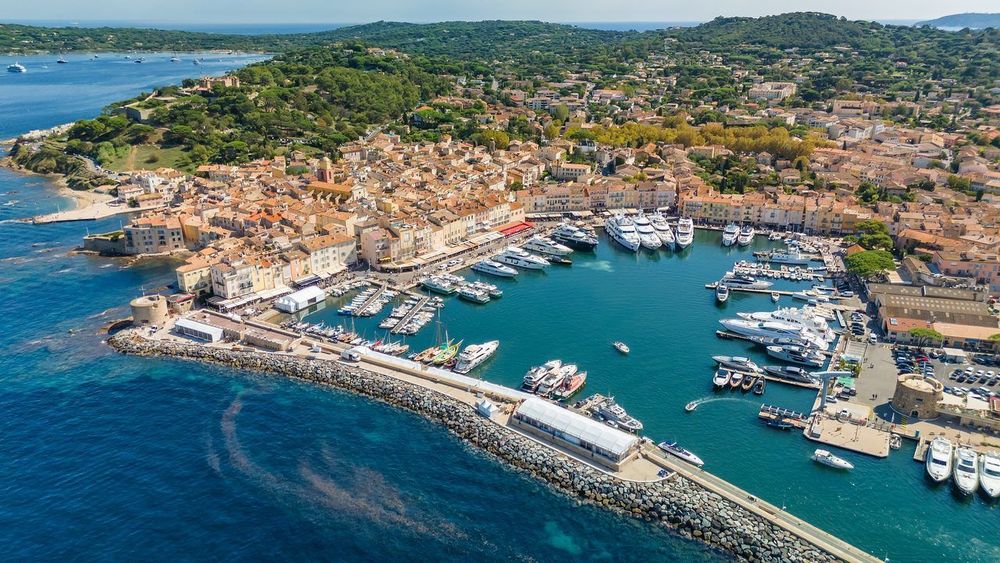
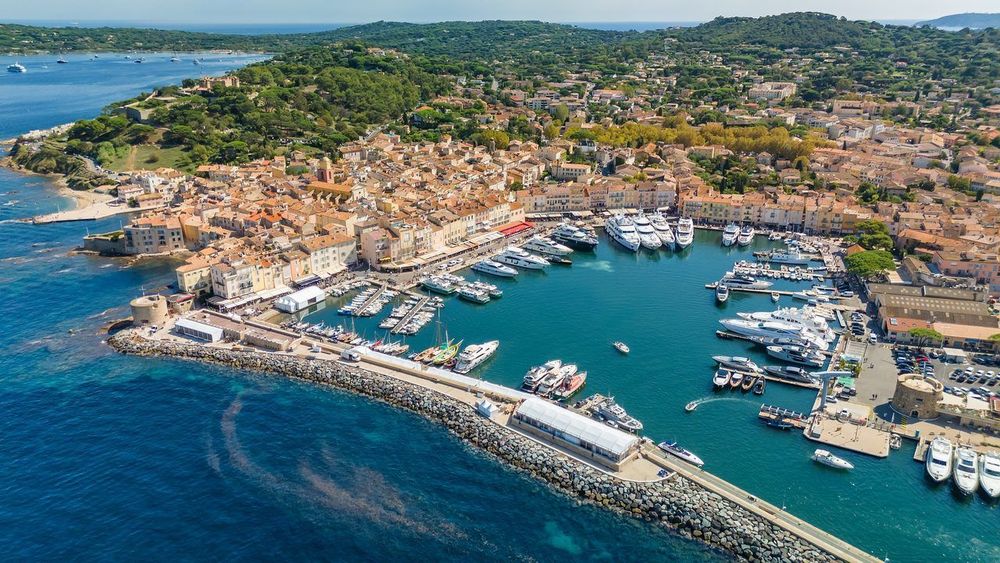
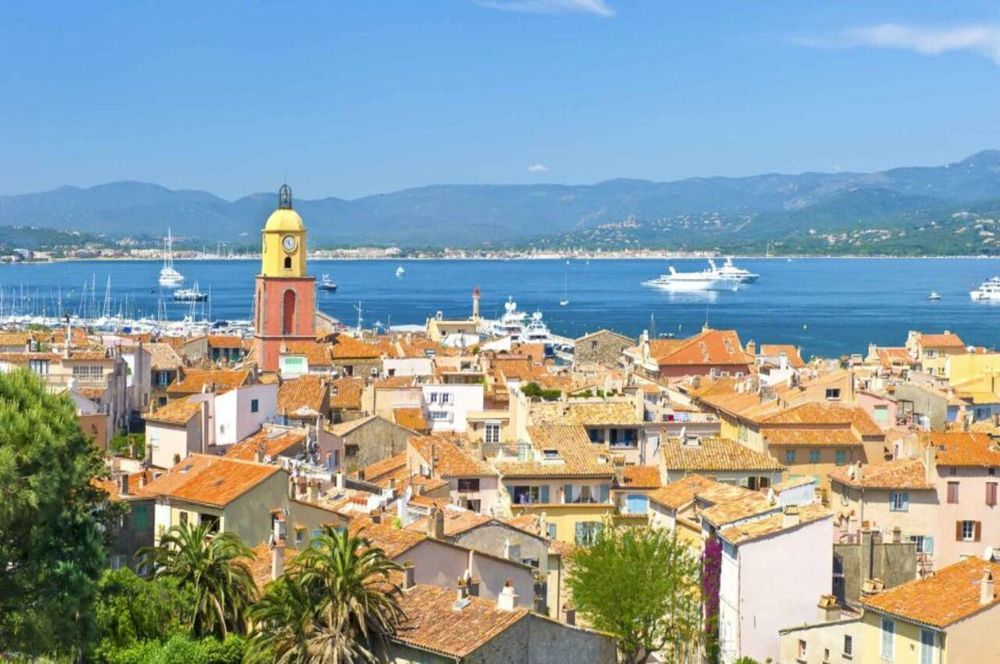
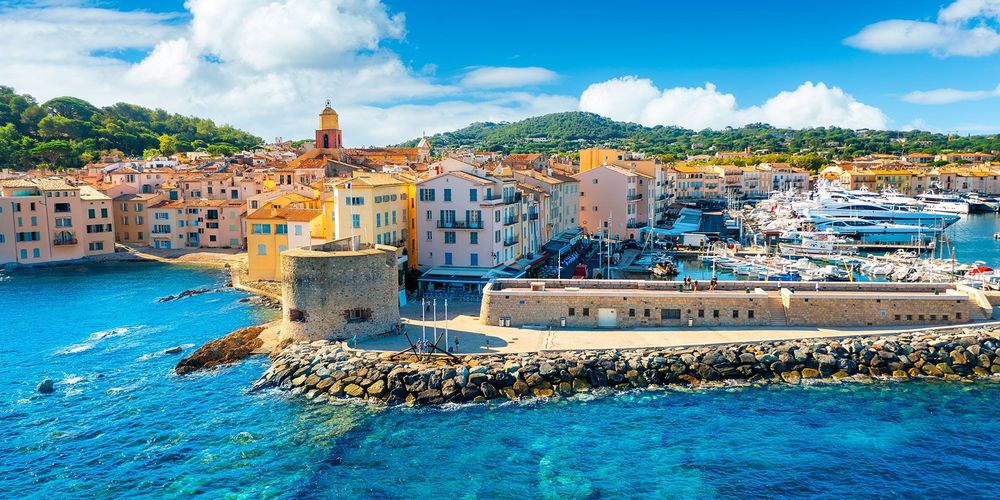
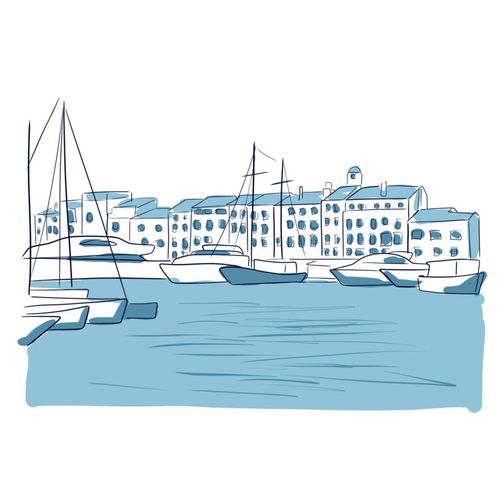
Between turquoise waters and rolling hills, Saint-Tropez blends the charm of a Provençal village with international renown. Behind its glamorous image, the town retains an authentic identity, with its harbor, traditions, and lively streets.
Quand partir à Saint-Tropez ?
Jan.
10°
6
Feb.
11°
5
March
13°
6
April
15°
7
May
19°
5
June
23°
3
July
26°
1
Aug.
26°
3
Sept.
23°
5
Oct.
19°
7
Nov.
14°
8
Dec.
11°
6
The climate in Saint-Tropez is Mediterranean, with mild winters, generally between 8 and 15°C, and hot, sunny summers, most often ranging from 28 to 34°C, with possible peaks during heatwaves; the best times to visit are typically from April to June and then from September to October, when temperatures are very pleasant, the sea is already or still suitable for swimming, and visitor numbers are lower, offering ideal conditions to enjoy the village, the beaches, and the coastline without the crowds of peak season.
Départ conseillé
No need to worry about where to begin! Our tours are designed as a loop, so you can jump in wherever you are. The navigation system and audio-guide will automatically adjust to your location. However, if you happen to be nearby, we do have a preferred starting point : Place des Lices
Parking à proximité
41 avenue Paul Roussel, 83990 Saint‑Tropez
Parking in Saint-Tropez isn’t always easy—especially in high season. Your best bet is the underground car park near Place des Lices. It’s open every day and offers the first 30 minutes free. Rates are about €7 for 2 hours and €44 for 24 hours. There’s also a car park near the port, though prices there are slightly higher.
À savoir
The Saint-Tropez Pass is a tourist card that gives you access to several attractions, museums, and activities around town. It often includes discounts on transport and guided tours, making it a convenient way to explore while saving both time and money.
Découvrez 22 lieux d'intérêt pour visiter Saint-Tropez












Le plein d'inspirations
Explorez le monde en totale liberté, à pied au cœur des villes ou au fil des routes. Nos guides audios transforment chaque destination en une découverte culturelle immersive et unique.






FAQ for visiting Saint-Tropez
When is the best time to visit Saint-Tropez?
The best times to discover Saint-Tropez run from April to June and then from September to October. You'll enjoy ideal temperatures, a sea that is still warm and, above all, more moderate crowds than in high summer. The Mediterranean climate offers mild winters, though some establishments close. Summer remains magical with its festive atmosphere, even if July and August see an influx of tourists. Spring reveals the beauty of the flowering landscapes, while autumn bathes the village in an exceptional golden light. These shoulder seasons will let you savour the authentic Saint-Tropez without the constraints of the high season.
How do you get to Saint-Tropez?
Saint-Tropez remains relatively unspoilt thanks to the absence of a train station and a direct motorway. By car, you'll take winding roads from the A8; allow about one hour from Nice or Toulon. The sea shuttles from Sainte-Maxime offer a spectacular arrival and avoid the summer traffic jams. Nice-Côte d'Azur airport is about two hours' drive away, while Toulon-Hyères is closer. Buses link Saint-Tropez to the neighbouring towns but remain infrequent. The helicopter is a luxury option from Nice or Monaco. In summer, favour early morning or late arrivals to avoid the legendary traffic jams of the peninsula.
Where can you park in the village?
Parking in Saint-Tropez is a real challenge, especially in high season. The Port car park, although central, quickly fills up and charges high rates. The Lices car park, near the market, offers a good alternative. More economical, the Nouveau Port car park requires a walk of about fifteen minutes to the centre. On the outskirts, free car parks exist but fill up fast. The ideal option is to arrive early in the morning or to use the shuttles from the park-and-ride car parks on the outskirts. Off-season, the situation improves markedly, with more spaces available and gentler rates. Always have a plan B for your parking.
How many days do you need to visit Saint-Tropez?
Two to three days make up the ideal length to appreciate Saint-Tropez without rushing. One day is enough to discover the essentials of the historic village, its legendary port and perhaps a beach. With two days, you'll explore the picturesque lanes more calmly, visit the citadel and enjoy the surrounding beaches. Three days give you the luxury of slowing the pace, alternating cultural visits and moments of relaxation, and discovering the nearby hilltop villages such as Gassin or Ramatuelle. The Ryo audioguide accompanies you to optimise your route through the must-see sites. Beyond that, you can truly immerse yourself in the Saint-Tropez way of life and explore the peninsula in depth.
Which are the must-visit beaches of Saint-Tropez?
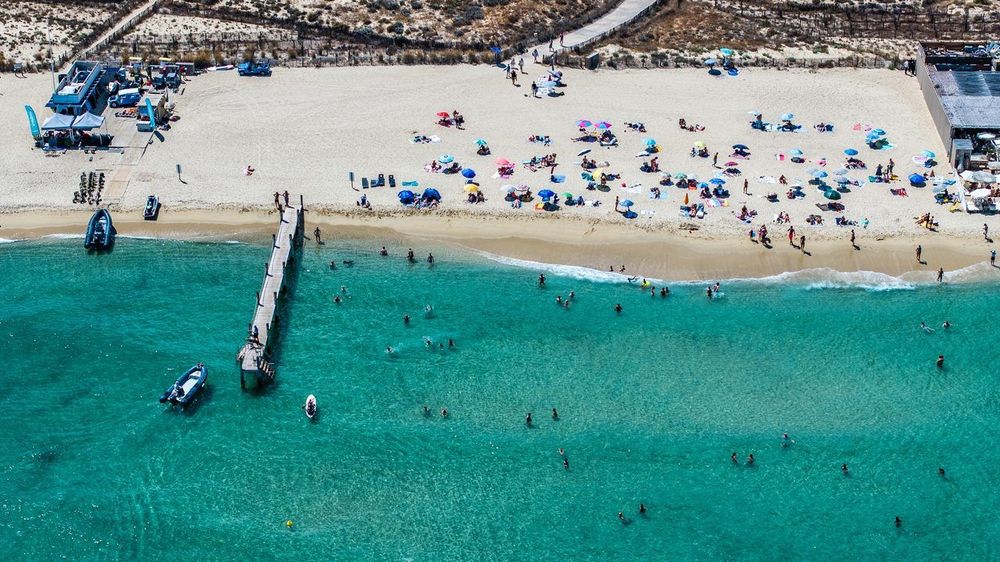
The beaches of Saint-Tropez offer remarkable diversity between glamour and unspoilt nature. Pampelonne remains the most famous, with its legendary clubs and fine sand stretching over several kilometres. More intimate, Les Salins beach charms with its wild setting and crystal-clear waters. Les Canoubiers, near the town centre, allows a quick swim between two visits. La Ponche keeps its authentic charm as a little fishing port. Each beach has its own personality, from the chic establishments of Pampelonne to the secret coves reached by the coastal paths. Off-season, these beaches regain their tranquillity and reveal their natural beauty, ideal for long contemplative walks.
Which iconic sites should you absolutely see?
The legendary port is the beating heart of Saint-Tropez, with its yachts and colourful facades immortalised by painters. The citadel offers an exceptional panoramic view and houses the maritime history museum. The Ponche district preserves the soul of the fishing village of old. The Place des Lices vibrates to the rhythm of the Provençal market and games of pétanque. The Baroque church holds the bust of Saint Tropez, the town's patron saint. The coastal path reveals breathtaking panoramas. The Ryo audioguide guides you through these iconic places while telling you their fascinating stories. The Musée de l'Annonciade displays an exceptional Impressionist collection in a former chapel.
How can you avoid the crowds in high season?
To escape the summer crowds, adopt the Saint-Tropez rhythm by getting up early. The first hours of the day offer a peaceful town and magnificent light. Favour visits in the late afternoon when the day-trippers leave. Explore the lesser-known districts such as La Ponche, or climb up to the citadel to breathe. The secluded beaches reached by the coastal paths remain unspoilt. Book your restaurants for lunch rather than dinner. Weekdays are naturally quieter than weekends. September remains ideal, with splendid weather and a more relaxed atmosphere. The ultimate tip is to stay in the neighbouring villages and reach Saint-Tropez early in the morning or in the evening.
What can you do in Saint-Tropez when everything is closed in winter?
Winter reveals an authentic and peaceful Saint-Tropez, far from the summer bustle. The village recovers its Provençal soul with its residents and their traditions. Walks along the deserted port or the coastal path offer unique contemplative moments. The citadel usually remains open and is worth a visit for its stunning views. Hikes in the hinterland reveal unspoilt landscapes and spectacular panoramas over the bay. A few restaurants keep their doors open for authentic local cuisine. The markets continue to enliven the Place des Lices. It's the ideal time to photograph the village without tourists and to appreciate the Mediterranean art of living in all its simplicity.
Can you walk the coastal path from Saint-Tropez?
Yes, the old customs officers' path follows the coast from La Ponche and the citadel, then rounds the headlands high above the coves. The route passes the Graniers beach and Canoubiers bay before continuing towards Ramatuelle, Pampelonne and the capes that have stayed wild; nothing obliges you to walk it all, you can cover a single section and come back the same way or by road.
The path is waymarked, sandy in places and rocky in others, with a few narrow, slippery passages that call for sturdy shoes. Take water and a hat, as shade is scarce, and avoid the hottest hours in midsummer. Spring and autumn remain the most pleasant seasons, with superb light on the sea and far fewer people.
What legacy did the painters leave in Saint-Tropez?
Before the legend of the sixties, Saint-Tropez was first a fishing village discovered by painters. Signac dropped anchor here at the end of the nineteenth century and drew in Matisse, Bonnard, Marquet and Camoin, won over by the light and the colours of the gulf. A few pages of pointillism and then of fauvism were written in this very place.
The Annonciade museum, set in a former chapel near the harbour, keeps a fine group of those canvases and lets you recognise the landscapes as soon as you step outside. La Ponche with its ochre façades, the lanes of the old village, and the citadel with its views over the rooftops still have the appearance the artists painted. The Ryo audio guide offers a dedicated Saint-Tropez route that takes in these places.
Vos commentaires, idées et suggestions
Aucun avis pour le moment