





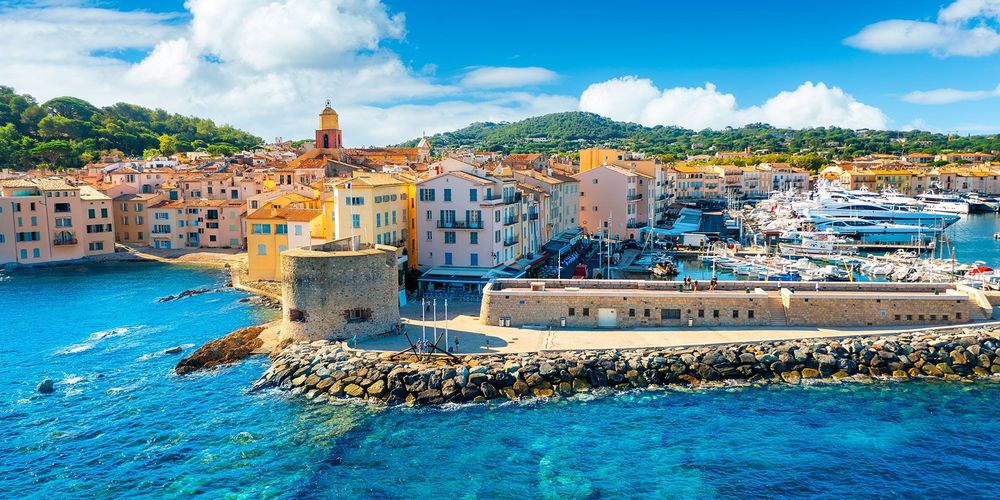
Walk
Between Myth and Reality
Saint-Tropez, France
Walk
Between Myth and Reality
Saint-Tropez, France
3 km
Distance
1h15
Durée
22
Audios
Loop
Parcours
Shutterstock
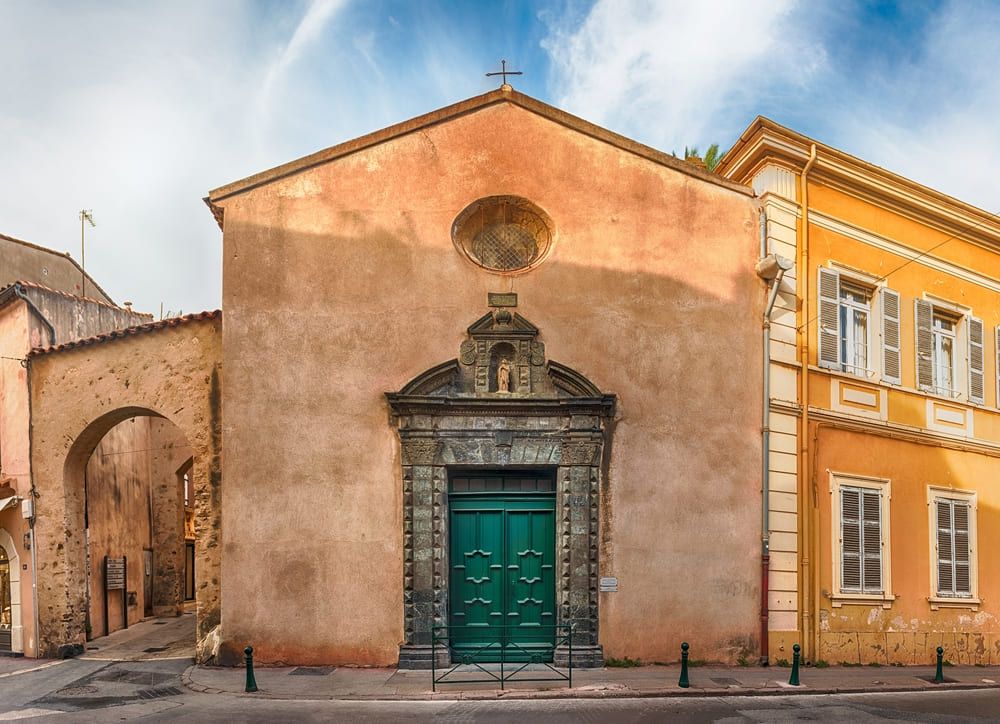
Walking along Rue Gambetta, in the heart of the former district of the great navigator families, you come across a small, discreet chapel full of charm: the chapel of Notre-Dame de la Miséricorde. The Saint-Tropez audio-guided tour stops here to evoke this intimate place, a witness of the maritime and religious past of the village.
The chapel of la Miséricorde lies in the heart of the town, in the former district of the great navigator families who made the prosperity of Saint-Tropez. Discreet from the street, it reveals an interior full of charm and a fine decoration. It testifies to the devotion of the Tropezian sailors and the rich maritime past of the village, long turned towards the sea.
The chapel appeals through its discreet façade, its intimate interior and its atmosphere of contemplation, away from the bustle. Nestled on Rue Gambetta, it invites a peaceful stop during the discovery of old Saint-Tropez. It is a stop for lovers of religious heritage and authentic corners, far from the tumult of the port.
The chapel of la Miséricorde lies on Rue Gambetta, in the town centre of Saint-Tropez, reachable on foot. A place of worship and heritage, it may be open to the public according to variable periods and hours, which change over the year. It is best to enquire before coming; its façade can be freely admired from the street.
On Rue Gambetta, in the town centre of Saint-Tropez, in the former district of the great navigator families.
It may be open to the public according to variable periods and hours over the year; it is best to enquire before coming.
Aucun avis pour le moment
