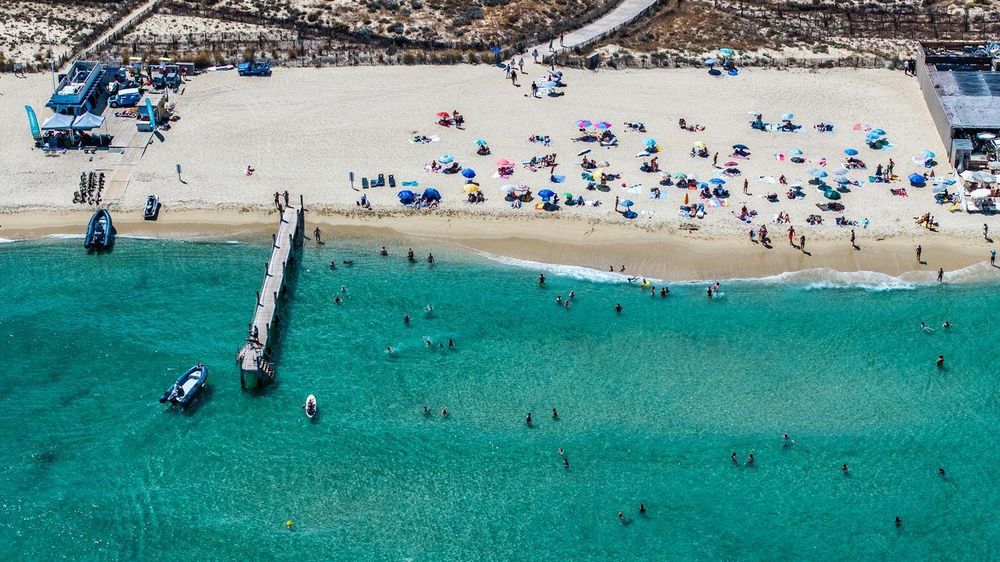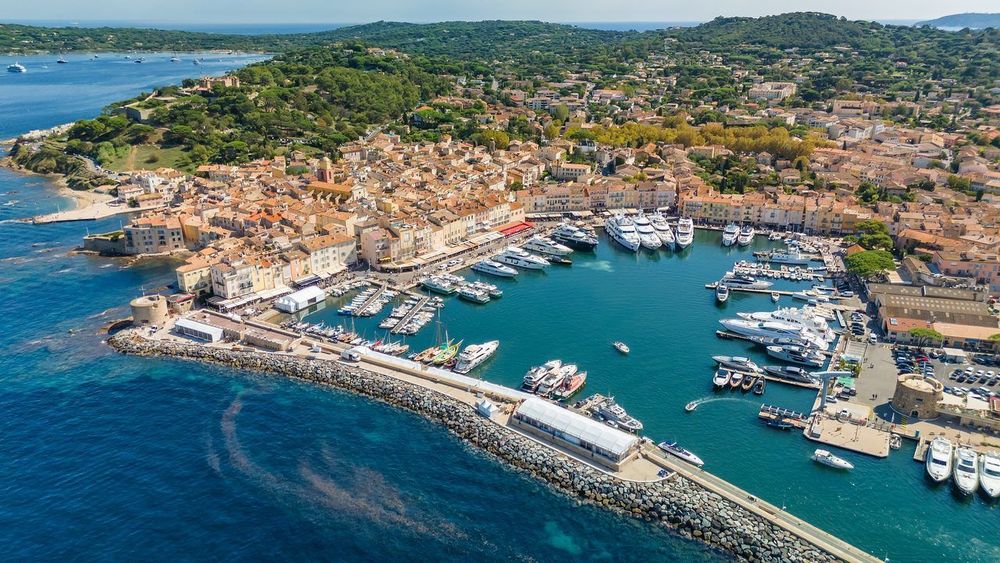
© Shutterstock
 Votre guide Ryo
Visiting Saint-Tropez in 2 Days: The Complete Itinerary for 2026
It's 8:30 a.m. on the port of Saint-Tropez and the yachts have barely stirred when the scents of coffee and warm bread already rise from the market on the place des Lices. Visiting Saint-Tropez in 2 days means navigating the constant contrast between its outward glamour and the old fishing village that survives beneath the veneer, between a 17th-century citadel and beach clubs charging 300 euros a day. To grasp that balance without your nose in a map, the Ryo audio guide of Saint-Tropez takes you through the lanes at the hour when they still belong to the locals.
This guide lays out the two days needed to cover the essentials: the tarte tropézienne, born in a pastry shop on the place des Lices in 1955; the four towers that once locked the village off from the outside world; the Annonciade museum and its Signac canvases; a beach stretching nearly 5 kilometres that welcomes families and the most sought-after clubs on the Côte d'Azur alike; and a coastal path that hugs the sea all the way to Cavalaire. Between wild hiking and legendary venues like the Caves du Roy, it is precisely this balance that makes Saint-Tropez so hard to pin down in a single visit.
Day 1 Morning: The Port, the Market and Old Saint-Tropez
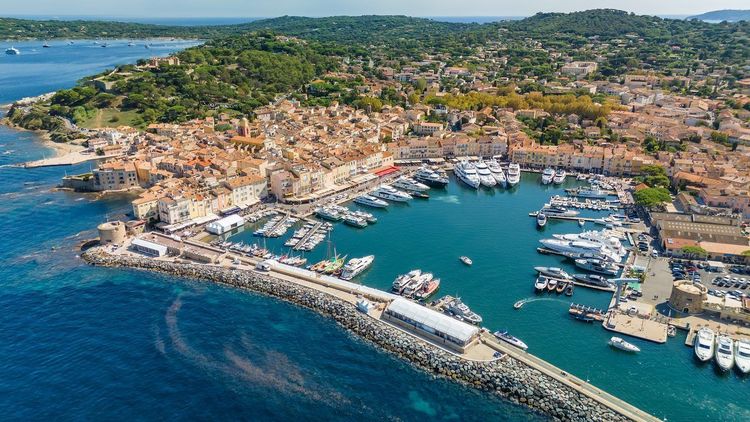
The Port and the Place des Lices at the Village's Awakening
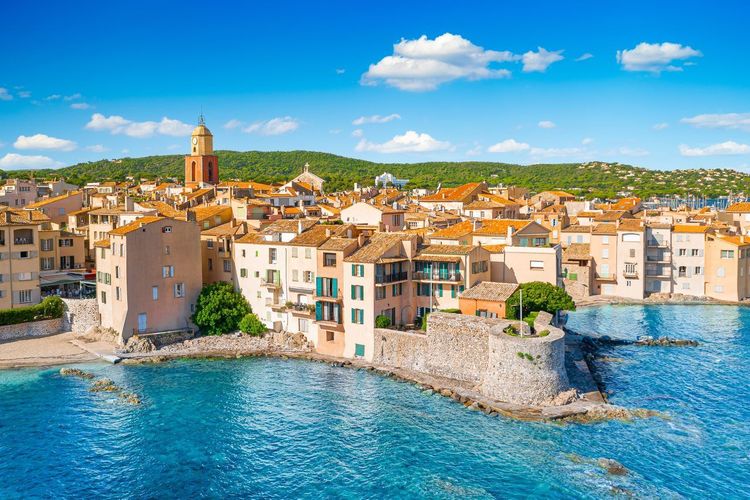
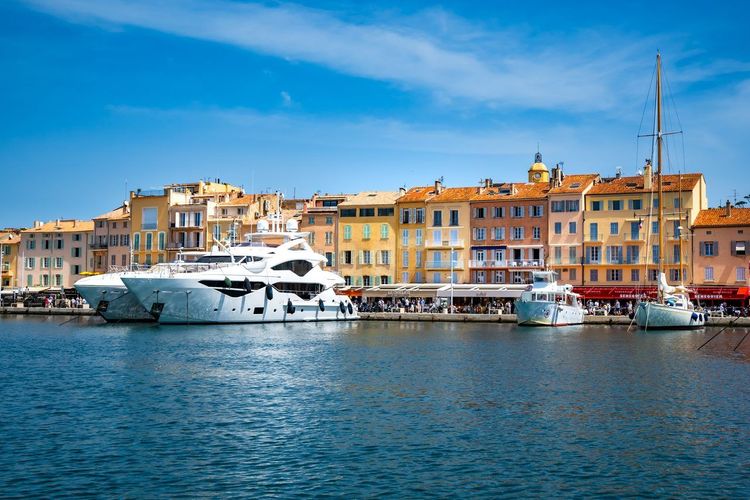
The Port of Saint-Tropez eases the day into motion before the terraces fill up. The yachts moored along the Quai Jean Jaurès draw the eye, but it is above all the early-morning atmosphere that makes it worth the detour: fishermen returning, the first coffees served at Sénéquier, seagulls circling above the masts.
Ten minutes on foot away, the place des Lices comes alive on Tuesday and Saturday mornings with its Provençal market: olives, goat's cheeses, fabrics and bric-a-brac mingle beneath centuries-old plane trees. The pétanque players, often village regulars, take over the space as soon as the market winds down. Sit on a bench and watch the game without rushing: it is one of the most authentic moments of the stay.
The Ryo audio loop "Between Myth and Authenticity" sets off from the port before diving into the lanes of the old village: 21 audio tracks, 1h15 and 3 km to understand how this small fishing port became a global myth without losing its soul. It launches from the Ryo audio guide of Saint-Tropez page.
Église Notre-Dame de l'Assomption and the Historic Towers

Heading back towards the centre, the église Notre-Dame de l'Assomption announces its presence with its ochre-and-yellow bell tower, visible from out at sea. Inside, the reliquary bust of Saint Tropez, carried in procession during the Bravade, is worth a stop, even on a quick visit.
The village also retains four defensive towers inherited from its fortified past: the Tour Jarlier, the Tour Vieille, the Tour du Portalet (Rue du Portalet, 83990 Saint-Tropez, rated 4.6/5 on Google from 479 reviews) and the Tour Suffren, which once controlled access to the port. They cannot be visited from inside, but their ochre stonework makes for a pleasant punctuation on a stroll through the narrow lanes of the Ponche quarter, the former fishermen's district.
Day 1 Afternoon: The Citadel and Its Museums
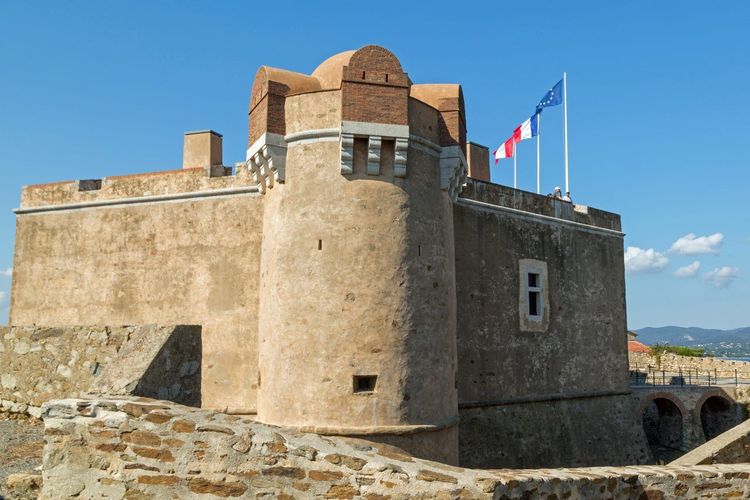
The Citadel, Ramparts and Panoramic View over the Gulf
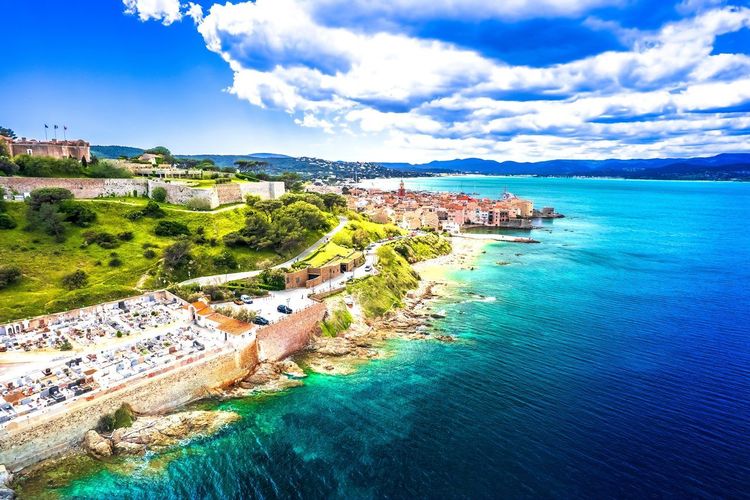
After the market, head up to the heights of the village. The Citadel of Saint-Tropez, a bastion built in the early 17th century to protect the gulf, dominates the peninsula from its wooded hill. The ramparts offer one of the finest panoramas in the area, with views over the village's ochre rooftops, the port and, on a clear day, the Massif des Maures.
Allow 20 to 30 minutes for a relaxed climb from the centre, in the shade of stone pines. The keep houses the maritime history museum, which traces the saga of Saint-Tropez's sailors, from fishermen to great voyagers. Along the way, the Ryo audio guide narrates the history of the fort: a great way to arrive at the top already knowing what you are looking at.
The Annonciade Museum and the Gendarmerie and Cinema Museum
Back at the port, don't miss the Annonciade museum, housed in a 16th-century chapel. It is one of the richest cultural venues on the Côte d'Azur: Paul Signac, who arrived in Saint-Tropez in 1892, drew Matisse, Derain, Bonnard and Van Dongen in his wake, and their Pointillist and Fauvist canvases show the village as they painted it. If you only have time for one museum, make it this one.
Housed in the former gendarmerie that served as the backdrop to the Gendarme of Saint-Tropez film series starring Louis de Funès, the Gendarmerie and Cinema Museum (2 Rue Blanqui, 83990 Saint-Tropez, rated 4.4/5 on Google from 14,776 reviews) retraces the making of the six films through props, costumes and video clips. Many visitors take photos in front of the instantly recognisable façade.
Allow around an hour for your visit; opening hours change with the season, so check before you go. With children, the small Maison des Papillons, tucked in a lane in the centre, rounds out the afternoon nicely.
Day 1 Evening: Tarte Tropézienne, Aperitif and a Legendary Night Out
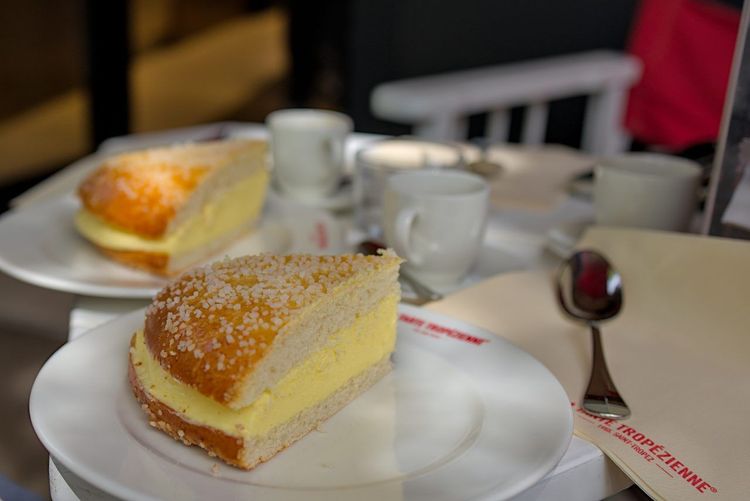
The Real Tarte Tropézienne: Where and How to Enjoy It
You cannot leave without tasting the tarte tropézienne (9 Boulevard Louis Blanc, 83990 Saint-Tropez, rated 4.2/5 on Google from 105 reviews), a cream-filled brioche created in 1955 by Alexandre Micka, a Polish-born pastry chef based on the place des Lices. It was Brigitte Bardot, then filming in the village, who reportedly suggested the name. The recipe remains a closely guarded secret, and the founding house continues to sell it in the village centre.
Get one to go and find a bench by the port to enjoy it looking out over the boats — far more pleasant than a packed terrace. Expect to pay between 4 and 6 euros a slice depending on the size.
Sunset Aperitif and Nightlife (Nikki Beach, Caves du Roy…)
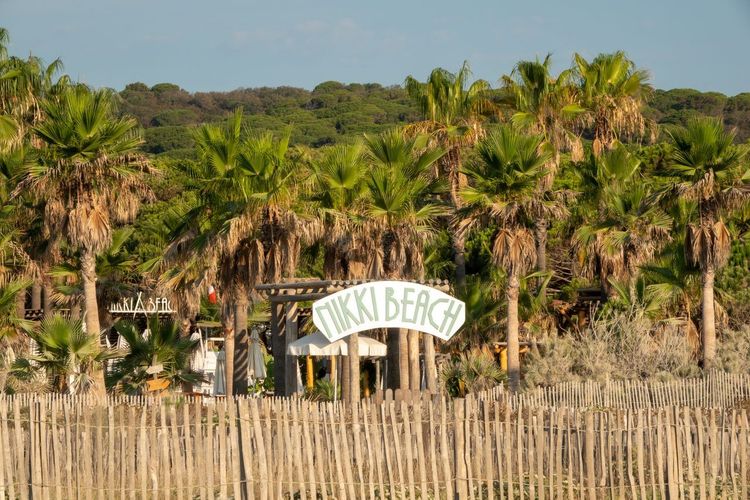
As the afternoon draws to a close, the port terraces fill up for aperitifs as the sun sets over the gulf. It is a ritual that even the regulars never miss, glass of Provence rosé in hand.
After dark, Saint-Tropez fully lives up to its reputation as the most festive resort on the Côte d'Azur. The Caves du Roy, opened in 1967 beneath the Byblos hotel, remains the most famous nightclub in the village; Gaïo and Nikki Beach, on the Pampelonne side, keep the party going. The myth itself dates back to 1956, when Brigitte Bardot introduced the village to the world. Entry is expensive and the door policy strict, but you can just as well soak up the buzz from the port.
If your stay falls between 16 and 18 May, you will witness the Bravade de Saint-Tropez: since 1558, costumed bravadeurs have escorted the bust of Saint Tropez through the streets to the sound of blunderbusses. Few visitors anticipate it, yet it is the moment when the village shows its most authentic face.
Day 2 Morning: Relaxing and Water Activities at Pampelonne
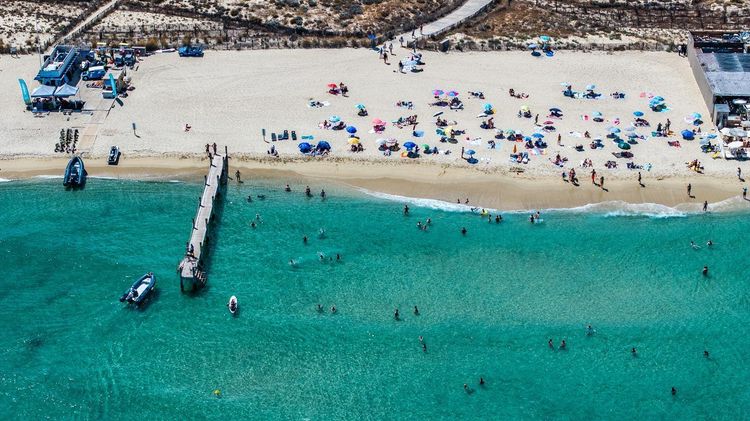
Pampelonne Beach: Toes in the Sand
The second day starts differently: head for Pampelonne beach, nearly 5 kilometres of fine sand stretching along the commune of Ramatuelle. This is where the best-known establishments on the Côte d'Azur are concentrated, from high-end beach restaurants to free public areas.
Arrive before 10 a.m. in high season if you want to avoid the parking chaos: spaces fill up fast from July onwards. To have lunch with your feet in the sand without booking a 200-euro table, several public areas let you lay your own towel down and enjoy the turquoise sea at no cost.
The Club 55, opened in 1955 by the de Colmont family to feed the crew of And God Created Woman, remains the most legendary address on Pampelonne. A sun lounger there does not come cheap, but the atmosphere and the history make it worth the detour, if only for a drink at the bar.
Water Activities and Other Beaches Near the Village
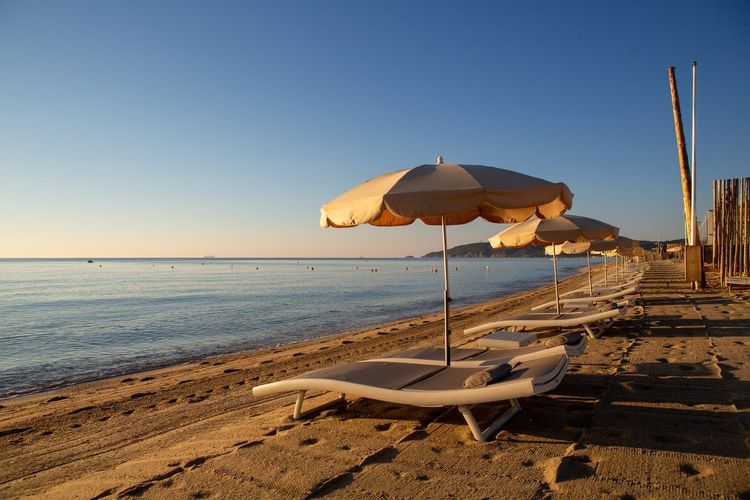
Pampelonne also lends itself to water sports: paddleboarding, jet-skiing, catamaran and inflatable towing are easily rented from the beach clubs. Budget around 25 to 40 euros an hour for a paddleboard or kayak, more for a jet ski. Sun lounger prices vary widely depending on the venue, from around 25 euros at the simpler clubs to over 100 euros at the most popular spots. Booking the day before is essential in July–August.
If the crowds at Pampelonne don't appeal, head for the plage des Salins (Route des Salins, 83990 Saint-Tropez, rated 4/5 on Google from 1,183 reviews), wilder and far less busy, a ten-minute drive from the centre. You can also push on to Tahiti beach at the northern end of Pampelonne, or choose a more secluded cove near Gigaro for a quiet stretch of sun without music or rows of loungers. Our guide to Saint-Tropez's beaches compares them one by one.
Bring plenty of sunscreen and water: most of these beaches have very little shade in the middle of the day.
Day 2 Afternoon: The Coastal Path and the Village of Ramatuelle
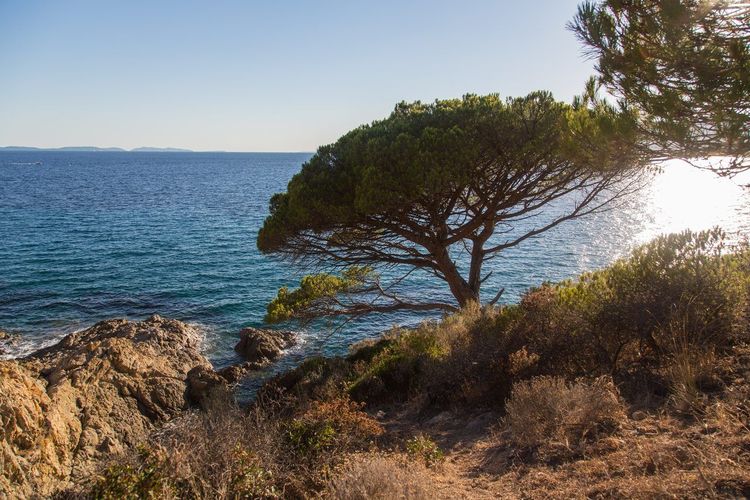
The Coastal Path and the Customs Officers' Trail
The afternoon is perfect for a walk along the customs officers' trail, also known as the coastal path, which follows the coastline from Saint-Tropez all the way to Cavalaire. There is no need to walk the entire route: an hour's walk from Pampelonne is enough to discover wild coves, stone pines and open sea views.
The path alternates between rocky stretches and sandy sections, so pack proper shoes rather than flip-flops. Avoid the hottest hours in summer, as shade is sparse on certain sections. To choose your stretch, consult our selection of hikes around Saint-Tropez.
A Stroll through the Charming Village of Ramatuelle
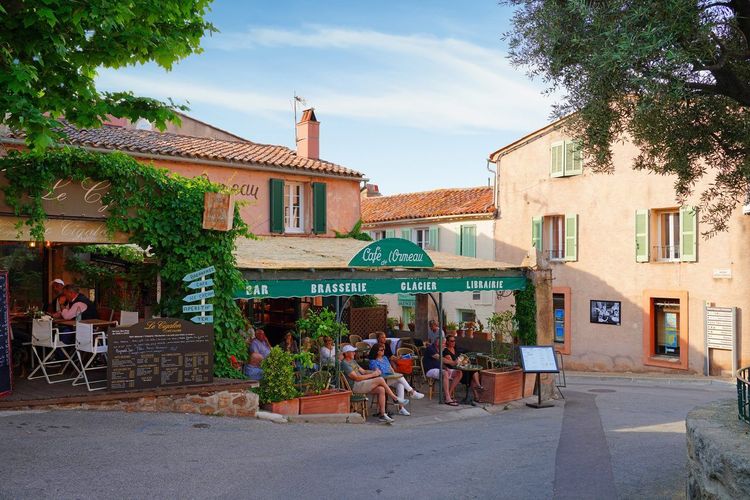
Heading inland, the village of Ramatuelle (Place de l'Ormeau, 83350 Ramatuelle, rated 4.6/5 on Google from 2.2K reviews) is well worth a stop with its stone lanes, flower-draped houses and Provençal market on Thursday and Sunday mornings. Perched on a hillside amid vineyards and pine forests, it offers a welcome contrast to the bustle of the seafront.
Wander without a set route: the lanes naturally lead towards the place de l'Ormeau and its shaded terraces. The actor Gérard Philipe is buried in the village's small cemetery, and it was in his honour that the Festival de Ramatuelle — an open-air theatre event held in early August — was founded in 1985. If your dates coincide, book an evening: the stroll becomes a lasting memory.
What to Do around Saint-Tropez: Port Grimaud, Sainte-Maxime and the Île de Porquerolles
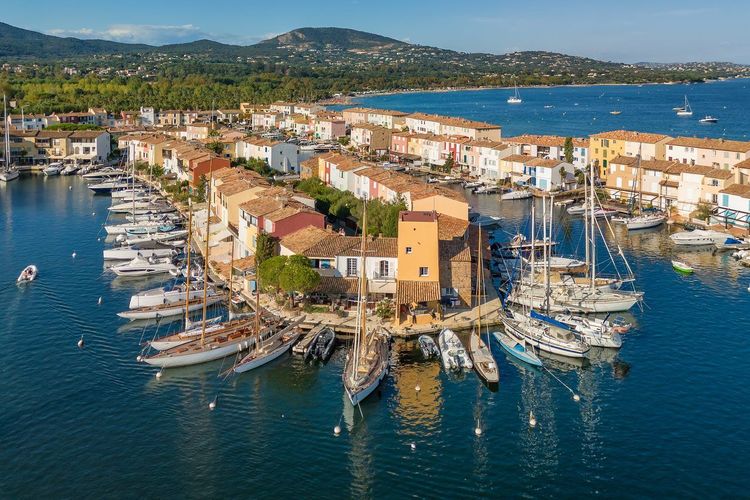
If your stay extends beyond a strict two-day weekend, several day trips around Saint-Tropez are well worth the effort.
Port Grimaud, the "Provençal Venice" and Its Canals
About twenty minutes by road, Port Grimaud surprises with its architecture: this lakeside town, built from 1966 onwards by architect François Spoerry around a network of navigable canals, is nicknamed the "Provençal Venice". You get around by water taxi or on foot along the quays, past colourful facades and private pontoons.
Climb the bell tower of the église Saint-François-d'Assise for an overview of the canals: the ascent is quick and the panorama is worth every step.
Sainte-Maxime and the Château de la Moutte
On the other side of the gulf, Sainte-Maxime has a more family-friendly feel than Saint-Tropez, with its long beach lined with restaurants and its seafront casino. The ferry service linking the two towns in about fifteen minutes remains the most pleasant way to avoid the congested road in summer.
On the doorstep of Saint-Tropez, the château de la Moutte was acquired in 1860 by Émile Ollivier, the last head of government under Napoléon III, who lived there with Blandine Liszt, daughter of the composer. Listed as a historic monument, it now belongs to the Conservatoire du Littoral and opens only on rare occasions: the European Heritage Days and the summer concerts of the Nuits Musicales du Château de la Moutte.
Day Trip to the Île de Porquerolles and the Wine Route
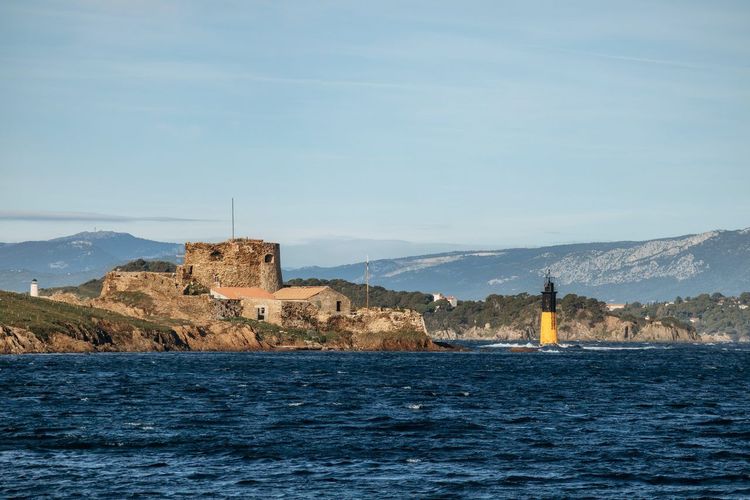
For a full day out, board a ferry from La Tour Fondue on the Giens peninsula to the île de Porquerolles (Place d'Armes, 83400 Porquerolles, rated 4.7/5 on Google from 11K reviews), part of the Port-Cros national park, where motor traffic is virtually non-existent. Turquoise-water beaches, vineyards and pine forest cover the island, which is best explored by bicycle.
Closer to hand, the wine route of the Saint-Tropez peninsula offers a chance to discover wine tasting at estates in Ramatuelle, Gassin and La Croix-Valmer, all under the Côtes de Provence AOC. Our dedicated Ryo article on the surroundings of Saint-Tropez details further excursion ideas if you extend your stay.
Where to Eat and Taste the Specialities and Wines of Saint-Tropez
Saint-Tropez has a handful of reliable spots for discovering local cuisine without consistently breaking the bank. On the port, traditional brasseries serve grilled fish and Provençal bourride with a direct view of the yachts: budget 35 to 50 euros for a full meal with wine.
For a more affordable option, several addresses in the old village offer classic Provençal dishes (pistou soup, daube, stuffed vegetables) for around 20 to 25 euros. In the evening, the place des Lices hosts a few restaurants with terraces beneath the plane trees, with a more local atmosphere than the port.
On the wine front, Côtes de Provence dominate the menus: rosé remains the signature colour, but some estates also produce structured reds based on syrah and mourvèdre. The wine shops in the centre offer tastings so you can take a bottle home as a souvenir.
The place des Lices market is also ideal for putting together a picnic: goat's cheese, charcuterie and seasonal fruit, to take to the beach. Book your evening table from June to September — the most popular spots fill up by 8 p.m.
Where to Stay in Saint-Tropez for a 2-Day Weekend
For a two-day weekend, staying in the village centre remains the most practical choice: everything is within walking distance, from the port to the place des Lices, with no need for a car. Rates climb sharply in July–August, so it is best to book several months in advance.
On the Pampelonne side, several hotels and apartment complexes offer direct beach access — an interesting option if you plan to spend most of the second day by the water. The trade-off: you will then need a car or shuttle to reach the historic centre.
The area around Ramatuelle and Gassin offers a third option, quieter and often more affordable, 10 to 15 minutes away by car. This works well for families. In all cases, check that private parking is available before booking.
Practical Information: Transport, Parking and the Best Season
Getting to and around Saint-Tropez
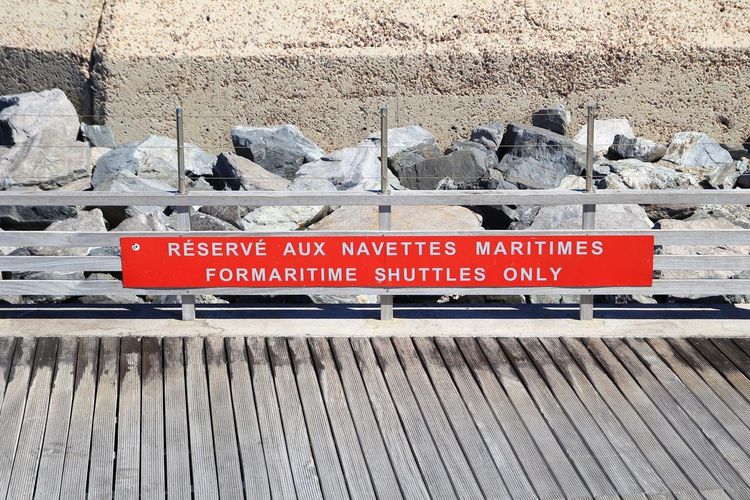
Saint-Tropez has no train station: the most common route is by car from the A8 motorway (exit Le Muy or Le Luc), then along the RD98A — allow 1h30 to 2h from Nice and longer from Marseille depending on traffic. The nearest train stations are Saint-Raphaël and Les Arcs-Draguignan. A pleasant alternative in summer: ferry services from Sainte-Maxime, Port Grimaud or Saint-Raphaël, which bypass the perennial bottlenecks at the entrance to town.
Once there, the village is entirely walkable. To reach Pampelonne or Ramatuelle without a car, buses run in season, though their frequency is limited outside July–August. Electric bikes are easily rented in the centre and let you reach Pampelonne in 15 to 20 minutes without worrying about parking.
Parking and Choosing the Right Season to Visit
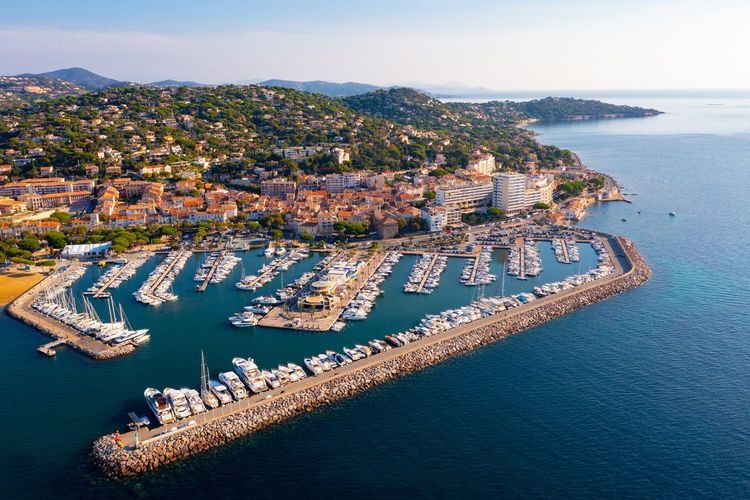
Parking is the main logistical headache: central car parks are full by 10 a.m. in summer, so it is better to aim for the Nouveau Port car park or the park-and-ride facilities and walk 10 to 15 minutes. Expect to pay a few euros per hour depending on the zone and the season.
To avoid the crowds, opt for May–June or September–October: pleasant weather, more reasonable prices and a far more liveable village. Temperatures regularly exceed 30°C in July–August, whereas in April or October they hover around 18 to 22°C — ideal for the coastal path. In winter, many shops and restaurants close, which significantly limits the appeal of a visit.
Book accommodation and sought-after restaurants from spring onwards. Once on the ground, download the Ryo audio guide before you set off: it works offline, which is handy when you don't want to be looking for your way in the midday heat as the network gets congested.
Mistakes to Avoid for a Successful Visit to Saint-Tropez
Arriving in the middle of a summer's day without a reservation is the most common mistake: between 11 a.m. and 4 p.m. in July–August, car parks are full, port restaurants turn people away and the heat makes exploring the village an ordeal. Coming in the morning or late afternoon makes all the difference.
Underestimating the parking situation is another: many visitors circle for 30 to 40 minutes before finding a space, unaware that park-and-ride facilities exist on the outskirts.
Ignoring the weather forecast can also ruin a short stay: the mistral sometimes blows hard and makes swimming unpleasant. Check the forecast before fixing the order of your two days — you can always swap the beach and the village around.
Finally, seeing only the port means missing the village's free highlights (the church, the towers, the place des Lices, the coastal path). Visiting Saint-Tropez for free is entirely possible by focusing on these must-sees, and the old village deserves at least half a day to itself.




FAQ
How long does it take to visit Saint-Tropez?
Two days are enough to cover the essentials: the old village, the citadel, the Annonciade and a morning at Pampelonne. To add Port Grimaud, Sainte-Maxime or Porquerolles, plan for 3 to 4 days instead.
What is the best season to visit Saint-Tropez?
May–June and September–October offer the best compromise between pleasant weather, reasonable prices and limited crowds. July–August remain the liveliest months, but also the most expensive.
Can you visit Saint-Tropez for free?
Yes: the port, the place des Lices, the église Notre-Dame de l'Assomption, the lanes of la Ponche and the coastal path can all be explored without spending a cent. The citadel and museums are paid.
What is there to do in Saint-Tropez with children?
Pampelonne beach, gentle water activities (paddleboarding, kayaking), the Maison des Papillons and the Gendarmerie museum are generally a hit with families. Port Grimaud and its canals to explore by boat round out a great day.
What is there to do in Saint-Tropez when it rains?
The Annonciade museum, the Gendarmerie and Cinema museum, the maritime history museum in the citadel and the art galleries of the old village all make for a good rainy day. The wine-tasting cellars nearby are also a great sheltered option.
Can you visit the Gendarmerie of Saint-Tropez?
Yes, the former gendarmerie from the films featuring Louis de Funès is now a paid museum open to the public, on place Blanqui. Allow around an hour for your visit and check opening hours according to the season.
What are the best restaurants to discover local cuisine in Saint-Tropez?
The port brasseries for grilled fish, the old-village addresses for traditional Provençal cuisine, and the wine shops in the centre for a local Côtes de Provence: these options cover most budgets.
Conclusion
Two days in Saint-Tropez are enough to understand why this small fishing port continues to fascinate as much as it frustrates its detractors. Between the morning market, the citadel, the canvases of the Annonciade, the legendary beach and the village of Ramatuelle, the balance between authenticity and myth takes shape from one stop to the next — as long as you sidestep the pitfalls of high season.
To connect all these places at your own pace between dips in the sea, without a paper map or a group tour, the Ryo audio guide of Saint-Tropez remains the simplest way to let the village's stones tell their story.
À lire également