
Créé par Emilie, le 4 oct. 2026
Votre guide Ryo
Lucerne, Switzerland
The land of dragons
Parcours audioguidé pour visiter Lucerne en 1 jour
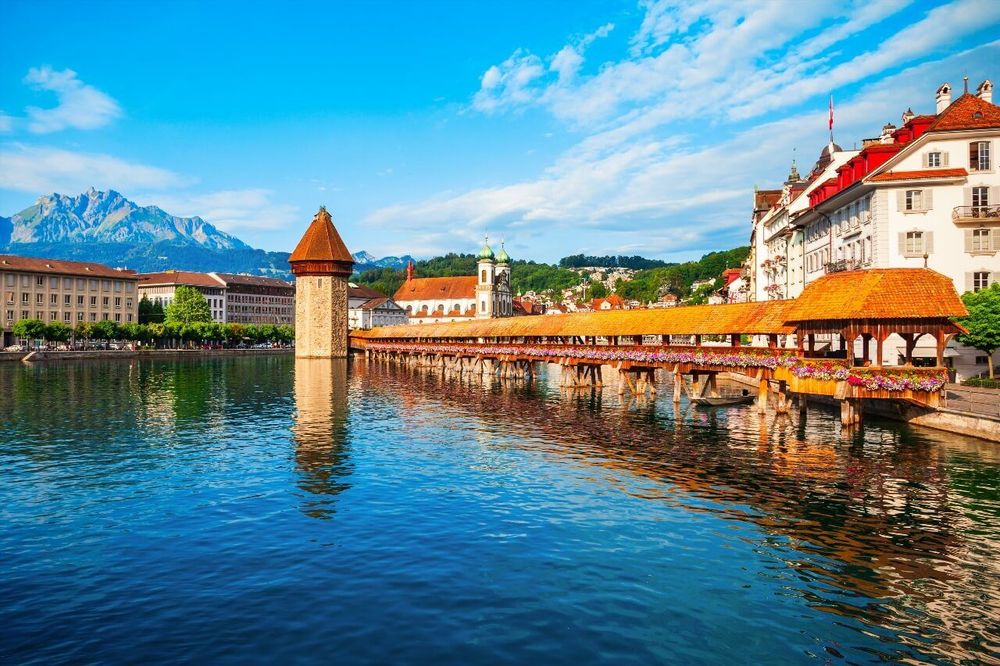
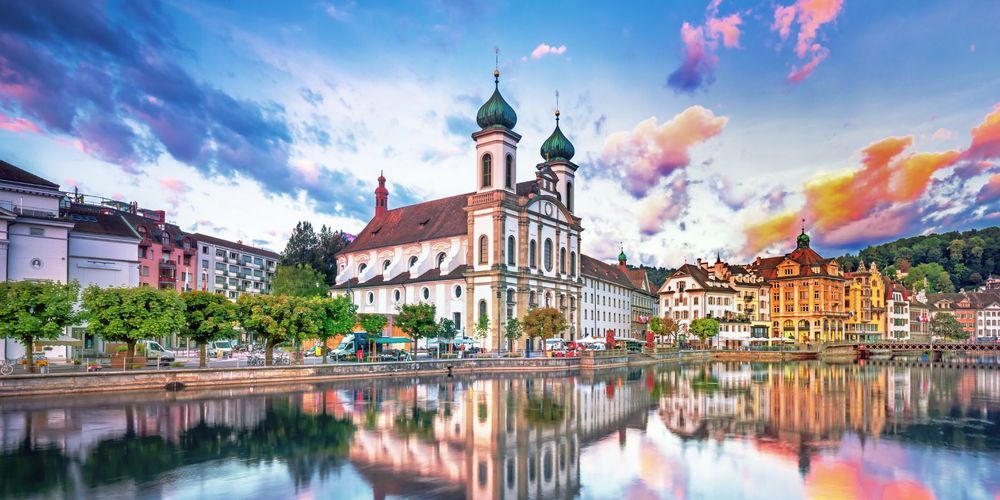
On the shores of Lake Lucerne, Lucerne captivates with its spectacular Alpine setting and well-preserved historic center. With its medieval bridges, painted façades, and mountain panorama, the city offers a unique atmosphere, both charming and majestic.
Quand partir à Lucerne ?
Jan.
2°
10
Feb.
3°
9
March
7°
11
April
10°
13
May
14°
15
June
18°
15
July
20°
14
Aug.
20°
14
Sept.
16°
12
Oct.
12°
11
Nov.
6°
11
Dec.
3°
10
Lucerne is a delight in every season, each offering its own unique charm. In summer, temperatures hover around 25°C—perfect for outdoor activities like hiking or swimming in the lake. Spring brings milder weather, between 10°C and 15°C, with blooming flowers and fewer tourists. Autumn dresses the city in warm, golden hues, with temperatures similar to those in spring. In winter, Lucerne transforms into a magical wonderland, with Christmas markets and snow-covered scenery adding a cozy Swiss charm. It's also the ideal season for winter sports in the surrounding areas. The choice is yours—just pick the atmosphere that appeals to you most!
Départ conseillé
No need to worry about where to begin! Our tours are designed as a loop, so you can jump in wherever you are. The navigation system and audioguide will automatically adjust to your location. However, if you happen to be nearby, we do have a preferred starting point: Franziskanerplatz
Parking à proximité
Parkhaus Kesselturm / Burgerstrasse 20
If you decide to park on the street, pay attention to the colour of the parking lines: · In blue zones, you’ll need a parking disc and can stay for a maximum of one hour. · In white zones, a sign will usually indicate the maximum parking duration—generally 90 minutes. · Yellow zones are private and reserved for businesses or their customers.
À savoir
The easiest way to travel around Switzerland is often by train. Lucerne’s train station, located right in the city centre, gives you quick and easy access to all the tour's highlights.
Lucerne uses the Swiss franc.
Découvrez 29 lieux d'intérêt pour visiter Lucerne





Le plein d'inspirations
Explorez le monde en totale liberté, à pied au cœur des villes ou au fil des routes. Nos guides audios transforment chaque destination en une découverte culturelle immersive et unique.


FAQ for visiting Lucerne
When is the best time to visit Lucerne?
Lucerne is a pleasure to discover all year round, each season having its own particular charm. Summer remains the most popular period, with temperatures around 25°C, perfect for enjoying the lake and the terraces. Spring and autumn, quieter, offer mild temperatures between 10 and 15°C and colourful landscapes. Winter turns the city into a postcard setting, with its Christmas markets and the snow that enhances the medieval rooftops. Winter sports enthusiasts will appreciate how close the resorts are. Your choice will mainly depend on what you're after: summer swimming and hiking, or a magical winter atmosphere.
How many days do you need to visit Lucerne?
Two days are generally enough to discover the essentials of Lucerne and its compact historic centre. You'll be able to wander through the old town, cross the famous Chapel Bridge, admire the painted facades and soak up the unique atmosphere of the lake shores. If you'd like to add a mountain excursion to Pilatus or Rigi, allow an extra day for each summit. A three- to four-day stay will let you combine city sightseeing with Alpine getaways without rushing. The Ryo audioguide accompanies you to optimise your route through the city centre and not miss any of Lucerne's hidden treasures.
How do you get around Lucerne and the region?
Lucerne has an excellent public transport network, with buses and boats that efficiently serve the city and the lake shores. The historic centre remains easy to explore on foot, however. For regional excursions, Swiss trains take you quickly to the surrounding mountains and neighbouring towns. The boats on Lake Lucerne are a picturesque option for reaching various points of interest. If you're planning several trips, look into the tourist passes, which often combine city transport, mountain railways and cruises. Bike hire is also a pleasant alternative for riding along the lake shores on fine days.
Which mountain excursions from Lucerne are must-dos?
Mount Pilatus and Mount Rigi are among the most spectacular mountain excursions from Lucerne. Pilatus, nicknamed the dragon of Lucerne according to local legends, rises to more than 2000 metres and offers breathtaking panoramas over the Alps and the lake. Rigi, accessible for centuries, remains a favourite destination for its 360-degree views and its varied hiking trails. The Stanserhorn is a less crowded but equally impressive alternative. These summits are generally reached by combining boat, cog railway or cable car, turning the journey into a real adventure. Allow a full day for each excursion to make the most of it.
Where are the main attractions of Lucerne located?
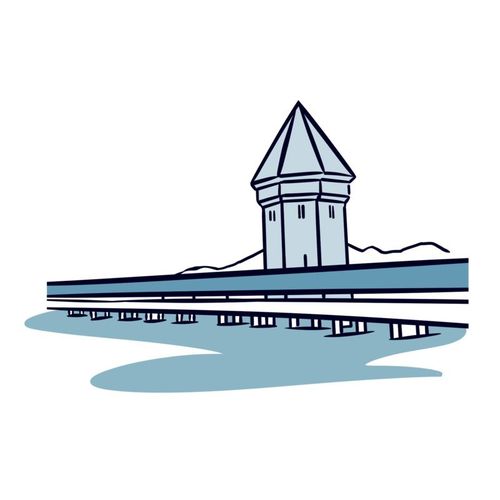
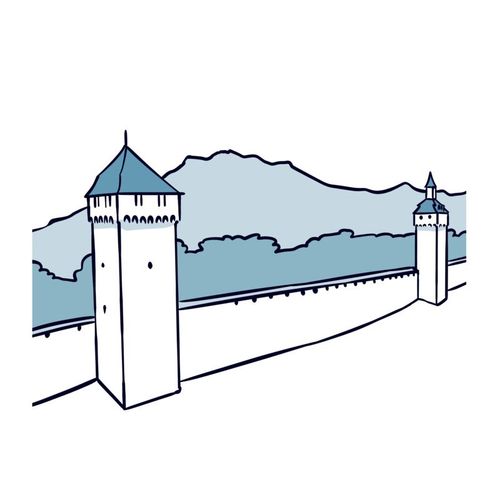
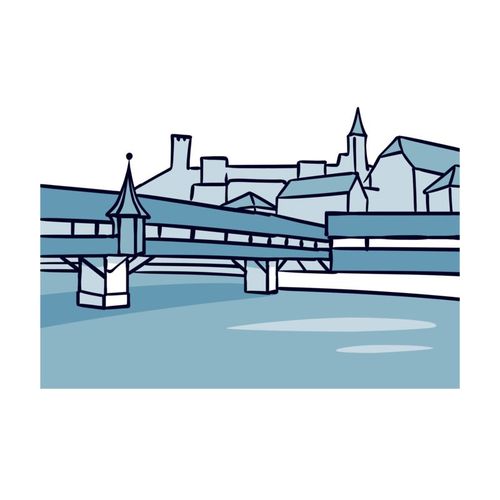
The main attractions of Lucerne are concentrated in the old town and along the lake shores. The famous Chapel Bridge and the Water Tower sit at the heart of the historic centre. The Musegg ramparts with their medieval towers overlook the city to the north. The Lion Monument, a moving tribute carved into the rock, lies in a peaceful park a few minutes' walk from the centre. The lively lakeside quays offer pleasant walks with views of the mountains. The Ryo audioguide guides you through these iconic sites, revealing historical anecdotes and architectural details that will enrich your discovery of the city.
What are the ways to get up Mount Pilatus and Mount Rigi?
For Mount Pilatus, you have several options depending on the season. The panoramic cable car from Kriens generally operates all year round, while the world's steepest cog railway from Alpnachstad runs mainly from May to November. A boat-then-train combination is the classic route known as the Golden Round Trip. For Mount Rigi, the cog railways depart from Vitznau and Arth-Goldau, reachable by boat or by train from Lucerne respectively. A cable car also links Weggis to the summit. These various means of transport are an integral part of the experience and offer varied perspectives on the Alpine landscapes. Combined tickets often let you mix modes of transport.
Is Lucerne a city that's easy to explore on foot?
Lucerne lends itself perfectly to exploring on foot. Its compact historic centre makes it easy to link the main sights by walking. The cobbled lanes of the old town, most of them closed to cars, invite you to stroll. The landscaped quays along the lake offer pleasant, flat walks. Even climbing up to the rampart towers remains accessible to everyone with minimal effort. The central station is just a few minutes' walk from the Chapel Bridge, making arrival easy. The Ryo audioguide offers routes designed for walkers, letting you discover the city at your own pace while enjoying commentary on local history and architecture.
What story does the Lion Monument in Lucerne tell?
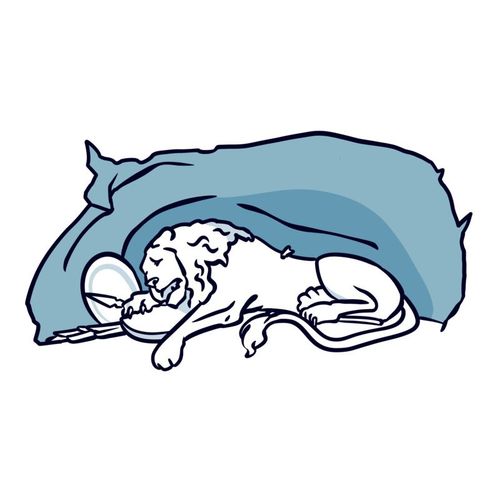
Carved straight into the wall of a former quarry, above a small pool, the dying lion honours the Swiss guards who fell in Paris during the storming of the Tuileries in the French Revolution. The animal is shown pierced by a spear, one paw resting on a shield bearing the fleur-de-lis, its gaze filled with a grief that has struck visitors ever since it was created: Mark Twain called it the saddest piece of stone in the world. The site, shaded and surprisingly peaceful despite the crowds, is freely accessible and easily combined with the neighbouring Glacier Garden. The Ryo audio guide offers a dedicated Lucerne route that stops here.
What can you do on Lake Lucerne?
The lake is inseparable from the city and is best discovered from the water. Boats, including several paddle steamers dating from the early twentieth century, link the villages along the shore and serve the departure points of the cogwheel trains and cable cars that climb towards the peaks. A simple one-hour cruise is enough to take in the setting: wooded cliffs, sloping meadows and mountains plunging into very clear water. In summer, the landscaped shores allow swimming and the hire of pedalos or paddleboards. Regional transport passes often cover part of the lake network.
Which museums are worth visiting in Lucerne?
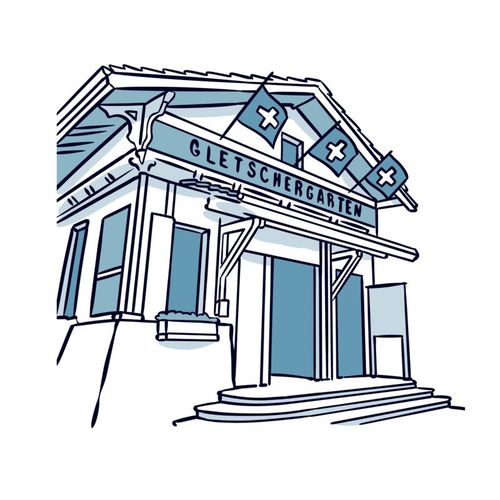
The Swiss Museum of Transport is the most popular visit, with its locomotives, aircraft and interactive areas that appeal especially to families; it easily fills half a day and can be reached by boat from the centre. Painting lovers will prefer the Rosengart Collection, rich in works by Picasso and Klee and housed in a former bank building. The Glacier Garden, right next to the Lion Monument, combines glacial potholes, a mirror maze and geological displays. Finally, the lakeside cultural centre, designed by a French architect, hosts exhibitions and concerts in a hall famous for its acoustics.
Vos commentaires, idées et suggestions
Aucun avis pour le moment