
Créé par Emilie, le 4 oct. 2026
Votre guide Ryo
Zurich, Switzerland
A City Worth Its Weight in Gold
Parcours audioguidé pour visiter Zurich en 1 jour
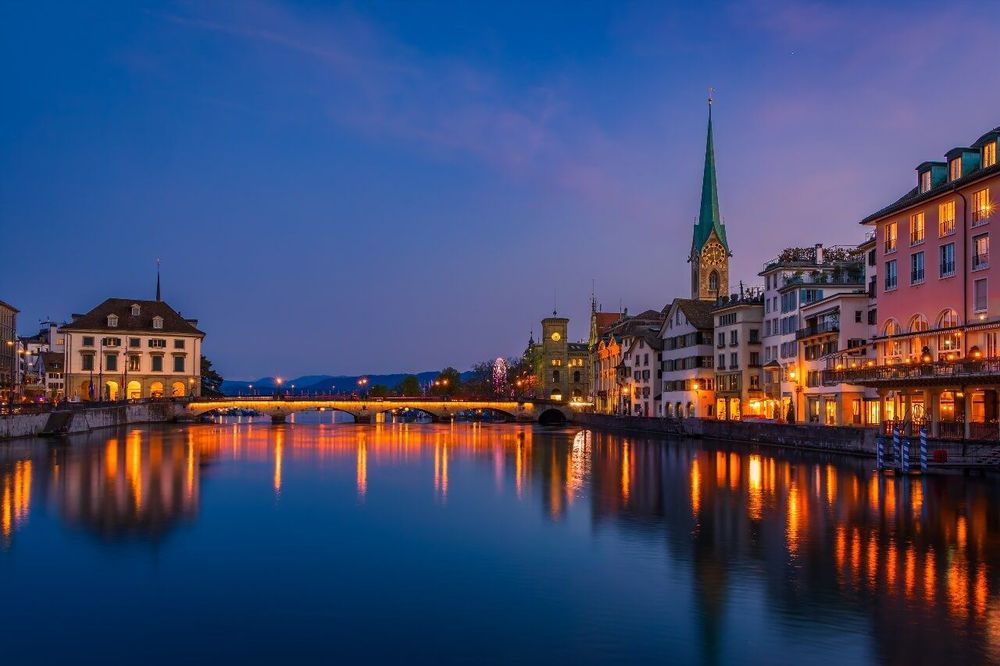
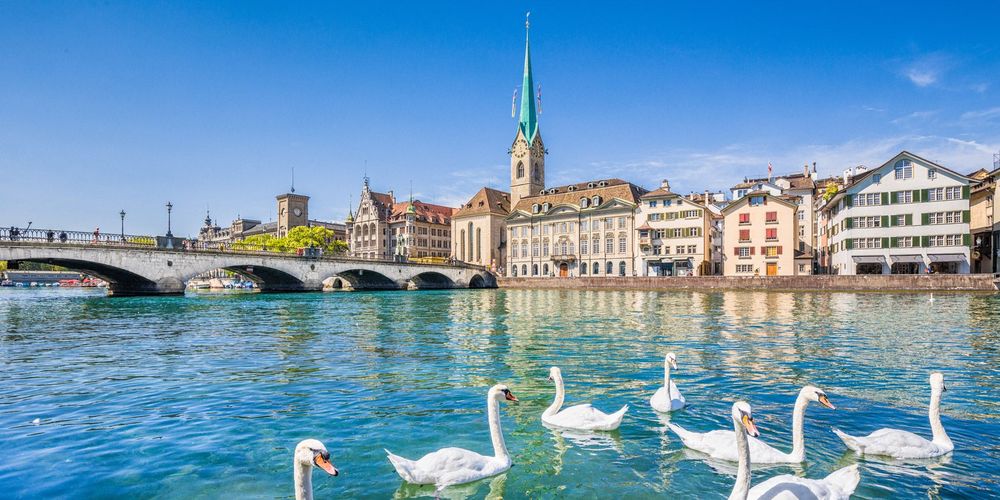
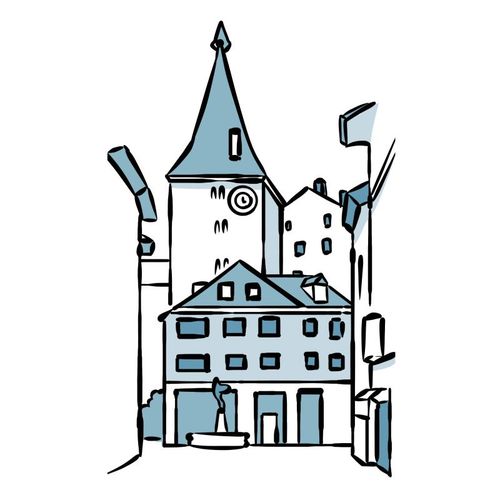
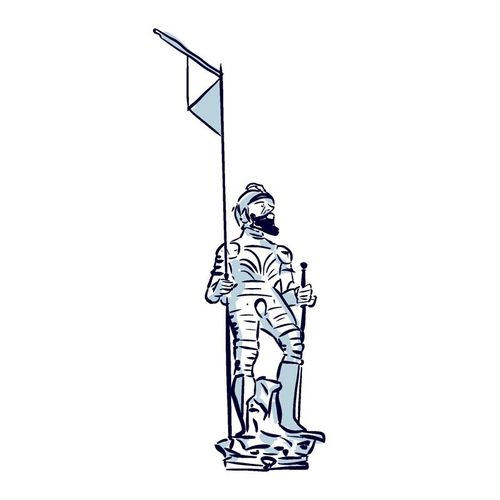
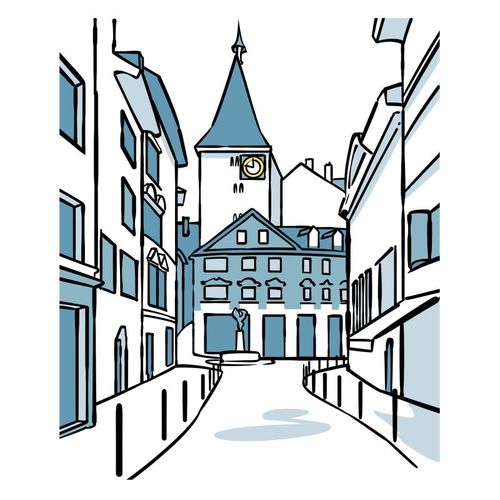
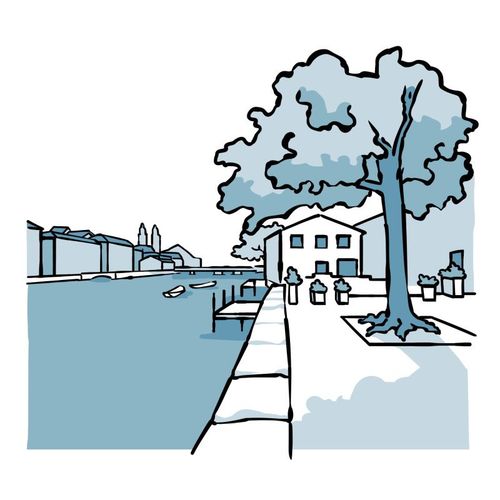
This tour of Zurich’s historic center invites you to discover a metropolis where modern efficiency meets the charm of centuries past. Wander through the cobblestone streets of the Old Town (Altstadt), admire the iconic church spires reflecting in the Limmat River, and enjoy the serenity of Lake Zurich’s shores. Throughout the route, discover the heritage of the Reformation, the elegance of medieval guild houses, and the spots where the luxury of Bahnhofstrasse meets a cutting-edge art scene. A simple and immersive way to explore the vibrant soul of Zurich at your own pace.
Quand partir à Zurich ?
Jan.
0°
10
Feb.
1°
9
March
5°
11
April
9°
10
May
14°
12
June
17°
13
July
19°
12
Aug.
19°
11
Sept.
15°
10
Oct.
10°
10
Nov.
5°
10
Dec.
1°
11
A city surrounded by mountains, Zurich is situated in a temperate zone, meaning that all four seasons are quite different. In winter, temperatures can drop below 0°C/32°F, but it's the perfect time for skiing. In the summertime, maximal temperatures can elevate at 30°C/86°F. There isn't any season where there's more rain than another. Other than skiing, the best time to visit is from mid-April to mid-October. If you're coming in either July or August, don't forget to bring your swimsuit to enjoy the lake!
Départ conseillé
No need to worry about where to begin! Our tours are designed as a loop, so you can jump in wherever you are. The navigation system and audioguide will automatically adjust to your location. However, if you happen to be nearby, we do have a preferred starting point: Bürkliplatz, opposite the lake.
Parking à proximité
Carparkplatz Mythenquai - Mythenquai 19 (the cheapest parking near the city centre)
Parking regulations in Zurich are very strict. To avoid any unpleasant surprises in all blue and white zones, as well as different authorisations, we advise you to park in one of the city's underground parkings. If you wish to better understand all different zones: yellow signifies no parking at all, as they are reserved. You can park in white zones for a maximum duration of 30 minutes (sometimes 2 to 4h) and under a parking meter. As for blue zones, you'll have to purchase a specific parking card on the parkkarten.ch website. At night, from 9pm to 8am, almost all parking is free. Parking in blue zones is also free on Sundays and bank holidays.
Découvrez 21 lieux d'intérêt pour visiter Zurich
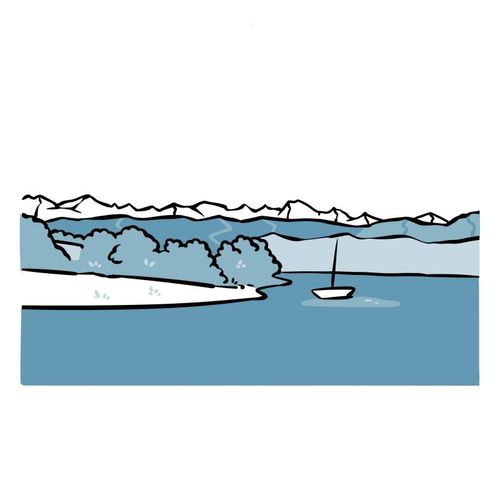
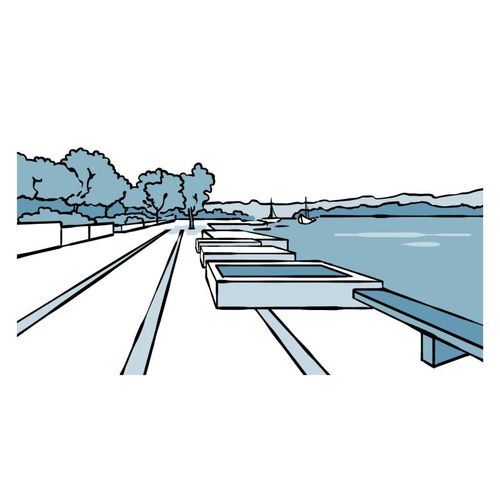
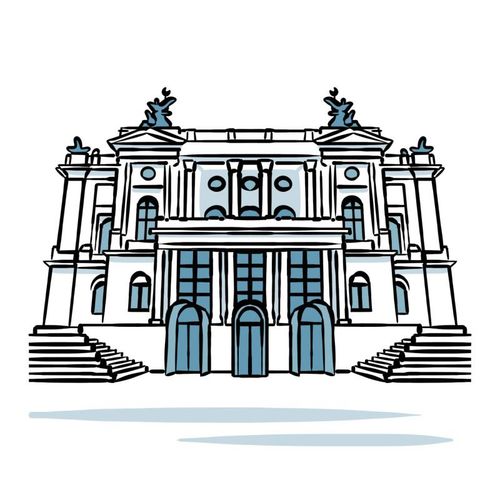


Le plein d'inspirations
Explorez le monde en totale liberté, à pied au cœur des villes ou au fil des routes. Nos guides audios transforment chaque destination en une découverte culturelle immersive et unique.







FAQ for visiting Zurich
When is the best time to visit Zurich?
The best time to visit Zurich generally runs from mid-April to mid-October, when temperatures are mild and the city reveals all its charm. The summer months, particularly July and August, are ideal for making the most of the city, with temperatures that can reach 30°C. This is also the perfect time to swim in the lake and enjoy the terraces. Spring and autumn offer milder temperatures, perfect for exploring the city on foot. Winter has its charm too, with its Christmas markets and the proximity of the ski resorts, even if temperatures drop below zero. Note that rainfall is spread fairly evenly throughout the year.
How many days do you need to visit Zurich?
To discover the essentials of Zurich, you should generally allow two to three days. This gives you time to leisurely explore the historic centre with its cobbled streets, stroll along the lake and the Limmat, and discover the main districts. In two days, you can visit the old town, enjoy the Bahnhofstrasse and its shops, and relax by the lakeside. With an extra day, you'll have time to delve deeper into the museums, venture into the more alternative neighbourhoods, or take a trip to the surrounding area. If you'd like to combine your stay with winter activities or hikes nearby, plan for four to five days instead.
How do you get around Zurich easily?
Zurich has an exceptionally efficient public transport network that makes getting around very easy. Trams, buses and urban trains take you everywhere in the city with remarkable punctuality. The city centre, however, remains perfectly accessible on foot, and this is actually the best way to discover the charm of the old town. Bike-sharing services are also very popular, especially in fine weather, with numerous safe cycle paths. For trips from the airport, the train takes you directly to the city centre in about ten minutes. Consider getting a daily transport pass or the Zürich Card, which includes unlimited transport and discounts at several attractions.
Where can you swim in Zurich?
Zurich is a real paradise for those who love swimming in an urban setting. Lake Zurich offers many free, accessible swimming spots, with developed areas such as the Strandbad Mythenquai or the Seebad Enge. Locals also love swimming in the Limmat, particularly popular in summer when you'll see them let the current carry them from the Oberer Letten. Historic public baths like the Frauenbadi and the Männerbadi offer a unique experience of swimming in the heart of the city. Most swimming areas have changing rooms and lawns to relax on. Don't forget your swimsuit on your summer visit, because swimming is truly part of the Zurich way of life.
What is there to do in Zurich in winter?
Winter transforms Zurich into a magical destination despite the sub-zero temperatures. The city lights up from November with its traditional Christmas markets, notably the one at the central station with its huge decorated tree. Museums such as the Kunsthaus or the Swiss National Museum offer a warm cultural refuge. The nearby ski resorts are easily accessible for a day on the slopes. In the city, skate on the rinks set up for the season or warm up with a fondue in one of the many traditional restaurants. Urban thermal baths and spas are also perfect for relaxing after a day out in the cold. The historic cafés of the old town become cosy havens where you can enjoy hot chocolate and pastries.
Which neighbourhoods are must-sees?
The old town (Altstadt) remains the essential historic heart, with its medieval streets, iconic churches and guild houses. The Niederdorf district, nicknamed the Dörfli, will charm you with its bohemian cafés and independent shops. For a more modern feel, head to Zurich-West, a former industrial district reinvented as a creative hub with art galleries and trendy restaurants. The Seefeld district, along the lake, offers a chic residential atmosphere with lovely promenades. The Ryo audioguide takes you through these different neighbourhoods, revealing their hidden histories and architectural treasures along a narrated route that captures the essence of each atmosphere.
Where can you sample Swiss specialities in Zurich?
Zurich is full of places to savour the classics of Swiss cuisine. The traditional restaurants of the old town serve excellent fondues and raclettes in an authentic setting. For the famous Zürcher Geschnetzeltes, the emblematic dish of veal in cream sauce, head to the historic brasseries that carry on the age-old recipes. Artisan confectioners offer the finest Swiss chocolates and the famous Luxemburgerli, the local macaron. Don't miss the covered markets, where you'll find local cheeses and mountain charcuterie. The bistros along the Limmat serve local cuisine in a picturesque setting. For a more modern experience, some chefs reinterpret these classics with creativity while respecting the traditional flavours.
Which museums are worth visiting in Zurich?
The Kunsthaus holds a collection running from early masters to the great names of the twentieth century, including an important group of works by Giacometti, in a historic building paired with a contemporary extension. The Swiss National Museum, recognisable by its neo-Gothic castle silhouette facing the main station, retraces the country's history from prehistory to the present day.
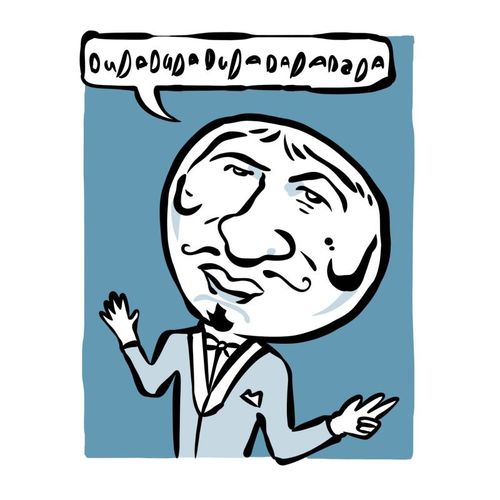
For more unexpected worlds, the Rietberg Museum presents art from Asia, Africa and the Americas in a gently sloping park, while Cabaret Voltaire, the birthplace of the Dada movement, feels more like a living venue than a collection. Most of these addresses can be reached on foot or by tram from the centre, so you can easily fit two into the same day.
Which day trips can you take from Zurich?
The Swiss rail network makes Zurich an ideal base for exploring. The Rhine Falls, near Schaffhausen, are striking for their sheer width and can be reached in under an hour by train; you can approach them by boat or from the platforms built on both banks.
Rapperswil, at the far end of the lake, is worth visiting for its castle and old town, and the boat trip there gives a lovely perspective on the wooded shores. Lucerne, with its covered bridge and its lake ringed by mountains, also deserves a day, as does a cogwheel train ride up to a summit in the pre-Alps. The train remains the simplest way to make all these escapes, with frequent and regular connections.
Where can you enjoy the best views over Zurich?
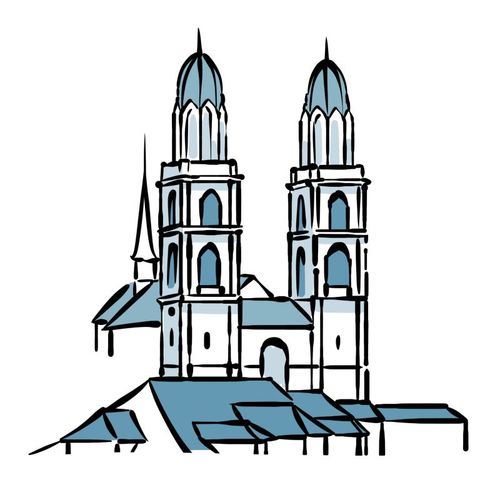
The Lindenhof terrace, a former Roman stronghold perched above the Limmat, gives one of the most pleasant views over the roofs of the old town and the towers of the Grossmünster. Facing it, the Polyterrasse in front of the technical university takes in the city and the lake, with the Alps on the horizon when the sky is clear.
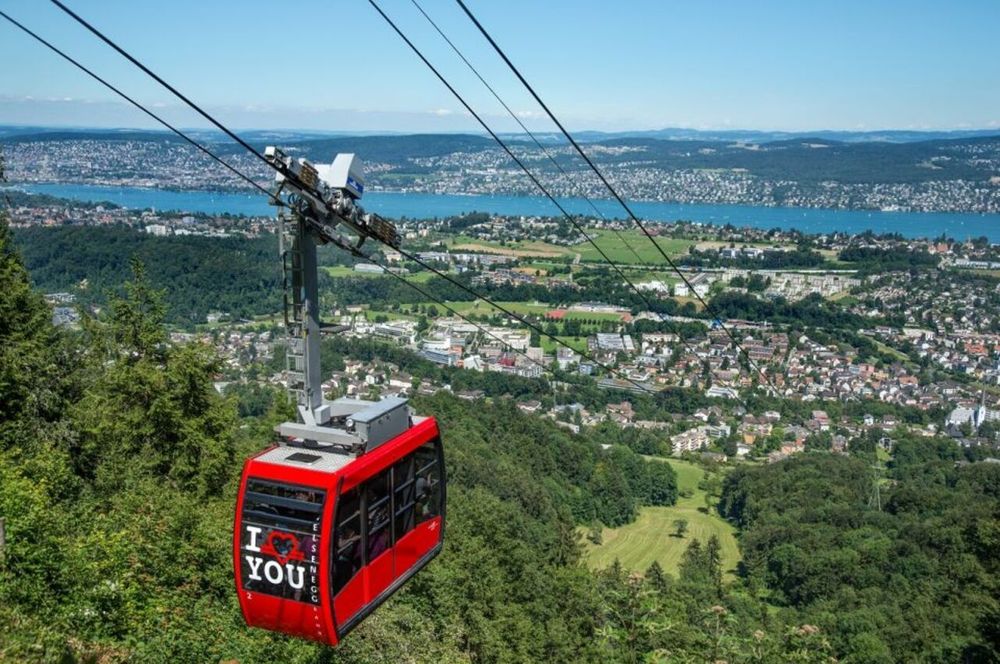
To go higher, the Uetliberg is about twenty minutes away by suburban train; from the top, a ridge path follows the line of the hills and an observation tower overlooks the whole region. The lakeside quays, finally, open up a fine view towards the mountains at sunset. The Ryo audio guide offers a dedicated Zurich route that links these viewpoints and the old town on foot.
Vos commentaires, idées et suggestions
Aucun avis pour le moment