






Créé par Emilie, le 4 oct. 2026
Votre guide Ryo
Bern, Switzerland
The Bear Pit
Parcours audioguidé pour visiter Bern en 1 jour
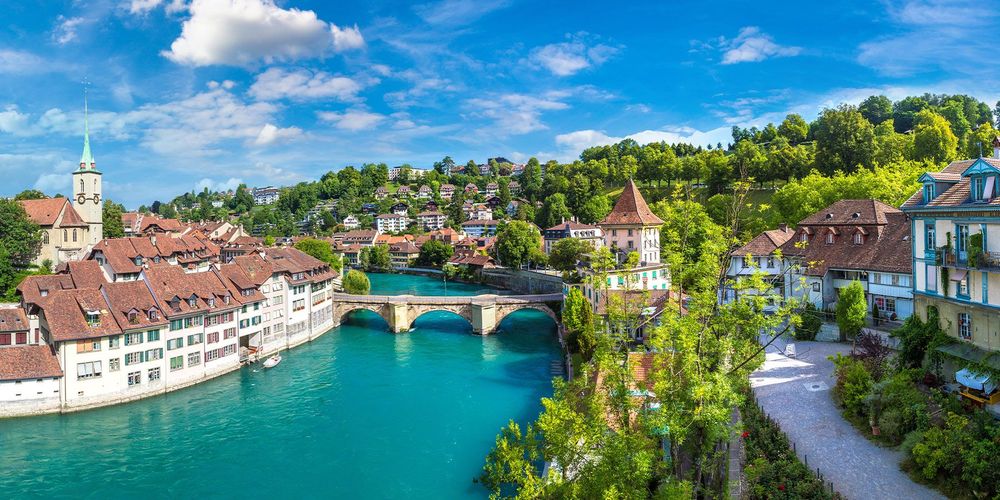
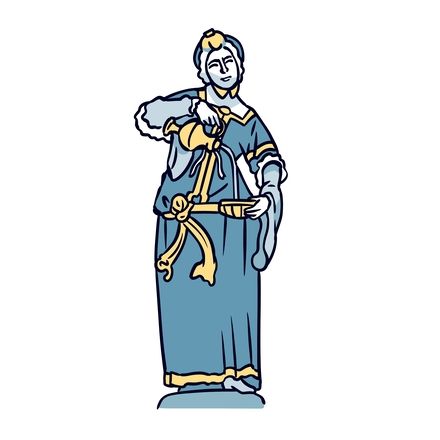
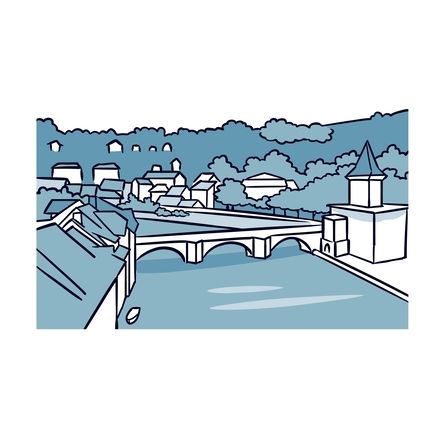
Often overlooked, Bern is nonetheless the country’s capital and reveals a highly harmonious UNESCO-listed historic center. Nestled within a bend of the river, the city unfolds arcades, medieval fountains, and landmarks in a peaceful and elegant atmosphere. With its ever-present nature and lively cultural scene, it offers a rare balance, ideal for a discovery that is both relaxed and inspiring.
Quand partir à Bern ?
Jan.
1°
10
Feb.
3°
9
March
7°
10
April
11°
12
May
15°
14
June
19°
14
July
22°
14
Aug.
22°
13
Sept.
18°
11
Oct.
12°
10
Nov.
6°
11
Dec.
2°
10
Average temperatures range from 4°C (39°F) in winter to 25°C (77°F) in summer. The summer months are ideal for enjoying the sun and even swimming, while winter brings dry, cold weather—perfect for visiting one of Switzerland’s most magical Christmas markets.
Départ conseillé
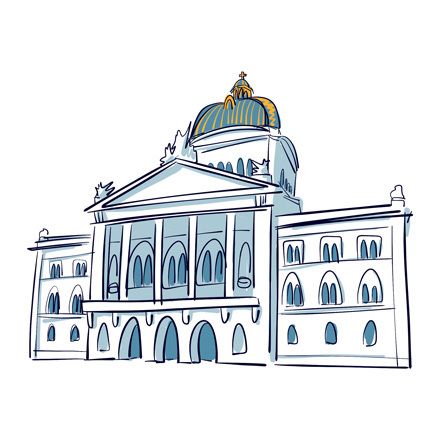
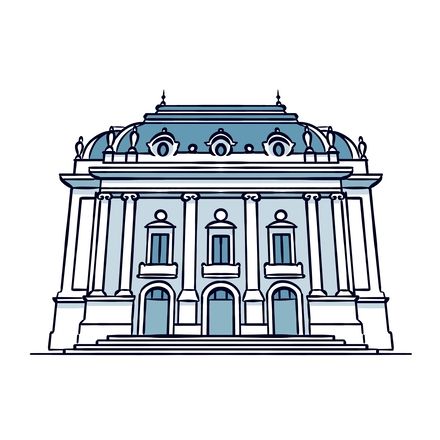
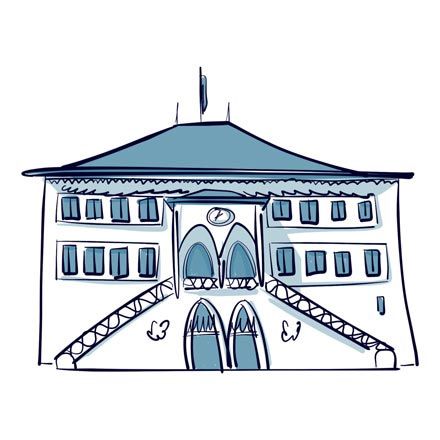
No need to worry about where to begin! Our tours are designed as a loop, so you can jump in wherever you are. The navigation system and audio-guide will automatically adjust to your location. However, if you happen to be nearby, we do have a preferred starting point: : In Front of the Parliament Building
Parking à proximité
Bahnhof Parking AG - Parkterrasse 14
Parkplatz Klösterlistutz - Klösterlistutz 18/20
If you’re not using an underground car park, make sure you understand the color-coded parking system. Yellow lines: reserved strictly for residents—no public parking allowed. Blue zones: free public parking for up to 2.5 hours with a visible parking disc showing your arrival time. White lines: metered spaces—pay at the nearby parking machine. For peace of mind, especially in the Old Town, it’s often easier to park in one of the city’s secure underground garages.
À savoir
From the very first night you spend in any accommodation in the city of Bern, you’ll receive the Bern Ticket, valid for your entire stay. It gives you free access to all public transportation within zones 100 and 101 of the LIBERO fare network—including the Gurten funicular!
Bern is home to several fascinating museums. If you plan to visit more than one, consider purchasing the Museum Card, which grants you free access to all permanent and temporary exhibitions across the city’s museums for 24 or 48 hours.
Bern, like the rest of Switzerland, uses the Swiss Franc (CHF).
Découvrez 24 lieux d'intérêt pour visiter Bern





Le plein d'inspirations
Explorez le monde en totale liberté, à pied au cœur des villes ou au fil des routes. Nos guides audios transforment chaque destination en une découverte culturelle immersive et unique.
FAQ for visiting Bern
When is the best time to visit Bern?
The best time to visit Bern depends on your preferences. Summer, from June to August, offers pleasant temperatures around 25°C, ideal for strolling through the arcades and enjoying a swim in the Aare. Spring and autumn reveal the city in soft light with fewer tourists. Winter transforms Bern into a postcard with its renowned Christmas market, even if temperatures drop to around 4°C. The climate remains relatively dry all year round, which makes visiting pleasant in any season. Simply avoid summer weekends if you prefer peace and quiet.
How many days do you need to visit Bern?
Two days are enough to comfortably discover the essentials of Bern. One day is enough to explore the UNESCO-listed historic centre, admire the medieval fountains and stroll under the arcades. With an extra day, you can visit the museums, walk along the Aare and discover the outlying neighbourhoods. If you'd like to combine Bern with excursions in the surrounding area or fully enjoy the city's peaceful atmosphere, three days is ideal. The manageable size of the Swiss capital lets you see a lot without rushing, while keeping time to savour a break in a traditional café.
How do you get around Bern?
The historic centre of Bern is ideally explored on foot; its compact dimensions and its many pedestrian zones make it a very pleasant city for walking. Bern's public transport network is excellent, with trams and buses that efficiently serve all the neighbourhoods. Self-service bikes are a convenient alternative for longer journeys. Most hotels provide the Bern Ticket free of charge, which gives unlimited access to public transport. To reach the bear pit or the bear park from the centre, the Marzili funicular or the buses are very convenient. Cars remain hardly recommended in the city centre.
What can you see in Bern in a day?
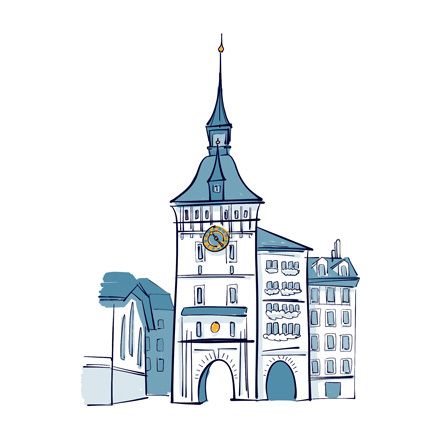
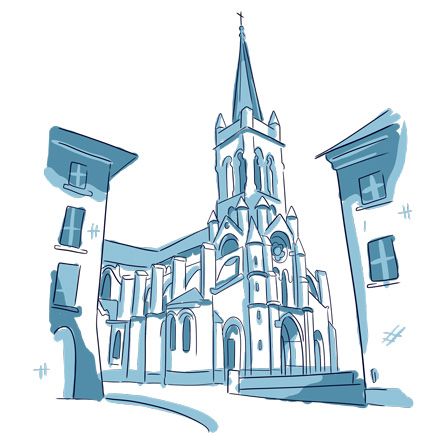
A day in Bern ideally begins with discovering the UNESCO historic centre, walking up the famous arcades to the Clock Tower (Zytglogge), a true symbol of the city. Continue towards the cathedral and its panoramic tower, then head down to the Aare to admire the views over the old town. The historic bear pit and the new bear park are worth the detour. The many Renaissance fountains pleasantly punctuate the route. The Ryo audioguide accompanies you with a commented itinerary that reveals the history and secrets of these iconic sites, optimising your time so you don't miss any of the essentials of Bern.
Where can you park in Bern?
Parking in the centre of Bern can prove complicated and expensive. Covered public car parks such as City West, Metro or Bahnhof offer secure spaces but remain relatively pricey. The blue zones allow time-limited parking with a parking disc. A practical solution is to use the P+R (Park and Ride) car parks on the outskirts, generally cheaper and well connected to the centre by public transport. The Neufeld car park or the one at Guisanplatz are popular options. During weekends and public holidays, some company car parks become open to the public. Always check the rates and maximum durations before parking.
What currency is used in Bern?
Bern uses the Swiss franc (CHF), Switzerland's national currency. Bank cards are widely accepted in most shops, restaurants and tourist attractions. Cash machines are plentiful throughout the city. Although some tourist establishments occasionally accept euros, the exchange rate is generally not favourable and your change will be given in Swiss francs. It's advisable to have some cash for small shops, markets or public transport. Mobile payment apps such as Twint are also very widespread in Switzerland. The cost of living in Bern remains high compared to other European capitals.
Should you visit Bern or Zurich?
Bern and Zurich offer very different experiences. Bern charms with its intact medieval character, its peaceful atmosphere and its particularly harmonious UNESCO historic centre. The political capital breathes tranquillity with its arcades, its fountains and its river loop. Zurich, larger and more cosmopolitan, appeals with its economic dynamism, its lively nightlife and its lakeside setting. For a first discovery of authentic Switzerland, Bern is often the best choice. If you're looking for luxury shopping and urban buzz, Zurich will suit you better. Both cities are worth the detour and complement each other perfectly on a longer stay.
Where can you eat in Bern?
The Bern food scene blends Swiss traditions with international influences. The restaurants under the arcades often serve local specialities such as rösti or fondue in a charming historic setting. The Matte neighbourhood is full of authentic bistros by the banks of the Aare. For a typical experience, the Kornhauskeller impresses with its monumental setting. The Saturday markets on the Bundesplatz and Bärenplatz offer fresh produce and street food stalls. The terraces along the Aare become very popular in fine weather. Vegetarians will easily find something to their taste, as Bern is particularly open to varied diets. Book ahead for popular restaurants, especially at weekends.
What is special about the arcades in Bern's old town?
The historic centre, a UNESCO World Heritage site, lines up several kilometres of covered arcades, the Lauben, inherited from the medieval rebuilding that followed the great fires. Under these sandstone vaults you pass shops, cafés, bookshops and workshops set up in former merchants' cellars, reached through hatches that open straight onto the street.
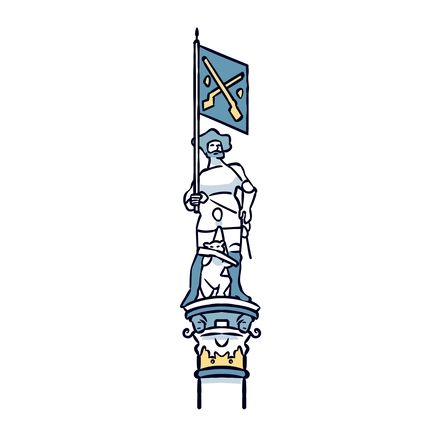
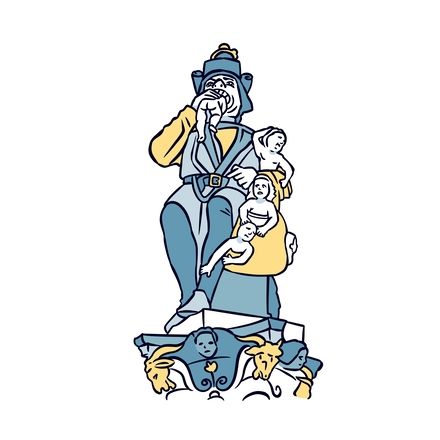
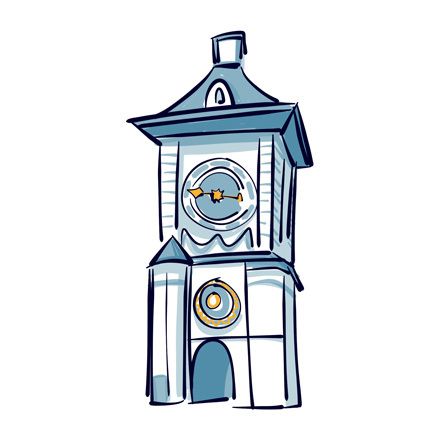
It is the finest way to explore the city, sheltered from rain and sun alike, working your way past painted Renaissance fountains up to the Clock Tower and its moving figures. The slope then leads down towards the bend of the Aare, overlooked by the cathedral and its terrace. The Ryo audio guide offers a dedicated Bern route that follows these arcades and reveals what lies behind their façades.
Why is the bear the symbol of Bern?
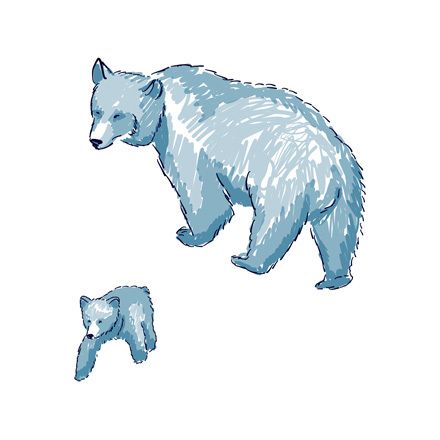
Legend has it that Duke Berchtold V of Zähringen, who founded the city at the end of the 12th century, decided to name it after the first animal killed during a hunt in the bend of the Aare: it turned out to be a bear. The animal has been everywhere ever since, on the coat of arms, the flags, the fountains and even in the pastry shop windows.
Bears were kept in the city for centuries, first in a pit laid out near the Nydegg bridge. Today they live in a sloping park open onto the river, which walkers follow from the banks. The site sits at the foot of the old town and is only a few minutes' walk from the Clock Tower, down the cobbled lanes.
Vos commentaires, idées et suggestions
Aucun avis pour le moment
