





Créé par Emilie, le 4 oct. 2026
Votre guide Ryo
Besançon, France
A Matter of Time
Parcours audioguidé pour visiter Besançon en 1 jour
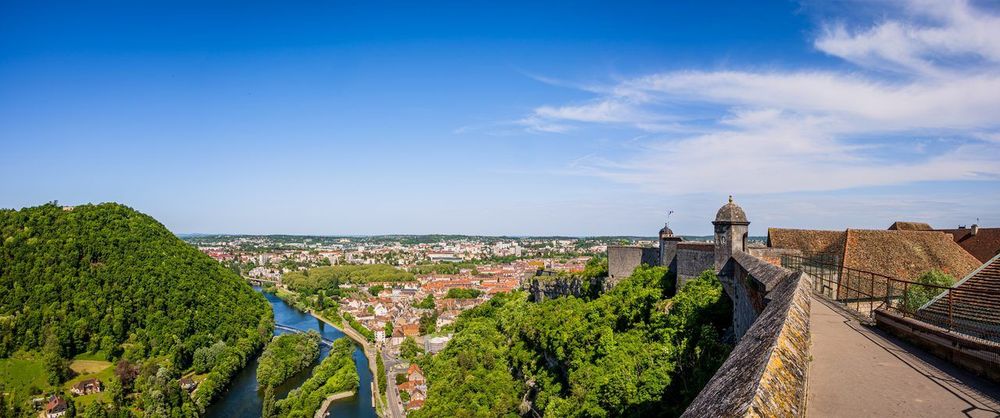
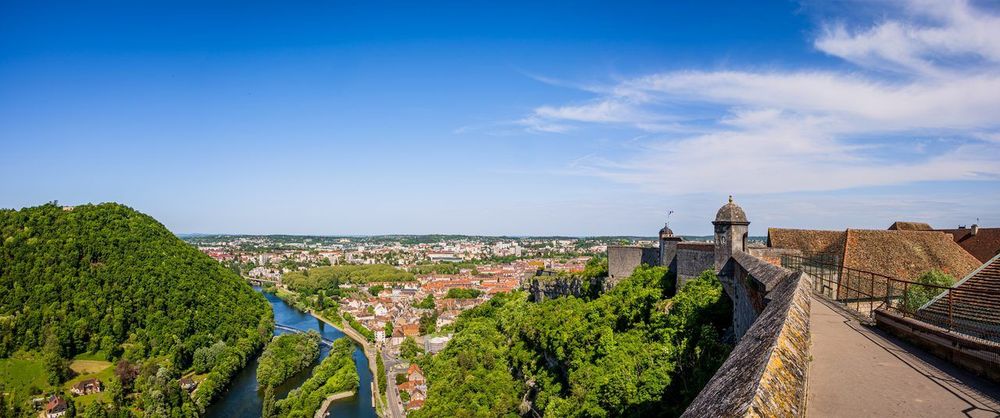
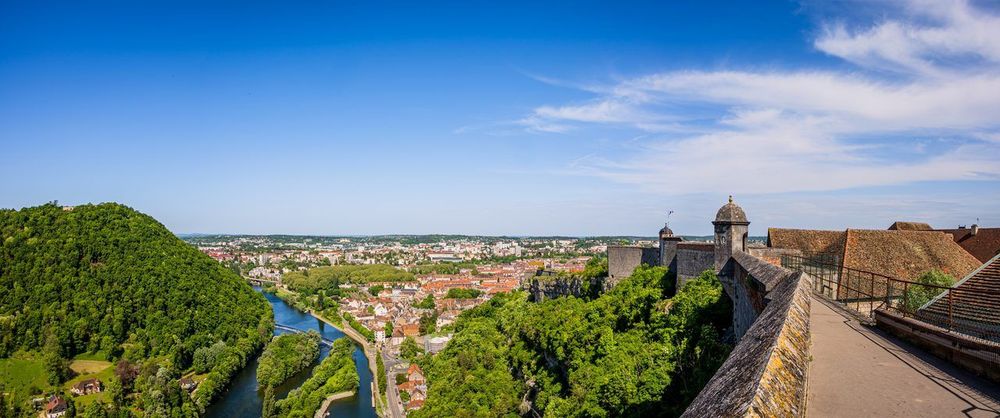
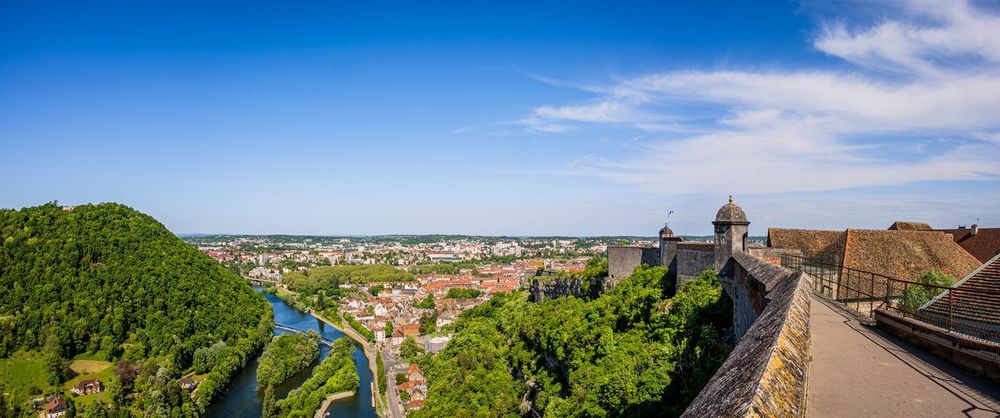
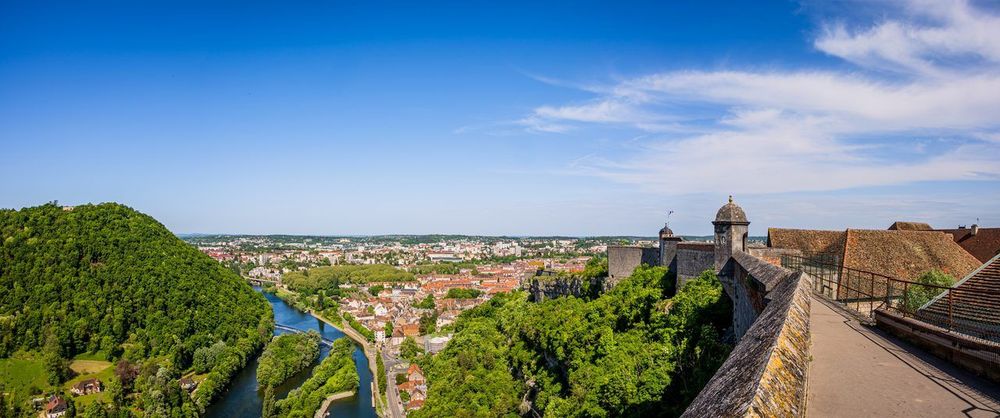
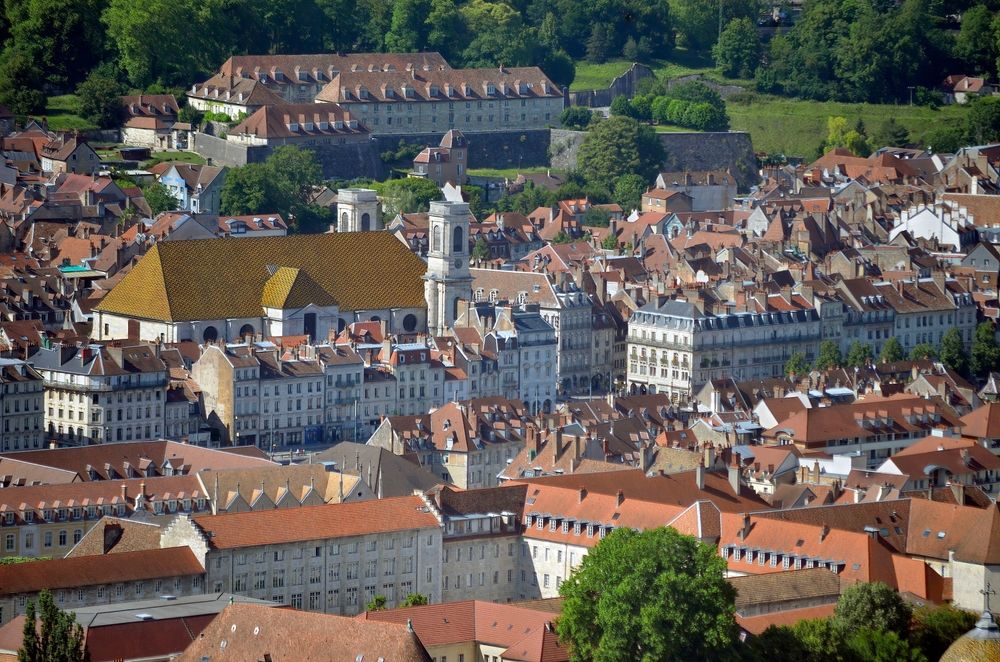
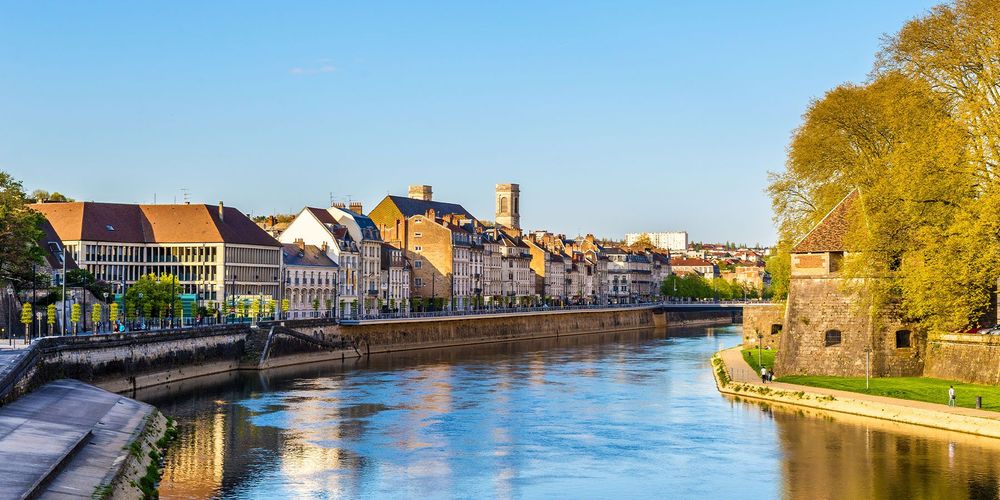
This visit invites you to an immersion in the heart of a spectacular loop, where the river encircles a city of character protected by eternal ramparts. Let yourself be charmed by the elegance of its Chailluz stone facades—with their unique two-tone reflections—which tell a story of nobility and technical expertise. Between the verticality of the cliffs overlooking the city and the gentleness of the shaded quays, this Comtoise city reveals a character that is proud, timeless, and dedicated to precision. An exploration on foot, balancing secret passages and hanging gardens, to capture the full magic of a city living in perfect harmony with its wild natural setting.
Quand partir à Besançon ?
Jan.
5°
12
Feb.
7°
11
March
12°
11
April
16°
10
May
20°
12
June
24°
10
July
26°
9
Aug.
26°
9
Sept.
21°
9
Oct.
16°
11
Nov.
10°
12
Dec.
6°
13
Besançon enjoys a semi-continental climate with a mountain influence, characterized by hot and stormy summers around 26°C and cold, often snowy winters, with averages close to 0°C. The ideal period runs from May to September to enjoy the loops of the Doubs River and Vauban's Citadel. The month of June is particularly pleasant for hiking in the surrounding hills, while September offers magnificent light and perfect mildness for exploring the historic center, built from the iconic blue-and-beige Chailluz stone.
Départ conseillé
No need to worry about where to begin! Our tours are designed as a loop, so you can jump in wherever you are. The navigation system and audioguide will automatically adjust to your location. However, if you happen to be nearby, we do have a preferred starting point: Place Granvelle.
Parking à proximité
Parking Granvelle
À savoir
Like all top tourist destination, Besançon offers a variety of advantages and offers on transport and activities through the Besançon Tourist Pass. It's a great way to discover the city at your own pace, while making use of all the offers available.
Découvrez 26 lieux d'intérêt pour visiter Besançon




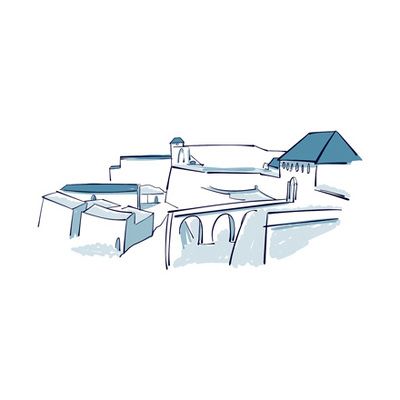
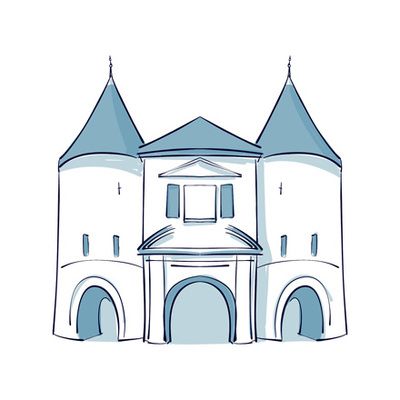

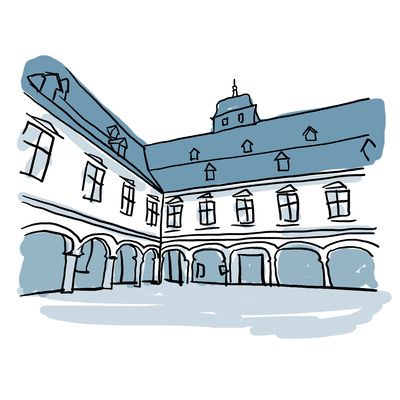
Le plein d'inspirations
Explorez le monde en totale liberté, à pied au cœur des villes ou au fil des routes. Nos guides audios transforment chaque destination en une découverte culturelle immersive et unique.



FAQ for visiting Besançon
When is the best time to visit Besançon?
The ideal time to discover Besançon runs from May to September, when the city's semi-continental climate becomes milder. Summers are warm with temperatures around 26°C, perfect for enjoying the meanders of the Doubs and exploring the majestic Vauban Citadel. June is particularly pleasant for hikes in the surrounding hills, while September offers you magnificent light and ideal mildness for strolling through the historic centre. Winters can be harsh and snowy, with temperatures close to 0°C, but they bring their own charm to this Franche-Comté city nestled in its natural setting.
How many days do you need to visit Besançon?
Two to three days is an ideal length of time to fully appreciate Besançon and its heritage. A first day lets you discover the historic heart of the city, its Chailluz-stone façades with two-toned hues and its secret passageways. The second day is perfect for exploring the Vauban Citadel and enjoying the spectacular views over the meander of the Doubs. If you have a third day, you can venture into the surroundings, discover the hanging gardens and shaded quays, or set off on a hike in the hills that overlook the city. This pace leaves you time to appreciate the unique atmosphere of this city that lives in harmony with nature.
What are the must-sees in Besançon?
Besançon is brimming with treasures to discover during your visit. The Vauban Citadel, a UNESCO-listed masterpiece of military architecture, majestically overlooks the city from its ramparts. The historic centre will charm you with its elegant Chailluz-stone façades, Saint-Jean Cathedral and its astronomical clock, as well as the secret passageways that wind between the buildings. The quays of the Doubs offer peaceful walks along the river that encircles the city. Don't miss the hanging gardens and the viewpoints over the spectacular meander of the Doubs. The Ryo audioguide offers precisely a narrated tour that guides you through these must-sees, enriching your discovery with fascinating historical and cultural anecdotes.
How do you get around Besançon?
Besançon lends itself wonderfully well to being explored on foot, particularly its compact historic centre set within the meander of the Doubs. The Ginko tram and bus network efficiently serves the whole city and its main tourist sites, including the Citadel. For a more eco-friendly experience, the self-service bike system lets you travel along the quays and the cycle paths laid out beside the Doubs. Distances remain reasonable between the various points of interest, and walking remains the best way to appreciate the city's unique architecture, its picturesque lanes and its secret passageways. For people with reduced mobility, the city centre is on the whole accessible, with suitable facilities.
Where can you park in Besançon?
Besançon offers several parking options to make your visit easier. In the city centre, you'll find convenient underground car parks such as those at the City Hall, Viotte Station or Les Glacis, generally located near the main tourist sites. The park-and-ride car parks on the outskirts, often free or discounted, are connected to the centre by public transport, an economical and eco-friendly solution. On-street parking is still possible but often time-limited and paid in the inner centre. To visit the Citadel, a dedicated car park is available nearby. Rates vary according to duration and location but generally remain reasonable. Remember to check the specific conditions on market days or during special events.
Is Besançon accessible by public transport from Paris?
Besançon is very well connected to Paris by train, making it an easily accessible destination for a weekend or a longer stay. The TGV takes you directly from Paris Gare de Lyon to Besançon Franche-Comté TGV in about two and a half hours. From there, a shuttle or the TER regional train takes you into the city centre in around fifteen minutes. You can also opt for a direct TER journey to Besançon-Viotte station, located right in the heart of the city, but the trip then takes about four hours. Services are frequent throughout the day, giving you great flexibility to organise your trip. Once you arrive, Viotte station places you ideally to begin your exploration on foot.
Where can you eat the local specialities in Besançon?
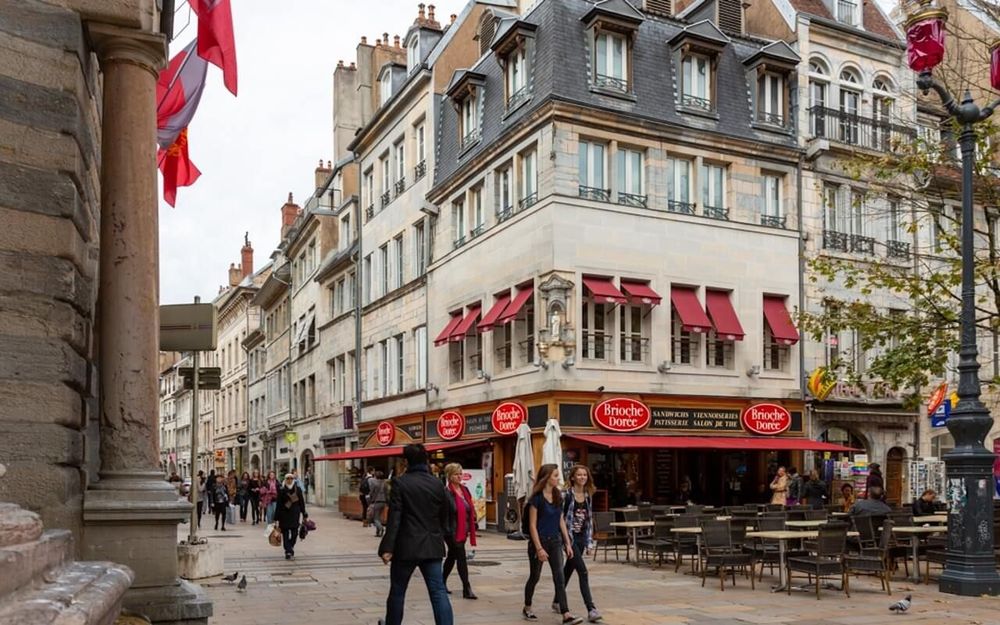
Besançon invites you to discover the authentic flavours of Franche-Comté in its many traditional restaurants. The historic centre is full of welcoming establishments where you can sample the famous cancoillotte, that typical melted cheese, or Morteau sausage served with Comté-style röstis. The brasseries along the quays often offer Doubs trout and dishes made with Comté, the famous regional cheese. For a more intimate experience, the small bistros of the medieval lanes serve mountain specialities such as Comté fondue or hot Mont d'Or in season. Don't forget to taste the wines of the Jura, perfect companions to these hearty dishes. The local markets will also let you take home a few regional products.
What can you do as a family with children in Besançon?
Besançon offers many captivating activities for families. The Citadel is home to an exciting zoo with more than seventy animal species, a fascinating insectarium and a unique nocturama where you can observe nocturnal animals. The Natural History Museum and the aquarium round off this fun and educational offering. Cruises on the Doubs delight young and old alike, offering a different perspective on the city and its fortifications. Micaud Park, with its play areas and vast lawns, makes a welcome break to unwind. The more adventurous will enjoy the treetop adventure courses in the surrounding area or the easy walks along the towpaths. The city regularly offers creative workshops and activities specially designed for young visitors in its museums.
Why is Besançon associated with watchmaking and the measurement of time?
In the nineteenth century Besançon established itself as the French capital of watchmaking, carried by workshops that came over from neighbouring Switzerland and by a highly skilled workforce. The city long housed the observatory responsible for certifying the accuracy of watches, and that history can still be read in the façades of former factories as much as in the windows of watchmakers in the centre. The Museum of Time, set in the Granvelle Palace, retraces the story and also displays a Foucault pendulum, a reminder that the Earth turns. In Saint-Jean cathedral, the astronomical clock, a mechanism of rare complexity, shows tides, eclipses and the position of the planets. The Ryo audio guide offers a dedicated Besançon route that links these stops along the river loop.
What is there to visit around Besançon?
The surrounding area offers a fine mix of heritage and nature. To the west, the royal saltworks of Arc-et-Senans, designed by Claude-Nicolas Ledoux, unfold a semicircular plan listed as World Heritage; they pair up with the saltworks of Salins-les-Bains, once linked by a brine pipeline. To the south, the Loue valley, dear to Gustave Courbet whose studio can be visited in Ornans, alternates cliffs, springs and stone villages. Higher up in the Doubs, the Saut du Doubs waterfall and the château de Joux guard the entrance to the Jura mountains, with lakes and cascades within easy reach by road. Depending on the season the landscapes change completely, green in spring and blazing with colour in autumn.
Vos commentaires, idées et suggestions
Aucun avis pour le moment