







Créé par Romane, le 4 oct. 2026
Votre guide Ryo
Dole, France
The birthplace of Louis Pasteur
Parcours audioguidé pour visiter Dole en 1 jour
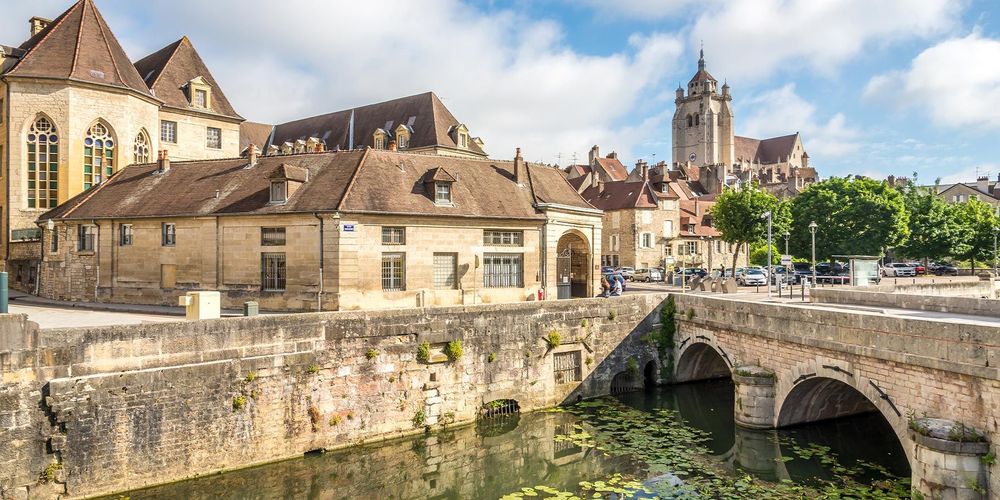
A former capital of the County of Burgundy, Dole reveals a charming historic center with its canals, historic houses, and Renaissance heritage. Peaceful and rich in culinary traditions, the town makes a lovely gateway to the Jura region.
Quand partir à Dole ?
Jan.
3°
10
Feb.
5°
9
March
9°
10
April
12°
11
May
16°
12
June
20°
11
July
23°
9
Aug.
23°
9
Sept.
19°
9
Oct.
14°
10
Nov.
8°
10
Dec.
4°
10
The climate in Dole is semi-continental, with cold winters, generally between -1 and 6°C, sometimes accompanied by frost and fog, and hot summers, most often ranging from 25 to 31°C, with possible peaks during heatwaves; the best times to visit are typically from April to June and then from September to October, when temperatures are pleasant, the surrounding nature is particularly green, and conditions are ideal for enjoying the historic center and the banks of the Doubs River in a calmer atmosphere than at the height of summer.
Départ conseillé
No need to worry about where to begin! Our tours are designed as a loop, so you can jump in wherever you are. The navigation system and audio-guide will automatically adjust to your location. However, if you happen to be nearby, we do have a preferred starting point: On Jules Grévy Square
Parking à proximité
Place Jules Grévy Parking
Découvrez 20 lieux d'intérêt pour visiter Dole

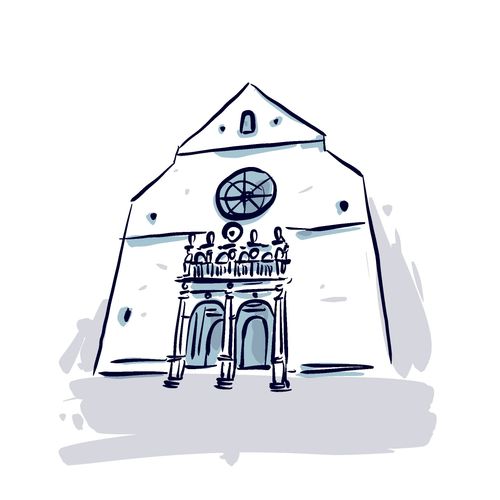
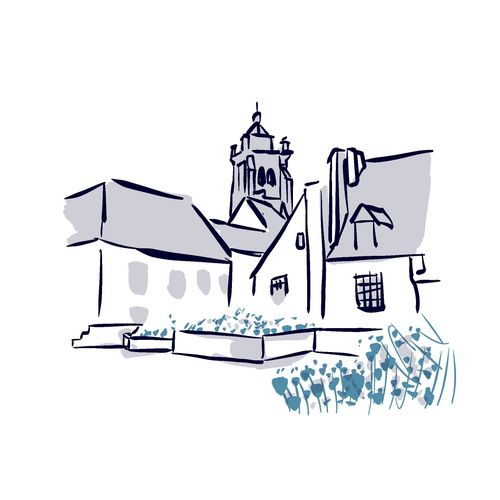
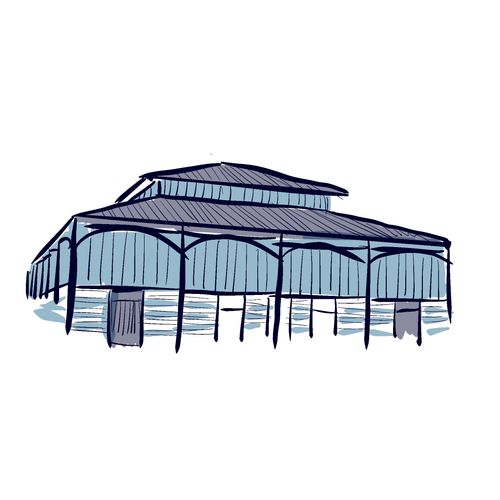
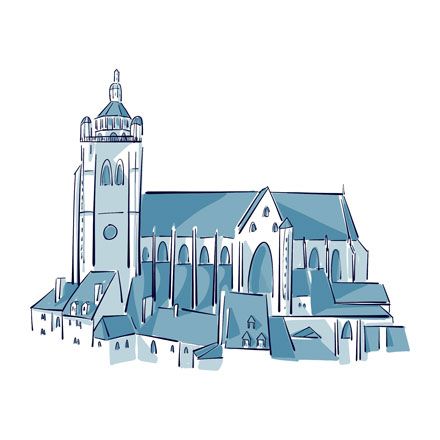
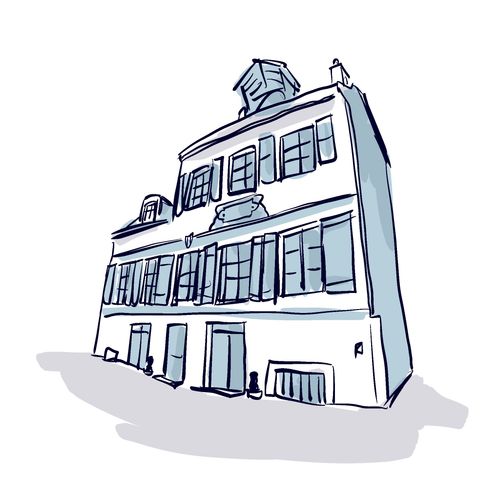
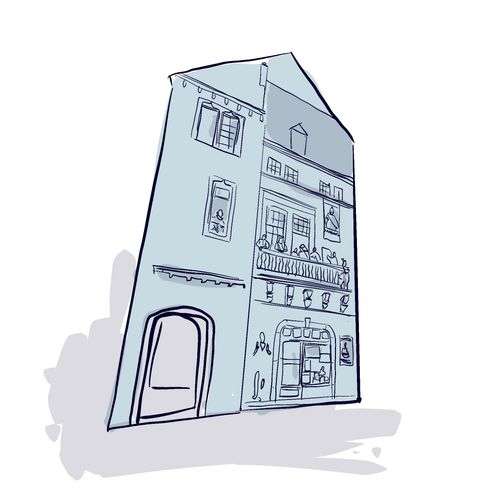

Le plein d'inspirations
Explorez le monde en totale liberté, à pied au cœur des villes ou au fil des routes. Nos guides audios transforment chaque destination en une découverte culturelle immersive et unique.
FAQ for visiting Dole
What is the best season to visit Dole?
The best times to discover Dole run from April to June and then from September to October. During these months, you'll enjoy pleasant temperatures and lush greenery, ideal for strolling through the historic centre and along the banks of the Doubs. The atmosphere is more peaceful than in high summer, letting you fully appreciate the charm of this former capital of the County of Burgundy. Winters are cold, sometimes with fog, while summers can experience heatwaves. Spring and autumn therefore offer the best compromise between mild weather and tranquillity to explore this Jura town.
How long do you need to visit Dole?
A full day lets you discover the essentials of Dole and its Renaissance heritage. You'll have time to wander through the historic centre, admire the old houses along the canals, visit the birthplace of Louis Pasteur and climb to the top of the collegiate church for a panoramic view. If you wish to deepen your visit and make the most of the town's peaceful atmosphere, two days are ideal. This will also leave you time to savour the local gastronomy and stroll leisurely along the Doubs. For a simple overview of the main monuments, half a day may suffice, but you risk missing the authentic charm of this Jura town.
How do you get around Dole and the surrounding area?
The historic centre of Dole is easy to explore on foot; its modest size and pedestrian streets make it a very pleasant town for walking. To reach the outlying districts or explore the surroundings, you can use the local bus network, which serves the main points of interest. Cycling is also an excellent option, particularly to follow the banks of the Doubs and discover the surrounding landscapes. If you wish to range across the Jura, a car remains the most practical way to reach the natural sites and nearby villages. Taxis are available for occasional trips, notably from the station. As the town is relatively flat, it is perfectly suited to effortless strolling.
What should you absolutely see during a visit to Dole?
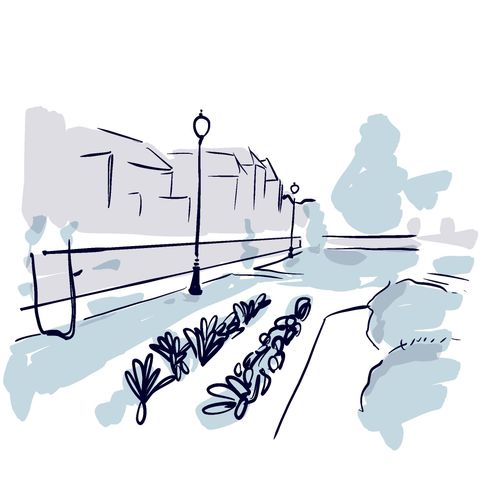
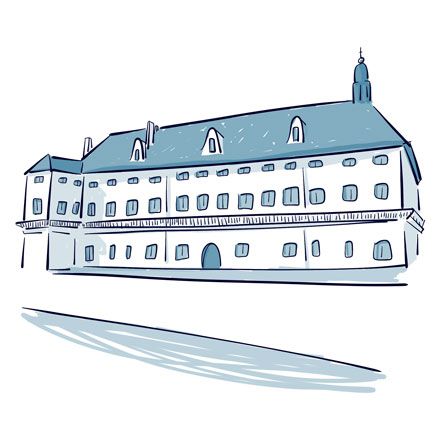
Your discovery of Dole must absolutely include the birthplace of Louis Pasteur, transformed into a captivating museum about the life of the famous scientist. The Notre-Dame collegiate church, an imposing Gothic edifice, is worth a visit for its architecture and the exceptional view from its bell tower. Wander through the historic centre with its cobbled lanes lined with Renaissance houses and remarkable private mansions. The canals that cross the town offer romantic walks, notably along the Canal des Tanneurs. Don't miss the former Hôtel-Dieu with its preserved historic pharmacy. The Ryo audioguide accompanies you on this exploration with a narrated route that reveals the secrets and anecdotes of each iconic monument of this former county capital.
Where can you eat the local specialities in Dole?
Dole is full of good restaurants where you can taste the Jura specialities. In the historic centre, you'll find several traditional restaurants offering the region's must-tries: Comté fondue, morbiflette, coq au vin jaune and other hearty dishes. The brasseries around the Place aux Fleurs serve authentic local cuisine in a warm setting. To accompany your meal, try the Jura wines such as Savagnin or Trousseau. The weekly markets are also a chance to discover the local produce: aged Comté, Morteau sausage, cancoillotte. Don't forget to finish with a slice of gâteau de ménage, a traditional Dole dessert. The bistros along the canal offer pleasant terraces in fine weather.
How do you reach Dole from Paris or the major cities?
Dole enjoys excellent rail connections. From Paris, the direct TGV brings you in less than two and a half hours to Dole station, located close to the town centre. Regular connections also exist with Lyon in about two hours, Dijon in one hour and Besançon in less than an hour. If you prefer to drive, Dole is about four hours from Paris via the A6 motorway and then the A39. The nearest airport is Dole-Jura, mainly served by European low-cost flights. The airports of Geneva and Lyon are attractive alternatives, respectively one hour thirty and two hours' drive away. The bus station also offers coach connections with the region's main towns.
What sites are worth visiting around Dole?
The surroundings of Dole offer many rewarding excursions. The Chaux forest, one of the largest in France, invites you to lovely hikes and is home to the woodcutters' huts, testimonies of a unique forestry past. About twenty kilometres away, Arc-et-Senans will amaze you with the Royal Saltworks, an architectural masterpiece listed as a UNESCO World Heritage Site. Wine lovers will appreciate the Jura wine route that winds through vineyards and picturesque villages such as Arbois, Pasteur's homeland. Further south, the Hérisson waterfalls offer a grandiose natural spectacle, particularly impressive in spring. The Château de Joux, a thousand-year-old fortress perched on its rocky spur, is also worth the detour for its fascinating history and its stunning views.
Is Dole suitable for families with children?
Dole is an ideal family destination thanks to its peaceful atmosphere and its many activities suited to children. The pedestrian town centre lets you stroll in complete safety with the youngest ones. The Pasteur house often offers fascinating educational workshops to introduce children to science. The landscaped banks of the Doubs offer play and relaxation areas, perfect for a family picnic. The little tourist train generally delights children while letting them discover the town without tiring. The canals fascinate the youngest, who love to watch the fish and the ducks. During the summer, the leisure park with its supervised beach lets you cool off. Restaurants generally offer children's menus with suitable portions of the local specialities.
What can you discover about Louis Pasteur in Dole?
The scientist was born in the tanners' district, beside the canal, in a house that is now a museum: you can see his father's tannery workshop, personal belongings and instruments retracing his work on fermentation and vaccination. It is the essential stop for understanding the town's attachment to its most famous son.
Around it, a marked trail through the streets recalls his childhood in Dole, and a science outreach space rounds off the visit for families, with hands-on experiments. Opening times vary with the season, so it is worth checking before you come. The Ryo audio guide offers a dedicated Dole route linking the birthplace to the historic centre.
What can you see along the Canal des Tanneurs in Dole?
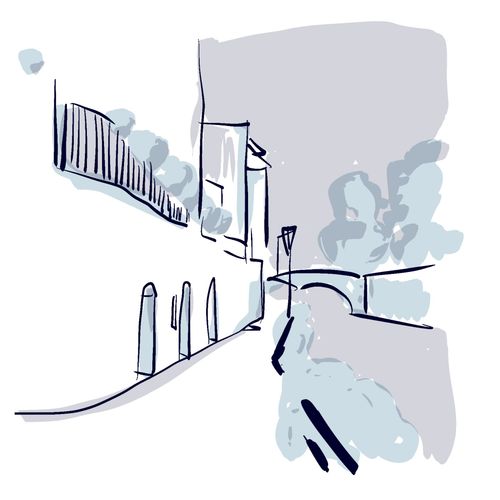
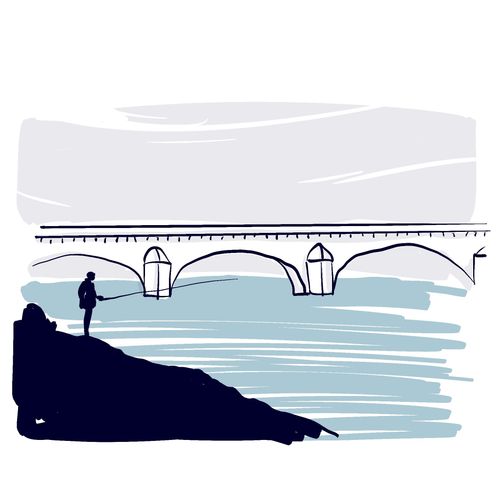
The Canal des Tanneurs follows the old river branch that turned the mills and supplied the hide workshops. Low houses with stone façades drop straight into the water, crossed by small bridges and reached by stone stairways: this is the most photogenic corner of Dole, especially late in the day.
Heading back up towards the upper town, the cobbled lanes lead to the Notre-Dame collegiate church and its massive bell tower, visible from far across the plain, then to the marina on the Doubs, pleasant for a break or a walk along the water. The contrast between the working-class tanners' quarter and the mansions of the former capital of Franche-Comté can still be read in the architecture.
Vos commentaires, idées et suggestions
Aucun avis pour le moment
