
Créé par Romane, le 4 oct. 2026
Votre guide Ryo
Dijon, France
Capital of Burgundy
Parcours audioguidé pour visiter Dijon en 1 jour
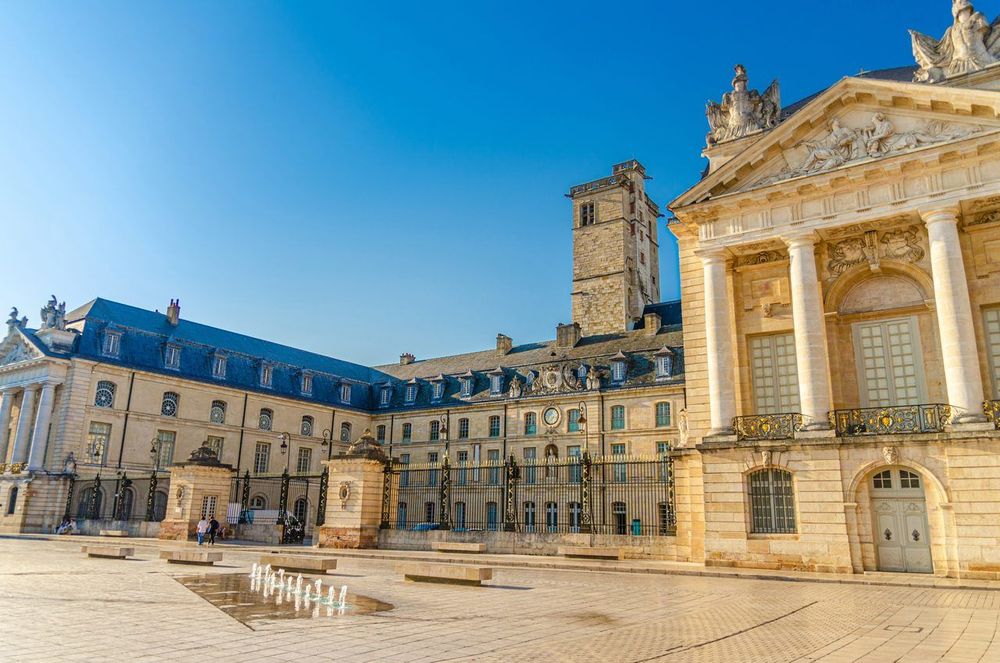
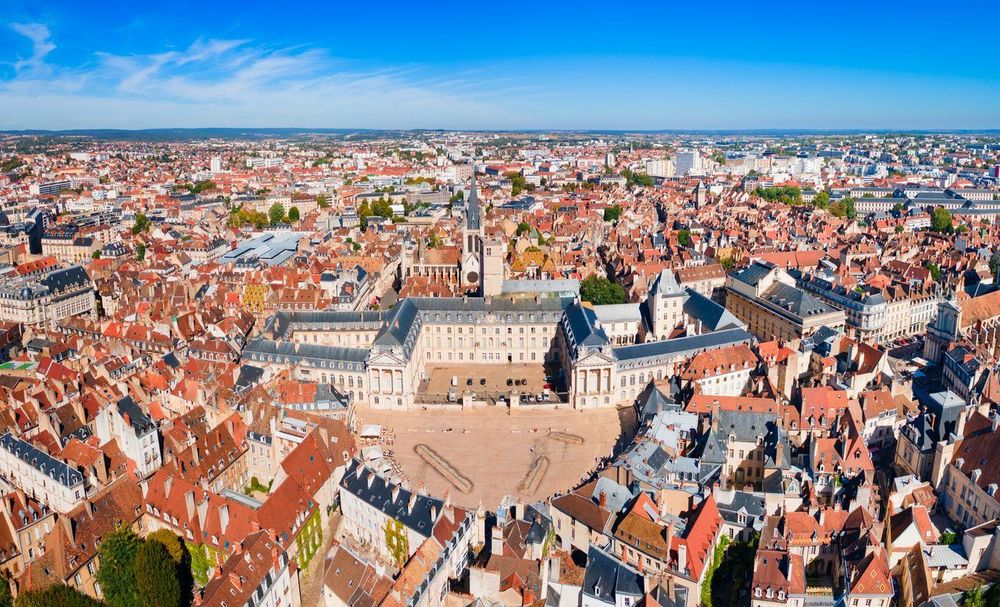
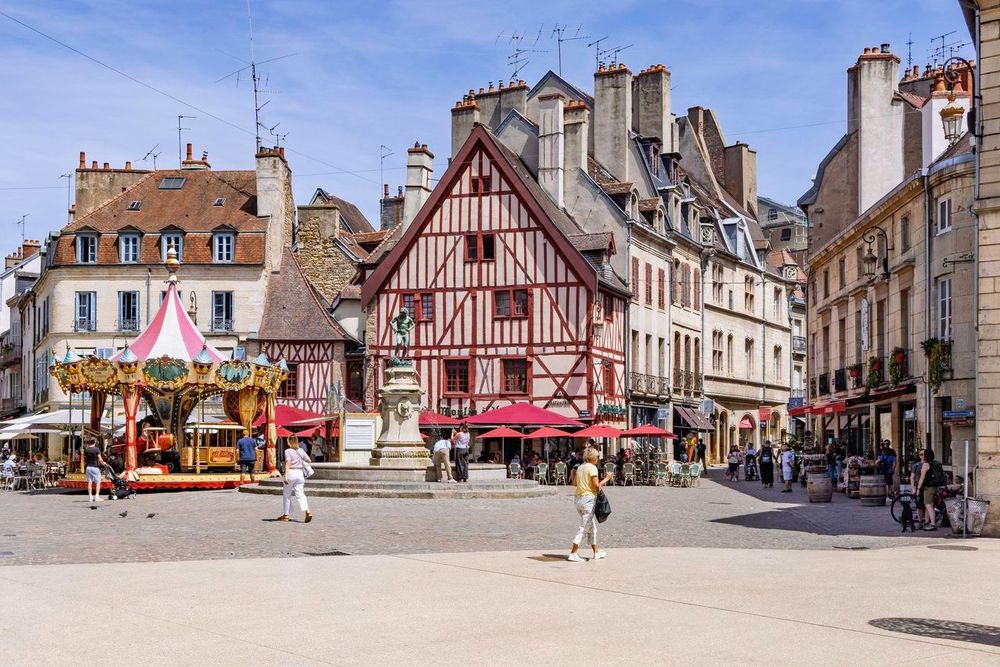
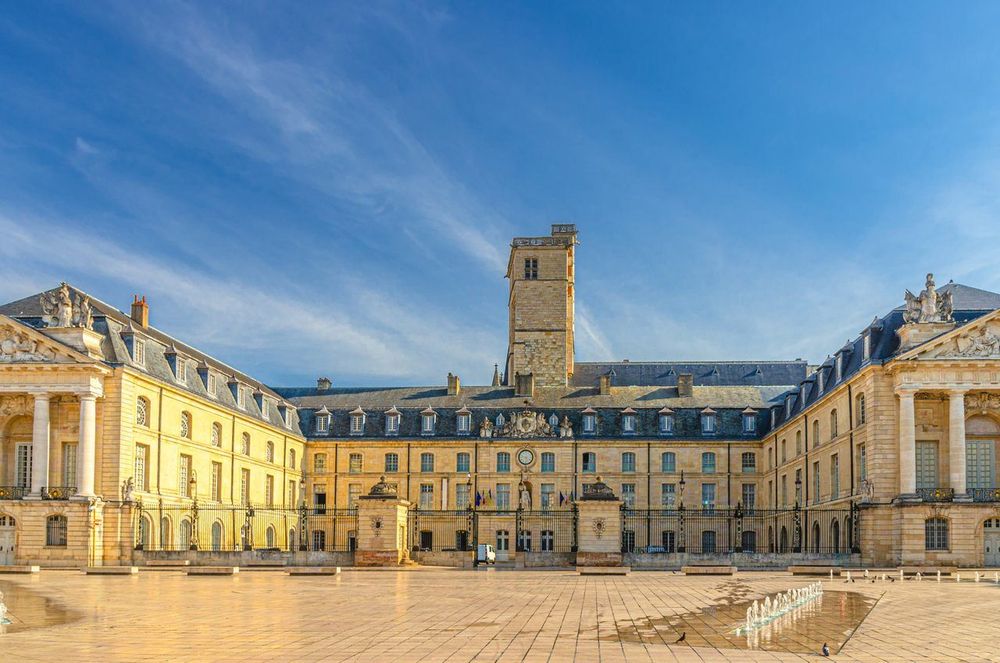
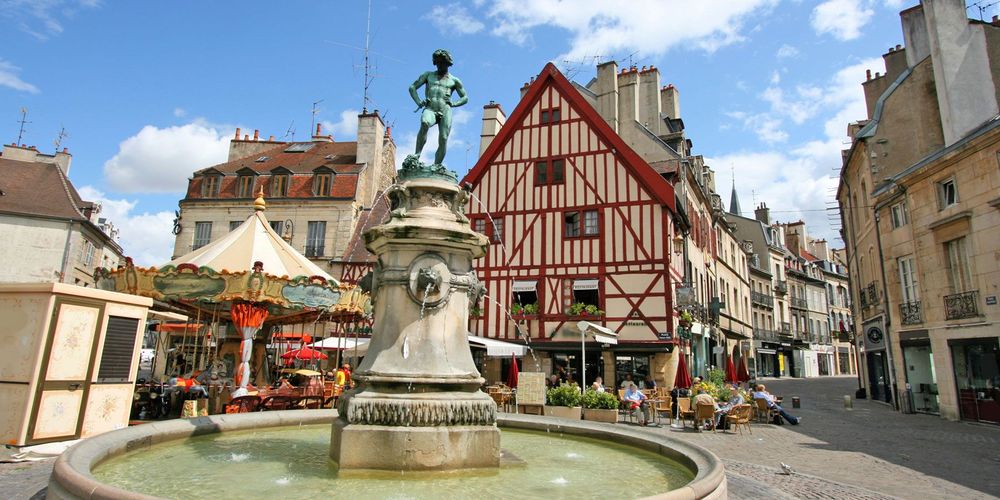
This walk through Dijon invites you into the former capital of the powerful Dukes of Burgundy. Let the famous Owl Trail lead the way through a maze of medieval streets, where glazed tile rooftops shimmer above elegant townhouses. From the grandeur of the Palace of the Dukes of Burgundy to the lively buzz of its gourmet market halls, the city reveals a truly distinctive, pleasure-loving way of life. It’s a rich and flavorful journey through history, offering the perfect way to experience the refined character of this Burgundian gem at your own pace.
Quand partir à Dijon ?
Jan.
2°
9
Feb.
4°
8
March
8°
8
April
11°
9
May
15°
11
June
19°
9
July
21°
8
Aug.
21°
8
Sept.
17°
8
Oct.
12°
10
Nov.
6°
10
Dec.
3°
10
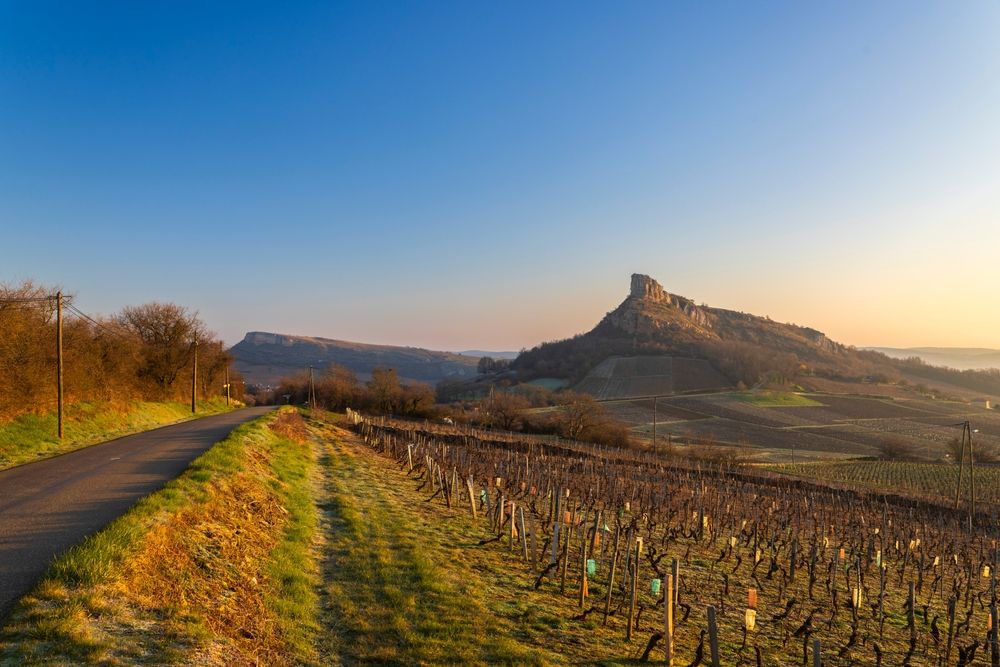
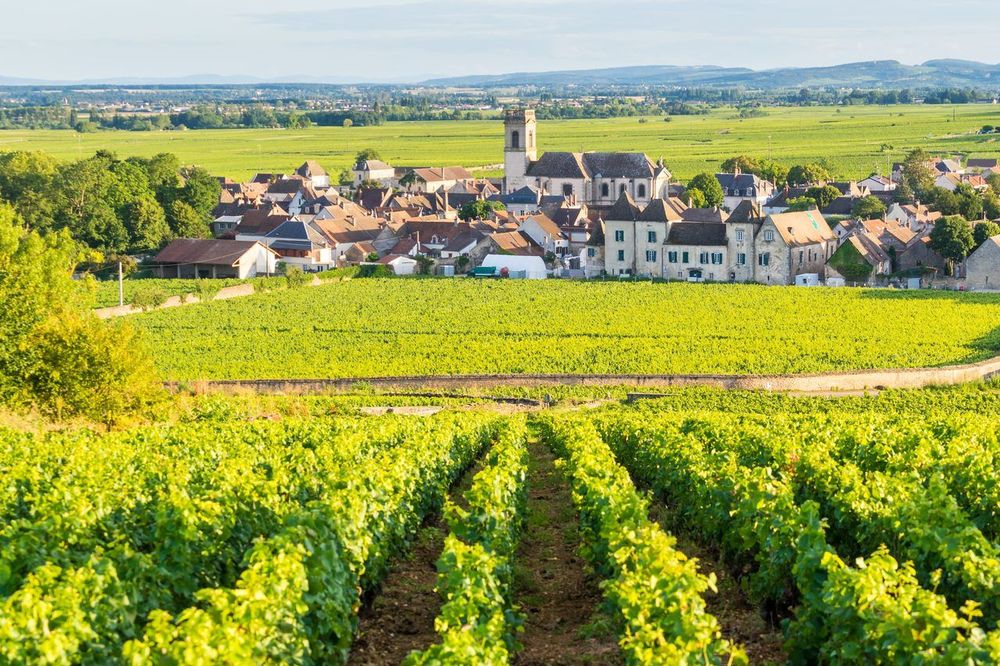
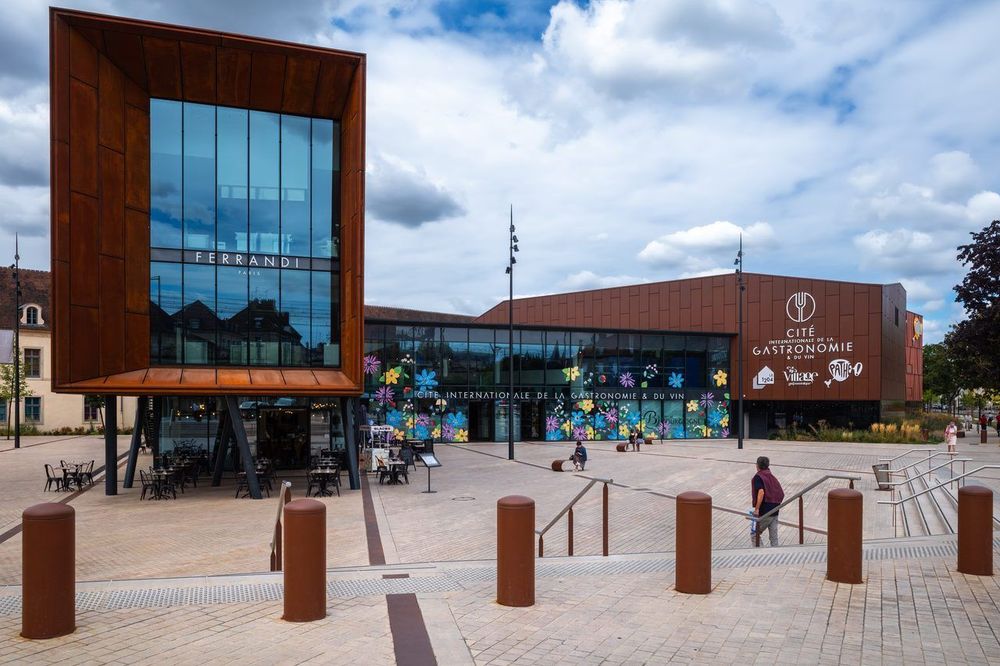
Dijon experiences an oceanic climate with semi-continental tendencies, characterized by hot, dry summers often reaching 26°C and fairly cold winters where temperatures hover between 0°C and 6°C. To make the most of the capital of the Dukes of Burgundy, favor the period from May to September, which is particularly pleasant for exploring the historic center and surrounding vineyards under clear skies. Alternatively, November is ideal for food lovers wishing to experience the excitement of its famous International and Gastronomic Fair.
Départ conseillé
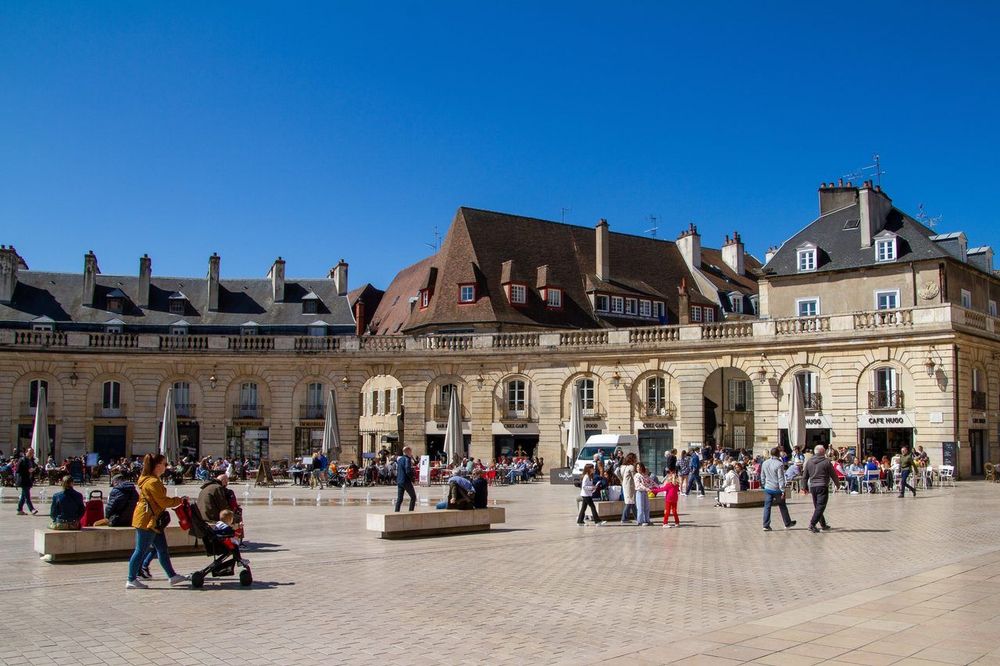
No need to worry about where to begin! Our tours are designed as a loop, so you can jump in where ever you are. The navigation system and audio-guide will automatically adjust to your location. However, if you happen to be nearby, we do have a prefered starting pont: Liberation Square
Parking à proximité
Dijon Dauphine covered car park, 17 rue Bossuet
À savoir
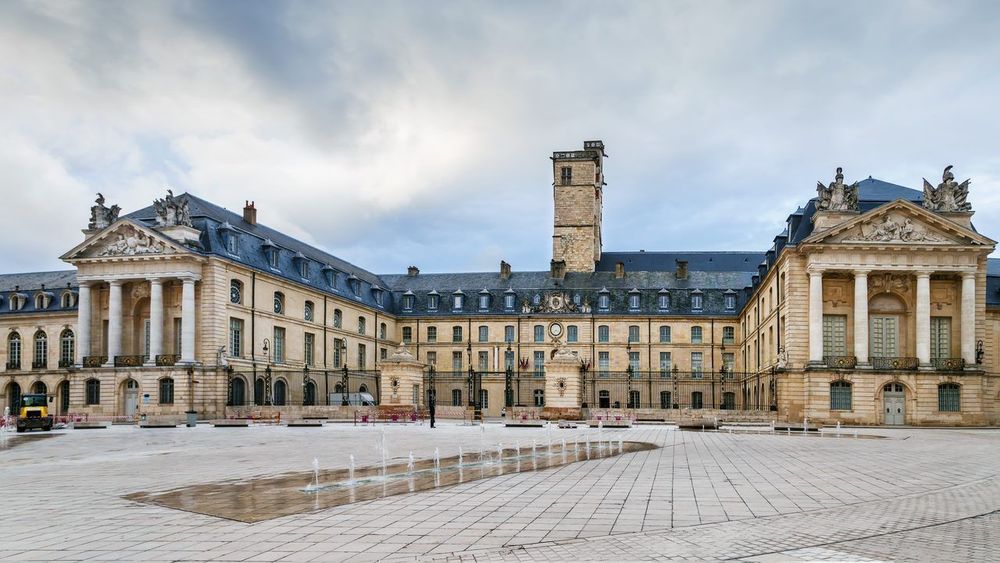
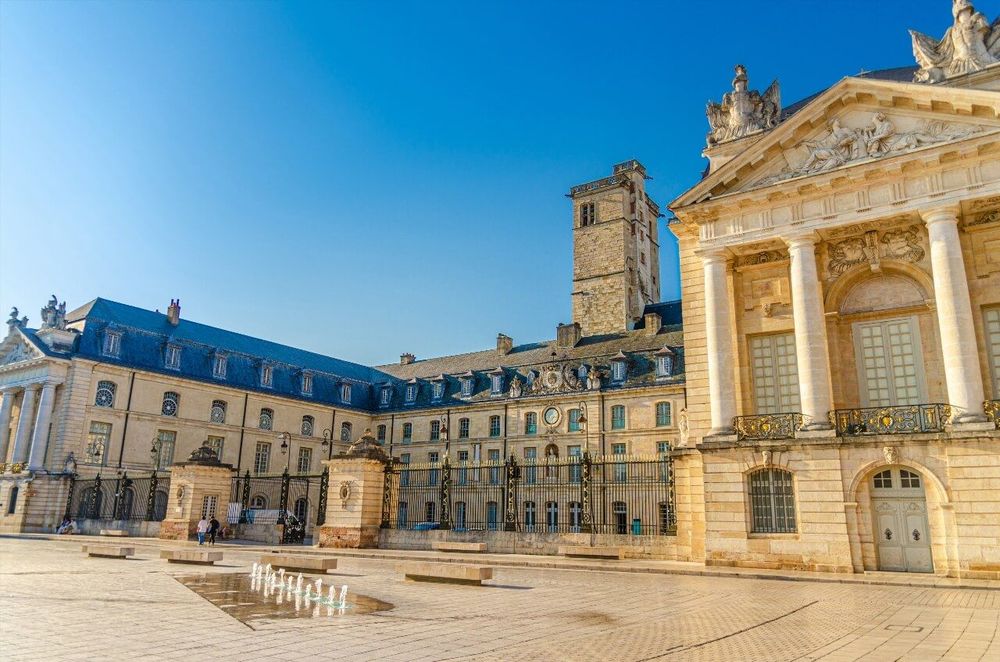
This tour takes you in front of the Palace of the Dukes, a landmark monument in Dijon: if you want to explore it, remember to book your tickets in advance!
During this tour, you'll pass through the Darcy Garden: access is free but subject to opening hours. If the garden is closed when you arrive, just head to Darcy Square to continue the itinerary.
Découvrez 25 lieux d'intérêt pour visiter Dijon















Le plein d'inspirations
Explorez le monde en totale liberté, à pied au cœur des villes ou au fil des routes. Nos guides audios transforment chaque destination en une découverte culturelle immersive et unique.

FAQ for visiting Dijon
When is the best time to visit Dijon?
The ideal time to discover Dijon runs from May to September, when the oceanic climate with semi-continental leanings offers optimal conditions. Summer temperatures approach 26°C, perfect for strolling through the medieval lanes and admiring the glazed roofs under a lovely sun. If you're a food lover, November makes an appealing alternative with the famous International Gastronomic Fair that enlivens the city. Winters remain cold, with temperatures ranging between 0°C and 6°C, but the warm atmosphere of the Burgundian establishments more than makes up for it. Spring and autumn also offer their charm, with mild temperatures and fewer tourist crowds.
How many days do you need to visit Dijon?
Two to three days make an ideal length of time to fully appreciate Dijon. A first day lets you explore the historic centre, from the majestic Place de la Libération to the Owl's Trail, taking in the gourmet covered market along the way. On the second day, you can deepen your discovery of the private mansions, visit the Museum of Fine Arts in the Palace of the Dukes and savour the Dijon art of living in its many cellars and restaurants. If you have a third day, an escape into the surrounding vineyards or a visit to the Abbey of Cîteaux will enrich your stay. Those in a hurry can nonetheless capture the essence of the city in one well-organised day.
How do you get to Dijon?
Dijon enjoys excellent accessibility thanks to its strategic location. By train, the Dijon-Ville station places you just 1h40 from Paris by TGV, with direct connections from Lyon, Marseille or Lille. By car, the A6 motorway links Paris to Dijon in around 3 hours, while the A31 serves the north-south axis. The nearest airport remains Geneva, located about 2 hours' drive away. Shuttles and car rentals then make the onward journey easy. For international travellers, the Paris airports are often the best option, with a direct rail connection. The long-distance bus network also offers economical alternatives from the main European cities.
What are the must-see sights in Dijon?
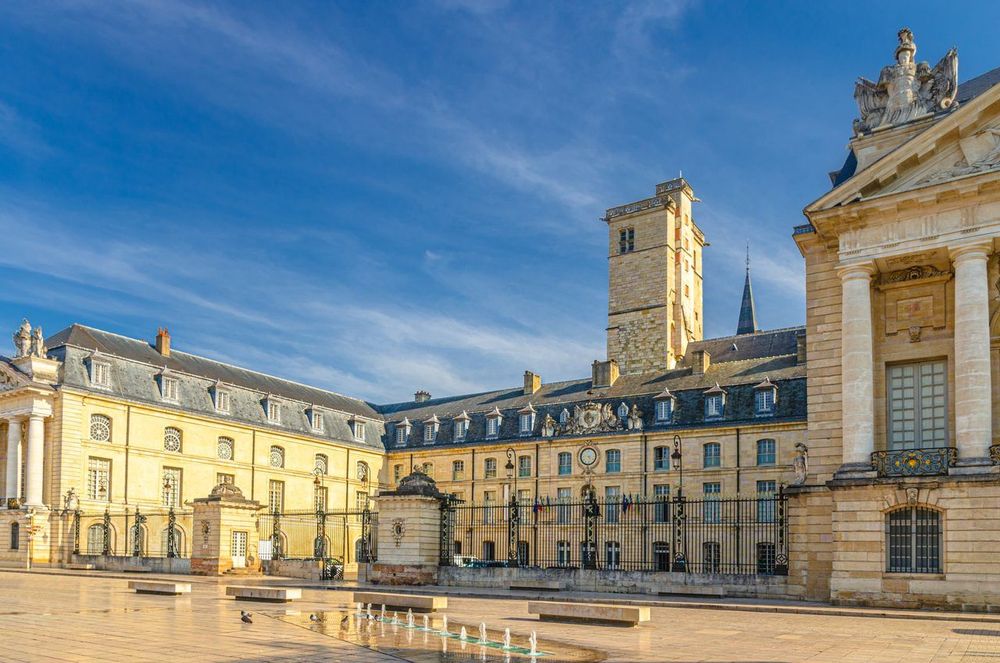
The Palace of the Dukes of Burgundy sits at the heart of Dijon's must-sees, now housing the Museum of Fine Arts and overlooking the Place de la Libération. The Owl's Trail then guides you through the medieval gems: the church of Notre-Dame with its famous lucky owl, the half-timbered houses of Rue Verrerie, and the sumptuous Renaissance private mansions. The covered market reveals the gourmet soul of the city, while the Darcy garden offers a leafy pause. The Ryo audioguide accompanies you on this discovery with a narrated route that reveals the secrets of each monument. Don't miss the Cathedral of Saint-Bénigne and its thousand-year-old crypt to round off this historical immersion.
What are the culinary specialities of Dijon to taste?
Dijon mustard obviously remains the undisputed star, but Dijon gastronomy holds many other treasures. Boeuf bourguignon and Burgundy snails are among the traditional dishes to savour without fail. Gingerbread, a medieval heritage, comes in many forms in specialist shops, while crème de cassis de Dijon flavours liqueurs and desserts. Oeufs en meurette, poached in a red wine sauce, embody authentic Burgundian cuisine. Accompany these dishes with the prestigious local wines: a Gevrey-Chambertin or a Nuits-Saint-Georges will elevate your meal. The central market is the ideal place to hunt down these regional products and put together a gourmet picnic that is typically Dijonnais.
Where should you stay in Dijon and which districts to favour?
The historic centre remains the most sought-after district to stay in, placing you at the heart of the buzz and within immediate reach of the main monuments. The streets around the Place de la Libération and the Palace of the Dukes offer charm and convenience, with a varied range of accommodation. The Halles district appeals with its authenticity and lively neighbourhood life. For a quieter stay, the area around the Cathedral of Saint-Bénigne combines tranquillity and accessibility. Travellers on a tight budget will find appealing options near the station, well connected to the centre by public transport. The Montchapet district, residential and leafy, is perfectly suited to families looking for more space while staying close to the town centre.
What free activities can you do in Dijon?
Dijon is brimming with free activities that will delight budget-conscious visitors. The Owl's Trail makes for a fascinating walk through the city, punctuated by 22 stages marked on the ground. Access to the many parks and gardens remains free, notably the Colombière park and the Darcy garden. Historic churches such as Notre-Dame or Saint-Michel open their doors to visitors free of charge. Strolling through the covered market to admire the colourful stalls without any obligation to buy offers an authentic immersion. On the first Sunday of each month, the Museum of Fine Arts offers free admission. The pedestrian streets of the historic centre invite you to discover the architecture, with their Renaissance façades and their often-accessible inner courtyards.
How do you get around Dijon's town centre?
Dijon's town centre is best explored on foot thanks to its extensive pedestrian area and the reasonable distances between the main sites. The tram network, with its two modern lines, efficiently serves the outlying districts and links the station to the historic heart. Buses complete this web to reach the less central areas. The DiviaVélodi self-service bike scheme offers an eco-friendly and practical alternative with its many stations. For motorised visitors, several underground car parks surround the historic centre, but favour the park-and-ride facilities on the outskirts, which are cheaper and connected to the tram. The city remains very accessible to people with reduced mobility thanks to its recent facilities and its adapted transport.
Vos commentaires, idées et suggestions
Aucun avis pour le moment