© Shutterstock
 Votre guide Ryo
Dijon Neighborhoods in 2026: Complete Guide to Getting Around and Choosing Where to Stay
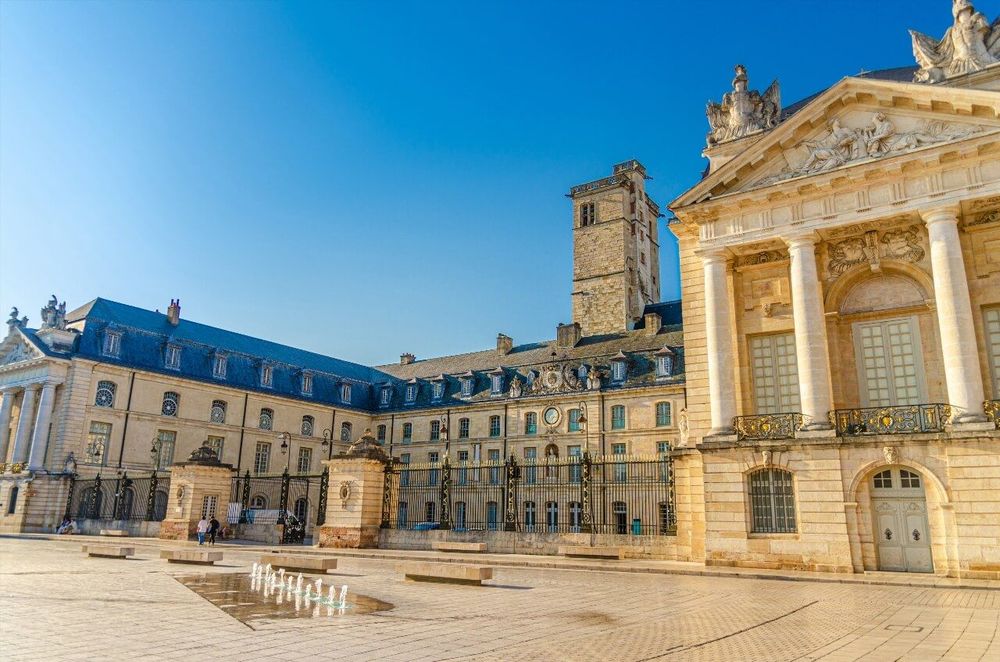
In Dijon, ten minutes on foot is all it takes to go from a medieval cobbled square to a 1960s residential neighborhood, or from a lively university campus to an artificial lake lined with sandy beaches in summer. How many neighborhoods does Dijon actually have? The question comes up for almost every newcomer, who imagines a uniform city centered on its old town, whereas the neighborhoods of Dijon form a mosaic that is far broader and harder to read without some bearings. The Ryo audio-guided tour of Dijon lets you feel this shift as you walk, from place de la Libération all the way to the half-timbered lanes of the historic center.
This guide covers seventeen districts, from the pedestrian city center listed as a UNESCO World Heritage Site since 2015 to the outlying neighborhoods undergoing major transformation. You will find the true face of Toison d'Or, a large commercial hub in the north; student life concentrated around the Montmuzard campus and the République district; and lac Kir with its 37 hectares of open water in Fontaine d'Ouche. We also address, without evasion, the question of neighborhoods with a tougher reputation, and the best area to stay depending on your visitor profile.
Map and Landmarks for Getting Around Dijon
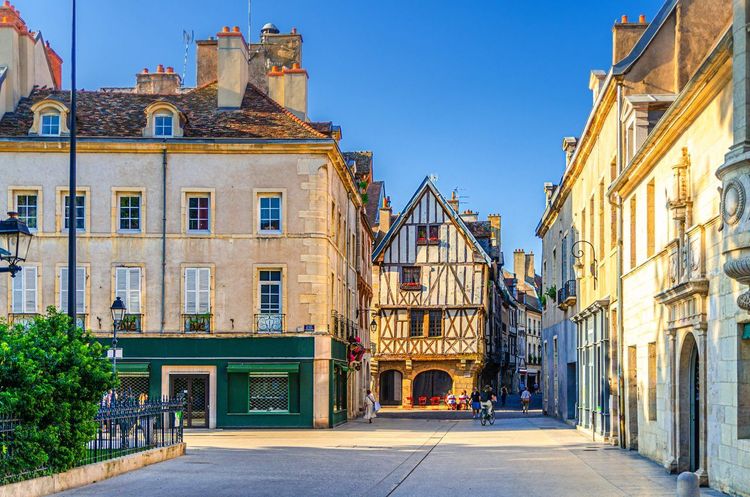
Seen from above, Dijon looks almost like a target: a pedestrian historic core ringed by the boulevards that replaced the medieval ramparts, then circles of residential, university, and industrial neighborhoods spreading out to the ring road. The Dijon city center map fits within a rectangle of roughly one kilometer by eight hundred meters, which explains why almost everything in the very center can be done on foot.
To read a map of Dijon's neighborhoods without getting lost, keep three axes in mind: the train station and avenue Maréchal Foch to the west, the university campus toward Montmuzard to the east, and the canal de Bourgogne to the south, which structures Port du Canal. Add two north–south landmarks — Toison d'Or in the far north near the ring road and Chenôve in the south — and you have the backbone of the greater urban area. This map of Dijon and its surroundings guides the rest of the article, district by district, from the most central to the most peripheral.
The Historic City Center of Dijon
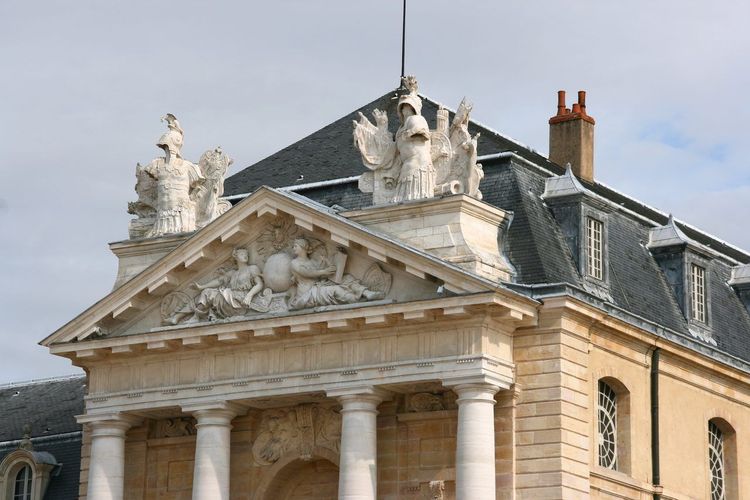
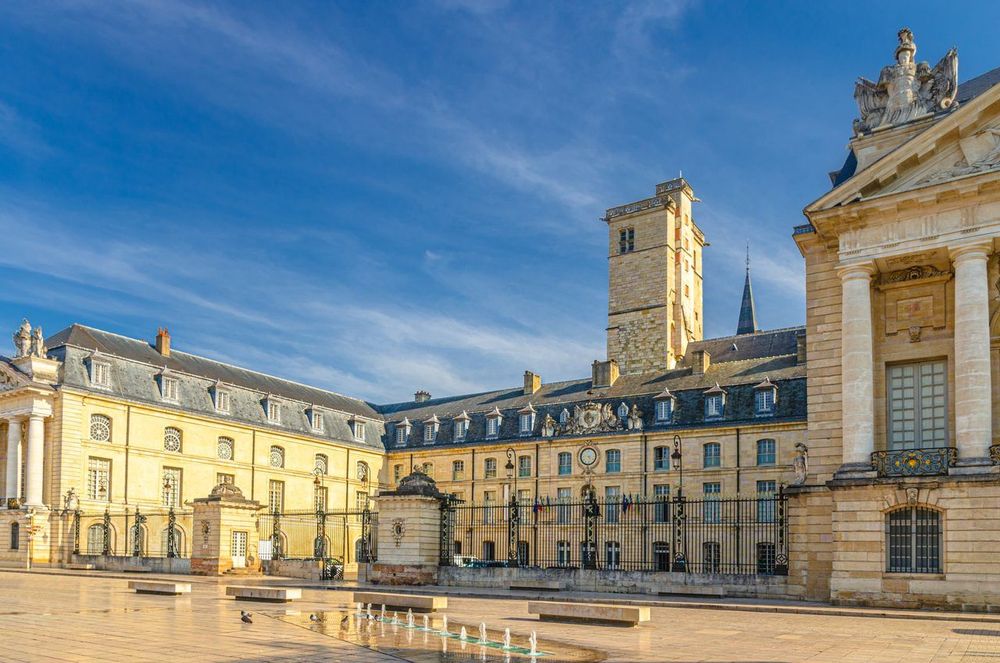
Dijon's city center alone accounts for the vast majority of the city's postcard images, and it is also the historic district with the highest density of monuments per square meter. Its protected sector forms the second component of the Climats du vignoble de Bourgogne, inscribed as a UNESCO World Heritage Site on 4 July 2015 — a recognition that covers both the mansions of the wine merchants and the medieval street layout. Everything revolves around the Palais des Ducs et des États de Bourgogne, the former residence of the Dukes of Burgundy, now home to the city hall and the Fine Arts Museum.
Just behind it, place François-Rude hosts its flower market and lively terraces as soon as the weather turns fine. You can wander without a set plan: the cobbled lanes naturally converge toward the points of interest, and the Ryo audio-guided tour of Dijon marks this route with audio commentary at every key junction.
Close by, the église Notre-Dame de Dijon (Place Notre-Dame, 21000 Dijon, rated 4.6/5 on Google from 1,312 reviews), built between 1220 and 1240, lines up its three rows of false gargoyles above the square. On its northern side, along rue de la Chouette, hides the famous carved owl: thirty-five centimeters of stone set 1.80 meters from the ground, which visitors stroke with their left hand — the hand of the heart — while making a wish. The street already bore this name on an eighteenth-century map, proof that the tradition is far from a recent tourist invention. The stone is now so polished it has lost its relief.
Finally, rue de la Liberté connects place Darcy to the ducal palace, running through the busiest shopping street in the historic center. Allow a good hour to stroll it without rushing, stopping in the shops selling Burgundian specialties. This pedestrian perimeter remains the absolute reference for a first visit, even if you plan to explore the other Dijon neighborhoods on subsequent days. The audio-guided tour of Dijon links this same stretch to the Fine Arts Museum and the Palace of the Dukes of Burgundy, without any detour.
The Antiques District
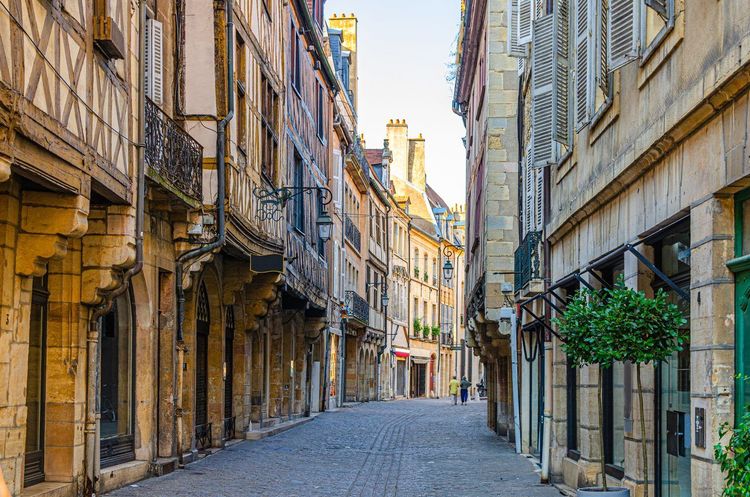
An immediate neighbor of the historic center but noticeably less crowded, the Antiques District stretches around rue Verrerie (Rue Verrerie, 21000 Dijon), one of the best-preserved streets in the city with its timber-framed facades.
The atmosphere here is a notch quieter than on the nearby rue de la Liberté. Art galleries, flea markets, and a handful of artisan workshops have kept this small area alive for decades. It is the kind of neighborhood you discover by wandering, without a fixed route, pushing open whichever doors look interesting.
Parc Darcy and the Jardin de l'Arquebuse
Two green lungs frame the city center on the western side, just a few minutes' walk from the train station. Parc Darcy, Dijon's first public garden, laid out at the end of the nineteenth century above the city's former water reservoirs, serves as an immediate landmark for anyone arriving by train. Its polar bear, a copy of a sculpture by François Pompon, has become a local meeting point on a par with the statue in any grand square.
Continuing southwest, the jardin de l'Arquebuse (1 Avenue Albert 1er, 21000 Dijon, rated 4.5/5 on Google from 3,729 reviews) combines a botanical garden, arboretum, and natural history museum across around five hectares. You will find greenhouses, botanical collections labeled species by species, and ponds where herons and ducks nest — a sharp contrast with the bustle of the city center just five minutes away on foot. Admission to the garden is free, making it one of the cheapest outings in Dijon with children.
To extend the visit, our article on things to do in and around Dijon details other nature breaks accessible from this area.
The Train Station District
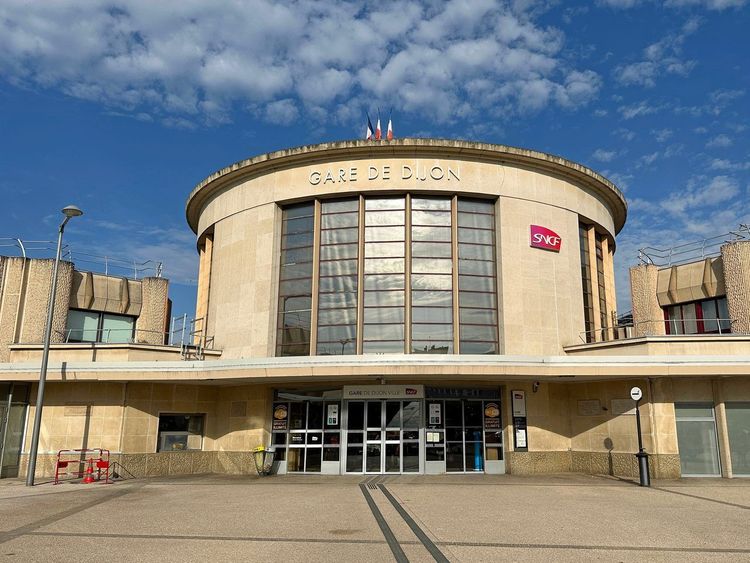
The train station district serves as the gateway for most visitors, since Dijon-Ville station (Cours de la Gare, 21000 Dijon, rated 3.9/5 on Google from 742 reviews) puts the city center within about ten minutes on foot.
Long austere, this area is changing: office buildings, recent hotels, and a redesigned forecourt are reshaping it. For a short stay or a business trip, staying here is practical, with direct connections to Paris in 1 h 35, Lyon, or Lausanne. Our itinerary for visiting Dijon in 2 days actually starts from this very point.
Toison d'Or
In the north of the city, against the ring road, Toison d'Or forms one of Dijon's largest residential and commercial neighborhoods. Contrary to what is often written, the neighborhood predates the shopping center: housing developments began as early as the 1970s and 1980s, and the mall itself only opened on 11 April 1990.
With its 78,000 m², around 150 stores, and 8.5 million visitors a year, this shopping center remains the top retail hub in the greater urban area, expanded in 2013 by an extension of more than 12,000 m². The surrounding neighborhood is decidedly family-oriented: recent apartment blocks, schools, sports facilities, and an open layout designed as much for cars as for pedestrians. The T2 tram serves the area at the Place Marie-de-Bourgogne stop, a short quarter of an hour from place Darcy. It is not the most picturesque area for a passing tourist, but it gives a good picture of everyday Dijon, far from the postcard images.
Montchapet and Le Drapeau
To the northwest, Montchapet and Le Drapeau form a quiet residential area, valued for its detached houses and its almost village-like feel despite its proximity to the center.
The streets are lined with gardens, ambient noise drops a notch as soon as you leave the main roads, and local shops cover everyday needs. This is typically the kind of area sought by families settling in Dijon long-term rather than passing visitors, though a few bed-and-breakfasts have set up here to take advantage of the peace and quiet.
Montmuzard
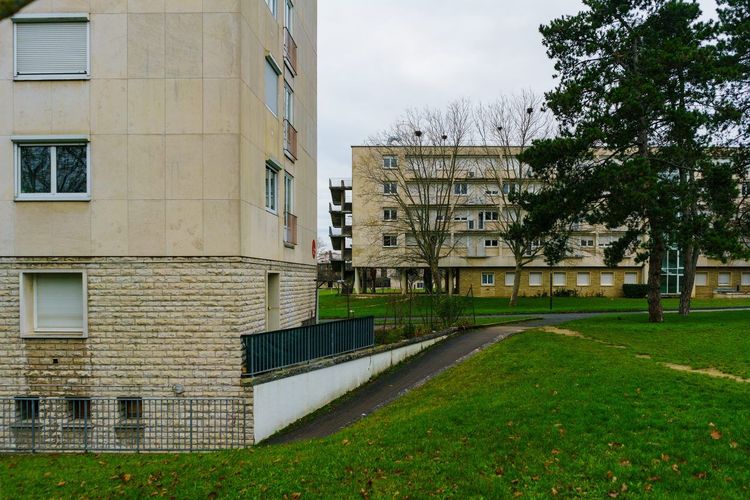
Montmuzard owes its identity to the university campus that occupies a large part of its territory, between lawns, research buildings, and student residences.
The neighborhood is surprisingly green given its closeness to the center: shaded walkways, wooded spaces, and cycle paths connect the campus to neighboring districts. Outside term time, the atmosphere becomes noticeably more residential, shaped by families who appreciate the quiet. You will not find late-night activity here as you would in the center, but it offers a quality of life sought by those who work or study on campus year-round, with the T1 tram as the umbilical cord to the train station.
Port du Canal
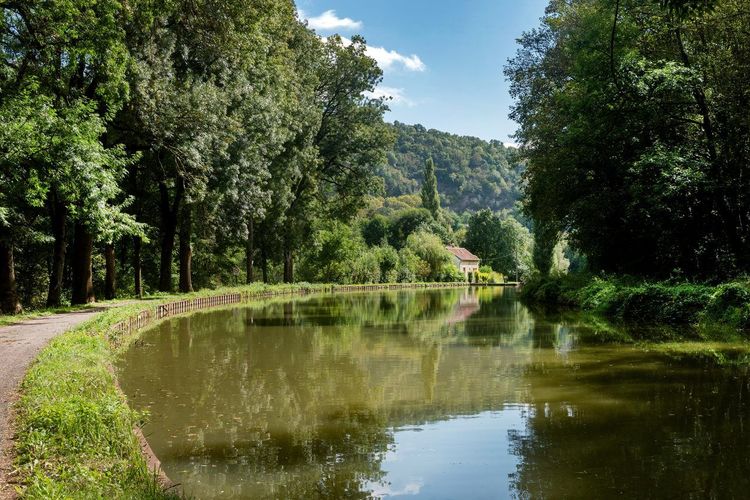
Along the canal de Bourgogne, Port du Canal (Quai Nicolas Rolin, 21000 Dijon, rated 3/5 on Google from 1 review) has been undergoing a profound transformation for the past decade or so. Former industrial warehouses are progressively giving way to new residential developments.
The landscaped quays invite leisurely strolls, with inhabited barges, a few recently opened restaurants, and a towpath cycle route that stretches for dozens of kilometers into the Burgundian countryside. This is a neighborhood worth watching if you are interested in Dijon's urban evolution: real-estate projects are springing up faster here than elsewhere, driven by proximity to the city center and a growing appetite for waterside living. The contrast with the industrial atmosphere of twenty years ago is striking for anyone who has known the area for a long time.
Fontaine d'Ouche
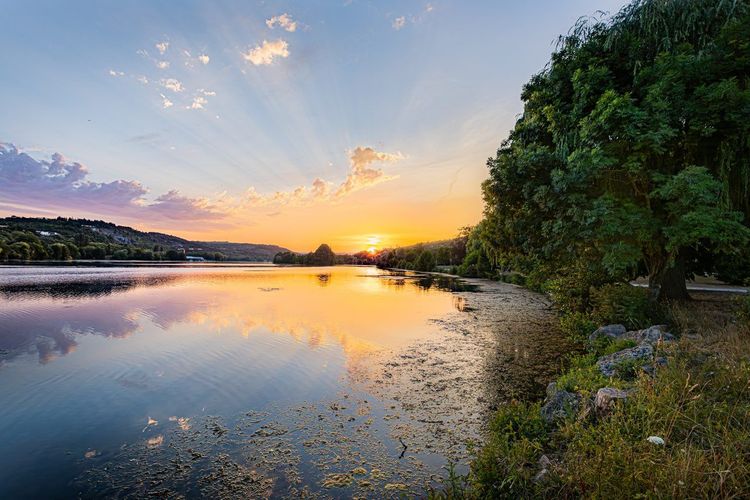
To the west, Fontaine d'Ouche is organized entirely around its lake, lac Kir (Boulevard Chanoine Kir, 21000 Dijon, rated 4.4/5 on Google from 5K reviews), inaugurated on 20 June 1964 by canon Félix Kir himself, then mayor of the city at the age of 88. The artificial body of water, dug in the Ouche valley, stretches 1.5 kilometers long across 37 hectares.
In summer, its 3,000 m² of beaches become the real leisure hub of the greater urban area: supervised swimming during the Dijon Plage event, beach volleyball, beach soccer, jazz concerts on some August evenings, and a municipal water sports center offering canoeing, rowing, and sailing. On the southern bank, the parc de la Combe à la Serpent extends the walk into the forest, a playground covered in more detail in our selection of hikes around Dijon.
The residential neighborhood bordering the lake retains a working-class reputation, inherited from the large housing estates built during the postwar boom years. You will find some of the most affordable rents in the city here, and a neighborhood life structured around the water rather than the historic center. One practical downside: the tram does not serve Fontaine d'Ouche, which is covered by the Divia bus network, and the subject regularly resurfaces in debates about extending the tram lines. Allow around twenty minutes by bike from place Darcy along the Ouche, a flat and pleasant ride.
La Maladière and Les Grésilles
These two neighborhoods in the northeast of Dijon share a border but not much of a common identity. La Maladière concentrates a significant commercial activity zone, with large retail brands and business parks that draw customers from across the greater urban area rather than from the local residents themselves.
Les Grésilles, right next door, retains a genuinely vibrant working-class neighborhood life, structured around its weekly market and its community facilities. Classified as a priority urban policy area, the district has been the subject of an urban renewal program for several years: demolition of tower blocks, residential landscaping, and new public amenities.
This area illustrates Dijon's social diversity well: moderate rents, local shops, and strong social mix, far from the polished image of the historic center.
Les Bourroches and the Parc District
Less documented than their neighbors, Les Bourroches and the Parc district — officially Chevreul-Parc — form quiet residential pockets in the southeast of the center, appreciated for their immediate proximity to the parc de la Colombière (Cours du Parc, 21000 Dijon, rated 4.5/5 on Google from 5,689 reviews).
One persistent misconception deserves correcting: this 33-hectare park was not designed by Le Nôtre. Created in 1672 for the Grand Condé, then governor of Burgundy, it was laid out by Antoine de Maerle, a pupil of Louis XIV's famous landscape gardener, with sixteen radiating avenues from a central roundabout. Listed as a historic monument since 1925, it contains nearly 6,000 trees and has housed, since 1970, free-access enclosures with farm and ornamental animals, very popular on Wednesday afternoons.
Living in Les Bourroches or the Parc district means choosing a calm, tree-lined setting while remaining a quarter of an hour's walk from place François-Rude. Few visitors venture here, but the area is worth a detour if you want to understand how Dijonnais actually live outside the tourist zones.
Student Neighborhoods: Université and République
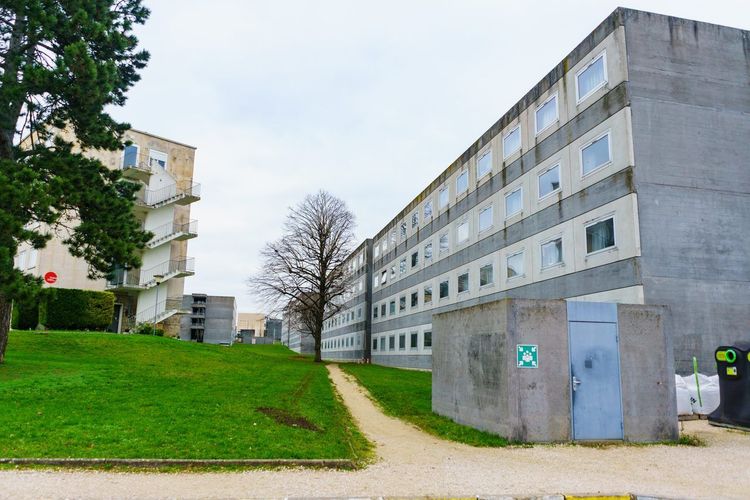
Université Bourgogne Europe welcomes around 35,000 students, the vast majority on the Dijon campus, and two districts concentrate their daily lives. Around the university, between the Montmuzard campus and the République neighborhood, student residences, bars, and small late-night grocery stores animate streets that are often livelier in the evening than the historic center itself.
The République district has grown denser in recent years with new housing developments aimed at students, within direct reach of the T1 tram line, which connects the train station to the campus in about fifteen minutes with seventeen stops in all. You will find an abundant fast-food offering and generally more affordable rents than in the very center. Without going into the commercial details of the private student residences multiplying there, note that these two neighborhoods remain the most relevant area for accommodation near Dijon's faculties, whether for a semester or a full academic year.
New Neighborhoods and the Rise of Eco-Urbanism in Dijon
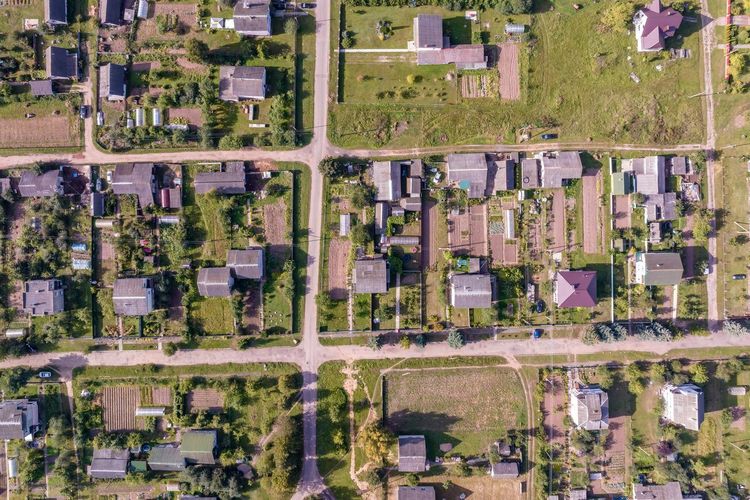
Few articles about Dijon's neighborhoods mention the city's recent urban transformation, yet it is concretely reshaping its face. Three projects sum up this shift: the Arsenal eco-district, developed on former military land near the center; the Junot eco-district near the campus; and the Heudelet sector, built on former barracks to the northeast of the train station.
These new neighborhoods prioritize low-energy buildings, landscaped public spaces, and planned mixed use combining housing, retail, and offices. The Cité internationale de la gastronomie et du vin (12 Rue Pierre Adrien Pâris, 21000 Dijon, rated 4/5 on Google from 3,663 reviews), opened in May 2022 on the site of the former general hospital, just steps from the jardin de l'Arquebuse, embodies this ambition: converting a heritage site into a cultural, commercial, and residential hub rather than leaving it frozen in time.
If you are interested in real estate or urban planning, these areas are worth a visit to understand where Greater Dijon is heading over the next ten years.
What is the Best Neighborhood to Stay in Dijon?
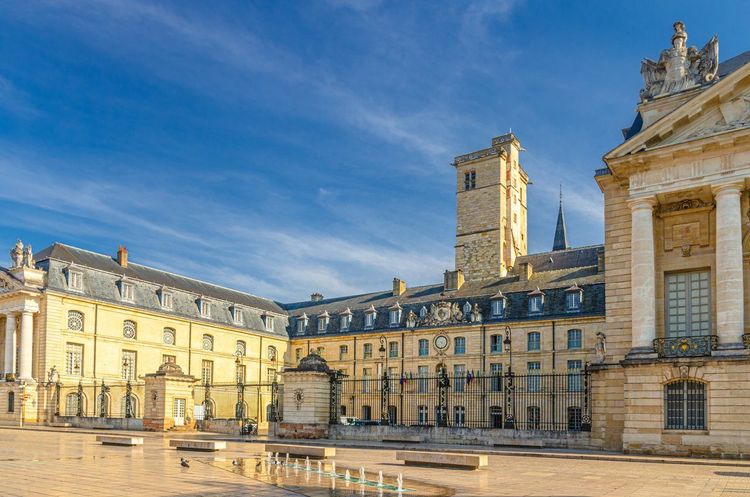
The answer depends mostly on the length and purpose of your stay. For a short two- or three-day visit, the historic city center is unbeatable: everything is walkable, and you are within walking distance of both the Palais des Ducs and the train station. Our guide for visiting Dijon in 3 days lays out a complete itinerary designed for this type of stay.
If you are traveling as a family and need more space or a tighter budget, Toison d'Or or Fontaine d'Ouche offer larger accommodations at noticeably lower prices, at the cost of taking the tram or bus to reach the center. For a nature-focused stay, the area around parc Darcy or the jardin de l'Arquebuse combines peace and quiet with quick walking access to the monuments.
Finally, if you are a student or on a long-term internship, the Université and République neighborhoods remain the go-to choice, served as they are by the tram. In short: the historic center for the classic tourist experience, the northern or western outskirts for budget and space, the university district for a student base.
Neighborhoods to Avoid and Safety in Dijon: Myth or Reality?
The question comes up frequently in searches about Dijon's neighborhoods, fueled by a reputation that far exceeds the city's actual crime statistics. Certain parts of Les Grésilles or Fontaine d'Ouche, classified as priority urban policy areas, do concentrate higher levels of social deprivation and a heightened sense of insecurity at night in a few specific streets.
That said, labeling entire neighborhoods as "rough areas" is an oversimplification. Dijon remains a medium-sized city where street crime affects very localized spots rather than whole neighborhoods, and those same neighborhoods host markets, community centers, and sports facilities that are well attended during the day. If you visit during daylight hours, even there, you will most likely notice no meaningful difference from the rest of the urban area.
Our advice is pragmatic: rely on recent reviews and feedback from residents rather than outdated clichés, and adjust your nighttime awareness as you would in any comparable French city.
Getting Around Between Dijon's Neighborhoods
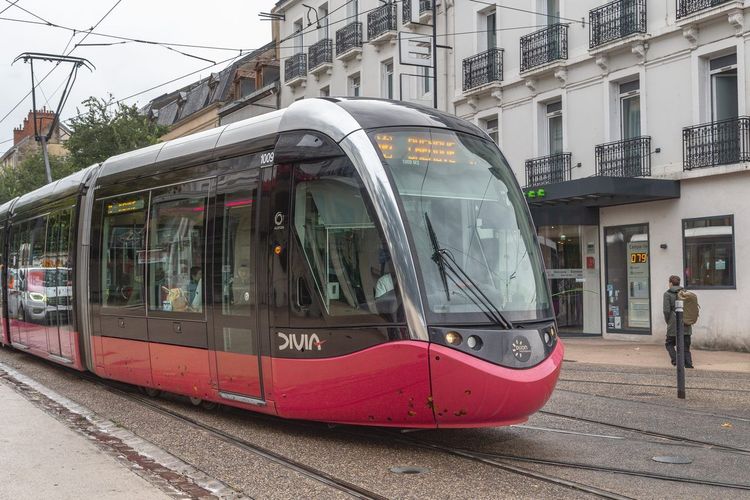
Dijon has two tram lines put into service in autumn 2012: T1, opened on 1 September, runs from the train station to Quétigny via République and the Montmuzard campus; T2, opened on 8 December, runs from Valmy and Toison d'Or to Chenôve. Both share a common section between the train station and place de la République, making connections straightforward.
For short trips, the DiviaVélodi bike-share scheme covers the center and nearby neighborhoods — a practical option if you are staying a little off-center or heading to Fontaine d'Ouche, which is not served by the tram. In the very center, forget about driving: almost the entire historic district is pedestrianized, and the Ryo audio-guided tour is done entirely on foot, with no need for any motorized transport.

FAQ
What is the best neighborhood to stay in Dijon?
The historic city center suits most visitors for a short stay, thanks to its proximity to the monuments and the train station. For a tighter budget or a family trip, Toison d'Or or Fontaine d'Ouche are solid alternatives.
Which neighborhood in Dijon should be avoided?
No neighborhood needs to be avoided during the day. Some parts of Les Grésilles or Fontaine d'Ouche, classified as priority urban areas, simply call for normal caution at night, as in any medium-sized French city.
How many neighborhoods does Dijon have?
The administrative breakdown distinguishes around ten major districts, but common usage counts more, incorporating areas such as Port du Canal, les Bourroches, Chevreul-Parc, and the Arsenal eco-district.
What are the student neighborhoods in Dijon?
The Université and République districts, close to the Montmuzard campus, concentrate the majority of student housing and life in Dijon, with the T1 tram line as a direct link to the train station.
Where is the historic city center of Dijon located?
It occupies a pedestrian rectangle of roughly one kilometer by eight hundred meters, around the Palais des Ducs, between place Darcy and place François-Rude. Its protected sector has been listed as a UNESCO World Heritage Site since 2015.
How do you get around between Dijon's neighborhoods?
The tram (lines T1 and T2), Divia buses, DiviaVélodi bike-share, and walking in the city center cover virtually all needs.
Key Takeaways About Dijon's Neighborhoods
Ultimately, Dijon tells the story of a city far more varied than its reputation as a sleepy Burgundian capital might suggest. Between medieval heritage listed by UNESCO, a leafy campus, a canal in full transformation, a 37-hectare landscaped lake, and eco-districts carved out of former military barracks, each area is worth exploring depending on what you are looking for.
If you are planning your visit, the Ryo audio-guided tour of Dijon remains the simplest way to connect these districts without wasting time on logistics — one audio commentary at a time, from the Palais des Ducs all the way to rue de la Chouette.
À lire également