© Shutterstock
 Votre guide Ryo
Visiting Dijon in 2 Days: Itinerary, Ducal Heritage, and Gastronomy (2026)
Dijon is unlike any other city in France: its glazed-tile rooftops shine above a city center with more gourmet shops than tourist terraces. Visiting Dijon in 2 days is more than enough to grasp the essentials, provided you follow a logical route between the Palais des Ducs, the half-timbered lanes of the Vieux Dijon, and the aromas of mustard and gingerbread drifting from the Halles market. The Ryo audio-guided tour of Dijon maps out exactly this kind of itinerary, neighborhood by neighborhood, with audio commentary in front of every notable facade.
In two days, you will have time to follow the brass owl trail markers, sip a kir at the Cité Internationale de la Gastronomie et du Vin, drive the Route des Grands Crus as far as Gevrey-Chambertin, and spot, in a shop window, the gingerbread that has made the city's reputation for three centuries. This guide details the two days hour by hour, offers an express version for those with only a single day, and extends the trip toward the surrounding wine villages for those with three days to spare.
Day 1: The Historic Heart and the Palais des Ducs
Devote this first day to the city center, which is compact and pedestrian-friendly from one end to the other. Allow around six hours of leisurely walking, including stops and coffee breaks, to cover the three neighborhoods below.
The Palais des Ducs and Place de la Libération
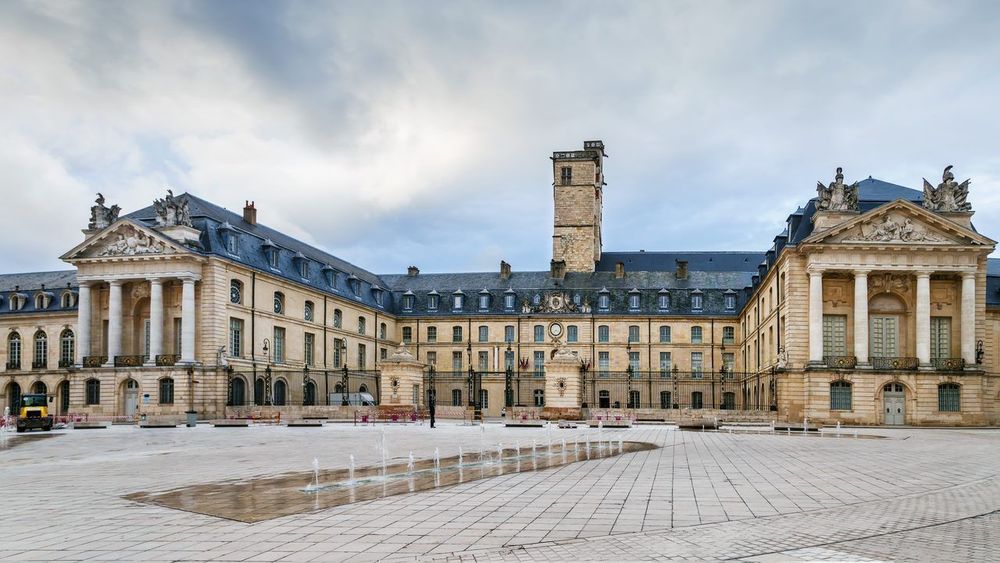
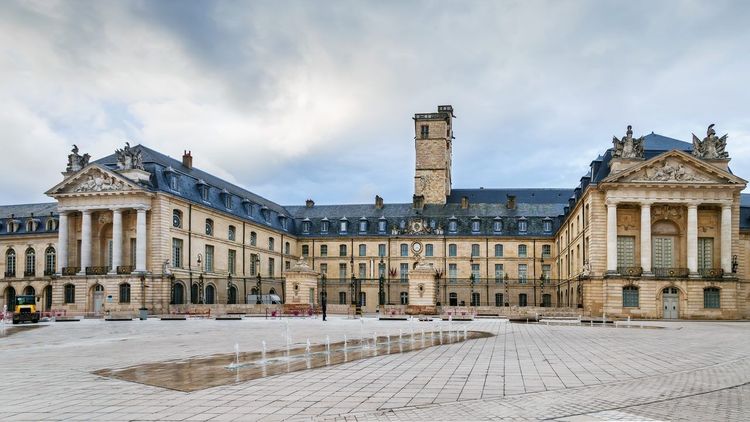
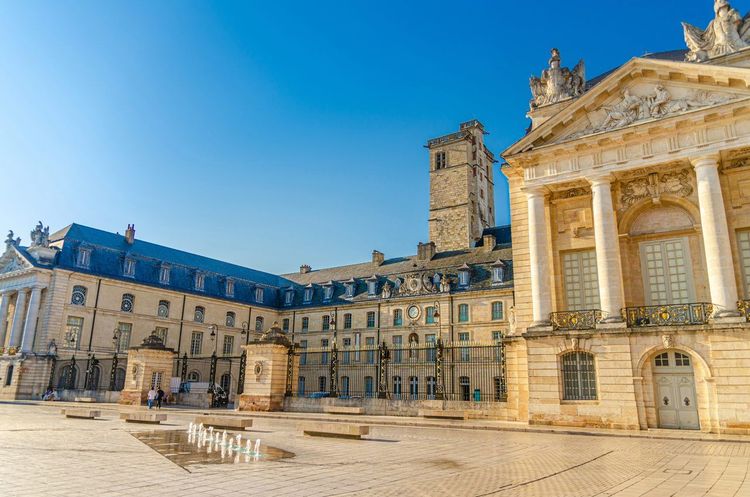
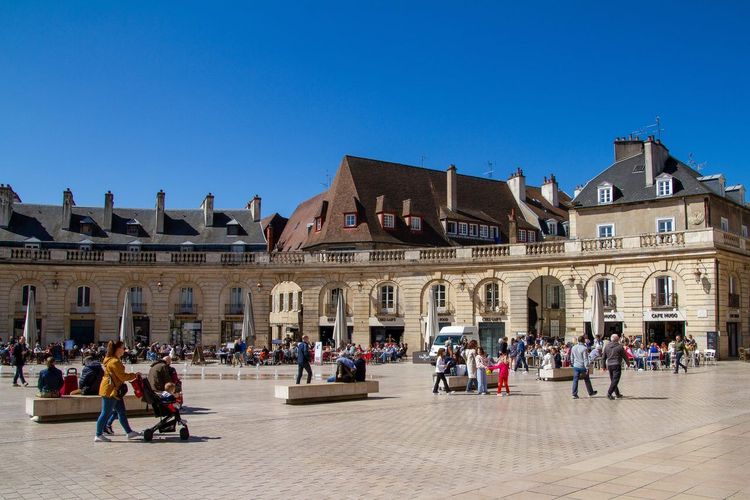
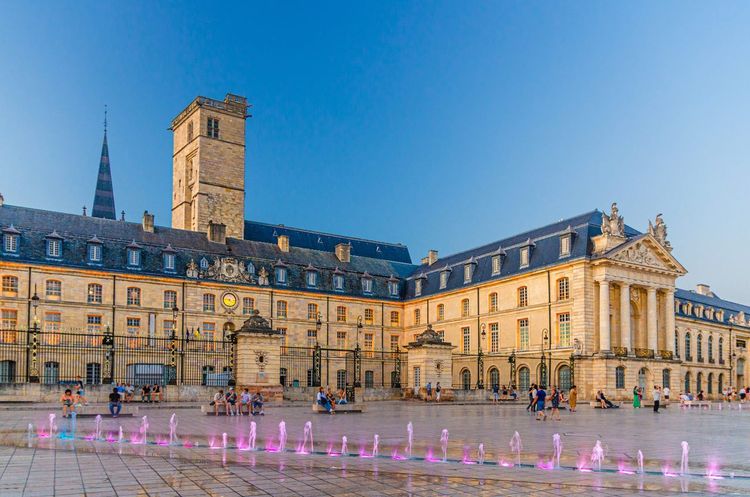
Start right where Dijon's heart has been beating since the 14th century. The Palais des Ducs et des États de Bourgogne occupies the former seat of Burgundian power, at a time when the Valois dukes competed in splendor with the kings of France. The main courtyard, framed by two classical wings, opens onto the vast place de la Libération, a semicircular square designed in the 17th century and today lined with lively terraces from morning to night.
Climb the Tour Philippe le Bon if your legs are up to it: 316 steps await, with no elevator, but the panoramic view over the glazed rooftops and surrounding hills makes the effort worthwhile. Book your time slot at opening time, as guided visits are done in small groups and morning slots sell out quickly in high season.
Inside the palace, the Musée des Beaux-Arts occupies part of the ducal rooms, including the guards' hall where the tombs of the Dukes of Burgundy are housed (more on this later). The municipal wing still serves as the town hall, still in active use. Sit on the terrace at place de la Libération for a coffee: it is from here that you best appreciate the scale of ducal power, between the classical facade and the cobblestones radiating toward rue de la Liberté, the city's main shopping street.
The visit to the ducal palace itself (guards' hall, 15th-century ducal kitchens, Tour de Bar) is accessed through the Musée des Beaux-Arts, which is free to enter all year round. Allow one hour if you head straight for the ducal collections, two hours if you let yourself be drawn into the rooms devoted to Burgundian medieval sculpture. The ducal kitchens, with their six monumental fireplaces, remain one of the rare surviving examples of a medieval kitchen in Europe.
A word about the square itself: fully pedestrianized since its redesign, it features ground-level water jets that spring up on fine days. Children splash around while parents hold the terrace, a welcome break before tackling the Vieux Dijon. The semicircular layout dates back to the late 17th century and follows plans given by the circle of Jules Hardouin-Mansart, the architect of Versailles, for what was then called the place Royale.
The Vieux Dijon and the Owl Trail
Leaving the palace through the Cour de Bar, head into the lanes of the Vieux Dijon. This is where the famous Owl Trail (Office de Tourisme de Dijon, 11 Rue des Forges, 21000 Dijon, rated 4.5/5 on Google with 2,163 reviews) comes into its own: a signposted route marked by brass studs set into the cobblestones, linking 22 stops along just over a kilometer. Allow a good hour if you stop everywhere, less if you walk briskly: the booklet or the tourist office app provides commentary for each numbered stop.
The classic starting point is the tourist office on rue des Forges, but the star of the trail remains the small owl carved on an exterior buttress of Église Notre-Dame. Legend has it that stroking its left wing with your hand grants a wish: the stone, polished by generations of passers-by, is testament to this. Also look up at the Jacquemart, the automaton clock installed at the top of the church since 1383, which strikes the hours with its small bronze family.
Rue de la Chouette and rue Verrerie concentrate the finest half-timbered houses in the city, some dating from the 15th century with their carved beams and pointed gables. Take time to wander without a fixed itinerary in this area: it is often between two facades not listed in any guide that Dijon reveals itself best, with its half-open inner courtyards and discreet passageways. The Ryo audio-guided tour of Dijon provides commentary for a good portion of this route, useful if you prefer walking with headphones rather than your nose in a map.
On place François-Rude, stop in front of the Bareuzai fountain, a grape-treader crushing grapes, a pointed symbol of the region's viticultural vocation. The surrounding cafés are perfect for a late-morning break, especially on a market day when the square fills with temporary stalls.
Keep an eye out for the wrought-iron signs hanging above shop fronts: the city has preserved several dozen of them, remnants of a signage system that predates street numbering.
Cathédrale Saint-Bénigne and the Antiques Quarter
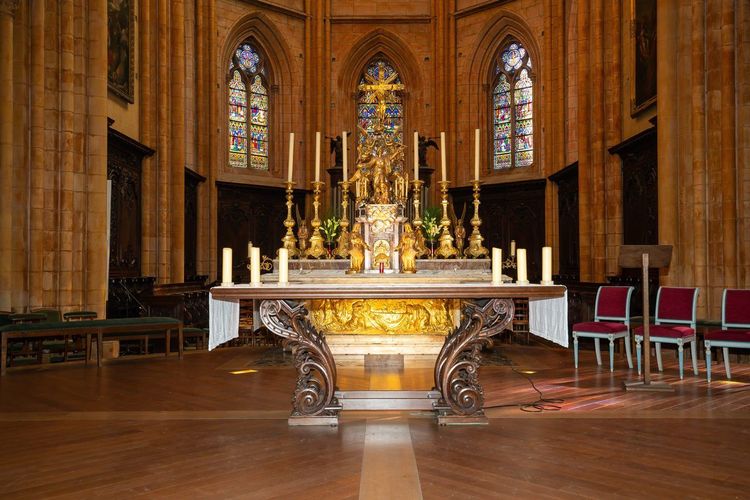
End the morning at Cathédrale Saint-Bénigne, a former Benedictine abbey church recognizable by its tall central spire topped with glazed tiles and its two facade towers. Head down into the Romanesque crypt, a three-level rotunda dating from the 11th century: it is one of the city's oldest surviving structures, spared by the Gothic alterations that transformed the rest of the building.
Right next door, the archaeological museum occupies the former abbey dormitories — a short but worthwhile visit if Burgundian medieval history interests you. Walking back down toward the center via rue Monge, you pass through the antiques quarter, where shop windows are filled with silverware, 18th-century furniture, and Dijonnais curiosities. This area also concentrates several artisan mustard shops, where mustard is still prepared according to the original recipe, without pasteurization.
Two or three permanent antique dealers are worth a browse even without any intention of buying, if only to admire typical Burgundian furniture, often in solid walnut. The neighborhood also has a few brocante dealers who put pieces out on the pavement in fine weather, and the city regularly organizes flea markets and street sales whose calendars the tourist office keeps up to date.
End the day at a leisurely pace: restaurants in the area generally open from 7 pm, leaving time to go back and freshen up if you are staying on the outskirts.
Day 2: Gastronomy, Wine, and Burgundian Terroir
Second day, different pace: head toward the flavors that have made Burgundy's reputation far beyond its regional borders.
The Cité Internationale de la Gastronomie et du Vin
Opened in 2022 in the former buildings of the general hospital, the Cité Internationale de la Gastronomie et du Vin brings together under one roof a cooking school, artisan producers' shops, a cinema, a hotel, and a vast cultural space devoted to the French gastronomic meal, inscribed on UNESCO's Intangible Cultural Heritage list since 2010.
The cultural space can be visited in about an hour, with interactive features well designed for families: period table reconstructions, sensory workshops, and an introduction to tasting. Don't expect a classic wine museum here: it is more of a living space, designed for wandering between a lunch break at one of the site's brasseries and an evening cinema screening.
Kir, the aperitif made with blackcurrant liqueur and aligoté white wine, was born in Dijon and takes its name from a former mayor of the city, a resistance canon who became a local figure. This is the perfect opportunity to taste a genuine one, made with artisan blackcurrant liqueur rather than industrial syrup: the difference is apparent from the very first sip.
Allow a full morning if you add a tasting workshop led by a sommelier, generally offered in one-hour sessions for around thirty euros. Book in advance in July and August, as weekend slots fill up several days ahead.
The site is arranged around a large open garden and is about ten minutes' walk from the jardin de l'Arquebuse, making it easy to follow up with a digestive stroll if the day's schedule allows a little flexibility in the early afternoon.
The Route des Grands Crus and Wine Tastings
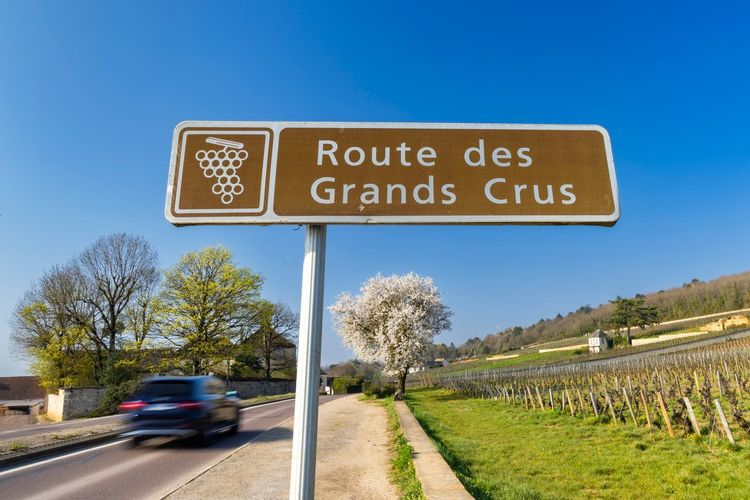
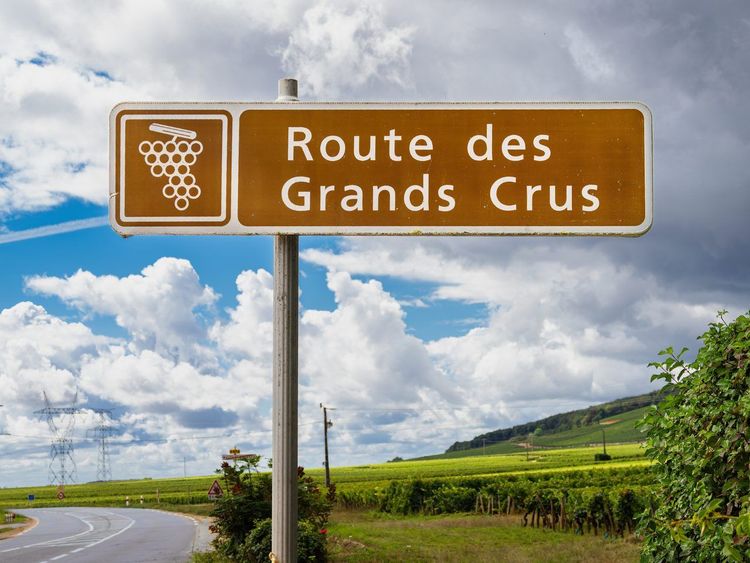
The afternoon belongs to the vineyards. The Route des Grands Crus begins at Dijon's southern edge and stretches some sixty kilometers to Santenay, passing through Burgundy's most prestigious appellations: Gevrey-Chambertin, Vosne-Romanée, Nuits-Saint-Georges, Meursault. In half a day you obviously won't see everything, but a round trip to Gevrey-Chambertin or Vougeot is enough to absorb the atmosphere of Burgundy's wine villages, with their stone archways and historic enclosed vineyards.
The Château du Clos de Vougeot (Rue de la Montagne, 21640 Vougeot, rated 4.5/5 on Google with 4,125 reviews), headquarters of the Confrérie des Chevaliers du Tastevin, can be visited in under an hour and concentrates several centuries of Burgundian wine history, from the medieval wine press to the induction ceremonies still held there today. The family estates lining the route almost all offer tastings by appointment, sometimes free for two or three wines, and paid for beyond that.
Without a car, several wine merchants in Dijon's city center organize guided tastings of a selection of wines from the route — a practical option if you are not driving or prefer not to improvise stops on a winding road that sometimes lacks a pavement.
Don't overlook the Dijonnais vineyards themselves, just before hitting the Côte de Nuits: Marsannay-la-Côte, about ten minutes from the center, is the only Bourgogne villages appellation produced in all three colors — red, white, and rosé — and its cellars offer tasting prices noticeably gentler than those of the star villages. The hillsides overlooking the city, long planted with vines before phylloxera and urbanization, have been partially replanted in recent years. Also keep in mind that the Climats du vignoble de Bourgogne, the plot-by-plot land divisions mapped out since the Middle Ages, have been inscribed on the UNESCO World Heritage List since 2015: these are the very parcels you pass at every kilometer of the route, with their stone walls and names painted at the entrance to each row.
Budget around 15 to 25 euros per cellar visit and guided tasting at the most reputable estates, slightly less at cooperative wine shops. Many estates require a reservation, even for a simple twenty-minute visit: a quick call the day before avoids closed doors, which are common outside the main tourist season.
If you only have one or two hours, prioritize Gevrey-Chambertin, the village closest to Dijon at around 12 kilometers, rather than spreading yourself too thin along the whole route.
The Marché des Halles and Local Specialties
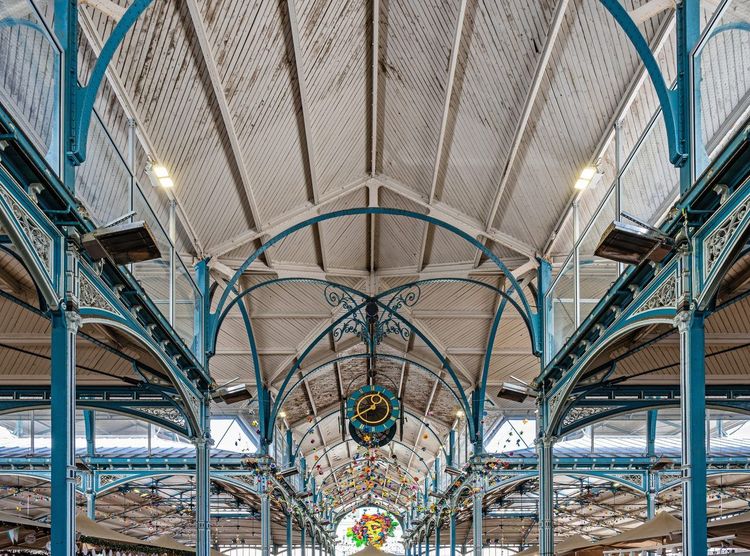
End the day at the Marché des Halles, a late-19th-century iron market hall often attributed to Gustave Eiffel: the engineer was indeed born in Dijon, but the plans were signed by Clément Vergnaud, in the spirit of Paris's Baltard pavilions. Open Tuesday, Thursday, Friday, and Saturday mornings, it is the best place to taste, buy, or simply observe Burgundian specialties: jambon persillé, warm gougères, snails prepared in herb butter, and aged cheeses such as époisses.
Saturday mornings are the most lively, with producers coming from across the department. For a quick lunch, several stalls offer standing tastings, glass of wine in hand: a convivial way to close this second day before heading off to explore the mustard and gingerbread shops surrounding the market hall. Our Ryo article on Dijon's culinary specialties details the best addresses for bringing home a gourmet souvenir.
Don't leave the neighborhood without stopping at an artisan mustard shop: some still prepare mustard using a stone mill, far more pungent than the industrial versions sold in supermarkets. Gingerbread, another of the city's historic specialties, comes plain, with candied fruit, or filled with honey, and keeps easily for several weeks — perfect as a gift to bring home.
If the market is closed during your visit, several delicatessens in the city center carry the same products all week at comparable prices.
Museums and Gardens Not to Miss
If your schedule allows a little flexibility, or if you extend your stay by half a day, these spots are well worth a visit without disrupting the main itinerary.
The Musée des Beaux-Arts and Downtown Museums
The Musée des Beaux-Arts de Dijon, housed in part of the Palais des Ducs, is one of the oldest museums in France, founded in 1787. Admission is free all year round, making it an easy stop to add even on a busy schedule. The monumental tombs of the Dukes of Burgundy Philippe le Hardi and Jean sans Peur, sculpted in marble and alabaster, are the centerpiece of the collections.
Allow an hour and a half for a full tour, longer if you linger in the Flemish and Dutch painting rooms, which are particularly rich. Nearby, the archaeological museum and the Musée de la Vie Bourguignonne round out the cultural offering for those wishing to explore a specific theme — respectively the region's ancient history and traditional Burgundian interiors of the 19th century.
The museum's audio guides are available in several languages, but if you have already followed the Owl Trail using the Ryo app, the museum's commentary naturally echoes the architectural details you noticed the day before in the city.
The museum is closed on Tuesdays — a detail worth checking before slotting this stop into your schedule.
The Parc de la Colombière and Jardin Darcy
For a green break, head to the Parc de la Colombière, 32 hectares of woodland and lawns laid out in the 17th century in the French formal garden style before being redesigned as an English landscape park. The broad shaded avenues are ideal for a digestive stroll after a hearty lunch at the Marché des Halles or the Cité de la Gastronomie.
More central, the Jardin Darcy, five minutes' walk from the station, is most appealing for its terraced levels, its fountain, and its monumental version of the Polar Bear by François Pompon, a Burgundian sculptor born in Saulieu, celebrated for his refined animal forms. It is an almost unmissable stop for anyone arriving by train, and a handy landmark from which to walk to the city center in around ten minutes.
Families will appreciate the playground at Jardin Darcy, shaded and large enough to keep children occupied while parents enjoy a coffee on a nearby terrace.
At the end of the day, the low-angled light on the Jardin Darcy's water features offers one of the best photo opportunities in the city center, often overlooked in favor of the ducal palace alone.
Visiting Dijon in 1 Day: The Express Version
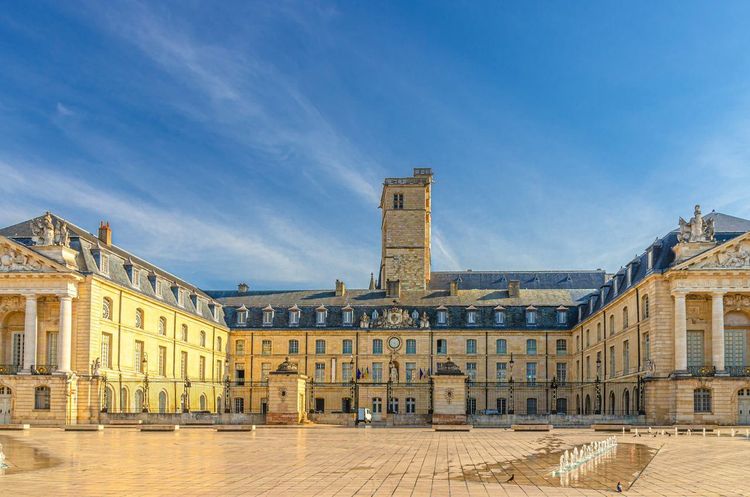
If you only have one day, trim the program to the essentials of Day 1 and skip the Route des Grands Crus, which is too time-consuming for a quick round trip. Start early, as shops open around 9:30 am, at place de la Libération and the Palais des Ducs, and leave the museum visit for another time if you are genuinely pressed.
Move on to the Owl Trail, focusing on the highlights: Église Notre-Dame and its lucky owl, the Jacquemart, the half-timbered houses on rue Verrerie. Allow two hours for this stretch if you walk at a good pace without stopping too often.
Devote lunch to the Marché des Halles or a city-center brasserie, then save the afternoon for a single choice: either the Cité Internationale de la Gastronomie et du Vin for the wine and food angle, or Cathédrale Saint-Bénigne and the antiques quarter to extend the heritage theme. It is hard to fit both into a single day without rushing.
Finish with a last swing through the Halles neighborhood to pick up gingerbread and mustard before heading back to the road or the train. This express version covers the essentials offered by most travel guides, while leaving aside the vineyards and secondary museums for a longer stay.
To make the most of this short day, stick to walking: the entire historic center can be crossed in under 20 minutes end to end, making the tram unnecessary for this condensed itinerary.
If you arrive by car, park as soon as you arrive in one of the central car parks and leave the vehicle there for the whole day: hunting for a space at every stop would waste precious time on an already tight schedule.
Extending the Stay: Dijon in 3 Days and the Most Beautiful Surrounding Villages
Visiting Dijon in 3 Days: What to Add to the Itinerary
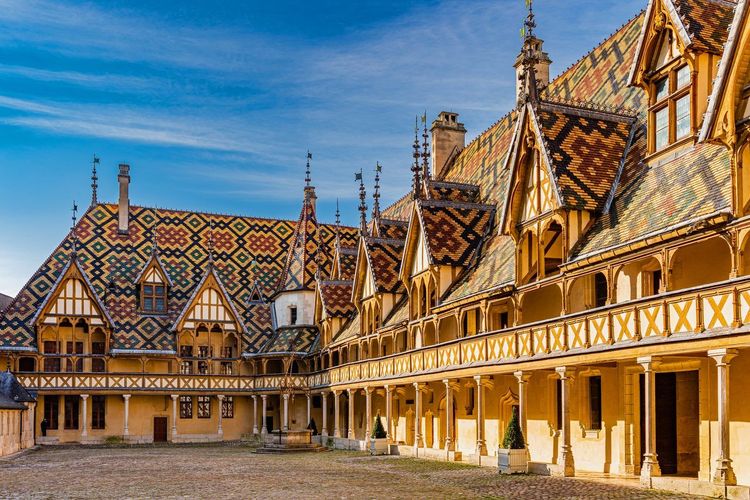
With an extra day, incorporate the museums and gardens morning described above, then devote the afternoon of the third day to a more extensive excursion along the Route des Grands Crus, all the way to Beaune this time. The historic capital of Burgundian wine, 45 minutes by road or 25 minutes by train, deserves half a day on its own for its Hospices and their polychrome rooftops, one of the most photographed monuments in Burgundy after Dijon's Palais des Ducs.
An alternative is to dedicate this third day to a hike through the vines: several marked trails start from villages along the Route des Grands Crus and allow you to walk between the vine rows, a very different perspective from a simple cellar tasting.
Another option, more urban in nature: wander without a fixed itinerary through the peripheral neighborhoods of the historic center, such as the Kennedy quarter or the banks of the Canal de Bourgogne, to step outside the standard tourist circuit and observe a more everyday side of Dijon, far from the visitor groups of the Vieux Dijon.
Whatever option you choose, keep the morning of the third day light: the fatigue of the first two days, often spent walking for several hours at a stretch, makes itself felt, and a slower pace makes for a better visit.
Villages and Vineyards to Visit Around Dijon
Beyond the Route des Grands Crus, several villages are worth a detour if your stay extends beyond two days. Flavigny-sur-Ozerain, further to the northwest, served as the setting for the film Chocolat and retains a remarkably well-preserved medieval center, also famous for its anise sweets made since the Middle Ages in the former abbey. Semur-en-Auxois, with its ramparts and Gothic collegiate church overlooking the Armançon river, can be visited in half a day from Dijon.
Our Ryo guide to the most beautiful villages around Dijon covers a broader selection, useful for building a third or fourth day tailored to your interests — medieval heritage, hiking, or wine tasting. Our Ryo selection of the most beautiful villages in Burgundy widens the possibilities further if you have a full week in the region.
Most of these villages are reachable by car from Dijon in 30 to 60 minutes. Without a vehicle, some are accessible by train or regional bus, but with limited frequencies that make a same-day round trip complicated: it is better to choose just one and allow plenty of time for the return journey.
For a longer immersion, several bed-and-breakfasts in these villages allow you to sleep in the heart of the vineyards rather than in the city — an option worth considering for anyone extending their stay beyond three days.
Where to Eat in Dijon: Burgundian Cuisine and Top Addresses
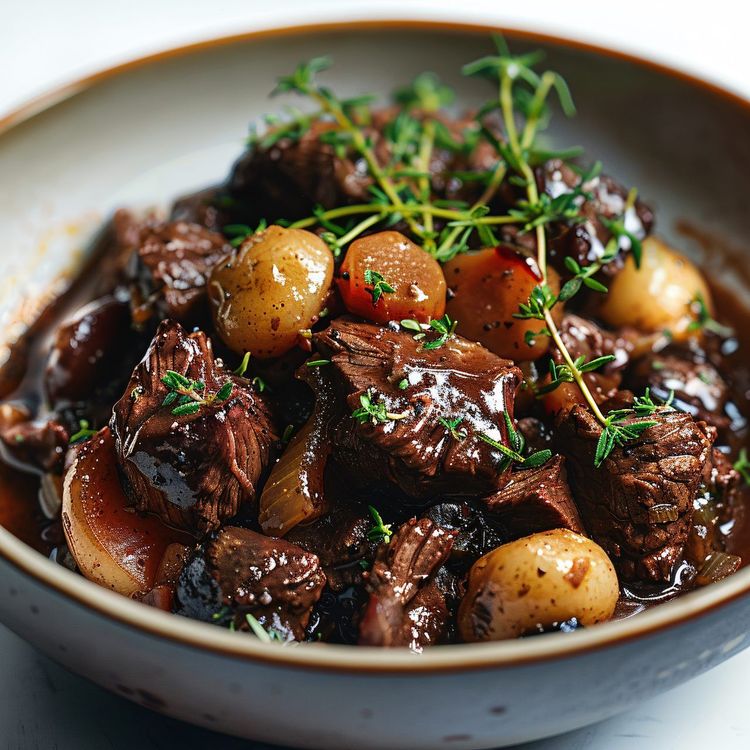
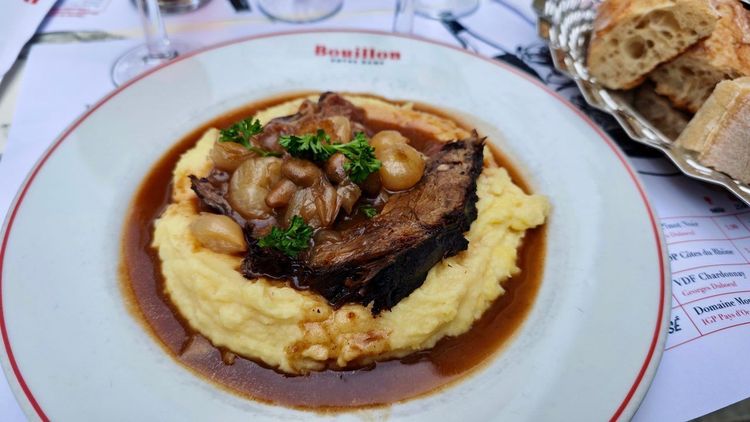
Burgundian cuisine is not limited to boeuf bourguignon, even if this red-wine-braised dish remains an unmissable classic on city-center menus. Expect to also encounter oeufs en meurette, snails in herb butter, jambon persillé as a cold starter, and of course a Dijon mustard sauce that happily accompanies poultry and white meats.
Around the Marché des Halles, several bistros offer short menus built on market produce — a reliable choice for a quick lunch without sacrificing quality. The Brasserie des Halles (Rue Bannelier, 21000 Dijon, rated 4.7/5 on Google with 44 reviews), located right beside the covered market, serves traditional Burgundian cuisine in a lively bistro setting, particularly popular on market days.
For a more refined dinner without going fully gastronomic, several city-center bistros offer updated Burgundian cooking, with local produce and menus that change with the seasons. Generally expect to pay between 25 and 40 euros for a three-course menu at these mid-range addresses; reservations are advisable at weekends.
On the gastronomic side, Dijon has several Michelin-starred restaurants where Burgundian cuisine is reinvented with more refined technique without abandoning local produce: seasonal game, reimagined snails, wines from the Route des Grands Crus paired with each course. These addresses are often fully booked weeks in advance, so reserve as soon as your stay is confirmed if this kind of experience matters to you.
Don't leave without trying gingerbread for dessert, sometimes reworked as ice cream or tiramisu by local chefs who enjoy playing with this Dijonnais classic. Culinary events also punctuate the city's calendar: the Foire Internationale et Gastronomique de Dijon in early November, and the Christmas market, renowned for its gourmet chalets, are well worth the trip if your dates coincide.
For a Sunday brunch, several addresses around place François-Rude and the antiques quarter offer generous set menus combining local pastries with savory Burgundian specialties. It is also an opportunity to try the gougère, the region's characteristic small cheese puff, often served as an aperitif with a glass of Burgundy white wine.
Cheese lovers should not miss époisses, a soft cheese with a rind washed in Burgundy marc, whose powerful aroma contrasts with a milder flavor than one might expect. It is traditionally eaten with a small spoon, on a piece of bread, at the end of a meal.
If you are traveling with children who are fussy about traditional food, most city-center brasseries offer standard children's menus, and there is no shortage of crêperies around rue Musette — a simple and quick fallback option.
For a quick bite between visits, the stalls at the Marché des Halles remain the fastest and often the most flavorful solution, with freshly sliced jambon persillé and aged cheeses to take away. Budget around ten euros to put together a gourmet picnic to enjoy on a bench at place François-Rude.
Finally, keep one evening free for a dinner without a reservation at a more relaxed address: Dijon has enough good tables to improvise, particularly on weekdays outside the peak tourist season. Afterwards, the Ryo audio-guided tour of Dijon is an easy way to walk off dinner through the old town.
Where to Stay in Dijon: Neighborhoods and Hotels by Profile
Staying in the City Center to Do Everything on Foot
Staying in the city center, between place de la Libération and place Darcy, is the most practical option for a two-day stay: all the sites described above are then within 15 minutes' walk, without ever needing the tram. This area logically concentrates the city's highest prices, but also the widest choice of establishments, from charming boutique hotels installed in 18th-century mansions to mid-range international chains.
For a higher-budget stay, 4-star hotels in the historic center often offer rooms in listed buildings, some with views over the glazed rooftops. Generally expect to pay between 130 and 220 euros per night in high season for this type of establishment, more for the most iconic addresses close to place de la Libération.
For a more moderate budget while remaining within walking distance of everything, several 3-star hotels and city-center residences offer a good compromise, generally between 90 and 130 euros per night. Book several weeks in advance for weekends from May to September, a period when Dijon's hotel supply fills up faster than one might expect for a city of this size.
One final tip for this area: favor establishments located north of place de la Libération, which are quieter in the evenings, rather than those right on the liveliest streets of the Vieux Dijon, where the weekend nightlife can be heard until late.
Around the Station and on the Outskirts: the Best Deals
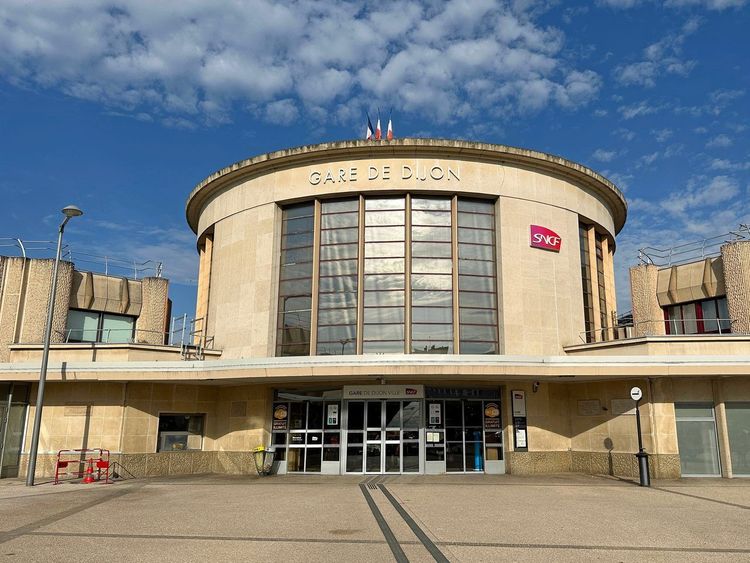
The area around Gare de Dijon-Ville and the Clemenceau neighborhood offers gentler rates, often 20 to 30% cheaper than the city center, for a 10-to-15-minute walk to place Darcy. It is a good compromise for travelers arriving by train who want to minimize luggage-carrying distances.
Several budget and mid-range chain hotels have set up in this neighborhood, with functional rooms at around 70 to 100 euros per night. Further out, near the ring road and retail zones, budget hotels drop below 70 euros but then require the tram or a car to reach the historic center each day.
For families or groups of friends, some apartment-hotels in the Clemenceau neighborhood offer units with a kitchenette — a practical option for preparing a light breakfast before heading out to explore, or for storing gourmet purchases from the Marché des Halles in the fridge.
The nearest campsite to the center is about fifteen minutes by car — an option worth considering in the summer high season for those traveling with a vehicle who want to significantly cut accommodation costs.
Whatever neighborhood you choose, check the tram service before booking: lines T1 and T2 both pass through the station and serve the main peripheral accommodation zones in under 20 minutes.
Getting Around Dijon: Tram, Bus, Bike, or on Foot
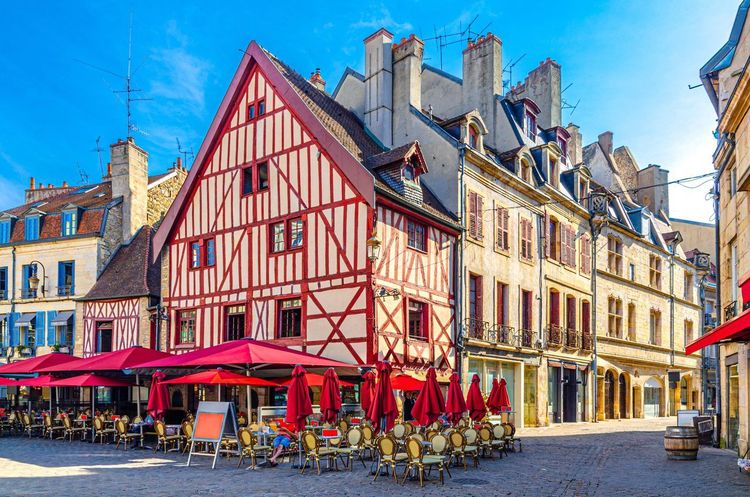
Dijon's city center can be visited entirely on foot: the pedestrian zone covers most of the Vieux Dijon, and none of the Day 1 stops is more than 10 minutes' walk from the previous one. Visiting Dijon on foot therefore remains the best option for the two days described above.
To reach peripheral neighborhoods (the station, the Cité de la Gastronomie, the Parc de la Colombière if you are staying far out), the Divia network offers two tram lines, T1 and T2, which intersect in the center and serve most of the urban area. A single ticket costs around 1.60 euros, and a day pass pays off from three journeys onward.
Self-service bikes are a useful complement for those wanting to push out as far as the Canal de Bourgogne or save time between two distant neighborhoods. Several operators also offer tourist train rides around Dijon, a pleasant first overview of the city with young children or visitors with reduced mobility, departing from place Darcy.
By car, the historic center is largely closed to traffic or subject to restrictions, and on-street parking is scarce at peak times. Several underground car parks encircle the city center, particularly around place Darcy and the Marché des Halles, with reasonable hourly rates compared to other regional cities.
If you arrive by car, the best approach is to park as soon as you arrive in one of these car parks and leave the vehicle there for the entire stay: the city is fully covered on foot and by tram, and hunting for a space at every stop would waste precious time on an already full schedule.
Dijon as a Couple or with Family: Tips by Traveler Profile
A Romantic Weekend in Dijon
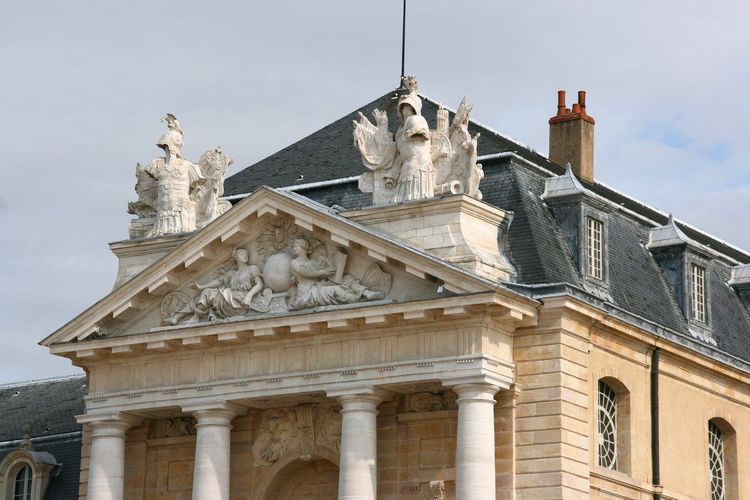
For a couple's weekend, focus the Day 1 program on the ducal heritage and reserve the evening for dinner at one of the city's gastronomic restaurants, where the intimate atmosphere lends itself far better to a moment for two than a rushed visit between courses. The Palais des Ducs and place de la Libération, particularly photogenic at the end of the day when the low light grazes the classical facades, provide a lovely setting for an evening stroll before dinner.
On the wine side, a private tasting at a city-center wine merchant or at an estate on the Route des Grands Crus naturally complements this format, without requiring a schedule as dense as the full Day 2. Our Ryo article on an unusual romantic weekend in Burgundy also offers complementary ideas for going off the beaten track, from spa retreats in the vineyards to unusual accommodation tucked away in surrounding villages.
For accommodation, choose a boutique hotel in the city center rather than a peripheral address: the charm of a romantic weekend also lies in being able to walk home after dinner, without depending on a taxi or the last tram.
If your budget allows, some establishments offer packages including spa access or a private in-room tasting — an option to book directly with the hotel several weeks in advance for the most in-demand dates, particularly Valentine's Day and spring bank holiday weekends.
Dijon with Children: What to Do as a Family
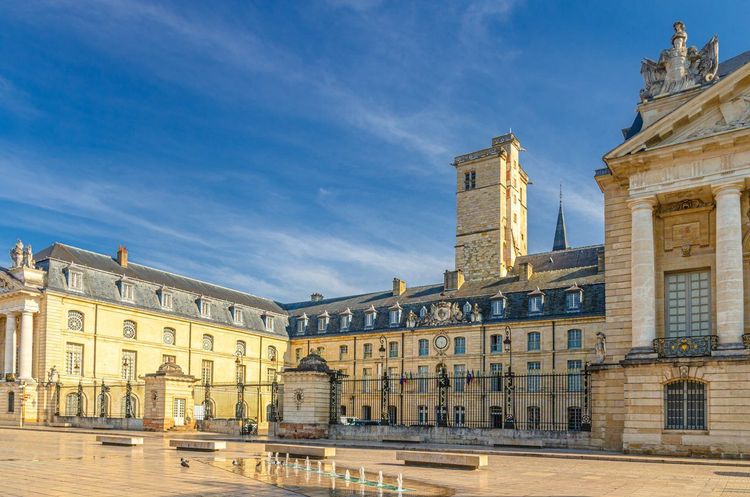
With children, adapt the pace: climbing the 316 steps of Tour Philippe le Bon is usually fun for older kids but may put off younger ones, so plan an alternative such as a simple stroll around the palace's main courtyard. The Owl Trail, with its brass studs to spot in the cobblestones, works very well as a family treasure hunt, requiring no particular physical effort.
The Cité Internationale de la Gastronomie et du Vin offers workshops specifically designed for children, centered on taste and the five senses — a good way to occupy a late morning without boring them with an overly academic presentation. The Parc de la Colombière, with its playground and large lawns, remains the ideal spot for an outdoor break between two cultural visits.
For meals, city-center brasseries almost all offer a simple children's menu, and the Marché des Halles makes it easy to assemble a varied picnic if your children are fussy about traditional Burgundian menus. Our Ryo article on activities in Dijon and its surroundings lists further ideas for family outings, including options for rainy days.
Finally, the tourist train around Dijon remains a reliable choice with young children tired from walking: a thirty-minute ride lets you spot the main landmarks before deciding which ones to explore more closely on foot.
Practical Info: Budget, Best Time to Visit, and Tourist Pass
For a two-day weekend in Dijon, budget from 150 to 200 euros per person based on a 3-star hotel, excluding transport to get there: accommodation, meals, tastings, and one paid entry such as Tour Philippe le Bon. This budget naturally increases if you add a gastronomic restaurant or a 4-to-5-star hotel in the city center.
Good news for tighter budgets: several must-see attractions are free, starting with the Musée des Beaux-Arts, access to the Palais des Ducs' main courtyard, the Owl Trail in its entirety, and a wander through the Vieux Dijon and its half-timbered lanes. Enough to fill a full day without spending a single euro on entry tickets.
The best period to discover the city runs from April to October, with a peak in visitor numbers in July and August that also coincides with the sometimes pronounced heat of Burgundy's continental climate. Spring and early autumn offer the ideal compromise: pleasant temperatures, vines already green or dressed in autumn colors, and more manageable crowds in the city-center streets. The Christmas market in late November and December is a world apart, with an illuminated city and gourmet chalets set up on place François-Rude.
To prepare your visit, the Dijon Métropole tourist office on rue des Forges offers detailed maps, themed guided tours, and up-to-date information on opening hours, which vary considerably between low and high season. The Ryo audio-guided tour of Dijon is a useful complement to this preparation, allowing you to plan your own itinerary before you even arrive.
On the ticketing side, the tourist office sells a tourist pass, the Dijon City Pass, available in 24-, 48-, or 72-hour versions, combining access to several paid sites, travel on the Divia network, and discounts with partners. Over two days, do the math before buying: the pass becomes worthwhile if you combine Tour Philippe le Bon, a guided tour, a site in Beaune, and several tram journeys. It is much less so for a stay spent on foot in the city center, where most of what you will see — from the Musée des Beaux-Arts to the Owl Trail — costs nothing.
Also remember to check weekly closing days for the main sites before finalizing your schedule: the Musée des Beaux-Arts closes on Tuesdays, some wine estates do not receive visitors on Sundays, and the Marché des Halles is quiet on Mondays. A quick check in advance avoids unpleasant surprises once you are there.
FAQ
How Long Does It Take to Visit Dijon? Are Two Days Enough?
Two days cover the essentials: the ducal heritage of the historic center on the first day, gastronomy and a glimpse of the vineyards on the second. To explore museums, gardens, and surrounding villages more thoroughly, allow three days.
Can You Visit the Vineyards and the Route des Grands Crus Without a Car?
Yes, to some extent: several wine merchants in the city center organize tastings of wines from the route without requiring any travel, and minibus excursions regularly depart from Dijon to the wine villages. A round trip by train to Nuits-Saint-Georges or Beaune is also possible, followed by a walk to reach the estates closest to the station.
Is Dijon's City Center Walkable?
Absolutely. The Vieux Dijon and the main monuments described in this guide are all within 10 to 15 minutes' walk of each other, without ever needing the tram for a two-day stay focused on the city center.
Where Can You Eat Authentic Burgundian Cuisine in Dijon?
The brasseries around the Marché des Halles and the bistros in the city center serve regional classics: boeuf bourguignon, oeufs en meurette, jambon persillé. For a more refined experience, several gastronomic restaurants reinvent these recipes using local produce and wine pairings from the Route des Grands Crus.
What Budget Should You Plan for a 2-Day Weekend in Dijon?
Budget from 150 to 200 euros per person based on a 3-star hotel, including accommodation and meals, excluding transport to get to the city. This amount varies greatly depending on the hotel category and the number of tastings added to the itinerary.
How Do You Get to Dijon by Train or by Car?
By train, Dijon is about 1h40 from Paris-Gare de Lyon by TGV, with regular connections to Lyon and the south of France. By car, allow about 3 hours from Paris via the A6 motorway, with several underground car parks available near the city center.
What Is the Best Time to Visit Dijon?
From April to October, with a preference for spring and early autumn, which are less crowded than the summer peak of July and August. The Christmas market at the end of the year offers a different atmosphere, very popular despite cooler temperatures.
Two days in Dijon are enough to understand why the city long rivaled the greatest courts of Europe, between the splendor of the Palais des Ducs and the generosity of its table. Whether you follow the full itinerary or the express one-day version, leave time to wander without a fixed route through the Vieux Dijon: it is often there, between two half-timbered facades, that the city reveals itself best.
To plan your visit without missing the best the city has to offer, the Ryo audio-guided tour of Dijon remains the most practical resource to take with you, neighborhood by neighborhood, directly from your phone.
À lire également