© Shutterstock
 Votre guide Ryo
Visiting Dijon in 3 Days: Complete Itinerary and Best Addresses (2026)
Visiting Dijon in 3 days is all the time you need to understand why this former capital of the Dukes of Burgundy is unlike any other regional city. Here, the glazed tile rooftops burst with colour in the sunlight, 15th-century mansions line pedestrian lanes, and all you have to do is follow some thirty small owl-shaped arrows set into the ground to trace eight centuries of ducal history without ever losing your way. Nicknamed the city of a hundred bell towers for the density of its religious buildings, the former ducal capital also saw its historic centre join, in 2015, the UNESCO World Heritage perimeter for the Climats du vignoble de Bourgogne, alongside that of Beaune.
This guide lays out a day-by-day itinerary: old Dijon and the Palais des Ducs de Bourgogne on the first day, museums and gastronomy on the second, and an excursion into the classified vineyards of the Côte de Nuits on the third. Along the way, you climb the 316 steps of the tour Philippe le Bon, admire the Puits de Moïse in the silence of the chartreuse de Champmol, and finish with a wine tasting before heading on to Beaune. The guide also includes a selection of nearby villages, places to eat and sleep, and condensed one- or two-day versions for shorter schedules. On the ground, the Ryo audio guide tour of Dijon lets you follow this same thread independently, headphones on.
Day 1: Old Dijon, the Palais des Ducs, and the Owl Trail
The first day is entirely on foot, in a historic centre whose essential medieval and Renaissance fabric has survived the centuries intact. Allow a full day to take in the ducal palace, the two great Gothic churches, and the shopping district without rushing. The Ryo audio-guided tour of Dijon marks out this same route: each stop corresponds to a stage of this itinerary, making it easy to continue at your own pace if one spot holds your attention longer than expected.
The Palais des Ducs de Bourgogne, the Place de la Libération, and the Tour Philippe le Bon
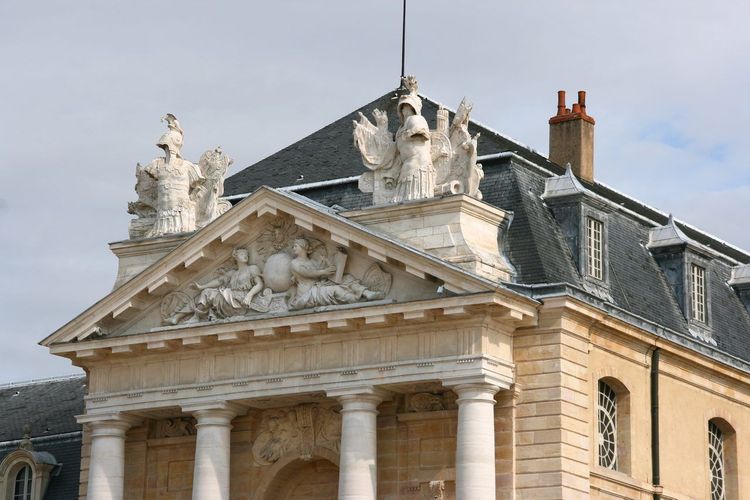
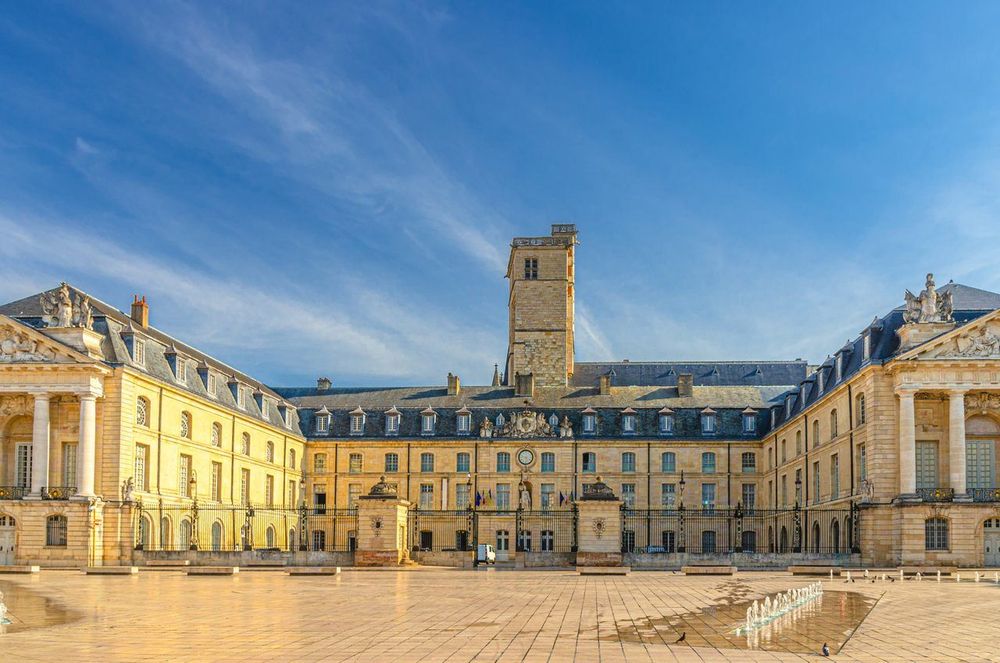
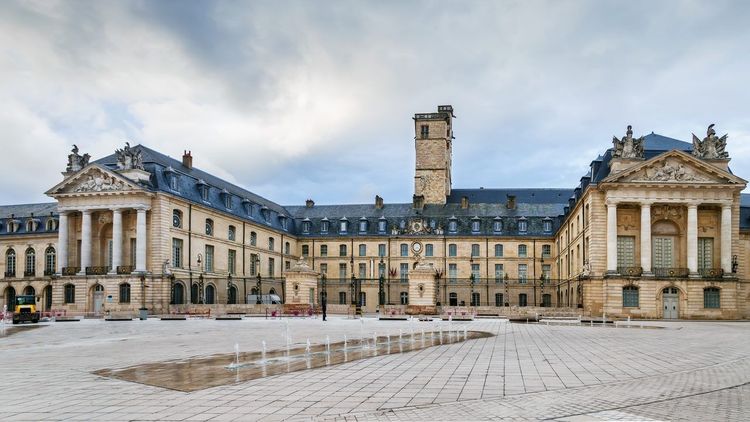
The Palais des Ducs de Bourgogne has occupied the heart of the city since the 14th century. Once the residence of the powerful Valois dukes before becoming the town hall, it now houses both the city council and the Musée des Beaux-Arts, whose west wing opens in the morning to beat the crowds.
If you only climb one staircase in Dijon, make it the tour Philippe le Bon. The 316 spiral steps lead to a platform 46 metres high, with a 360° view over the polychrome rooftops and, on a clear day, the first ridges of the Côte d'Or. Access is by guided tour only, in limited groups: book a morning slot in high season, as departures fill up quickly at weekends.
Just in front, the place de la Libération was redesigned by Jules Hardouin-Mansart at the end of the 17th century as a semicircle opening onto the palace. Its water-jet fountains and café terraces make it a natural pause before heading north.
The Owl Trail, the Cathédrale Saint-Bénigne, and the Église Notre-Dame
Leaving the place de la Libération, you quickly spot the first brass markers set into the ground: this is the Owl Trail, a free 22-stop historic circuit devised in 2001 by the city. The map is available at the tourist office, but simply following the arrows is enough to take in all the remarkable façades.
Ten minutes on foot, the cathédrale Saint-Bénigne de Dijon surprises with its circular Romanesque crypt, a remnant of an 11th-century abbey church preserved beneath the current Gothic building. The crypt visit, ticketed but inexpensive, takes you below street level to the original foundations.
Heading back towards the centre, the église Notre-Dame de Dijon displays a Gothic façade unique in France, pierced by three rows of grimacing false gargoyles. It is on its north wall, on the rue de la Chouette, that the small stone owl worn smooth by generations of hands can be found: local legend holds that a wish made while stroking it with the left hand will come true.
The Halles de Dijon, the Porte Guillaume, and the Hôtels Particuliers
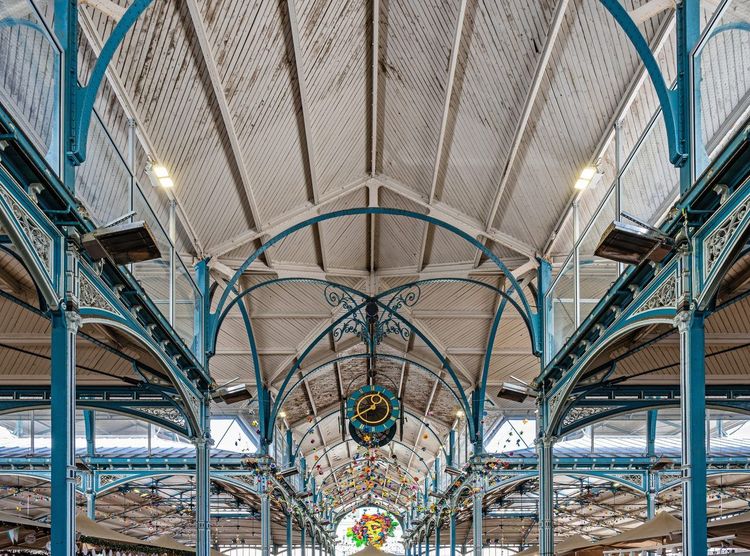
Late morning, head to the Halles de Dijon, a metal market hall inaugurated in 1875 in the tradition of the Baltard pavilions, whose riveted frame is often associated with Gustave Eiffel, a native of the city. The market runs on several mornings a week, with Saturday by far the most lively: it is the best place to try a slice of aged époisses, a piece of jambon persillé or a jar of artisan mustard. The stalls wind down in the early afternoon, so aim to visit before noon.
Five minutes' walk away, the porte Guillaume marks the symbolic entrance to the rue de la Liberté, the pedestrian shopping street that runs through the entire centre. Just to the south hides the discreet église Saint-Michel, whose Renaissance façade blends classical columns with late Gothic sculptures, a contrast that few hurried visitors take time to notice.
Strolling through the adjacent side streets, the rue des Forges or the rue Verrerie, you will pass a dozen Dijon hôtels particuliers with inner courtyards open during the day: sculpted stair turrets, half-timbered façades, and armorial carriage gates. It is these accumulated details that give old Dijon its heritage density, often compared to that of Bruges or Strasbourg.
Day 2: Museums, the Chartreuse de Champmol, and Dijon Gastronomy
The second day shifts towards culture. Dijon ranks among the French cities where the greatest number of municipal museums can be visited free of charge, a real luxury for moving between several worlds without counting the cost. The afternoon then turns towards gastronomy, with two complementary stops: the Cité internationale de la gastronomie et du vin, then a breath of fresh air at the jardin de l'Arquebuse.
The Musée des Beaux-Arts, the Musée Magnin, and the Musée Archéologique
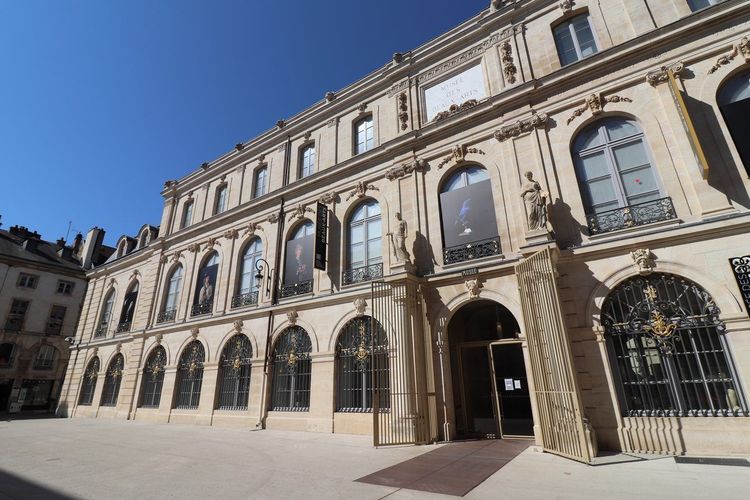
Housed in a wing of the former ducal palace, the Musée des Beaux-Arts holds one of the richest provincial collections in France: monumental tombs of the dukes Philippe le Hardi and Jean sans Peur, Flemish primitives, and a regularly renewed contemporary display. Admission to the permanent collections is free all year round, making it an ideal mid-morning stop.
Ten minutes' walk away, the Musée Magnin occupies a 17th-century mansion that has remained almost entirely intact. Its private collection of nearly 2,000 paintings, hung closely together like an amateur's cabinet, offers a very different atmosphere from the great national museums.
Around midday, the Musée Archéologique, installed in the former monks' dormitory of Saint-Bénigne, presents Gallo-Roman and Merovingian collections from regional excavations, including the wooden ex-votos from the sources of the Seine, carved nearly two thousand years ago and preserved intact by the peat. Allow 30 to 40 minutes to tour it, checking the day's opening hours: like several municipal museums, it closes one day a week and adjusts its schedule by season.
The Chartreuse de Champmol, the Puits de Moïse, and the Musée de la Vie Bourguignonne
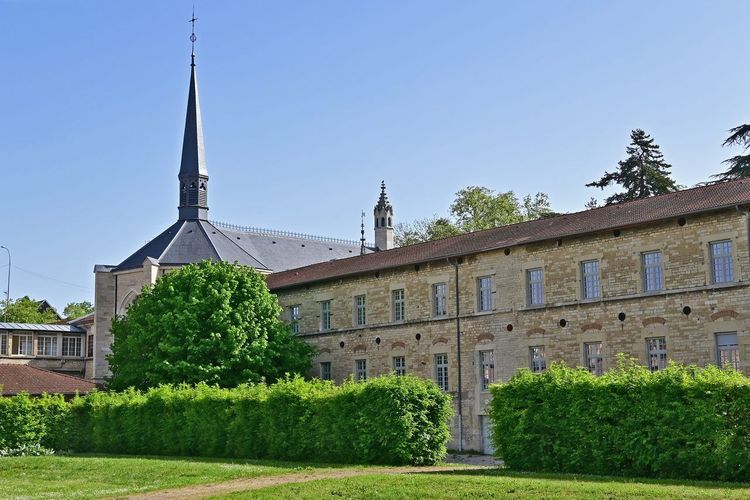
The afternoon begins at the chartreuse de Champmol, founded in 1383 by Philippe le Hardi as the necropolis of the Dukes of Burgundy. The site, now integrated into a psychiatric hospital that is still in operation, can be visited for its sculpted portal and the remains of its cloister: access is through the institution's entrance, out of respect for the peace of the patients.
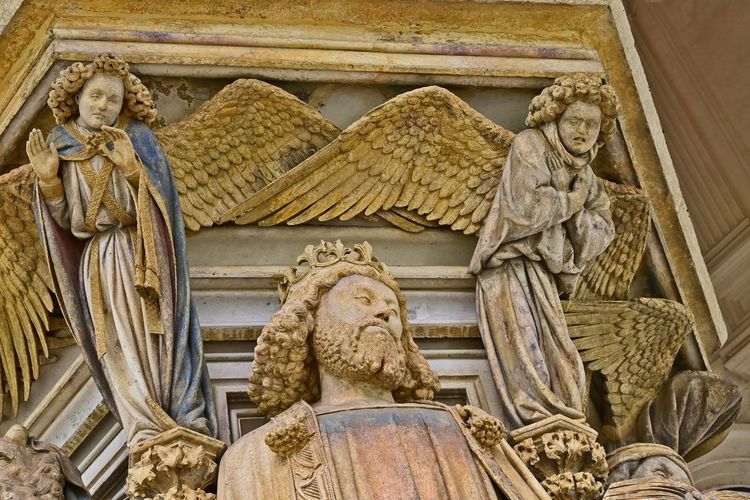
At the centre of the site stands the Puits de Moïse, a masterpiece of late Gothic sculpture by Claus Sluter from the end of the 14th century. Six life-size prophets encircle the base of an ancient Calvary, of which only the pedestal survived the Revolution. Take time to observe the individual expressions of each face: it is a level of detail rarely achieved for the period.
Heading back down towards the centre, the Musée de la Vie Bourguignonne, installed in a former Bernardine convent, recreates shops, peasant interiors and street scenes from 19th-century Burgundy. A more intimate interlude after the density of the chartreuse.
The Cité Internationale de la Gastronomie et du Vin and the Jardin de l'Arquebuse
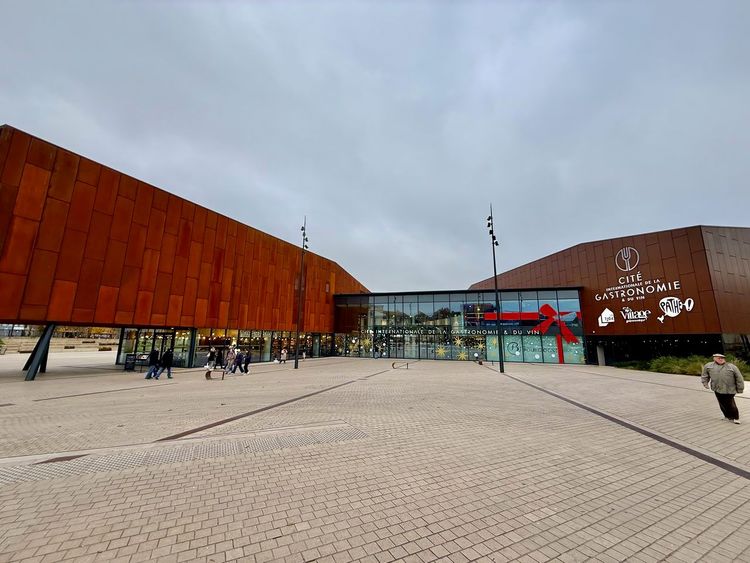
Opened in 2022 in the rehabilitated buildings of the former general hospital, the Cité internationale de la gastronomie et du vin brings together producers' shops, a cookery school, a cinema and a four-star hotel around a large glass-roofed hall. You can simply wander in without a ticket, browse the gastronomic village and its freely accessible shops, or book a tasting workshop; only the exhibition spaces and cookery courses are ticketed. Allow at least two hours if you plan to have lunch on site, as the midday slot is the busiest.
Nearby, the jardin de l'Arquebuse combines a botanical garden and natural history museum over more than six hectares, with nearly 3,500 recorded plant species. Entry is free, making it a great option for a picnic break between visits.
At the end of the day, lac Kir (Boulevard Chanoine Kir, 21000 Dijon, rated 4.4/5 on Google with 2,200 reviews), straddling Dijon and Fontaine-lès-Dijon, invites a last walk by the water. It is here, so the story goes, that Canon Félix Kir, the city's former mayor, popularised the aperitif that bears his name: a blend of Dijon blackcurrant liqueur and white aligoté wine, best enjoyed that same evening on a terrace.
Day 3: Wine Country Excursion in the Côte de Nuits and the Route des Grands Crus
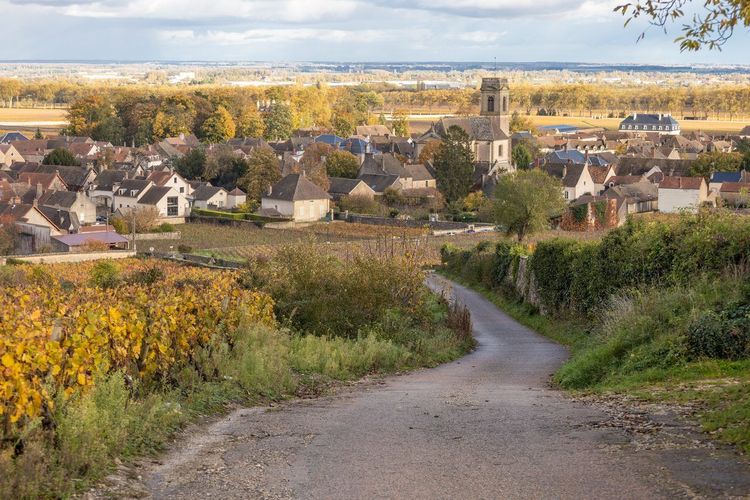
Third day, head for the vineyards. Allow around 20 minutes by road to reach the first vines from the centre of Dijon. A car makes it easier to move between villages, but an electric bike is a pleasant option along the 60 kilometres of the wine route.
The Route des Grands Crus and the Wine Villages of the Côte de Nuits
The Route des Grands Crus, open since 1937, runs along the D974 through the villages that have lent their names to Burgundy's most sought-after wines: Gevrey-Chambertin, Vougeot, Vosne-Romanée. The Climats of the Côte de Nuits and the Côte de Beaune have been inscribed on the UNESCO World Heritage List since 2015.
Leaving Dijon heading south, one last detour is worth a look: the maison des Cariatides, on the rue Chaudronnerie, whose façade sculpted with antique figures dates from the early 17th century. A five-minute stop before taking the road.
The vineyards of the Côte de Nuits unfurl their pinot noir plots across a narrow ribbon of hillside, barely two kilometres wide in places. The landscape changes dramatically from the city: terraced vines, exposed limestone, and small stone huts known as cadoles.
A Wine Tasting and Regional Specialities

For an accessible first introduction, a wine tasting at a domaine in Gevrey-Chambertin or Vosne-Romanée lets you sample several appellations with a winemaker who explains the differences in terroir between two plots sometimes only a few hundred metres apart. The wine cellars in the centre of Dijon offer the same experience in an urban, short-format version if you prefer not to venture out of town.
This third day is also the opportunity to revisit the Burgundian specialities encountered throughout the stay: Dijon mustard, gingerbread whose recipes some houses have preserved for centuries, bœuf bourguignon slow-cooked in local red wine, and snails prepared with parsley butter. All flavours that pair naturally with the wines tasted during the day.
In high season, book your tasting slot in advance: small family cellars deliberately limit the number of visitors per session to maintain a personal exchange.
Beaune and Nuits-Saint-Georges: a Half-Day Away from Dijon
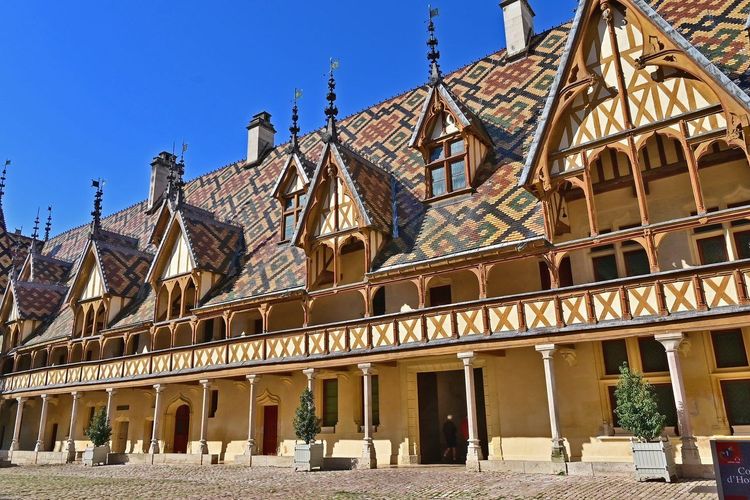
If time allows, push on to Beaune, 45 minutes by road or around 25 minutes on a direct TER train from Dijon-Ville station. The town owes its reputation to the Hôtel-Dieu and its polychrome glazed tile rooftops, one of the most photographed monuments in Burgundy.
On the way back, a stop at Nuits-Saint-Georges (Place de la République, 21700 Nuits-Saint-Georges) completes the wine loop. The town gave its name to the appellation and is home to several négociant houses open for visits, as well as a lively market on Saturday mornings.
Without a car, the TER also serves Nuits-Saint-Georges from Dijon in around twenty minutes, and regional coaches complement the offer towards Beaune. The train remains the simplest option for this half-day out of Dijon.
What to Do in Dijon with Families: Gardens and Fun Activities
Dijon lends itself well to a family weekend break: the distances between sites are short, several museums are free, and the parks offer genuinely shady breaks between heritage visits.
The jardin Darcy, a short walk from the station, is best known for its polar bear statue by François Pompon, a Burgundian sculptor whose original work is held at the Musée d'Orsay. Children love to climb its stone replica, which has become one of the city's most photographed spots.
A little further, the parc de la Colombière (Avenue Jean Jaurès, 21000 Dijon, rated 4.5/5 on Google with 5,682 reviews) spreads its broad avenues laid out in the 17th century on former ducal hunting grounds. Play areas, bike hire and vast lawns make it a great spot for a midday picnic.
On rainy days, the natural history museum at the jardin de l'Arquebuse is a remarkably effective back-up plan: animal skeletons, a mineral gallery and a space devoted to Burgundian biodiversity easily fill an hour and a half, all for free. The Musée de la Vie Bourguignonne also works very well with children, thanks to its recreated street complete with life-size apothecary and milliner shops. Another idea that goes down well with 6 to 10-year-olds: turning the Owl Trail into a treasure hunt, searching for the bronze plaques in the ground from one stop to the next.
For a different kind of evening, a nocturnal lantern tour offers a chance to rediscover the historic centre once the monuments are lit up, led by a guide, lasting around an hour and well suited to children from the age of 7 or 8. This is a format that still receives little attention from mainstream guides, even though the city is particularly well suited to an evening stroll thanks to its carefully considered heritage lighting. All options that naturally complement a gardens-focused programme for a family weekend.
The Most Beautiful Villages to Visit Around Dijon
Few guides go into real detail about the villages surrounding Dijon beyond the wine route. Here is a selection to consider if you extend your stay by a day, presented in more detail in the Ryo article on the most beautiful villages around Dijon.
Flavigny-sur-Ozerain (21150 Flavigny-sur-Ozerain), 45 minutes to the north-west, served as the setting for the film Chocolat and has been home for centuries to the factory producing the famous aniseed sweets. Its ramparts and former abbey make it one of the best-preserved villages in the region, also labelled one of the Plus Beaux Villages de France.
Châteauneuf-en-Auxois, perched on its rocky spur, overlooks the Canal de Bourgogne and the Auxois plain. The village also features among the Plus Beaux Villages de France, and its medieval fortress can be explored in about an hour. The view from the ramparts stretches far across the hills on a clear day.
Semur-en-Auxois (21140 Semur-en-Auxois), also 45 minutes away, surprises with its massive ramparts enclosing a meander of the river Armançon. The cobbled lanes and the collegiate church of Notre-Dame make for a satisfying half-day stop.
Closer to Dijon, around thirty kilometres to the north-east, Bèze plays a different card: water. A river springs from a resurgence at the foot of the village, and the caves can be visited by boat for part of the year, which makes a pleasant change from cobbled streets. The former Benedictine abbey, one of the oldest in Burgundy, completes the visit in about an hour.
Finally, Fixin (21220 Fixin), at the gateway to the Côte de Nuits, combines renowned vineyard plots with the parc Noisot, dedicated to the memory of Napoleon, featuring a bronze statue by François Rude. To take in several of these villages in a single day, plan an early start and bring a car: public transport connections remain limited outside of the summer season.
Where to Eat in Dijon: Specialities and the Best Local Addresses
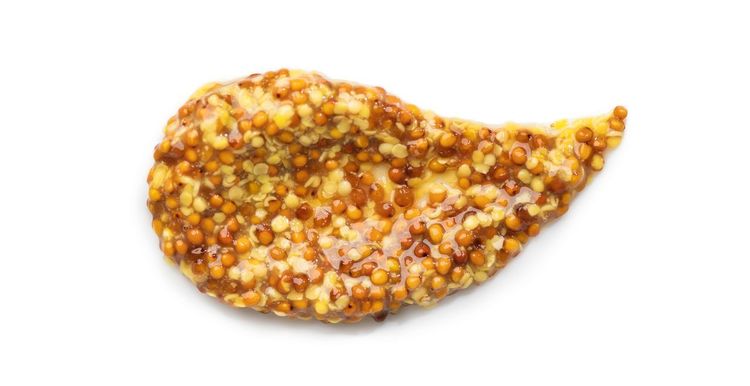
Dijon mustard today refers more to a recipe than a geographical origin, but a few mustard makers carry on local production and offer spoon tastings, from the classic flavour to versions with blackcurrant or tarragon. Kir, the aperitif made with blackcurrant liqueur and white aligoté wine, is ideally enjoyed on a terrace in the late afternoon, while pain d'épices, produced in Dijon for centuries, comes in plain, candied fruit or fir honey versions.
For main courses, bœuf bourguignon slow-cooked in local red wine and snails with parsley butter remain the reliable staples of Burgundian cuisine, often served with cheese gougères as an appetiser. Jambon persillé, served cold in slices, rounds out the list of specialities worth trying at least once during your stay.
For a quick bite between visits, the Halles remain the best reference point: cheese sellers, charcutiers and greengrocers offer everything needed to put together a full lunch. For a sit-down meal, favour the small addresses in the pedestrian streets around the place Émile Zola, where several bistros serve regional cuisine at reasonable prices on weekdays. Budget an average of €18 to €25 for a lunch formula in the centre, around fifteen euros more in the evening à la carte. For a dinner that will mark your stay, the city also has a handful of gastronomic restaurants set in former mansions, where booking several days ahead is essential at weekends. To go deeper into this list, the Ryo article on Dijon's culinary specialities details ten must-try dishes. The audio-guided tour of Dijon is a pleasant way to walk off a big lunch before the next round of sightseeing.
Where to Stay in Dijon: Neighbourhoods and the Best Hotels
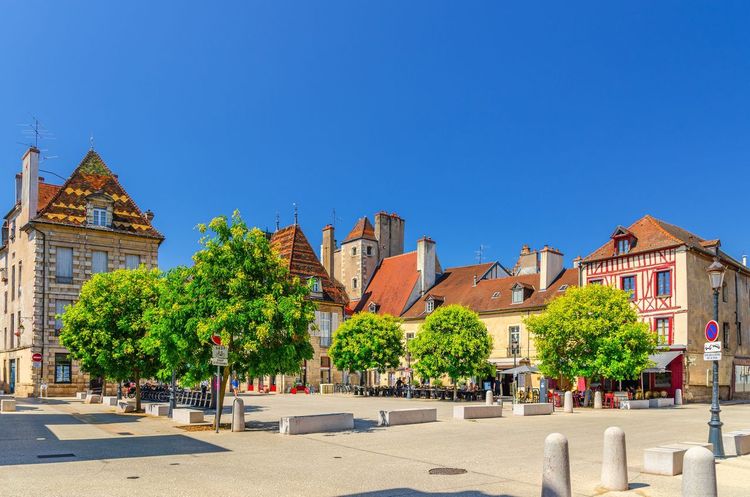
Two neighbourhoods concentrate most of the hotel offer suited to a 3-day stay: the historic centre and the station area, 10 to 15 minutes apart on foot. In terms of budget, allow an average of €80 to €120 per night for a well-located 3-star, €150 to €250 for a 4-star with spa, with noticeably higher rates during the November gastronomic fair and December weekends.
The Historic Centre, for Exploring on Foot
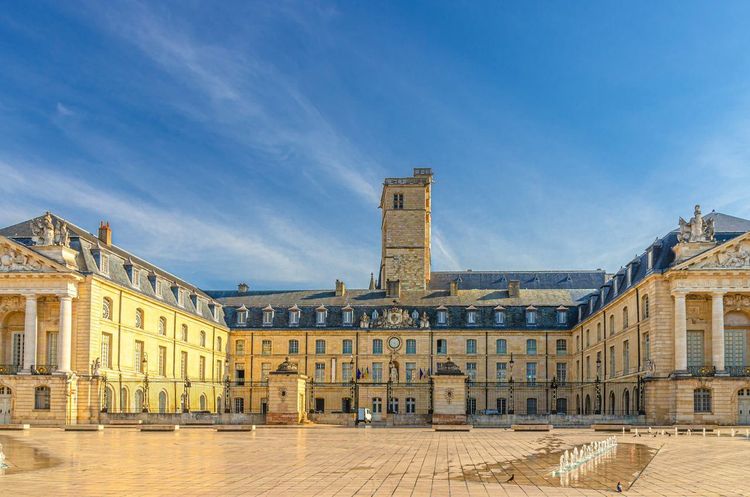
Staying in the historic centre means reaching the Palais des Ducs, the Halles and the two great churches without ever using public transport. The Hôtel des Ducs, housed in an old building just steps from the rue de la Liberté, offers decent value for money in the 3-star category, with simple but well-located rooms.
For a more upmarket stay, several 4- and 5-star establishments have set up in former town houses in the centre, with spas and private inner courtyards: an option to consider for a romantic break rather than a tight budget.
Around the Station, Convenient for Train Arrivals
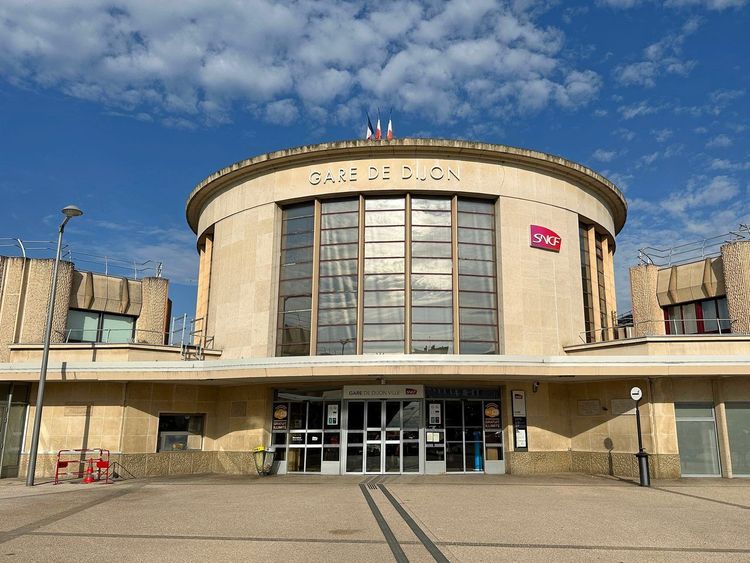
For visitors arriving by TGV, the station area offers the advantage of being immediately close to the platforms. Oceania Le Jura Dijon (14 Avenue Maréchal Foch, 21000 Dijon, rated 4.6/5 on Google with 1,419 reviews), five minutes on foot from the station, combines standardised comfort with quick access to the T1 tram line towards the historic centre.
The Aloft Dijon, by Marriott, more recent, opts for a contemporary design and direct tram access, handy if you plan to take the train rather than drive for the vineyard excursion on day three. One last useful pointer before booking: everything within the ring of central boulevards can be reached on foot in under twenty minutes, making a car unnecessary in the city itself, except for the day in the vineyards.
How to Get to and Get Around Dijon
Dijon is easy to reach from the major French cities. The TGV connects Dijon-Ville station to Paris Gare de Lyon in around 1h40, with several daily departures. From Lyon, allow 1h30 to 2 hours by train depending on the service, and around 3 hours by car via the A6 motorway then the A31 from Paris. A definite advantage for a short stay: the station sits right on the edge of the centre, less than ten minutes on foot from the place Darcy.
Dijon-Bourgogne airport offers few regular commercial flights; most visitors arriving by air transit through Lyon-Saint-Exupéry airport, then continue to Dijon by train or rental car.
Once there, the historic centre can be explored entirely on foot, with most major sites clustered within a perimeter of less than two kilometres. The Divia network adds two tram lines, T1 towards Quetigny and T2 towards Chenôve, along with a bike-share service, useful for reaching lac Kir or the parc de la Colombière without walking. A single ticket costs under €2, and a day pass quickly pays off if you are staying on the outskirts. By car, it is better to aim for park-and-ride facilities on the edge of the city rather than the centre, which is largely pedestrianised and has paid on-street parking.
Finally, for a more relaxed introduction, a small tourist train runs from April to October departing from the centre, with audio commentary covering the main highlights of the Owl Trail in around 35 minutes, a good option for families with young children or on days of intense heat.
When to Visit Dijon: Seasons, Budget, and Tips
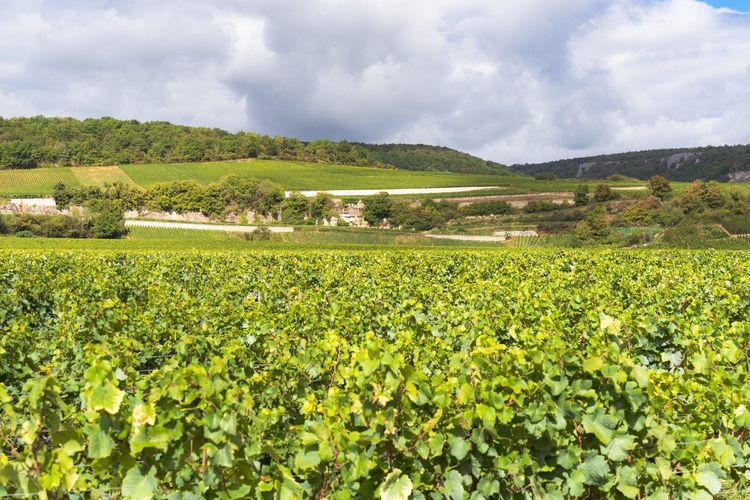
Spring and autumn remain the most comfortable seasons for exploring the city on foot, with mild temperatures, often between 15 and 22°C in the afternoon, and moderate crowds. September has an added bonus: the grape harvest is in full swing in the Côte de Nuits and the wine villages come alive to the rhythm of trailers laden with grapes. Summer brings occasional heat, but also lively terraces open late into the evening and longer days for combining a tour of the centre with a vineyard excursion.
Autumn brings another highlight: the international gastronomic fair, one of the oldest in France, which takes over the exhibition park at the start of November and draws hundreds of thousands of visitors. Winter has its own charm, particularly around the Christmas market, whose chalets set up in the centre between the place de la Libération and the place Darcy from late November through the holidays.
Before leaving, it is worth downloading the official tourist map from the Dijon tourist office website: it precisely locates each stop on the Owl Trail as well as the up-to-date opening hours of the museums.
On the budget side, several tips can keep costs down: the majority of municipal museums are free all year round, a city pass sold by the tourist office bundles transport with discounts on paid visits, and several local apps list restaurants offering reduced-price lunch menus on weekdays. Factoring in mid-range accommodation, two meals a day and a tasting in the Côte de Nuits, a 3-day stay comes to around €300 to €400 per person excluding transport, a lighter bill than in most regional capitals.
Visiting Dijon in 1 or 2 Days: How to Adapt the Itinerary
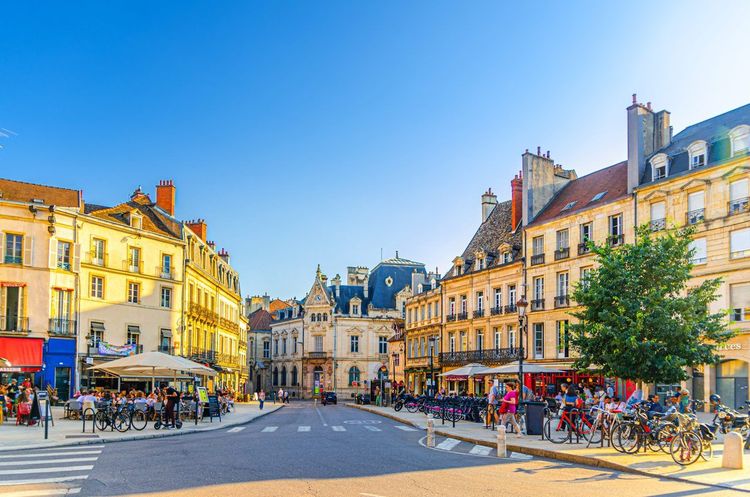
If your stay is shorter, the detailed itinerary above can be trimmed without losing the city's essential highlights.
The Essentials in 1 Day
With just one day, focus on the core of the first day's programme: the Palais des Ducs de Bourgogne and the place de la Libération in the morning, followed by the Owl Trail through to the église Notre-Dame. Keep the afternoon for the cathédrale Saint-Bénigne and the Halles, finishing with a last drink at the place François Rude. You will have to skip the museums and the vineyard excursion, but this condensed version covers the city's most iconic landmarks.
A Condensed Version in 2 Days
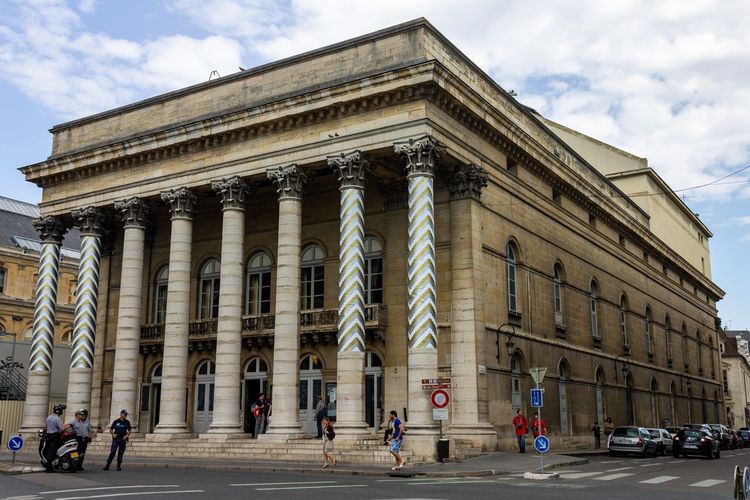
With two days, combine the first day's programme with a lighter version of the second: keep the Musée des Beaux-Arts, free and centrally located, and the Cité internationale de la gastronomie et du vin, but drop the chartreuse de Champmol and the Musée de la Vie Bourguignonne if time is short. If the pull of the vineyards persists, a simple tasting in a city-centre cellar effectively replaces the full day in the Côte de Nuits. What to do in Dijon in 2 days is ultimately a matter of choosing between heritage and gastronomy, depending on your priorities. Whatever format you choose, the Ryo audio-guided tour of Dijon works just as well for a one-day visit as for a full stay.



FAQ
How many days do you need to visit Dijon?
Three days allow you to cover the historic centre, the main museums and a wine country excursion without rushing. A two-day weekend is enough to see the essential heritage, and a single day is still possible by focusing on the Palais des Ducs and the Owl Trail.
What is the best time of year to visit Dijon?
Spring and autumn offer the most pleasant conditions, with mild temperatures and fewer crowds than summer. December remains an interesting option thanks to the Christmas market, provided you are prepared for shorter and cooler days.
How do you get to Dijon from Paris or Lyon?
From Paris, the TGV connects Gare de Lyon to Dijon-Ville in around 1h40. From Lyon, allow 1h30 to 2 hours by train depending on the service. The car remains an alternative, via the A6 then the A31 from the Paris region.
Where should you stay in Dijon to explore the city on foot?
The historic centre is the most convenient neighbourhood for getting everywhere on foot, with hotels such as the Hôtel des Ducs just steps from the rue de la Liberté. The station area is better suited to those who prefer arriving by train and want quick access to the tram.
Why is Dijon called the city of a hundred bell towers?
This nickname comes from the exceptional density of medieval and Renaissance religious buildings preserved in the historic centre, whose spires and bell towers still punctuate the city's skyline as seen from elevated viewpoints such as the tour Philippe le Bon.
What can families do in Dijon over a weekend?
The jardin Darcy and its polar bear statue, the parc de la Colombière for outdoor play, and a nocturnal lantern tour of the illuminated centre make up a well-balanced family programme, rounded out by the free museums for rainy days.
What are the most beautiful villages to visit around Dijon?
Flavigny-sur-Ozerain, Châteauneuf-en-Auxois, Semur-en-Auxois, Bèze and Fixin are among the most interesting villages within an hour of Dijon, each with a different character: cinema and aniseed, a hilltop castle, ramparts, caves or vineyards.
Dijon richly rewards the time you give it. Between the ducal heritage of the historic centre, the wealth of free museums and the immediate proximity of classified vineyards, few French cities of this size offer so many reasons to extend your stay. Whether you follow the full itinerary or a shorter version, our Ryo app is available on the ground to find each stop and its story, without having to pull this guide out of your pocket.
À lire également