© Shutterstock
 Votre guide Ryo
16 Free Activities in Dijon in 2026: Monuments, Nature and Insider Tips
Dijon didn't need to become the world capital of gastronomy to offer a historic centre you can explore from end to end without paying a single entry fee. Between the half-timbered façades of the Halles district and the belt of gardens that wraps around the old town, you can easily fill an entire day here without spending a penny. Search "free activities Dijon" before you leave and you'll mostly find the well-known classics: this guide goes further, from the 22 brass studs of the Parcours de la Chouette to the municipal museums free to all since 2004, from the 3-kilometre circuit around lac Kir to the stalls of the iron-framed market hall. To extend the walk with a narrative thread, the Ryo audio-guided tour of Dijon lets you follow the same streets with stories told in your ear. Here are the 16 experiences that make up this guide, ranked from the most iconic to the most off the beaten track.
1. Follow the Parcours de la Chouette
The Parcours de la Chouette remains, for most visitors, the logical gateway into Dijon's heritage. The concept is simple: 22 brass studs embedded in the pavements link the major monuments of the historic centre over just under 2 kilometres, to be explored freely in around 1h30. No booking, no mandatory guide: just follow the studs in the ground, from the first to the twenty-second.
The starting point is in front of the Église Notre-Dame de Dijon (Place Notre-Dame, 21000 Dijon, rated 4.6/5 on Google with 1,307 reviews), at the small owl carved into the stone of the north buttress, which locals traditionally touch with their left hand to make a wish. The route then passes the Palais des Ducs, the cathédrale Saint-Bénigne, the town hall and a dozen remarkable façades, before looping back near the starting point. Following the route requires nothing more than keeping your eyes on the ground; the tourist office also sells a detailed step-by-step booklet and offers a mobile app for those who prefer an audio commentary.
If you want to enrich this stone trail with audio anecdotes, the audio-guided tour of Dijon offers 25 audio tracks totalling around 3h10 of listening, with stories about the Dukes of Burgundy and the secrets of the façades you pass along the way. Many families alternate between the two formats: the stud hunt for the children, the listening for the adults.
This route also serves as the best thread to connect most of the free activities in Dijon listed in this guide: it passes in front of or beside half of the places that follow.
Aim for late morning on a weekday to enjoy the route without the crowds of school groups, who are very present between 2pm and 4pm on fine days. As parts of the city centre are cobbled, flat shoes are advisable so you can comfortably spot each stud without looking up from the ground too often.
2. Step Inside the Palais des Ducs et des États de Bourgogne
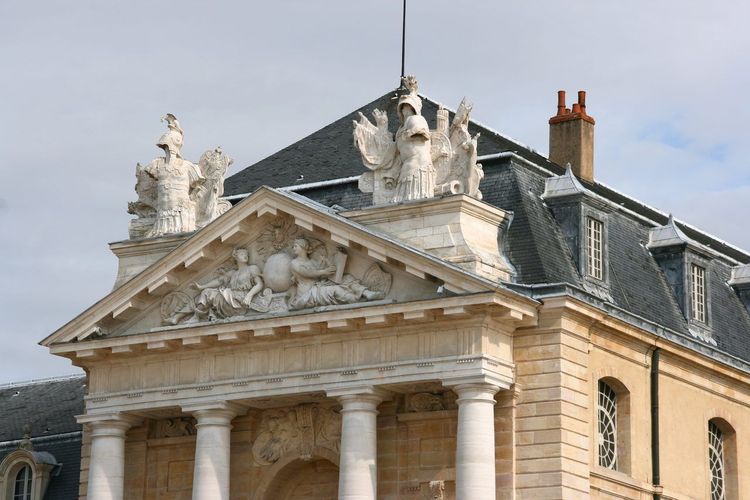
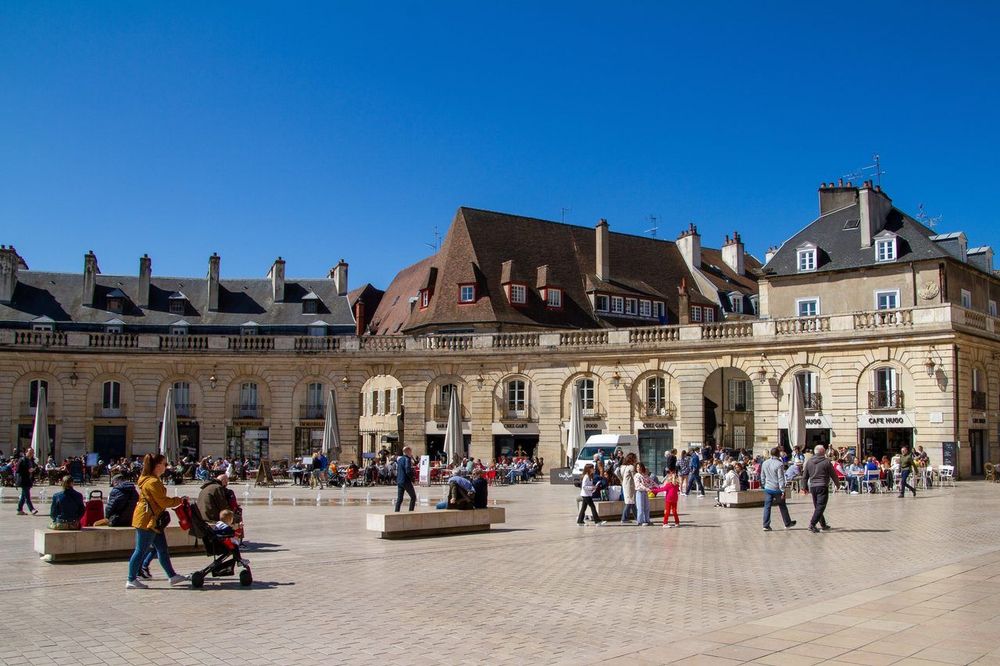
The Palais des Ducs et des États de Bourgogne (Place de la Libération, 21000 Dijon, rated 4.7/5 on Google with 2,486 reviews) has occupied the heart of the Place de la Libération since the Middle Ages, when it served as the residence of the Dukes of Burgundy before becoming the seat of the États de Bourgogne and then the current town hall. The complex impresses with its proportions: the classical façade frames a semi-circular square designed to showcase ducal power.
The honour courtyard can be visited freely, from morning until nightfall, with no entry fee. It is from this courtyard that you get the best view of the Tour Philippe le Bon, standing 46 metres tall: climbing its 316 steps to the top remains paid, but admiring it from the cobblestones requires nothing more than a few steps back, and the perspective on the façade is more than enough to appreciate the architectural ambition of the site.
Inside the same building, the Dijon Museum of Fine Arts opens its permanent collections to all, year-round, free of charge: hard to find better among the free activities in the city centre. Sculpted tombs of the Dukes of Burgundy, Flemish primitives, the 15th-century Salle des Gardes. We cover this museum and its neighbours in more detail later in this article, but know already that it is worth at least an hour of your time.
The history of the palace dates back to the 14th century under Philippe le Hardi, who made it the duchy's main residence before its annexation to the French crown in 1477 transformed the site into a regional administrative symbol. It is said that the vaulted cellars, now closed to the public, were used to store barrels of wine destined for the ducal table, a further trace of the bond between Burgundian power and the neighbouring vineyards.
A practical tip if you are visiting with family: the Place de la Libération, entirely pedestrianised and lined with café terraces, is well suited to a break before or after the visit. The ground-level water jets, activated intermittently in summer, are particularly entertaining for younger children.
3. Stroll through the Jardin Darcy
A short walk from the station, the Jardin Darcy acts as a decompression chamber between arriving in the city and reaching the historic centre. Laid out in 1880 above the city's former water reservoirs, it takes its name from engineer Henry Darcy, a pioneer of drinking water supply in Dijon.
The garden is modest in size, but it packs in several elements worth the detour: period wrought-iron railings, terraced steps, a central pond and, above all, a replica of the polar bear by François Pompon, a Burgundian sculptor whose original stands in the Musée d'Orsay. The benches in the shade of the chestnut trees make it a pleasant stop before heading down to the Rue de la Liberté on foot.
If you are arriving by train, this will probably be the first green space you come across: it is worth sitting on one of the benches to plan your day's itinerary, rather than heading straight for the centre.
4. Walk through the Parc de la Colombière
At around 33 hectares, the Parc de la Colombière (Avenue du Drapeau, 21000 Dijon, rated 4.5/5 on Google with 5,683 reviews) is by far the largest green space in southern Dijon, well ahead of the Jardin Darcy or the Arquebuse. Laid out in the 17th century in the French formal garden style, it retains a star-shaped network of avenues that is listed as a historic monument, originally designed for ducal carriages.
Today, the park is shared between early-morning joggers, families picnicking on Sundays and cyclists using the shaded avenues to reach the banks of the Ouche. Several play areas, a small animal park with deer and goats, and freely accessible table-tennis tables round out the experience: you can easily spend an entire afternoon here without reaching for your wallet.
In summer, the park also hosts occasional events — open-air cinema or children's shows organised by the city — worth keeping an eye on via the municipal events calendar. The park's name comes from an old ducal pigeon house (a "colombière") that once occupied the site, now long gone. On the southern edge, the Dijon racecourse still holds horse-racing meetings on certain weekends, the atmosphere of which can be sensed from the park's boundaries.
You can also simply stop by in the late afternoon: the low light filtering through the canopy, at the hour when joggers start arriving, is a good excuse for a shaded break before heading back to explore the centre.
5. Discover the Jardin de l'Arquebuse and Its Museum
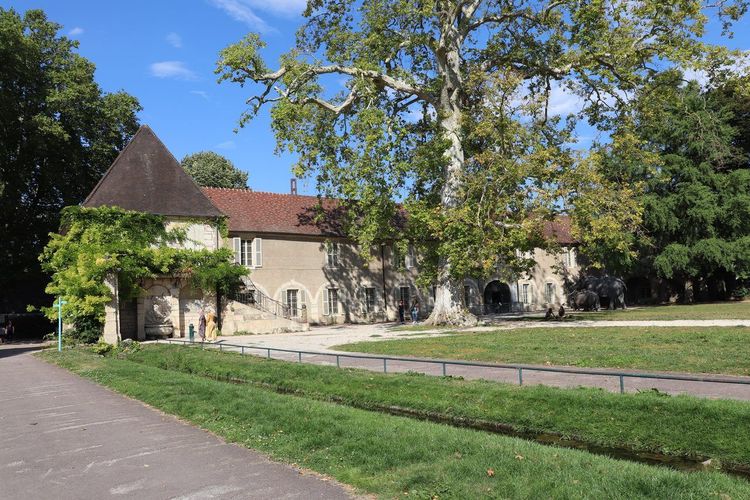
Curiously absent from most guides to free activities in Dijon, the Jardin de l'Arquebuse (Avenue Albert 1er, 21000 Dijon, rated 4.5/5 on Google with 3,726 reviews) nevertheless deserves a prime spot on this list. This botanical garden, laid out on the former training ground of the arquebusiers' company, brings together several thousand plant species arranged in themed beds: medicinal plants, an arboretum, a rose garden and greenhouses accessible to all during opening hours.
Both the garden and the Dijon Natural History Museum, housed in the former neighbouring convent and integrated into the Jardin des sciences, are open without entry fees year-round. The collections mix taxidermied animals, regional minerals and temporary exhibitions; the adjacent planetarium, however, operates on a booking and ticketing basis.
This is an excellent destination for families with young children: less crowded than the historic centre, the garden offers open lawns where you can settle without disturbing anyone, and the museum allows you to break up an afternoon of walking with a visit in the cool. Allow an hour for the garden and museum combined if you stick to the highlights, two hours for those who linger at each display case.
6. Enjoy the Shores of Lac Kir
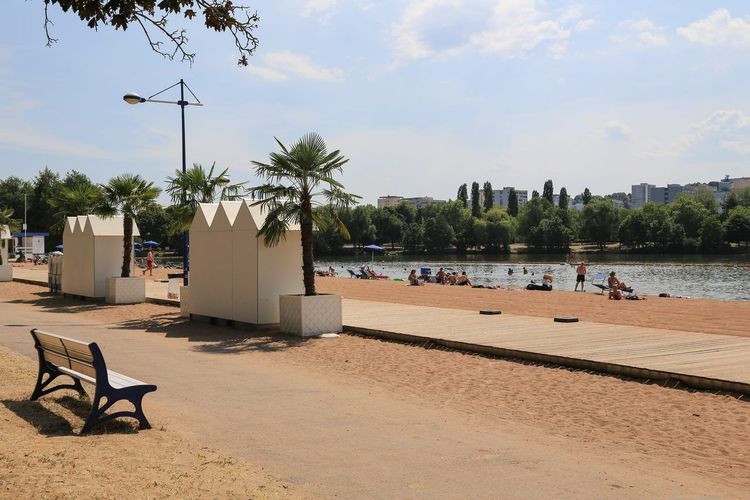
The lac Kir (Avenue du Lac, 21000 Dijon, rated 4.4/5 on Google with 64 reviews) takes its name from Canon Félix Kir, mayor of Dijon from 1945 to 1968, who had this artificial lake of around thirty hectares excavated and filled in 1964 to regulate the course of the Ouche. Today it is the city's aquatic lung and one of the favourite meeting places for Dijon locals on fine days.
A wide compacted path circles the entire lake, approximately 3 kilometres, accessible on foot, by bike or on rollerblades. In summer, a supervised swimming beach opens on the northern side, with no entry booth, a children's play area and water sports equipment hire for those who want to go further. For the rest of the year, the lake remains a pleasant viewpoint at sunset, with the city's silhouette as a backdrop.
Few passing visitors think to come this far, which is a mistake: about twenty minutes on foot from the city centre, or ten minutes by bike along the cycle paths that follow the Ouche, the lake allows you to step completely outside the classic tourist circuit without leaving Dijon. Bring a towel if you plan to swim in July or August: lifeguards are only on duty during a limited time slot, generally in the afternoon, and the swimming area remains closed outside the summer season.
7. Visit the Halles Market
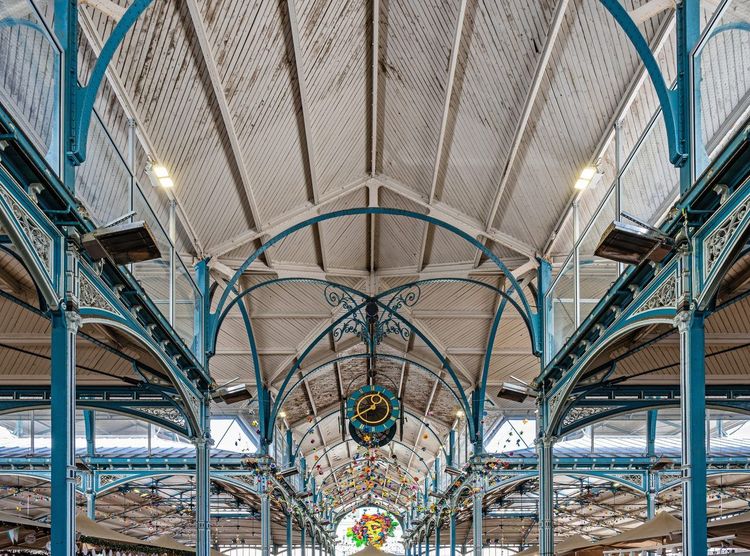
The Halles de Dijon (Rue Odebert, 21000 Dijon, rated 4.5/5 on Google with 4,642 reviews), an iron-framed structure inaugurated in the 1870s in the spirit of the Baltard pavilions, remain one of the best-preserved covered markets in France. You can walk in and out freely, without buying anything, simply to observe the stalls and breathe in the scent of freshly ground mustard.
The market is held on Tuesday, Thursday, Friday and Saturday mornings, with a particular buzz on Saturdays. Amid wheels of comté, jars of blackcurrant and stacked pain d'épices, the visit works like a tasting through eyes and nose, even with an empty wallet. Local producers are happy to answer questions about their products, especially outside peak hours.
Around the market, the pedestrian lanes also concentrate several delicatessens that offer tastings of mustard and pain d'épices during the week, a common commercial practice in Dijon that lets you discover local produce with no obligation to buy. To extend the culinary exploration once you have left the Halles, our Ryo article on the 10 culinary specialities to taste in Dijon lists the addresses where you can taste, this time for a price, what you spotted on the stalls.
8. Go on a Street Art Hunt
Far from its classic image as a ducal city, Dijon has been nurturing a fairly dense street art scene for about a decade, driven by festivals and local collectives. The most spectacular murals are concentrated in the Jean-Jaurès district (Rue Jean-Jaurès, 21000 Dijon, rated 4/5 on Google with 20 reviews) and along the banks of the Ouche, where former blank walls of apartment buildings have been transformed into giant canvases.
Another area worth exploring is around the station and the Junot district, where building-site hoardings regularly feature new ephemeral works. Allow a good hour of walking to spot around ten murals starting from the centre, with no fixed itinerary: this is precisely one of the rare Dijon routes where getting slightly lost is part of the pleasure.
You can check the social media accounts of local collectives before you set off: the works change regularly, and some murals photographed two years ago have already been replaced by new creations.
9. Chain Together Dijon's Free Municipal Museums
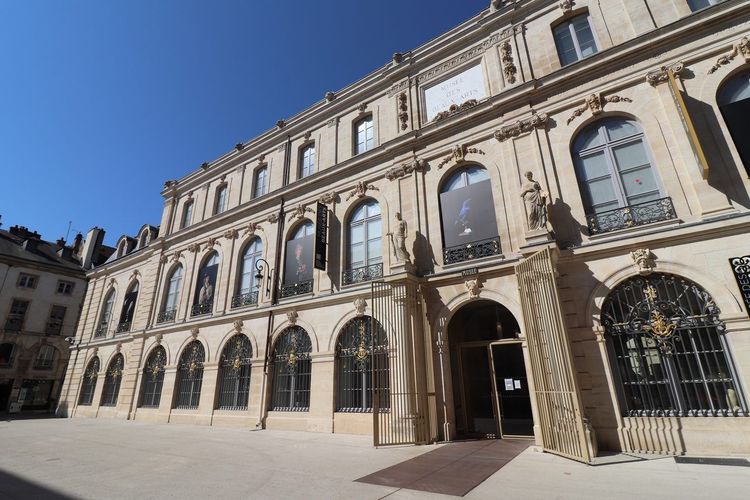
This is the Dijon particularity that few French cities can claim: since 2004, the permanent collections of the city's five museums can be visited free of charge all year round, with no age or residency requirement. The richest, already mentioned above, is the Museum of Fine Arts, housed in the wing of the Palais des Ducs: around fifty renovated rooms, from the 15th-century ducal tombs to modern art, making it one of the finest municipal collections in France. Only its temporary exhibitions are paid, at around €9 full price and €5 for concessions.
The Museum of Burgundian Life, housed in the former Bernardines convent, reconstructs shops, interiors and scenes from everyday Burgundian life at the turn of the 20th century: a haberdashery, a classroom, a peasant interior. The whole can be visited in around 45 minutes and is particularly popular with children for its immersive feel. In the same convent complex, the Museum of Sacred Art occupies the church of Sainte-Anne and its baroque rotunda, with pieces of goldsmithing and religious statuary rarely shown elsewhere.
These are complemented by the Musée Rude, set up in the transept of the former church of Saint-Étienne around plaster casts by Dijon sculptor François Rude, the archaeological museum housed in the former abbey of Saint-Bénigne, and the museum at the Jardin de l'Arquebuse presented earlier. A habit to form before you leave: check days and opening hours on the Dijon museums website, as some spaces temporarily close for renovation works — such as the Benedictine dormitory at the archaeological museum — and several sites operate on seasonal timetables.
One exception is worth flagging to avoid an unwelcome surprise: the Musée Magnin (4 Rue des Bons Enfants, 21000 Dijon, rated 4.6/5 on Google with 402 reviews), a 17th-century townhouse bequeathed to the state by Maurice and Jeanne Magnin, is a national rather than a municipal museum. Admission is therefore charged at a few euros, but entry is free for under-26s residing in the European Union and, as in most national museums, on the first Sunday of the month. The old paintings, hung close together in 19th-century style, are discovered in the original setting of the house, furniture included: well worth the detour if your budget allows.
The great strength of this cultural offer is the proximity of the sites: less than fifteen minutes on foot separates the Museum of Burgundian Life from the Museum of Fine Arts, with the Musée Rude almost en route. A well-organised day therefore allows you to visit three or four in succession without taking any transport, alternating indoor visits with breaks in the gardens mentioned earlier. Two details to know before planning a museum day: these establishments are closed on Tuesdays as well as on major public holidays, and while the activities offered within the museums remain open to all, guided tours and workshops are charged at around €7 (€4 for concessions). Among all the free activities in Dijon, this is probably the area in which the city stands out most clearly from its neighbours. The Palais des Ducs, first stop on the audio-guided tour, ties in neatly with this same museum run.
10. Admire Dijon's Iconic Monuments from the Street
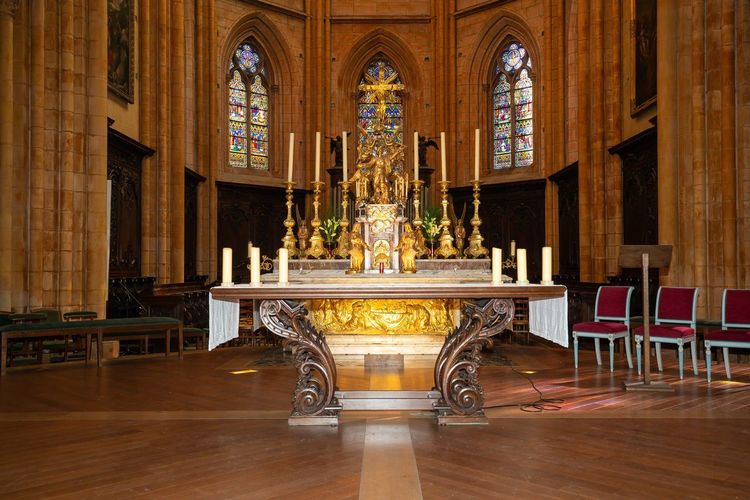
Beyond the Palais des Ducs already covered in detail, several of Dijon's major monuments can be discovered, at least in part, without ever passing through a ticket office. The cathédrale Saint-Bénigne, a former abbey church that became a cathedral in 1792, impresses with its Gothic nave and its 11th-century underground rotunda, one of the oldest Romanesque crypts in Burgundy. The nave can be visited freely during opening hours; only the descent into the crypt involves a small charge depending on the period.
Nearby, the Puits de Moïse (1 Boulevard Chanoine Kir, 21000 Dijon, rated 4.4/5 on Google with 702 reviews), a remnant of the former Chartreuse de Champmol, the necropolis of the Dukes of Burgundy, stands on a site now occupied by a hospital complex. Carved by Claus Sluter at the end of the 14th century, this monumental calvary adorned with six life-size prophets is protected by a glazed pavilion whose access requires a modest entry fee; the sculpted portal of the chapel and the paths of the site, however, can be explored freely. Bring a coin or two if you want to get close to the prophets: this is one of the masterpieces of European medieval sculpture.
The Église Notre-Dame, already encountered on the Parcours de la Chouette, deserves a second look for its Gothic façade with 51 false sculpted gargoyles and its jacquemart clock, animated since the 14th century. Local legend has it that Philippe le Hardi brought the mechanism back from Courtrai in 1382 as a battle trophy, before a companion was added over the centuries, then two children to ring the quarter hours. Finally, don't forget to look up on the Rue de la Chouette, Rue Verrerie or Rue des Forges: the half-timbered façades of the district, some dating from the 15th century, constitute a permanent open-air museum.
The best way to take in these monuments in sequence is to incorporate them directly into the Parcours de la Chouette route mentioned at the start of this article: the cathedral, the Église Notre-Dame and the half-timbered façades are almost all on or immediately adjacent to the marked circuit, which avoids unnecessary back-and-forth in a city with a compact historic centre.
11. Join a Guided Tour from the Tourist Office
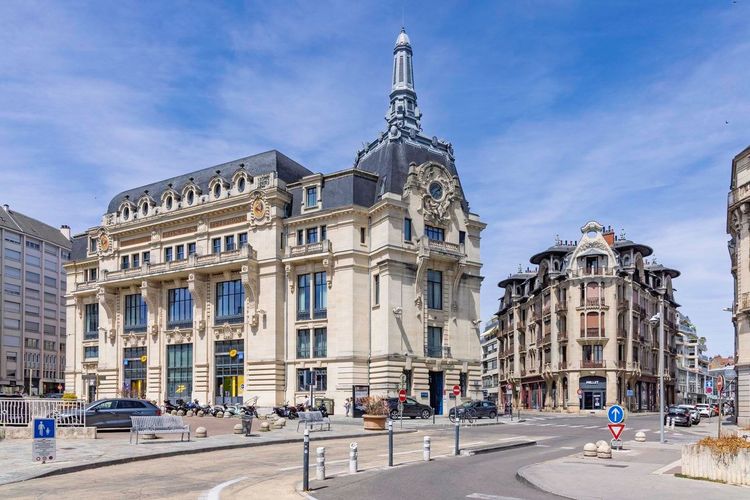
The Dijon Métropole Tourist Office (11 Rue des Forges, 21000 Dijon, rated 4.3/5 on Google with 932 reviews) organises, at certain times of year, thematic guided tours of the historic centre open to the public at no charge, particularly during major national events such as the European Heritage Days or seasonal programmes. The schedule changes each quarter: it is best to check the website or call in directly at the Rue des Forges counter to find out about available time slots.
Registration is generally done on-site or online, subject to availability, often with around fifteen participants per slot. These accompanied tours offer a level of historical detail that the Parcours de la Chouette alone cannot provide, particularly regarding the private mansions usually closed to the public. For the rest of the year, the majority of guided tours remain paid, at around ten euros per person: ask at the counter, as concession rates are generous and younger visitors often get in for nothing.
12. Explore the Exhibitions at the Municipal Library
Located on the Rue de l'École-de-Droit, in the former Collège des Godrans once run by the Jesuits, the Dijon heritage library holds a remarkable collection: illuminated manuscripts, incunabula and collections from monastic libraries dispersed during the Revolution.
Several times a year, a room is devoted to temporary exhibitions open to all, often linked to the historic collection or to local artists. No library card or booking is required: simply walk in during opening hours. This is typically the kind of twenty-minute stop that fits neatly between two visits, and offers shelter when rain descends on the historic centre.
The libraries of the municipal network are also open to all for on-site consultation, browsing the day's newspapers or settling children in the reading corner, with no registration required: a perfectly decent back-up plan on a rainy Sunday, when the gardens lose some of their appeal.
13. Try Workshops and Open Events for Everyone
Beyond visits, Dijon offers a fairly wide range of workshops open to all, particularly for groups and families. The libraries in the municipal network regularly organise creative workshops, storytelling sessions and digital introductions, with no requirement for an annual membership.
The neighbourhood community centres, present in most parts of the city, complement this offering with a broader range of activities: freely accessible board games, pay-what-you-can cookery workshops, or relaxation sessions for seniors. These facilities work particularly well for organised groups (holiday clubs, associations, staff committees) looking for a collective activity with no dedicated budget. They are also the best source of free activities that fall outside the usual heritage register.
You can also keep an eye on the programme of the city's cultural venues, which occasionally offer family workshops open to the public alongside their paid exhibitions, particularly during school holidays. These slots fill up quickly: think about booking as soon as registration opens if you have your eye on a specific workshop rather than a simple free visit. The simplest approach is to check the city's online cultural calendar one to two weeks before your visit, as most of these slots are only announced at short notice.
14. Get Active Outdoors: Sport in Dijon Without a Membership
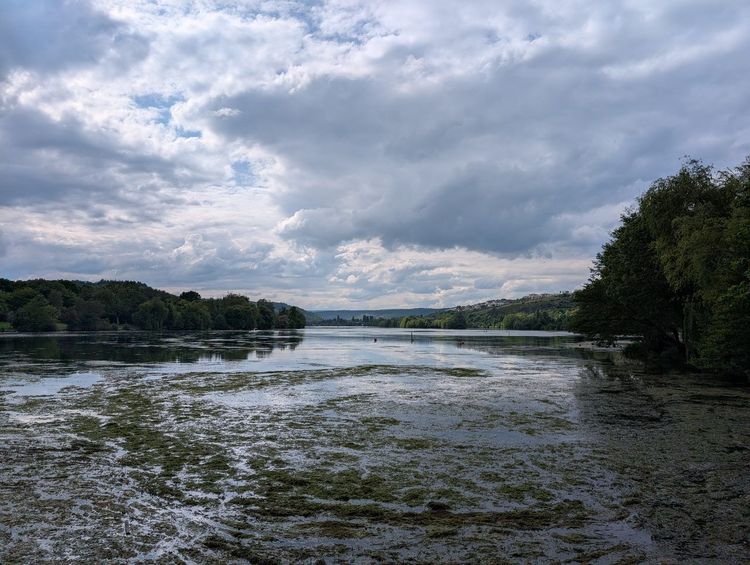
The banks of the Ouche and the Canal de Bourgogne offer several kilometres of greenways accessible on foot, by bike or on rollerblades, without leaving the city. The stretch between lac Kir and the city centre, in particular, attracts runners and everyday cyclists every morning.
The Parc de la Colombière, already presented above, also has a fitness trail with freely accessible outdoor equipment, and several municipal facilities open their tracks to the public outside the time slots reserved for clubs. For fans of light climbing, the outdoor bouldering wall in the Fontaine d'Ouche area rounds out the list of sports activities available without a licence or membership.
If you prefer a longer outing, the Canal de Bourgogne lends itself to a cycling excursion towards the neighbouring villages, along a generally flat and well-marked route. Our Ryo article on hiking around Dijon details several walking loops accessible from the city centre, for those who want to venture beyond the beaten paths.
Fine weather also brings group outdoor sessions led by local associations, on the lawns of lac Kir or the Parc de la Colombière: yoga, strength training or zumba, generally announced the previous week on the clubs' social media pages. These open-to-all sports activities are among the free activities in Dijon most frequented by locals themselves, well removed from any tourist circuit.
15. Enjoy Free Concerts and Open Events
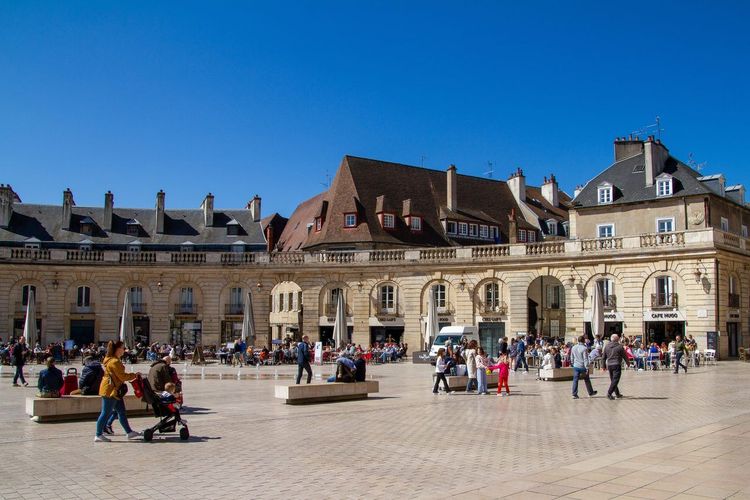
Dijon fills its cultural calendar with events open to all, particularly concentrated between June and September. The Fête de la Musique, on 21 June, transforms several squares in the centre into impromptu stages, from jazz to rock and local brass bands. A few weeks later, the Dijon summer takes over with open-air concerts, often set up on the Place de la Libération or in the city's public gardens.
Open-air cinema is also part of the summer tradition: screenings on a giant screen in a park, generally one evening a week in July and August, with deckchairs and picnics welcome. Outside the season, certain cultural venues occasionally programme evenings or private-view openings with no booking required, a good entry point into local cultural life.
The exact programme changes each year and is often confirmed at short notice: check the city's official cultural calendar before finalising your travel dates if one of these events is a draw for you. Some producers' markets held at weekends also feature live music, a good opportunity to combine food discovery with a festive atmosphere. For classical music lovers, the cathédrale Saint-Bénigne and the church of Saint-Michel occasionally host organ concerts with voluntary contributions, a rather low-key way of discovering these buildings from a different angle. These are typically the free activities that appear in no printed guide, simply because they are not scheduled far enough in advance.
16. Explore the Surroundings of Dijon on a Tight Budget
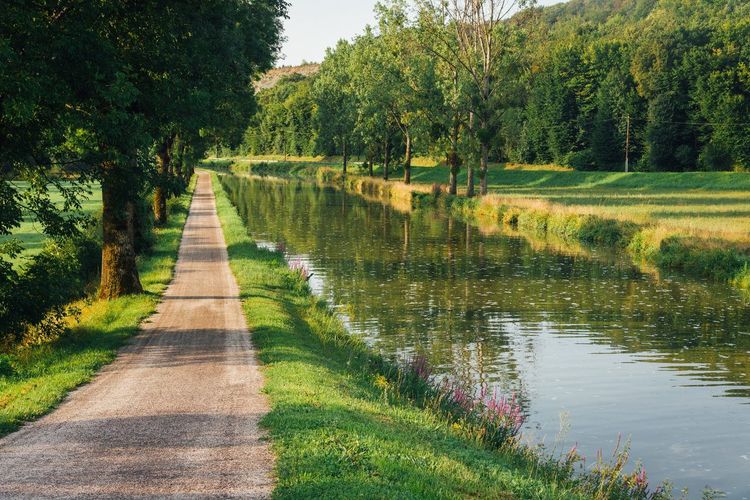
Once you have covered the historic centre, Dijon's immediate surroundings offer another full day of discovery with no dedicated budget. The Canal de Bourgogne, already mentioned for sport, extends southwards towards the vineyards along a flat and shaded cycle path that passes through several wine-growing villages without any toll.
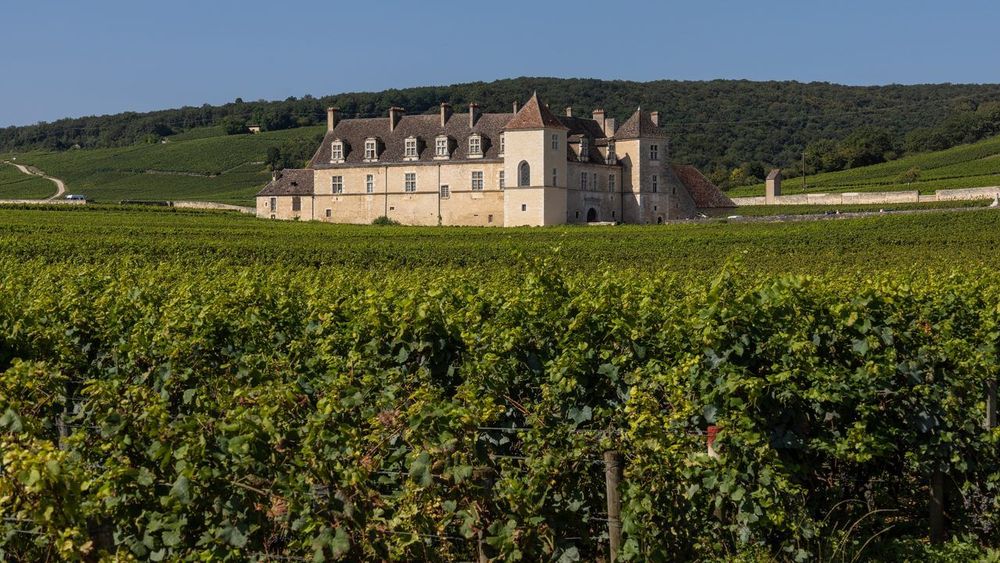
Heading towards the Côte de Nuits or the Côte de Beaune, the Burgundy vineyard Climats, inscribed on the UNESCO World Heritage List since 2015, can be explored by following secondary roads on foot or by bike: the views over the vine rows, particularly from the Hautes-Côtes, are a complete change from the urban landscape of the city centre. Several picturesque villages are less than 30 minutes from Dijon, with lanes and wash-houses that can be explored freely.
Our Ryo selection of the most beautiful villages to visit around Dijon details several itineraries accessible without a car from the station, for those travelling light. Allow half a day for a relaxed round trip to one of these villages, more if you link several stages along the canal route.
The Hautes-Côtes, less visited than the immediate vineyard, are also worth the detour for their hiking trails through woodland and pasture, with open views over the entire Dijon plain on clear days. A simple IGN map or a hiking app is all you need to find your way. These excursions on the city's doorstep naturally extend the free activities in Dijon described above, particularly if you are staying for several days and looking to step outside the classic tourist rhythm.

FAQ
Which free activities in Dijon are truly unmissable?
The Parcours de la Chouette, the Palais des Ducs honour courtyard, the Museum of Fine Arts, the Halles market and the shores of lac Kir form the core of a visit to Dijon without spending a penny. These five highlights alone easily fill a full day of discovery.
Where can I park cheaply when visiting Dijon?
Park-and-ride car parks located at tram termini offer the best value for money: the flat rate generally includes tram rides for all vehicle occupants. In the city centre, on-street parking is paid during the day, but most regulated zones are free in the evenings and on Sundays.
Are Dijon's museums open to everyone all year round?
Yes, for the municipal museums (Fine Arts, Burgundian Life, Sacred Art, Rude, Archaeological), whose permanent collections have been free to visit since 2004, all year round, with a weekly closing on Tuesdays. The museum at the Jardin de l'Arquebuse falls under the Jardin des sciences and follows the same free-access policy. Exceptions include the temporary exhibitions at the Fine Arts Museum (around €9, €5 for concessions) and the Musée Magnin, which is a national rather than a municipal museum: it remains paid, except for under-26s from the European Union and on the first Sunday of the month.
How do I follow the Parcours de la Chouette without a guide?
Simply look for the 22 brass studs embedded in the pavements of the historic centre, starting from the small owl carved on the north buttress of the Église Notre-Dame. The tourist office also offers a detailed booklet and a mobile app if you would like more historical context.
What is the best time to visit Dijon on a tight budget?
The first Sunday of the month lets you combine the opening of the Musée Magnin with that of the municipal museums, which are already free for everyone. Summer brings open-air concerts, cinema under the stars and swimming at lac Kir, but spring and early autumn remain the best window: gardens in full bloom, near-empty municipal museums and noticeably cheaper accommodation than in peak season. Simply avoid Tuesdays if museums are at the top of your itinerary.
Is Dijon suitable for a family outing without spending any money?
Absolutely: the parks (Colombière, Darcy, Arquebuse), the supervised beach at lac Kir in summer, the Parcours de la Chouette turned into a treasure hunt and the municipal museums offer more than enough to keep children and adults entertained for several days. It is precisely the free activities that work best with children, because they adapt well to changes in pace and shortened visits.
It is hard to find a French city where the ratio between heritage open to all and the size of the historic centre is as favourable as in Dijon. In one well-organised day, between brass studs, the ducal honour courtyard, the municipal museums and the market's iron hall, you can cover the highlights without ever reaching for your wallet, and there is still lac Kir, the Arquebuse and the vineyard villages to extend your stay.
To add an audio dimension to this exploration, the audio-guided tour of Dijon is the natural companion to this list: the same streets, told across 25 audio tracks, to follow at your own pace between the free activities in Dijon gathered in this article.
À lire également