© Shutterstock
 Votre guide Ryo
Weekend in Dijon: The Complete Itinerary for 2026
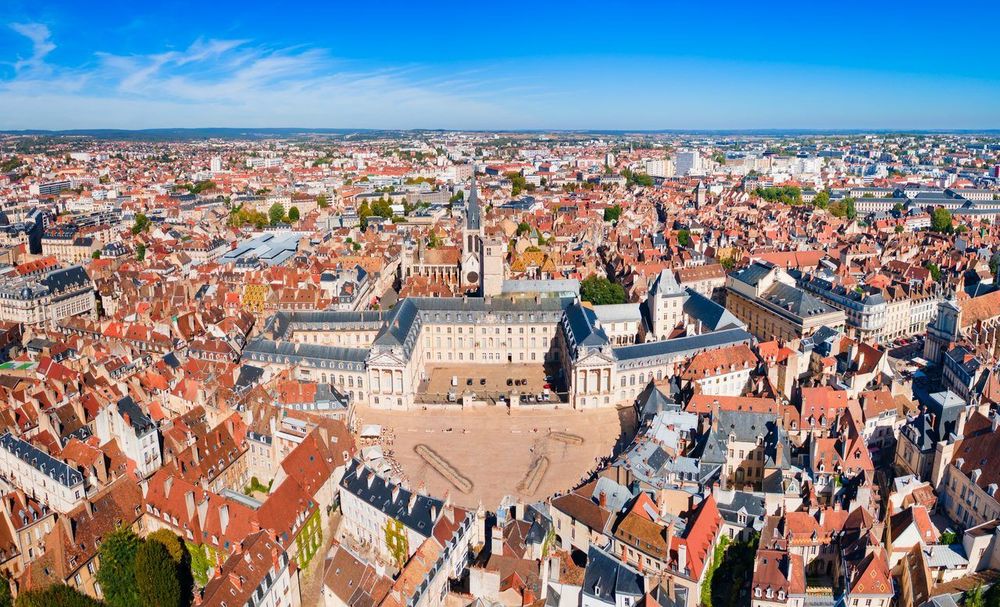
Dijon is unlike any other French regional capital, and a weekend in Dijon is best enjoyed at street level: glazed tile roofs, Gothic bell towers and winemakers in town clothes rather than hiking gear. In two days, this human-sized city can be explored without forcing the pace. The Ryo audio-guided tour of Dijon links the historic center in 24 narrated stops, over 3.5 km and about 1h30, without ever making you backtrack.
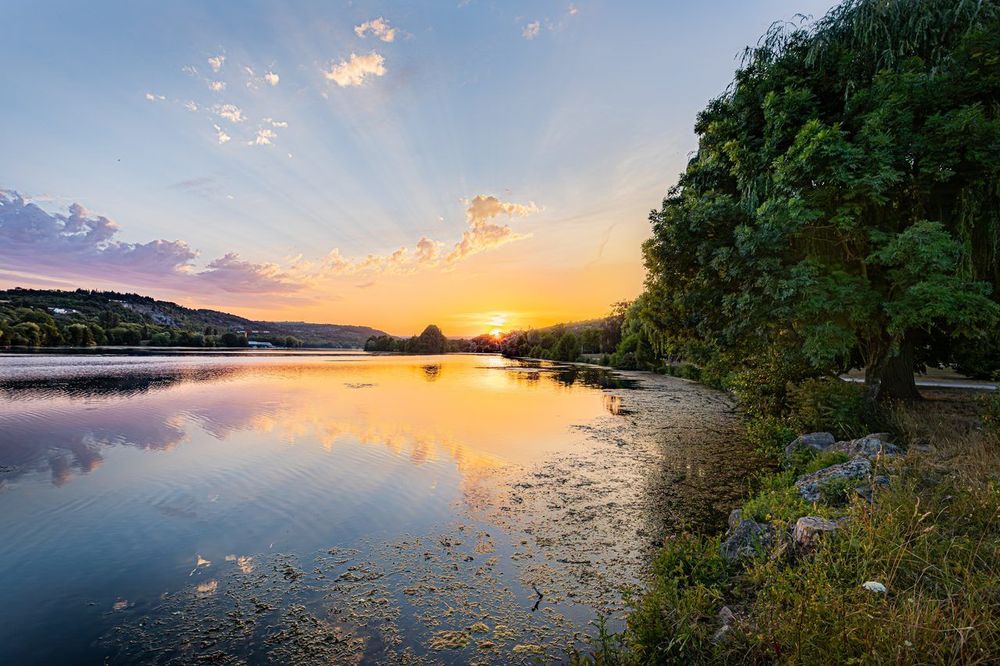
On the program: a 17th-century mansion turned free museum, a stone owl you stroke with your left hand to make a wish come true, and the former general hospital converted into the City of Gastronomy and Wine. Add an artificial lake where locals swim in summer, more than 1,200 UNESCO-listed vineyard plots less than an hour away by road, 19th-century metal market halls and a sculpted well from the late Middle Ages that few visitors think to see. Here you will find a day-by-day itinerary, a bonus half-day for the curious, then all the practical details: accommodation, restaurants, budget, transport and the ideal season.
Day 1: Dijon's Historic Heart and the Owl Trail
Notre-Dame, the Halles and Place François-Rude
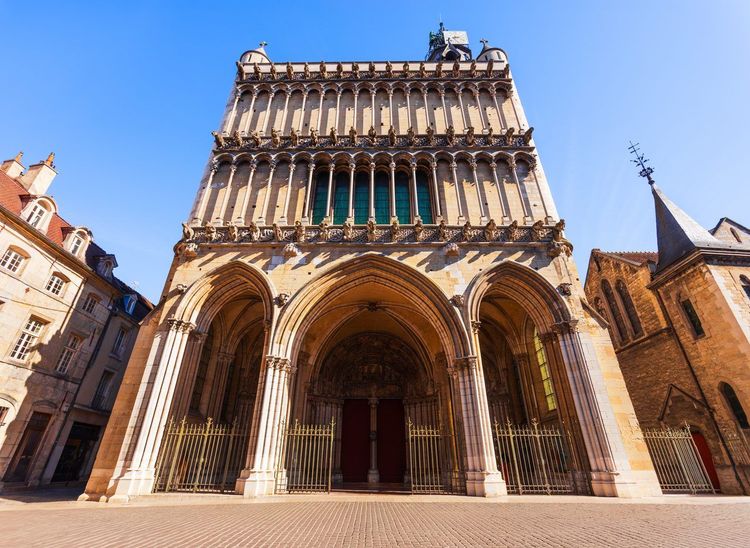
Start with Notre-Dame church, a 13th-century Gothic building whose facade features 51 gargoyles, recreated in the 19th century after the originals disappeared. On the north wall, a small stone sculpture of an owl attracts dozens of passersby every day: you stroke it with your left hand in silence, and legend has it that a wish made at that moment will come true within the year.
This owl gave its name to the Owl Trail, a historic circuit of 22 stops and about 3 km, marked by triangular bronze arrows set into the pavement. Allow one hour to one hour twenty for the main loop, longer if you go inside the monuments. You can follow it with the booklet sold at the tourist office, or simply let yourself be carried along by the half-timbered lanes leading off Place Notre-Dame.
Five minutes away on foot, the Halles de Dijon occupy a metal building constructed between 1873 and 1875 to plans by engineer Louis-Clément Weinberger. They are often attributed to Gustave Eiffel, a Dijon native, but his project was not selected: an anecdote the locals love to correct. The covered market is in full swing on Tuesday, Thursday, Friday and Saturday mornings: artisanal mustard, gingerbread, Époisses cheese and Burgundy snails are traded between producers and regulars.
On your way out, continue to Place François-Rude, enlivened by the statue of the grape harvester (the Bareuzai) and lined with café terraces. It is the natural starting point for Rue des Forges, lined with mansions from the 15th to the 17th century, before reaching the Palais des Ducs.
The Palais des Ducs and the Philippe le Bon Tower
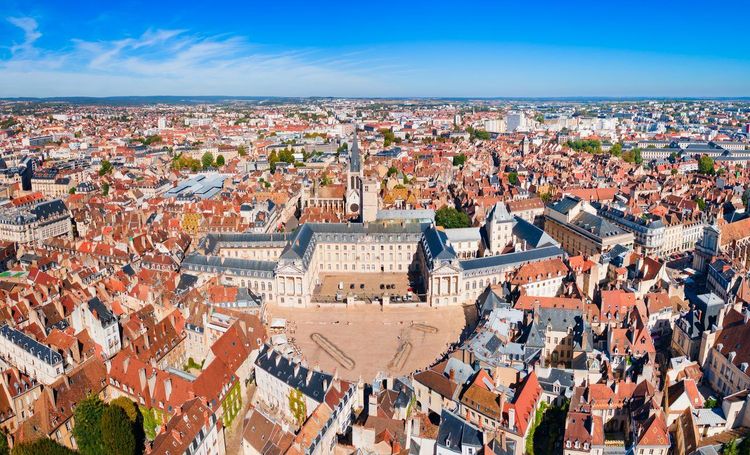
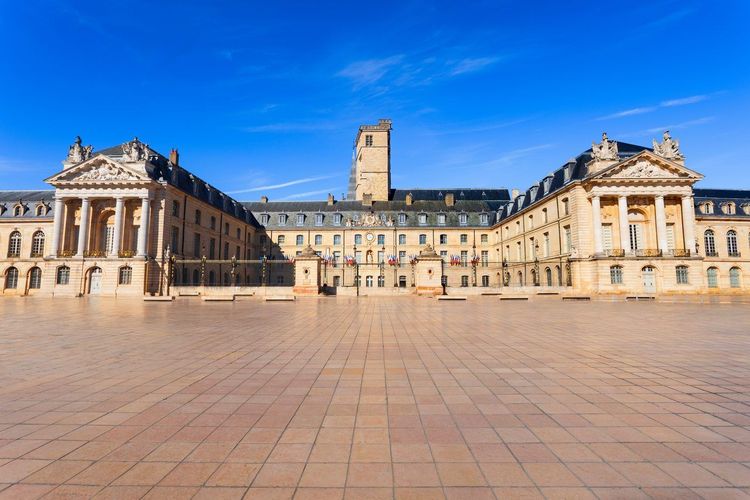
The Palais des Ducs et des États de Bourgogne has dominated the historic center since the 14th century. Today it houses the town hall and the Musée des Beaux-Arts of Dijon, one of the oldest museums in France, founded in 1787, whose permanent collections are free to enter. You can visit the medieval ducal kitchens and the room of the tombs of Philip the Bold and John the Fearless, surrounded by their alabaster mourners, among the most striking funerary sculptures in Europe.
Attached to the palace, the Philippe le Bon Tower (Place de la Libération, 21000 Dijon, rated 4.6/5 on Google from 632 reviews) rises to 46 meters at the top of 316 steps. Built in the mid-15th century, it can only be visited in a group with a guide, by reservation through the tourist office, preferably first thing in the morning in high season. On a clear day, the panorama covers the glazed tile roofs of the city and, in the distance, the first vineyard slopes of the Côte de Nuits.
In front of the palace, Place de la Libération forms a semicircle designed in the late 17th century by Jules Hardouin-Mansart, the architect of Versailles. Its ground-level water jets cool down children in summer, and the surrounding terraces are ideal for ending this first day. If you prefer continuous immersion to a paper map, the Ryo app delivers 24 audio commentaries along this same route, from Old Dijon to the palace, so you can follow the city's history without taking your eyes off the lanes.
Day 2: Wine, Gastronomy and Dijon's Gardens
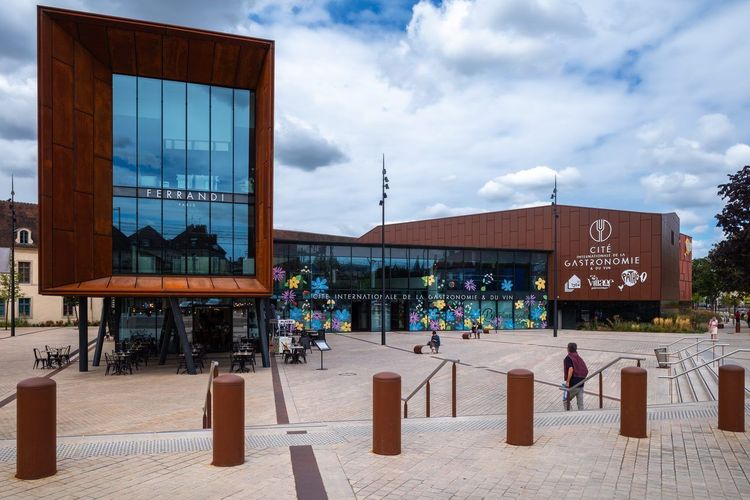
The City of Gastronomy and Wine and Local Flavors
Inaugurated on May 6, 2022 in the restored former general hospital, the International City of Gastronomy and Wine is going through a transition period. Its commercial village (restaurants, experiential cooking space, shops) was placed in receivership in late August 2026 and then closed permanently on October 7, 2026. The site is not to be avoided for all that: the Pathé cinema and the cultural spaces run by the City of Dijon remain open, new programming has been announced, and local produce markets are still held there on certain Saturdays. Before going, check the current program on site or with the tourist office.
A stroll through the courtyards of the former hospital, whose chapel and hospital buildings partly date back to the 17th century, is worth the detour on its own. The place was designed around the gastronomic meal of the French, inscribed by UNESCO in 2010, and that same thread guides the rest of the day.
Because a weekend in Dijon inevitably involves its specialties. Dijon mustard, produced since 1747 by the Maille house, remains the most popular souvenir. Gingerbread, made by Mulot & Petitjean since 1796, and the crème de cassis that goes into the kir, an aperitif popularized by Canon Félix Kir, former mayor of the city, complete a gourmet picture to which are added the Époisses and the beef bourguignon served in the bouchons of the center.
Jardin Darcy, the Arquebuse and the Magnin Museum
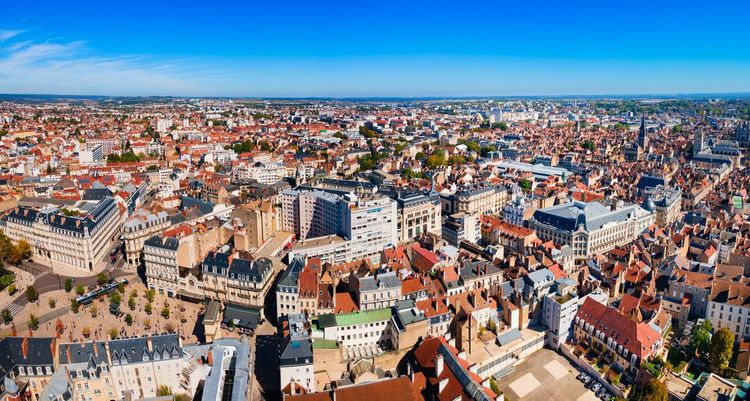
Ten minutes away on foot, the Jardin Darcy extends near the train station, laid out in the late 19th century around a drinking water reservoir. Children happily climb on the statue of a white bear, a replica of the work by François Pompon, the Burgundian sculptor whose original polar bear is exhibited at the Musée d'Orsay.
Just behind, the Jardin de l'Arquebuse, a botanical garden founded in 1771, is free to visit and houses Dijon's Natural History Museum as well as a planetarium. It is a welcome green break between two museum visits, especially on a Sunday morning when the city center is barely waking up.
Finish with the Magnin Museum (4 Rue des Bons Enfants, 21000 Dijon, rated 4.6/5 on Google from 420 reviews), housed in the Hôtel Lantin, a 17th-century mansion bequeathed to the State in 1938 by Jeanne and Maurice Magnin. Nearly 2,000 works, mostly French and Italian, are displayed in a presentation close to that of a collector's apartment. Good news for your budget: admission has been free since July 2024, and the museum reopened on September 24, 2026 after a period of renovation. It is open Tuesday to Sunday, closed on Monday.
Day 3 or Bonus Half-Day: Dijon's Lesser-Known Treasures
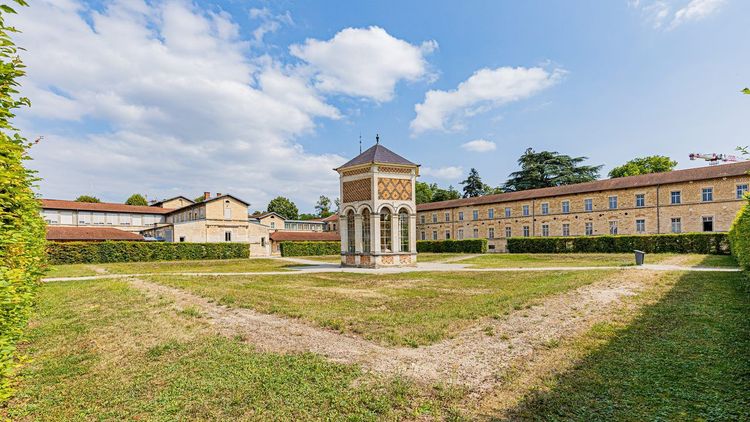
If you arrive on Friday evening or leave on Monday, keep a few hours for these places that express itineraries often skip. Almost all are free and reachable on foot, except the Well of Moses (Rue du Faubourg Raines, 21000 Dijon, rated 4.4/5 on Google from 727 reviews), which requires a short bus ride or a twenty-five-minute walk.
Saint-Bénigne Cathedral and Its Crypt
Recognizable by its glazed tile roof and its spire that dominates the west of the center, Saint-Bénigne Cathedral is a Gothic building from the 13th and 14th centuries. The real treasure, however, lies beneath your feet: the crypt, a remnant of the Romanesque abbey church from the early 11th century, preserves part of the former rotunda and the tomb attributed to Saint Benignus. The atmosphere is striking, cool even in midsummer, and access is from the nave.
Museum of Burgundian Life and Museum of Sacred Art
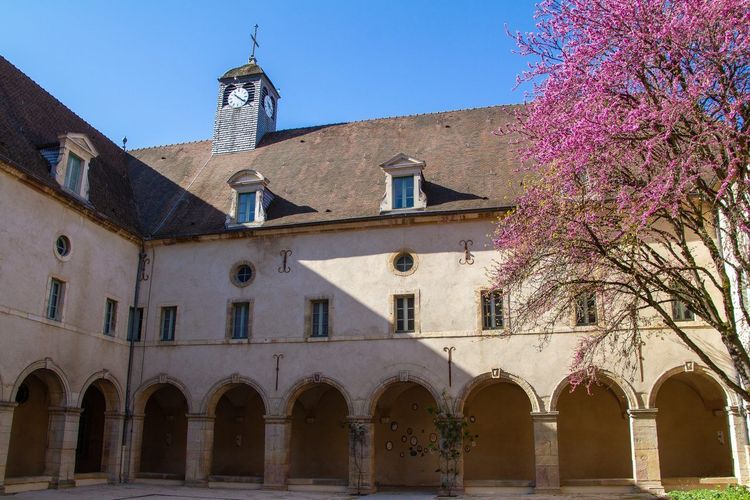
On Rue Sainte-Anne, the former Bernardine monastery houses two free municipal museums side by side. The Perrin de Puycousin Museum of Burgundian Life recreates Dijon shops of yesteryear, an entire shopping street and peasant interiors: it is often the children's favorite museum. The Museum of Sacred Art occupies the neighboring domed chapel, with its statues, altarpieces and liturgical garments. Allow an hour for both, ideal on a rainy day.
The Well of Moses at the Chartreuse de Champmol
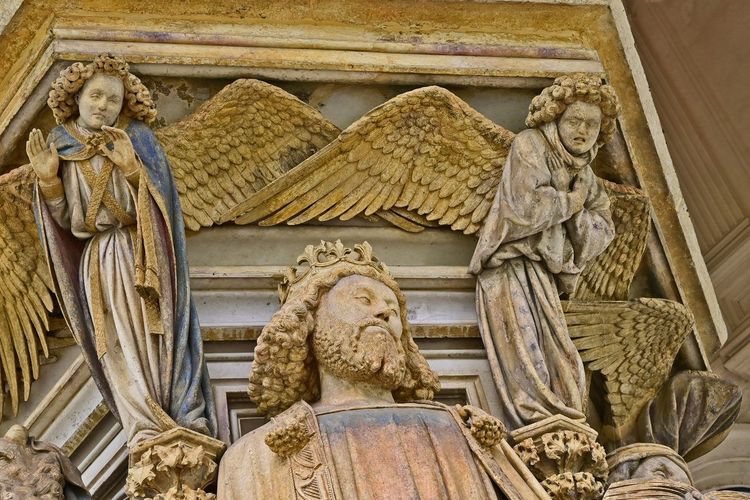
A little off the beaten path, within the grounds of the present-day La Chartreuse hospital, hides the Well of Moses, a masterpiece by the sculptor Claus Sluter made around 1395-1405. It adorned the cloister of the charterhouse founded by Philip the Bold to serve as a necropolis for the dukes of Burgundy. Six life-size prophets, astonishingly realistic for the period, surround the base. Free access is possible every day from 9:30 am to 5:30 pm; to understand what you are looking at, the tourist office organizes guided tours at 12 euros (6 euros reduced rate).
A Getaway on the Route des Grands Crus
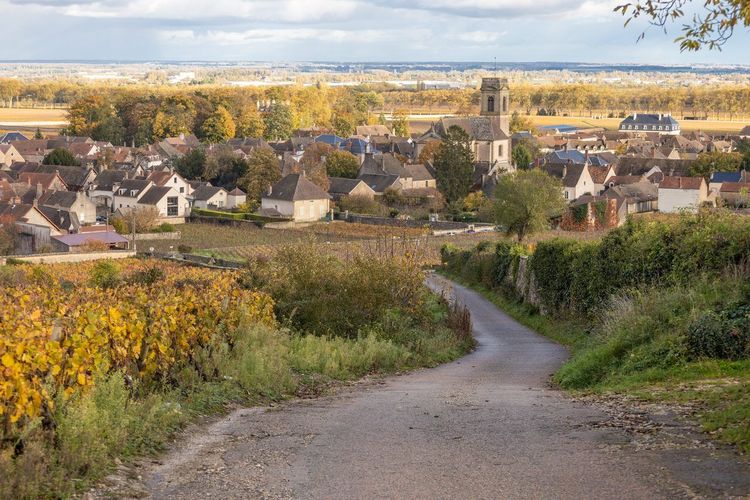
If your weekend stretches to three days, the Route des Grands Crus deserves a half-day by car or electric bike. It links Dijon to Santenay over about 60 km, passing through Gevrey-Chambertin, Vougeot and Nuits-Saint-Georges. The Château du Clos de Vougeot (Vougeot, 21640 Vougeot, rated 4.5/5 on Google from 4,200 reviews), a former Cistercian wine estate founded in the 12th century, is open year-round and traces the history of Burgundian winegrowing, monumental presses included.
Since 2015, more than 1,200 plots of this vineyard, known as climats, have been listed as a UNESCO World Heritage site. Book your tastings in advance, especially on weekends, as the most renowned cellars limit the number of visitors per time slot. To extend your discovery of the surrounding villages, the article most beautiful villages to visit around Dijon details other possible stops on this route. Back in the city at the end of the day, the Ryo audio guide lets you resume your visit of the center right where you left off, stop by stop.
Where to Stay in Dijon for a Weekend
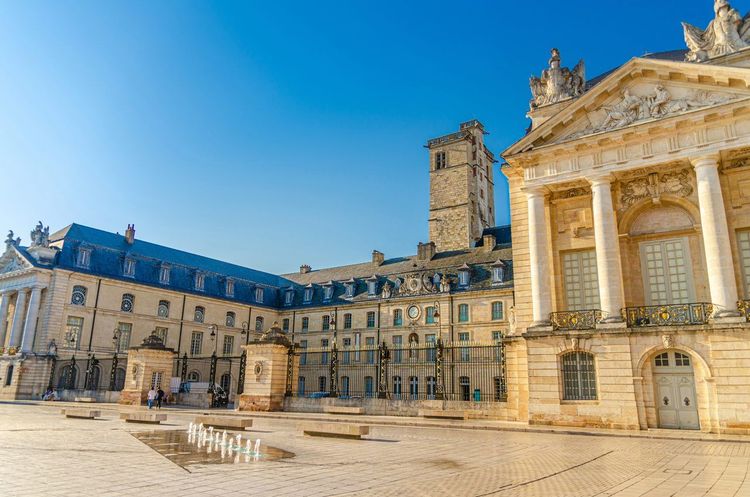
The area around Place de la Libération and Rue de la Liberté concentrates boutique hotels, often set in old buildings a stone's throw from the museums. Allow between 90 and 150 euros per night for a double room on a weekend, a budget that rises noticeably during the Dijon International and Gastronomic Fair in early November.
For a romantic weekend with a jacuzzi, several establishments in the center and the surrounding wine country offer suites with a private spa or a whirlpool bath on the terrace. The options set among the vines, about twenty minutes by car, often offer more space and a quieter setting than the city center, at the cost of an extra trip each morning.
Traveling light and without a car? The station district remains a good compromise, with more affordable hotels ten minutes on foot from the Jardin Darcy. Book as soon as possible if your visit coincides with a harvest weekend or a wine fair: rooms go quickly, and rates follow demand.
Specialties and Restaurants Not to Miss
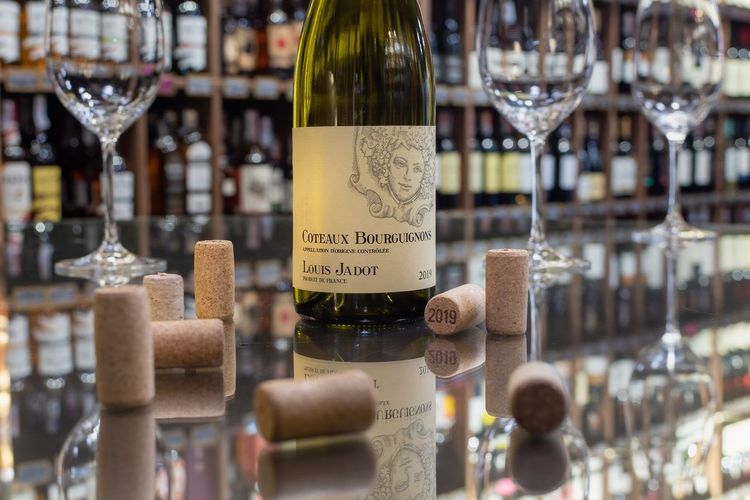
Beyond the mustard and gingerbread already encountered the day before, a gourmet stay in Dijon means the bouchons of the center, those small family restaurants where beef bourguignon has been simmering since opening time. Eggs in red wine sauce, parsley snails and Bresse chicken in cream appear on most menus, often accompanied by a glass of pinot noir or chardonnay from the region.
To go deeper into this culinary chapter, the article culinary specialties in Dijon lists ten dishes and products to taste before leaving. The wine cellars of the city center, especially around Rue Musette, offer tastings on demand in the late afternoon: a good way to take a break between two visits without booking anywhere.
If you are heading home with groceries, favor the Halles on Saturday morning rather than the tourist shops: prices there are generally fairer, and the producers gladly answer questions about the origin of their products.
What to Do in Dijon with Family
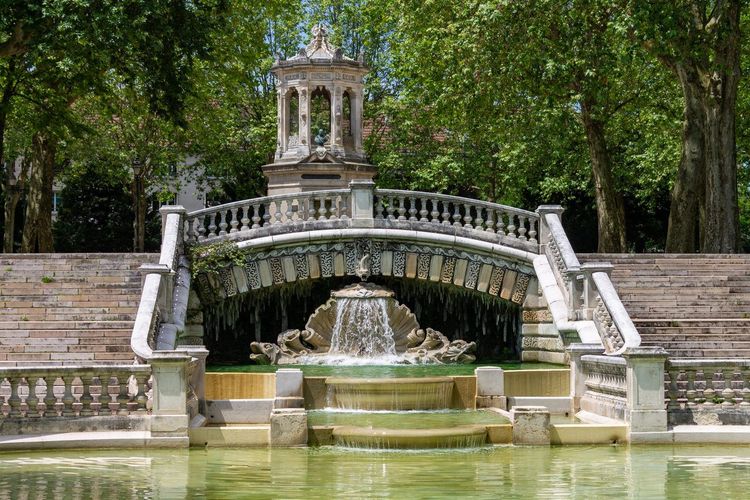
With children, the day often starts at the Jardin Darcy, whose open lawns allow them to run around freely. The Natural History Museum, which is free, rounds out a morning nicely with its collections of minerals and stuffed animals, while the Museum of Burgundian Life amuses the youngest with its displays of old shops.
In summer, Lake Kir, an artificial lake inaugurated in 1964 and renamed a few years later in honor of Canon Félix Kir, attracts families for swimming, pedal boating and lakeside picnics. In 2026, the Dijon Plage operation offered supervised swimming from June 20 to August 30.
The Parc de la Colombière (21000 Dijon, rated 4.5/5 on Google from 5,719 reviews), laid out in the 17th century in the spirit of French formal gardens, offers more shade and a calmer setting for an afternoon with no fixed plans. The article visiting Dijon with family offers a complete itinerary if you plan to stay more than two days with children.
Free Activities and Money-Saving Tips in Dijon
A weekend in Dijon does not necessarily require a big budget. The permanent collections of the Musée des Beaux-Arts are accessible without a ticket, as are the Magnin Museum, the Museum of Burgundian Life and the Museum of Sacred Art, and the Darcy and Arquebuse gardens have never charged anyone. The Owl Trail can be followed freely, at any hour, without reservation.
To explore these places at your own pace, without depending on the schedule of a standard guided tour, the Ryo audio guide launches from your phone: you move forward when you wish, pause in front of a display case, and resume later. The article free activities in Dijon completes this list with other places with no admission fee.
Strolling through the Halles on market day, without buying anything, is also one of the best ways to feel the pulse of the city on a Saturday morning.
Shopping and Strolls Through the Pedestrian Streets

The Rue de la Liberté (21000 Dijon), the pedestrian artery of the center, concentrates fashion boutiques, concept stores and local brands. At number 32, the Maille shop has been selling its mustard since 1845; you can have a jar filled with mustard from the pump, a souvenir that travels well.
Rue Musette and the adjacent lanes are home to wine merchants and delicatessens, handy for putting together a gift basket before hitting the road. For gingerbread, the historic Mulot & Petitjean shop on Place Bossuet is worth the detour for its facade as much as for its nonnettes. Allow an hour to cover everything without rushing, between two museum visits.
Dijon at Night: Bars and Nightlife
In the evening, Rue Berbisey and its surroundings gather wine bars, pubs and small venues where local bands regularly play. The atmosphere stays quiet during the week, livelier on Friday and Saturday, when university students take over the terraces.
For a dinner followed by a calmer evening, the terraces of Place de la Libération and Place François-Rude stay open late in summer, with views of the illuminated facades of the Palais des Ducs. A night stroll around Notre-Dame, when the gargoyles stand out under the spotlights, is a fine way to end the evening.
How to Plan Your Weekend in Dijon: Transport, Budget, Season
Getting to Dijon and Getting Around
Dijon is 1h35 from Paris-Gare de Lyon and about 1h40 from Lyon by train, making it an accessible destination for an express round trip without a car. By car, the A31 and A38 serve the city; leave the vehicle in a car park on the edge of the center, which is often pedestrianized. The historic center can be covered entirely on foot: allow 20 minutes between the station and the Palais des Ducs. For Lake Kir or the Chartreuse, the two tram lines and the Divia bus network work very well.
When to Go
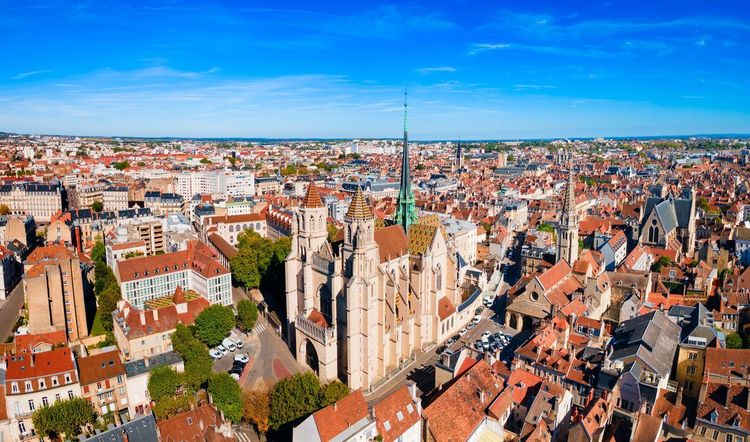
Spring and early autumn remain the best times: pleasant temperatures for walking, the grape harvest visible in the surrounding vineyards in September, and tourist crowds more moderate than in midsummer. In early November, the Gastronomy Fair attracts food lovers but pushes up hotel prices. Winter, quieter, is suited to museums and warm restaurants.
What Budget to Plan
Plan on an overall budget of about 150 to 300 euros for two people for a weekend, hotel and meals included, excluding a wine-country excursion. Since most museums in the center are free, your money goes mainly to accommodation, dining and tastings.
To find your way on the first day without a paper map, the Ryo audio-guided tour of Dijon follows the same logic of a compact city center: 24 stops, 3.5 km, about 1h30 of listening, to be done in one go or in several sessions depending on your schedule.



FAQ
How many days do you need to visit Dijon?
Two days are enough to cover the historic center, the Palais des Ducs, the main museums and the gardens. A third day lets you add the Route des Grands Crus, the Well of Moses or Saint-Bénigne Cathedral and its crypt.
How do you get to Dijon from Paris or Lyon?
The train connects Paris-Gare de Lyon to Dijon in 1h35 and Lyon to Dijon in about 1h40. The station is a 20-minute walk from the historic center, which makes a car optional for a typical weekend.
Where to stay in Dijon for a romantic weekend with a spa?
Boutique hotels in the city center and several properties set among the vineyards nearby offer suites with a jacuzzi or private spa. Book several weeks ahead during the grape harvest or the Gastronomy Fair.
What can you do in Dijon for free?
The Musée des Beaux-Arts, the Magnin Museum, the Museum of Burgundian Life, the Darcy and Arquebuse gardens, the Owl Trail and the Halles market can all be enjoyed without a ticket. Free access to the Well of Moses is also free of charge.
What budget should you plan for a weekend in Dijon?
Between 150 and 300 euros for two people, hotel and meals included, excluding a trip to the vineyards. Since the main sights in the city center are free, most of the budget goes to accommodation and dining.
Is Dijon suitable for a family weekend?
Yes: the Darcy Garden, the Natural History Museum, the Museum of Burgundian Life and Lake Kir in summer offer plenty to keep children busy without multiplying expenses, in addition to the cultural visits in the center.
Conclusion
Between a historic trail marked by a lucky owl, ducal tombs that can be seen for free, a well sculpted by Claus Sluter and UNESCO-listed vineyards half an hour away by road, Dijon more than holds up over a weekend. The city lends itself equally well to a solo getaway, a family trip or a stay for two, depending on the pace you choose to set.
If you prefer to move forward by ear rather than with a paper map, the Ryo audio-guided tour of Dijon covers the essentials of this itinerary in 24 narrated stops, at your own pace, from the first day to the last café on a terrace.
À lire également