© Shutterstock
 Votre guide Ryo
Visiting Dijon with Family in 2026: from Old Dijon to the Wine Villages
Dijon doesn't wait for your kids to finish their homework on the Dukes of Burgundy to surprise them. Here, a lucky owl is touched with your fingertips on a church wall, a free museum runs workshops for toddlers, and a city dedicated to gastronomy offers a sensory trail designed with younger visitors in mind. Visiting Dijon with family means strolling through an entirely pedestrian historic center where half-timbered facades tell stories, climbing 316 steps for a panoramic view over glazed-tile rooftops, and leaving with hands full of freshly baked gingerbread.
Add to that gardens for leisurely picnics, an educational farm less than 20 minutes from the center, and wine villages that can be explored in half a day by car. This guide covers every step, from Old Dijon to the Route des Grands Crus, with addresses and the best times to avoid crowds. To make sure you don't miss a single facade or anecdote in the historic center, the Ryo audio-guided tour of Old Dijon winds through the pedestrian lanes with stories calibrated to capture the attention of children and parents alike.
Old Dijon on Foot with Children: the Owl Trail and Maison Millière
The best starting point for visiting Dijon with family is the historic center, entirely pedestrian and compact enough to explore without ever pushing the stroller for more than ten minutes at a stretch. Following the Ryo audio-guided tour of Old Dijon turns the walk into a treasure hunt: children look for the small arrows engraved in the ground showing the way, while the app tells the story of each facade encountered in just a few minutes.
The famous owl trail is the activity most recommended by families visiting the city. It is a signposted circuit of 22 stages marked by brass studs set into the paving stones, linking the main monuments of the historic center in about an hour and a half of leisurely walking. Each plaque corresponds to a notable building, with a short explanatory text at child height on certain markers. It is free, requires no booking, and can be done at any time of day.
Along this route, Maison Millière is a stop not to be missed: this 15th-century half-timbered house, one of the best-preserved in Dijon, now houses a gift shop and a tearoom in a cobbled inner courtyard that younger visitors find particularly charming, curious as they are to examine the exposed beams and stone staircase.
A few streets further on, the Maison des Cariatides is worth looking up at: its Renaissance facade is adorned with dozens of sculpted figures, a real spotting game to play with children ('find the caryatid wearing a hat', 'the one holding an instrument').
Allow a full morning for this trail if you stop at every stage with young children, or two hours for older ones who walk at a good pace. Wear comfortable shoes: Dijon's cobblestones are unforgiving on delicate stroller wheels and flip-flops alike.
The Palais des Ducs de Bourgogne and the Musée des Beaux-Arts with Family
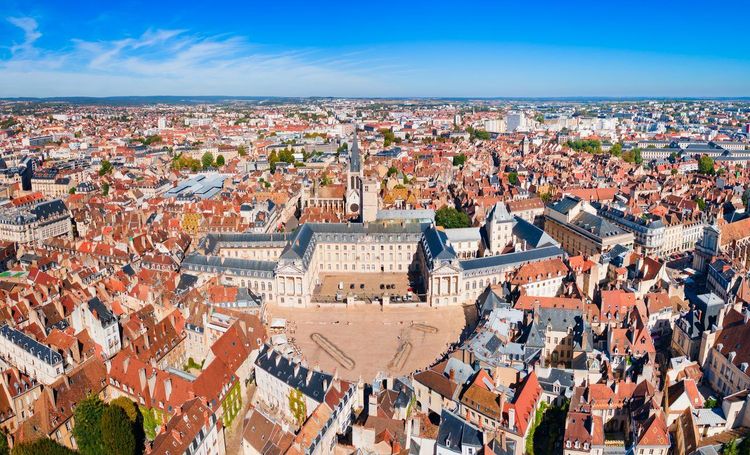
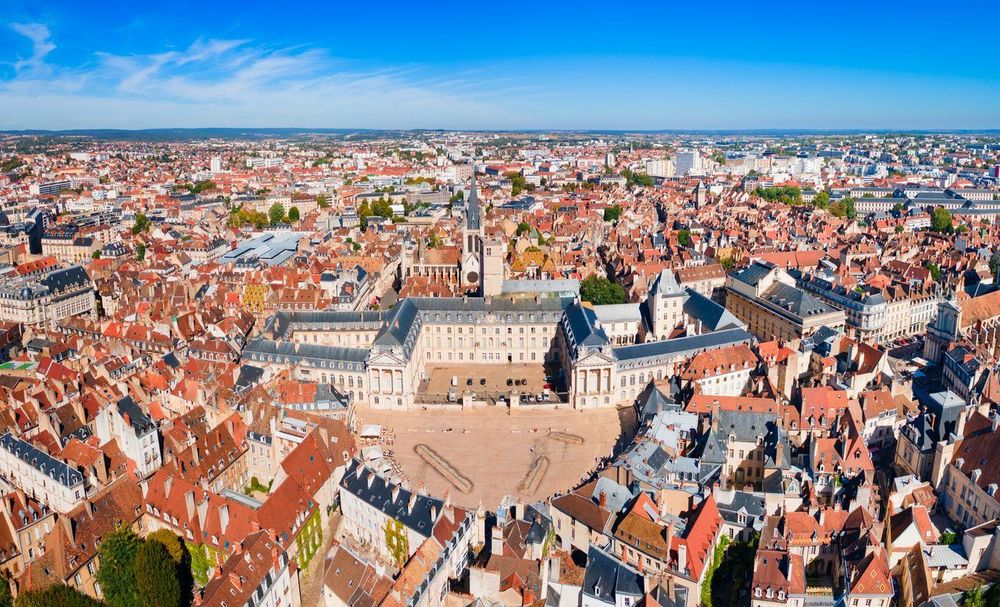
At the heart of Old Dijon, the Palais des Ducs et des États de Bourgogne (1 Rue Rameau, 21000 Dijon, rated 4.7/5 on Google from 2,523 reviews) concentrates several centuries of regional history within a single architectural complex. A residence of the Dukes of Burgundy in the Middle Ages and later the seat of the Burgundy parliament, it now houses the town hall and, above all, the Musée des Beaux-Arts, one of the richest in France outside Paris, with more than 130,000 works spread across three floors.
What makes a difference for a family visit is that the Musée des Beaux-Arts is entirely free, and in recent years it has developed a genuine policy of welcoming young visitors. The monumental tombs of Dukes Philip the Bold and John the Fearless, with their processions of sculpted mourners, tend to fascinate children between 6 and 10 just as much as adults: you can spend long minutes searching for the details of each small grieving figurine.
The museum has put in place mediation tools designed specifically for families. In several rooms, dedicated spaces offer observation games, free activity booklets available at the front desk, and touch-screen kiosks that allow you to zoom into the details of paintings — a concrete way to keep a child engaged who might quickly lose interest in front of a classical painting. Temporary exhibitions also include adapted mediation spaces, with hands-on workshops or visual recognition games set up at the entrance to the rooms.
For toddlers, the museum offers specific trails from ages 2–3: cushions and rugs in certain rooms, short sensory visits, and a welcome policy that readily accommodates strollers and the occasional cry from a tired little one. Depending on the schedule, you may also find playful guided tours in small groups where a mediator narrates the works as stories rather than dates.
Families visiting Dijon on Wednesdays or weekends may come across one of the family workshops — hands-on sessions (drawing, modelling, collage) organized in connection with the permanent collections, generally free with registration. The museum also organizes family evening events on certain Friday evenings, with a lighter programme of shows, concerts, storytelling, or mini treasure hunts through rooms bathed in a dimmed atmosphere — quite a different experience from a standard daytime visit.
On the broader cultural programming front, the museum takes part in major national events such as the Nuit des musées and the European Heritage Days, with children's activities on those days: costumed workshops, treasure hunts through the collections, demonstrations. These family events, announced on the museum's website a few weeks in advance, are worth timing your visit around if your stay falls on the right date. Outside the school framework, the museum also offers short holiday courses — an option worth considering if you are staying on site for several days.
Allow an hour and a half for a quick visit with young children, up to three hours if you linger over the workshops and mediation spaces. The museum entrance is through the Cour de Bar, right opposite the place des Ducs.
Climbing to the Top of the Tour Philippe le Bon with Family

Adjoining the Palais des Ducs, the Tour Philippe le Bon (Cour de Bar, 21000 Dijon, rated 4.6/5 on Google from 616 reviews) rises 46 metres and rewards climbers with a 360-degree panorama over Dijon's glazed-tile rooftops, stretching as far as the vineyard hills of the Côte on a clear day. The ascent is made via a spiral staircase of 316 steps, with no lift.
With children, this is an activity to calibrate by age: the climb is generally accessible from around 5–6 years old, provided you are not in a rush and take breaks. Younger children are generally not permitted due to the narrowness of the staircase, and a maximum capacity per time slot often requires booking, especially in peak season. Check with the nearby tourist office before queuing with the whole family.
At the top, the platform is fenced and secured, which reassures the most cautious parents. It is also a good opportunity for a small game: ask the children to spot from the summit the monuments visited earlier in the day — the tower of the église Notre-Dame or the rooftops of the Musée des Beaux-Arts — to mentally complete the Old Dijon trail.
The Église Notre-Dame de Dijon and Its Lucky Owl
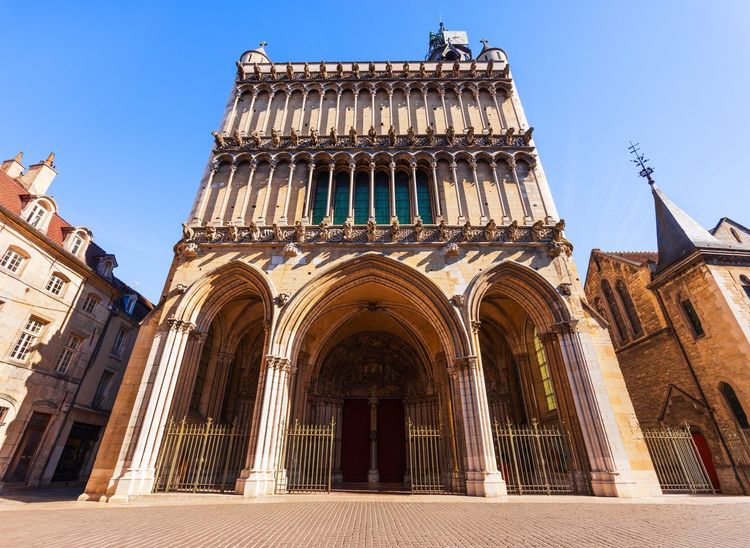
A short distance from the Tour Philippe le Bon, the église Notre-Dame (Place Notre-Dame, 21000 Dijon, rated 4.6/5 on Google from 1,318 reviews) first strikes visitors with its Gothic facade pierced by three rows of grimacing gargoyles — a treat for children who love spotting the most frightening faces.
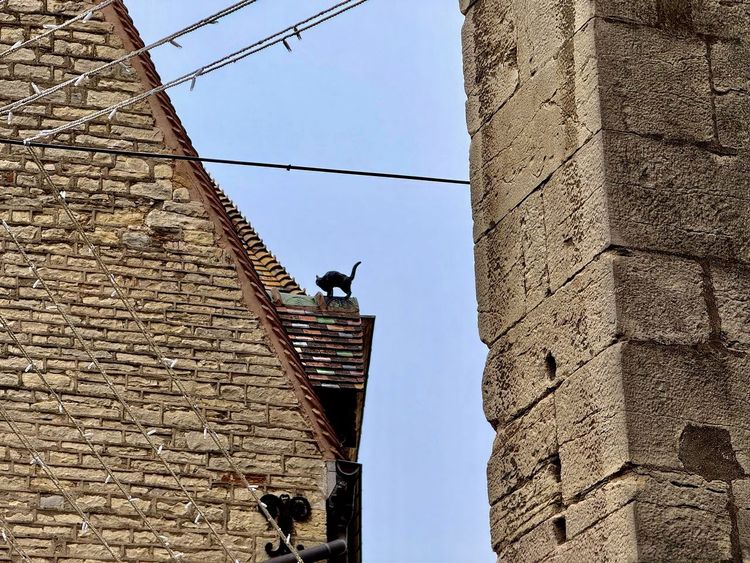
But it is on the north wall, at hand height, that the real star of the visit is found: the small carved owl, worn smooth by generations of passers-by who touch it with their left hand while making a wish. Legend has it that a wish made this way will come true — a belief that particularly delights children and gives its name to the famous signposted trail through the city center. Take the time to tell the story before letting everyone stroke the stone in turn; it is often one of younger visitors' favorite memories at the end of their stay.
The Musée de la Vie Bourguignonne, to Understand Burgundy of the Past
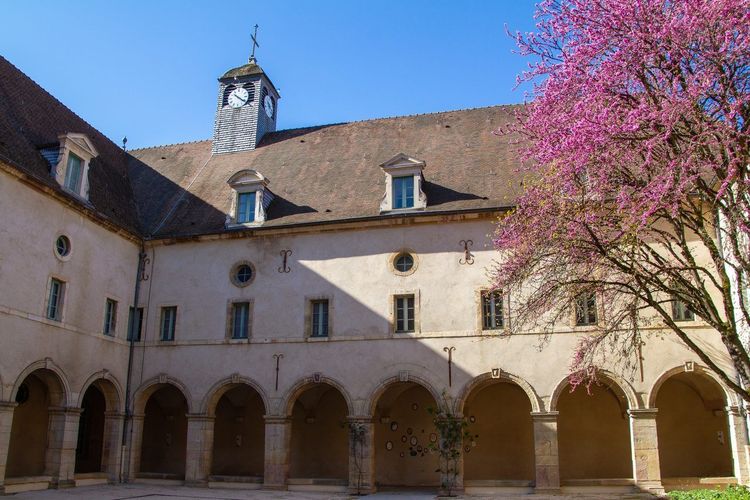
Housed in a former Bernardine convent, the Musée de la Vie Bourguignonne Perrin de Puycousin (17 Rue Sainte-Anne, 21000 Dijon, rated 4.5/5 on Google from 1,473 reviews) recreates full-scale shops and period interiors: a 19th-century grocery, a cooper's workshop, a furnished Burgundian bedroom of the era.
This full-scale reconstruction format speaks more easily to children than a collection of standard display cases: you can play at guessing what an old object was used for, or compare interiors of the past with those of today. Allow about an hour for the visit, which is free like most of Dijon's municipal museums, making it an easy stop to slot between two other activities without weighing down the day's budget.
The Musée Magnin, a Bourgeois Home to Visit with Family
Less well-known than the Musée des Beaux-Arts, the Musée Magnin (4 Rue des Bons Enfants, 21000 Dijon, rated 4.6/5 on Google from 407 reviews) occupies a 17th-century private mansion left in its original state, with period-furnished salons and paintings hung densely in the manner of a cabinet of curiosities.
The appeal for families lies above all in the atmosphere: unlike a conventional museum, you are visiting a real house here, with its hidden staircases and enfilade rooms, giving children the feeling of exploring rather than looking at paintings. Entry is free on the first Sunday of the month — a good calculation if your stay falls on that date. During the week, the admission price remains modest and the visit takes barely 45 minutes, a welcome alternative when the Palais des Ducs is fully booked.
The Cité Internationale de la Gastronomie et du Vin
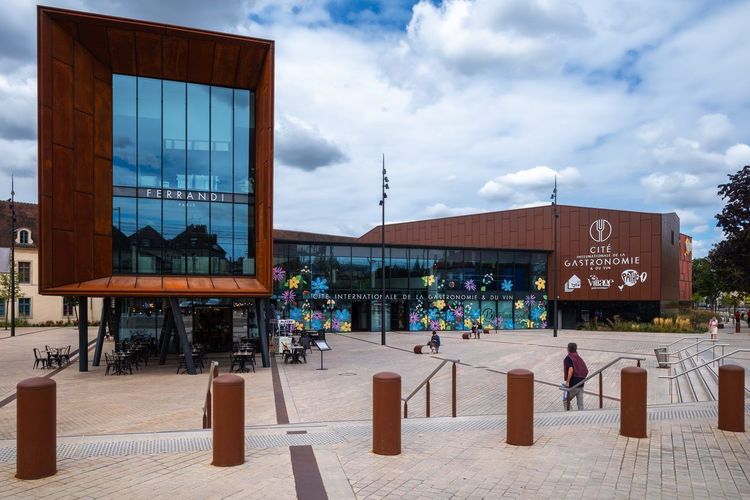
Opened in the heart of Dijon's former general hospital, the Cité Internationale de la Gastronomie et du Vin (Rue de l'Hôpital, 21000 Dijon, rated 4/5 on Google from 3,690 reviews) is the city's newest and most spectacular site, conceived from the outset to welcome all audiences, children included.
The site combines a permanent exhibition trail on French gastronomy, producer shops, several restaurants, and outdoor educational gardens. It is precisely this outdoor section that appeals most to families: an aromatic garden where you can crush leaves to smell thyme or sage, educational vine plots, and play areas freely accessible between the buildings.
Inside, the main exhibition multiplies sensory devices — smell stations, flavor recognition games — designed to capture the attention of a family audience rather than to line up scholarly display cases. Allow a good half-day if you want to combine the exhibition, the gardens, and a gourmet break on site, particularly around mustard and local specialities: the Cité also serves as a showcase co/fr/articles/france/dijon/ces-10-specialites-culinaires-a-dijon-sont-a-deguster-absolument-lors-de-votre-passage/).
The site is free to enter for the shops and restaurant areas, with a paid ticket only for the immersive exhibition. A good option if the day's budget is tight: wandering freely through the gardens and market halls is already enough to keep curious children busy for an hour.
Family Workshops in Dijon: Mustard, Pottery, and Sewing

Between museum visits, Dijon offers several hands-on workshops that let children leave with a personal creation rather than just a shop-bought souvenir.
On the culinary side, several city-center addresses offer bespoke mustard-making workshops: you choose the seeds, the macerating liquids (white wine, yellow wine, flavored vinegar), and leave with your own personalized jar. For those who enjoy clay and texture, Ateliers NoMa offer pottery initiation sessions open to families, in short sessions of one to two hours. Children throw, model, decorate, and leave with a piece to be fired.
Finally, Atelier Pompon (Dijon, 21000 Dijon, rated 5/5 on Google from 28 reviews) organizes sewing initiation sessions accessible from age 8–9, in small groups, to make a simple pencil case or pouch in one session. This type of workshop generally requires a booking, as places are limited to around ten children per slot.
These three workshops have one thing in common: they break the rhythm of heritage visits and give children an active rather than passive role, which helps a great deal in sustaining energy over a multi-day stay.
The Jardin des Sciences and the Jardin de l'Arquebuse
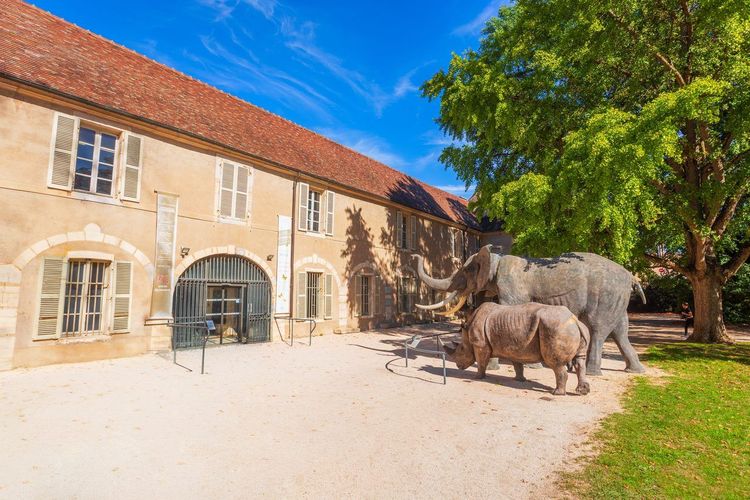
A ten-minute walk from the historic center, the Jardin des Sciences brings together on a single site the Arquebuse botanical garden, a natural history museum, and a planetarium — a complete trio for occupying an entire morning without ever leaving the grounds.
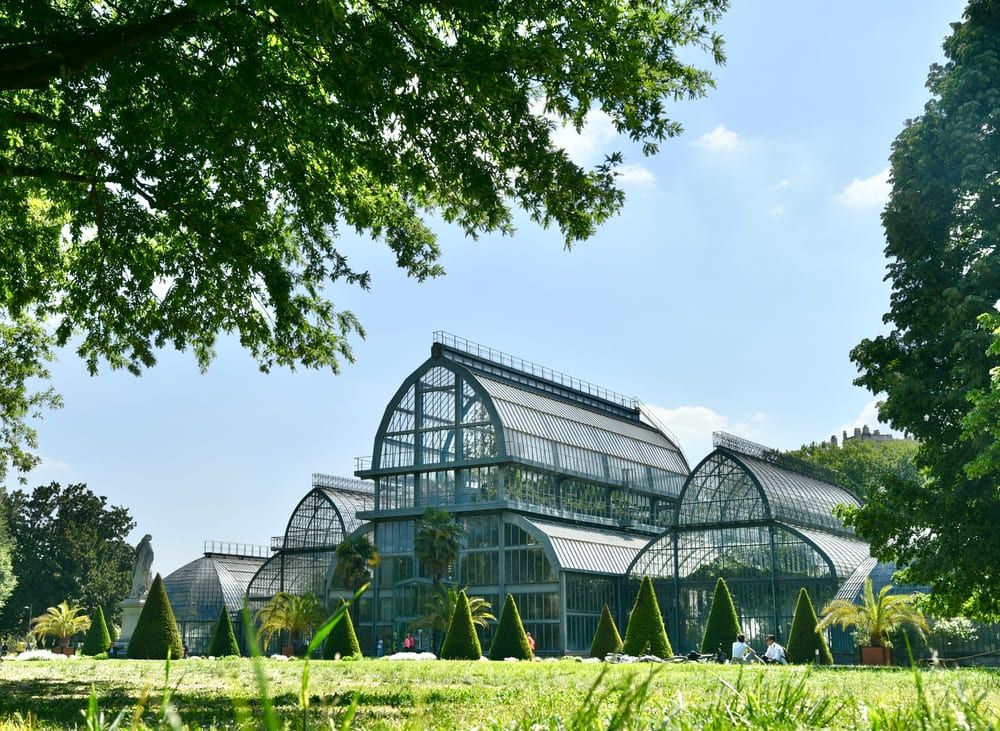
The Arquebuse botanical garden extends over more than six hectares planted with species from around the world, with heated tropical greenhouses that are particularly welcome on rainy or cold days. The wide, shaded paths are well suited to strollers, and several benches punctuate the route for a breather.
The natural history museum offers collections of skeletons, taxidermied animals, and minerals arranged in a child-friendly way, with illustrated explanatory panels and sometimes educational workshops at weekends. Entry is free, making it a reliable choice for rounding off an already packed day without overspending.
On the activity and education front, the site regularly organizes nature workshops (planting, insect observation, botany initiation) during school holidays, as well as planetarium sessions adapted for younger visitors that narrate the starry sky as stories rather than astronomy lessons. Check the calendar before you visit: some activities require a booking, particularly at the planetarium where places are limited.
Parks and Gardens to Relax in with Family
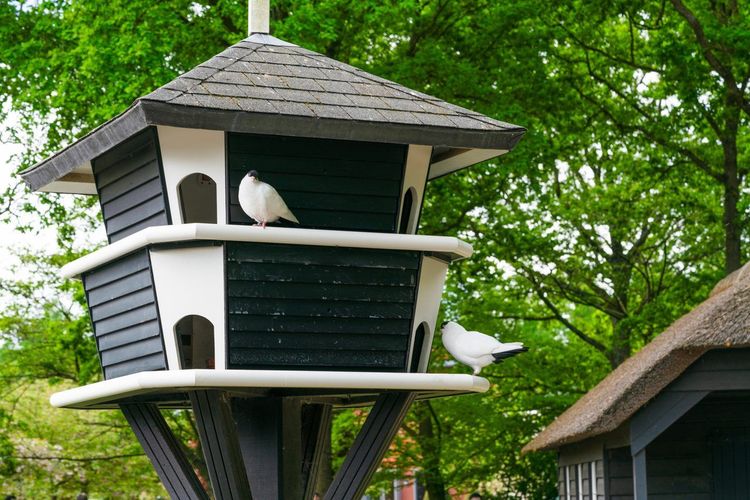
Between visits, Dijon offers enough green space for children to burn off energy freely. The largest is the Parc de la Colombière — over 35 hectares of woodland planted in the 17th century in the French formal garden style, with wide avenues, play areas, and enough space for an impromptu picnic or a game of ball.
More centrally located, the Jardin Darcy, right in front of the train station, can be crossed in a few minutes but deserves a stop for its pond with sculpted polar bears — always a hit with little ones — and its immediate proximity to shops if an emergency snack is called for.
The city also has around fifteen neighborhood squares and small gardens, often equipped with play areas, useful for a twenty-minute break between two museums without having to cross the entire city.
Finally, the Promenade de l'Ouche (Boulevard Winston Churchill, 21000 Dijon, rated 4.4/5 on Google from 32 reviews), nicknamed Dijon's green corridor, follows the river for several kilometres from the center to Lac Kir — a flat, shaded route ideal for cycling or scootering for families who want to step away from the heritage pace for an afternoon.
An Educational Farm Near Dijon
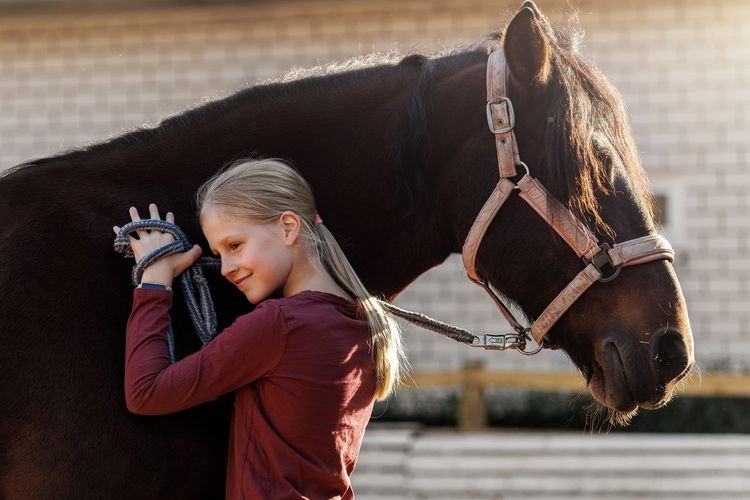
For a break away from cobblestones and museums, head to the Parc de la Combe à la Serpent, to the west of Dijon, where an educational farm welcomes families around small livestock (goats, sheep, poultry) in a wooded setting wild enough to feel like a real escape in under twenty minutes' travel.
This is an angle that few guides develop, yet it complements a museum- and monument-focused stay well: children who have moved through several heritage visits generally appreciate finding a freer rhythm, where they can run, observe the animals up close, and sometimes take part in feeding depending on the schedule. Access to the park is free; only certain one-off activities may be chargeable. Bring appropriate footwear — the terrain is natural and can be muddy after rain.
Treats and Souvenirs to Bring Back from Dijon
No family stay in Dijon is complete without a gourmet stop, and the city has something to satisfy every age. At Mulot & Petitjean, a house founded in 1796, the historic shop offers a chance to discover the traditional making of gingerbread, with tasting on site and a range of formats suited to small budgets and large gatherings alike.
Mustard remains the obvious local emblem, and several city-center shops, such as Maille, let you taste different varieties before buying — from classic mustard to more surprising versions with yellow wine or Burgundy blackcurrant. Children often enjoy taking part in the selection, a good way to turn a shopping trip into a tasting game.
On the sweet side, city-center chocolatiers offer creations featuring crème de cassis and Burgundy wines, while a few traditional confectionery shops sell flavored anise sweets — subtle on the palate and easy to slip into a bag for the journey home. For a souvenir that lasts beyond the stay, a small jar of artisan mustard or a decorated gingerbread slab always makes an impression without adding much weight to the suitcase.
Where to Eat with Family in Dijon: Halles, Restaurants, and Gourmet Stops
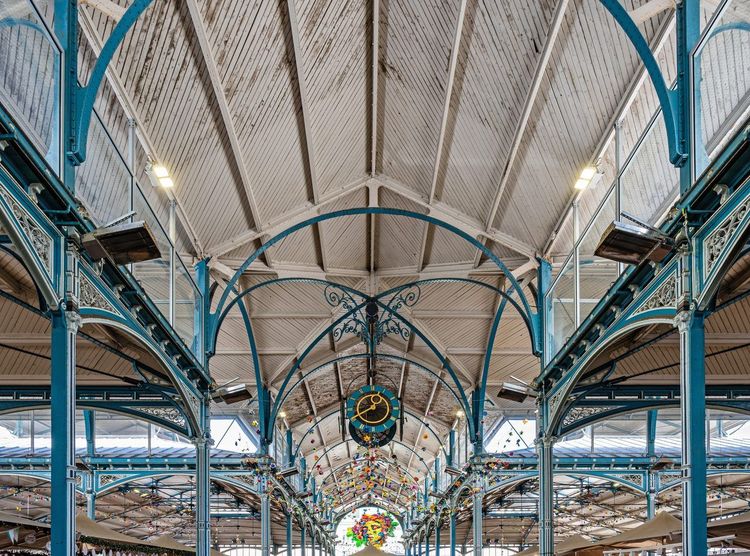
The Halles de Dijon (Rue Odebert, 21000 Dijon, rated 4.5/5 on Google from 4,674 reviews), an imposing 19th-century covered market built in the Baltard style, are without doubt the best introduction to local gastronomy with children. You wander between the stalls of cheese merchants, butchers, and greengrocers, grab a quick bite — a slice of tart or a piece of cheese — and the most curious can watch the traders working in plain sight.
For a proper meal, several city-center restaurants offer generous children's menus and a welcome well-accustomed to families, with highchairs available on request and service that is unfazed by a bit of table commotion. The traditional brasseries around place François-Rude remain a reliable choice for a no-surprise lunch, with simple dishes (steak and chips, pasta, salads) almost always on the menu.
If you are looking to eat on the go between visits, the many bakeries and sandwich shops in the city center make it easy to put together a quick picnic to take to one of the nearby gardens — often a more economical and flexible option than a sit-down restaurant when the children need to move between bites.
For a quieter Sunday morning, several city-center cafés offer family brunch packages, with a buffet varied enough to satisfy both picky little appetites and hungry grown-ups after a night in a hotel.
Where to Stay with Family in Dijon

For a family stay, it is better to choose accommodation close to the historic center, even if it costs a little more: it avoids car or tram trips with tired children at the end of the day, and makes it easy to pop back for a nap or a break whenever needed.
City-center family hotels generally offer connecting rooms or family suites accommodating four people — an option to book several weeks in advance in peak season. Some newer establishments feature modular rooms with bunk beds, a practical layout for two children sharing a room.
For families who prefer more independence, apartments with kitchenettes remain a good option, particularly for preparing breakfast or warming up a meal without depending on restaurant hours. They are found mainly on the immediate outskirts of the center, a few minutes' walk or tram ride from the main sites.
Finally, if your stay extends beyond Dijon to the wine villages, some estates and guesthouses along the Côte de Nuits or the Côte de Beaune gladly welcome families, sometimes with an enclosed garden or a swimming pool — a pleasant alternative for one or two nights at the end of the trip.
Excursions and Villages around Dijon with Family
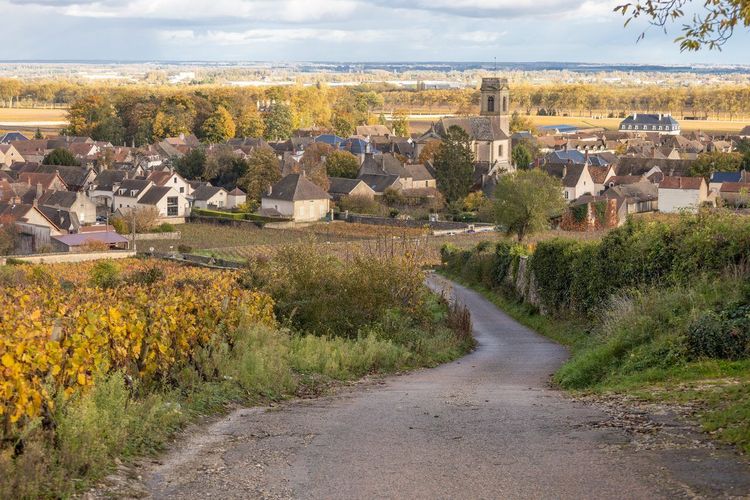
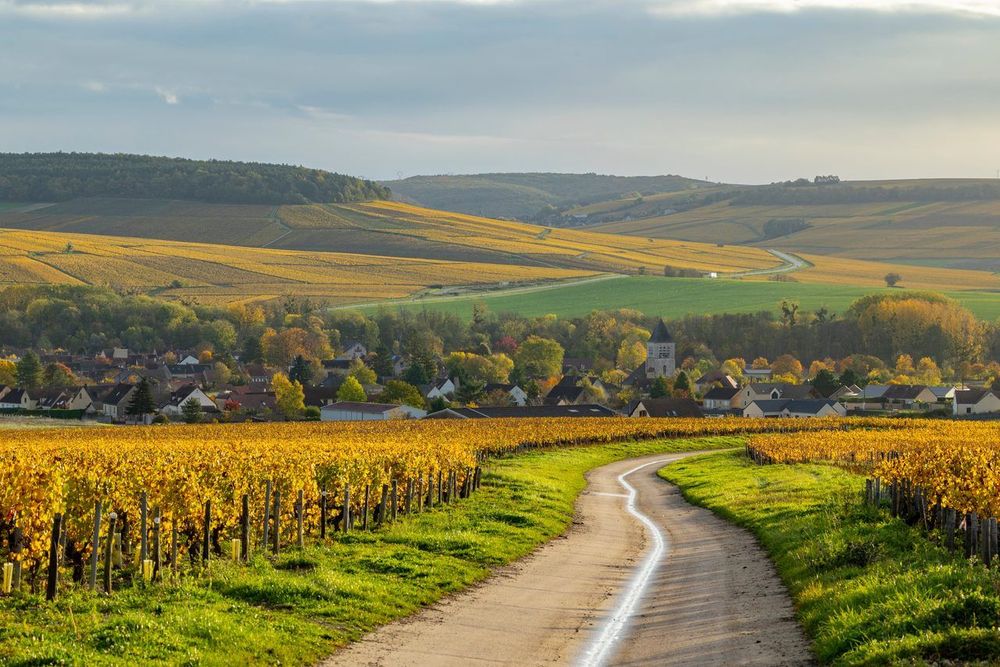
Dijon marks the starting point of the famous Route des Grands Crus, which winds through some of the world's most renowned vineyards over roughly thirty kilometres. Even without a particular interest in wine, this route offers a landscape of hills and golden-stone villages that makes a pleasant change from the urban scenery, and can easily be covered in half a day with children who manage car journeys well.
The logical first stop, Gevrey-Chambertin, preserves a medieval castle open to visitors and quiet lanes well suited to stretching legs after the car journey. A few minutes away, the Clos de Vougeot impresses with the scale of its walled estate and its Renaissance château, where children typically love running between the vine rows before visiting the impressive historic vat rooms.
Further south, Nuits-Saint-Georges is a pleasant small wine town for a lunch break, with its covered market hall and Saturday morning market, while Beaune, a little further on, merits half a day in its own right for its Hôtel-Dieu with its spectacular polychrome rooftops and the Parc de la Bouzaise — a tree-lined green space perfect for letting children stretch their legs after the visit.
Wine enthusiasts can push on to Meursault and Pommard, two emblematic villages of the Côte de Beaune where family estates sometimes offer short, educational visits suited to a family introduction to vineyard work rather than a simple adult tasting.
Finally, about thirty minutes south of Dijon, the Abbaye de Cîteaux (21700 Saint-Nicolas-lès-Cîteaux, rated 4.3/5 on Google from 1,862 reviews) remains a history-rich site — the birthplace of the Cistercian order — where you can also discover the making of the cheese produced by the monastic community still active on site.
To prepare for this day trip, our article on the most beautiful Ryo villages to visit around Dijon details more complete itineraries if you have several days to explore Burgundy with family, combining nature outings and heritage stops suited to children.
When to Go to Dijon with Family?
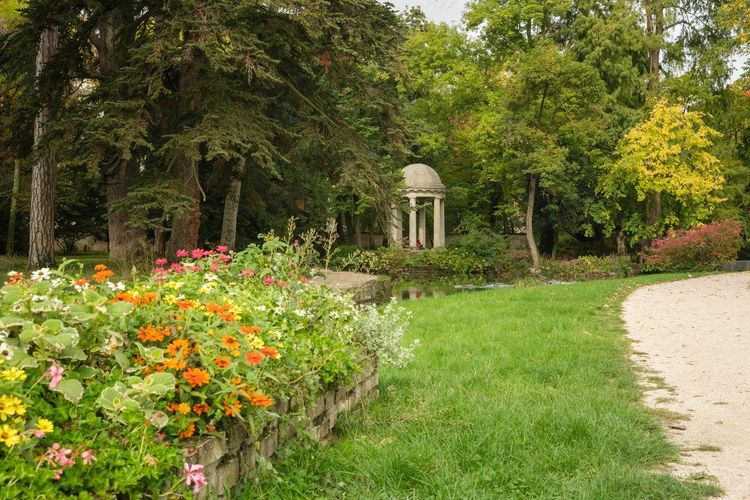
Spring and early autumn remain the most comfortable seasons for visiting Dijon with family: temperatures are mild, the botanical gardens are at their best, and queues at the main sites remain manageable.
Summer brings its share of heat, sometimes pronounced in July and August, but also a programme of outdoor events and evening activities that families can make the most of once the temperature drops. Do bear in mind the crowds at the most popular sites, particularly the Musée des Beaux-Arts and the Tour Philippe le Bon, which can see queues in the height of tourist season.
December completely transforms the city with its Christmas market set up on place François-Rude, its illuminations, and its warm atmosphere particularly appreciated by children — despite the cold, which calls for wrapping the youngest visitors up well. It is also the busiest period at weekends; plan to arrive early in the morning to enjoy the activities without too many crowds.
How to Get to and Get around Dijon with Children
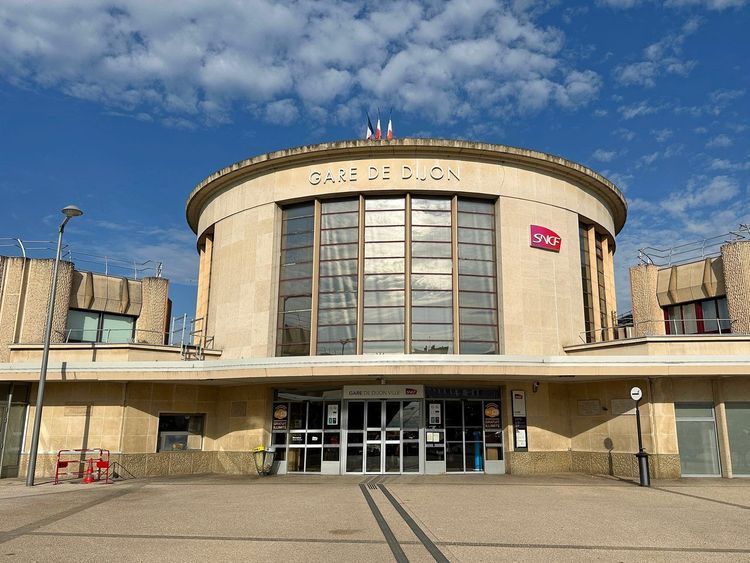
Dijon is easily reached by train from Paris, with direct TGV services of around 1h40 from Gare de Lyon — a perfectly manageable duration for young children equipped with something to keep them busy. By car, the city is served by the A31 motorway (north–south axis) and the A38 from Paris, with several covered car parks immediately adjacent to the historic center.
Once there, the city center can be explored entirely on foot: most major sites are within fifteen minutes' walk of each other. For longer journeys, particularly to the Jardin des Sciences or the Parc de la Colombière, the Divia tram network efficiently connects the different neighborhoods, with carriages accessible to strollers.
A note of caution for families: the historic center is entirely cobblestoned, which can complicate getting around with a standard stroller. All-terrain models or baby carriers fare considerably better over the course of a full day's visit.
Practical Information for a Family Stay in Dijon
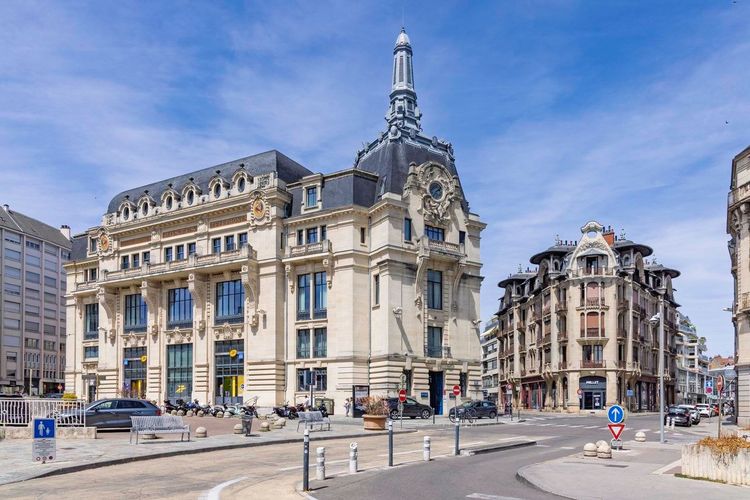
The Dijon tourist office, located on place Darcy, remains the best starting point for picking up a free map of the owl trail, checking up-to-date museum opening hours, and booking, if needed, a time slot for the Tour Philippe le Bon.
On the budget side, several free activities allow you to fill an entire day without spending much: the owl trail, access to the Musée des Beaux-Arts, the Musée de la Vie Bourguignonne, the natural history museum, and the public gardens are all free of charge. Our guide to free Ryo activities to do in Dijon details all of these options for planning an affordable stay without sacrificing content.
What to do in Dijon on a Sunday or weekend with children? Most municipal museums remain open, the Halles operate on Sunday mornings, and the Christmas market, in season, is in full swing that day. With a baby, favor short visits and gardens for nursing or nappy-change breaks — the city is generally well equipped with welcoming public spaces.
Finally, allow a minimum of two full days to cover the city-center highlights, and three if you wish to add an excursion to the surrounding wine villages.


FAQ
How many days should you plan to visit Dijon with family?
Two days are enough to cover Old Dijon, the Palais des Ducs, and the main free museums. Plan a third day if you want to add an excursion along the Route des Grands Crus or a visit to the educational farm.
Is Dijon suitable for strollers and toddlers?
The historic center is pedestrian but entirely cobblestoned, which makes getting around more comfortable with an all-terrain stroller than with a standard urban model. The municipal museums readily welcome strollers and often offer spaces suited to toddlers.
What free activities are there to do in Dijon with family?
The owl trail, the Musée des Beaux-Arts, the Musée de la Vie bourguignonne, the natural history museum, the Arquebuse botanical garden, and most of the city's parks are all free to access year-round.
Where can you easily park in Dijon with children?
Several covered car parks surround the historic center, particularly around place Darcy and the Cité de la gastronomie. They allow you to reach the main sites on foot in under ten minutes.
What budget should you plan for a family weekend in Dijon?
By making the most of free museums, gardens, and city-center accommodation, a weekend for a family of four remains affordable, not counting excursions into the vineyards, which add the cost of fuel and any winery visits.
What can you do in Dijon on a Sunday with family?
The municipal museums and gardens remain open, the Halles operate in the morning, and the owl trail can be done at any hour. It's also the best day to enjoy the Christmas market in season, before the afternoon crowds.
Dijon lends itself to family discovery at a flexible pace, between full days at the heart of its heritage and lighter breaks in the gardens or at the educational farm. Whether you stay two days or push on to the villages along the Route des Grands Crus, the Ryo audio-guided tour of Old Dijon remains the simplest companion to make sure you miss none of the stories that give the city its charm, lucky owl included.
À lire également