© Shutterstock
 Votre guide Ryo
Museums of Dijon in 2026: From the Palais des Ducs to Hidden Gems
A staircase of 316 steps climbs to the top of the Tour Philippe le Bon, and from this terrace you understand in one glance why Dijon long rivaled Paris for the title of capital of the arts. Dijon's museums are concentrated today within a perimeter that can be covered on foot in a day, and the Ryo audio guide tour of Dijon stops right in front of several of them, headphones on, with no reservation or fixed schedule required.
There is a ducal tomb watched over by dozens of mourners sculpted in alabaster, a gingerbread factory heir to a house founded in 1796, a botanical garden that quietly shelters a natural history museum, and a Museum of Fine Arts that is free and fully renovated in 2019. From ducal collections and sacred art to the contemporary scene, this guide details the addresses that matter, their opening hours, and their particularities, so you can plan your visit without any unpleasant surprises.
The Museum of Fine Arts of Dijon, Jewel of the Palais des Ducs
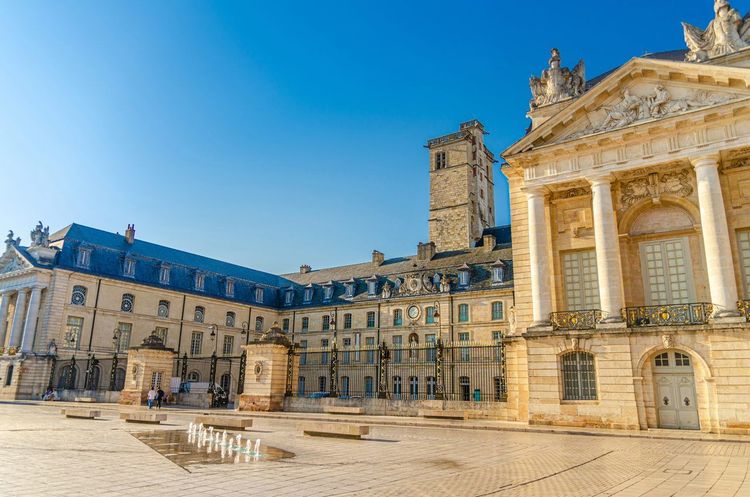
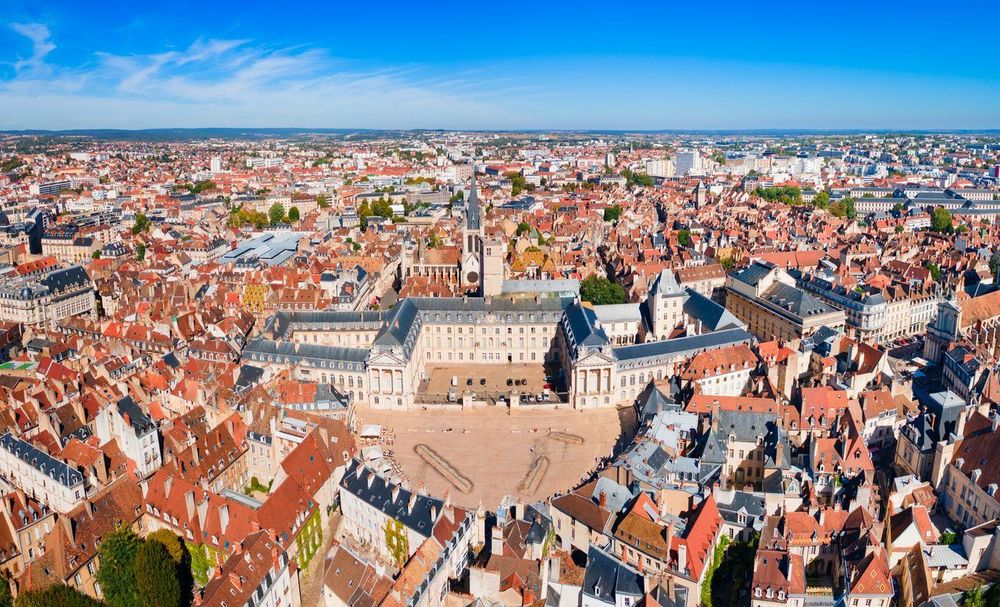
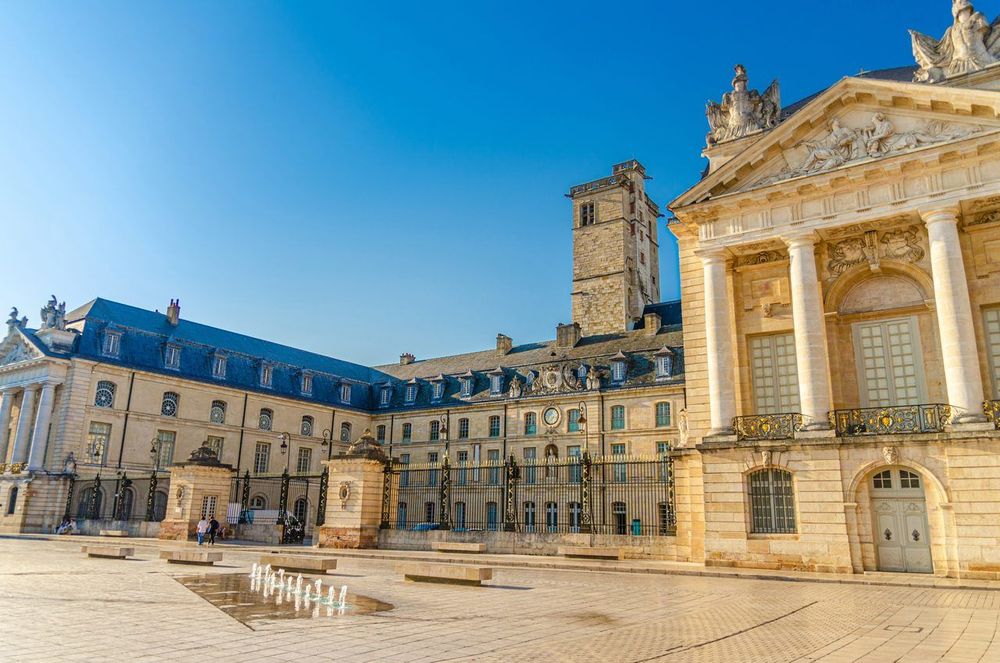
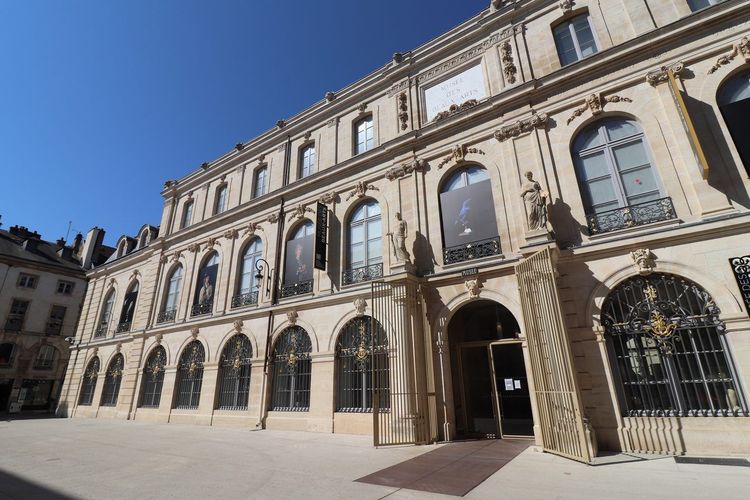
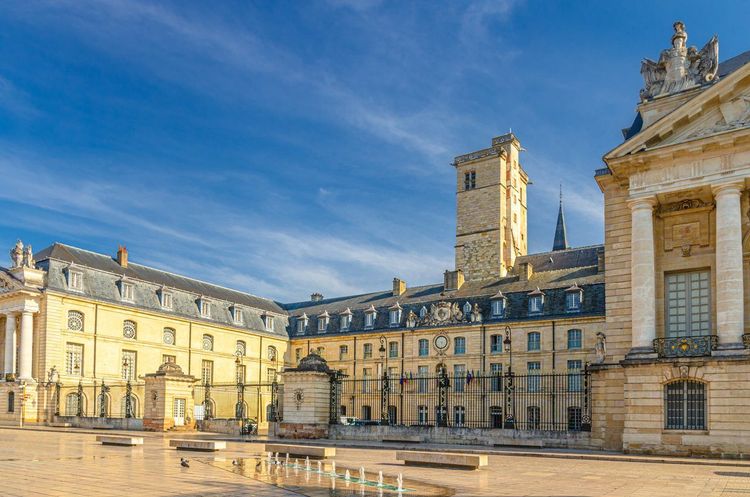
There is nowhere else to begin. The Museum of Fine Arts of Dijon occupies part of the Palais des Ducs and the Estates of Burgundy, the former residence of the Dukes of Burgundy. Founded in 1787 by the Estates of Burgundy, it ranks among the oldest museums in France. Its collection spans centuries of painting and sculpture, from ancient Egypt to the avant-gardes of the 20th century, spread across rooms entirely renovated at the end of a project completed in 2019.
The Palais des Ducs and the Estates of Burgundy itself deserves that you lift your eyes from the visitor route: the main courtyard, the 18th-century Gabriel staircase, and the state rooms that hosted the Estates of Burgundy until the Revolution. Part of the building continues to house Dijon's city hall, giving the whole ensemble a hybrid status, at once an administrative monument and a museum.
The Salle des Gardes concentrates the museum's most photographed pieces: the tombs of the Dukes of Burgundy, sculpted for Philippe le Hardi and then for Jean sans Peur and Margaret of Bavaria, each bearing a procession of alabaster weeping mourners — statuettes about forty centimeters tall whose hooded faces express a grief that is surprisingly individualized for 15th-century art. You can spend a long time searching among these figures for the one that seems to look most directly at you.
Right next door, the Tour Philippe le Bon (Cour de Bar, 21000 Dijon, rated 4.6/5 on Google from 623 reviews), standing 46 meters tall, is visited with a separate ticket from the museum (from €12 through the tourist office, included in the Dijon City Pass). The ascent is done as a guided visit, by reservation, and may be suspended in bad weather. Allow around half an hour to go up and come back down, panorama over the glazed-tile rooftops included.
The museum also owes much to the Devosge drawing school, founded in 1766 by the painter François Devosge: works by prize-winning students and copies sent from Rome formed the initial core of the collections. Another good piece of news for your budget: admission to the permanent collections is free year-round, with only certain temporary exhibitions and the tower remaining paid.
On a practical note, the museum opens every day except Tuesday, with hours that vary slightly by season (opening around 9:30 or 10 a.m., closing between 6 and 6:30 p.m.). Arrive at opening time on weekends if you want to enjoy the tomb room without the crowds. The Ryo audio guide of Dijon passes right through the palace courtyard, with a dedicated stop on the tombs and their weeping mourners — a handy way to place the ducal history in context before stepping inside the galleries.
The Archaeological Museum of Dijon
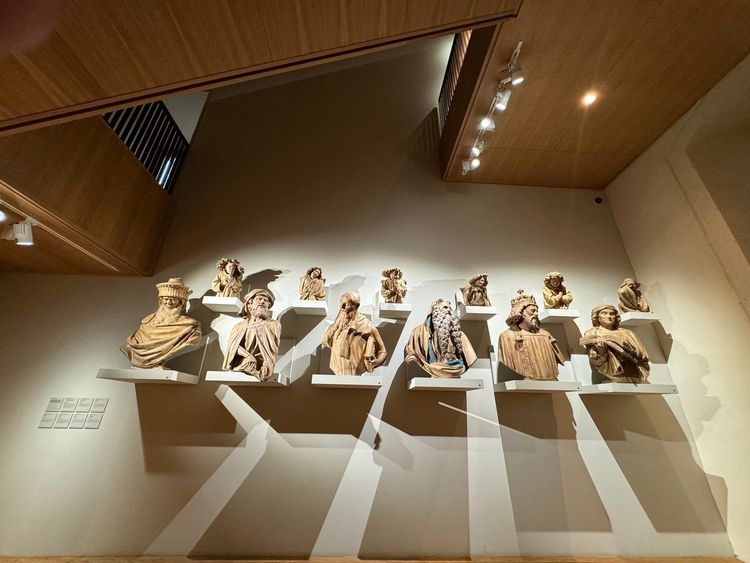
The Archaeological Museum of Dijon (5 Rue Docteur Maret, 21000 Dijon, rated 4.3/5 on Google from 418 reviews) occupies a setting that is worth visiting almost as much for itself as for the objects on display: a wing of the former abbey of Saint-Bénigne, with an 11th-century Romanesque chapter house in the basement and, on the upper floor, the monks' great Gothic dormitory beneath its stone vaults.
The Burgundian archaeological collections span prehistory through the Middle Ages, but the Gallo-Roman period dominates by far, with wooden and stone votive offerings found at the sources of the Seine, about thirty kilometers from Dijon, where pilgrims came to leave offerings to the goddess Sequana.
Allow an hour for the full visit. The Romanesque rooms, darker and denser with objects, deserve that you slow down there rather than rushing toward the medieval sculptures.
One of the Ryo app's audio stories covers these Gallo-Roman remains, to be listened to while passing by the walls of the former abbey that houses the museum today.
The Museum of Sacred Art
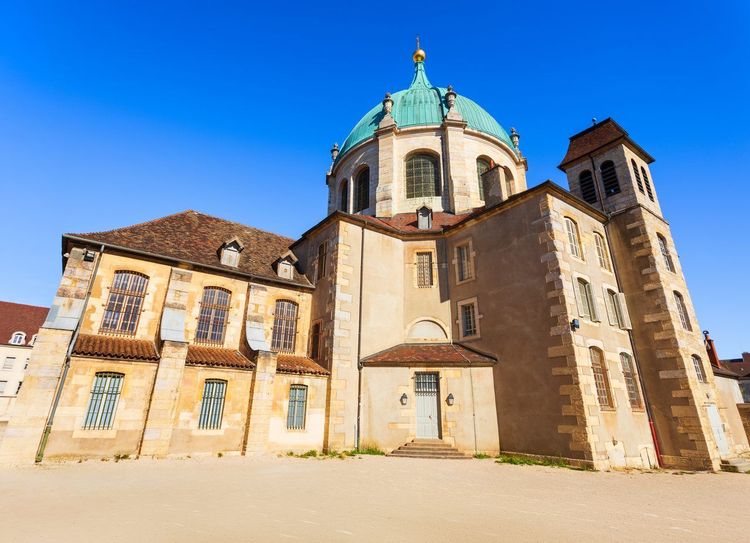
The Museum of Sacred Art (15 Rue Sainte-Anne, 21000 Dijon, rated 4.4/5 on Google from 81 reviews) shares the former Bernardine convent with the Museum of Burgundian Life. It brings together goldsmithing, liturgical vestments, and religious statuary from the churches of Dijon and the Côte-d'Or.
Among its highlights are pieces from churches that are now deconsecrated or demolished, giving the museum a heritage preservation function as much as an exhibition one. The convent's Sainte-Anne church, crowned by a dome and completed in the early 18th century, serves as a setting for the most imposing pieces, including altarpieces and large statues.
The visit takes 30 to 40 minutes, a format that pairs well with a visit to the neighboring museum under the same roof.
The Musée de la Vie Bourguignonne Perrin de Puycousin
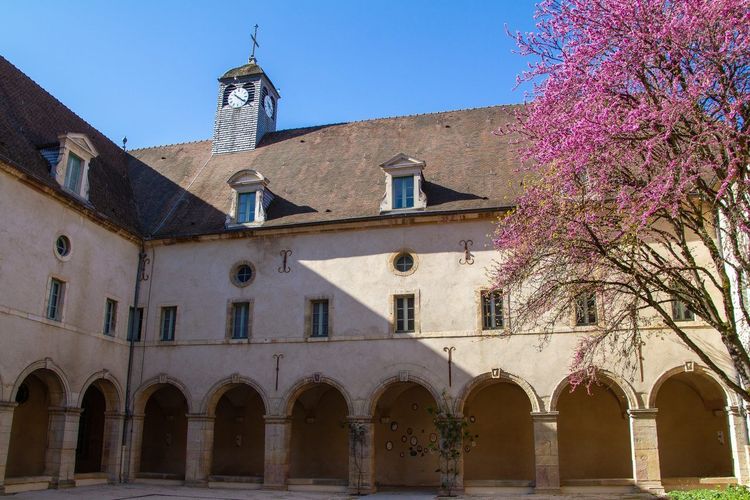
The Musée de la Vie Bourguignonne Perrin de Puycousin (17 Rue Sainte-Anne, 21000 Dijon, rated 4.5/5 on Google from 1,483 reviews) takes its name from Maurice Perrin de Puycousin, who gathered costumes, furniture, and everyday objects from the late 19th century onward to document a rural Burgundy that was disappearing, before bequeathing his collection to the city.
Its strength lies in its reconstructed interiors: scenes of rural life on the ground floor and, upstairs, a recreated Dijon street with its shops of yesteryear, from the pharmacy to the hat shop. You literally stroll through settings rather than past display cases, which changes how children experience the visit.
The museum occupies the cloister of the former Bernardine convent, founded in the 17th century, a peaceful setting a few steps from the bustle of the rue de la Liberté.
An hour is enough for the essentials, but lovers of traditional costumes can easily double that time: the collection of Burgundian headdresses and clothing ranks among the richest in the region.
One stop on the Ryo audio tour of Dijon marks a pause in this historic neighborhood, with an anecdote about these Burgundian interiors and the daily life they depict.
The Musée Magnin
The Musée Magnin (4 Rue des Bons Enfants, 21000 Dijon, rated 4.6/5 on Google from 412 reviews) is without doubt the most intimate museum in the city: the Hôtel Lantin, a 17th-century mansion bequeathed to the state in 1938 by Jeanne Magnin along with the collection she had assembled with her brother Maurice. The rooms remain furnished and hung in the spirit of the collectors' home it once was.
Nearly 2,000 paintings and drawings, mainly from the French, Italian, and Northern schools, are spread across the reception rooms, where you encounter both celebrated names and minor artists rediscovered by the two collectors.
It is a museum best visited slowly, almost like the home of a friend passionate about art. It lends itself well to a late afternoon visit, when the raking light streams through the tall windows.
A national museum, it opens Tuesday through Sunday (10 a.m.–12:30 p.m. and 1:30–6 p.m.) and admission is now free. It closes occasionally during exhibition changeovers: check the official website before visiting.
The Musée Rude
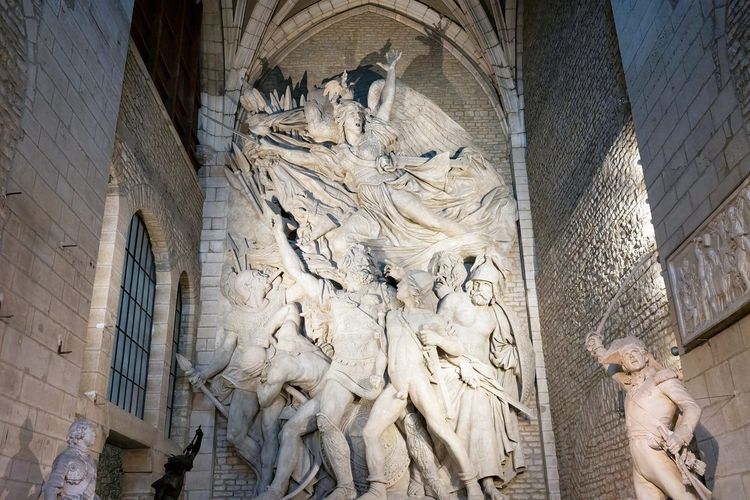
Dedicated to the Dijon-born sculptor François Rude, creator of the famous high-relief Departure of the Volunteers of 1792 on the Arc de Triomphe in Paris, the Musée Rude (Place Saint-Étienne, 21000 Dijon, rated 4.5/5 on Google from 430 reviews) occupies the transept of the former église Saint-Étienne.
The nave houses plaster casts of his major works, including that of the famous Parisian relief, in a staging that plays on the monumental scale of the pieces set against the modesty of the space.
Note that its opening is seasonal and concentrated in the summer: check the dates before going. The visit is quick, 20 to 30 minutes, and easy to slip in between two other museums in the city center.
The Natural History Museum and the Jardin de l'Arquebuse
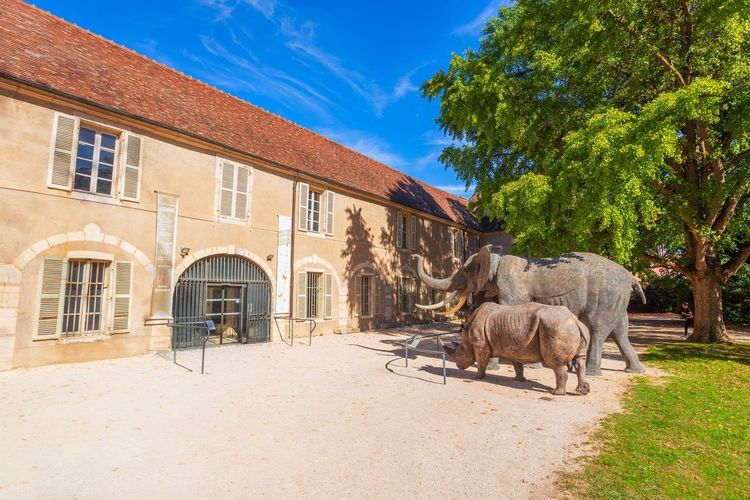
The Jardin de l'Arquebuse (1 Avenue Albert 1er, 21000 Dijon, rated 4.5/5 on Google from 3,746 reviews), the city's botanical garden established here in the 19th century, takes its name from the companies of arquebusiers who trained there in shooting during the Ancien Régime. Together with the Natural History Museum and the planetarium, it now forms Dijon's Jardin des Sciences & Biodiversité.
The collections blend zoology, geology, and entomology, with dioramas of regional wildlife and some more spectacular pieces, including large animal skeletons, as well as a herbarium that has been documenting Burgundian flora for over a century.
Families often linger here longer than planned: the garden itself, with its arboretum, greenhouses, and beds of plants classified by family, lends itself to a picnic break after the visit — a rare option for a museum just a short walk from the train station.
Admission to the garden and the museum is free; only planetarium sessions are paid.
The Frac Bourgogne, Regional Contemporary Art
The Frac Bourgogne (16 Rue Quentin, 21000 Dijon, rated 4.4/5 on Google from 37 reviews), Burgundy's regional contemporary art fund, has been building a public contemporary art collection since the early 1980s that circulates throughout the region. In Dijon, it exhibits in the former Bains du Nord on Rue Quentin, a few minutes' walk from the Palais des Ducs.
The programming changes several times a year and mixes emerging artists with the international scene, making it an address to check before you go rather than a museum with a fixed collection.
Admission is free, which allows you to pop in without commitment, even for a short visit near the Halles market.
Le Consortium Museum, Contemporary Art Center
At the other end of the contemporary spectrum, Le Consortium Museum (37 Rue de Longvic, 21000 Dijon, rated 4.3/5 on Google from 446 reviews) occupies former industrial premises redesigned by architect Shigeru Ban. Born in 1977 at the initiative of a small group of enthusiasts, it has become one of the most closely followed contemporary art venues outside Paris.
The exhibition "1, 2, 3 Data" left a strong impression, for instance, by questioning the place of digital data in contemporary creation — a sign that the venue does not simply hang canvases on walls.
Allow a good hour, or more if a performance or screening is scheduled on the day of your visit. The venue publishes its agenda online a few weeks in advance.
The Burgundy Electricity Museum
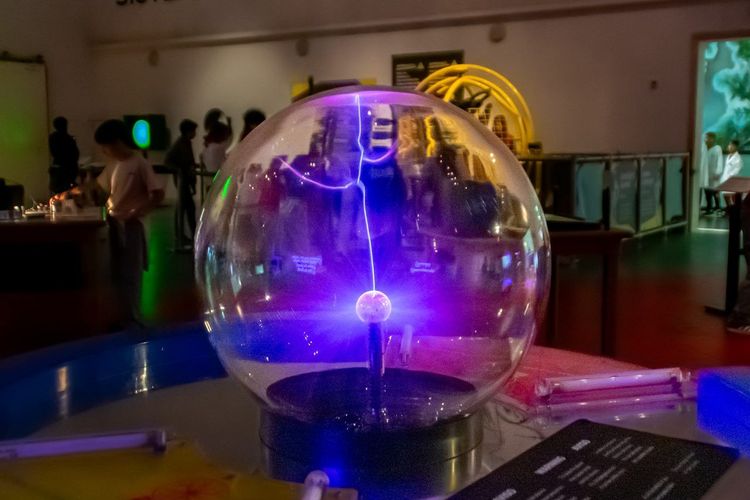
Less well known, the Burgundy Electricity Museum (21000 Dijon, rated 4.8/5 on Google from 12 reviews) traces the history of electrical energy in the region through period equipment: meters, household appliances, and advertising objects linked to the progressive electrification of Burgundian homes in the 20th century.
Opening hours remain limited, often by reservation or during special events such as the European Heritage Days; it is best to check before making the trip. This is the kind of museum you visit out of curiosity rather than as a hurried tourist, often with a passionate volunteer on hand to comment on the exhibits.
The Mulot & Petitjean Gingerbread Factory
It is impossible to talk about Dijon's museums without slipping in a more indulgent address: the Mulot & Petitjean house (6 Boulevard de l'Ouest, 21000 Dijon, rated 4.4/5 on Google from 651 reviews) has been perpetuating the recipe for Dijon gingerbread since 1796. Its historic shop on Place Bossuet has retained its period décor, while the Factory on Boulevard de l'Ouest offers a guided tour of the production.
The visitor route, which is paid and followed by a tasting, retraces the history of the house through old molds, tools, and posters, before revealing the production workshops.
You will readily step inside for the smell even before thinking of buying anything, and food lovers rarely leave empty-handed.
Open-Air Street Art: Le M.U.R and the Ateliers Vortex
For a more unexpected facet, head to Le M.U.R, an open-air museum where a section of wall is regularly covered by an invited street artist, transforming a plain façade into an ephemeral gallery.
Further north, the Ateliers Vortex (71 Rue des Rotondes, 21000 Dijon, rated 4.7/5 on Google from 37 reviews) function as an exhibition and residency space for emerging artists, with exhibitions open to the public a few afternoons a week.
Le M.U.R can be discovered for free, with no set hours: you simply walk past it. Both addresses make a great complement to a stroll between two more formal museums.
The Cité Internationale de la Gastronomie et du Vin
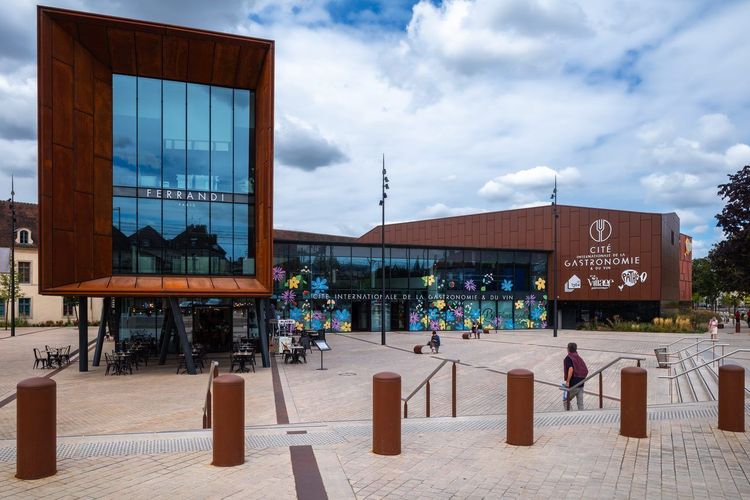
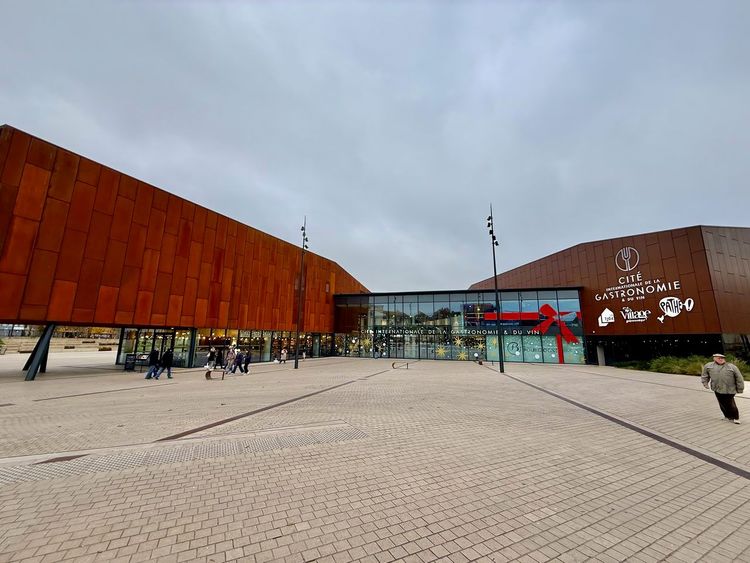
Opened in May 2022 on the site of the former general hospital, the Cité Internationale de la Gastronomie et du Vin (2 Rue de l'Hôpital, 21000 Dijon, rated 4/5 on Google from 3,714 reviews) celebrates the French gastronomic meal, inscribed on the UNESCO list, and Burgundy's place in this viticultural and culinary history.
The site combines a permanent exhibition, a cooking school, a cinema, a wine cellar, shops, and restaurants across a space that feels more like a cultural quarter than a simple exhibition hall.
Allow an hour for the exhibition alone, or a half-day combining tasting and visit: it is one of the rare addresses on this list that works as a complete outing in itself.
The cité is just a few minutes from a section of the Ryo audio guide tour of Dijon, which lines up 24 audio stops across 3.5 km in the historic city center.
Visiting Dijon's Museums as a Family, with Children
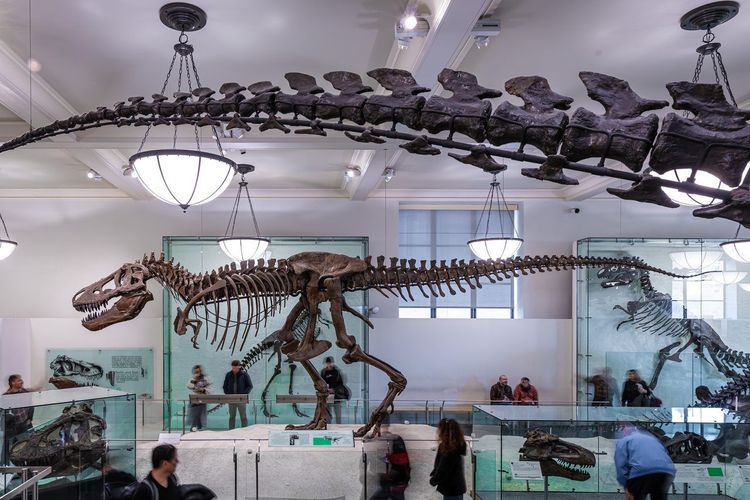
Not all of Dijon's museums are equally suited to young children. The Museum of Burgundian Life, with its reconstructed settings, and the Natural History Museum, with its skeletons and adjoining garden, generally top family preferences, ahead of the more static painting collections.
Since the permanent collections are free, you can split visits without worrying about cost: an hour at the natural history museum in the morning, another on Rue Sainte-Anne in the afternoon. Activity booklets and family visits are offered periodically, especially during school holidays; ask at the reception desk, as the options change with the seasons.
The Museum of Fine Arts also organizes workshops for young visitors, a fun way to connect with the legacy of the Devosge school without the children necessarily realizing it.
To plan a full day around these family-friendly addresses, our article Dijon with Children details other activities to combine with museum visits.
Opening Hours, Prices, and Free Museums in Dijon
Good news for your budget: Dijon's municipal museums (Fine Arts, Archaeological, Burgundian Life, Sacred Art, Rude) as well as the national Musée Magnin and the natural history museum are free for their permanent collections. Only certain temporary exhibitions, the Tour Philippe le Bon, the Mulot & Petitjean Factory, and the Cité de la Gastronomie remain paid. For more ideas without spending a penny, see our selection of free activities in Dijon.
The opening hours of the Museum of Fine Arts of Dijon follow a classic pattern: closed on Tuesdays, open all other days from 9:30–10 a.m. to 6–6:30 p.m. depending on the season. The other municipal museums operate on similar schedules, but the Musée Magnin closes on Mondays and the Musée Rude only opens for part of the year: always check the closing day, which varies from site to site.
No ticket is needed for the free collections. For the tower or the Cité de la Gastronomie, it is better to book online on busy weekends, during the November Gastronomic Fair, or during the spring school holidays.
Bear in mind that a free museum does not mean constraint-free: several sites limit the number of simultaneous visitors during peak periods.
Cultural Calendar and Temporary Exhibitions
To find out which museums are currently open and which temporary exhibitions are running, the most reliable approach is to check the Dijon museums website, which centralizes the agenda for municipal sites, or the tourist office on Rue des Forges.
Major exhibitions at the Museum of Fine Arts generally run for several months, while the Frac Bourgogne, Le Consortium, and the Musée Magnin renew their programming more frequently, sometimes every two or three months.
The European Heritage Days in September remain the best time to discover the usually least accessible sites, including the Burgundy Electricity Museum.
Where Dijon's Museums Are Located: Map and Neighborhoods
The vast majority of Dijon's museums are concentrated within a small area around the Palais des Ducs and Rue Sainte-Anne: allow five to ten minutes on foot from one site to another.
Only the Natural History Museum (Jardin de l'Arquebuse, near the train station), Le Consortium, and the Cité de la Gastronomie are a little further from the historic center, never more than 15 to 20 minutes on foot or a short tram ride from Place Darcy.
To connect several of these addresses on foot without endlessly searching for routes, the Ryo audio guide tour of Dijon offers 24 audio stops across 1.5 hours and 3.5 km — a duration that roughly matches the time it takes to walk between the Palais des Ducs, Rue Sainte-Anne, and the Musée Magnin.
FAQ
Which museums in Dijon are free?
The Museum of Fine Arts, the Archaeological Museum, the Museum of Burgundian Life, the Museum of Sacred Art, the Musée Rude, the Musée Magnin, and the Natural History Museum are all free for their permanent collections. Certain temporary exhibitions, the Tour Philippe le Bon, and the Cité Internationale de la Gastronomie et du Vin remain paid.
How many museums are there in Dijon?
Depending on how you count, the list of museums in Dijon ranges from five municipal museums in the strict sense (plus the national Musée Magnin and the natural history museum) to around fifteen cultural addresses if you include contemporary art centers, artists' studios, and visitor attractions such as the gingerbread factory.
What are the opening hours of the Museum of Fine Arts in Dijon?
The museum closes on Tuesdays and opens on all other days, from 9:30–10 a.m. to 6–6:30 p.m. depending on the season. Check the official website before visiting, especially for the Tour Philippe le Bon, which follows its own visiting schedule.
Which museum is a must-see in Dijon?
The Museum of Fine Arts of Dijon tops most rankings of the best museums in Dijon, thanks to the Palais des Ducs and the tombs with weeping mourners. The Museum of Burgundian Life is a close second for the originality of its reconstructed interiors.
Are Dijon's museums suitable for children?
Yes, several sites are well suited to families: the Natural History Museum and its garden, the Museum of Burgundian Life with its life-size settings, and the young visitor workshops at the Museum of Fine Arts during school holidays.
Where can I buy tickets for Dijon's museums?
No ticket is needed for the free permanent collections. For the Tour Philippe le Bon, book through the tourist office; for the Cité Internationale de la Gastronomie et du Vin, online booking on the official website is the simplest option during busy periods.
Planning Your Museum Day in Dijon
Dijon may be a medium-sized city, but it packs in a remarkable density of museums, from the Palais des Ducs to urban art studios, by way of a gingerbread house that has been around for over two centuries. The most effective approach is to choose two or three addresses based on your priorities for the day, rather than trying to tick every box in a single visit: the Fine Arts in the morning, Rue Sainte-Anne in the afternoon, the Magnin at the end of the day.
Between visits, let yourself be guided by the Ryo audio guide tour of Dijon: 24 audio tracks, 1.5 hours of walking, and the stories of the Dukes of Burgundy told at your own pace, along the streets of the historic city center.
À lire également