© Shutterstock
 Votre guide Ryo
Visiting Dijon as a Couple: The Guide to a Romantic Getaway in 2026
Dijon has its own way of slowing visitors down: just lose yourselves in its cobbled lanes and the conversation stretches out while hands find each other. Visiting Dijon as a couple means accepting to walk slowly, with no fixed itinerary, between half-timbered façades and gingerbread shop windows. Within a small perimeter, the city gathers a protected historic center, a 46-meter tower that overlooks all of Burgundy, an entire city dedicated to wine and gastronomy, and a treasure hunt marked out by brass owls set into the sidewalks. You can dine for next to nothing or at a two-star table, sleep in former mansions converted into charming guesthouses, and in half a day by car, drive up the Route des Grands Crus to the signs of Gevrey-Chambertin or Vosne-Romanée. To get your bearings as soon as you arrive, the Ryo audio-guided tour of Dijon unfolds the hyper-center in 24 audio stops, 1.5 hours of walking at your own pace, with no group and no set schedule.
Strolling Through Old Dijon, an Open-Air Bubble Out of Time
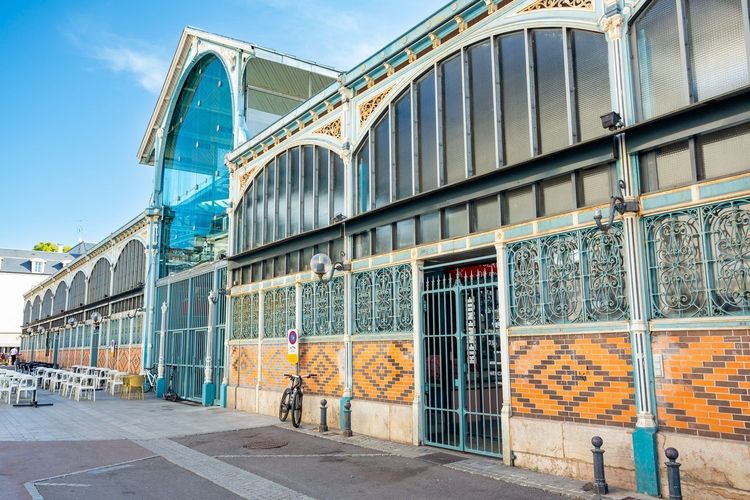
Before talking about the tower, wine or gastronomy, we have to talk about streets. Old Dijon can be crossed on foot in a little under an hour, but nobody ever does it that fast: the uneven cobblestones of the rue des Forges force you to slow down, and that is all the better if you are looking for an excuse to walk close together.
The city preserves dozens of mansions built from the 15th to the 18th century by parliamentary families and wealthy merchants. The most photographed remains the Hôtel de Vogüé, with its Renaissance-style inner courtyard and its roof of glazed tiles in colorful diamond patterns, a setting that has little to envy of the Hospices de Beaune.
This heritage owes a great deal to the protected sector created in 1966, one of the first in France, which kept incongruous modern façades at bay: half-timbering, Burgundy stone and polychrome roofs have come through the centuries almost intact. Every street corner reveals a new façade, with no need to consult a map.
Stop at place François-Rude (Place François Rude, 21000 Dijon), the lively heart of the city center, where the fountain topped by the Bareuzai, the grape-treading winegrower, draws the café terraces together. A good starting point in the morning, a good place to end up in the evening, depending on whether you prefer to start the day with a coffee or end it with a drink.
You can explore this district map in hand or let yourselves be guided step by step: the Ryo audio guide starts from the protected hyper-center and links the main mansions over 3.5 km, with an anecdote at every stop and no slot to book. To understand how the city is divided, the article Dijon Neighborhoods details the boundaries between the Bourg, the Notre-Dame district and the Antiquaires sector.
The Owl's Trail: Following the Studs Together Across the City
It is Dijon's most famous treasure hunt. Hundreds of triangular brass plaques stamped with an owl, set into the sidewalks, trace a route of 22 numbered stops over about 3 kilometers, starting from place Darcy. A booklet sold at the tourist office tells the story of each stop, and three optional loops let you extend the walk.
As a pair, the game works very well: one spots the next plaque on the ground, the other reads the anecdote about the monument, and you swap roles at every stop. The route passes through the Darcy Garden, the Palace of the Dukes and Estates of Burgundy and the Notre-Dame church, where you must perform the ritual gesture: stroke with your left hand the little owl carved on the side of the church, rue de la Chouette, while making a wish. Worn down by generations of fingers, the stone has lost almost all its features.
Allow one hour to one hour twenty for the full circuit if you take the time to read each stop. The best time remains early in the morning or at the end of the day, when the groups have left and the low light brings out the half-timbering.
Rather than juggling between the paper booklet and your phone, you can launch the Ryo audio-guided tour: several of its stops cross those of the Owl's Trail, and the story reaches your ear directly in front of each façade, leaving a hand free for your partner.
Climbing the Tour Philippe le Bon for a View of Dijon's Rooftops Together
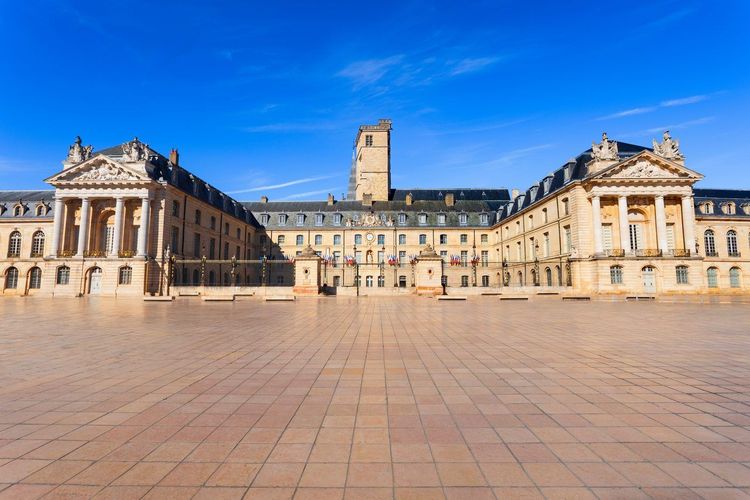
The Tour Philippe le Bon (Place de la Libération, 21000 Dijon, rated 4.6/5 on Google from 633 reviews) rises 46 meters above the Palace of the Dukes. Built between 1450 and 1460, it embodied the power of the Dukes of Burgundy. You must climb 316 steps to reach the top terrace, by guided tour only.
The reward is worth the effort: a 360° panorama over the colorful rooftops, the hills of the Côte and, on very clear days, as far as the Mont Blanc massif. A suspended moment, especially late in the afternoon when the light skims the glazed tiles.
Booking is mandatory through the tourist office, online or at the desk: each climb lasts about 45 minutes and takes a maximum of 18 people, and slots go fast in high season. Allow 6 euros per adult. In summer, a package with a regional aperitif at the top is offered from 20 euros per person, a lovely idea for a toast above the city.
One stop of the Ryo audio guide pauses at the foot of the tower to tell the story of Philippe le Bon and the founding of the Order of the Golden Fleece: a useful way to wait before the climb.
Marveling at the International City of Gastronomy and Wine
Opened in May 2022 on the site of the former general hospital, the International City of Gastronomy and Wine (12 Rue Pierre Vaux, 21000 Dijon, rated 4/5 on Google from 3,751 reviews) covers 6.5 hectares, a quarter of an hour's walk from the historic center. The site brings together a cooking school, a cinema, exhibitions, producers' shops, restaurants and a wine cellar where you can taste by the glass appellations you won't find in supermarkets.
The place lends itself well to an unplanned late afternoon: you stroll between the gourmet shops, compare two neighboring Côte de Nuits climats at the counter, then share a pastry on the terrace. Access to the gastronomic village is free; only guided tastings, workshops and some exhibitions are paid.
The building preserves the arcades and the chapel of the former hospital, in contrast with the contemporary architecture of the new wings. You will also find a wide choice of mustards and gingerbreads, handy for assembling your souvenir basket without touring the shops one by one.
To link the two worlds, start the day with the Ryo audio guide of the historic center, 24 audio stops between Notre-Dame and the Palace of the Dukes, then walk down to the City to finish with a tasting, without taking the car again.
A Gourmet Dinner or Burgundy Wine Tasting for Two

Dijon gave its name to a mustard, its mayor to an aperitif, and made gingerbread a must-have souvenir; enough to build an entire evening around the table.
As for fine dining, two addresses come up in every recommendation. The restaurant of William Frachot, housed in the Hostellerie du Chapeau Rouge (5 Rue Michelet, 21000 Dijon, rated 4.6/5 on Google from 624 reviews), holds two Michelin stars: contemporary cuisine rooted in Burgundy's terroir, with a tasting menu designed for a long, unhurried dinner.
Not far from the Palace of the Dukes, Loiseau des Ducs, with one star, occupies the hôtel de Talmay, a listed 16th-century residence, and carries on the Bernard Loiseau style: honest sauces and respected produce. For a more modest budget, the wine bars of the Notre-Dame district serve cheese and charcuterie boards with a glass of local climat, a more relaxed option for a first evening, often possible without a reservation.
Between two meals, three specialties deserve a detour. First, mustard: contrary to popular belief, "Dijon mustard" designates a recipe and not a protected origin, whereas Burgundy mustard has had a PGI since 2009. The Maille shop, rue de la Liberté, still serves mustard drawn from the pump. The best address for gingerbread is Mulot et Petitjean, a house founded in 1796. And the kir, a mix of crème de cassis and white aligoté wine, owes its name to Canon Félix Kir, mayor of Dijon from 1945 to 1968, who served it at all his receptions; order it with a warm gougère.
For a real wine tasting, several cellars in the center organize guided sessions of one hour, in small groups or privately, focused on the Côte de Nuits and the Côte de Beaune: a good appetizer before the excursion along the Route des Grands Crus. Some restaurants also offer food and wine pairing in half portions, so you can taste more dishes without leaving weighed down. The article 10 Culinary Specialties to Taste in Dijon details the addresses and prices.
The Most Peaceful Gardens and Parks in Dijon
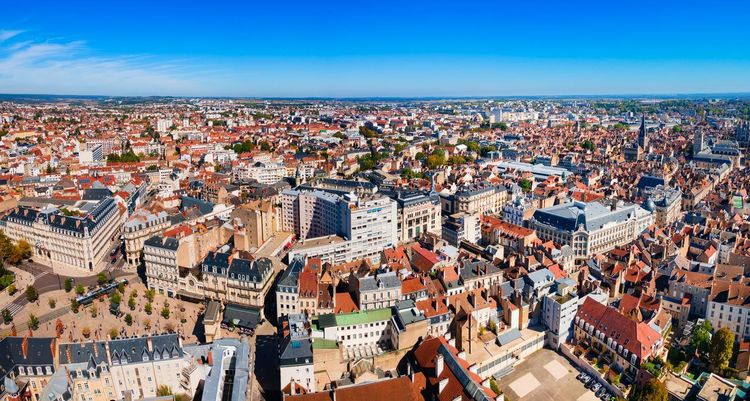
After two or three visits, a green break is in order, and Dijon offers two near the train station.
The Darcy Garden, the most central, lines up ponds, a waterfall and benches in the shade of tall trees. You will especially spot the Polar Bear, a replica of the work by the Burgundian sculptor François Pompon, which has become one of the city's emblems.
About ten minutes' walk away, the Arquebuse Garden (1 Avenue Albert 1er, 21000 Dijon, rated 4.5/5 on Google from 3,754 reviews) changes register completely: this botanical garden of more than five hectares, created in 1833 and free, gathers nearly 4,000 plant species and houses the natural history museum. Sit on a bench near the river and enjoy the calm before plunging back into the center.
Both gardens are freely accessible, with extended hours in summer: an ideal stop to end the afternoon before a terrace dinner.
A Day on the Route des Grands Crus, Through the Vineyards Around Dijon
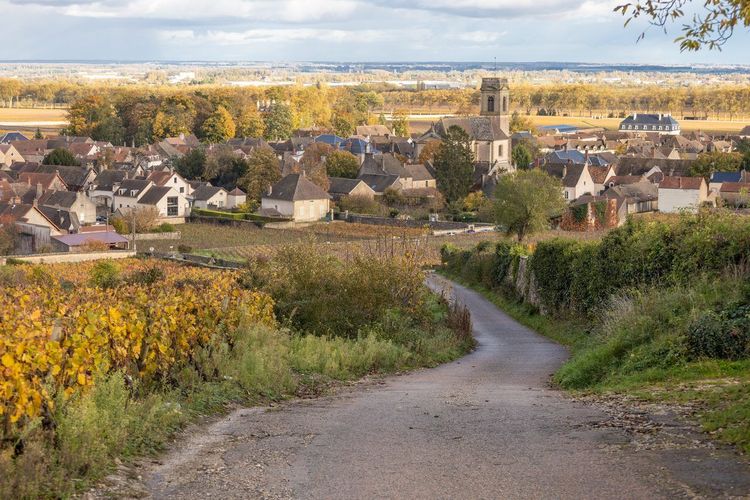
To leave the city without really leaving it, the Route des Grands Crus de Bourgogne begins at the gates of Dijon, heading south. It winds for about sixty kilometers through the Côte de Nuits and then the Côte de Beaune, between tightly planted vines and villages of golden stone whose names are known to enthusiasts around the world.
First stop, about twenty minutes away, Marsannay-la-Côte and Fixin open the route with still-affordable wines, before entering the most prestigious area. Gevrey-Chambertin (Place de la Mairie, 21220 Gevrey-Chambertin) counts nine grands crus within its territory, a record in Burgundy; the village deserves a stop for its castle and vaulted cellars.
Further south, Morey-Saint-Denis and Chambolle-Musigny follow one another over a few kilometers. In these discreet villages, family estates often receive by appointment rather than in a shop: this is where the finest encounters happen, glass in hand in a cellar that smells of cold stone and oak.
The most spectacular stop remains Vougeot, for its Château du Clos de Vougeot, seat of the Confrérie des Chevaliers du Tastevin and former winegrowing estate of the Cistercian monks of Cîteaux. The medieval vat house holds four monumental presses; the visit takes less than an hour and is worth the detour, whether you are history buffs or simply curious.
A little further on, Vosne-Romanée is home to some of the rarest wines in the world, including Romanée-Conti, barely 1.8 hectares of vines that cannot be visited but in front of which people love to pose for a photo. Nuits-Saint-Georges (Place de la République, 21700 Nuits-Saint-Georges), finally, gave its name to the Côte de Nuits and offers a pleasant stop for lunch before heading back.
If your stay falls in September, you will likely see the grape pickers in the rows, a sight that changes the whole atmosphere of the route. Plan a full day, alternating one or two tasting stops with scenic breaks. Appoint a sober driver or book an excursion with a chauffeur if you plan to taste at more than two estates. The article The Most Beautiful Villages to Visit Around Dijon details an itinerary village by village.
The Most Instagrammable Spots for a Memory Together
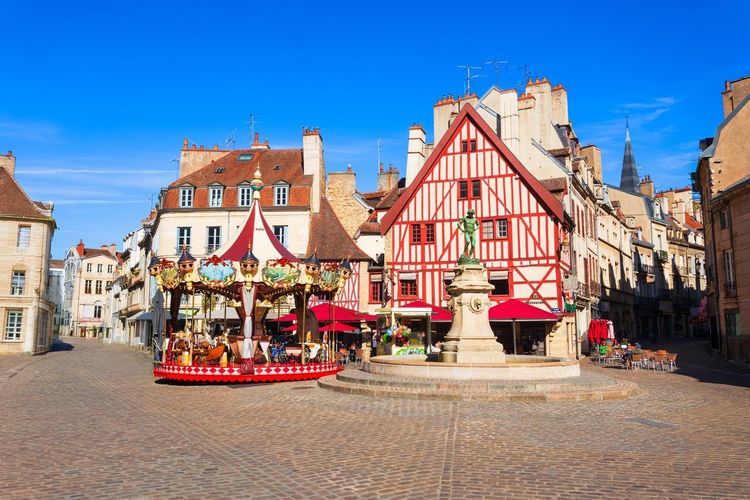
Four places appear in every photo album, and none requires a detour since they are all along the route through Old Dijon.
The rue de la Chouette lines up some of the city's most beautiful half-timbered façades, very photogenic in late morning. Place François-Rude works better in the evening, when the terraces light up around the Bareuzai. The forecourt of the Notre-Dame church (Place Notre-Dame, 21000 Dijon, rated 4.6/5 on Google from 1,343 reviews), meanwhile, always surprises: its façade bears 51 false gargoyles, men, animals and monsters sculpted between 1880 and 1882, which have never drained a single drop of rain.
Unusual and Original Activities to Spice Up the Getaway
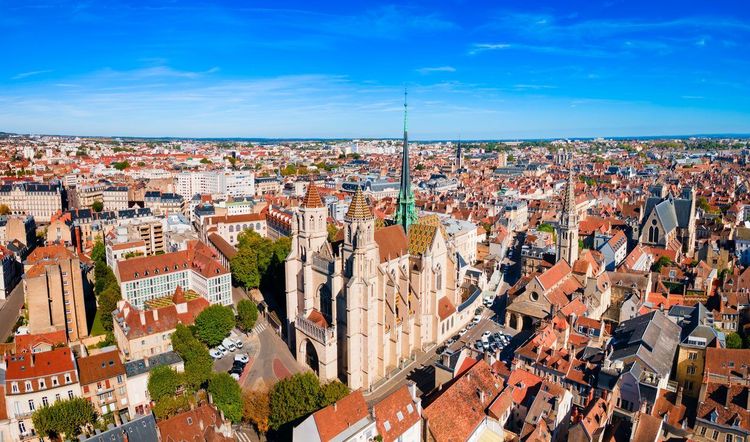
Heritage doesn't always suffice to fill an entire weekend: Dijon offers a few more unexpected activities to vary the pace of the second day.
Several escape rooms in the city center offer scenarios playable by two, often with a medieval or detective theme. One hour to test your complicity under pressure, and most rooms accept last-minute bookings on weekdays.
For a more soothing option, several hotels in the center open their spa to non-guests by reservation: pool, hammam and treatments for two, perfect for a recovery morning after a tasting evening.
The Lac Kir (Avenue du Lac, 21000 Dijon, rated 4.4/5 on Google from 76 reviews), named after the same canon-mayor as the aperitif, stretches west of the city: a walk along the banks, pedal boats and paddleboards in season.
Some providers also offer horse-drawn carriage rides through Old Dijon, a more touristy option but still popular for a birthday or a marriage proposal. The article Unusual Romantic Weekend in Burgundy lists other ideas, especially outside Dijon.
Where to Stay in Dijon as a Couple: Charming Hotels and Spas
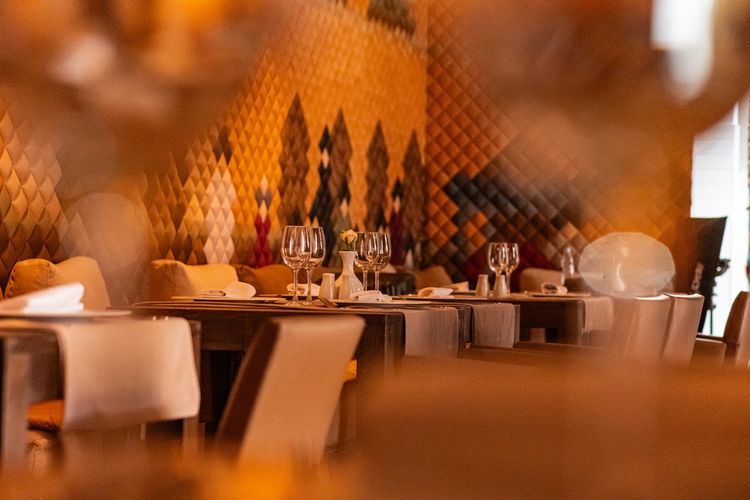
The choice of accommodation greatly changes the atmosphere of a stay, and Dijon offers a wide range between grand historic houses and intimate addresses.
The Grand Hôtel La Cloche (14 Place Darcy, 21000 Dijon, rated 4.5/5 on Google from 2,244 reviews), five stars on place Darcy, has been the local benchmark since the late 19th century: Belle Époque façade, spa with indoor pool and hushed bar. It is the address to choose for a special occasion.
For a setting steeped in more history, the Hostellerie du Chapeau Rouge, already mentioned for its two-star table, offers rooms steps from the Palace of the Dukes, with a gourmet stay package that lets you dine and sleep under the same roof.
Several guesthouses and small hotels set in former mansions of Old Dijon bet on just a few rooms, careful decoration and a homemade breakfast. Book them in advance, especially during the Christmas market or long weekends.
If the spa is at the heart of your stay, a few more recent addresses on the immediate outskirts offer contemporary rooms and a wellness area with treatments for two. Overall, though, it is better to stay within the Old Dijon area: everything is then done on foot, with no taxi needed to get back after dinner.
When to Go to Dijon: Seasons and Events
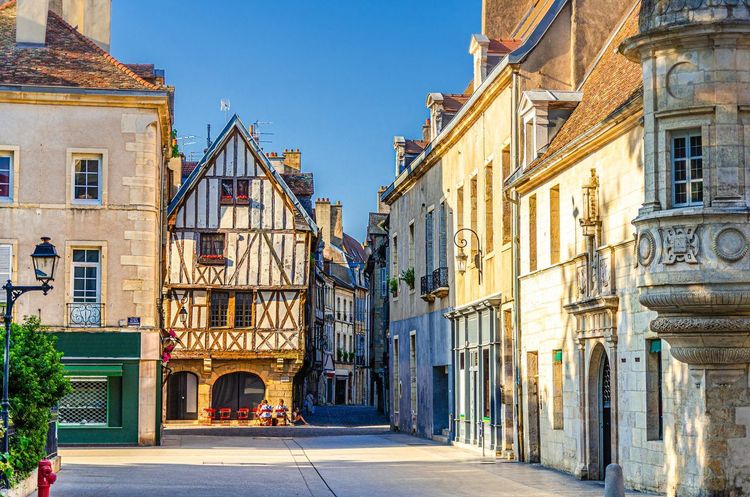
Dijon can be visited year-round, but certain periods add an extra layer of atmosphere.
The Christmas market, set up from late November to late December around place François-Rude and place de la Libération, turns the center into a postcard setting: wooden chalets, mulled wine and lights on the façades. It is the most sought-after period for a romantic weekend, so book your accommodation several weeks in advance.
In early July, the Fêtes de la Vigne enliven the center: this international folklore festival, created in 1946 on the initiative of Canon Kir, celebrated its 80th anniversary from July 4 to 12, 2026 with shows, concerts, dance workshops and a big parade along rue de la Liberté. In September, it is the grape harvest that sets the tone, on the neighboring Route des Grands Crus.
For a calmer visit, May and June offer mild weather, without the summer crowds or the damp cold of winter, with gardens in full bloom. Summer remains pleasant but busier, especially on the Owl's Trail in the middle of the day.
In short: December for the magic of Christmas, July for folklore, September for the grape harvest, May-June for tranquility. Only January and February, grayer and less lively, are best left to die-hard fans.
Budget and Practical Tips for a Successful Weekend in Dijon
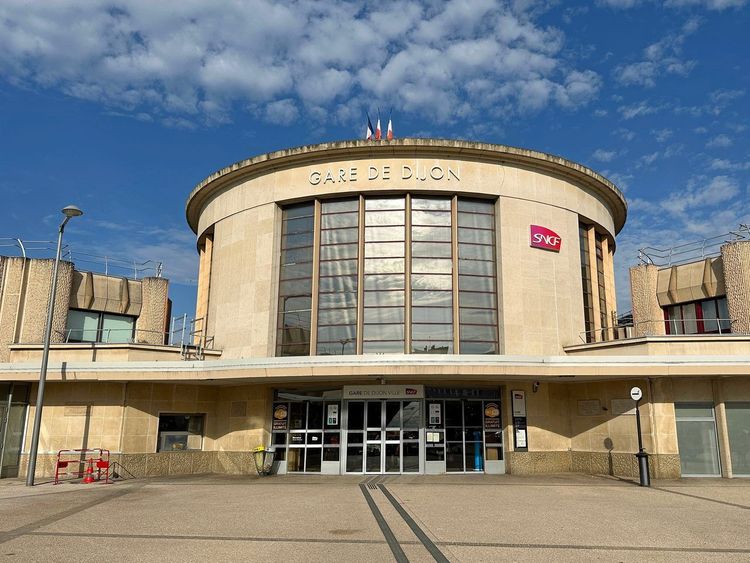
Dijon is easy to reach from Paris by high-speed train, about 1h40 direct from the Gare de Lyon, and from Lyon in 1h30 to 2h by train. By car, the city is served by the A31 and very close to the A6, handy for continuing on to the Route des Grands Crus.
For the budget, expect around 150 to 200 euros per night for a charming hotel in the city center, more for five-star hotels; a gourmet dinner for two generally runs between 100 and 180 euros excluding drinks, and much more at a two-star table, while a meal in a wine bar is still possible for 40 to 60 euros. As for sightseeing, most of the must-sees are free: the Owl's Trail, the gardens, access to the City; the tower climb costs 6 euros.
In terms of duration, two days cover Old Dijon, the Owl, the Tour Philippe le Bon and the City of Gastronomy; three days leave room for the vineyard excursion without rushing, the most comfortable formula for a real weekend for two.



FAQ
How many days should you plan to visit Dijon as a couple?
Two days cover the essentials of the historic center, but three days let you add a full day on the Route des Grands Crus, through the vineyards of the Côte de Nuits, without rushing.
Is Dijon a romantic city for a weekend getaway as a couple?
Yes: its compact historic center, half-timbered mansions and gastronomic scene make it a popular destination for a human-scale weekend, easily accessible by train.
Where to stay in Dijon for a stay for two?
Choose accommodation within the Old Dijon area, ranging from grand historic houses such as the Grand Hôtel La Cloche to intimate addresses set in former mansions.
What to do in Dijon in the evening as a couple?
A gourmet dinner or a Burgundy wine tasting in a wine bar in the Notre-Dame district, followed by a night stroll to the illuminated place François-Rude, make for a simple and successful evening.
What budget should you plan for a romantic weekend in Dijon?
Expect around 150 to 200 euros per hotel night and 100 to 180 euros for a gourmet dinner for two; sightseeing in the city center remains largely free, except for the climb up the Tour Philippe le Bon (6 euros).
What is the best season to visit Dijon?
December for the Christmas market, July for the Fêtes de la Vigne, September for the grape harvest, or May-June for a calmer visit and flowering gardens: each season has its own atmosphere.
Conclusion
Visiting Dijon as a couple requires neither a big budget nor split-second organization: the city lends itself naturally to strolling, between half-timbered façades, a lucky-charm owl and a glass of wine shared on a terrace. Whether you stay two days in the historic center or extend the getaway to the villages of the grands crus, the key is not to try to see everything.
For a first day with nothing to prepare, launch the Ryo audio-guided tour of Dijon: 24 audio stops over 3.5 kilometers, to listen to hand in hand, at your own pace.
À lire également