





Walk
The Bear Pit
Bern, Switzerland
Walk
The Bear Pit
Bern, Switzerland
4.5 km
Distance
1h50
Durée
24
Audios
Loop
Parcours
Shutterstock
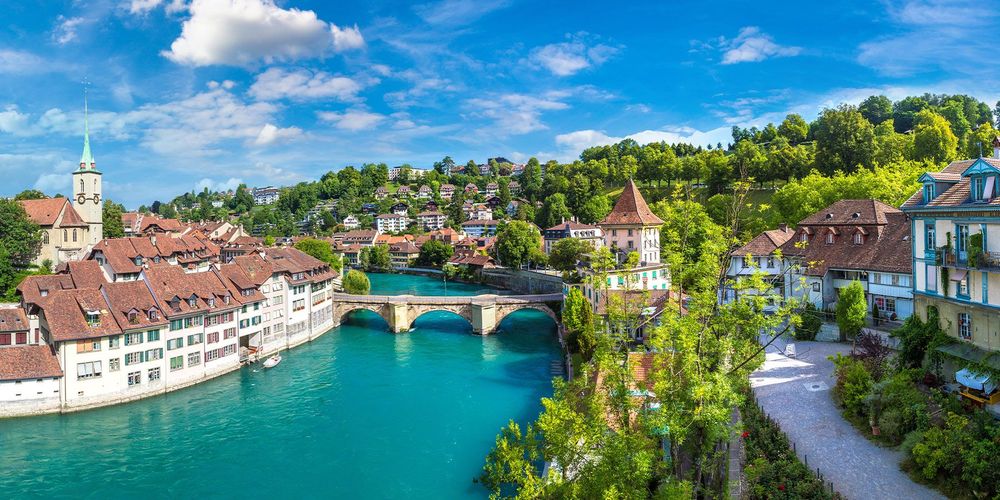
A stop on the Berne audio-guided tour, the bear pit recalls that Berne is a city of bears, an animal closely linked to its history. Legend has it that in 1191, Duke Berthold V of Zahringen decided to create a city to shelter the surrounding peasants.
The duke chose this place where the Aare forms a loop and organised a hunt, declaring that the first animal killed would give the city its name. It was a bear, ein Bar in German, that sealed the city's destiny, first called Barn, then Berne. The bear became its emblem in 1224, on its coat of arms.
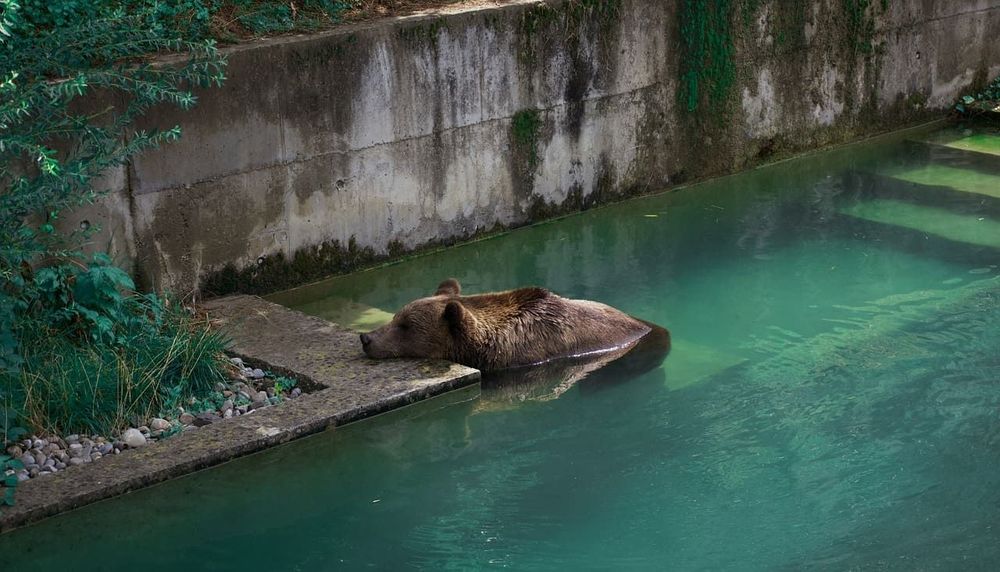
The city has kept bears since 1513. Once enclosed in a pit, they now live in a park laid out along the Aare, more respectful of the animal. Observe these bears, living symbols of Bernese identity, in their natural setting by the river.
The bear park is along the Aare, near the Nydegg bridge, in Berne. Freely accessible, it can be discovered according to its hours, to be checked depending on the season.
According to legend, a bear was the first animal killed at the founding of the city, in 1191.
Since 1513; they now live in a park laid out along the Aare.
Aucun avis pour le moment
