© Shutterstock
 Votre guide Ryo
Visiting Zurich Solo: The Complete Guide to Exploring the City on Your Own in 2026
Zurich has a rare quality among major European cities: you can do absolutely everything here without ever feeling watched or lost. The historic center can be crossed on foot in twenty minutes, trams serve every corner every six minutes, and nobody raises an eyebrow at someone dining alone at the counter of a brasserie. That is precisely what makes it an ideal destination to visit Zurich solo: the city rewards individual curiosity, from the funicular that climbs toward the Alps in half an hour to the public baths where you can swim between two appointments.
In the pages that follow, you will discover a chocolate museum with the largest fountain of its kind in the world, a hill where the Romans were already standing guard, a century-old lake bath in the heart of the city, and an alpine summit reachable by train from the central station in under half an hour. Enough to put together a solo stay without a moment of boredom, never needing to wait for anyone. The Ryo audio-guided tour of Zurich fits this free rhythm perfectly, with commentary to listen to as you walk, without the time constraints of a guided tour.
Why Zurich Is an Ideal Destination for Solo Travel
With barely 440,000 inhabitants within the city limits, Zurich is more a large town than a megalopolis. You can see it all in one well-filled day, and each neighborhood flows into the next without any need to plan complicated journeys.
The city is also known for its low crime rate and its tram network that runs late into the evening: you can walk around alone at night without the apprehension you might feel elsewhere. Things to do alone in Zurich are plentiful: museums, urban hikes, public baths, tastings, each of which can be enjoyed without a group booking or a mandatory companion.
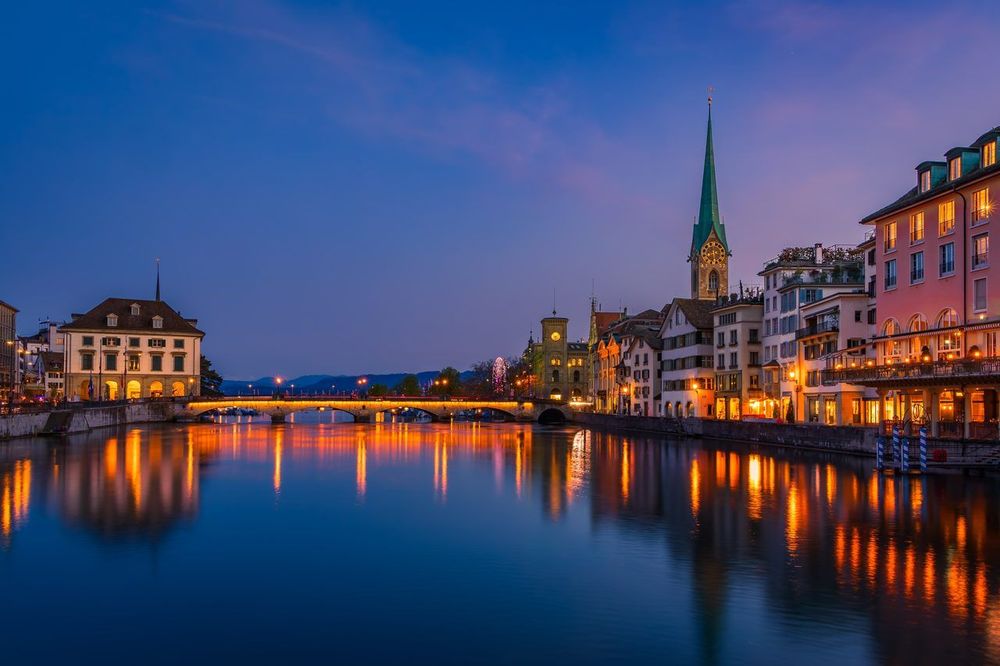
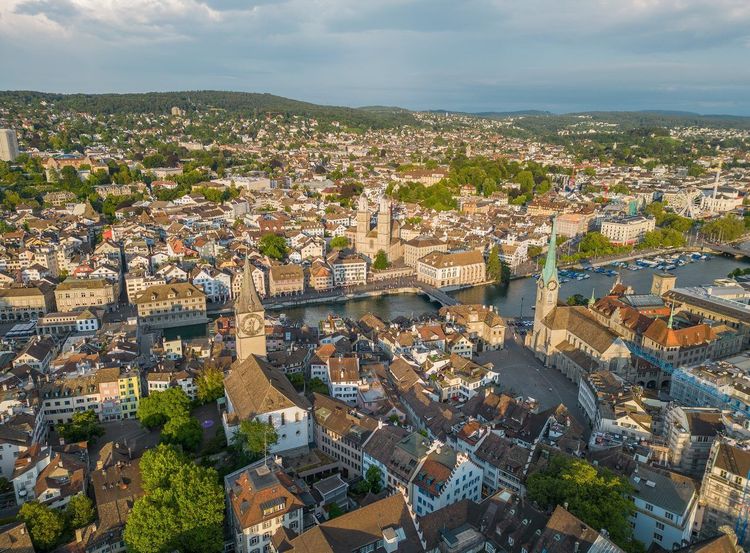
Is Zurich a beautiful city? The pastel façades of the old town, the well-kept lake quays and the wooded hills framing it all answer the question fairly quickly. Zurich does not have the monumental grandeur of Paris or Rome, but it has something rarer: an almost total aesthetic coherence, where every street seems designed for strolling rather than for tourist performance.
The Old Town (Altstadt): Strolling Through Zurich's Historic Heart
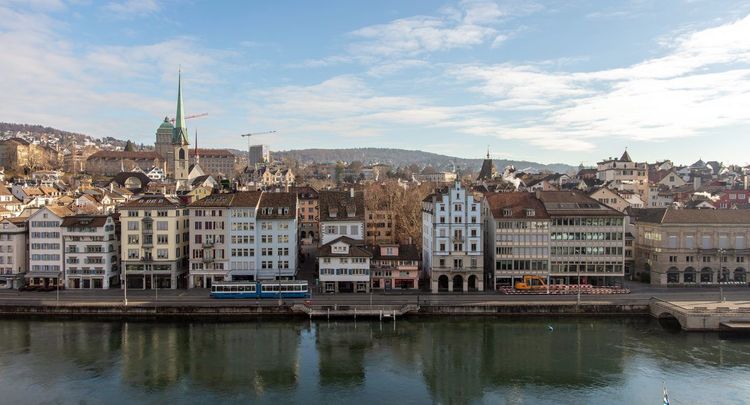
The Altstadt spreads across both banks of the Limmat and can be explored entirely on foot in half a day, whatever pace you choose.
The Lindenhof and the Hill Overlooking the Old Town
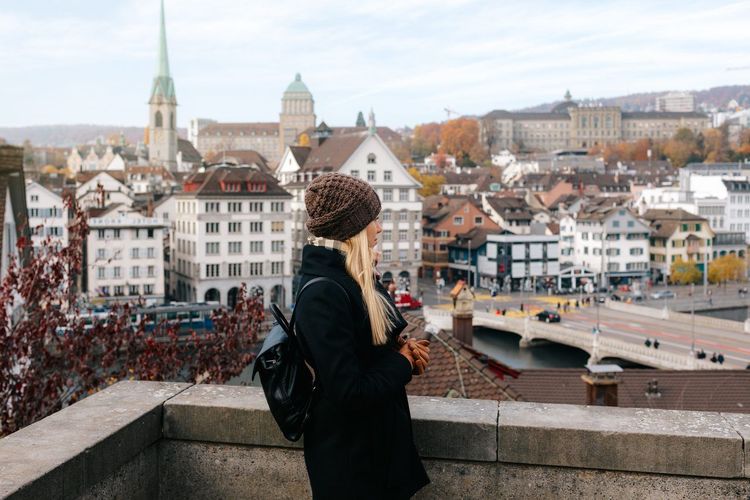
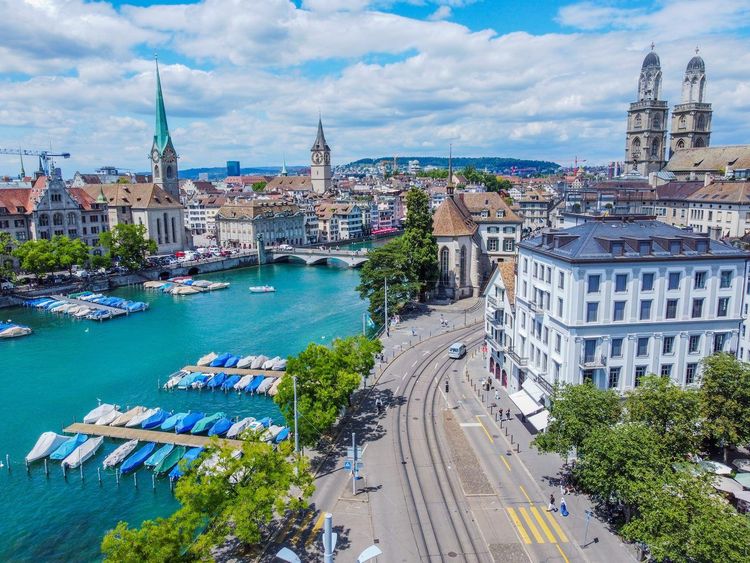
The Lindenhof hill overlooks the left bank of the Limmat, on the exact spot where the Romans had set up a garrison before the Carolingians built an imperial palace there, now long gone. It is a terrace shaded by plane trees, with a giant chessboard set into the ground and a stunning view over the orange rooftops of the old town and the spires of the two great bell towers.
Enjoying the calm of the Lindenhof is almost a ritual among regulars: the public benches are rarely empty, but never to the point of feeling crowded. This is where you can settle in for a reading break or a takeaway coffee, solo, without having to justify why you are sitting there for an hour doing nothing. For photos, favor the late afternoon: the low light catches the façades and avoids the backlighting that spoils most pictures taken in the morning.
Bahnhofstrasse, Between Shopping and Architecture
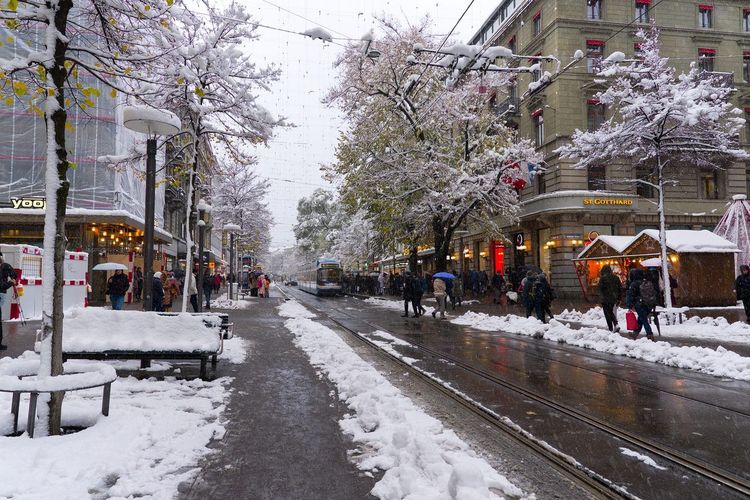
Heading back north, you come straight to the Bahnhofstrasse, the shopping avenue that links the central station to the lake over 1.4 kilometers.
Strolling along this shopping and design avenue costs nothing, even with no intention of buying anything: the windows of the great watchmaking houses sit alongside 19th-century buildings with refined architecture, and silent trams glide between the plane trees planted in the middle of the roadway. Shopping in Zurich takes on a particular meaning here, between unattainable boutiques and more affordable little chocolate shops. For the solo traveler, it is above all an excellent common thread: just follow the avenue to connect almost all the points of interest in the center without ever pulling out a map. At the end of the route, on the right bank, the Niederdorf district takes over with its pedestrian lanes and terraces lively late into the evening.
Grossmünster and Fraumünster, the Two Iconic Bell Towers
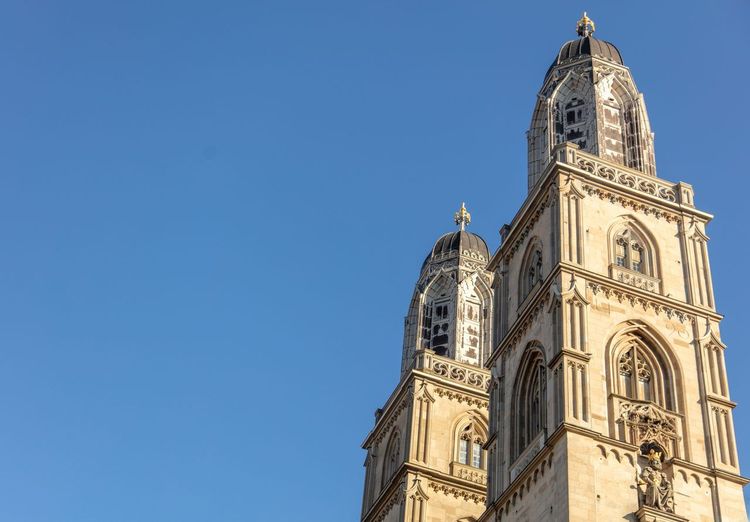
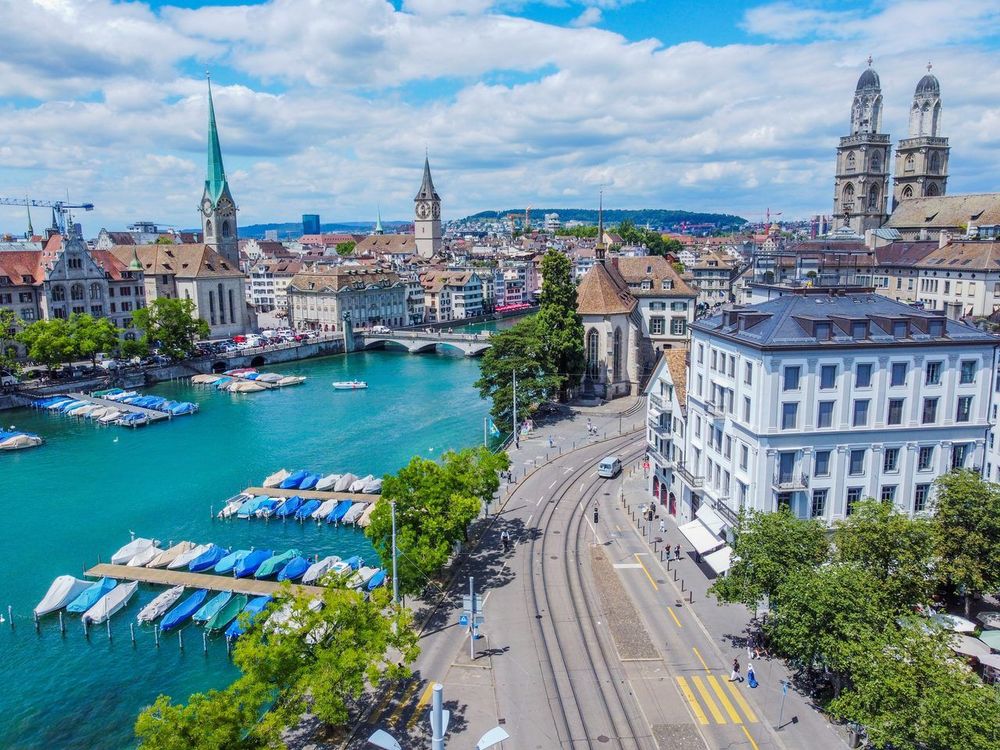
On the right bank stand the twin towers of the Grossmünster, the church where Huldrych Zwingli launched the Protestant Reformation in Switzerland in the 16th century.
Entry to the Grossmünster is free, but climbing the 187 steps of the Karl tower costs a few francs, more than made up for by the view at the top: the whole Altstadt at your feet, the lake in the background and, on a clear day, the first alpine foothills. Just opposite, on the other side of the Limmat, the Fraumünster (Münsterhof 2, 8001 Zürich, rated 4.5/5 on Google from 4,529 reviews) houses five stained-glass windows signed by Marc Chagall, created in the early 1970s for the church's choir. Admission costs 5 francs, with a downloadable audio guide included (remember your headphones).
Admiring the Chagall windows takes barely ten minutes, but it is one of the densest cultural stops in the historic center. Strolling afterwards through the historic center, along the cobbled lanes and arcades of the Münstergasse, remains the most natural activity in Zurich when traveling solo: no itinerary to follow, just the urge to turn down whichever lane looks interesting. If you prefer to be guided without following a group, the Ryo audio-guided tour in Zurich crosses the Lindenhof, the Bahnhofstrasse and the two bell towers, with an audio anecdote slipped in at each stop, a format that suits anyone walking at their own pace.
Lake Zurich and Its Baths (Badi): The Solo Traveler's Nature Break
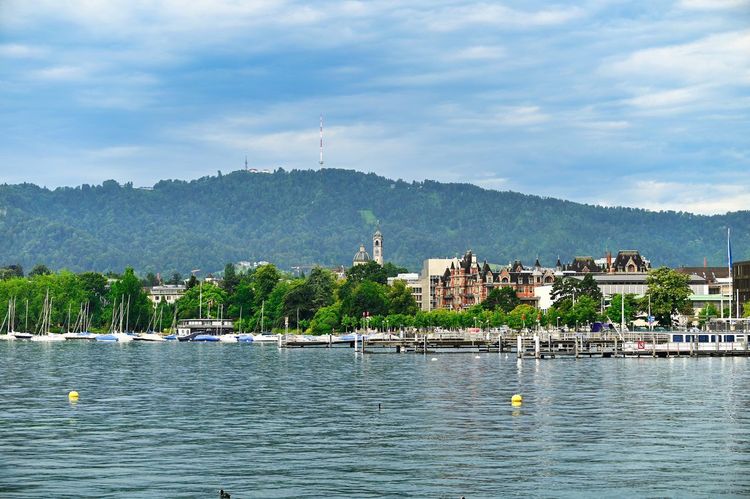
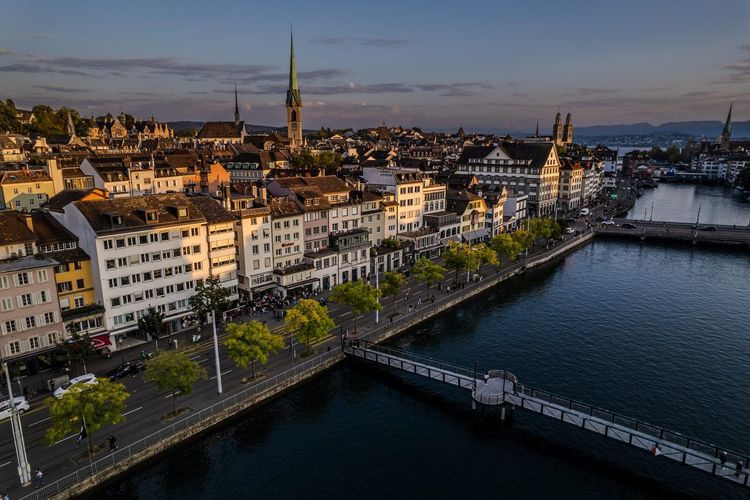
A few minutes' walk from the Bahnhofstrasse, the lake closes off the city on its southern flank and immediately changes the rhythm of the visit: no more cobblestones, no more shop windows, just the water and quays lined with century-old plane trees.
Strolling and Cruising on the Lake
Walking along the lake is probably the most relaxing activity to fit into a busy solo itinerary: the quays on the left bank (Bürkliplatz) and the right bank (Utoquai) stretch for several kilometers, lined with public gardens, kiosks and piers where Zurichers picnic at the first rays of sunshine.
A cruise on Lake Zurich naturally extends the stroll: ZSG boats leave from Bürkliplatz, and the short cruise of about 1h30 costs only around 9.40 Swiss francs, at public transport (ZVV) rates, and is therefore included if you have the Zürich Card. The longer cruises, to Rapperswil, call for more of a half-day. Sailing solo is rather pleasant: nobody to make conversation with, just the Alps taking shape in the distance and the villages passing by on the shores, Küsnacht, Thalwil, Kilchberg.
The Seebad Utoquai and Swimming in the Middle of the City
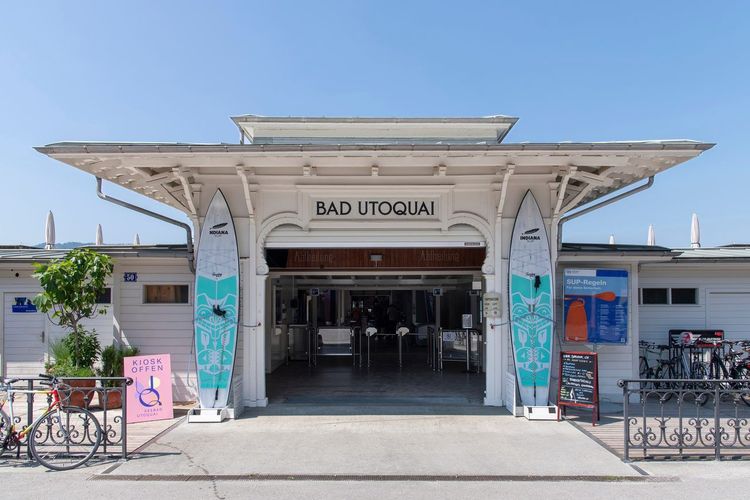
Relaxing at the Seebad Utoquai (Utoquai 50, 8008 Zürich, rated 4.5/5 on Google from 887 reviews) remains the most typically Zurich experience in the area: this wooden public bath, built in 1890 in a Moorish style (its domed towers disappeared in 1942), literally floats on the lake a stone's throw from downtown.
Swimming in Zurich is therefore not limited to municipal pools: here, you swim directly in the lake from wooden piers, surrounded by families, students and retirees who come to do their laps before work. That is precisely what makes it a reassuring place for a solo outing: very busy, never isolated, and nobody notices that you came alone. Cabins and lockers can be rented for a few francs, towel not provided: bring your own if you plan to extend your swim after visiting the historic center. On the history side, the Ryo audio commentary also covers these century-old public baths and how residents still use them: a chance to look at the piers differently.
The Uetliberg: The Panoramic View Accessible Solo
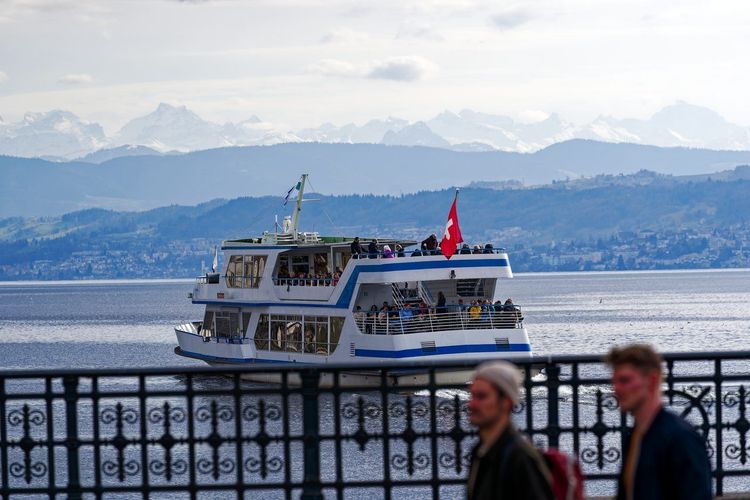
Zurichers simply call it "their mountain," and it lies less than 25 minutes from the central station.
Going Up by Train or Funicular to the Summit
Getting up the Uetliberg (Uetlibergstrasse, 8143 Uetliberg, rated 4.7/5 on Google from 4.3K reviews) requires no particular logistics: the S10 line leaves directly from the main station (Hauptbahnhof) every half hour on weekdays (every 20 minutes on weekends), for a 20-minute ride to the small terminal station, followed by a walk of about seven minutes through the forest to the summit.
Contrary to what you sometimes read, there is neither a tram nor a funicular to the summit: the little S10 train does all the work. It is one of the easiest excursions to improvise when you are traveling solo: a round trip takes half a day, with the ticket covered by the Zürich Card, no reservation and no fixed schedule to keep to.
Hiking Trails and the Viewpoint
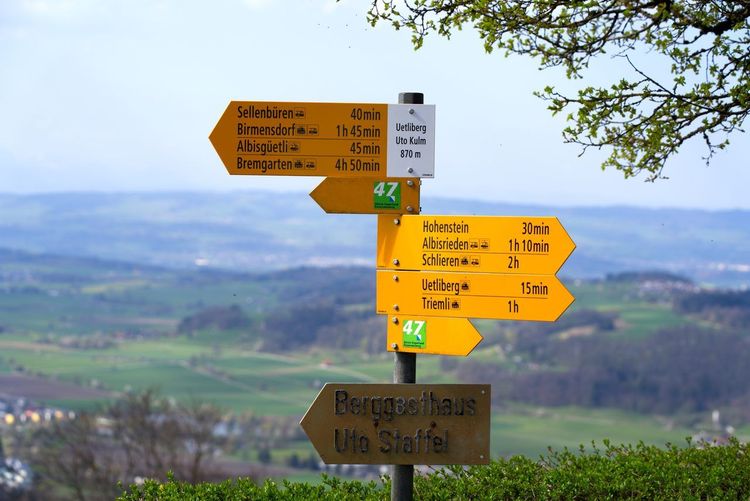
At the summit, the 70-meter-high metal observation tower of the Uto Kulm, accessible for 2 francs (token at the hotel reception), rises above the forest and offers, in clear weather, a panorama stretching from Lake Zurich to the alpine peaks, Säntis included. The hiking trails that descend toward Felsenegg follow the Planetenweg, an educational path dotted with signs about the planets of the solar system. Allow about 1h30 of easy walking to Felsenegg, from where a cable car takes you down to Adliswil, then the train brings you back to the city. Bring good shoes: the trail stays muddy for several days after rain.
Back in town, save an hour for the Ryo audio tour of the old town: after seeing Zurich from above, it is the best way to understand what you glimpsed from the tower.
The Kunsthaus Zürich and the Swiss National Museum: The Culture Break
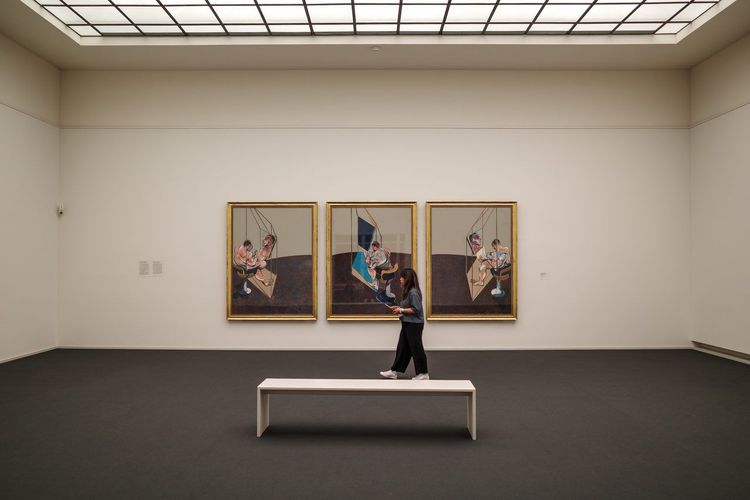
Between two outdoor walks, Zurich also offers plenty to fill a rainy afternoon, and the city's two major museums are anything but boring.
The Kunsthaus Zürich and Its Art Collections
Exploring the Kunsthaus Zürich means walking through the largest art museum in Switzerland, expanded in 2021 by an extension designed by David Chipperfield that doubled its exhibition space.
Visiting the Kunsthaus lets you come across Monet, Munch, Chagall and the world's most important collection of sculptures by Alberto Giacometti, the child of the Grisons who became a star of modern art. Cultural visits in Zurich gain depth here: allow two to three hours to go through the rooms without rushing, or one hour if you prefer to pick out the best-known works. The ticket for the collection costs 24 Swiss francs at full price, but the collection is free on Wednesdays: a good tip to fit into your schedule if the budget is tight. Just next door, the WOW Museum Zurich offers a much lighter experience, made of trompe-l'œil sets designed for photos, a playful alternative after the density of the neighboring museum.
The Swiss National Museum and Its Unusual Architecture
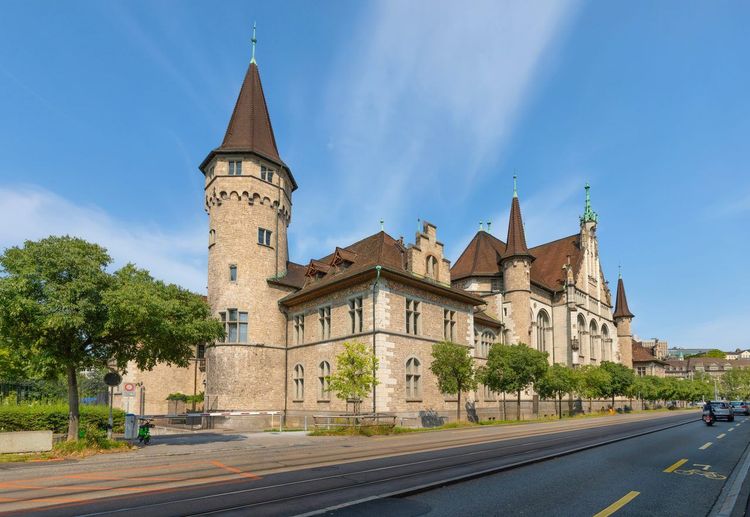
The Swiss National Museum (Landesmuseum), housed near the station in a neo-Gothic building that looks like a fairy-tale castle, traces the country's history over more than 1,000 years, from the Bronze Age to today's institutions.
Its unusual architecture, a mix of historicist turrets and a contemporary concrete extension inaugurated in 2016, is visited almost as much for the building as for the collections. One last detour deserves a mention: the Giacometti frescoes (Blüemlihalle), painted between 1923 and 1925 by Augusto Giacometti in the hall of the Amtshaus I, the police headquarters on the banks of the Limmat. The visit is free, Wednesday to Friday from 2 pm to 5 pm, upon presentation of an ID, and remains largely ignored by tourists. For more cultural ideas, our article what to do in Zurich reviews the museums and neighborhoods ## The Lindt Home of Chocolate (Schokoladenplatz 1, 8802 Kilchberg, rated 4.6/5 on Google from 26,973 reviews) and the gourmet specialties to try alone
It is impossible to visit Switzerland, even solo, without a detour for chocolate.
Visiting the Lindt Museum (Lindt Home of Chocolate)
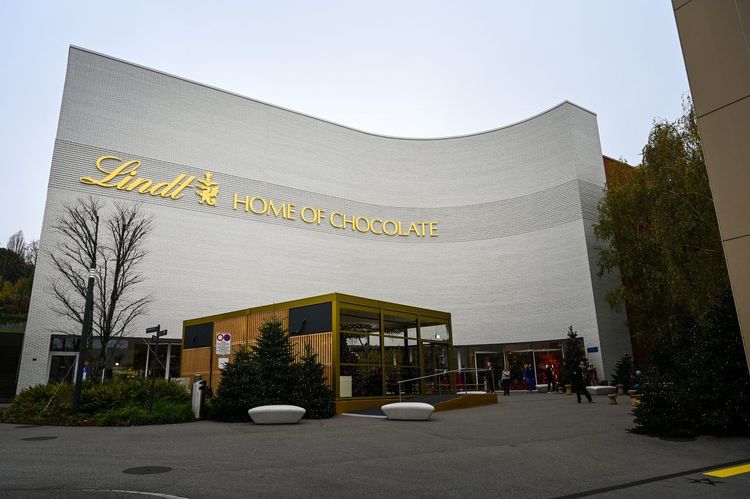
Visiting the Lindt museum, in Kilchberg on the lakeshore, about fifteen minutes by train (S8 or S24) from the central station, or by bus 165 from Bürkliplatz, means stepping into a kind of cathedral dedicated to cocoa.
The building features the largest chocolate fountain in the world, nine meters high, and a route that traces the history of Swiss confectionery from the 19th century to the automated production lines visible behind glass. The 17-franc admission includes an audio guide and an unlimited tasting at the end of the tour, enough to replace a light meal. Book your slot online: tickets go quickly on weekends. Going solo, ### Enjoying a Fondue and Local Specialties
Tasting local specialties in Zurich is not limited to chocolate. The city's most representative dish remains Zürcher Geschnetzeltes, thin slices of veal in a creamy mushroom sauce, served with crispy rösti. Eating fondue is possible year-round in the cheese cellars of the center, even if it is more a widespread alpine tradition than a strictly Zurich specialty.
What is the typical dish of Zurich? It is indeed the Geschnetzeltes, found on the menu of most Gasthaus restaurants downtown, for 25 to 35 Swiss francs. To go further on the culinary side, our top 10 culinary specialties of Zurich details the dishes to order, from Sprüngli's Luxemburgerli to the Christmas Tirggel.
Unusual Activities to Try Alone in Zurich
Beyond the classics, Zurich hides a handful of unexpected experiences, most of them bookable individually, with no formed group or minimum number of participants.
Sailing in a Floating Hot Tub on the Limmat
The real Zurich "floating hot bath" is actually found on the lake: the Bootsvermietung Enge (Mythenquai 25) rents a wood-fired sauna boat, no license required, for 4 hours and 2 to 6 people, from 300 francs on Tuesdays and Wednesdays (450 francs on other days). The perfect idea if you have befriended other travelers at the hostel. Alone, the Limmat offers a simpler alternative in summer: rent an inner tube or a paddleboard near the Wipkingerpark and drift along the 7 kilometers leading to Dietikon, as hundreds of Zurichers do every July weekend.
Experiencing a Medieval Evening or a Local Concert
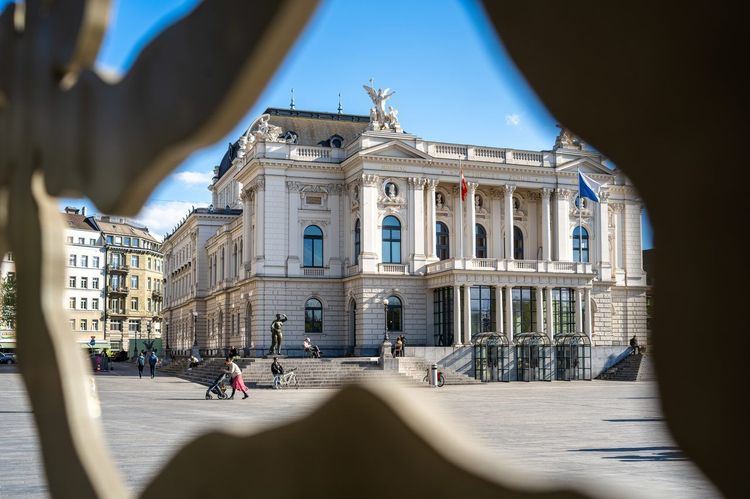
Diving into the past for a medieval evening particularly appeals to solo travelers looking for a social evening without the usual bar conventions: some themed restaurants in the center host costumed dinners, with troubadours and dishes served in the medieval manner, where you readily share your table with other diners who came alone. Attending a concert or a show is a more classic but equally easy alternative to improvise: the Opernhaus and the Tonhalle regularly list single seats, often at a reduced price an hour before the performance for spectators who show up alone at the box office.
Urban Surf and Urban Water Sports
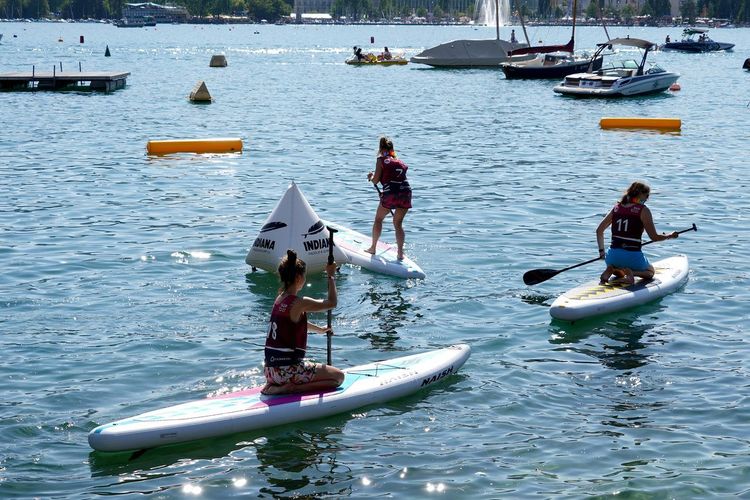
Urbansurf Zurich completes this trio of unusual experiences: located in western Zurich, a stone's throw from Hardbrücke station (Geroldstrasse), this outdoor pool generates a static wave on which you can try surfing in 30-minute slots, bookable individually, with a bar and surf shop on site. Sports activities right next to the city are not lacking either: paddleboarding, kayaking and e-bike rental require no reservation, directly on the lake quays.
The neighboring district, with the Frau Gerolds Garten and the arches of the Viadukt, easily extends the evening.
Day Trips from Zurich by Train

The Swiss rail network, one of the densest in Europe, puts several excursions within a day's reach of Zurich, with never any need to rent a car, a real comfort for those traveling solo.
Lucerne and Its Lakefront
Reaching Lucerne and its lakefront will take you about 45 minutes by direct train from Zurich's central station, with no change. The city is organized around the Chapel Bridge, a covered wooden footbridge from the 14th century that spans the Reuss just before it joins Lake Lucerne.
One afternoon is enough to tour the old town, walk along the quays and climb up to the old fortifications overlooking the rooftops, before taking the train back at the end of the day.
Stein am Rhein, the Picturesque Medieval Town
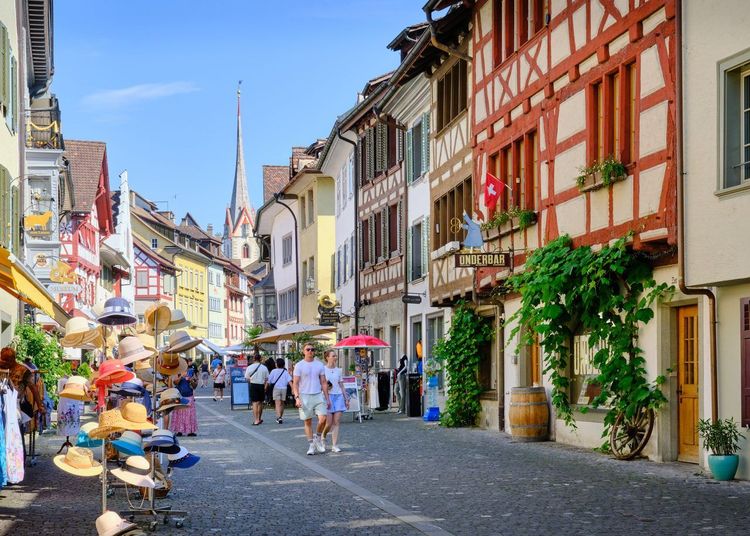
Strolling through the streets of Stein am Rhein requires a little more patience in terms of transport, about 1h15 with one change, but the reward is immediate: 16th-century frescoed façades line the central square, a setting that has earned the town the nickname of the most photographed town in eastern Switzerland.
It is an excursion particularly suited to the solo rhythm: small, dense, and entirely walkable in two or three hours.
Winterthur and Its Artistic Charm
Exploring the artistic charm of Winterthur takes only twenty minutes by train, one of the quickest excursions on the list. The city is home to several major museums, including the Fotomuseum, dedicated to international photography and housed in a converted former textile factory.
The historic center, more modest than Zurich's, can be visited in an hour or two, perfect for a half-day round trip.
Aarau and the Vineyards of the Wine Region
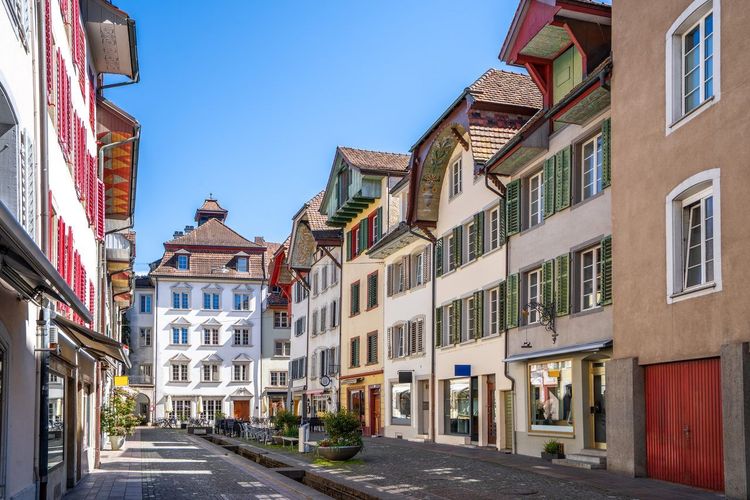
Wandering through the streets of Aarau, half an hour by train, lets you discover the "town of beautiful gables," a nickname Aarau owes to the painted eaves of its old houses, typical of the canton of Aargau.
Exploring the vineyards of the Zurich wine region is an ideal complement to this excursion: the hillsides surrounding the Limmat valley and Lake Zurich produce a local white wine, the Räuschling, which you can taste directly at certain winemakers reachable within a few minutes' walk from the surrounding train stations. To extend your stay beyond a day, the Ryo guide to visiting Zurich in 3 days details a complete itinerary including some of these excursions.
Practical Info: Budget, Transport and Weather for Traveling Alone in Zurich
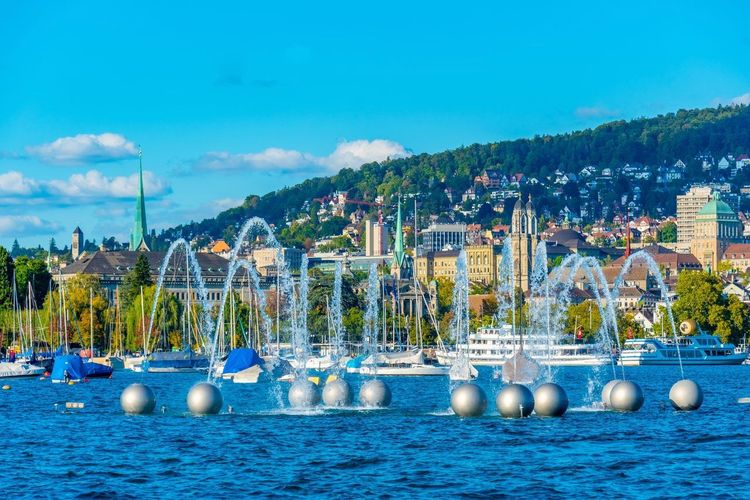
Before packing your bags, a few figures help avoid unpleasant surprises, as Zurich regularly ranks among the most expensive cities in the world.
Budget and Cost of Living in Zurich
Budget remains the point that worries solo travelers the most when preparing their stay. Expect on average between 25 and 35 Swiss francs for a simple meal (a bowl of pasta or a decent sandwich), and rather 40 to 60 francs for a full meal in a mid-range restaurant. The average price of a hostel bed is around 45 to 65 francs a night, compared with 150 to 220 francs for a standard double room in a mid-range hotel, often occupied alone at the same rate.
A reasonable daily budget for a thrifty solo traveler is between 100 and 150 Swiss francs, transport and a few museum entries included. How to pay in Zurich? Contactless bank cards are accepted almost everywhere, even for very small amounts, and mobile payment (Twint, Apple Pay) has become widespread, which limits the need to withdraw cash. Service is almost always included in the bill: rounding up by a few francs is more than enough, no need to calculate an American-style tip.
Getting Around: Tram, Train and the Zürich Card
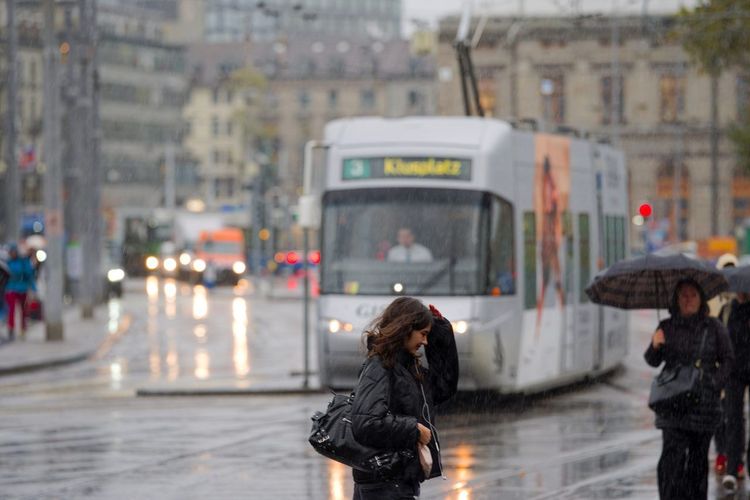
Getting around Zurich usually comes down to a transport card and a few walks. The tram and bus network (ZVV) covers the entire city, with a service every six to eight minutes on the main lines, even in the evening.
The best tip for visiting Zurich solo remains the Zürich Card, valid for 24 hours (29 francs) or 72 hours (56 francs): it includes the trams, buses, trains, boats and cable cars of the city and surrounding area in 2nd class (Uetliberg included), as well as free or discounted entry to most museums, including the Kunsthaus collection and the National Museum. For a solo traveler who packs in visits over two or three days, it pays for itself quickly, especially when combining transport and museums on a single day.
Before leaving for Switzerland, a few precautions to take: arrange a local data connection or a compatible European plan, as free wifi remains patchy outside hotels, and keep an ID on you, as checks are rare but possible on regional trains.
Climate and Best Time to Go
What is the best time to visit Zurich? Spring (April to June) and early autumn (September, October) offer the best compromise: mild temperatures around 15 to 20°C, fewer tourists than in summer, and a light Summer (July-August) regularly climbs above 25°C, which makes the lake baths particularly pleasant, but also busier. Winter remains cold and sometimes snowy, with temperatures close to 0°C, offset by the Christmas markets that enliven the old town from late November, an atmosphere that lends itself well to a warm solo outing, mulled wine in hand.
Where to Stay and Eat Alone in Zurich
Hotels and Hostels Suited to Solo Travelers
Finding accommodation solo in Zurich often raises the question of the neighborhood: it is better to favor the center or the right bank, where everything is walkable and where trams still run late. Where to sleep? Finding a hotel in Zurich most often comes down to choosing between the Altstadt, expensive but central, and the Niederdorf district, livelier and slightly less costly.
What are the best hotels in Zurich for a solo traveler? Small family-run places in the center, often located above a café, offer a good compromise between price and location. Hostels remain the safest value for a tight solo budget, with mixed dorms or private rooms depending on availability, and above all common areas where it is easy to exchange a few words with other travelers in the evening.
Restaurants and Bars to Eat Alone Without Self-Consciousness
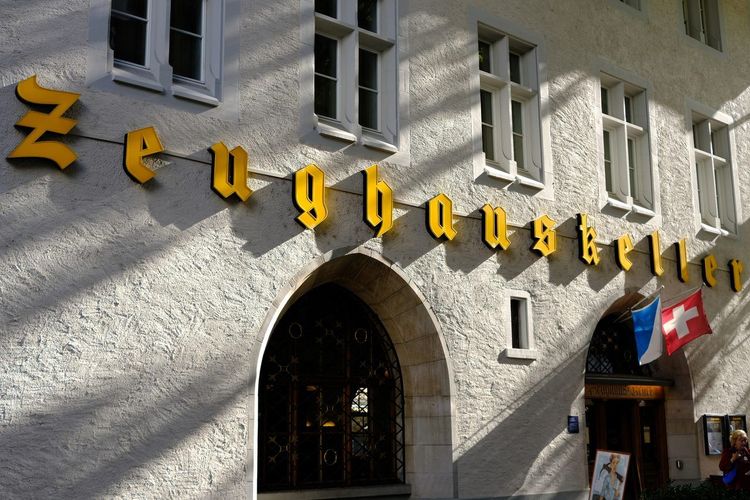
Eating alone in Zurich is nothing intimidating once you know the right places. Where to eat in Zurich without feeling watched while dining alone? The big historic brasseries such as the Zeughauskeller (Bahnhofstrasse 28a, 8001 Zürich, rated 4.5/5 on Google from 14,891 reviews), set in a former 15th-century arsenal, offer long communal tables where it is common to share your meal with strangers.
What are the best restaurants in Zurich for a relaxed solo outing? Covered markets and single-bowl counters (noodle bars, rösti stands) let you eat quickly and well without the pressure of a table for two. Having a drink in Zurich is easy in the counter bars of the Niederdorf, where sitting alone with a book or your phone never surprises anyone.
What is the nicest neighborhood in Zurich to stay and go out in solo? Niederdorf, without much debate: lively, safe, and within walking distance of almost everything else in the city. The Ryo article on the best activities in Zurich usefully complements this practical chapter with more ideas for outings.



FAQ
What can you do in Zurich in just one day?
Focus on the Altstadt (Lindenhof, Grossmünster, Fraumünster), a stroll along the lake to the Seebad Utoquai, then a late-afternoon trip up the Uetliberg for sunset over the Alps. Three highlights, each linked by tram in under ten minutes.
What is the nicest neighborhood in Zurich?
The Niederdorf, on the right bank of the Limmat, is packed with bars, small restaurants and pedestrian lanes that stay lively late into the evening, while remaining within walking distance of the train station and the lake.
Is Zurich a beautiful city?
Yes: colorful Altstadt façades, well-kept lake quays and wooded hills as a backdrop. Zurich charms less through monumental grandeur than through the coherence of its historic center, entirely pedestrian and well preserved.
What is the typical dish of Zurich?
Zürcher Geschnetzeltes, thin slices of veal in a creamy mushroom sauce, served with rösti. You will find it on the menu of most traditional restaurants in the center, for between 25 and 35 Swiss francs.
Is it safe to visit Zurich solo?
Yes, Zurich is among the safest cities in Europe: well-lit streets, late-running trams and low crime. The usual precautions, watching your belongings and being careful around the train station late at night, are more than enough.
What budget should you plan for a solo trip to Zurich?
Plan on 100 to 150 Swiss francs per day for a reasonable solo budget, hostel accommodation included, or more if you opt for a mid-range hotel and several paid museums.
Zurich has the rare quality of revealing itself entirely at your own pace: a hill for the view, a lake for a break, a chocolate museum for indulgence, and trains that take you, in under an hour, to medieval villages or quiet vineyards. Nothing in this city requires you to wait for anyone.
To turn this list into a concrete itinerary, our Ryo audio guide for Zurich remains the simplest way to connect these places without pulling out a map at every intersection: the commentary plays as you walk, in your ear, while your eyes stay on the city. A way to visit Zurich solo exactly as it is meant to be discovered, with no group constraints or schedules.
À lire également