© Shutterstock
 Votre guide Ryo
15 Must-Do Things in Saint-Tropez in 2026
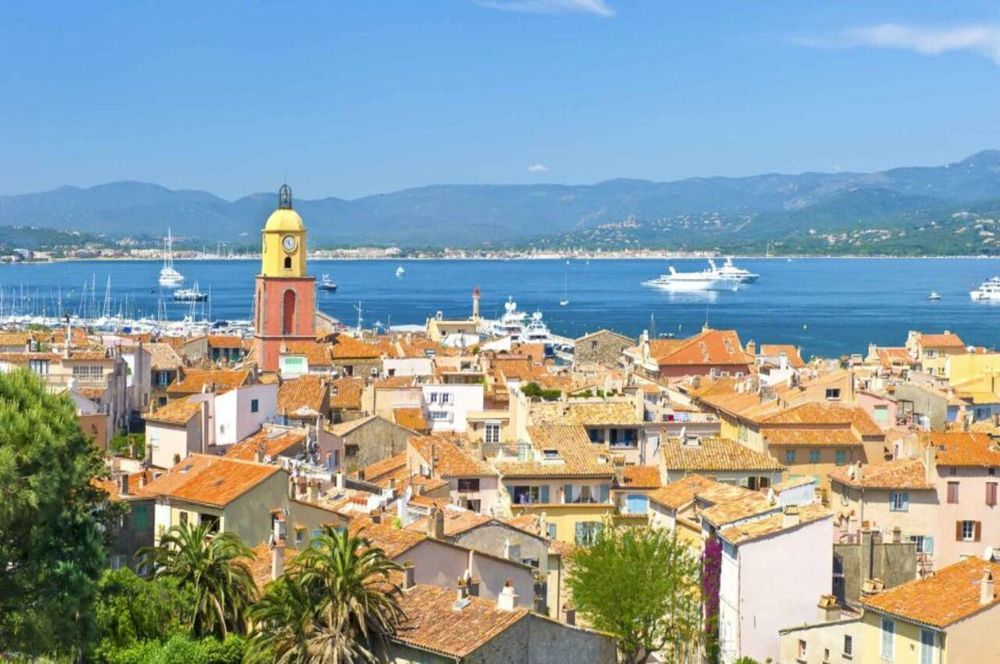
Saint-Tropez isn't just a billionaire's playground: it's a Var village of 4,600 year-round residents, set on a peninsula with no motorway access, reachable only by a winding road or by sea. "What to do in Saint-Tropez?" — typed into a search engine as-is, the question usually points to the beach or the port, but the truly memorable experiences are hidden elsewhere. Before letting yourself be hypnotised by the terraces of the Sénéquier, explore the village with the Ryo audio guide of Saint-Tropez: 21 audio stops along 3 km on foot, a way to go beyond the clichés and grasp what makes this place genuinely unique.
Behind the myth, Saint-Tropez holds some concrete surprises. Pampelonne beach conceals a regulatory distinction unique in France: no building will ever be constructed there, thanks to a local urban plan voted in 1973, thirteen years before the national Littoral Act. The May Bravade has brought Saint-Tropez families together in 17th-century costumes since 1558, complete with muskets and brass bands, without any tourist staging. The Musée de l'Annonciade holds the works of the painters who invented modern art on these very quays: Matisse arrived here in 1904 at Paul Signac's invitation, a summer that heralded Fauvism. And a patisserie on Rue Gambetta hides a secret recipe born thanks to Brigitte Bardot.
1. Strolling Around the Old Port
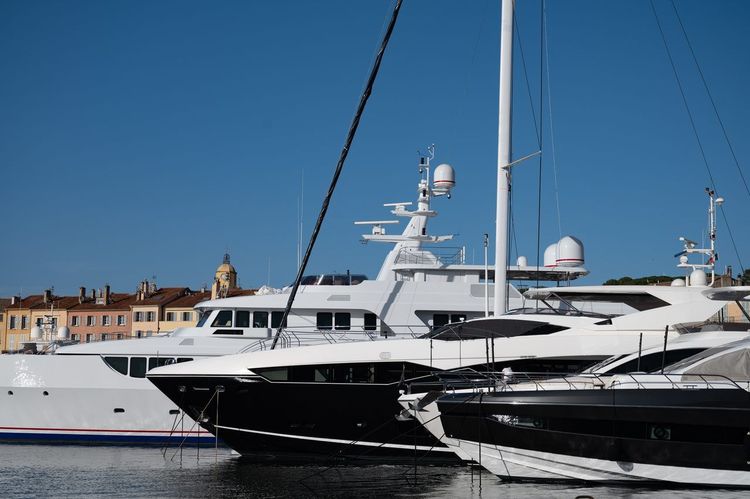
Every stay in Saint-Tropez begins here. The Old Port is not simply a postcard: it is the economic, social and aesthetic heart of a town that has built its identity around the sea since the Middle Ages.
Faded fishing boats sit alongside 40-metre yachts, and this incongruous cohabitation remains the most honest image of Saint-Tropez: ostentatious luxury and everyday life, side by side. Early in the morning, before 8am, fishermen sell directly from their boats the fish and shellfish caught the night before. Scorpionfish, rainbow wrasse, red mullet... species that end up in bouillabaisse at the quayside restaurants just a few hours later.
The port-facing facades deserve particular attention. The pastel-toned houses — saffron yellow, coral pink, terracotta — form what locals call the "quayside frontage", protected by the Architectes des Bâtiments de France since 1966. No renovation can alter the colours without prefectoral approval. What you see today closely resembles what Guy de Maupassant described in his sailing accounts of 1888: the same succession of facades reflected in dark green water.
The Café Sénéquier (Quai Jean Jaurès, 83990 Saint-Tropez), with its red parasols visible from the sea, has been open since 1887. This is where Françoise Sagan revised her manuscripts in 1954, the year of "Bonjour Tristesse". An iced coffee here costs between €8 and €12 depending on the season: the price of geography and history combined. Consider it a deliberate expense rather than a budget slip.
Allow 1h30 to 2 hours for a proper walk along the quays. Head all the way to the end of the port jetty, where the view over the Citadelle and the ochre rooftops of the village will earn you your first well-deserved postcard moment. In the evening, around 6pm, strings of lights come on and the terraces fill with an improbable mix of local residents and superyacht passengers: the most cinematic hour of the day.
2. Exploring the Ponche Quarter
Just behind the old port, the Ponche quarter is the medieval heart of Saint-Tropez: a labyrinth of lanes, some no wider than a metre, draped in bougainvillea in summer and silent at dawn. This is where the town began, in the 11th century, before the fortifications extended towards the Citadelle.
Picasso stayed here in 1939 and painted several canvases from his room at the Hôtel La Ponche, an establishment that still exists at the same address. Colette, who spent entire summers in Saint-Tropez between the wars, described this quarter as "the only honest part of the village". That slightly harsh verdict points to something real: the Ponche is the only area that has resisted the mass touristification of recent decades.
The Tour du Portalet, a square 16th-century tower that once controlled access to the fishing harbour, is the best starting point for exploring the quarter. From there, head down to Plage de la Ponche, a cove of brown sand sheltered by the surrounding buildings, accessible only on foot through the lanes. The water stays calm even in Mistral conditions, and village families still come here outside the tourist season.
The full visit takes 45 minutes to 1 hour. Set off on your own or with the audio-guided tour Between Myth and Authenticity, which devotes several stops to this quarter with anecdotes absent from printed guides — including stories about the fishing families who resisted property speculation in the 1970s.
3. Climbing up to the Citadelle
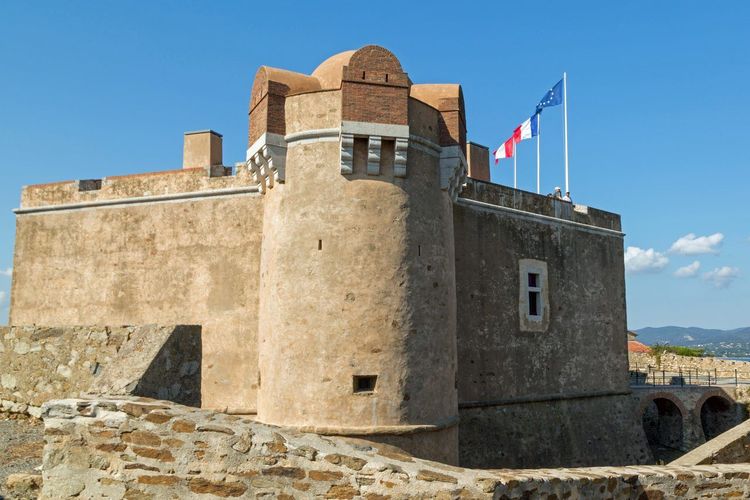
Overlooking the village since 1602, the Citadelle de Saint-Tropez is the town's most overlooked heritage site, yet its most spectacular. The ten-minute climb from the lanes of the centre rewards you with one of the most striking views on the Côte d'Azur.
Built between 1602 and 1607 on the initiative of Henri IV to defend the Provençal coast against Barbary raids, this hexagonal stone fortress houses a three-storey keep surrounded by three round towers. The bastions still hold 18th-century cannons, and the moats are colonised by free-roaming peacocks — an absurd and utterly charming detail that children adore.
Inside the keep is the Musée d'Histoire Maritime: a permanent collection tracing Saint-Tropez's history from its Gallo-Roman origins to the Provence Landing of August 1944. This landing is often overshadowed by the Normandy landings in collective memory, yet it engaged 175,000 Allied soldiers, the majority of them Free French, on the beaches of the Var. The Citadelle holds archival documents, uniforms and photographs from the period that bring a human face to this lesser-known chapter of the Liberation.
Admission: €5 for adults, free for under-12s (2025 pricing). In summer (June–September), open from 10am to 6:30pm; in winter, closing time is 5pm and the site is closed on Tuesdays. Guided tours (€3 supplement) depart every hour in July–August and include access to rooms normally closed to the public.
The view from the bastions is the real reward. On a clear day, the panorama takes in the entire Gulf of Saint-Tropez, from the Massif des Maures to the sometimes snow-capped peaks of the Southern Alps in winter. It is the only vantage point from which you will fully understand the peninsula's geography: how the town sits on this spit of land, sheltered by its pine- and cork-oak-forested hills, open only towards the gulf.
Take the chemin de la Citadelle from the Place de l'Hôtel de Ville, which winds through hanging gardens planted with fig trees rather than the driveable road. Allow 2 hours for the full visit, keep and museum included.
4. The Church of Notre-Dame de l'Assomption
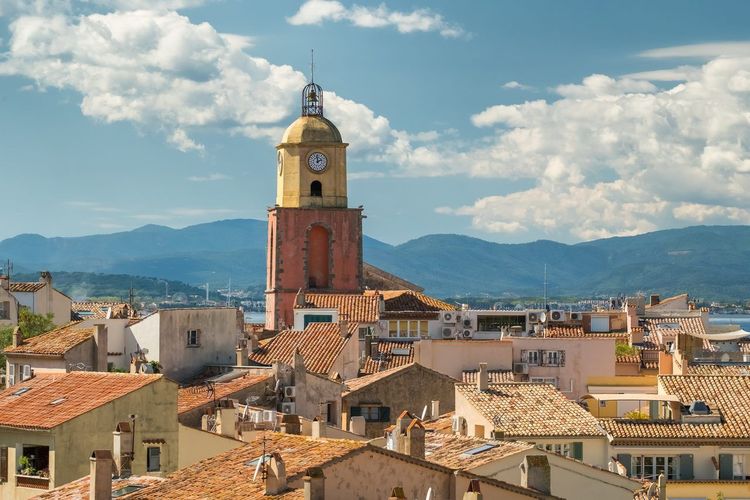
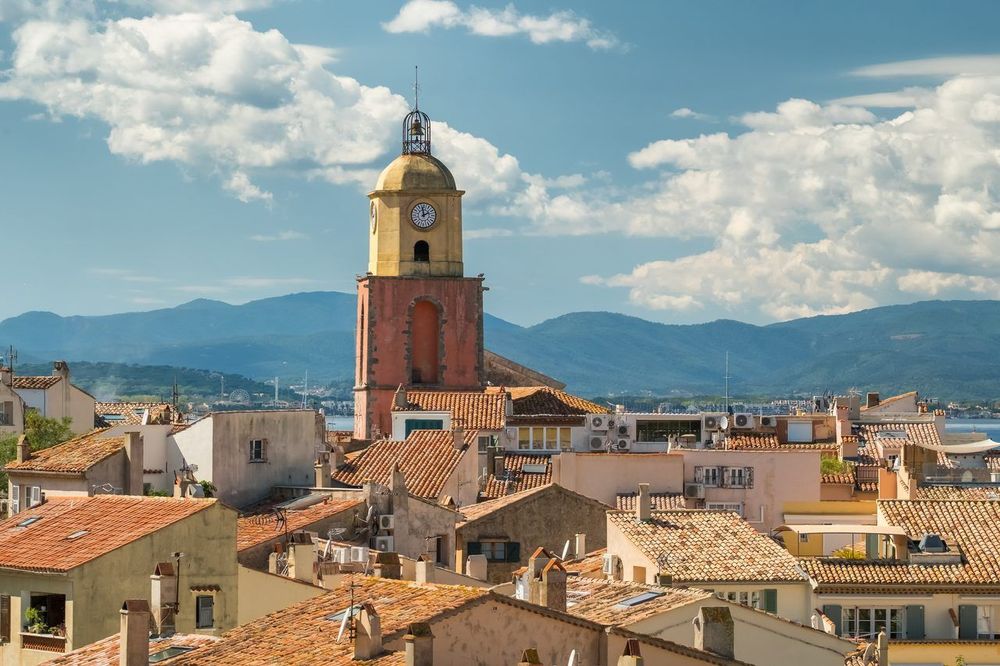
In the heart of the village, the church of Notre-Dame de l'Assomption is Saint-Tropez's main religious building, constructed between 1784 and 1787 in a late Provençal Baroque style. Its yellow-and-pink bell tower, visible from the sea at over 3 km, gives the town its most recognisable silhouette on postcards.
The interior holds two surprises. A bust of Saint Torpès, the Roman martyr from whom the town takes its name according to local tradition, is kept in a gilded reliquary and carried in procession during the May Bravade. 17th-century votive maritime paintings — small canvases painted by sailors who survived shipwrecks — cover one wall of the nave: raw testimonies of an era when the sea represented a daily danger for the village's inhabitants.
Free admission. The cool interior in July alone makes a twenty-minute stop worthwhile.
5. The Place des Lices and Its Market
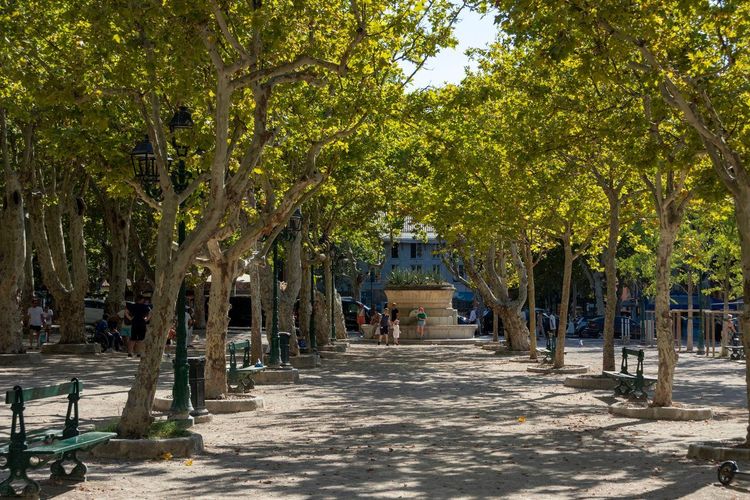
The Place des Lices is Saint-Tropez's true living room, far from the port terraces. Shaded by century-old plane trees, dotted with pétanque courts in packed earth, lined with old-fashioned cafés, it represents the town's other face — the one the Tropéziens actually inhabit, between seasons and even in the middle of July.
Brigitte Bardot used to play pétanque here in the 1960s, and local legend has it that she met Roger Vadim during one of these games. True or apocryphal, the anecdote says something about the character of the square: a space that levels hierarchies, where a billionaire and a retired Var local share the same patch of packed earth.
The Provençal market is held here on Tuesday and Saturday mornings, from 8am to 1pm, every week of the year without exception. It is one of the most authentic open-air markets on the Côte d'Azur — not because it is less touristy than elsewhere (it certainly isn't in July–August), but because genuine local Var producers are truly present. Prickly pears from the Massif des Maures, lavender honey from the hinterland, farm-dried Provençal herbs, home-marinated olives, goat's cheeses from Ramatuelle... The stalls overflow with a living local agricultural fabric that industrial farming has not yet absorbed.
During high season, arrive before 9am if you want to buy rather than browse. The best cheese and produce stalls are sold out before 10am. Outside July–August, the square returns to its natural rhythm: pétanque games starting late morning, terraces coming to life at aperitif hour, the golden afternoon light turning the plane trees into a cathedral of foliage.
To extend the experience, venture into the surrounding shopping streets. Rue Allard and Rue Georges Clémenceau are home to a number of local designers' boutiques, a world away from the big-name brands that have colonised the port quays. This is where the art galleries, pottery studios and independent bookshops that have persisted since the 1970s are to be found.
6. The Musée de l'Annonciade
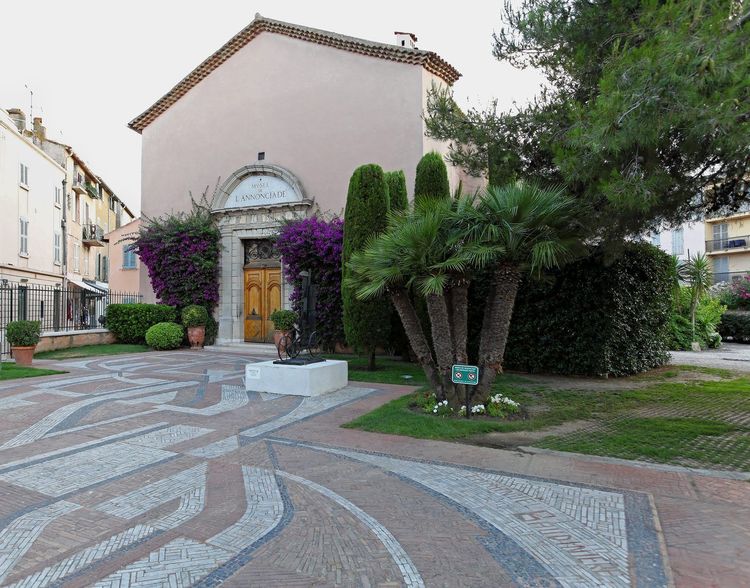
Housed in a 16th-century chapel on the edge of the port, the Musée de l'Annonciade (Place Grammont, 83990 Saint-Tropez, rated 4.4/5 on Google from 437 reviews) is one of the most surprising modern art collections on the Mediterranean coast, and probably the least well known given its actual quality.
The permanent collection brings together more than 250 works from the Fauvist and Neo-Impressionist movements, spanning 1890 to 1950. How does a village of 4,600 inhabitants come to possess such a treasure? The answer lies in history: from 1892 onwards, Saint-Tropez became a magnet for painters drawn by the particular quality of the gulf's light. Paul Signac arrived first, aboard his sailing boat, and settled permanently. He brought Henri-Edmond Cross, Henri Matisse, Albert Marquet, Pierre Bonnard and André Derain.
The highlights of the collection: Signac's luminous pointillist works, Henri-Edmond Cross's seascapes whose dabs of colour dissolve the bay in an unreal light, and the Fauvist canvases of Derain, Marquet and Van Dongen. Matisse, who came here in the summer of 1904 at Signac's invitation, sketched "Luxe, Calme et Volupté" here — the work that would pave the way for Fauvism the following year. Viewing these paintings in front of windows that look out onto the same quays they depict creates a mise en abyme rarely found in other French museums.
Admission: €8 for adults, free for under-18s. Closed on Tuesdays. In summer, open from 10am to 6pm (until 7pm in July–August). The temporary exhibition is renewed two to three times a year and regularly attracts loans from major Parisian museums.
Avoid the 11am–2pm slot in midsummer, when cruise passenger groups crowd the galleries. Opt for the museum's opening time or the last two hours of the day to enjoy the works in peace.
7. The Musée de la Gendarmerie et du Cinéma
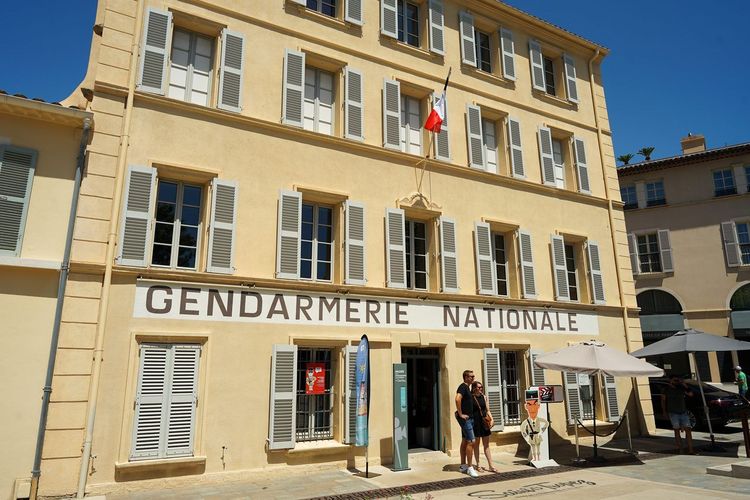
The very existence of this museum says a great deal about Saint-Tropez. The Maison de la Gendarmerie, which houses the offices of the local brigade, has also become a museum dedicated to the film saga "Le Gendarme de Saint-Tropez".
The film series starring Louis de Funès, shot between 1964 and 1982, was screened in 65 countries and turned Saint-Tropez into a pilgrimage destination for generations of viewers. Brigadier Cruchot and his men filmed in these same streets, in this same barracks, against the same backdrop of palm trees. The museum dedicates an entire room to behind-the-scenes footage: original costumes, on-set cameras, international press clippings and video extracts.
Beyond the cinematographic anecdote, the collection illustrates the evolution of the French gendarmerie over a century. A section is devoted to maritime surveillance operations: the Saint-Tropez peninsula has 50 km of coastline to monitor, a daily task shared with the national navy.
Admission: €4 for adults. Open every day in summer, by appointment out of season. Visit duration: approximately 45 minutes.
8. Pampelonne Beach
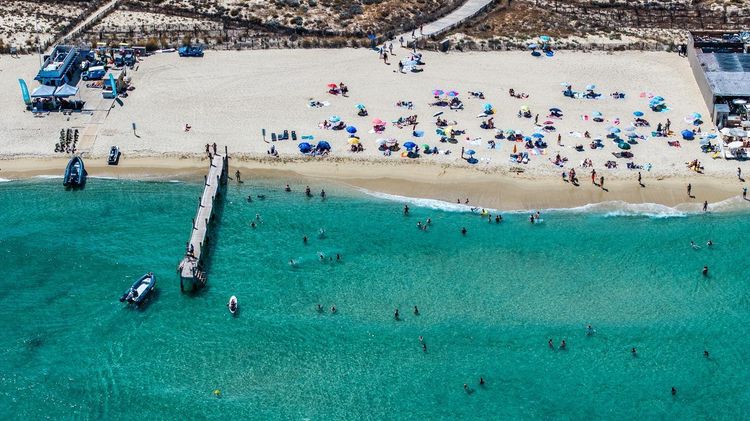
If Saint-Tropez has a myth, it stretches across 4.5 km between the Pointe de Tahiti and the Pointe de Ramatuelle. Pampelonne beach (Route de l'Épi, 83350 Ramatuelle, rated 4.4/5 on Google from 2,518 reviews) is technically within the commune of Ramatuelle, 5 km from the village by road, but it has been an integral part of the Saint-Tropez experience ever since Brigitte Bardot filmed "And God Created Woman" here in 1956.
What sets Pampelonne apart from every other major Mediterranean beach is the complete absence of construction along the shoreline. Zero buildings, no coastal road, no car park visible from the sand. In 1973, the commune of Ramatuelle enshrined a 100-metre non-buildable coastal strip in its local urban plan — thirteen years before the national Littoral Act extended this protection nationwide in 1986. The result: behind the parasols and sun loungers, all you can see is the scrubland of the back dune, the green of umbrella pines, and the first slopes of the Massif des Maures.
The beach divides into three sections according to atmosphere and clientele:
Club 55 (towards the centre of the beach) is Pampelonne's institution, founded in 1955 by Bernard and Geneviève de Colmont. A simple beach hut originally, it became the canteen for the crew of "And God Created Woman" in 1956, then the haunt of the international jet set. People come mainly to have lunch with their feet in the sand, and booking is essential in high season. Other private clubs (Nikki Beach, Loulou, La Réserve à la Plage) rent sun loungers and mattresses for between €30 and €100 a day.
The central section alternates several free public beaches with private concessions. The free Bouillabaisse beaches, closer to the village, offer easier public access with free parking in the off-season.
The Pointe de Ramatuelle (southern end) is the wildest section, accessible only on foot, frequented by locals and regulars who know the paths. The water here is deeper and cooler.
Out of season, between October and May, Pampelonne belongs to surfers and kitesurfers when the Mistral sets in. The best time to avoid the crowds: June before the 15th, or September from the 10th onwards. In July–August, car parks are full before 10am and the RD98 access road becomes a general traffic jam from mid-morning.
9. The Tarte Tropézienne and Local Specialities
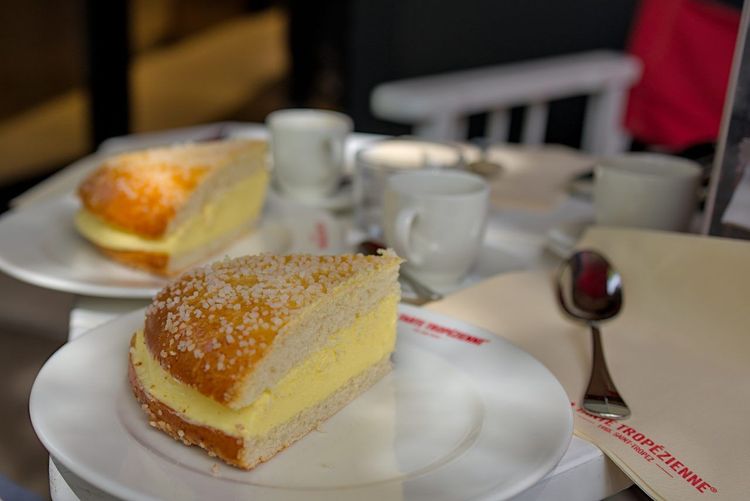
In Saint-Tropez, a patisserie almost never came to be. In 1955, Alexandre Micka, a Polish-born confectioner based on Rue Clémenceau, prepared a brioche cake with butter cream for the crew of "And God Created Woman". Brigitte Bardot, who starred in the film, tasted the cake and suggested Micka give it a name. He chose "la Tarte Tropézienne".
Today, the recipe is protected and the eponymous brand has several shops in the town. The brioche, topped with pearl sugar, is filled with an orange-blossom mousseline cream whose exact composition has remained secret for sixty years. Several variations exist (strawberry, lemon, chocolate), but the original is the benchmark on which you should form your own opinion.
The gastronomy of Saint-Tropez is not limited to this cake, tempting as that notion may be. The village is surrounded by AOC Côtes de Provence vineyards that produce some of the finest rosé wines in France. Domaine Minuty, Château de Pampelonne and Domaine de la Croix are all open for tasting visits less than 15 minutes by car from the centre, with no reservation needed outside high season.
For a meal away from the overpriced port terraces, the pizzerias and trattorias on the Place de l'Aumône serve until late and offer reasonable prices compared to the quays. La Vague d'Or (in the Hôtel Résidence de la Pinède), a three-Michelin-star restaurant, is the town's absolute gastronomic reference — but book six months in advance during the season, without exception. Both sit within reach of the old village, whose lanes our audio walking tour of Saint-Tropez follows once the plates are cleared.
10. The Coastal Path
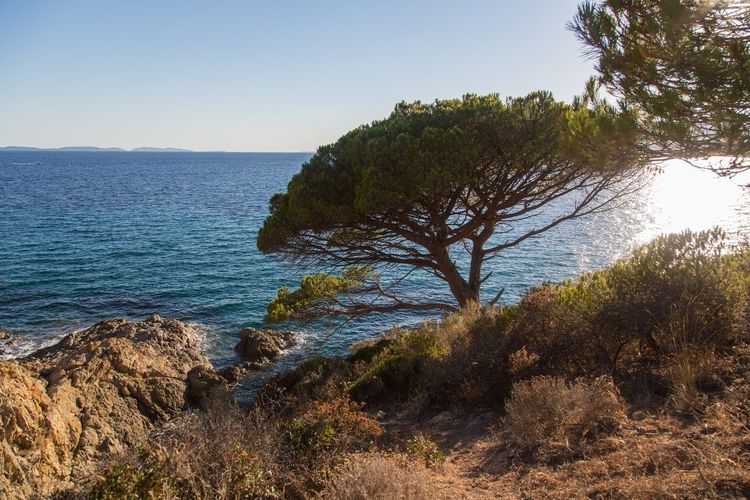
The coastal path of Saint-Tropez is one of the most striking coastal hikes in the Var. This 35 km trail runs along cliffs, coves and headlands from the Plage des Salins to the northern tip of the peninsula, with uninterrupted views over the gulf and a Mediterranean scrubland vegetation that reaches down to the sea.
Its most accessible and most spectacular section is the stretch between the Plage des Graniers and the Plage des Salins (Chemin des Graniers, 83990 Saint-Tropez, rated 4.2/5 on Google from 214 reviews): roughly 4 km walkable in 1h30 to 2 hours, with no particular technical difficulty and several opportunities for a swim along the way. The coves of Canebiers and la Moutte are accessible only on foot via this path, which guarantees relative peace even in high season — no parasols, no beach service, just the sound of waves on the pebbles.
This path exists thanks to the coastal right of way enshrined in the Littoral Act: even private properties bordering the coastline cannot block public access. Several attempts by wealthy landowners to obstruct this passage in the Saint-Tropez area have set legal precedents in the Var — a useful reminder that this exceptional stretch of coastline remains, legally, open to all.
A few practical tips: wear suitable footwear (pebbles and rocky sections on certain stretches), bring water (no drinking fountains along the route), and set off before 9am between June and September. The midday sun beats down mercilessly on this south-facing path, and some sections offer virtually no shade.
For a longer outing, the full loop of the peninsula (35 km) can be done over two days with a night in Ramatuelle. Some sections pass through inland pine forests that bring the temperature down by several degrees. Combine this hike with the Ryo audio-guided tour of Saint-Tropez to connect the coastal landscapes with the human stories that have shaped them since the Middle Ages.
11. Water Sports in the Gulf
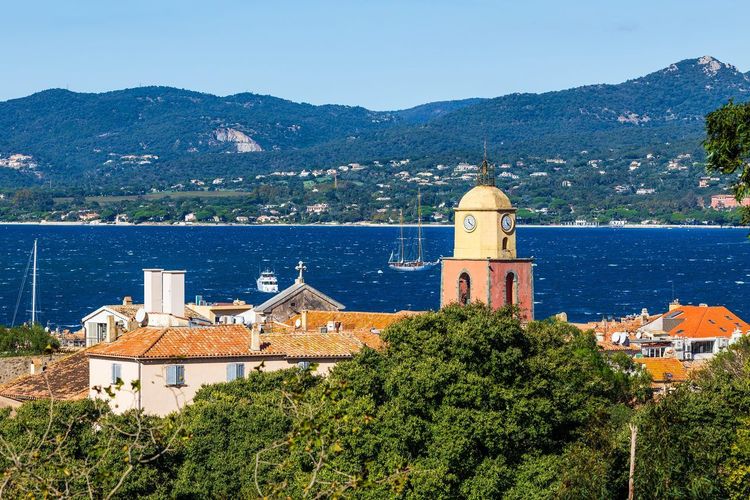
The Gulf of Saint-Tropez is one of the best-sheltered stretches of water on the French Mediterranean. Bounded by the Massif des Maures to the east and by the peninsula to the west, it offers particularly gentle sailing conditions and a range of activities accessible to beginners and experienced practitioners alike.
Sailing trips from the port of Saint-Tropez or from Sainte-Maxime (15 minutes by ferry) allow you to reach anchorages impossible to access by road. The Calanque du Grammont, the Anse de la Gaillarde, Cap Saint-Pierre... These spots draw regulars from June onwards, and hiring a sailing boat with a skipper for a half-day costs between €200 and €400 depending on the size of the vessel.
The gulf ranks among the best kitesurfing spots in the Var. The Mistral funnelling between the Massif de l'Estérel and the Massif des Maures generates consistent sessions from September to May. Kitesurfing schools are concentrated on Pampelonne beach on the Ramatuelle side and in Cogolin, at the entrance to the gulf.
For scuba diving: the gulf lines up rocky drop-offs, posidonia seagrass beds and small sites accessible from beginner level. For certified divers, port clubs also organise trips to the legendary wrecks offshore in the Var, such as the "Donator", a cargo ship sunk by a mine in 1945 south of Porquerolles and resting at 35 to 50 metres depth. Introductory dives are available from age 8.
12. The Maison des Papillons

In the heart of the old village, the Maison des Papillons is probably the most unexpected museum on the Côte d'Azur. It houses the personal collection of Dany Lartigue, son of photographer Jacques-Henri Lartigue, who spent several decades gathering Lepidoptera from around the world.
More than 4,500 classified specimens are displayed in glass-fronted cases covering the walls from floor to ceiling. Some examples come from Papua New Guinea, Amazonia or Madagascar and represent species that are now threatened or extinct. The contrast between the tiny Provençal house and the worldwide scope of the collection produces a quite rare sense of vertigo.
Admission: €3 for adults. Visit duration: 30 to 45 minutes.
13. Port Grimaud, the Lakeside City
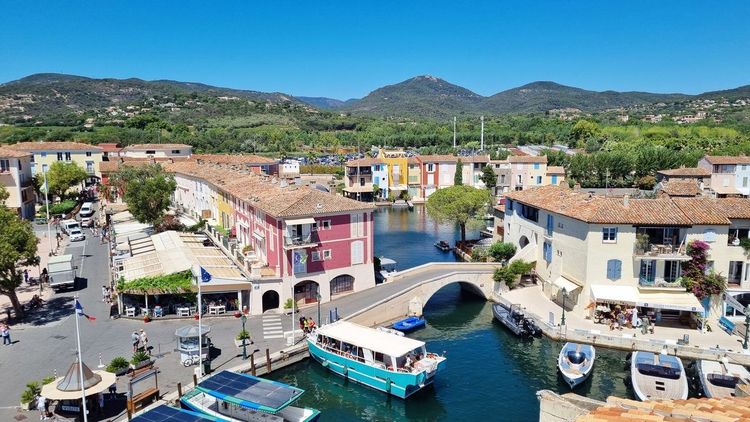
Just 8 km from Saint-Tropez, on the other side of the gulf, Port Grimaud (Place du Marché, 83310 Port Grimaud, rated 4.5/5 on Google from 9.2K reviews) is an architectural achievement with no equivalent in France. Built from 1966 onwards by architect François Spoerry on marshland purchased from the commune of Grimaud, this "Provençal Venice" was conceived from scratch as a medieval village in which every house has its own waterside mooring.
The result: 9 km of canals, 2,500 colourful-fronted houses, paved lanes with no motor traffic and an 800-metre beach opening directly onto the gulf. What Spoerry had conceived as a para-medieval garden city became a fully-fledged commune, with a town hall, school and public services. An urbanistic curiosity that has divided architects for sixty years, between admirers of a utopia made real and critics of the pastiche.
The most pleasant way to visit is by pedal boat (hired at the village entrance) or on foot from the Place du Marché. Climbing the bell tower of the church of Saint-François-d'Assise provides the only elevated view across the full canal network — it is here that you grasp the rigour of Spoerry's plan, with each canal oriented to optimise the light on the facades.
14. The Bravade of Saint-Tropez
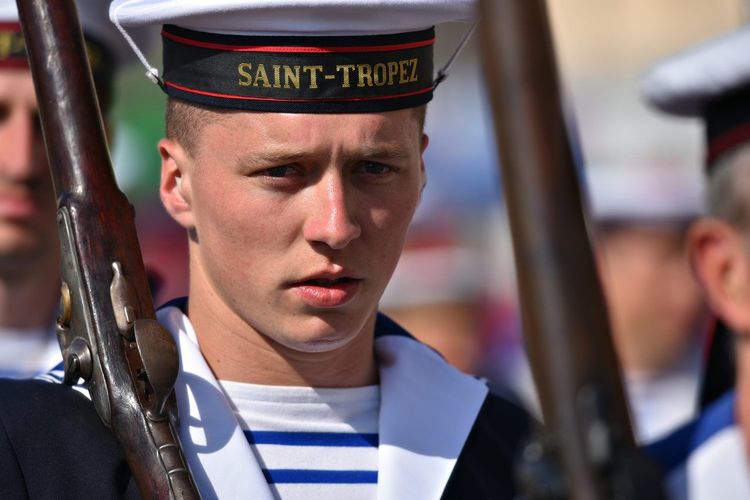
Twice a year, Saint-Tropez sets aside its image as a seaside resort and plunges back into its deepest traditions. The Bravade is a civic-religious festival held in May (Bravade de Saint-Torpes, 16–18 May) and in June (Bravade des Espagnols, 15 June), commemorating two separate events: the martyrdom of the Roman saint Torpès and the victory of the Tropéziens against a Spanish fleet in 1637.
For three days in May, inhabitants don 17th-century period costumes, form companies armed with muskets and parade through the village firing volleys. The noise is deafening, the smoke omnipresent, the atmosphere genuinely euphoric. The Bravade is not a re-enactment staged for visitors: it is a living rite in which Saint-Tropez families have taken part for generations, with costumes and weapons passed down from father to son.
The Capitaine de la Bravade is elected annually by the companies and holds the highest honorary office in the town for the duration of the festival. If you visit Saint-Tropez during these dates, no other activity offers as direct an immersion into the place's true identity.
15. Nightlife in Saint-Tropez
Saint-Tropez has been inventing a certain idea of nightlife since the 1950s, when Brigitte Bardot and her circle turned the village's cellars into makeshift nightclubs. Today, the nocturnal reputation rests mainly on two or three clubs whose names circulate in every magazine: Les Caves du Roy (Avenue Paul Signac, 83990 Saint-Tropez, rated 3.3/5 on Google from 117 reviews) (inside the Hôtel Byblos), VIP Room and a few terraces along the Avenue Paul Signac.
The reality is more nuanced. These establishments operate selective door policies and drink prices that defy comprehension — a bottle of champagne can exceed €1,000. For anyone not on the guest list or travelling without an uncapped credit card, the atmosphere is still observable from outside: the crowd in evening wear queuing behind the ropes puts on its own show.
For a pleasant evening without all that circus, the terraces on the Place des Lices stay open until midnight in season. Several bars in the old town (Rue Sibilli, Rue de la Citadelle) host jazz or live music on Friday and Saturday evenings. The Bar du Port (Quai Frédéric Mistral) offers a relaxed atmosphere with a direct view of the illuminated yachts at their moorings — no dress code, no bouncer, no prestige surcharge.



FAQ
What can you do in Saint-Tropez in one day?
In a single day, prioritize the old port in the morning (between 8am and 10am, before the crowds), the Citadelle mid-morning, the Musée de l'Annonciade in the early afternoon, then the Place des Lices at sunset. Finish with a stroll through the Ponche quarter at nightfall. This circuit is entirely walkable in 6 to 7 hours, with no car or public transport needed.
How do you explore Saint-Tropez on foot?
Saint-Tropez is very easy to explore on foot: the historic heart of the village measures roughly 800 metres in diameter. Starting from the port, all the main attractions — the Citadelle, the Musée de l'Annonciade, the Place des Lices, the Ponche quarter, and the church — are reachable in under 15 minutes on foot. The coastal path adds a more active dimension, connecting the beaches to the village without a car.
What can you do in Saint-Tropez with children?
Several activities are suitable for families with children. The Citadelle appeals to children from age 7–8 (the peacocks in the moat never fail to impress). The Maison des Papillons fascinates curious young minds. Pampelonne beach offers calm sections with sandy bottoms and no rocks. The Musée de la Gendarmerie can become a fun outing if your children have seen Louis de Funès films, making it a rare intergenerational curiosity.
What can you do in Saint-Tropez for free?
The list is longer than expected. The old port, the Place des Lices, the Ponche quarter, the church of Notre-Dame de l'Assomption, the coastal path, the public beaches of Pampelonne and des Salins, and the Bravade (in May and June) are all free to access. Only the Citadelle (€5), the Musée de l'Annonciade (€8) and the Maison des Papillons (€3) charge admission among the main attractions.
What can you do in Saint-Tropez in winter?
Outside the tourist season (November to March), Saint-Tropez reclaims its character as an ordinary Var village. Prices drop by 30 to 50%, some restaurants close but others stay open year-round. The Tuesday and Saturday markets continue without interruption. The coastal path is particularly pleasant in winter — low slanting light, guaranteed solitude, and mild temperatures thanks to the local Var microclimate.
What is the best time to visit Saint-Tropez?
June (before the 20th) and September are the unanimous favourites among regulars. The sea is already warm, the beaches accessible, and restaurants open but bookable. Avoid the period from 10 July to 20 August if traffic jams bother you: the RD98 road linking Saint-Tropez to the motorway can be gridlocked for 3 to 4 hours on Sunday evenings in the outbound direction, turning a 40 km journey into an expedition.
How do you get to Saint-Tropez?
Saint-Tropez has no SNCF train station and no direct motorway access. Available options: car from the A8 (exit Le Muy, then 40 km on the main road), Varlib shuttle from Saint-Raphaël station (1h15 journey), or boat from Sainte-Maxime (15 minutes, Bateaux Verts service in season). In summer, the shuttle or boat from Saint-Raphaël is often the fastest option — and you get the view over the gulf on arrival as a bonus.
Behind the image of the billionaires' jetty and the paparazzi, Saint-Tropez remains a Provençal village that has managed to preserve its medieval centre, its centuries-old traditions and public access to its coastline. The fifteen experiences listed here cover every type of visitor: from the early-morning stroller who wants to watch the fishermen return to port, to the hiker tackling 35 km of coastal path, to the art lover discovering Matisse and Signac in the very light that inspired them one hundred and twenty years ago.
To make the most of the historic village, the Ryo audio-guided tour Between Myth and Authenticity offers 22 audio stops along a 3 km walk through the heart of Saint-Tropez. The tour is available directly from the Ryo app, with no internet connection required once downloaded — handy when you're deep in the lanes of the Ponche with no signal.