© Shutterstock
 Votre guide Ryo
Visiting Saint-Tropez for the First Time: The Complete 2026 Guide
At 8 a.m., before the yachts start their engines, the Old Port of Saint-Tropez still belongs to the fishermen unloading their fish right on the quay. Visiting Saint-Tropez for the first time often means arriving with the image of a village frozen in the glitter of the 1960s and discovering something else: ochre lanes, a Citadel that dominates the whole peninsula, and a Provençal market that still beats to the rhythm of local producers. To miss nothing of this double face, the Ryo audio-guided tour of Saint-Tropez, between myth and authenticity accompanies your walk from the port to the old town.
In the pages that follow: a 17th-century Citadel that houses a maritime museum with a view over the whole bay, a shop that still sells the original recipe of the tarte tropézienne invented in 1955, a 5-kilometer beach where families and legendary clubs such as Club 55 or Nikki Beach rub shoulders, and a timed itinerary to see everything in a single day without rushing. We also add the neighboring villages too often ignored by classic guidebooks, the mistakes that spoil a first visit, and the right habits depending on whether you travel as a couple, with family or solo. Enough to leave with a slightly more accurate image of Saint-Tropez than the one in the magazines.
Old Saint-Tropez: Port, Lanes and Citadel
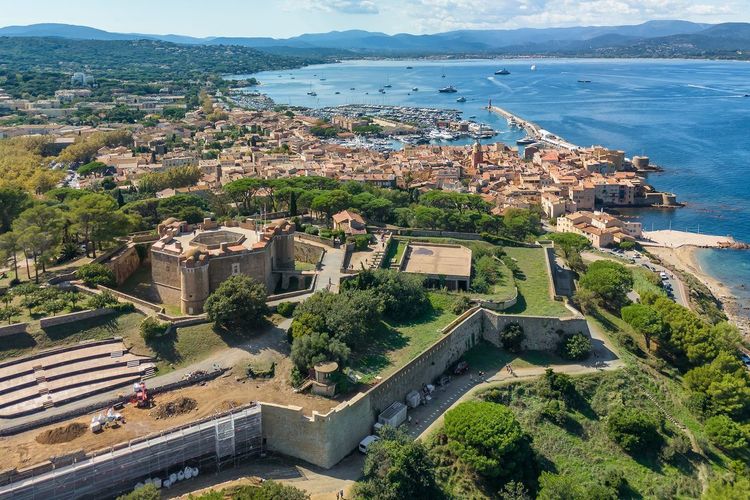
This is almost always where the discovery of the village begins: three places that can be linked on foot in under an hour and that concentrate most of Saint-Tropez's heritage, away from the beaches and clubs that make up the town's more recent reputation.
The Old Port and Its Legendary Quays
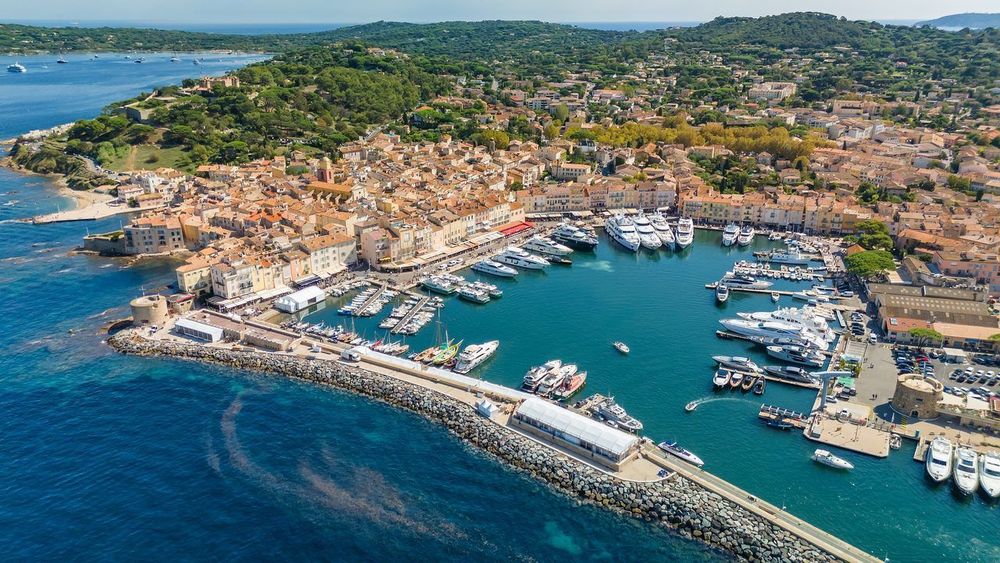
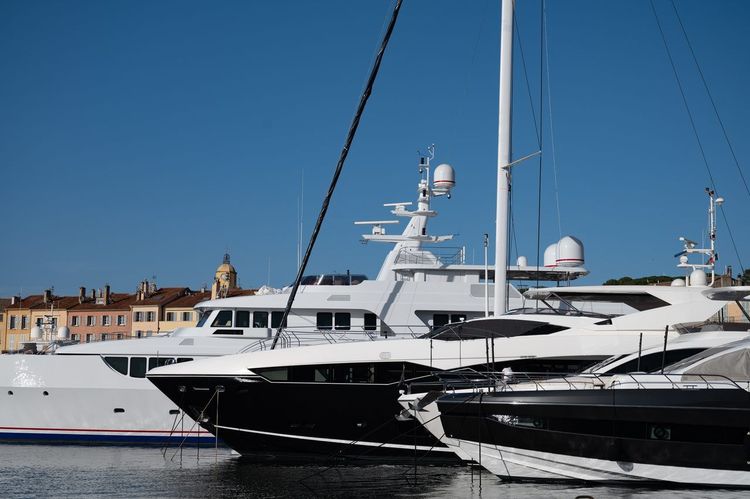
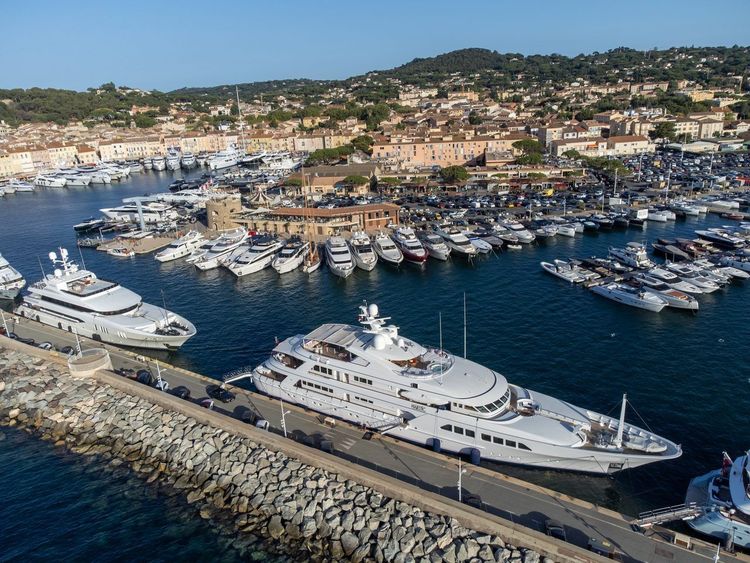
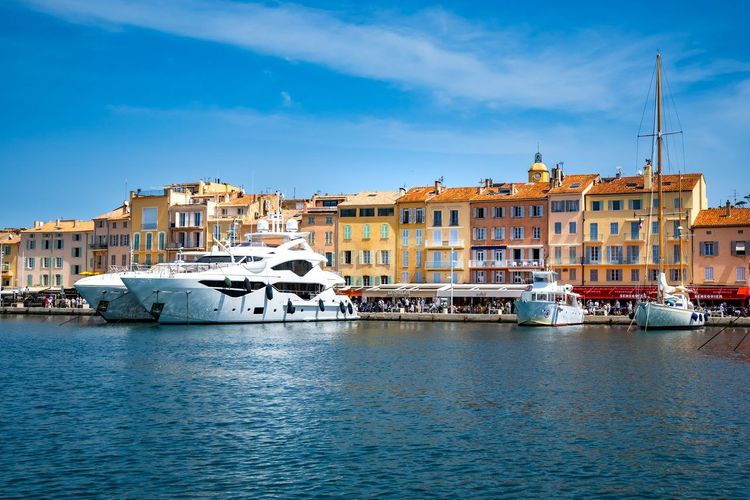
The Old Port holds all the postcards of Saint-Tropez: classic sailboats moored a few meters from the terraces, fishermen returning in the early morning, oversized yachts that attract curious onlookers in the afternoon. The Jean-Jaurès and Suffren quays run for several hundred meters and are home to most of the village's historic cafés, including the much-photographed Sénéquier and its red chairs, open since 1887.
Paul Signac settled here as early as 1892, followed by Matisse in 1904 and then a whole generation of painters drawn by the very particular light of the gulf. This pictorial history explains why art galleries still occupy so many windows on the quays: Saint-Tropez built an artistic reputation well before becoming, in the 1950s, the meeting place of the gilded youth and then of yachts dozens of meters long.
In the afternoon, the nautical ballet takes over: some boats exceed 60 meters and attract a public who come simply to watch the comings and goings on the pontoons, a free show that lasts until sunset. Between May and September, allow a good hour to stroll along the quays without hurrying, past luxury windows, ice cream stands and restaurant touts.
If you are visiting for the first time, come to the port before 9 a.m.: the fishing boats still unload their catch and the atmosphere has nothing to do with the density of the afternoon. You will also get better photos, without crowds massed in front of the terraces. For a more affordable coffee than at the big names on the quay, the small streets just behind the port charge noticeably more reasonable prices.
La Ponche and the Old Town: Lanes and Church
Behind the port, La Ponche keeps the look of a fishing village that Saint-Tropez has almost forgotten to be. Cobbled lanes, ochre facades and laundry at the windows: this is where Roger Vadim shot And God Created Woman in 1956, with a 22-year-old Brigitte Bardot who forever fixed the image of a still-wild Saint-Tropez and launched the village's worldwide fame.
Heading up toward the center, the Church of Notre-Dame de l'Assomption announces its presence with its ochre and pink bell tower topped with a bulb, a Provençal Baroque style rather rare on this part of the coast. Inside, a polychrome wooden bust of Saint Torpes, a Roman officer beheaded under Nero according to tradition, recalls the origin of the town's name: every year from May 16 to 18, this bust is still carried through the streets during the Bravade.
The hidden heritage is nestled mostly in the fortified remains scattered around the village. The Tour du Portalet, a former 15th-century lookout post, still watches over the entrance to the port, while the Tour Jarlier, completed in 1569, slips between two buildings without most visitors noticing it on a first pass. Together with the Tour Vieille and the Tour Suffren, they formed the defensive system of a town long exposed to raids from the sea.
This neighborhood is still inhabited year-round by some Saint-Tropez families, which explains why some facades still display nets drying in the sun, a stone's throw from the village's most expensive art galleries. Take the time to get lost in this maze without a map: the lanes of La Ponche are never more than a few hundred meters long and almost always lead to a viewpoint or a shaded little square.
The Citadel of Saint-Tropez and Its Maritime Museum
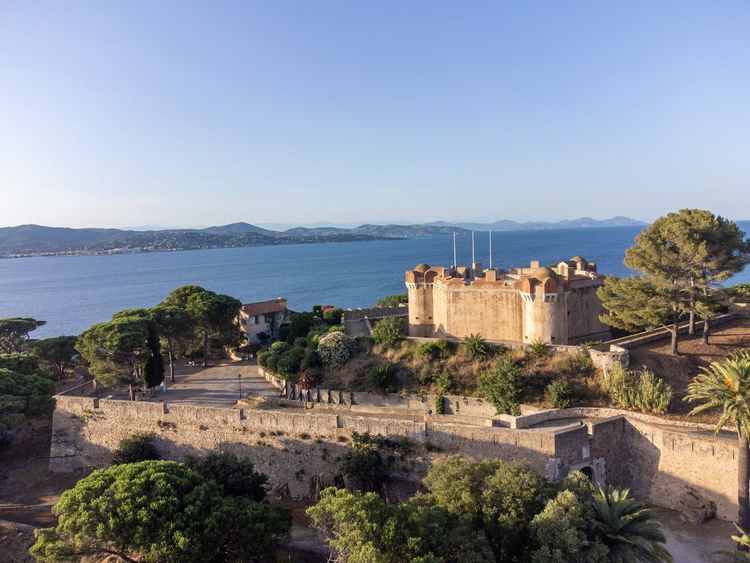
Perched on its promontory, the Citadel of Saint-Tropez (Montée de la Citadelle, 83990 Saint-Tropez, rated 4.5/5 on Google from 5,235 reviews) has dominated the whole peninsula since the early 17th century. The climb from the center takes barely ten minutes on foot, and the panorama takes in the entire gulf, from the ochre roofs of the village to the Maures massif in the background and the houses of Sainte-Maxime on the opposite shore.
Inside the keep, the maritime history museum traces the lives of the Saint-Tropez people who made the town, from fishermen and merchant captains to great navigators, including the shipyards that built some of the most beautiful sailboats of the Mediterranean. The vaulted rooms also house models and memorabilia linked to the Provence landings of August 1944, which began on the neighboring beaches before liberating the peninsula in just a few days.
Entry costs 4 euros according to the tourist office, a modest price given the quality of the view from the ramparts. It is best to aim for late morning: the light is ideal for photos and the midday heat has not yet made the climb uncomfortable. Allow about an hour for the full visit, ticket office included, and keep an eye out in the moats: peacocks roam freely there.
To link these three places without searching for your way, the Ryo audio guide to Old Saint-Tropez links the port, La Ponche and the Citadel through its 21 audio stops, which tell the story of the fishermen of old as well as the arrival of painters and cinema. Allow about 45 minutes for that section, climb included, at your own pace and without group schedule constraints.
Place des Lices, Museums and Saint-Tropez Specialties
The Place des Lices and the Provençal Market
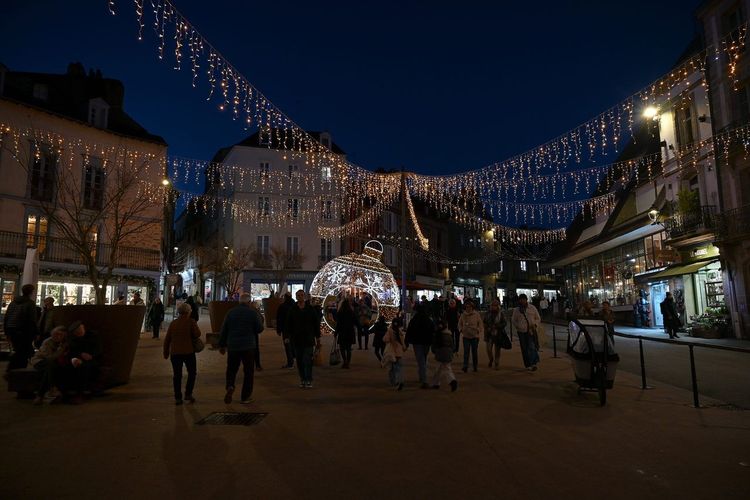
Shaded by its century-old plane trees, the Place des Lices is the true living room of Saint-Tropez: impromptu games of pétanque in the late afternoon, players settled on the benches, and café terraces where you simply sit to watch the village go by. On Tuesday and Saturday mornings, a Provençal market takes over the whole square with its stalls of fruit, goat cheese, olives and linen.
Come early if you want to enjoy the market without the crowds: from 7:30 a.m., producers set up their stands and the first customers are still village residents rather than passing visitors. Around noon, the square empties of stalls but fills with people around the cafés, in a more relaxed atmosphere than on the port quays.
Musée de l'Annonciade and the Museum of the Gendarmerie and Cinema
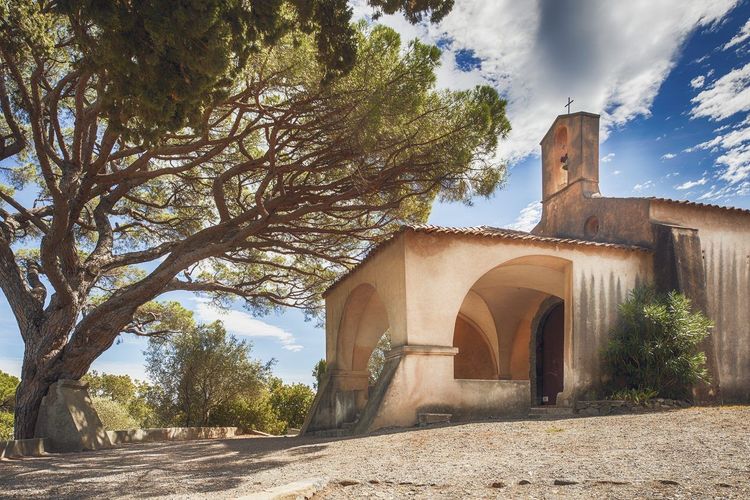
Housed in a former 16th-century chapel near the port, the Musée de l'Annonciade brings together an impressive collection of Pointillists and Fauves, led by Signac and Matisse, who painted the village in every light at the turn of the 20th century.
A few streets away, the Museum of the Gendarmerie and Cinema occupies the former gendarmerie that served as the setting for the Gendarme of Saint-Tropez saga with Louis de Funès. You will find the uniforms, props and filming photos that have made generations laugh, in a deliberately lighter tone than the village's other museums. Entry costs 5 euros, 3 euros for ages 12 to 18, and is free for children under 12.
Both museums can be visited in a little under an hour each and are five minutes' walk from each other. If you can only choose one, the Annonciade remains the richest artistically, while the Gendarmerie appeals more to families thanks to its humorous tone.
The Tarte Tropézienne, an Unmissable Treat
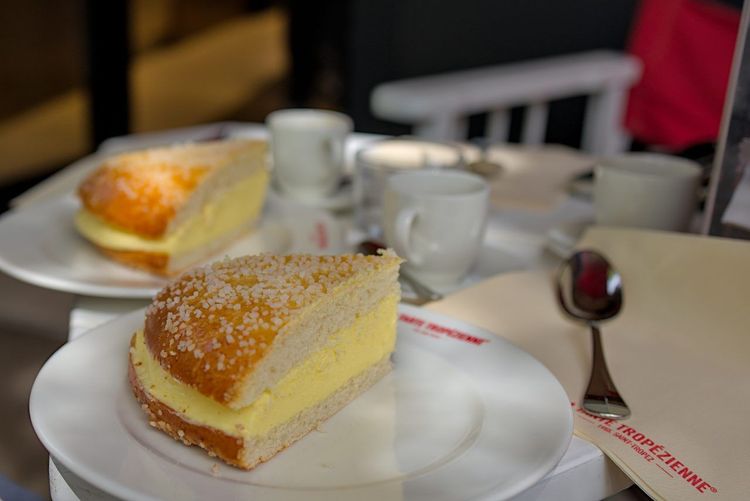
Invented in 1955 by Alexandre Micka, a pastry chef of Polish origin settled in Saint-Tropez, the tarte tropézienne (36 Rue Georges Clemenceau, 83990 Saint-Tropez, rated 4/5 on Google from 270 reviews) is a pearl-sugar brioche filled with a rich cream, sold ever since in its historic shop near the Place des Lices under a recipe that is still kept secret.
You will come across imitations all over the village, but the real recipe, lightly scented with orange blossom, can only be found in the original shop and its points of sale. Local legend has it that Brigitte Bardot, then on a film shoot, suggested the cake's final name to the pastry chef.
Two events punctuate the Saint-Tropez calendar without taking up a whole day of visiting: the Voiles de Saint-Tropez, a regatta of legendary sailboats between late September and early October, and the Bravade from May 16 to 18, a patron saint's festival documented since 1558 in honor of Saint Torpes, with its costumed bravadeurs and volleys of blunderbusses. A second Bravade, known as the "Bravade des Espagnols," celebrates every June 15 the victory of 1637 over a fleet of Spanish galleys. If your stay coincides with one of these dates, the atmosphere of the village changes radically for a few days.
On the Place des Lices and in front of the two museums, the Ryo audio guide slips in an anecdote about the games of pétanque and the film shoots that built the village's popular reputation, far from the glitter clichés often associated with it before you have set foot there.
Beaches and Relaxation Around the Village
Pampelonne Beach, the Must-See
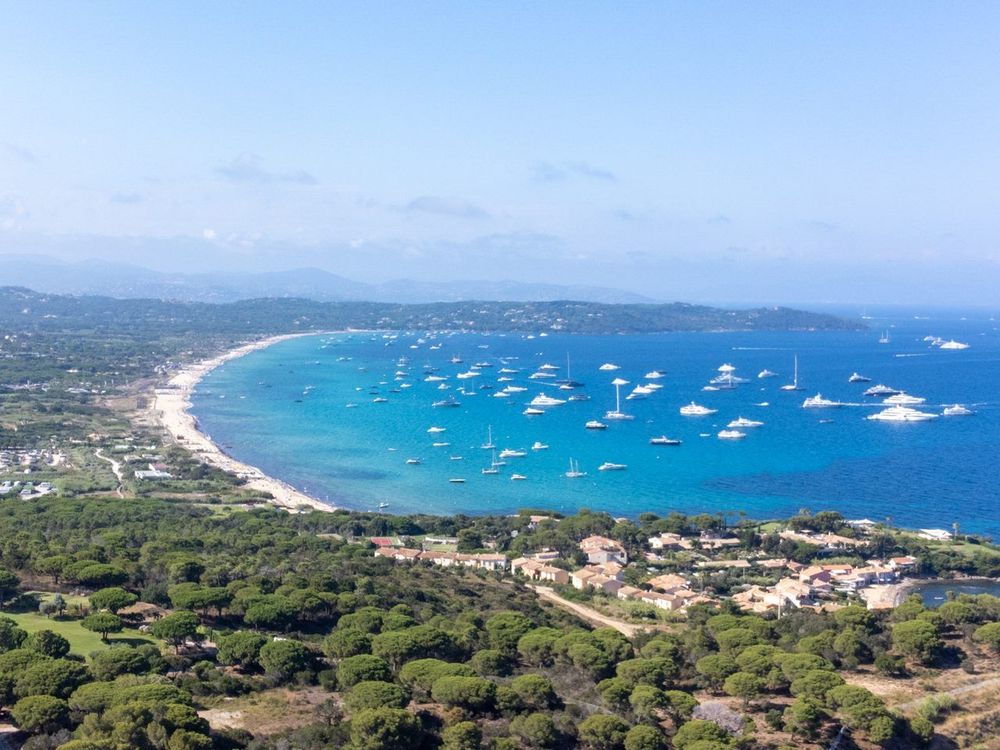
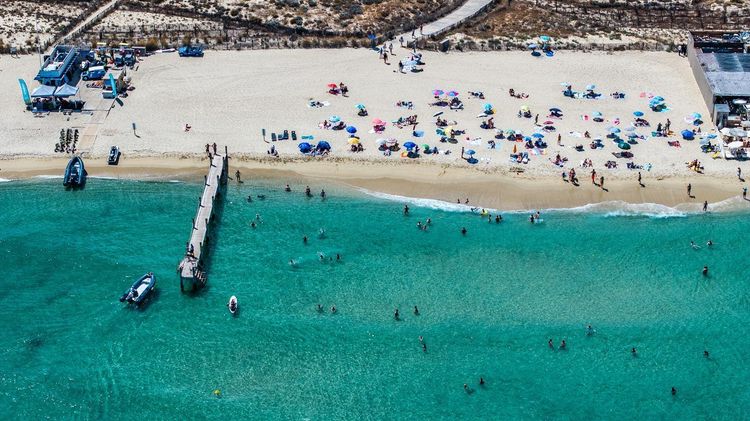
With its 5 kilometers of fine sand in the municipality of Ramatuelle, Pampelonne beach remains the great seaside stage of the peninsula. You will find both public, free sections and private establishments that charge high prices for a sunbed and parasol in high season, sometimes more than 50 euros a day for two loungers.
Private beaches such as Club 55, opened in 1955 during the filming of And God Created Woman, or Nikki Beach have made Pampelonne's international reputation, with long lunches and parties that start at sunset. At night, the party moves to the village, around the Caves du Roy, the nightclub of the Hotel Byblos. You do not need to book a table to enjoy the beach: a large part of the shoreline remains freely accessible, provided you bring your own towel and, ideally, your own parasol.
If you are simply looking for sand and calm, avoid the middle of the day in July and August and prefer the ends of the beach, much less crowded than the central section. Access by car is possible but car parks fill up quickly; arriving before 10 a.m. makes all the difference.
Other Beaches and Coves: Ramatuelle, Gassin
Away from Pampelonne, Les Salins Beach (Chemin des Salins, 83990 Saint-Tropez, rated 4/5 on Google from 1,191 reviews) offers a much more family-friendly atmosphere, with less parking available but also far fewer people, even in midsummer.
The neighboring municipalities of Ramatuelle and Gassin also have their own coves, rockier and wilder, often linked by the coastal path. These beaches mainly appeal to visitors looking to escape the bustle of Pampelonne without going more than a quarter of an hour by car from the center of Saint-Tropez.
Before heading to the sand, remember to check the route on foot or by shuttle and the real travel time from the center of the village: under the August sun, distance matters. Our dedicated article on the beaches of Saint-Tropez details every cove accessible from the village.
Ideal Itinerary for a First Visit
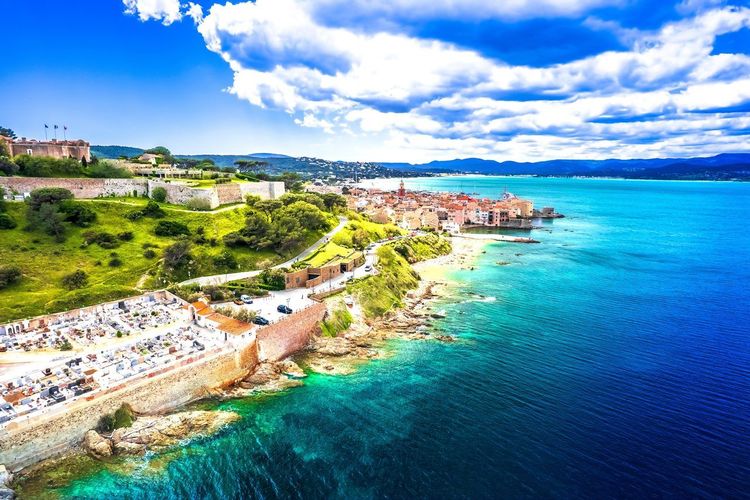
If you only have one day, here is how to link the places already presented above without wasting time on unnecessary trips. In the village, the Ryo audio-guided tour in Saint-Tropez follows the same route in 1h15, 3 km and 21 audio stops, designed for a first visit without missing anything essential or searching for your way between two places.
Morning: Port, Old Town and Citadel
Start with the Old Port at 8 a.m., while the quays are still calm and the fishermen are finishing unloading their catch. Then head up toward La Ponche and the Church of Notre-Dame de l'Assomption, stopping in front of the most photogenic facades, then end the morning with the climb to the Citadel, which offers the best panorama before the heat becomes uncomfortable. Allow about three hours for this first block, maritime museum visit included, a pace that leaves room for improvisation.
Midday: Lunch and Relaxation at Pampelonne
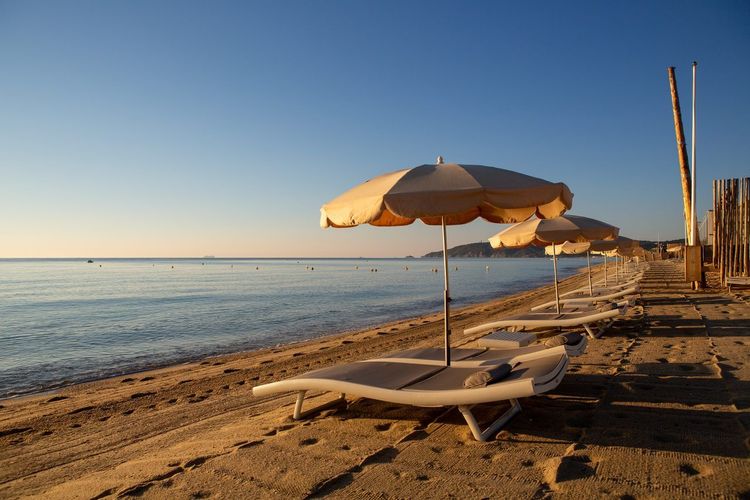
Head down to the Place des Lices for a quick lunch in the shade of the plane trees rather than in full sun on the quays, then make for Pampelonne for the afternoon. Fifteen to twenty minutes by car or bus from the center, the beach lets you recharge your batteries before the second part of the day. Bring your own towel if you stay away from the private beaches, and keep in mind that the sand heats up quickly in midsummer: light shoes make crossing from the car park easier.
End of the Day: Tarte Tropézienne and Sunset Aperitif

Back in the village around 5 p.m., take a sweet break at the historic tarte tropézienne shop before heading to the quays for an aperitif. The setting sun setting the sailboat masts ablaze remains one of the most sought-after photo moments of the day, just before the terraces fill up for dinner. If you still have a little energy, walk to the Jean Réveille jetty at the end of the port: the view opens onto the gulf and the Maures hills turning pink.
What to Do Around Saint-Tropez: Excursions and Neighboring Villages
The peninsula is not limited to the village itself: several destinations within an hour and a half deserve an extra half-day if your stay allows, and above all spare you from leaving with the impression of having seen only a film set.
Ramatuelle and Gassin, Hilltop Villages
A quarter of an hour by car away, Ramatuelle and Gassin play the card of the perched Provençal village, with stepped lanes, surrounding vineyards and open views over the bay from their high points.
Both municipalities are surrounded by wine estates in the Côtes de Provence appellation, where you can often arrange a rosé tasting on site, ideally by calling the day before in high season. Gassin, listed among the Most Beautiful Villages of France, offers from its Barris terrace one of the finest views over the gulf.
Port Grimaud and Grimaud
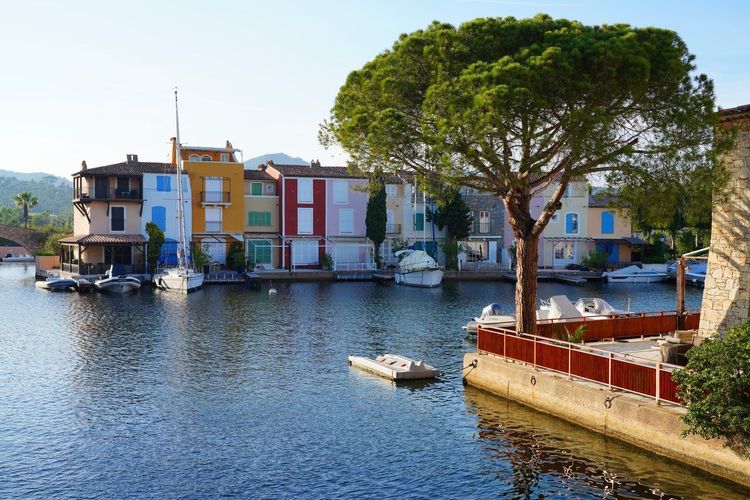
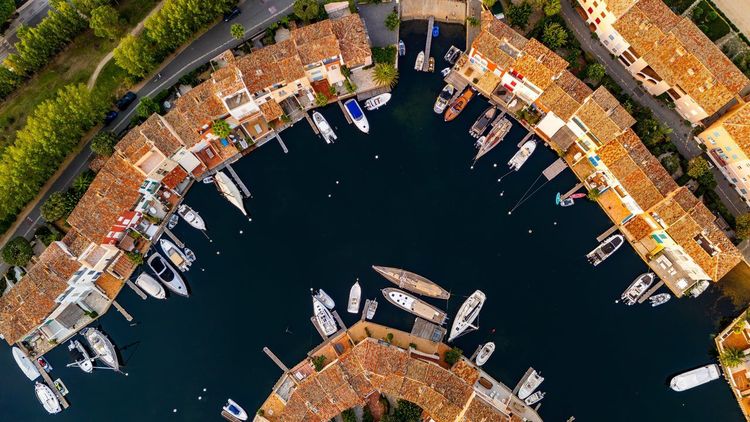
Nicknamed the Provençal Venice, Port Grimaud was built from 1966 by the architect François Spoerry around navigable canals, with colorful houses that can be visited on foot as well as by water shuttle or small electric boat.
Above it, the historic village of Grimaud overlooks the plain from the ruins of its medieval castle, with an old center far calmer than Port Grimaud below. The climb to the castle rewards the effort with a view stretching all the way to the Gulf of Saint-Tropez.
Cotignac, the Abbey of Le Thoronet and the Estérel Massif

Further into the hinterland, Cotignac stands out for its tuff cliff pierced with caves and its shaded avenue lined with plane trees, about 1h15 by road from Saint-Tropez.
About twenty kilometers from there, the Abbey of Le Thoronet is among the finest examples of Cistercian architecture in Provence, with a renowned cloister acoustic and a Romanesque austerity that contrasts sharply with Saint-Tropez's splendor. Combine the two in a single day if you like old stones.
On the coastal side, the Estérel massif offers spectacular coastal roads between red volcanic rocks and secluded coves, about an hour's drive to the east. The Corniche d'Or, between Saint-Raphaël and Théoule-sur-Mer, can be driven with many photo stops, and several marked trails lead up to viewpoints over the sea.
The Island of Porquerolles
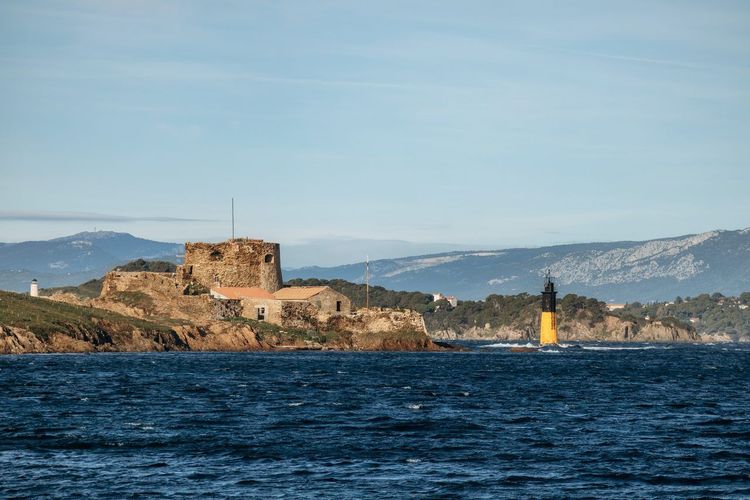
Accessible by boat from La Tour Fondue, on the Giens peninsula, or on a day excursion from Saint-Tropez in season, the island of Porquerolles (83400 Hyères, rated 4.6/5 on Google from 1,903 reviews) is part of the Port-Cros National Park and has some of the clearest waters on the Var coast.
With no cars on the island, you get around by bike or on foot between coves, vineyards and military forts, in a much more preserved atmosphere than that of the Saint-Tropez peninsula. Allow a full day for the round trip, crossing included, which makes it an excursion better reserved for a stay of several days. Our article on the surroundings of Saint-Tropez details other day-trip ideas.
Visiting Saint-Tropez by Profile: Couple, Family or Solo
As a Couple, Without Children
If you are traveling as two, favor a slow pace: a late breakfast facing the port, an aimless stroll through La Ponche, then an aperitif at sunset on the quays. The restaurants of the Place des Lices lend themselves well to a dinner for two, especially outside July and August when reservations become scarce. An escapade to Ramatuelle at the end of the day, for a wine tasting, pleasantly completes this kind of stay for two.
As a Family or Solo

With children, focus on family beaches such as Les Salins rather than Pampelonne and its clubs, and keep the Museum of the Gendarmerie and Cinema for a break in the shade in the middle of the day, free for under-12s. Port Grimaud and its electric boat ride also work very well with young children, who enjoy the short and fun format. Solo, nothing stops you from combining everything at your own pace, with no schedule constraints or differing tastes: it is often the setup that lets you see the most in a single day.
Whatever your profile, an audio guide on your smartphone lets everyone move on or stop freely: a short break with family, the full route solo or as a couple. The Ryo audio guide to Saint-Tropez remains available offline once downloaded, useful in the lanes where the mobile network is sometimes patchy in high season.
Mistakes to Avoid on a First Visit
Arriving by car after 10 a.m. in high season is probably the most common mistake: the central car parks are full by mid-morning between June and September, and traffic on the single access road can add an hour to the journey.
Another classic trap: trying to do everything in a single day without prioritizing. It is better to choose two or three main places and experience them fully rather than rushing between ten points of interest without ever really stopping.
To avoid the crowds, shift your schedule by an hour or two compared to other visitors: arrive at the port at 8 a.m. rather than 10 a.m., and visit the Citadel in late morning rather than at noon sharp. This slight shift is often enough to completely transform the experience.
Do not trust the first terraces you come across on the quay either: you will be paying for the view as much as for the plate. A coffee at Sénéquier is part of the ritual, but for lunch, the tables of the Place des Lices or the lanes of La Ponche often offer better value for money.
Finally, keep in mind that Saint-Tropez is a village that lives year-round, not a theme park: respect private property, keep noise down in the residential lanes of La Ponche and give priority to residents on the narrow sidewalks of the center, especially at market hours.
Practical Information: Access, Parking and Length of Stay
Getting to Saint-Tropez: Car, Boat, Shuttle
By car, allow about 1h30 from Toulon and 2 hours from Aix-en-Provence, with traffic that thickens considerably in July and August over the last kilometers of the road leading to the village. The boat shuttle between Sainte-Maxime and Saint-Tropez remains a particularly pleasant alternative, with a crossing of about twenty minutes, which avoids traffic jams and offers a bonus view of the gulf from the sea.
By train, the nearest stations are Saint-Raphaël-Valescure and Les Arcs-Draguignan, followed by a bus or taxi: from Saint-Raphaël, the coach takes about 1h30 depending on traffic. Toulon-Hyères airport is the closest, ahead of Nice.
Parking and Getting Around the Village
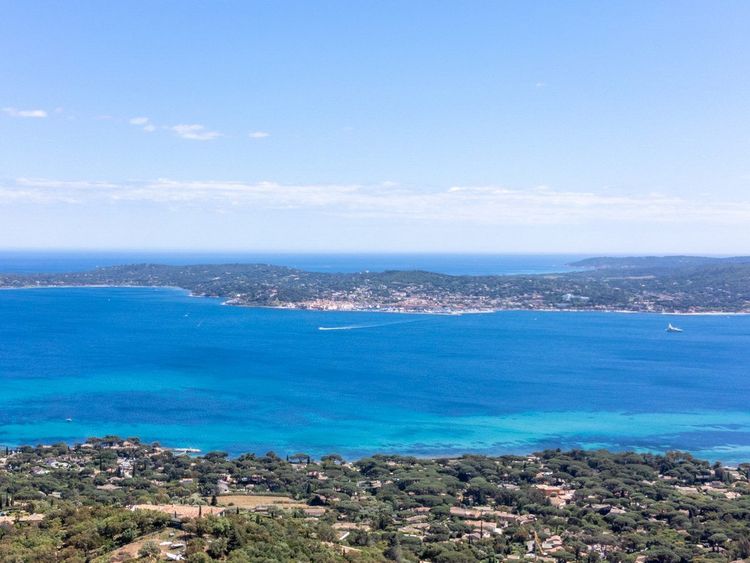
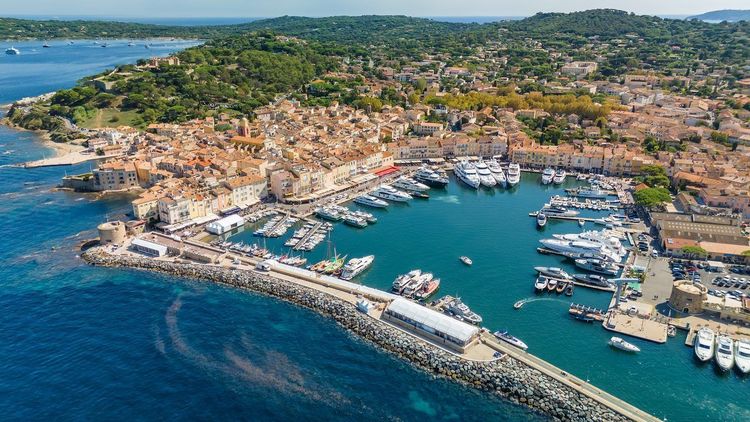
The central car parks, notably those of the Port and the Lices, fill up quickly in high season: arrive early, or opt for the outlying car parks with a shuttle to the center. Once there, Saint-Tropez is visited entirely on foot: the village is less than a kilometer from end to end, and the car quickly becomes a handicap in the narrow lanes of La Ponche.
For the beaches, it is better to plan on buses in summer rather than the car, as parking at Pampelonne is also limited, paid and often full in the middle of the day between July and August.
When to Visit Saint-Tropez: Best Season and Avoiding the Crowds
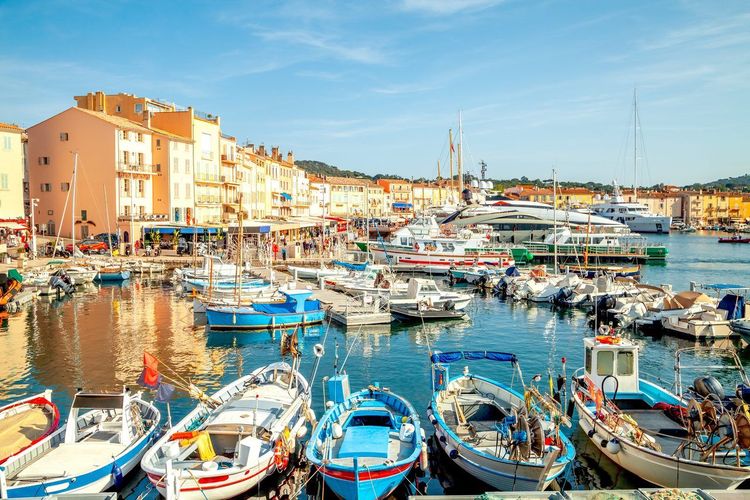
High Season (Summer) and Low Season
July and August concentrate most of the crowds and the highest prices, with a festive atmosphere but also queues everywhere, from terraces to museums. May, June and September offer equally pleasant weather with far fewer people and noticeably more reasonable accommodation rates, sometimes half as expensive as in midsummer.
In winter, Saint-Tropez slows down: several restaurants and shops close their doors, but the village regains a tranquility that appeals to visitors who come primarily for the heritage rather than the seaside atmosphere.
Activities Depending on the Weather
In summer, water activities and beaches naturally take up most of the stay, with days stretching until the late sunset, after 9 p.m. in July. In winter, favor the museums, excursions into the hinterland such as Cotignac or the Abbey of Le Thoronet, and long walks on the coastal path without the summer heat.
In overcast weather, whatever the season, the village museums and the art galleries on the quays offer a comfortable alternative, as does a long break in one of the port's historic cafés.
Where to Stay to Visit Saint-Tropez
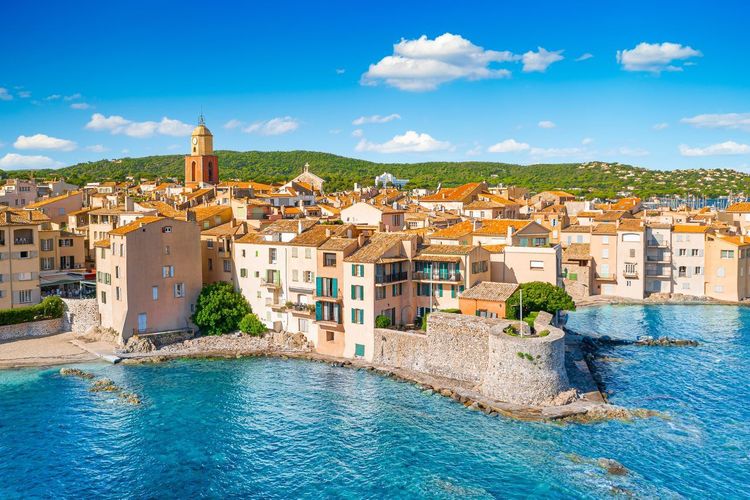
The village center concentrates the most sought-after addresses, often in old buildings with views of the port, at rates that climb sharply in high season, sometimes several hundred euros a night in July and August. For a calmer and generally less expensive stay, accommodations around Gassin, Ramatuelle or the Pampelonne road let you stay a quarter of an hour from the village in a greener setting.
If your budget is tight, also look at Sainte-Maxime or Grimaud: the boat shuttle or the road brings you back to Saint-Tropez in about twenty minutes, and prices there are often much gentler. For a two-day stay, our itinerary for visiting Saint-Tropez in 2 days helps you distribute the visits according to where you are staying.



FAQ
How much time should I plan to fully discover Saint-Tropez?
One day lets you see the essentials of the village: the port, the old town, the Citadel and the Place des Lices. But two to three days are needed to add the beaches, an excursion into the hinterland such as Cotignac or the Abbey of Le Thoronet, and a more relaxed pace.
What is the best time to visit Saint-Tropez?
May, June and September offer the best compromise between pleasant weather and moderate crowds, with gentler accommodation rates. July and August remain the liveliest period but also the most expensive, with car parks full from the morning.
Can you visit Saint-Tropez for free?
Yes: the port, the lanes of La Ponche, the Church of Notre-Dame de l'Assomption, the Place des Lices and a large part of Pampelonne can be enjoyed without spending a euro. Only the Citadel (4 euros) and the museums require an entrance ticket.
What can you see and do in Saint-Tropez with children?
The Museum of the Gendarmerie and Cinema, family-friendly beaches such as Les Salins, and an electric boat ride in Port Grimaud generally work well with children, as do the peacocks of the Citadel.
Which museums should you absolutely visit in Saint-Tropez?
The Musée de l'Annonciade for painting and the maritime history museum in the Citadel for the story of the village remain the two most complete cultural visits, complemented by the Museum of the Gendarmerie and Cinema for a lighter moment.
How can you get to and around Saint-Tropez without a car?
The boat shuttle from Sainte-Maxime or Saint-Raphaël avoids the road and the summer traffic jams while offering a beautiful view of the gulf. Once there, everything is done on foot, as the village is compact and its lanes are narrow.
Can you arrange a wine tasting during a stay in Saint-Tropez?
Yes, the wine estates of Ramatuelle and Gassin offer tastings, often by reservation, with Provence rosés produced just a few minutes from the village.
Conclusion: A First Visit at Your Own Pace
Saint-Tropez keeps its promise as long as you do not let its reputation alone dictate the pace: a morning at the port, a Citadel, a beach, and the village reveals a very different side from the one in the magazines. Save high season for the party and the beaches, the off-season for the lanes and museums, and do not hesitate to push on to Gassin or Port Grimaud if you stay more than a day.
To link the port, La Ponche, the Citadel and the Place des Lices without checking your map at every crossroads, launch the Ryo audio-guided tour between myth and authenticity: 21 audio stops, 1h15 and 3 km of walking, from the first coffee of the morning to the last drink on the quays.
À lire également