© Shutterstock
 Votre guide Ryo
Visiting Saint-Tropez Without a Car in 2026: The Complete Guide
Visiting Saint-Tropez without a car is no hardship: it's even the choice of many gulf regulars. Between July and August, the road that winds in from Sainte-Maxime or Cogolin can be blocked for over an hour at times, whereas a Bateaux Verts boat crosses the gulf in 20 minutes. As soon as you step off the boat or coach, the Ryo audio-guided tour of Saint-Tropez starts at the harbour, with no need to hunt for a parking space.
In this guide, you'll see how to reach the peninsula by sea, by train and then a €3 Zou coach, or from the Toulon and Nice airports. You'll also learn how to get around once there: on foot in the old village, with the small municipal electric shuttle, on a rental e-bike, following real-time schedules on the Pysae app. The Pampelonne beaches, excursions to Port Grimaud, the Lérins Islands or the Estérel, park-and-ride car parks for those who still keep their car, and a costed budget round off this overview.
Getting to Saint-Tropez Without a Car: All the Options from Neighbouring Towns
Saint-Tropez has neither a train station nor a motorway: every road leading there goes through villages that are saturated in summer, and the gulf road turns into an open-air car park between Sainte-Maxime, Cogolin and the La Foux junction. It's therefore better to arrive by sea, rail or air. Here are the four ways to reach the peninsula, from the most direct to the most occasional.
The Bateaux Verts Sea Shuttle from Sainte-Maxime and the Gulf
The Bateaux Verts provide the fastest connection to Saint-Tropez. From Sainte-Maxime, the crossing takes about 20 minutes and drops you right at the harbour, in the heart of town, with no connection or long walk. It's the route most gulf residents prefer as soon as the road becomes congested.
In high season, departures follow one another at a steady pace from morning to evening; off-season, the frequency drops markedly. In 2026, a one-way ticket costs €9.20 for an adult and €5 for a child aged 4 to 11. In July-August, buy your tickets in advance: late-afternoon return trips fill up quickly.
The Bateaux Verts also serve Port Grimaud (Port Grimaud, 83310 Grimaud, rated 4.5/5 on Google from 3.2K reviews), Les Marines de Cogolin and Les Issambres, handy if your accommodation is on that side of the gulf. Fares and durations vary from one jetty to another, but the principle stays the same: a short, scenic crossing and not a single line of cars.
The Train to Saint-Raphaël or Les Arcs, Then the Zou Coach
If you arrive by TGV or TER from Marseille, Toulon or Nice, two stations give access to the peninsula: Saint-Raphaël-Valescure and Les Arcs-Draguignan. Saint-Raphaël is the more practical, as it offers both a direct coach and a sea connection.
From Saint-Raphaël, the Zou 876 line reaches the Saint-Tropez bus station in 1h15 to 1h30 depending on traffic, following the coast via Fréjus, Les Issambres and Sainte-Maxime. The fare is unbeatable: €3 per trip on the regional network. From Les Arcs, the coach connection is less frequent: check the schedules on the Zou website before leaving. In all cases, frequencies drop on Sundays and off-season, especially for the last evening return.
By sea, Les Bateaux Bleus link the Old Port of Saint-Raphaël to Saint-Tropez in about 1h, from spring to autumn, with two to four daily departures depending on the period. Expect around €28 one way and €43 return per adult in 2026: it's noticeably more expensive than the coach, but the view of the red rocks of the Estérel and then of the gulf is worth the extra.
The Coach from Toulon and the Boat from Cannes
From Toulon and Hyères, the Zou 878 line reaches Saint-Tropez along the coast, via Le Lavandou and La Croix-Valmer, in about 2h, at the same €3 fare, and it runs all year round. From Nice or Cannes, there is no practical direct coach: the simplest option remains the train to Saint-Raphaël and then line 876. In high season, Trans Côte d'Azur also offers day boat trips from Cannes to Saint-Tropez, a nice option if you're staying on the Riviera and want to do a round trip in a day.
Getting to Saint-Tropez by Plane: Airports and Transfers

Three airports serve the region. Toulon-Hyères is the closest, about 55 km and 1h15 away by road. Nice Côte d'Azur, better connected to international flights, requires 1h30 to 2h of travel depending on the season, generally by train to Saint-Raphaël and then by coach. Finally, the La Mole airfield, about fifteen kilometres from the village, only handles private flights and a few seasonal services: a luxury option, rarely the most practical for a typical visitor.
Whatever your mode of arrival, the Ryo audio-guided tour of Saint-Tropez starts at the harbour, a stone's throw from the Bateaux Verts jetty and a few minutes from the bus station. You step ashore, start the first audio, and the visit begins.
Getting Around Saint-Tropez Once You're There
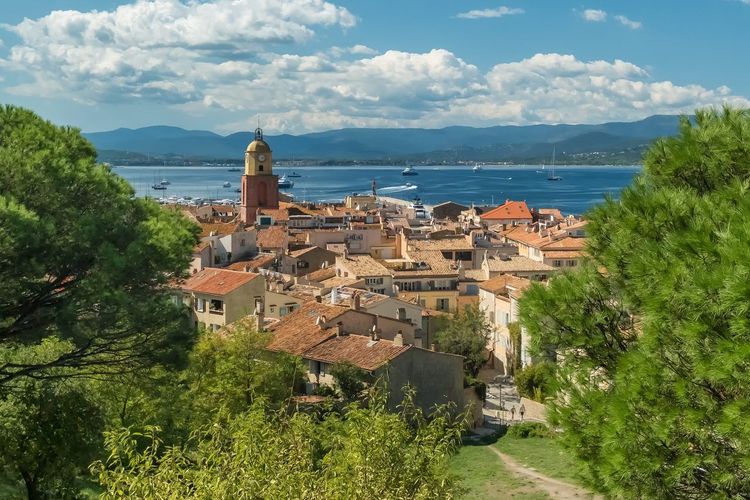
Once you've arrived, forget the idea of driving around the village: the alleys of old Saint-Tropez are largely pedestrianised or very narrow, and parking spaces in the centre are scarce and expensive. Four solutions cover most journeys, from walking to the electric bike.
On Foot Through the Old Village Alleys
Saint-Tropez can be explored entirely on foot: allow about ten minutes from the harbour to place des Lices, barely more to climb from the harbour to the Citadelle through the alleys. The cobbled streets, often too narrow for a car, are the charm of the place: a small square, a fountain or an old porch at every turn. Bring comfortable shoes, as the cobbles get slippery in wet weather.
The Ryo audio-guided tour is designed for walking: it follows these same streets, and you can stop for a break on a terrace between two audios without losing the thread of the story.
The Local Electric Shuttle and the Pysae App
The municipality operates the Saint-Tropez Bus, a small 22-seat electric shuttle designed primarily for seniors and people with reduced mobility, but open to everyone. From June to September, Monday to Saturday, it departs from place des Lices and links the centre to the Saint-Claude area, the Salins beach, La Messardière or the château de la Moutte, for €0.50 per trip.
To avoid waiting at random, download the free Pysae app: it shows schedules, locates the shuttle in real time and sends traffic alerts. It also works for the gulf's summer shuttles, handy when you combine several lines in the same day.
Rental Bikes, Scooters and Electric Scooters
There are no self-service bikes in Saint-Tropez, but several rental companies listed by the tourist office cover every need: Locazur for electric scooters and bikes, Rolling Bikes and Blue Bikes for classic or electric bikes, scooters and Mini Mokes, E-Rider 83 for electric kick scooters. Day rental remains the most flexible option for reaching beaches and coves, as long as you don't mind the few hills towards Ramatuelle. In August, book the day before: electric bikes go fast.
Getting Around with Children or Luggage
With a pushchair or large suitcases, the old village's cobbles make walking harder. Favour the electric shuttle and the beach shuttles over cycling, which is poorly suited to young children. For trips from the station or airport, book a taxi or private transfer several days in advance: they are scarce and expensive in midsummer. As for groceries, several chains such as Monoprix, E. Leclerc or Carrefour deliver to your door around the gulf, which saves you from carrying packs of water to your rental.
What to See on Foot in Old Saint-Tropez: Harbour, Citadelle and Alleys
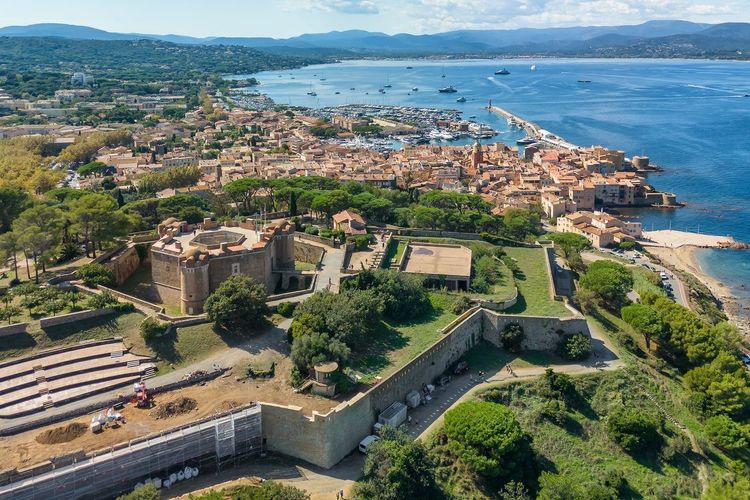
Old Saint-Tropez is easily explored in a morning's walk, provided you set off early: before 9am, the alleys are still quiet and the light on the harbour is at its best.
The Harbour and Quays, the Living Heart of the Town
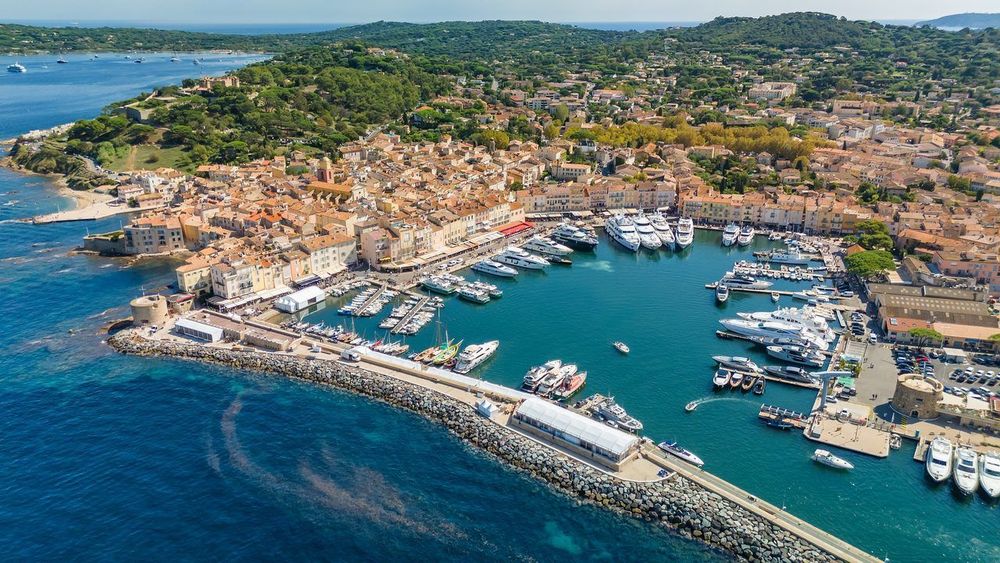
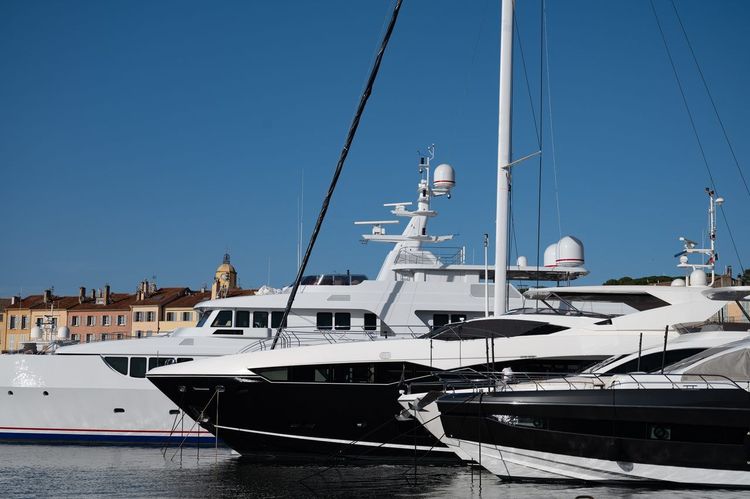
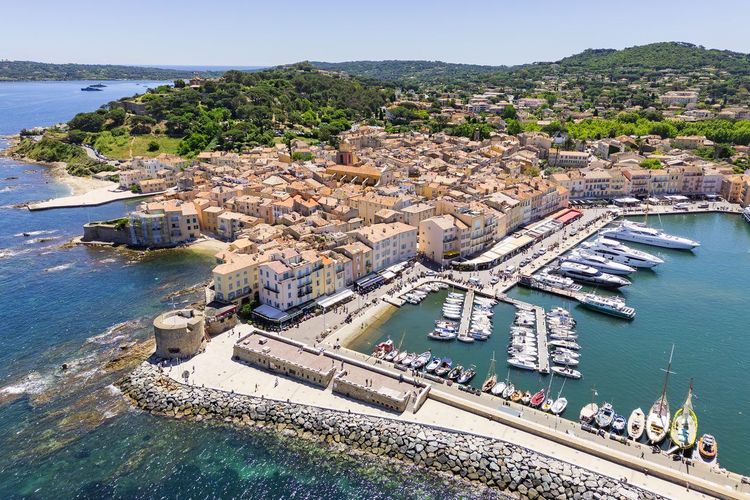
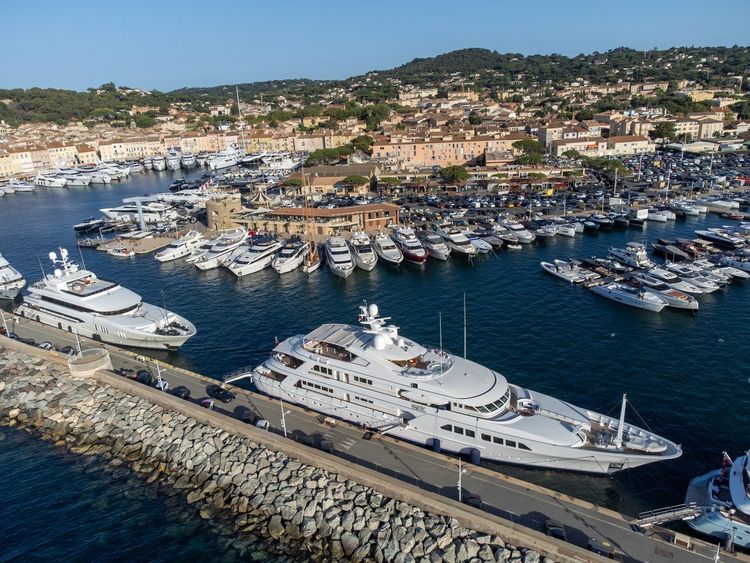
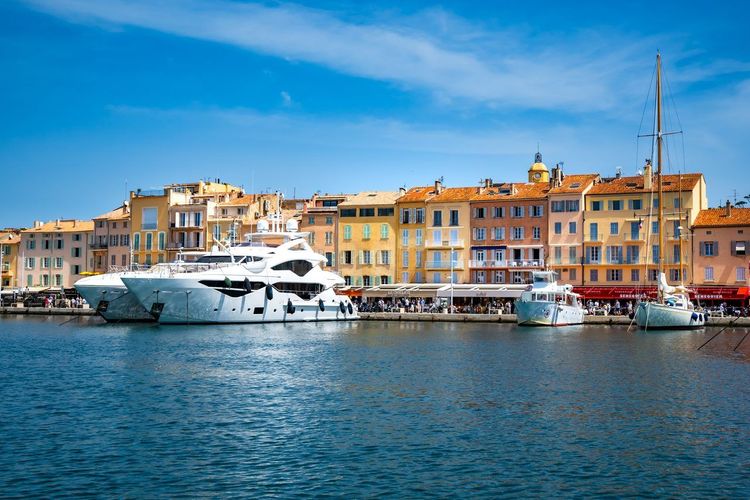
The port of Saint-Tropez concentrates most of the activity: yachts moored side by side, terraces facing each other along the Jean Jaurès quay, fishermen who still sell their catch at dawn. The Sénéquier café, with its red chairs recognisable from afar, has watched this ballet since 1887 and has seen artists, actors and royalty pass by without ever changing its décor.
The best time to enjoy the harbour without the crowds is early morning, when the fishing boats return and the terraces are barely setting out their tables. In the late afternoon, the atmosphere changes radically: it's aperitif time and yachts manoeuvre to leave their berths, a spectacle almost as popular as the town itself.
The Citadelle and the Church of Notre-Dame-de-l'Assomption
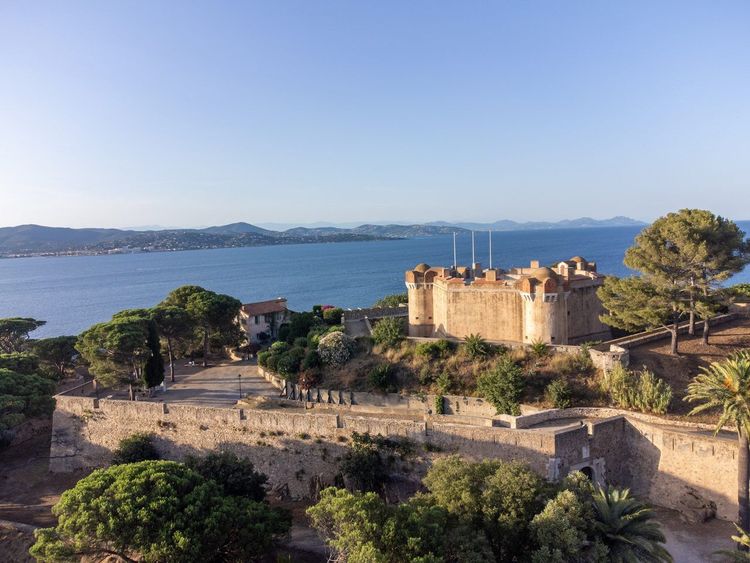
Climbing up from the harbour, a ten-minute walk leads to the Citadelle of Saint-Tropez, whose hexagonal keep was built at the very start of the 17th century. It now houses the maritime history museum. The panorama from its ramparts covers the whole gulf, from Sainte-Maxime to Port Grimaud, and is reason enough for the climb, especially at the end of the day when the light skims the village rooftops.
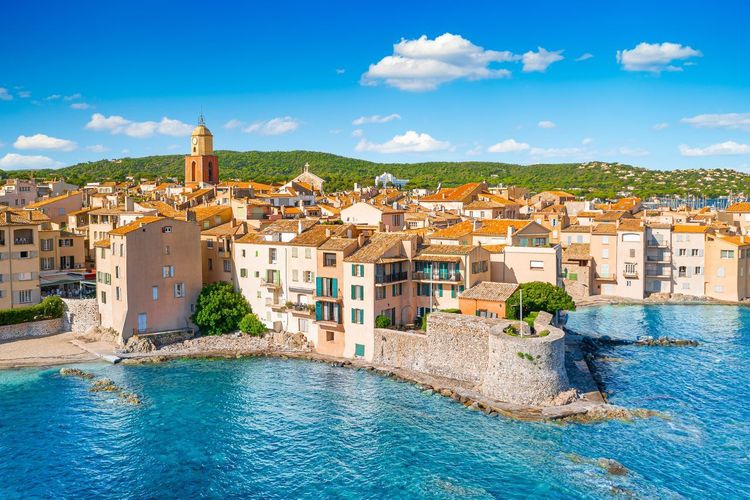
On the way back down towards the centre, the Church of Notre-Dame-de-l'Assomption (Rue de l'Église, 83990 Saint-Tropez, rated 4.4/5 on Google from 439 reviews), with its ochre and pink bell tower typical of Provence, houses the bust of Saint Tropez, carried in procession from 16 to 18 May during the Bravade, a festival that has honoured the town's patron saint for more than four centuries. Don't confuse it with the Bravade des Espagnols on 15 June, which commemorates the Tropezians' victory over 21 Spanish galleys in 1637.
Place des Lices and the Typical Alleys
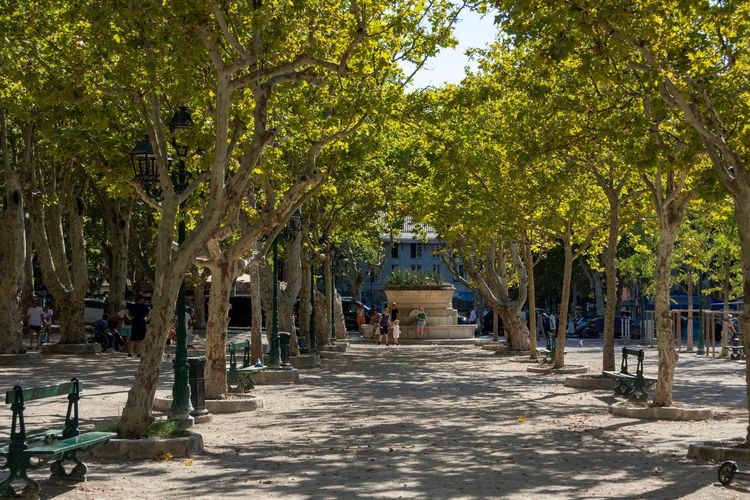
At the other end of the village, place des Lices hosts a lively Provençal market every Tuesday and Saturday morning, and pétanque players gather there almost every afternoon in the shade of the plane trees. The surrounding alleys, rue Allard and rue Clemenceau, are packed with shops, galleries and colourful façades.
For art lovers, the Musée de l'Annonciade, housed in a 16th-century chapel near the harbour, holds a superb collection of Pointillists and Fauves who painted Saint-Tropez at the turn of the 20th century. Along with the Citadelle and the Musée de la Gendarmerie et du Cinéma, it is one of the village's few paid visits. For more ideas, our selection of 7 must-do things in Saint-Tropez completes this walking tour.
To link these stops without thinking about the route, the Ryo sub-tour between myth and authenticity strings together 21 audio stops, i.e. 1h15 of walking for about 3 km: the harbour, the Citadelle and the alleys just described, told right where you're standing.
Reaching the Beaches on Foot, by Shuttle or by Bike: Pampelonne and the Coves
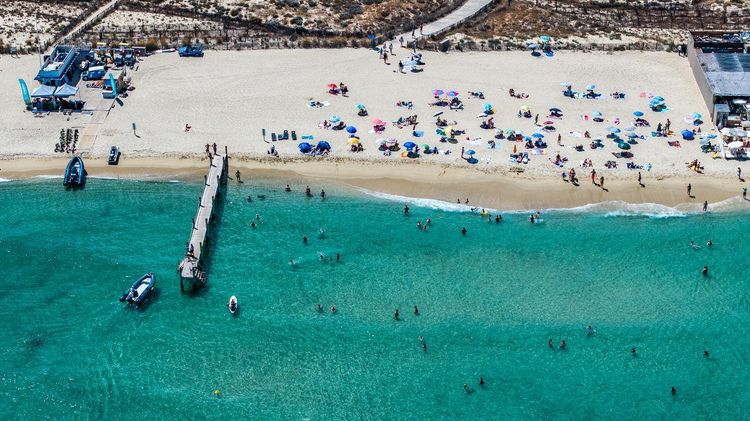
The question of the beaches is often the one that makes people hesitate to leave the car behind: Pampelonne, the most famous beach, stretches along the commune of Ramatuelle, about 5 km from the centre. Yet three solutions make it possible to get there without driving.
Free Beach Shuttles in the Summer Season
From early June to late September, the Communauté de communes du Golfe de Saint-Tropez runs free summer shuttles linking the gulf's villages to their beaches, Saint-Tropez included. The Zou 875 line completes the offer from May to September between the centre and the Pampelonne beaches. Check the departures in Pysae and expect a bit of a wait between noon and 2pm, when the whole village seems to want to reach the sand at the same time.
Pampelonne by Electric Bike
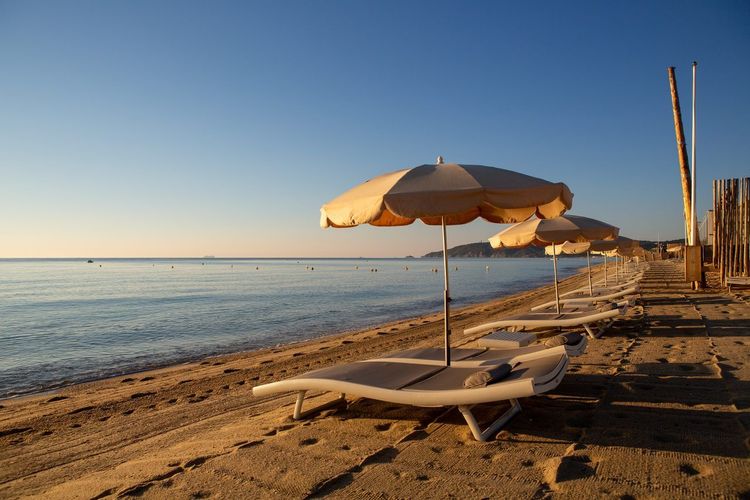
On a rental e-bike, allow about 20 to 25 minutes from the harbour, via the route des Plages. It's the most flexible option off-season, when the summer shuttles no longer run, and it lets you leave whenever you like. Pampelonne's beach clubs also sometimes offer private shuttles for their customers, to be booked directly with the establishment.
Coves Accessible on Foot from the Centre
Closer to the village, several beaches can be reached without any transport. The small Ponche beach lies at the foot of the old fishermen's quarter. The Graniers beach is about fifteen minutes away along the coastal path, below the Citadelle, and the Bouillabaisse beach, on the west side, is about twenty minutes' walk from the harbour. The Salins, about 4 km away, require rather an hour on the coastal path, or the Saint-Tropez Bus in summer.
The Ryo audio guide commentary also covers the history of this coastline, useful if you extend your walk after visiting the village. For details of each beach, the article Beaches in Saint-Tropez reviews sand, atmosphere and access.
Excursions Around the Gulf of Saint-Tropez Without a Car: Sainte-Maxime, Port Grimaud, Grimaud
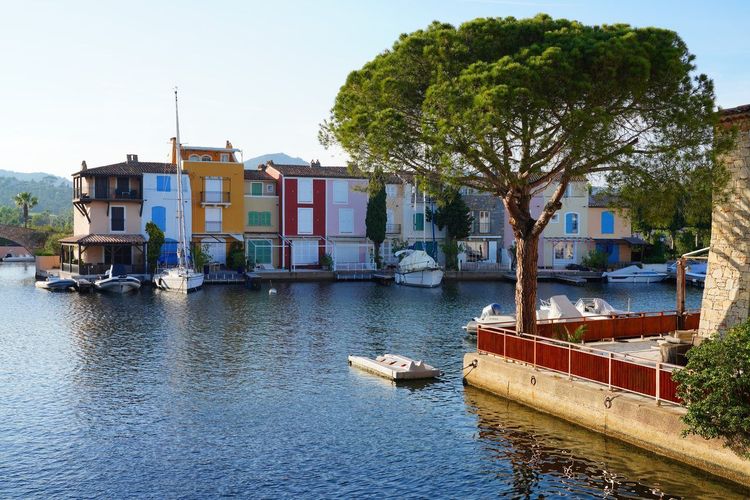
The same Bateaux Verts that bring you to Saint-Tropez also let you set off again for a half-day around the gulf. Head for Sainte-Maxime (Promenade Simon Lorière, 83120 Sainte-Maxime, rated 4.4/5 on Google from 5K reviews), a 20-minute crossing away, for its long beach and seafront promenade, or Port Grimaud, the "Provençal Venice" designed by architect François Spoerry from 1966, whose canals can be explored by water shuttle.
Grimaud, the hilltop village overlooking the gulf, requires a little more organisation: no sea link goes up there, so you need to combine the boat to Port Grimaud with a coach or taxi for the few kilometres uphill. Allow a good half-day with the village visit and its ruined castle, more if you have lunch there.
Without even leaving the harbour, the Bateaux Verts, Le Brigantin, La Rose des Vents or the Caseneuve maxi-catamaran offer commentated cruises along the Baie des Canoubiers and its famous villas. On returning from an excursion, many visitors stop for an hour at Port Grimaud for an aperitif before the last evening sailing: just check its schedule before settling in on a terrace.
Longer Excursions by Boat or Train: Lérins Islands and the Estérel Massif
Two day excursions are worth the detour for those who don't drive, provided you accept a slightly longer journey.
The Lérins Islands by Boat from Saint-Tropez or Cannes
In season, the Bateaux Verts offer a round trip to Sainte-Marguerite Island from Saint-Tropez, Sainte-Maxime and Les Issambres: it's the simplest way to reach the Lérins Islands from the gulf, without changing. From Cannes, the crossing to Sainte-Marguerite takes only about fifteen minutes with Trans Côte d'Azur, and a dedicated service runs to Saint-Honorat Island (Île Saint-Honorat, 06400 Cannes, rated 4.7/5 on Google from 333 reviews). Days and fares change with the season: book directly with the companies.
Sainte-Marguerite, the larger island, is home to the royal fort where the Man in the Iron Mask was held and a shaded path that circles it in about two hours. Saint-Honorat, smaller and still inhabited by Cistercian monks, is best visited in silence, among monastic vineyards and chapels scattered through the pine woods.
The Estérel Calanques and Trails by Train, Bus or Boat

The Estérel massif, with its red rocks plunging into a turquoise sea, is easy to explore from Saint-Raphaël, a logical starting point if you've just taken the train. TER trains on the coastal line stop at several small stations along the corniche, such as Agay or Le Trayas, from where marked trails lead to the peaks and coves.
For a less sporty approach, boat excursions run along the calanques from the port of Saint-Raphaël, with or without a swimming stop depending on the package, for a budget that generally starts around €25 to €30 for a half-day. Several Saint-Raphaël rental companies also offer electric mountain bikes and marked routes in the massif: a good way to cover more ground without a long walk.
If You Still Come by Car: Car Parks and Parking
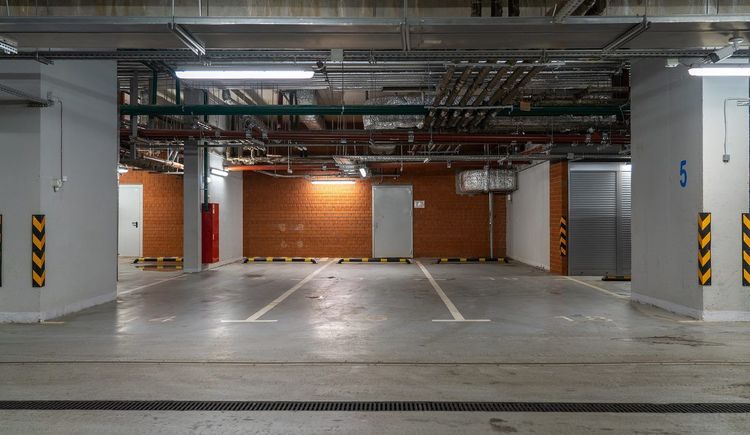
If you keep the car, park as early as possible. The Nouveau Port car park, avenue du Général de Gaulle, is the largest with 1,477 spaces: in high season 2026, the first 30 minutes are free, then the first hour costs €4.50. It often fills up by mid-morning in summer. The Lices car park, a stone's throw from the square of the same name, helps out for a short visit.
The best option remains the Bouillabaisse park-and-ride, at the town entrance: €5 a day, and a free electric shuttle running every 15 minutes to drop you at place des Lices, near the Citadelle. This spares you the last kilometres of traffic jams and the headache of parking in the town centre.
A few charging points for electric vehicles exist in town, but their number remains limited: arrive with good range rather than counting on a fast charge in peak season.
Budget and Shuttle Prices for Visiting Saint-Tropez Without a Car
For a day in Saint-Tropez by public transport, the budget remains reasonable. The Bateaux Verts Sainte-Maxime - Saint-Tropez shuttle costs €9.20 one way at the adult rate, i.e. €18.40 return, and €5 one way for a child aged 4 to 11. From Saint-Raphaël, the one-hour crossing with Les Bateaux Bleus rises to around €28 one way and €43 return.
The Zou coach remains the cheapest solution: €3 per trip from Saint-Raphaël, Toulon, Hyères or Sainte-Maxime, with no seasonal supplement. On site, the Saint-Tropez Bus costs €0.50 per trip, the summer beach shuttles are free, as is the park-and-ride electric shuttle. Only the rental of an electric bike or scooter really weighs on the bill, with prices that vary between rental companies.
In total, a round trip by boat from Sainte-Maxime plus a day of shuttles on site comes to around €20 per adult, less than a day's parking at the Nouveau Port in midsummer. For a family of two adults and two children, plan on about sixty euros of travel for the day.
Which Season to Choose to Go Without a Car in Saint-Tropez
The season radically changes the experience. In July-August, sea shuttles, Zou coaches and beach shuttles run at full frequency, which offsets the crowds, whereas the car becomes truly penalising at the entrances to the peninsula.
In spring and September, frequencies remain decent and the crowds are more discreet: it's probably the best window to come by public transport, with less crowded boats and water still good for swimming in September. Still, remember to book accommodation and crossings if your stay falls during the Voiles de Saint-Tropez, at the end of September.
In winter, Bateaux Verts sailings are greatly reduced, and the Saint-Tropez Bus and summer shuttles no longer run. So check your schedules in advance and rely on the train and then the Zou 876 and 878 coaches, which run all year.
Mistakes to Avoid When You Come Without a Car
The first mistake is underestimating distances: between the harbour, Pampelonne and the Salins, the peninsula is much larger than it looks on a map, and walking in the midday sun in August is far from pleasant without water or a hat.
The second is missing the last boat or the last coach of the evening, especially off-season when services are sparse. Check the return time before moving away from the harbour: forgetting can cost an unplanned hotel night or a very pricey taxi ride.
Many people also think it's impossible to visit Saint-Tropez for free: walking around the village, the harbour, the beaches and the summer shuttles cost nothing. Only the boat crossing and the entrance to some museums are paid.
Finally, trying to see everything in a single day remains the most common limitation. One full day is enough for the village and a beach, but the article Visiting Saint-Tropez in 2 Days suggests a more comfortable pace if you want to push on to the gulf or the islands.



FAQ
Can you get to Saint-Tropez by train?
Not directly: no train station serves the peninsula. Get off at Saint-Raphaël-Valescure, then take the Zou 876 coach (1h15 to 1h30, €3) or, from the Old Port, the Bateaux Bleus boat (about 1h).
How much does the shuttle between Sainte-Maxime and Saint-Tropez cost?
In 2026, a one-way ticket with the Bateaux Verts costs €9.20 for an adult and €5 for a child aged 4 to 11. The crossing takes about 20 minutes.
Where can you park in Saint-Tropez if you come by car?
The Bouillabaisse park-and-ride, at €5 a day with a free electric shuttle to place des Lices, is the most economical solution. In the town centre, the Nouveau Port car park has 1,477 spaces, with 30 free minutes in high season and then €4.50 for the first hour.
How much time should you plan to visit Saint-Tropez without a car?
One full day is enough for the village, the harbour and a beach. To add the gulf or an excursion to the Lérins Islands, it's better to plan two days.
What is the best season to come to Saint-Tropez by public transport?
Spring and September offer the best compromise between shuttle frequency and moderate crowds. Summer guarantees maximum service but with the crowds; in winter, services are reduced and the summer shuttles do not run.
Can you visit Saint-Tropez for free?
For the most part, yes: walking around the village, enjoying the harbour, strolling place des Lices, swimming and taking the summer beach shuttles cost nothing. Only the boat crossing and the entrance to some museums are paid.
What can you do in Saint-Tropez with children when you don't have a car?
The free beach shuttles and the Saint-Tropez Bus, at €0.50 per trip, remain the simplest options, as does the Ponche beach, a few minutes' walk from the harbour. Avoid cycling with young children and book a taxi in advance for trips from the station.
Leaving the car at home is often the best way to enjoy the peninsula: a boat crossing instead of a traffic jam, alleys you discover on foot rather than from behind a windscreen, and beaches that a shuttle or an electric bike can easily reach.
To plan your visit, let our Ryo app guide you from the moment you step off the boat or coach: the main audio-guided tour covers the village at your own pace, with a map on your phone and stories at every stop.
À lire également