© Shutterstock
 Votre guide Ryo
Visiting Saint-Tropez in 3 Days: The Complete Itinerary for 2026
In Saint-Tropez, the harbor fills with yachts before eight in the morning, but Place des Lices, a five-minute walk away, still smells of coffee and the dust of the pétanque courts of a Provençal village that refused to disappear. Visiting Saint-Tropez in 3 days means coping with exactly this contrast between the jet set on the quays and the fishermen's lanes just behind. The Ryo audio-guided tour of Saint-Tropez tells the story of this double life from your very first steps on the harbor, headphones on, with no guide to wait for and no fixed schedule.
In three days, you will have time to climb up to the Citadel, understand why a museum dedicated to the gendarmerie attracts as many people as an art museum, and compare two hilltop villages that gaze at each other across their hills. You will also come across a butterfly collection bequeathed by the son of a famous photographer, rosé estates classified as Côtes de Provence, and a beach nearly five kilometers long where every club has its own atmosphere. This guide follows a chronological rhythm day by day, then adds beaches, wine, excursions, good addresses, access, festivals and the budget to plan for.
Day 1: The Harbor, the Old Town and Place des Lices
The Port of Saint-Tropez and the Ponche District
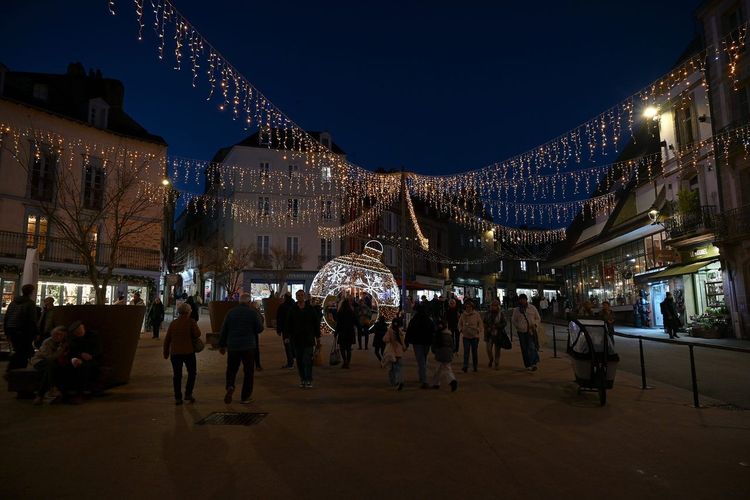
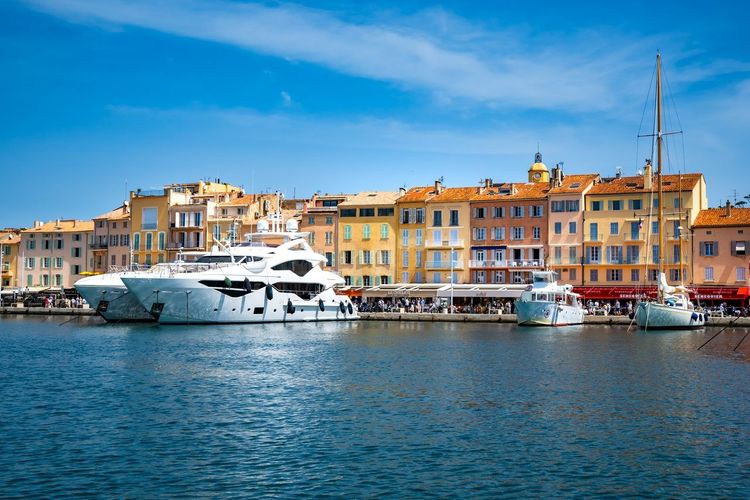
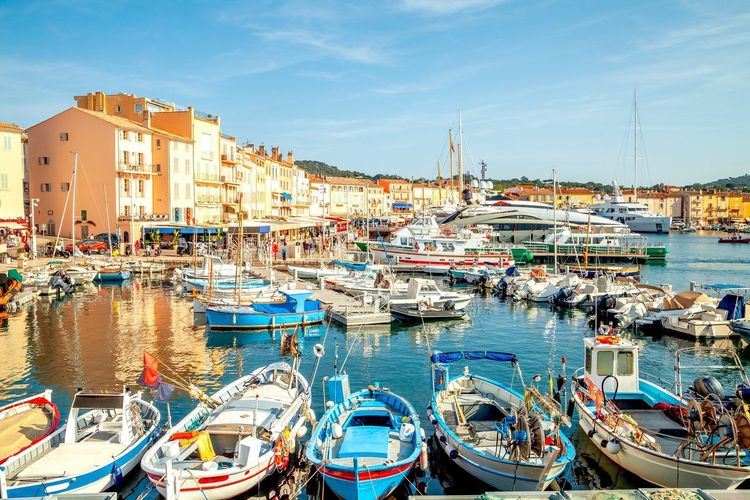
Start early, before the terraces fill up. The port of Saint-Tropez has lined up its yachts along the Jean Jaurès quay and the Suffren quay since the 1960s, when Brigitte Bardot, revealed here by "And God... Created Woman" in 1956, turned a fishing village into a worldwide showcase. Painters set up in the morning facing the boats, a tradition going back to Paul Signac, who arrived in 1892 aboard his sailboat, and which gives the quay the feel of an open-air museum.
Have a coffee at Sénéquier, the terrace with red chairs that has been here since 1887, then head into the lanes that climb behind the harbor: you are entering the Ponche district, the old fishing village with pastel facades and covered passageways. The small Ponche beach, wedged between the houses and the Portalet tower, still has a few traditional fishing boats, the pointus, pulled up on the sand. Several scenes of The Gendarme of Saint-Tropez were filmed in this corner of town, and you will easily recognize some of the film's settings.
To miss none of these details, the Ryo audio-guided tour between myth and authenticity strings together 21 audio clips over 1h15 and 3 km: it crosses the harbor and the Ponche, recounting the arrival of the painters, the filming of The Gendarme and the life of the fishermen before fame. Start it at the end of the quay, then follow it at your own pace while the district wakes up.
On leaving the Ponche, walk along the Jean Réveille mole to the Tour Vieille. The view over the harbor, with the Citadel in the background and the Maures hills in the distance, is one of the most photographed in town. The mole remains freely accessible all day and is a good place to catch your breath before lunch.
Place des Lices, Its Market and Its Games of Pétanque
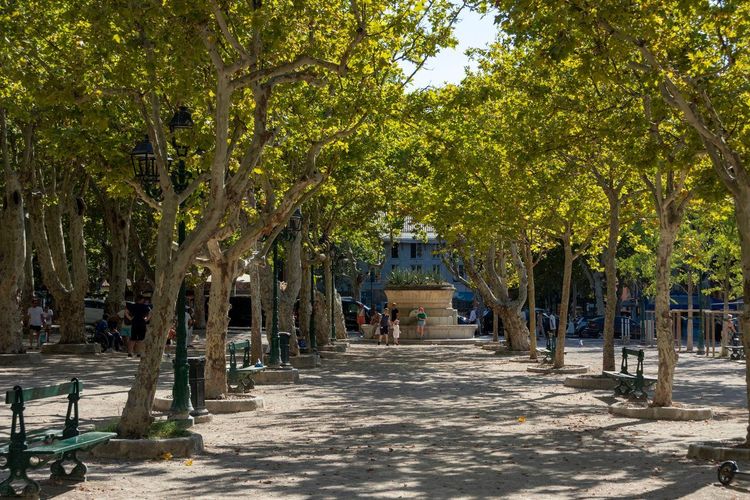
Heading back down toward the center, five minutes' walk is enough to reach Place des Lices (Place des Lices, 83990 Saint-Tropez, rated 4.4/5 on Google from 6,320 reviews), the true popular heart of the town. On Tuesday and Saturday mornings, the Provençal market sets up its stalls of fruit, olives, cheeses and fabrics until early afternoon, and tourists rub shoulders with regulars doing their shopping as anywhere else in Provence. If your stay falls on a Tuesday or a Saturday, organize your first day around this event: do the market first, and keep the harbor for late afternoon.
In the afternoon, the square changes character: pétanque players settle under the plane trees, sometimes until evening. It is not unusual to see a tight game being played a few meters from a packed terrace, without anyone batting an eye. Sit down at Café des Arts, on the corner of the square, to watch the games, then head back toward the harbor for an aperitif.
To end the day, climb up to the marine cemetery, just below the Citadel, facing the sea. It is one of the finest sunset viewpoints over the gulf, and the film director Roger Vadim rests there. The place is quiet, almost always deserted at the end of the day. Then have dinner in the lanes of the old town rather than on the quays: the atmosphere is more relaxed and the bill lighter.
A tip on pacing for this first day: do not try to see everything. The historic center is small, but its lanes invite strolling, and the best surprises often come from a half-open door onto an artist's studio or a shaded little square. Save your museum visits for the next day and devote this one to discovering the town on foot.
Day 2: Citadel, Museums and Cultural Heritage
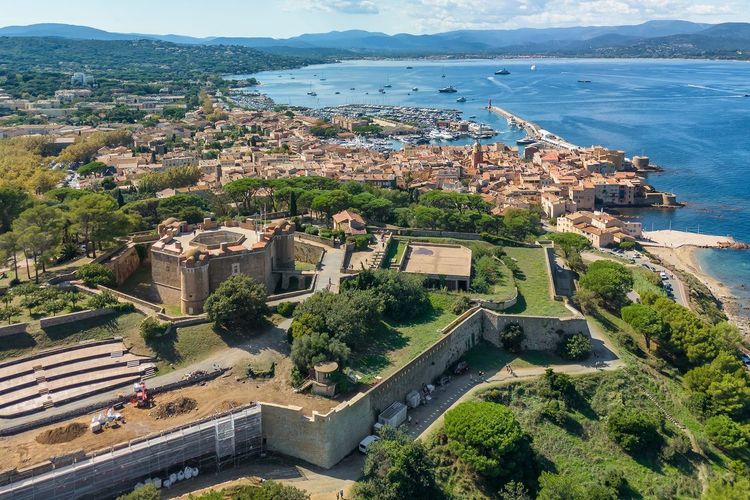
The Citadel of Saint-Tropez and Its Panorama
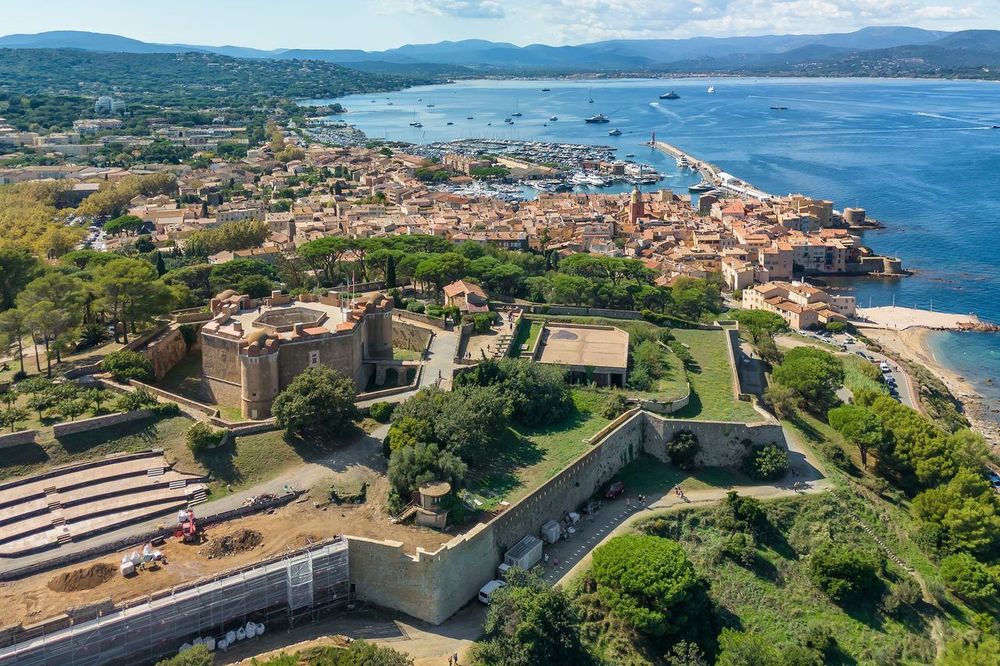
From the center, the climb to the Citadel of Saint-Tropez takes a quarter of an hour on foot, in the shade of the pines. Built starting in 1602 to plans by Henri IV's engineer Raymond de Bonnefons, with a hexagonal keep completed in 1607, it was meant to protect the gulf from raids coming from the sea. Since 2013, the keep has housed the maritime history museum, which tells the story of Saint-Tropez's sailors, fishing, trade and great voyages. Admission costs €5, free for children under 12.
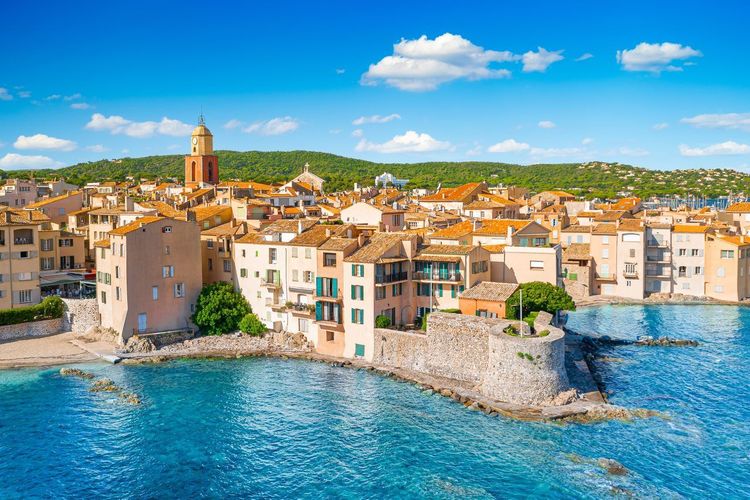
It is above all the panorama that justifies the climb: the whole gulf, the ocher roofs of the old town and, on a clear day, Sainte-Maxime opposite and the Maures hills. Come at opening time, 10 a.m.: the light is still soft and groups generally only arrive late in the morning. Allow an hour with the museum, half an hour for the ramparts alone. Don't miss the peacocks roaming freely in the moats, a curiosity that children love.
The Annonciade Museum and the Church of Notre-Dame-de-l'Assomption
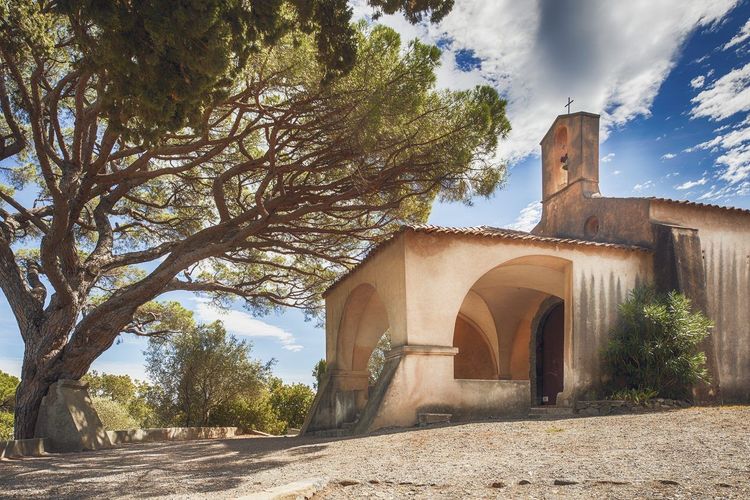
On the way back down to the harbor, the Annonciade Museum occupies a former 16th-century chapel on Place Grammont. Its collection is surprisingly dense: Signac, Bonnard, Matisse, Derain and Vlaminck are all represented, with many canvases painted directly in Saint-Tropez, some of which show the harbor as it was before the yachts arrived. The museum is small, an hour is enough, and it is often the favorite moment of visitors who thought they were only coming for the beach.
Two streets away, the Church of Notre-Dame-de-l'Assomption displays a yellow and pink bell tower that stands out from the rest of the old town and serves as a landmark from the sea. Inside is the bust of Saint Torpes, carried in procession every year from May 16 to 18 during the Bravades, a festival that is both religious and military, unique to Saint-Tropez and celebrated for more than four centuries.
Between the Annonciade and the church, take time to wander around Place aux Herbes, where the small fish market is held every morning under its stone arcades. Fishermen sell the catch of the day there, and it is one of the few places in town where the price of a red mullet bears no relation to the one on the harbor menus. For lunch, a plate of market produce on a bench facing the sea is worth more than many terraces.
The same audio tour you heard the day before also passes the Citadel and the Annonciade: reopen it here to place each monument in the history of the town, without juggling a paper map and a book, simply by following the stops on foot.
The Gendarmerie and Cinema Museum
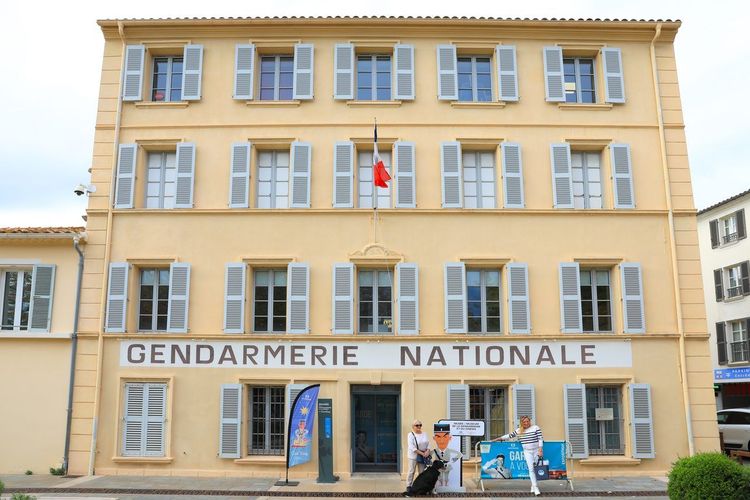
In the afternoon, head to an unexpected place: the Gendarmerie and Cinema Museum (2 Place Blanqui, 83990 Saint-Tropez, rated 4.5/5 on Google from 14,890 reviews), housed at 2 Place Blanqui in the former gendarmerie that served as the setting for the Gendarme of Saint-Tropez saga with Louis de Funès, between 1964 and 1982. Period offices, uniforms, posters and film clips coexist in a deliberately nostalgic space, complemented by a section devoted to the many films shot in the town. Admission is €5 at full price, free for children under 12.
The waiting line there is sometimes longer than at the Annonciade, proof that popular cinema remains an essential part of local identity. If you are traveling with children, it is often the visit they remember best from the trip. Then keep a slot at the end of the day for the Maison des Papillons (detailed below), a few lanes away, and end the evening with dinner in the old town.
Day 3: Beaches and the Hilltop Villages of Ramatuelle and Gassin
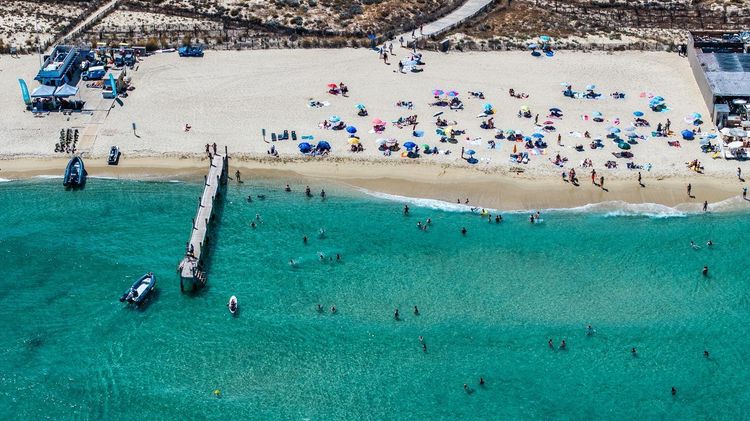
Relaxing Morning: Pampelonne and Nearby Beaches
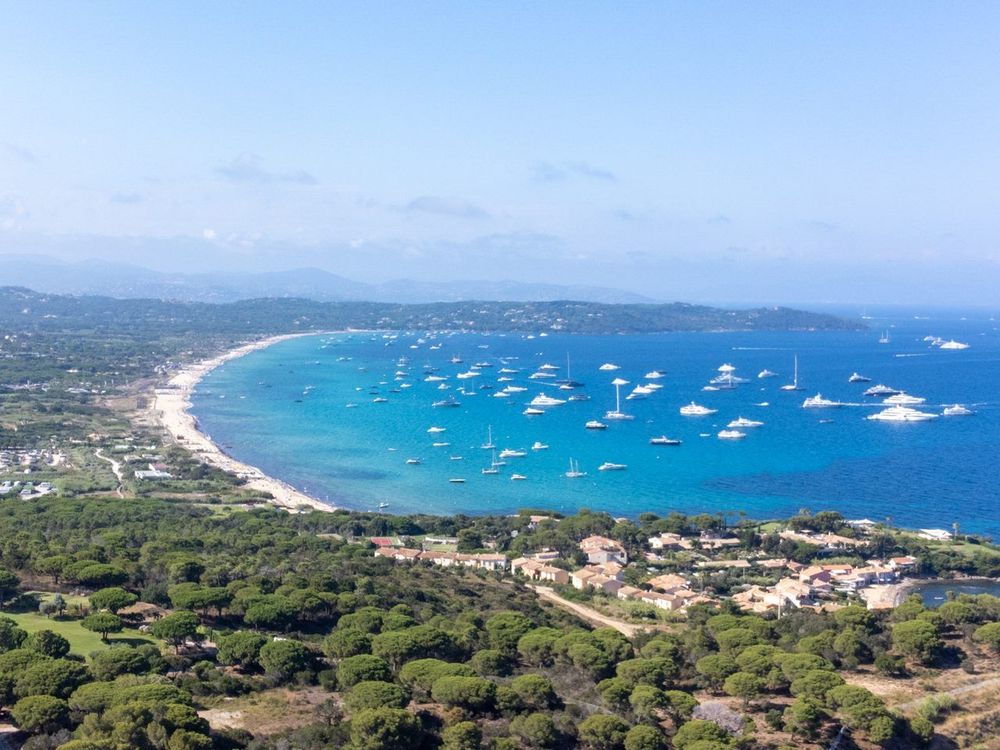
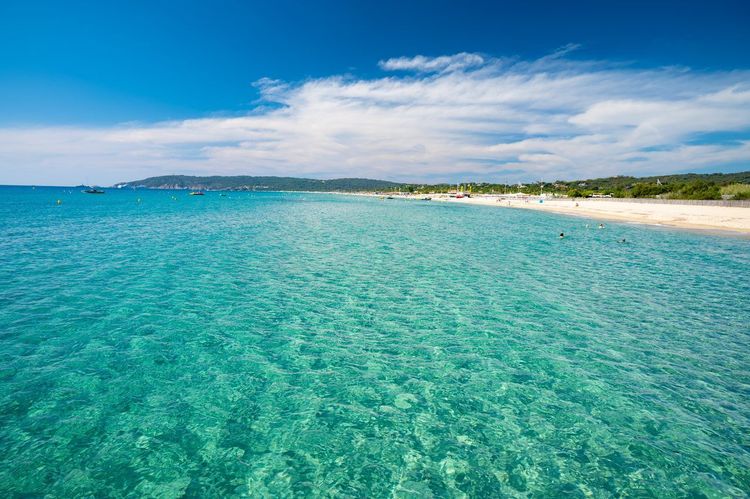
The third day completely changes pace. Head to Pampelonne beach, in the municipality of Ramatuelle: nearly five kilometers of fine sand lined with several dozen establishments, from the legendary Club 55 to simpler venues offering day-long mattress rental. The water is shallow for several meters, which makes it a practical beach with children despite its glamorous reputation. Arrive before 10 a.m. in summer: the parking lots by the beach fill up quickly.
If you are looking for more tranquility, Les Salins beach (Chemin des Salins, 83990 Saint-Tropez, rated 4/5 on Google from 1,192 reviews), a few kilometers from the center of Saint-Tropez, is less crowded and lined with pines that offer natural shade, a rare detail on this coast. It is also the starting point of a lovely stretch of the coastal path toward Pointe de Capon.
Ramatuelle, the Hilltop Village with Flowering Lanes
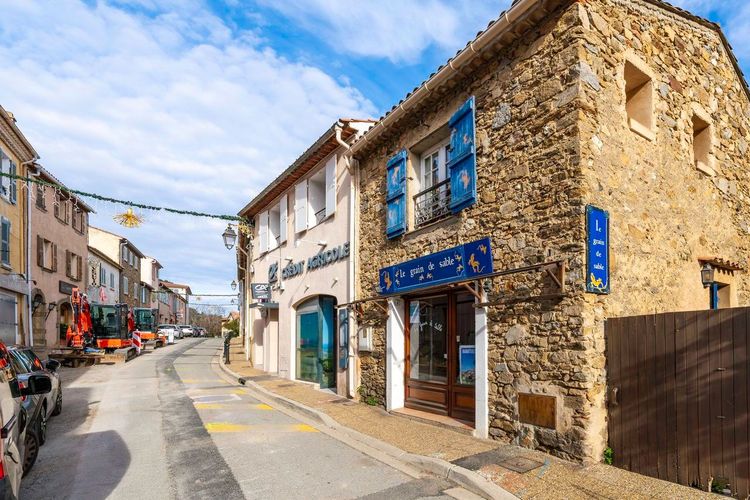
In the early afternoon, when the sun beats down hardest on the sand, take the road to Ramatuelle, about fifteen minutes away by car. The village, wrapped around its hill, is best discovered on foot: it's easy to get lost among lanes flowered with bougainvillea and vaulted passages that wind up to the church and Place de l'Ormeau. The actor Gérard Philipe rests in the village's small cemetery, a detail many visitors discover by chance while strolling. Every summer, the Ramatuelle festival, founded in 1985 in his honor, takes over the open-air theater.
On the road between Ramatuelle and Gassin, stop at the Paillas windmills, on the heights of the peninsula: the view takes in both Pampelonne Bay and, on a clear day, the Hyères islands. The narrow ridge road demands caution, but it is one of the most beautiful drives on the peninsula.
Gassin and Its Panorama over the Gulf of Saint-Tropez
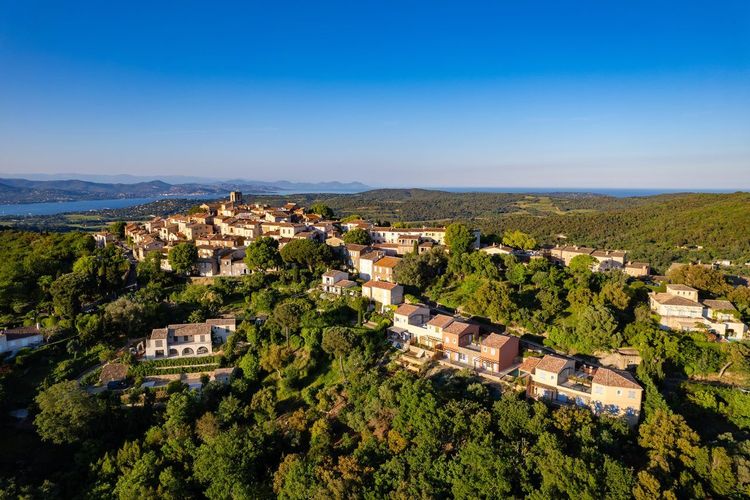
Ten minutes away by road, Gassin completes the day with a different panorama: a member of Les Plus Beaux Villages de France, it overlooks both the Gulf of Saint-Tropez and the vineyards stretching toward Ramatuelle. The terrace at Place Deï Barri offers one of the best viewpoints on the entire peninsula, particularly at sunset, and several restaurants serve dinner there facing the gulf.
These two villages are perfect for walking, and you can even link some trails between hills and coast if you have good shoes. Our article on hiking around Saint-Tropez details several walking routes. And if you come back to sleep in Saint-Tropez, use the evening to listen again to the harbor stops of the Ryo audio-guided tour, which the evening crowd makes even more expressive.
The Most Beautiful Beaches around Saint-Tropez
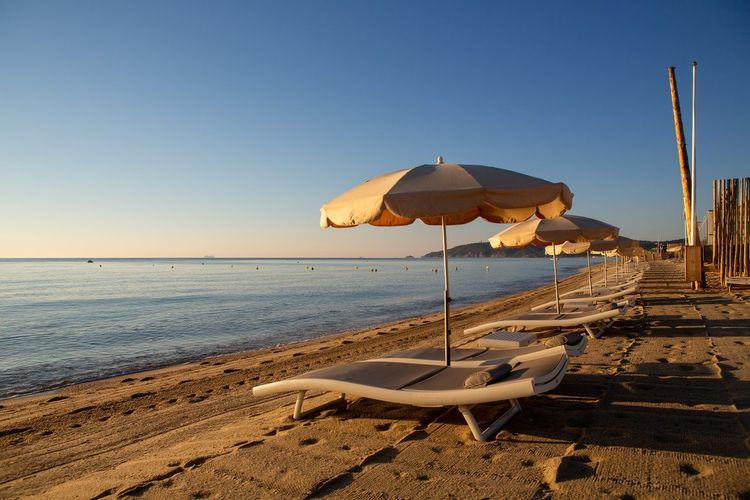
Day 3 only opens the door: the peninsula has about ten beaches with very different atmospheres. Pampelonne remains the benchmark for clubs and cocktails, but it stretches over enough kilometers that you can also find free public access points, with no paid sunbeds, between the establishments.
At the other end, Les Salins attracts families and regulars who want to avoid the July and August crowds. Closer to the center, La Bouillabaisse beach, at the entrance to town, and Les Graniers, at the foot of the Citadel, can be reached on foot in a few minutes: handy if you don't have a car. A little further toward La Croix-Valmer, Gigaro beach keeps an almost wild feel, with turquoise water and access to the Cap Lardier trail.
If you're torn between all these options, compare them according to your profile: families with children toward Les Salins or Gigaro, party atmosphere toward Pampelonne, car-free swimming at Les Graniers. Our guide to the beaches of Saint-Tropez details access, parking and club prices, useful for organizing this half-day without surprises.
Hidden Gems of Saint-Tropez: The Butterfly Museum and Unusual Activities

Few guides dwell on the Maison des Papillons (17 Rue Étienne Berny, 83990 Saint-Tropez, rated 4.6/5 on Google from 184 reviews), located at 17 rue Étienne Berny. It was created by Dany Lartigue, a painter and the son of photographer Jacques-Henri Lartigue, who later bequeathed his house-museum to the town. Several thousand specimens are displayed there, including protected or extinct species such as the Apollo of Mercantour, and exotic butterflies from the Amazon, in old-fashioned display cases that give the place the feel of a cabinet of curiosities.
Other ideas for getting off the beaten track: a boat trip in the bay to see the villas of Les Parcs from the sea, a crossing to Sainte-Maxime on the regular shuttles, or simply a sunset walk on the coastal path that leaves from the Ponche toward Les Graniers and then Les Canebiers beach. This path offers views over the bay that most hurried visitors never see.
Finally, the Sainte-Anne chapel, perched on a hillock south of the town, is a sailors' place of devotion surrounded by pines: few tourists climb up there, yet the view over the gulf is superb.
To go further, our article top 5 activities to do in Saint-Tropez lists more ideas, useful if you have a free half-day on top of this three-day itinerary.
Vineyards and Wine Tastings around Saint-Tropez
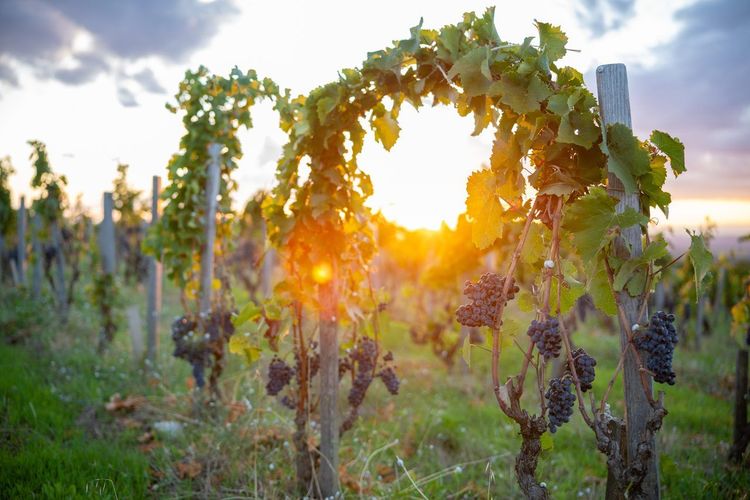
The Saint-Tropez peninsula is part of the Côtes de Provence appellation, and several estates can be visited within half an hour's drive. Château Minuty, in Gassin, is one of the best-known rosé houses in the region; its cellar welcomes visitors for tastings among the vines.
In La Croix-Valmer, the Domaine de la Croix, a classified cru of the Côtes de Provence, takes a more intimate approach, with a tasting cellar and a range of pale rosés typical of the region. If you prefer a single address to compare several producers, the cooperative cellars of Gassin and Ramatuelle let you taste the peninsula's wines at gentle prices.
Tasting is often free or inexpensive for everyday wines, and costs more for guided cellar tours. The ideal is to place this break between Ramatuelle and Gassin on Day 3, or at the end of the afternoon on a beach day. Remember to appoint a designated driver: the peninsula's roads are narrow and winding, and checks are frequent in summer.
Excursions and Prettiest Villages to Discover from Saint-Tropez
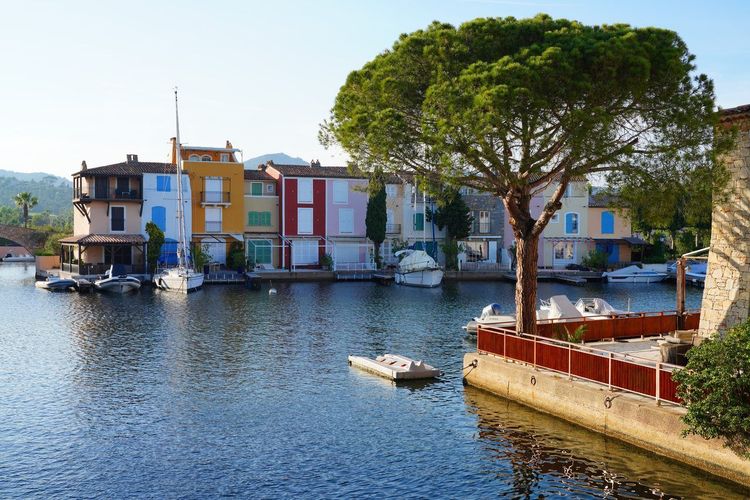
Beyond Ramatuelle and Gassin, already covered on Day 3, the region is full of other villages to see on half-day excursions. Port Grimaud (Place Neuve, 83310 Grimaud, rated 4.6/5 on Google from 2.9K reviews), about twenty minutes away by road, surprises with its canals and colorful houses that earned it the nickname "Provençal Venice." Designed by architect François Spoerry starting in 1966, the lakeside town can be explored on foot as well as on the water, by water shuttle or electric boat.
A little higher up, the medieval village of Grimaud, dominated by the ruins of its castle, offers a striking contrast with the coast: cobbled lanes, old fountains and a view over the whole gulf from the ramparts. To plan more outings, our article what to see around Saint-Tropez offers a more complete ranking of the peninsula's villages and viewpoints.
Continuing into the Maures massif, La Garde-Freinet shows another face of the region: a village in a forest of cork oaks and chestnut trees, at the foot of the ruins of Fort Freinet, far from the bustle of the coast. Allow about thirty minutes by road from Grimaud.
If you have an extra day, push on to Cogolin, renowned for its pipes and carpets, or to the Hyères islands: Porquerolles is reached by boat from the Giens peninsula, about an hour's drive away. Closer, Sainte-Maxime, across the gulf, is reached in about fifteen minutes by sea shuttle and is well suited to a car-free market morning.
Where to Stay in Saint-Tropez: Hotels, Guesthouses and Rentals
Hotels and Guesthouses in the Center
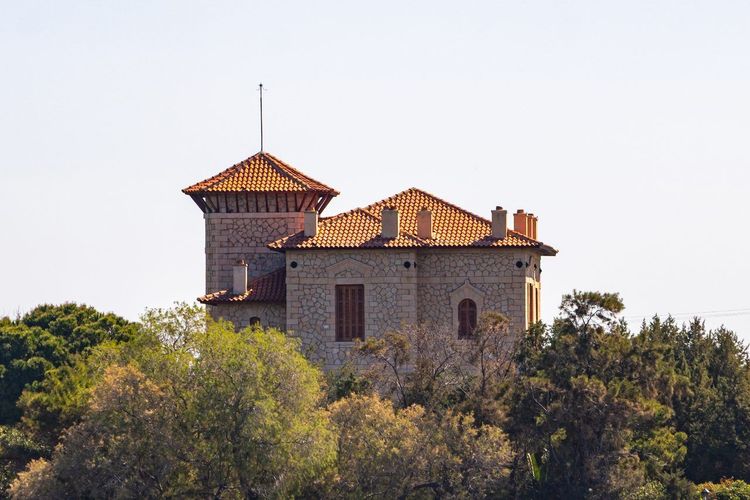
Staying in the historic center is expensive but simplifies everything: you are within walking distance of the Ponche, the harbor and Place des Lices, and you avoid the morning traffic jams. The Hôtel Sube, right on the quay, remains a safe bet for those who want to wake up facing the yachts. As for guesthouses, several houses tucked into the lanes or on the road to Les Salins offer more affordable rates, often with a shared terrace and a Provençal breakfast. Book several months ahead for July and August: the best addresses are full by spring.
To give you an idea, a double room in a simple central hotel rarely exceeds €150 to €200 a night in May or September, but can double in high summer. The palaces on the beach road and in the Les Salins area play in an entirely different category, often well above €1,000 a night in high season.
Vacation Rentals and Campsites Nearby
For a tighter budget or a family stay, vacation rentals around Ramatuelle, Gassin or Cogolin offer more space for the same price as a room in the town center. The peninsula's campsites, such as those near Pampelonne on the Ramatuelle side, remain a popular option in summer: several offer equipped mobile homes a short distance from the beach, handy if you want to go straight from swimming to aperitif without taking the car again. Just keep in mind that you will have to take the car or the shuttle every morning to get to the center.
Where to Eat in Saint-Tropez: Restaurants and Good Tables
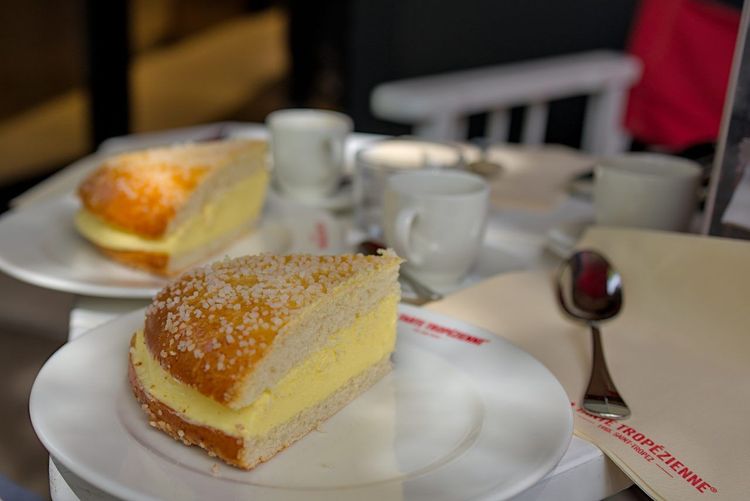
For a sweet break, the Tarte Tropézienne is a must: this cream-filled brioche was created in the 1950s by pastry chef Alexandre Micka, and it was Brigitte Bardot who reportedly suggested its name during the filming of "And God... Created Woman." The historic shop, on Place des Lices, remains the busiest.
As for meals, price ranges vary enormously. For a simple, convivial evening, look for the small tables of the Ponche district and the lanes of the old town, far from the prices displayed on the harbor. For the beach experience, Club 55 at Pampelonne serves simple cuisine made from fresh products in a setting that has remained almost unchanged since the 1950s. In between, the restaurants in the center, around rue Allard and Place aux Herbes, serve Provençal cuisine at more reasonable prices than the quays.
For a special occasion, La Vague d'Or, Arnaud Donckele's restaurant at the Cheval Blanc hotel, awarded three Michelin stars, is among the best tables in France. Book well in advance: the restaurant only opens in season.
And for a quality picnic, do your shopping at the Place des Lices market: tapenade, fougasse, goat cheeses and seasonal fruit will make up a Provençal lunch to take away to Les Graniers beach or the foot of the Citadel, for a fraction of the price of a terrace.
How to Get to and Around Saint-Tropez
Saint-Tropez has no train station. The nearest stations are those of Saint-Raphaël and Les Arcs-Draguignan, served by the TGV, from where regional buses reach the peninsula. By air, Toulon-Hyères airport is about fifty kilometers away, and Nice about 100 km away, farther but better served by international flights. By car, allow between one hour and one and a half hours from the A8 motorway depending on traffic, which can considerably lengthen the trip in July and August on the only access road.
A pleasant alternative: the sea shuttles linking Sainte-Maxime, Port Grimaud or Les Marines de Cogolin to the port of Saint-Tropez. They avoid the traffic jams and offer an arrival by sea, far more photogenic. A common trick is to park your car in Sainte-Maxime or Port Grimaud and cross the gulf by boat for the day.
Once there, the center can be explored entirely on foot, but a car becomes essential to reach Ramatuelle, Gassin or Pampelonne, too far away to walk. Parking is expensive and limited in summer: aim for the large harbor or Lices parking lots early in the morning, or the lots on the outskirts. The electric-assist bike is a good option for nearby beaches, as long as you avoid the hot hours.
When to Go, Events and Budget for 3 Days
The Best Month to Visit Saint-Tropez
May, June and September remain the best windows: the weather is already summery, prices are lower than in high season, and the beaches are far less crowded. July and August are the most expensive and busiest months, with hotel prices sometimes doubled compared with the rest of the year. In winter, the town returns to its quiet village calm, but many beach restaurants and hotels close.
Events and Festivities to Fit into Your Stay

Three events are worth planning your dates around. The Bravades, from May 16 to 18, see costumed bravadeurs parade, blunderbusses in hand, behind the bust of Saint Torpes: it is the most authentic festival of the year. On June 15, the Bravade des Espagnols commemorates the 1637 victory against a Spanish fleet. Finally, in late September and early October, Les Voiles de Saint-Tropez brings together more than 250 classic and modern sailboats in the gulf: in 2026, it runs from September 26 to October 4, and the harbor becomes a permanent spectacle.
One, Two or Three Days: Which to Choose?
One day lets you see the harbor, the Ponche, Place des Lices and the Citadel, but at a run and without a beach. Two days add the museums and a half-day at Pampelonne. Three days remain the right format for visiting Saint-Tropez in depth, with the hilltop villages and real swimming time, without spending your vacation in the car.
What Budget to Plan for 3 Days
For three days, plan an average daily budget of between €120 and €250 per person depending on the level of accommodation and dining, excluding car rental. Visits remain affordable: €5 for the Citadel, €5 for the Gendarmerie museum, a few euros more for the Annonciade. It is lodging, sunbeds and meals on the harbor that drive up the bill, the latter consistently costing more than the same dishes served two streets away. The Ryo audio-guided tour, meanwhile, launches on your phone with no booking or schedule, leaving you free to time your visits according to the weather.



FAQ
How do you visit Saint-Tropez in one day?
With just one day, focus on the harbor, the Ponche district and Place des Lices in the morning, then head up to the Citadel for the panorama. In the afternoon, a visit to the Annonciade or a stop at Les Graniers rounds off the day nicely without a car. Three days are still necessary, however, to add the Pampelonne beaches, Ramatuelle and Gassin without rushing.
Where is Cyril Hanouna's house in Saint-Tropez?
No address is publicly disclosed: it is a private property, like most celebrity villas on the peninsula. It is neither visible from the road nor open to visitors, and your time is better spent on the places you can actually visit.
What is the best month to go to Saint-Tropez?
May, June and September offer the best compromise between pleasant weather and manageable crowds. May has the advantage of the Bravades, late September that of Les Voiles de Saint-Tropez. July and August guarantee sunshine but multiply prices and waiting lines.
What are the prettiest villages around Saint-Tropez?
Ramatuelle and Gassin come out on top for their panoramas and well-preserved lanes, followed by Grimaud for its ruined castle and Port Grimaud for its colorful canals. Each can be visited in half a day from Saint-Tropez.
Do you need a car to visit Saint-Tropez and its surroundings?
The center of Saint-Tropez can be explored entirely on foot, but a car becomes necessary as soon as you want to reach Ramatuelle, Gassin, Pampelonne or the surrounding villages. Sea shuttles from Sainte-Maxime can replace the car for the arrival leg.
What budget should you plan for 3 days in Saint-Tropez?
Between €120 and €250 per person per day, excluding car rental, depending on the type of accommodation and dining. Prices climb sharply in July and August and drop back in May, June and September.
Conclusion
Three days are enough to understand why Saint-Tropez continues to fascinate well beyond its reputation as a luxury port: between the Citadel, the lanes of the Ponche and the hilltop villages of Ramatuelle and Gassin, the town holds layers of history that the postcard doesn't show. If you are short on time, our itinerary to visit Saint-Tropez in 2 days condenses the essentials. And to keep this common thread throughout your stay, the Ryo audio-guided tour of Saint-Tropez connects these places by telling what hides behind each facade.
À lire également