© Shutterstock
 Votre guide Ryo
17 Free Activities to Do in Toulon in 2026
Toulon has a reputation as a garrison town, locked down by the French Navy and too often skipped by guides heading straight for Hyères or Bandol without stopping. Our overview of free activities in Toulon in 2026 pushes back against this received idea: between the ramparts inherited from Vauban and the harbour — one of the largest natural roadsteads in Europe — this Var city lines up seventeen experiences you can enjoy without opening your wallet. The Ryo audio guide for Toulon actually connects several of these spots on foot, from the port all the way up to the heights of Mont Faron.
Here, you climb to the top of the Faron via a steep trail that makes the paid cable car unnecessary, come face to face with life-size Var dinosaurs and prehistoric humans in a departmental museum with no entry fee, and swim in turquoise water five minutes' walk from the historic centre. This selection covers the old town, the Mourillon coastline and the hills overlooking the Mediterranean, with a precise address, useful opening hours and, more often than not, a detail that tourist brochures forget to mention.
1. Stroll Through the cours Lafayette Market
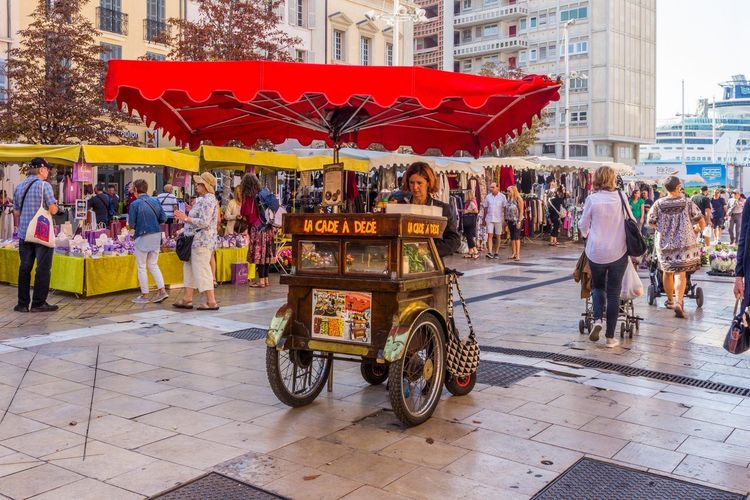
Every morning except Monday, the cours Lafayette transforms into a Provençal market in the heart of Toulon's city centre, with no entry fee or obligation to buy. Stalls of freshly landed fish sit alongside olive producers, goat's cheese makers and cut flower sellers, stretching nearly 400 metres between place Louis Blanc and the entrance to the old town.
The market has existed in one form or another since the 19th century, when market gardeners from the hills around Toulon would come to sell their produce directly. You can simply soak up the morning bustle between 7am and 1pm, chat with a producer, or just walk through the stalls to reach the old town. Saturday is the busiest day, with stalls spilling onto the adjacent squares and a smell of grilled fish drifting all the way down to the bottom of the cours.
2. Get Lost in the Old Town's Narrow Streets
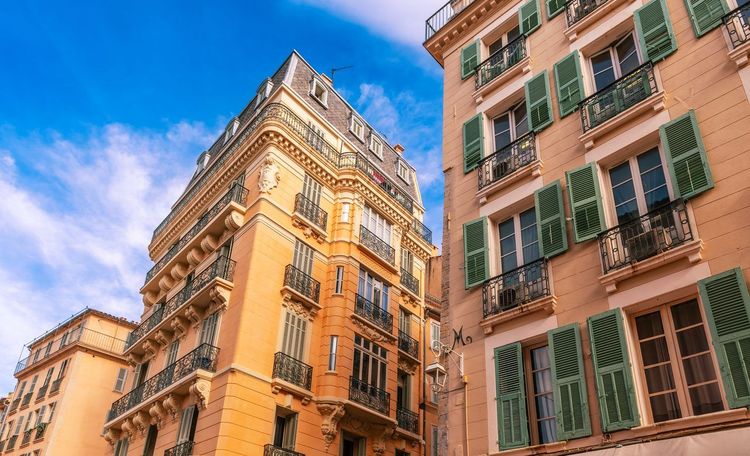
The old town of Toulon stretches between cours Lafayette and the port, a labyrinth of narrow medieval streets that the post-war reconstruction did not entirely erase. The ochre façades and laundry hanging from window to window give the neighbourhood a Neapolitan air that few visitors anticipate before setting foot in it.
Rue d'Alger, a pedestrian shopping street, serves as the neighbourhood's backbone. Step just a few metres away from it and you'll find more discreet passages where restaurant signs give way to craftsmen's workshops and inner courtyards closed off by old carriage gates. The neighbourhood long suffered from a rough image, associated with the insecurity of the 1990s, but renovations carried out over the past decade have reopened entire squares to terraces and summer events.
The Ryo audio guide for Toulon covers this area in detail, with stops at the fountains and hidden courtyards you'd easily miss at a quick pace. Allow an hour to explore the neighbourhood on foot without rushing, two hours if you stop at every antique shop window. The best time is late afternoon, when the low-angle light illuminates the façades without overwhelming the lanes with tourists.
A story still circulates among the neighbourhood's shopkeepers: some medieval cellars are said to have extended all the way down to the sea before the port was filled in, and several restaurateurs claim to have rediscovered traces of them beneath their premises during recent renovation work. True or embellished, the tale gives a good excuse to look up at the stone lintels carved with dates that appear at every street corner.
3. Visit the Cathédrale Sainte-Marie-Majeure
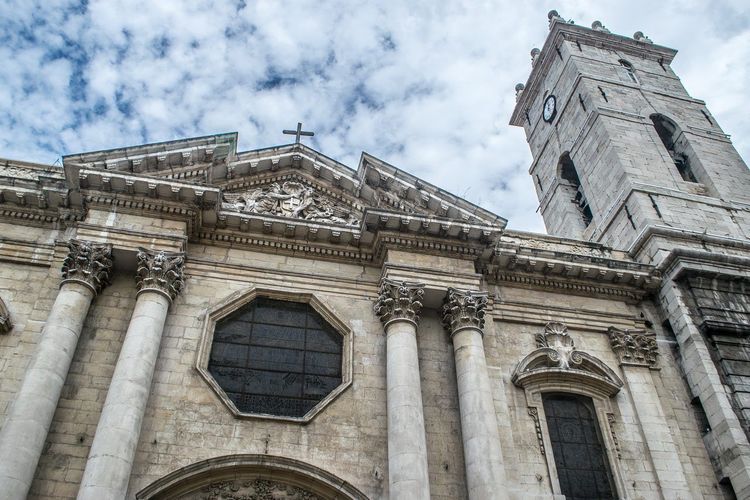
The Cathédrale Sainte-Marie-Majeure (Place de la Cathédrale, 83000 Toulon, rated 4.5/5 on Google from 810 reviews), also known as Notre-Dame-de-la-Seds, dates back to the 11th century: it was the Count of Provence, Gilbert de Boson, who decided to build a church in Toulon dedicated to the Virgin Mary. The building was considerably expanded in the 17th century, when it received its classical façade — the one visible today from place de la Cathédrale. Access is free outside of services.
Inside, the nave blends austere Provençal Romanesque in its oldest section with vaults added during the 17th-century expansion — an architectural collision that few visitors notice at first glance. Listed as a historic monument in 1949 and classified in 1997, it became the cathedral of the Diocese of Fréjus-Toulon in 1957. Take a moment to look up before leaving: the contrast between the blackened stonework and the gilded altarpieces remains one of the most photographed details by the people of Toulon themselves, often more so than by passing tourists.
4. Admire the Harbour from the Port of Toulon
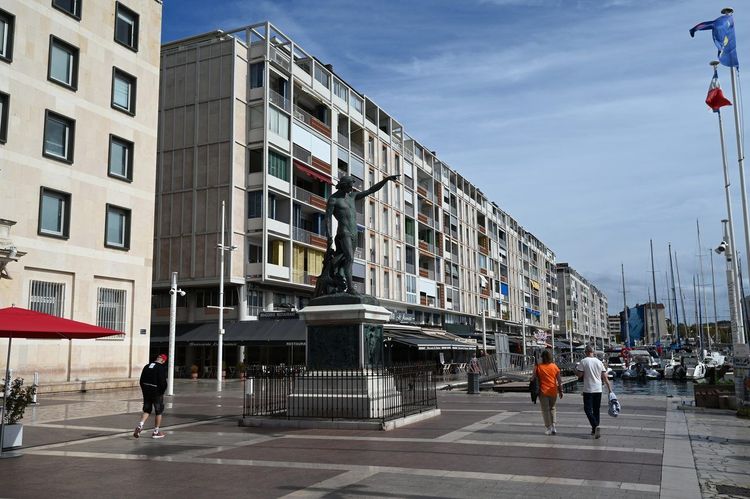
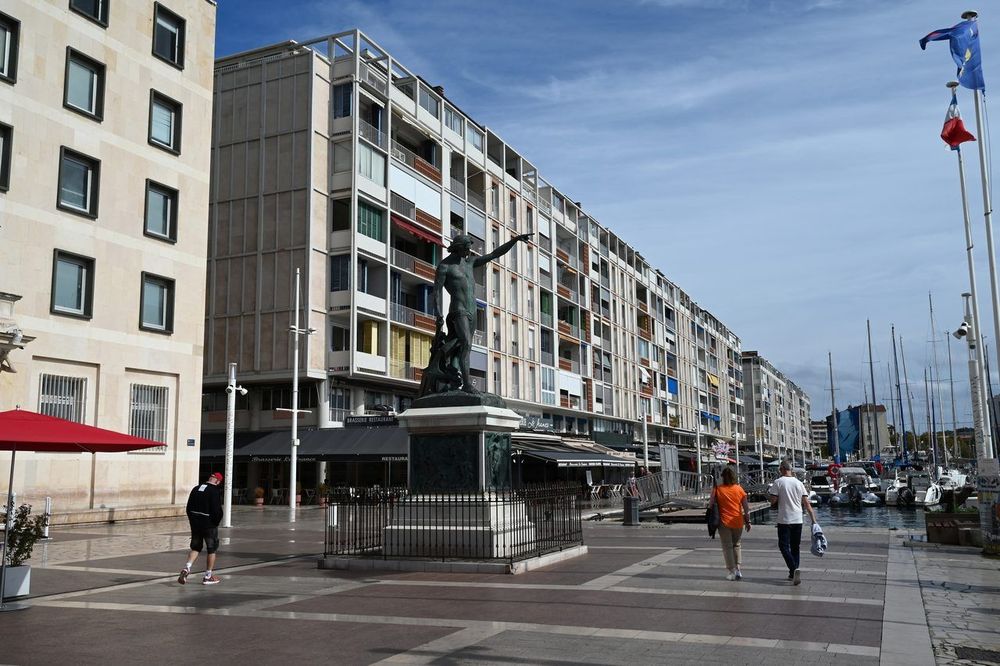
The port of Toulon opens directly onto the roadstead, a natural basin that the French Navy has shared for generations with pleasure boaters and fishermen. The quai Cronstadt (Quai Cronstadt, 83000 Toulon, rated 4.6/5 on Google from 3,500 reviews), rebuilt after the 1944 bombings that razed the harbour front, today lines up a long row of terraces looking out over military vessels moored a few hundred metres away.
Look for the two atlantes sculpted by Pierre Puget in the mid-17th century to support the balcony of the former town hall: these two massive figures, spared from the destruction of the quay, were incorporated into the rebuilt façade and go unnoticed by anyone who doesn't know where to look. It is not uncommon to encounter, in the same spot, a Navy vessel open to the public during the annual open day — generally free of charge and announced a few weeks in advance.
Walking westward, the old dock gives way to the pleasure boat pontoons, then to views of fort Saint-Louis guarding the entrance to the Mourillon. The best viewpoint requires only a short walk: simply follow the quay to the jetty that closes the dock, where the perspective takes in both the hills of Mont Faron, the military vessels and the first fishing boats returning late in the morning. Regulars come here at the end of the day, when the golden evening light reflects on the calm water of the basin.
On Sunday mornings, before the shops open, the unusual calm of the quay contrasts with the bustle of the rest of the week — a moment many Toulonnais reserve for their run along the waterfront. It is also the hour when seagulls squabble over scraps left by the night fishermen, a small spectacle offered to anyone who enjoys watching without rushing.
5. Discover the Fontaine des Trois-Dauphins on Place Puget
Set on the place Puget, shaded by tall plane trees, the fontaine des Trois-Dauphins dates from 1780 and owes its plant-like appearance to the calcium deposits that have gradually coated it: shrubs have ended up growing directly from the stone, and a local legend holds that cleaning it would bring misfortune upon the city.
The square itself serves as a permanent gathering spot between two café terraces, and it was here that the bookshop opened in 1982 that gave rise to Éditions Soleil, which went on to become one of France's leading comic book publishers. A bench in the shade is all you need to enjoy the spot without spending a cent, especially during the hottest hours of the day when the plane trees provide one of the only cool zones in the city centre.
6. Explore the Collections of the Toulon Art Museum
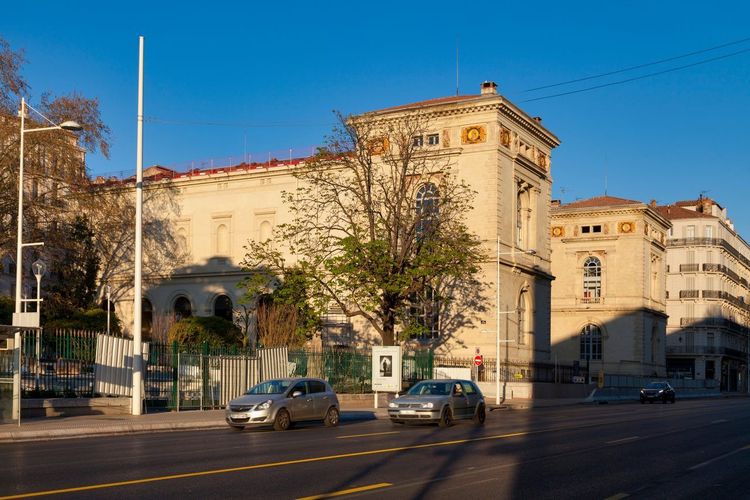
The Toulon Art Museum (113 Boulevard du Maréchal Leclerc, 83000 Toulon, rated 4.5/5 on Google from 1,070 reviews) opens its permanent collections free of charge all year round — a rare privilege for a museum of this size. Inaugurated in 1888 and the first fine arts museum in the Var to be awarded the "Musée de France" label in 2002, it holds a collection of nearly 3,000 pieces: archaeological objects, paintings from the 15th to the 20th century, contemporary works from after the 1960s and several hundred photographs.
The museum was entirely redesigned between 2018 and 2021: the works tripled the exhibition space and finally made it possible to display a significant portion of the reserve collections, which had long been invisible for lack of room. The ground floor most often hosts temporary exhibitions, while the upper rooms alternate between Provençal painting, 19th-century port scenes that document Toulon before the bombings, and contemporary art. Allow an hour for a complete tour, less if you head straight for the contemporary section.
You can also ask about the programme of guided visits offered by the city's cultural mediators — an option little known even among local residents. Schoolchildren visit in large numbers during the week, making weekends a far better time for a peaceful visit.
7. Come Face to Face with a Var Dinosaur at the Departmental Museum
The Var Departmental Museum (737 Chemin du Jonquet, 83200 Toulon, rated 4.6/5 on Google from 1,188 reviews), long known as the Natural History Museum of Toulon and the Var, has not occupied its city-centre building since 2010. It relocated to the Vallée du Las, north-west of Toulon, and reopened in 2011 in a former half-timbered residence belonging to the British Burnett family, in the heart of the Jardin du Las. Entry is free.
Upstairs, taxidermied animals tell the story of Var's biodiversity, with a sound diorama that brings a summer's day in the Provençal garrigue to life in five minutes, insects included. The ground floor shifts to geology and palaeontology: minerals, Var dinosaurs and reconstructions of prehistoric humans by Élisabeth Daynès, the sculptor whose hyper-realistic hominids are exhibited at the Smithsonian. A screening room shows films on the department's flora and fauna on demand.
Founded in 1888, the museum initially displayed exotic species brought back from the colonial empire before refocusing on Provençal nature. Around the building, the Var botanical garden, classified as a "sensitive natural area" and awarded the "remarkable garden" label, extends over more than a hectare along the coastal river — the perfect setting for a picnic in the shade, well away from the seaside tourist trail.
8. Swim at the Mourillon Beaches
The Mourillon beaches are in fact a succession of small fine-sand coves, separated by stone jetties, stretching nearly two kilometres east of the city centre. Access and swimming are free all year round, with lifeguard supervision provided by the municipality during summer.
Each cove has its own character: the first, closest to the centre, draws mainly families with its shallow waters, while the last ones, nearer to fort Saint-Louis, are favoured by swimmers looking for clearer water and fewer crowds. Public showers and toilets open to all are available at most coves — a comfort often lacking on nearby Côte d'Azur beaches, where paid access remains more common.
In summer, the promenade along the Mourillon fills with joggers at the crack of dawn, before the heat sets in for good. Our Ryo selection of the best things to do in Toulon also details a complete itinerary between these coves and the nearby acclimatisation garden, useful if you plan to combine beach and a walk in the same day without retracing your steps.
Try to get your swim in during the morning hours in July and August: after 11am, the best spots on the sand disappear quickly, particularly on the central coves where shade from the pine trees is sought after by families. Outside summer, these same beaches empty almost entirely, making them a surprisingly pleasant spot for a winter walk, with low-angled light that completely transforms the atmosphere of the coastline.
9. Walk or Cycle Along the Corniche Frédéric-Mistral
The corniche Frédéric-Mistral links the Mourillon neighbourhood to Cap Brun over several kilometres, hugging the sea without ever straying more than a few metres from it. The route is shared between pedestrians, cyclists and motorists, but a large section is cleared of cars on Sunday mornings.
The route alternates between small rocky coves and open views of the Hyères islands on clear days — a detail many people discover only after walking the full length. Benches installed at regular intervals invite you to stop, and several public water points allow you to refill your water bottle in summer. You can also opt for a self-service bike: the cycle path is usable along almost the entire route, except for a few dozen metres at the narrowest coves.
10. Hike to the Summit of Mont Faron
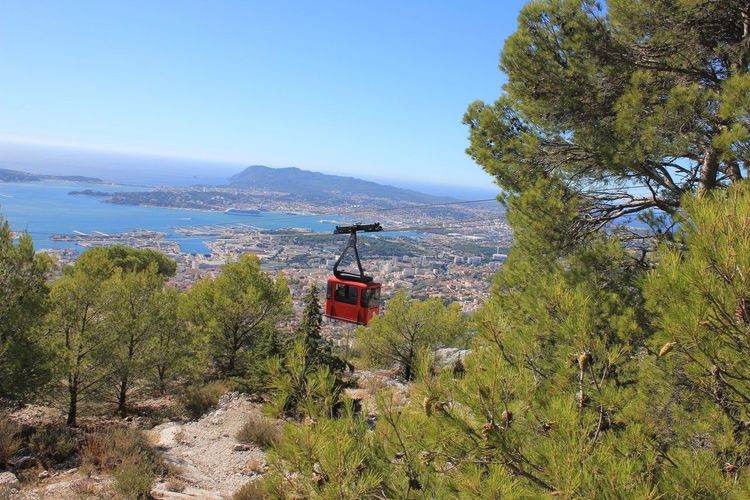
Mont Faron rises 584 metres above the roadstead and offers one of the widest panoramas on the Var coast, from the Saint-Mandrier peninsula to the Hyères islands. The cable car linking the city centre to the summit is paid, but several freely accessible hiking trails allow you to reach the same viewpoint in one to two hours' walking, depending on your fitness and the route chosen.
The most popular trail winds upward in hairpin bends through a garrigue fragrant with thyme and rosemary, before emerging at the military fortifications that crown the limestone massif. The ascent is demanding, with an elevation gain close to 500 metres on sometimes slippery ground, but it is within reach of anyone in good physical condition wearing appropriate footwear. If you drive to the top, be aware that the summit road is narrow and largely one-way, which catches many visiting drivers off guard.
At the top, the Provence Landing memorial and the wildlife park — specialising in the breeding of big cats — both charge admission, but the belvederes surrounding them are open to all. Our Ryo article on Mont Faron details the different access options and compares the walk with the cable car, useful for planning your timing according to the day's weather.
Set off early in the morning in summer: the heat quickly becomes difficult to bear on a trail with no continuous shade, and no water point awaits hikers once past the first third of the route. In winter, on the other hand, the summit occasionally sees a few snowflakes — a rare but real phenomenon that always surprises the residents of the coastline below.
The descent can be made via a different route from the ascent, in particular along the slope overlooking the Faron village, which allows you to complete the loop without retracing your steps. Allow a full half-day if you plan to picnic at the summit, where several stone tables await hikers.
11. Walk Around the Tour royale and Its Esplanade
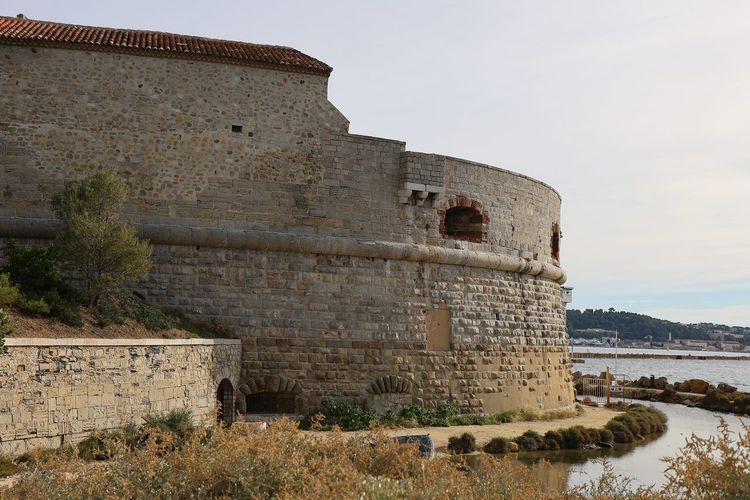
Built from 1514 to control the entrance to the roadstead, the Tour royale (Chemin de la Tour Royale, 83000 Toulon, rated 4.4/5 on Google from 1,182 reviews) — still called the Grosse Tour by the people of Toulon — served as a fortress, then as a prison until the Second World War. It only opens to the public occasionally, for an exhibition or Heritage Days.
Its surroundings, however, can be explored all year round. The garden of the Tour royale, opened in 2008, descends in terraces towards the sea and offers a head-on view of walls several metres thick, designed to withstand cannonballs. On the esplanade, an incongruous object awaits the curious: the bathyscaphe FNRS III, a deep-sea exploration vessel, displayed in the open air just a few metres from the shoreline.
Below, two small beaches complete the walk — Pipady and la Mitre — with lifeguard supervision in summer. Long reserved for military families, they were only opened to the general public in the 2000s, which explains why they remain less crowded than the Mourillon coves. Anglers regularly settle on the surrounding rocks in the late afternoon, a reliable indicator of the quietest hours.
12. Relax in the Jardin Alexandre-Ier
Created in 1852, the Jardin Alexandre-Ier is Toulon's oldest public garden, 1.6 hectares of plane tree-lined paths right in the city centre. Before that, the site was known as the "Jardin du Roy" and supplied flowers and fruit to the tables of Versailles — a detail unsuspected by the regulars who come to eat lunch on a bench.
Its current name pays tribute to King Alexander I of Yugoslavia, who visited Toulon before being assassinated in Marseille in 1934. The garden, listed as a historic monument since 1993, features a bandstand installed in 1989, a period pond stocked with fish, two children's play areas and a statue of Pierre Puget by Injalbert, created in 1891. The most unexpected relic is the doorway of the Notre-Dame de Courtine church, dismantled at Six-Fours and reassembled here stone by stone in 1876.
Open throughout the day, the spot serves as a breathing space between two visits, with dense shade that is particularly welcome in summer. In mid-April, a plant fair and garden show attract dozens of exhibitors for two days — one of the rare occasions when this discreet garden truly comes alive.
13. Admire the Façade of the Opéra de Toulon
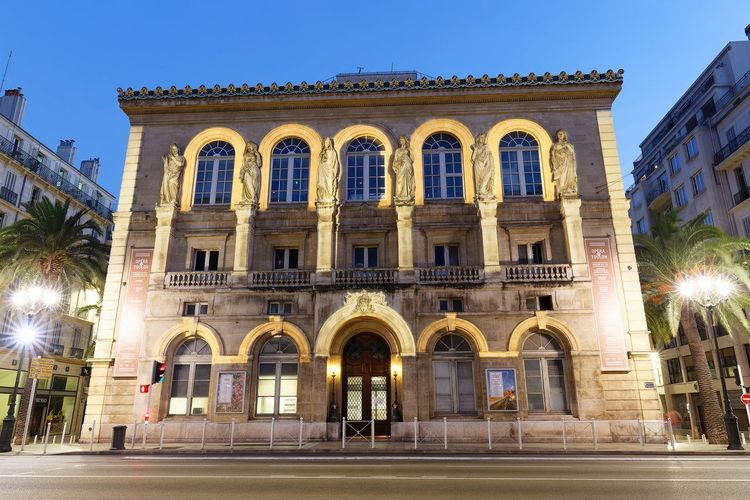
Inaugurated in 1862, thirteen years before the Palais Garnier, the Opéra de Toulon (Place Victor Hugo, 83000 Toulon, rated 4.5/5 on Google from 1,331 reviews) ranks among the largest lyric venues outside Paris, with 1,329 seats. Architect Léon Feuchère designed it in a confident neoclassical style: rounded arches, grey and pink columns, a pediment — all spread across nearly 2,000 m² of floor space, taking in at a glance from place Victor-Hugo.
Walk around the building to the second entrance on boulevard de Strasbourg: the north façade bears six statues by Toulon sculptor Pierre-Marius Montagne, representing Euterpe, Terpsichore, Melpomene, Thalia, Calliope and Polyhymnia. Few passers-by identify them, and fewer still know that the stage they announce is considered the steepest in France, with a 7% gradient that deepens the perspective for the audience and complicates life for the dancers.
The interior is normally only accessible by purchasing a performance ticket, but open days held on certain weekends give access to the grand foyer and the Italian-style auditorium, renowned for its acoustics. Check with the box office in advance: these special openings are not announced far ahead and sell out within days.
14. Discover the Secluded Coves of the Anse Méjean
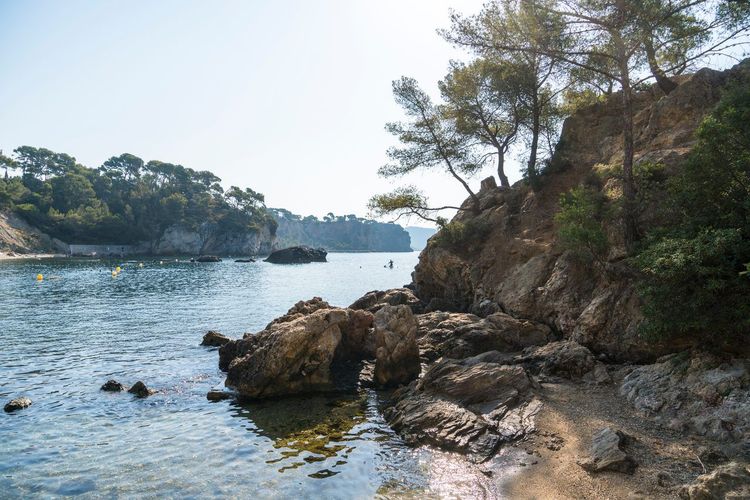
Less well known than the Mourillon beaches, the anse Méjean (Corniche Frédéric Mistral, 83000 Toulon, rated 4.7/5 on Google from 1,104 reviews) nestles at the foot of Cap Brun, between two rocky headlands, at the end of a coastal path open to all that winds between pine trees and rocks. The water here is generally clearer than on the central beaches, thanks to far fewer visitors.
Access requires about ten minutes' walk from the nearest car park, which puts off some passing visitors and keeps the spot relatively peaceful even at the height of summer. The flat rocks edging the cove serve as a natural diving platform for more confident swimmers, while families generally prefer the neighbouring cove where entry into the water is more gradual.
The sunset, viewed from the rocks, is one of the most photographed moments by Mourillon residents, with no tourist sign pointing to the spot. Come equipped with water shoes: the seabed is in places scattered with pebbles and sea urchins — a detail many people discover to their cost at the end of a swim.
15. Walk Along Fort Saint-Louis
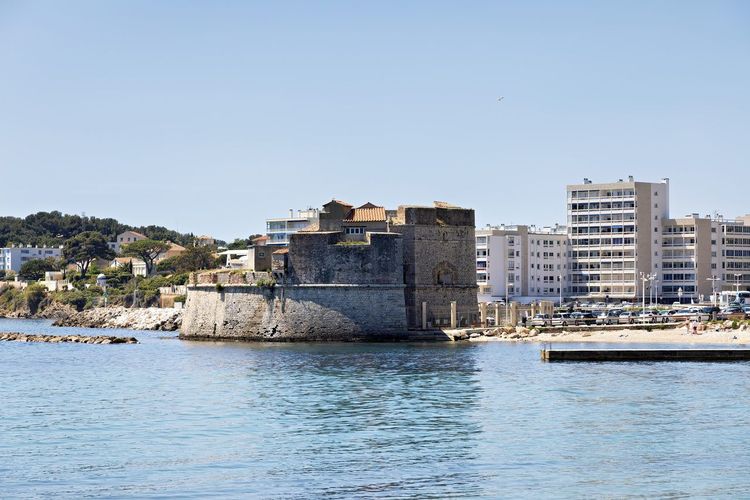
Fort Saint-Louis, originally known as fort des Vignettes, is older than one might think: it is a cannon tower built in 1534 by engineer Saint-Rémy, on the initiative of François I, four years after the city was sacked by Barbary pirates. Louis XIV had it completely rebuilt between 1692 and 1699 by Antoine Niquet, chief engineer of fortifications and an associate of Vauban and Pierre Puget.
Partially destroyed during the siege of Toulon in 1707, it was rebuilt to its original design and has borne its current name ever since. Listed as a historic monument, it is no longer open to visitors: the building now houses a club reserved for military personnel and only opens its doors to the public during Heritage Days. The walk around it, however, is accessible all year round and offers a close-up view of its ramparts and the vessels entering the roadstead. Anglers often occupy the nearby rocks from dawn, before the heat drives away even the most patient.
16. Step Inside the Église Saint-François-de-Paule
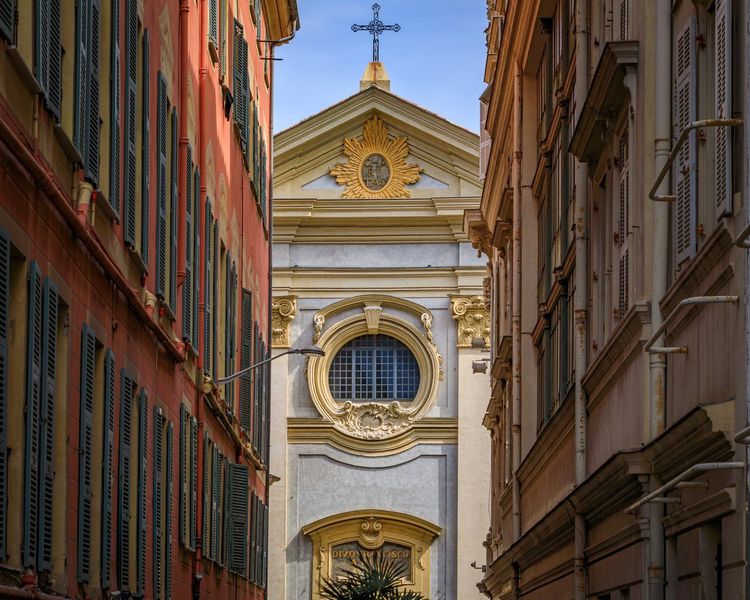
Built in 1744 at the foot of cours Lafayette, steps from the port, the église Saint-François-de-Paule (Place Louis Blanc, 83000 Toulon, rated 4.6/5 on Google from 75 reviews) stands on the site of the former royal castle, the "Casteou de la Mar", and originally served as the chapel of the adjacent Recollects convent.
Its concave façade, heavily inspired by Roman and Piedmontese baroque, stands in sharp contrast to the sobriety of the rest of the neighbourhood and is worth a thirty-second detour from the market stalls. The interior, freely accessible and rarely crowded, consists of a modest nave flanked by side chapels. Mass is today celebrated in Latin according to the extraordinary form of the Roman rite — a particularity that explains the surprisingly young congregation at Sunday services. A few minutes are enough to take it all in, but the spot also makes an excellent cool refuge on a sweltering day.
17. Spot the Remains of the Ramparts and the Porte d'Italie
Only fragments remain of the fortifications remodelled by Vauban in the 17th century to protect Toulon, the majority having been demolished at the turn of the 20th century to allow the city to expand. The porte d'Italie, one of the few surviving gateways, still marks the eastern entrance to the old fortified centre, with a small public garden at its foot.
A few sections of wall also survive near the place d'Armes, now incorporated into more recent buildings without their military origin always being indicated. A careful look is enough to spot the older stones, cut differently from the surrounding masonry — a game of observation that particularly appeals to local history enthusiasts and to children once you show them the first clue.



FAQ
What are the best free activities in Toulon?
The port and quai Cronstadt, the old town, the Mourillon beaches and the hike up to Mont Faron remain the most well-rounded free activities in Toulon. Together they cover heritage, swimming and panoramic views, with no entrance ticket required at any point along the route.
Is Mont Faron free to visit?
The summit of Mont Faron can be reached for free on foot via several hiking trails. Only the cable car, the Provence Landing memorial and the wildlife park at the top require a ticket.
Is the Toulon Art Museum free all year round?
Yes, the permanent collections of the Toulon Art Museum are open free of charge all year round, including most temporary exhibitions. Only certain one-off event exhibitions may, more rarely, require a specific ticket.
What is the most beautiful free beach in Toulon?
The Mourillon coves bring together the most popular beaches, with free access and swimming all year round. The anse Méjean, more secluded and less crowded, appeals to those seeking clearer water and a little tranquility, as do the Pipady and Mitre beaches at the foot of the Tour royale.
When does the cours Lafayette market take place?
The Provençal market on cours Lafayette is held every morning except Monday, generally from 7am to 1pm. Saturday remains the busiest day, with stalls spilling well over onto the nearby squares in the city centre.
Is Toulon an expensive city to visit?
No, Toulon is one of the Mediterranean coastal cities where you can fill several days without spending much. Municipal and departmental museums open without ticketing, public beaches and urban hikes are enough to fill a complete stay without straining your budget.
Toulon is not limited to its naval base or its reputation as a simple stopover before the Var beaches. Free activities in Toulon are plentiful: between the old town's narrow streets, the Mourillon coves and the trail climbing up to Mont Faron, the city offers enough to fill several days without ever reaching for your bank card. Its museums, open free of charge all year round, add a depth to this list that few cities of this size can claim.
To plan your route and not miss any of the historical details that bring each place to life, the Ryo audio guide for Toulon is the most practical tool: 20 audio tracks and around 1h50 of content linking the port, the old town and the viewpoints without having to search for information yourself. A good pair of walking shoes and a water bottle are all you need for the rest.
À lire également