© Shutterstock
 Votre guide Ryo
Visit Florence in 3 Days: Complete Itinerary and Realistic Budget (2026)
Florence fits in the palm of your hand, and that is exactly what makes it daunting to visit in just three days: there are more masterpieces per square metre here than in any other city in Italy. If you are looking for how to visit Florence in 3 days without running from one museum to the next with your tongue hanging out, the secret lies in the order of visits, not in their number. The historic centre, a UNESCO World Heritage Site, can be explored almost entirely on foot: ten minutes separate the Duomo from the Ponte Vecchio, and twenty minutes link the Uffizi to the Palazzo Pitti. Over these three days, you will come across a dome built by Brunelleschi without a wooden frame to support it during construction, a covered market where Florentines themselves have lunch, and a free panorama from a square that was never completed as originally planned. The Ryo audio-guided route of Florence follows a path fairly close to the one proposed below, with 25 commented stops over 7.8 km: handy for linking the sights without pulling out the map at every crossroads. Here is a realistic day-by-day itinerary, with the budget, the neighbourhoods to stay in and the practical details that are often missing elsewhere.
How Long to Visit Florence: Why 3 Days Is the Right Format
Two days are barely enough to tick off the Duomo, the Uffizi and the Ponte Vecchio without ever stopping. Four days leave time to venture out to Pisa, but lengthen an already steep hotel bill. Three days remain the format that comes up most often among travellers who have tried several lengths: enough to see the major sights without a permanent sprint, short enough to fit into an extended weekend.
If you are still hesitating between visiting Florence in 2 days and aiming for the full 3 days, ask yourself a simple question: do you want to go inside the museums or only see their façades? With 2 days, it is better to choose between the Uffizi and the Accademia, not both. With 3 days, both fit, plus Santa Croce and the south bank. For a tighter format, our guide to Florence in 2 days details the condensed version of this itinerary, useful if you are combining the stay with a stop in Pisa or Rome.
This guide assumes you arrive on the morning of day 1 and leave in the late afternoon of day 3, which is about 60 hours on site.
Day 1: The Historic Heart, from the Duomo to the Ponte Vecchio
The first day stays focused within a radius of 800 metres, between the red dome of the Duomo and the shops of the Ponte Vecchio. Start early, before 8:30 if possible: the cathedral's ticket queue doubles in length after 9:30, and groups begin to flood into Piazza della Signoria mid-morning.
The Duomo Complex: Cathedral, Baptistery and Dome
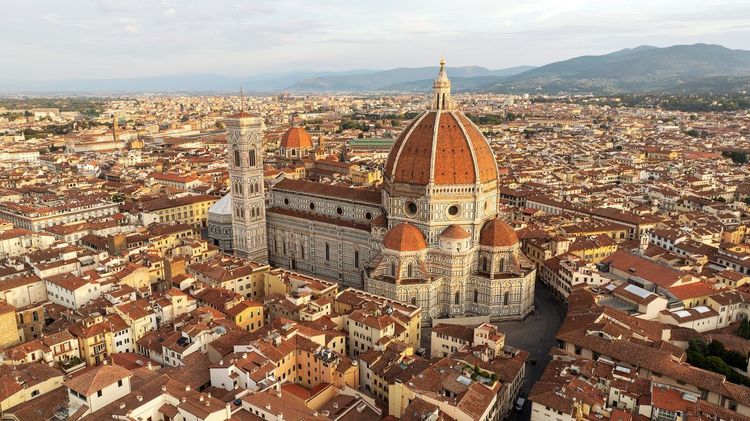
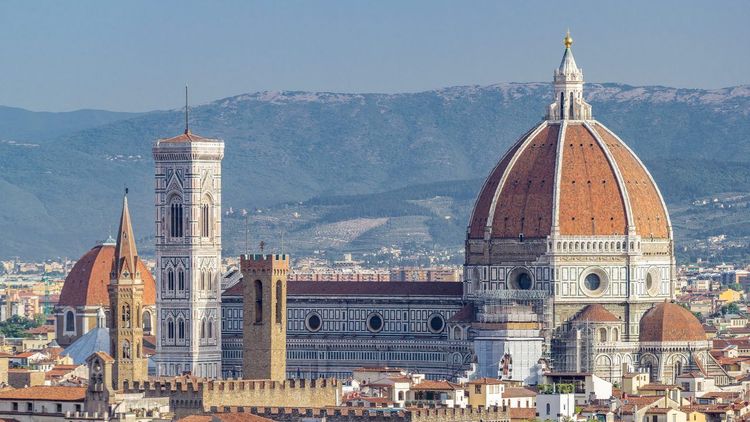
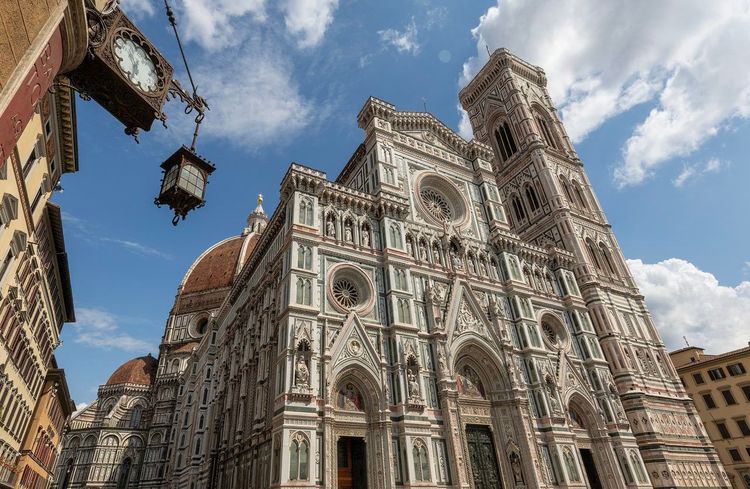
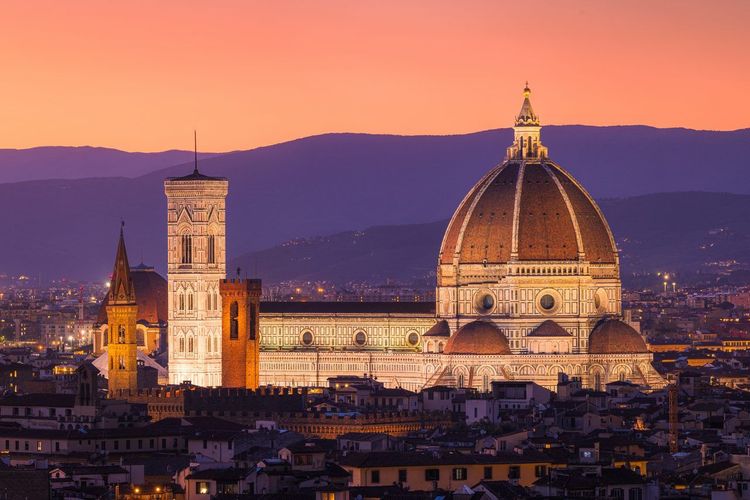
The Cattedrale di Santa Maria del Fiore dominates the square of the same name with its red brick dome, the largest masonry dome ever built at the time of its completion in 1436. Entry to the cathedral itself is free, but the climb of 463 steps to the top of the dome must be booked several days in advance in high season.
Opposite, the Battistero di San Giovanni houses Ghiberti's golden doors (the originals are in the museum, copies adorn the building) and a 13th-century mosaic interior that almost always surprises visitors who have only seen the exterior.
The Museo dell'Opera del Duomo, a stone's throw away, gathers the original works removed from the cathedral to protect them, including an unfinished Pietà by Michelangelo that many hurried visitors skip, wrongly: the room is rarely crowded. Many also skip the Campanile di Giotto (Piazza del Duomo, 50122 Firenze, rated 4.8/5 on Google from 8,132 reviews), the bell tower next to the cathedral, which is nevertheless cheaper and almost always less crowded than the dome itself, with an almost identical view over the city and over the dome, which cannot be seen from its own summit.
Piazza della Signoria and the Palazzo Vecchio
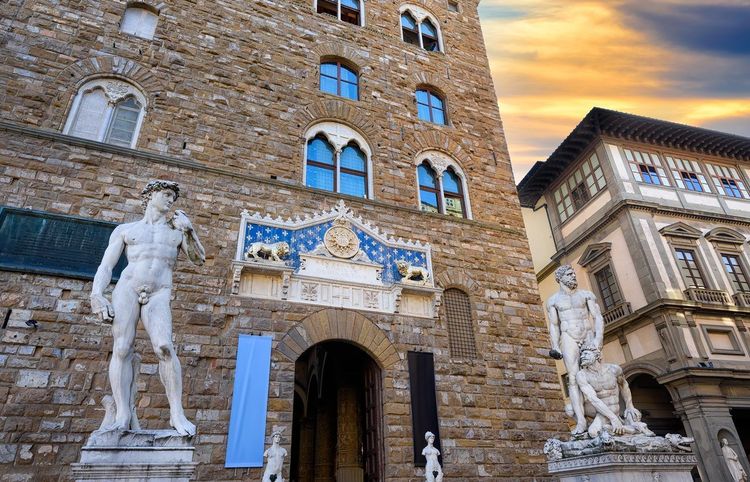
Heading south, five minutes of walking is enough to reach Piazza della Signoria, Florence's political living room since the Middle Ages. A copy of Michelangelo's David still stands there at the work's original location (the original moved to the Accademia in 1873), surrounded by a collection of open-air statues that makes this square a free open-air museum.
The Palazzo Vecchio, which closes off the square, is still the working town hall: the state rooms can be visited, with the Salone dei Cinquecento as the highlight, a hall 54 metres long decorated under Cosimo I de' Medici.
The Ponte Vecchio and the Arno Embankments
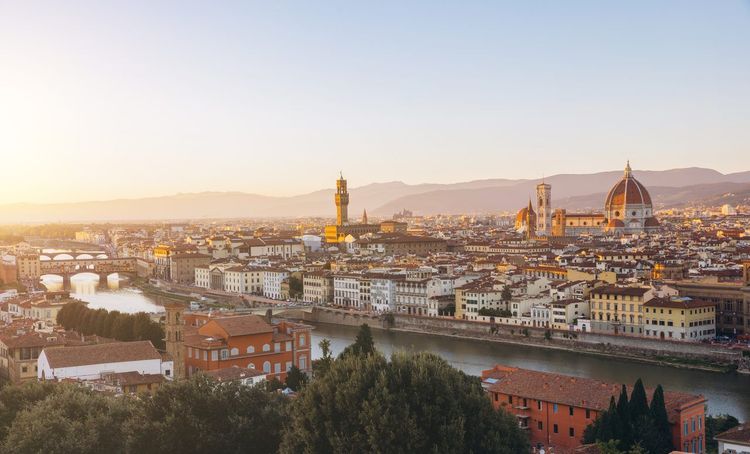
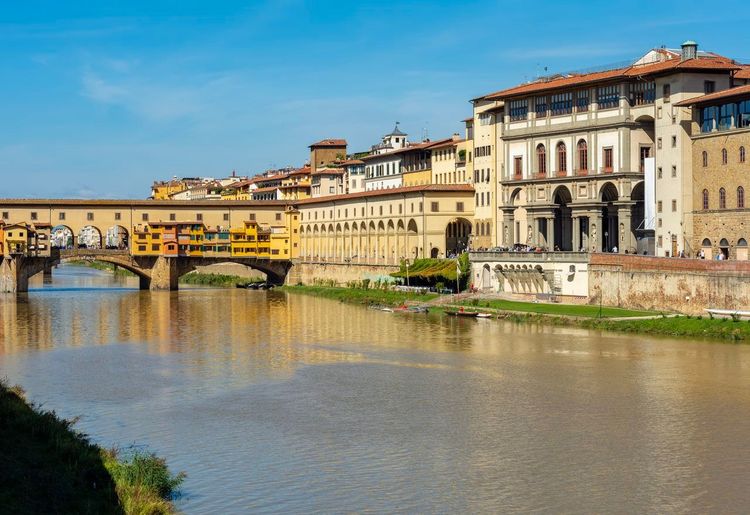
Continuing towards the Arno, the Ponte Vecchio appears after two or three shopping lanes. This 14th-century bridge, the only one in Florence to have escaped the bombings of 1944, has carried jewellers' shops since the 16th century, which replaced the old butchers' stalls, too foul-smelling for the Medici's taste.
If time allows, extend the end of your day with a stroll along the embankments towards the Ponte Santa Trinita, the neighbouring bridge rebuilt after the war identically to its Renaissance version destroyed by the bombings: fewer people than on the Ponte Vecchio itself, for a comparable view of the Arno. It is precisely with the trio of the Duomo, the Baptistery and Piazza della Signoria that the first audio stops of the Ryo audio-guided route of Florence begin, a good complement if you want anecdotes about each façade without keeping your nose buried in a paper guide.
Day 2: Art and Renaissance, from the Uffizi to Santa Croce
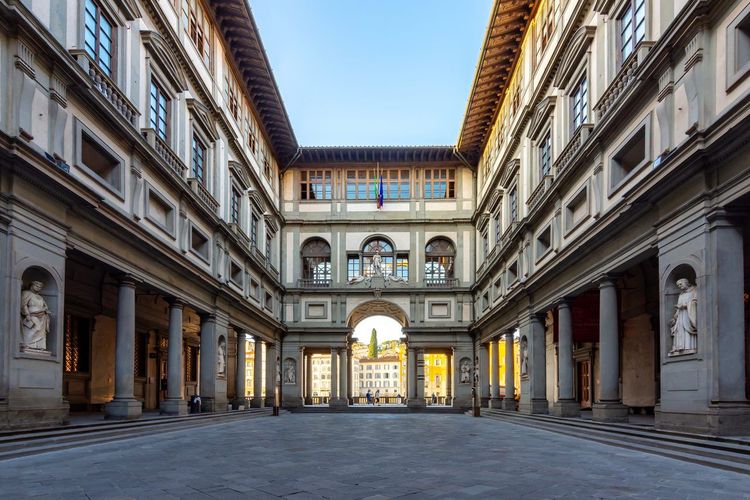
The second day turns to art, with two museums among the most visited in Europe. Book your tickets online at least a week in advance: the queue without a reservation often exceeds 2 hours in season.
The Uffizi Gallery and Its Masterpieces
The Galleria degli Uffizi occupies the former administrative headquarters commissioned by Cosimo I (the Italian word uffizi means offices). There you will find Botticelli's Birth of Venus and Primavera, Leonardo da Vinci's Annunciation, and entire rooms devoted to the Medici, the patrons of nearly all the works on display. The room dedicated to Botticelli remains the most in demand in the museum: if your time slot allows, aim for an entry at the very start of the morning to see it without elbowing your way between groups. Allow 2.5 to 3 hours for a visit that does not skim everything.
The Galleria dell'Accademia and Michelangelo's David
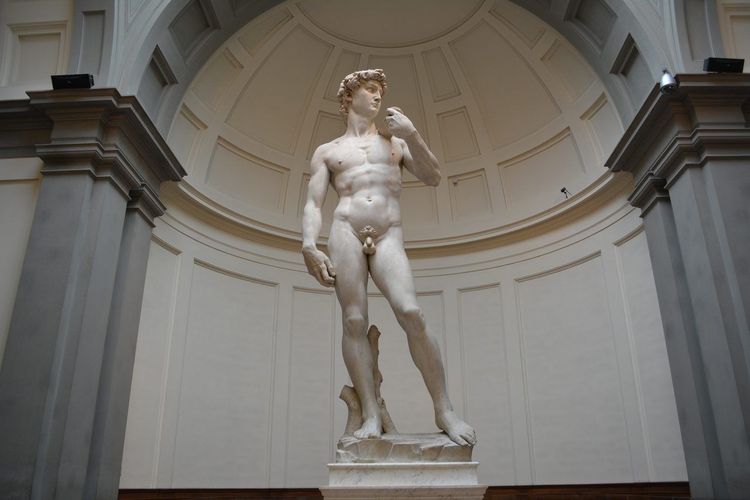
Fifteen minutes on foot, crossing the centre, the Galleria dell'Accademia houses the original of Michelangelo's David, 5.17 metres of marble sculpted between 1501 and 1504. The statue was moved here in 1873 to protect it from the weather that was damaging the outdoor version in Piazza della Signoria. The gallery also houses the Slaves, four unfinished sculptures that show the marble still caught in the rough stone, a scene almost more instructive than the David itself about the artist's method.
As with the Uffizi, the least stressful option is to book a slot at the very end of the afternoon, around 5:00-5:30 pm: the fading light in the great hall of the David creates a particular atmosphere, quite different from the morning visit. Book this ticket separately from the Uffizi one: the two museums do not share a common pass, despite their proximity.
Basilica of Santa Croce and the Central Market
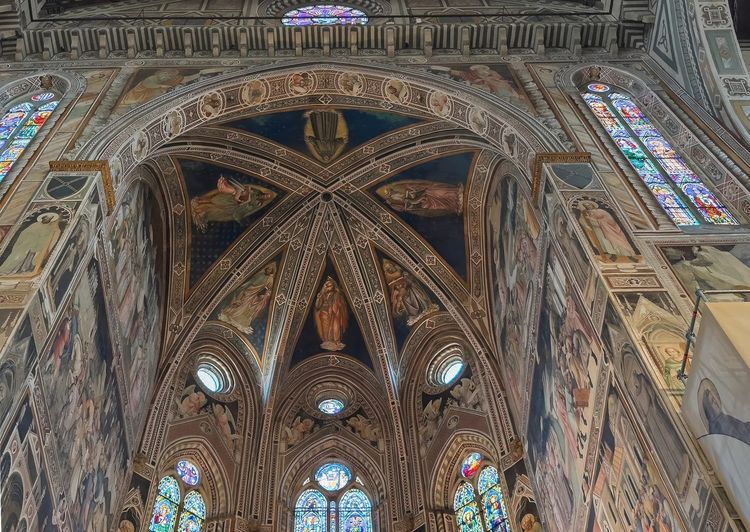
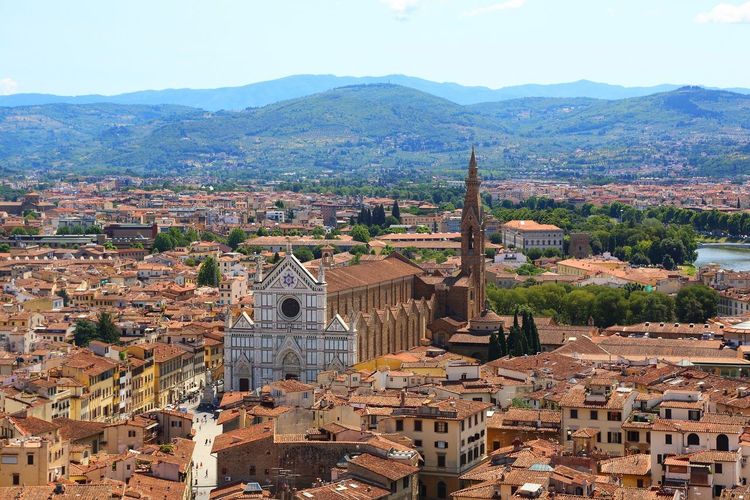
Heading back east, the Basilica di Santa Croce serves as the necropolis of Michelangelo, Galileo, Machiavelli and Rossini, earning it the nickname "Pantheon of Florence". Its 19th-century neo-Gothic façade, later than the 13th-century interior, often surprises those who expected stylistic unity.
If day 2's programme spills northward, two other basilicas deserve a quick detour: the Basilica di San Lorenzo, with its never-completed marble façade and the adjoining Medici chapels, and the Basilica di Santa Maria Novella (Piazza di Santa Maria Novella, 50123 Firenze, rated 4.7/5 on Google from 32,720 reviews), whose green and white chequered façade inspired generations of Tuscan architects.
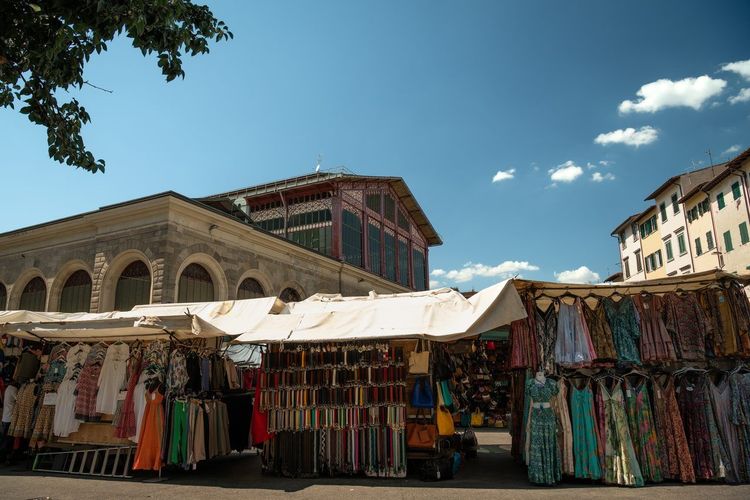
End the day at the Mercato Centrale, a two-storey 19th-century hall where the lower floor sells fresh produce and Tuscan cured meats, while the upper floor serves as a food court open until midnight. An entire loop of the Ryo audio guide is dedicated to this Renaissance axis around the Uffizi, with anecdotes about the Medici at almost every stop.
Day 3: The South Bank of the Arno, Palazzo Pitti and Panoramas
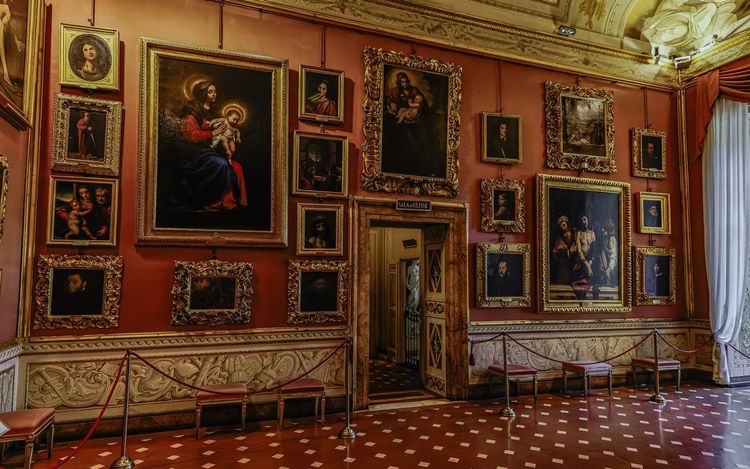
The third day crosses the Arno to explore the other bank, greener and noticeably less crowded with tourists.
Palazzo Pitti and Its Galleries
The Palazzo Pitti, bought by the Medici in 1549 to become their main residence, now brings together five museums under one roof: the Galleria Palatina and its royal apartments remain the most visited, with works by Raphael and Titian hung as in a private collection rather than a traditional museum.
The combined ticket also gives access to the Museo della Moda e del Costume and the Galleria d'Arte Moderna, two side collections often ignored for lack of time, but which are worth half an hour if the rest of the palace has not already saturated you with artworks. The combined Palazzo Pitti + Boboli Garden ticket (€22 on site, €25 online) simplifies the morning's logistics: you go from the palace to the gardens without queuing again.
Boboli and Bardini Gardens
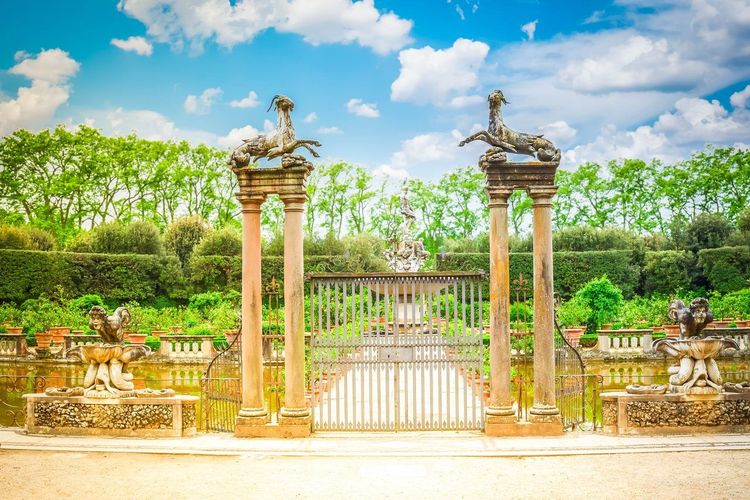
Behind the palace, the Boboli Garden unfolds its Italian-style terraces, begun in 1550 for Eleonora of Toledo, with artificial grottoes, fountains and a Buontalenti grotto where statues literally emerge from the rocky walls. Allow 1.5 hours to see the essentials without rushing.
A few minutes' walk along Costa San Giorgio, the Bardini Garden offers a panorama of the city almost as beautiful as the one from Piazzale Michelangelo, with a fraction of the crowds: the baroque staircase leading to the viewpoint appears in far fewer photos than its more famous neighbour.
Piazzale Michelangelo and the Oltrarno District
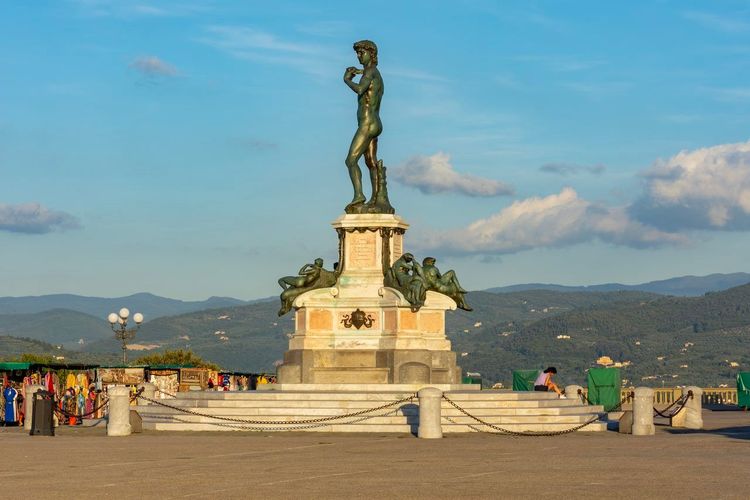
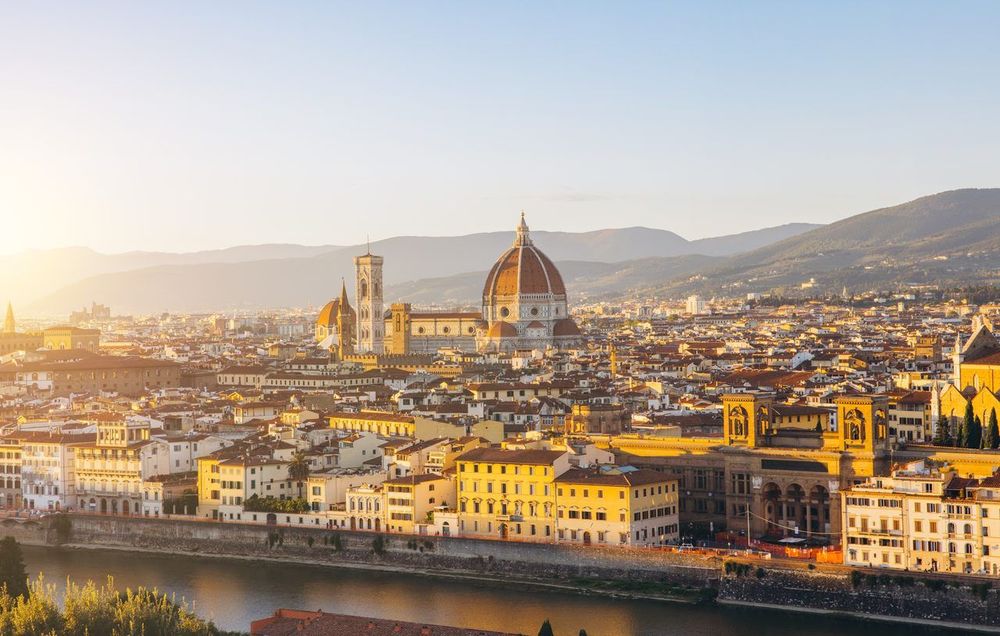
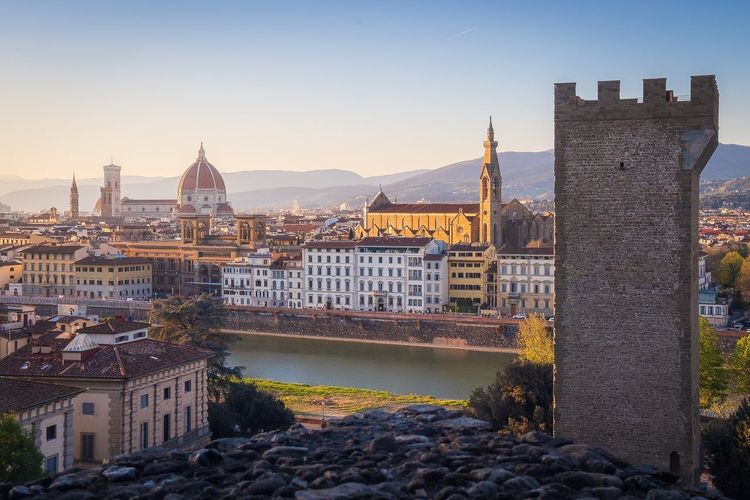
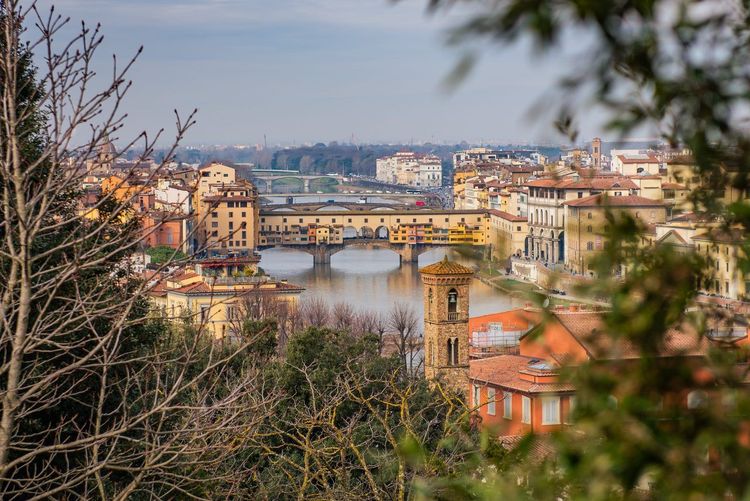
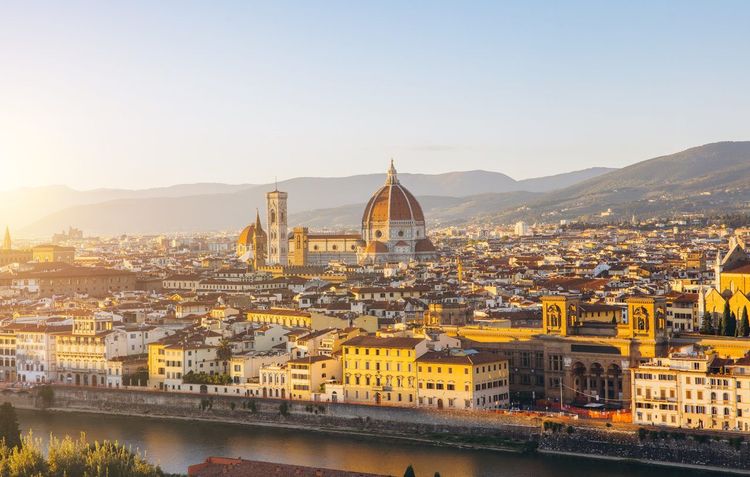
Heading up to the south-east, Piazzale Michelangelo offers the most photographed view of Florence: the whole city, the river and the hills in the background, free of charge, at any hour. Go up in the late afternoon instead, an hour before sunset, to avoid the midday crowd and enjoy the golden light on the tiled roofs.
The Oltrarno district, literally beyond the Arno, deserves some lingering before heading back to the centre. The sub-districts of San Niccolò and San Spirito concentrate artisans, furniture restoration workshops and wine bars without tourists, a sharp contrast with the saturated north bank. The workshops, often open to the street, perpetuate ancient skills: gilding, furniture restoration, leatherwork. Pushing open an ajar door to watch a craftsman at work remains free and is one of the most authentic experiences of this third day. On the square of the Basilica di Santo Spirito (Piazza Santo Spirito, 50125 Firenze, rated 4.6/5 on Google from 4,993 reviews), a crafts market is set up on the second Sunday of the month, and the Fierucola, with its small organic producers, on the third Sunday: if your day 3 falls on one of these dates, keep your morning free.
The last audio stops of the Ryo audio-guided route of Florence cover precisely this south bank, handy to follow on foot between the Palazzo Pitti and the panorama of Piazzale Michelangelo, with the stories of the Medici who made this bank their private garden.
3-Day Florence Itinerary Summary
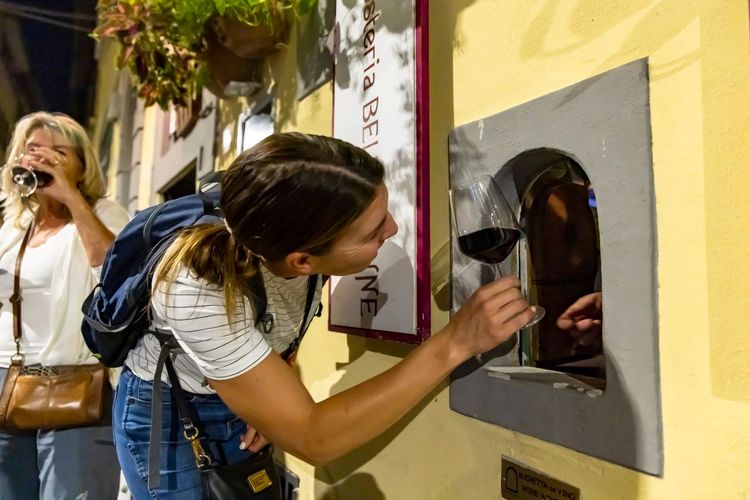
To sum up, here is how these three days in Florence fit together:
- Day 1: Duomo, baptistery, dome, Piazza della Signoria, Palazzo Vecchio, Ponte Vecchio
- Day 2: Uffizi Gallery, Galleria dell'Accademia (David), Santa Croce, San Lorenzo, Santa Maria Novella, Mercato Centrale
- Day 3: Palazzo Pitti, Boboli and Bardini gardens, Piazzale Michelangelo, Oltrarno
If a day runs over, the easiest to shorten is day 2: skip San Lorenzo and Santa Maria Novella without losing the essentials, as the Uffizi and the Accademia remain the priorities. Conversely, if you have half a day to spare, day 3 stretches best, between the gardens and a prolonged break in the Oltrarno.
Want to avoid replanning every route? The Ryo audio-guided route of Florence strings together 25 audio stops over 7.8 km (about 3h10 of walking) that overlap with these three days, from the Duomo to the Oltrarno: you can split it into sections, one per day.
Florentine Gastronomy: Where to Eat, Market and Specialities
Florentine cuisine relies on simple, well-executed ingredients rather than sophistication: unsalted bread, grilled meat, pulses. It may baffle some visitors in search of refinement, and delight those looking for unapologetic country cooking.
Must-Visit Restaurants and Trattorias
The Trattoria Mario, open since 1953 near the Mercato Centrale, takes no reservations and serves at shared tables: expect a wait of 20 to 30 minutes at lunch, for a bistecca alla fiorentina often cited among the best in the city at this price.
For more relaxed Tuscan cooking, the Santa Croce and Oltrarno districts concentrate most of the trattorias appreciated by Florentines themselves, far from the tourist terraces around the Duomo. Just check that the menu changes with the season: an identical menu all year round, in Italian and with photos, is often a bad sign. The fiaschetterie, small stand-up wine bars that also sell sandwiches, are a good complement to a light lunch between visits: expect to pay €4 to €6 for a glass of chianti and a crostino, with no table service and no ever-growing bill.
Street Food and the Central Market
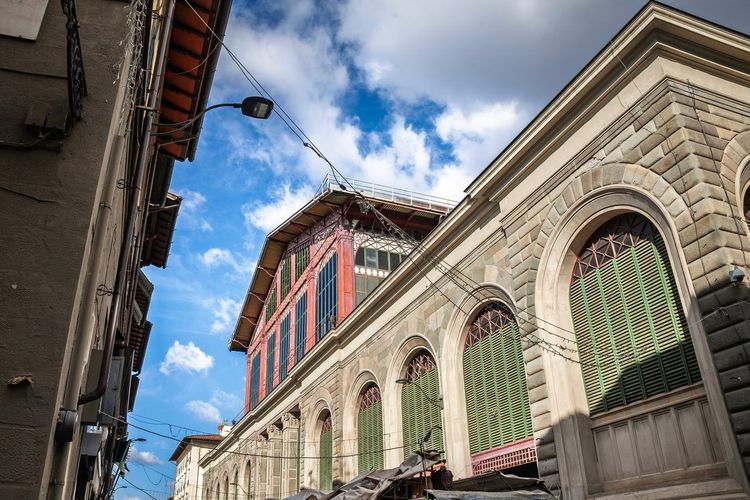
The Mercato Centrale, already encountered on day 2, remains the simplest option for a quick and varied lunch: everyone chooses their own stall, pizza, fresh pasta or fish, before meeting up at the shared tables upstairs.
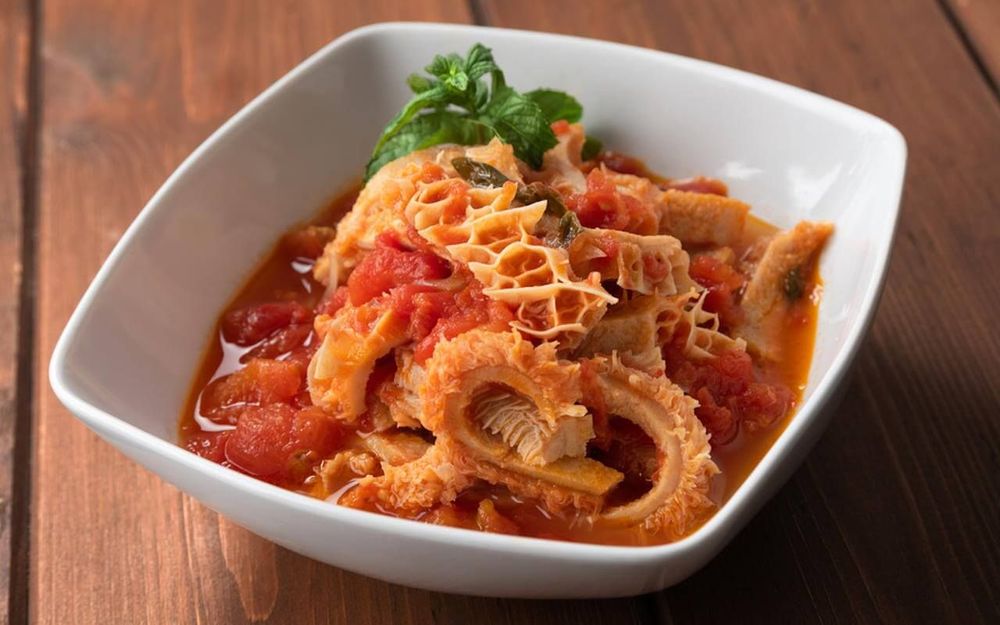
On the street, lampredotto, a sandwich made with simmered beef tripe, remains the most typical street speciality, sold from mobile food carts scattered throughout the centre. Try it at least once, even if the idea puts you off: the texture is closer to a braised dish than to offal.
Ice Cream Parlours and Sweet Treats: Gelato, Schiacciata
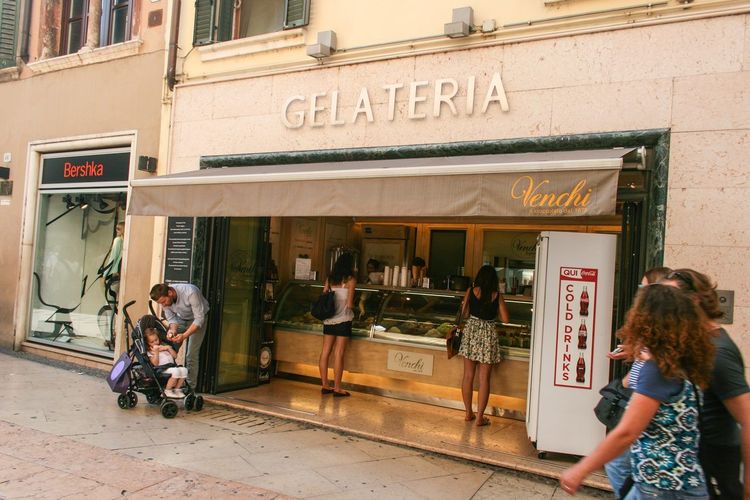
Florence claims the invention of modern gelato, attributed to the pastry chef Bernardo Buontalenti in the 16th century for the Medici court. The Gelateria dei Neri, near Santa Croce, appears on most local lists for its cream-based flavours made without preservatives or colourings.
On the savoury side, schiacciata, a flattened focaccia filled with cured meats and cheese, can be found in all the bakeries of the centre. All'Antico Vinaio (Via dei Neri 65r, 50122 Firenze, rated 4.5/5 on Google from 48,105 reviews), on via dei Neri, has made it its speciality and regularly has a queue spilling onto the street, a sign that it remains a safe bet despite the wait. Our article on Florence's culinary specialities details ten other dishes to try over these three days.
Where to Stay in Florence: Neighbourhoods and Accommodation Tips
Which Neighbourhood Should You Stay in in Florence?
The historic centre, around the Duomo, puts everything within walking distance, at the price of a higher accommodation budget and sometimes noisy nights on the street side. The Oltrarno, on the other bank, offers gentler rates and the atmosphere of a lived-in neighbourhood, for 10 to 15 extra minutes of walking to the major sights.
The area around Santa Maria Novella station suits anyone arriving or leaving by train early in the morning: less picturesque, but practical and generally cheaper than the historic heart. The Santa Croce district, between the basilica and the Arno, occupies an intermediate position: cheaper than the hypercentre, but just as central for anyone who wants to do everything on foot, with a more pronounced neighbourhood life in the evening. Our guide to Florence's neighbourhoods details the atmosphere of each area, useful if you are still torn between charm and budget.
Which Type of Hotel to Choose According to Your Budget
Small family-run hotels and B&Bs, often set on the upper floors of old buildings without lifts, dominate the supply in the city centre at €90 to €150 a night for two people. Dormitory hostels start around €25-30 a night, concentrated near the station and Santa Croce.
For a more comfortable budget, expect €180 to €300 a night for a 4-star establishment with a view of a monument or the Arno. Book at least six to eight weeks before a stay in April-May or September-October: the best addresses in the centre are fully booked well before the high season proper.
Families or groups of three to four people often find it more advantageous to book a furnished apartment for three nights rather than a standard hotel room, especially in the Oltrarno where the rental supply remains abundant and cheaper than in the centre. Always check whether the tourist tax (from €3.50 in a 1-star hotel to €8 in a 5-star, €6 in a B&B or short-term rental, per person per night, capped at 7 nights) is included in the displayed price: many platforms only add it at the time of payment on site.
How to Get to and Around Florence
Getting to Florence: Train, Plane and Pisa Airport
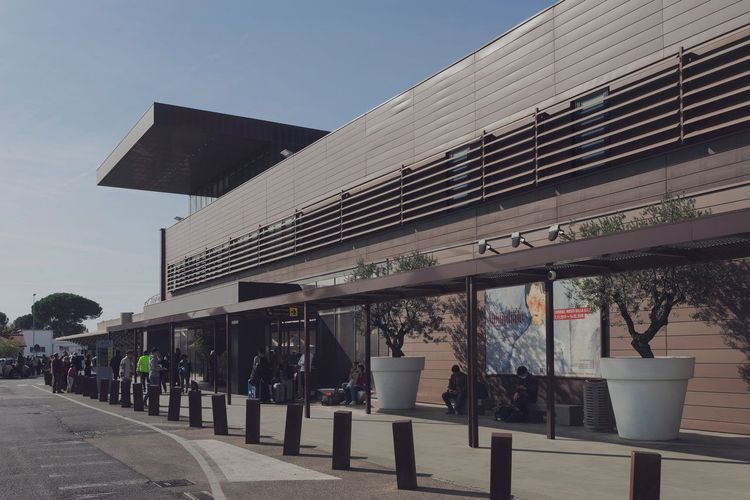
Florence has its own airport, Firenze Aeroporto (Peretola), 15 minutes from the centre, but its flight offering remains limited compared with that of Pisa, 1h15 away by road or train. Amerigo Vespucci Airport is mainly served by Italian domestic flights and a few direct European connections (Paris, London, Amsterdam), while most international low-cost flights land in Pisa. Check your airline before automatically assuming one or the other: the price difference sometimes exceeds €100 on an identical trip.
If you arrive by train, Santa Maria Novella station is in the heart of the city, 10 minutes on foot from the Duomo. From Rome, allow about 1h30 by high-speed train; from Milan, about 1h45. From Pisa, the train reaches Florence in 50 to 70 minutes depending on the stops, with frequent departures throughout the day.
By bus, low-cost companies serve Florence from many Italian and European cities, with a main stop near the station, but the journey is systematically longer than the train on the same routes.
Getting Around the City: On Foot, by Bus and by Bike
Florence's historic centre can be explored almost entirely on foot: most pedestrian zones, incidentally, ban car traffic for non-residents, under penalty of an automatic camera fine. Allow 20 to 30 minutes of walking between the farthest points of the centre. Still, keep a tourist map of Florence at hand, paper or app: the historic centre is full of small streets that follow no grid logic.
For longer trips, notably to Piazzale Michelangelo if you do not want to walk up, the ATAF bus network covers the city well, with a single ticket around €1.70 or a day pass that is more cost-effective beyond three trips. Ride-hailing services like Uber remain limited in Florence by Italian regulations that favour traditional taxis: it is better to find an official taxi rank than to hope for a typical Western app. Cycling is a pleasant option along the Arno, but less practical in the cobbled historic centre, often crowded with pedestrians.
From Florence airport, the T2 tram shuttle links the terminal directly to Santa Maria Novella station in about twenty minutes, for roughly €1.70, significantly cheaper than a taxi.
Budget for 3 Days in Florence: Tickets, Passes and Estimate
Ticket Prices and Tourist Pass
Expect €25 for the Uffizi on site (€29 with a reservation, €16 to €20 for an entry after 4 pm), around €16 to €20 for the Accademia depending on the reservation, and €22 to €25 for the combined Palazzo Pitti + Boboli Garden ticket. If you combine the Uffizi and the south bank, the 5-day PassePartout (€40) covers the Uffizi, Palazzo Pitti and Boboli. The climb to the Duomo's dome, sold only with the cathedral complex pass, costs about €30 and must be booked for a specific time slot.
The Firenze Card, around €85 for 72 hours, gives access once to each museum on the circuit, including all the major sights in this guide, with skip-the-line access, but only really pays off if you plan to visit at least five or six paid sights over your three days. If your programme is limited to the major classics in this guide, paying individually generally costs less than the pass.
Estimated Budget by Category: Accommodation, Meals, Transport, Visits
For three days for two people, at mid-range:
- Accommodation: €270 to €450 (€90 to €150 per night)
- Meals: €120 to €200 (trattorias and market, excluding starred restaurants)
- Local transport: €15 to €25 (bus, airport tram)
- Visits and museums: €180 to €220 for two people at the main sights (Uffizi, Accademia, Pitti-Boboli, Duomo complex)
That makes an estimated total budget of €550 to €900 for a couple over three days, excluding plane or train tickets to reach Florence. Solo travellers or those staying in hostels easily come in under €300 all-in, relying on the covered market and popular trattorias rather than the tourist addresses of the centre. Italian state museums, including the Uffizi and the Accademia, offer free entry on the first Sunday of each month: a godsend if your stay falls on that date, provided you accept noticeably higher crowds than usual that day.
Book Uffizi and Accademia tickets at least one to two weeks before departure in high season (April to June, September): the time slots at both museums often sell out three to four days before the date, especially in late morning.
When to Go and Practical Tips for a Successful Trip
Best Time to Visit Florence
April-May and September-October offer the best compromise between pleasant weather and moderate crowds, with temperatures around 18-24°C. July-August bring sometimes stifling heat, above 35°C on some days, in a city that offers little natural shade in its mineral-like historic centre.
Winter, from November to March, is the cheapest period for accommodation, with noticeably shorter queues at the museums, at the price of shorter days and a few rainy days to plan for. If your dates coincide with Easter or the Scoppio del Carro, the festival of the cart that explodes in Piazza del Duomo on Easter Sunday, expect double the crowds in the historic centre on that particular day, but also a particularly festive atmosphere.
Advance Bookings and Skip-the-Line Tickets
Beyond the Uffizi and the Accademia already mentioned, also book the climb to the Duomo's dome as soon as your dates are set: slots are released in 30-minute blocks and fill up quickly in season. The Palazzo Vecchio and the Palazzo Pitti are easier to book, often the day before is enough outside peak season.
Safety, Language, Currency and Dress Code
Florence remains a generally safe city for visitors, the main risk being pickpocketing in very dense areas (Ponte Vecchio, around the Duomo, crowded public transport) rather than assault. Keep bags and front pockets closed in crowds.
Italian dominates, but English is widely understood in tourist areas and hotels. The currency is the euro. For emergencies, 112 works as the single European number, valid in Italy too.
A point often forgotten by non-Catholic visitors: Florence's basilicas (Duomo, Santa Croce, San Lorenzo, Santa Maria Novella, Santo Spirito) enforce a strict dress code, shoulders and knees covered for everyone, men and women alike. Pack a light shawl in your bag even in midsummer: the check at the entrance is systematic and visitors in tank tops or short shorts are regularly refused entry. Tipping is optional in Italy: rounding up to the next euro at a bar, and 5 to 10% in a restaurant if the service was particularly good, is more than enough.
Excursions from Florence and Itinerary Variations
Pisa and Lucca in One Day
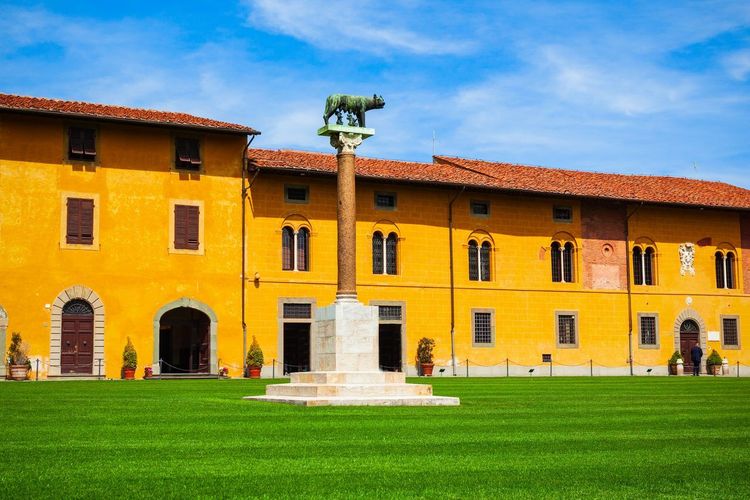
Pisa, 50-70 minutes by train, can be visited in half a day: the leaning tower, the cathedral and the baptistery are all concentrated on the same square, Piazza dei Miracoli. Lucca, a further 20 minutes by train from Pisa, adds intact Renaissance ramparts, which can be cycled along their whole length, for a full day combining both cities. To combine the two stops without a car, take the first morning train to Pisa (departures from 6:30 am from Santa Maria Novella), visit Piazza dei Miracoli in two hours, then take a local train to Lucca for the afternoon before returning to Florence in the evening.
Arezzo, less well known, deserves a detour for less hurried art lovers: the Basilica of San Francesco houses a cycle of frescoes by Piero della Francesca considered one of the pinnacles of Renaissance painting, often visited without the crowds of the major Florentine sights. For an excursion more focused on the countryside than urban heritage, the Chianti, less than an hour's drive south of Florence, offers day-long visits to wine estates, an option to consider instead of a fourth urban sight if you are looking for a change of pace.
Visiting Florence in 2 or 4 Days: Adjusting the Itinerary
If your stay is reduced to 2 days, merge day 1 and the start of day 2: keep the Duomo, Piazza della Signoria, the Ponte Vecchio and a single major museum (Uffizi or Accademia, not both). With 4 days, add a full excursion to Pisa and Lucca on day 4, or slow the pace by spreading the current day 2 visits over two more relaxed half-days.
Florence with Family: Adapting the Programme with Children
With children, it is better to alternate a dense cultural site (the Uffizi, for example, in a short one-hour version) with some time outdoors: the Boboli Gardens lend themselves well to an open-air break between visits, with enough space to run around without disturbing other visitors.
The Palazzo Vecchio offers family trails with treasure hunts at certain times of the year, an option to check before leaving. Also check the quiet hours of the museums before going with young children: the Uffizi and the Accademia generally offer calmer access in the late afternoon, after the organised morning groups have passed, which limits the wait for the little ones. Strollers manage easily on most of the cobbled streets of the centre, except for the climb to the dome, which is inaccessible to strollers and frankly not recommended for young children (463 steps in narrow passages). For a detailed three-day programme designed for children, our Florence with family article offers an alternative itinerary that reduces daily walking time and includes more gelato breaks.



FAQ
How many days do you need to visit Florence?
Three days cover the main sights of the historic centre (Duomo, Uffizi, Accademia, Ponte Vecchio) and the south bank (Palazzo Pitti, gardens, Piazzale Michelangelo) without a constant sprint. Two days are enough for the densest classics if you give up one of the two major museums, while four days let you add an excursion to Pisa or slow the pace right down. The choice depends mostly on your tolerance for walking and queues rather than on the number of sights you are aiming for.
Can you visit Florence in 2 days?
Yes, by focusing on the essentials: the Duomo and its surroundings, Piazza della Signoria, the Ponte Vecchio, then a single major museum, either the Uffizi or the Accademia rather than both. The south bank (Palazzo Pitti, gardens) is generally dropped in such a short format, unless you sacrifice another sight. In that case, it is best to arrive right at opening time to save precious time during the day.
What is the best time to visit Florence?
April-May and September-October offer the best balance between pleasant weather (18-24°C) and moderate crowds in the museums. July-August bring intense heat to the city, while winter, cheaper and less crowded, means shorter days and a few showers to plan for. The May long weekends and Italian school holidays remain the busiest periods, best avoided if you hate crowds.
Should you fly into Florence or Pisa?
Both airports work: Florence (Peretola) is 15 minutes from the centre but offers fewer flights, while Pisa, about 1h15 away, handles most low-cost connections. Compare prices for both before booking, as the difference sometimes exceeds €100 for the same trip. In both cases, a train or direct shuttle connects the airport to central Florence with no complicated transfers.
Do you need a tourist pass for Florence?
The Firenze Card (about €85 for 72 hours) only pays off if you visit five or six paid sights during your stay, skip-the-line access included. For an itinerary built around the major classics in this guide (Duomo, Uffizi, Accademia, Pitti), buying tickets individually is generally cheaper. The pass's main advantage is skip-the-line access, which is only useful in peak season.
What budget should you plan for 3 days in Florence?
Allow €550 to €900 for a couple over three days at mid-range, including accommodation, meals, local transport and visits, but not the trip to Florence. Solo travellers or those staying in hostels can easily bring this down to €250-350 by relying on the covered market and popular trattorias. Families with children should add the cost of tickets, which are often free or reduced for under-18s in state museums.
Which neighbourhood should you stay in in Florence?
The historic centre puts everything within walking distance at the price of a higher budget, while the Oltrarno offers gentler rates for an extra 10 to 15 minutes of walking. The area around Santa Maria Novella station suits early-morning train arrivals or departures well, often with good value for money. Santa Croce remains an interesting alternative in between, both central and a little cheaper than the immediate surroundings of the Duomo.
Three well-organised days in Florence are more than enough to see the essentials without turning the trip into a museum marathon. The secret lies mostly in the order of visits: group sights by neighbourhood rather than by priority list, book tickets for the major museums before leaving, and keep some time simply to watch the light on the Arno from a bridge or viewpoint.
If you prefer to walk to the rhythm of commentary rather than a map, the Ryo audio-guided route of Florence covers most of this itinerary over 25 stops and 7.8 km, from the Duomo to the Oltrarno, to be followed at your own pace without depending on a group's schedule. A great way to turn these three days into a real discovery of the city, rather than a race against the queues.
À lire également