
Créé par Romane, le 19 sept. 2026
Votre guide Ryo
Venice, Italy
Short tour - At one with the “Serenissima”
Parcours audioguidé pour visiter Venise en 1 jour
This is the short version of the tour, perfect for discovering the city's highlights in no time. If you'd like to explore further, the full tour is also available, allowing you to immerse yourself in the city in much greater depth.
This tour of the historic heart of Venice invites you to lose yourself in a maze of wonders, where Gothic palaces, centuries-old bridges, and hidden squares create a world where time feels suspended. As you follow the route, you’ll uncover the legacy of the powerful maritime republic, discover exceptional craftsmanship, and step into lesser-known corners where the true rhythm of the City of Doges unfolds away from the crowds. It’s a simple, immersive way to explore the captivating soul of Venice at your own pace.
Quand partir à Venise ?
Jan.
4°
7
Feb.
5°
6
March
9°
7
April
13°
8
May
18°
8
June
21°
8
July
24°
6
Aug.
24°
7
Sept.
20°
6
Oct.
15°
7
Nov.
9°
9
Dec.
5°
8
Venice is quite warm all year round, with an average temperature of around 14°C. Winters are cold and damp, while summers tend to be hot and stuffy. The coldest months are January to March, with lows around 6°C. The hottest months are June to August, with highs reaching around 27°C. May, June and November are typically the rainiest months. The best time to visit is generally between April and October, despite the occasional rain. Before choosing your travel dates, be aware of Venice's Acqua Alta — a sudden rise in the lagoon's water level, which can quickly lead to flooding in the streets. This natural occurrence is linked to high tides, and usually lasts only a few hours during the day. While it can happen anytime from mid-September to April, it’s most common between October and November. So it’s a good idea to pack some waterproof boots, just in case.
Départ conseillé
No need to worry about where to begin! Our tours are designed as a loop, so you can jump in wherever you are. The navigation system and audioguide will automatically adjust to your location. However, if you happen to be nearby, we do have a preferred starting point : 4196 Riva degli Schiavoni.
Parking à proximité
Parking 280 : Marittima Fabbricato 280
Famous for its exceptional history, Venice's geography is also very unique. The city is built on a group of islands and islets, where streets are canals and vehicles are gondolas and vaporettos. Traffic is practically non-existent in the Serenissima. If you’re planning to drive to Venice and its beautiful region, there are some parking options located on the mainland. There are car parks in the town of Mestre, near its train station or the airport. They are all well connected by vaporetto or train lines, making it easy to reach the “City of the Doges” in no time.
À savoir
Like many top tourist destinations, Venice offers discounts and benefits on transport and attractions through the Venezia Unica City Pass.
It’s a great way to explore the city at your own pace while making use of the offers. There aren't many public toilets in Venice. To avoid any inconvenience, we recommend making the most of your stops at cafés or restaurants, where you'll have access to toilets.
Découvrez 17 lieux d'intérêt pour visiter Venise
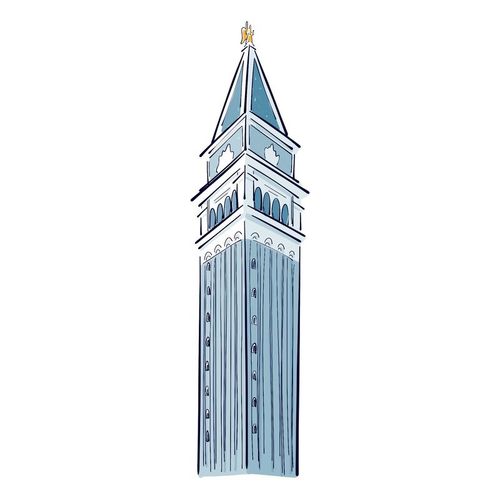
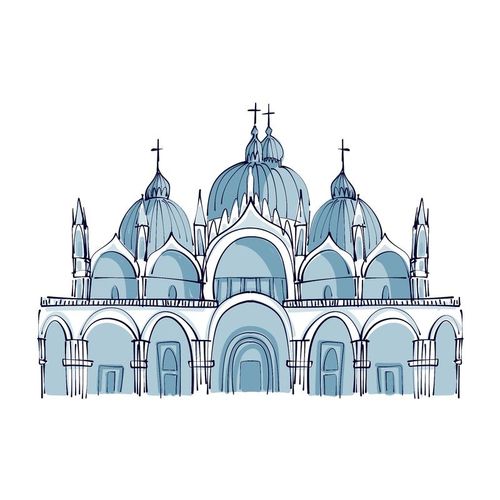
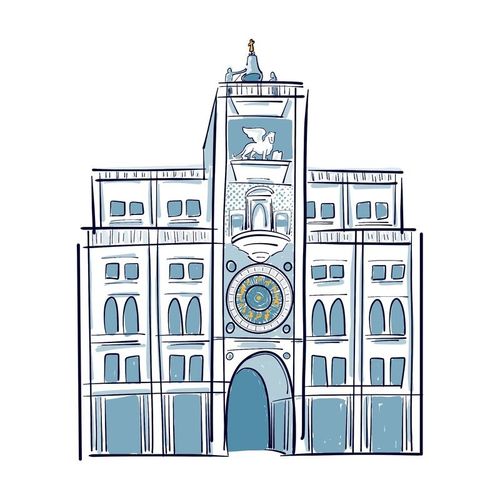
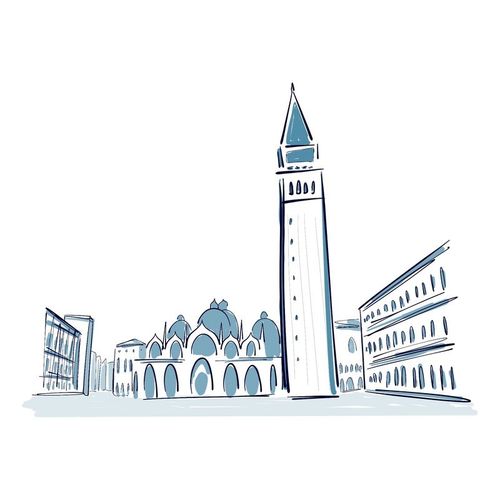



Le plein d'inspirations
Explorez le monde en totale liberté, à pied au cœur des villes ou au fil des routes. Nos guides audios transforment chaque destination en une découverte culturelle immersive et unique.


FAQ for visiting Venice
Quelle est la meilleure période pour visiter Venise ?
La période idéale pour découvrir Venise s'étend d'avril à octobre, lorsque les températures sont agréables et permettent de profiter pleinement des balades dans la cité. Les mois de mai, juin et septembre offrent un excellent compromis entre météo clémente et affluence touristique modérée. L'été peut être étouffant avec des températures avoisinant les 27°C et une forte fréquentation. Si vous visitez entre octobre et novembre, prévoyez des bottes en caoutchouc car c'est la période de l'Acqua Alta, ces marées hautes qui inondent temporairement certaines rues. L'hiver reste charmant malgré le froid et l'humidité, avec moins de touristes pour une atmosphère plus authentique.
Combien de jours faut-il pour visiter Venise ?
Trois à quatre jours constituent la durée idéale pour une première découverte approfondie de Venise. Ce temps vous permet d'explorer les quartiers emblématiques comme San Marco et le Rialto, de vous perdre dans les ruelles moins fréquentées du Cannaregio ou du Dorsoduro, et de visiter quelques musées majeurs. Avec deux jours, vous pourrez voir les incontournables mais au pas de course. Si vous disposez de cinq jours ou plus, vous aurez le luxe de découvrir les îles de la lagune comme Murano et Burano, et de vraiment vous imprégner du rythme vénitien en prenant le temps de flâner et de savourer l'atmosphère unique de la Sérénissime.
Comment se déplacer dans Venise ?
Venise se parcourt essentiellement à pied, ce qui fait partie intégrante de son charme. Les vaporetti, ces bus aquatiques qui sillonnent le Grand Canal et relient les différentes îles, constituent le principal moyen de transport public. Un pass journalier vous permet des trajets illimités et s'avère vite rentable. Les gondoles restent une expérience romantique mais onéreuse, réservée aux occasions spéciales. Pour traverser rapidement le Grand Canal à certains endroits, les traghetti proposent un court trajet en gondole collective pour quelques euros. Les taxis aquatiques offrent plus de confort et de rapidité mais à des tarifs élevés. N'oubliez pas que Venise est entièrement piétonne, aucune voiture ni vélo n'y circule.
Quels sont les incontournables à voir absolument à Venise ?
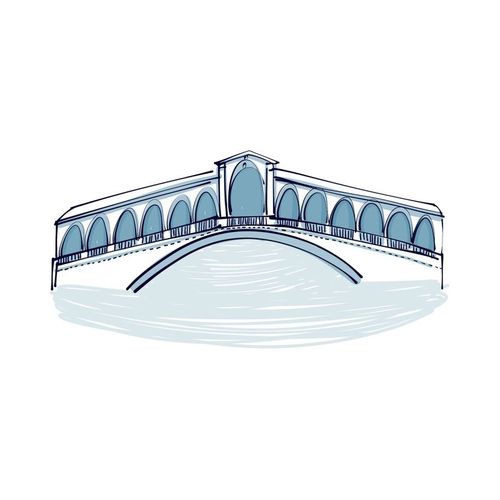
La Place Saint-Marc avec sa basilique byzantine et le Palais des Doges forme le cœur historique incontournable de Venise. Le Pont du Rialto offre une vue emblématique sur le Grand Canal, tandis que le Pont des Soupirs fascine par son histoire romantique. Au-delà de ces classiques, perdez-vous dans les quartiers du Cannaregio pour découvrir le ghetto juif, ou du Dorsoduro pour ses galeries d'art. Les églises comme Santa Maria della Salute ou la Scuola Grande di San Rocco recèlent des trésors artistiques. L'audioguide Ryo vous accompagne dans cette découverte avec un parcours commenté qui révèle aussi les placettes secrètes et l'artisanat vénitien, vous permettant d'explorer la ville à votre rythme tout en comprenant son histoire fascinante.
Quel budget prévoir pour un séjour à Venise ?
Venise reste une destination relativement onéreuse, surtout en haute saison. Pour l'hébergement, les tarifs varient fortement selon la période et le quartier, mais prévoyez un budget conséquent pour un hôtel central. Les repas au restaurant peuvent rapidement faire grimper la note, particulièrement près des sites touristiques. Privilégiez les bacari, ces bars à tapas vénitiens, pour des repas plus abordables et authentiques. Le pass vaporetto représente un investissement initial mais devient vite économique si vous l'utilisez plusieurs fois par jour. Les entrées des musées et monuments s'additionnent rapidement, pensez aux pass combinés pour économiser. Un budget moyen à confortable vous permettra de profiter sereinement de votre séjour sans vous priver des expériences qui font le charme de Venise.
Comment rejoindre Venise depuis l'aéroport ?
L'aéroport Marco Polo, situé sur la terre ferme, offre plusieurs options pour rejoindre Venise. Le bus ACTV ou ATVO vous dépose à Piazzale Roma en une vingtaine de minutes pour un tarif très abordable. De là, vous continuerez à pied ou en vaporetto. Plus pittoresque, l'Alilaguna est un bateau-bus qui dessert directement plusieurs arrêts dans Venise, pratique si votre hébergement se trouve près d'un de ces stops. Les taxis aquatiques privés restent la solution la plus rapide et confortable mais aussi la plus coûteuse, idéale si vous voyagez en groupe ou avec beaucoup de bagages. Depuis l'aéroport de Trévise, plus éloigné, des navettes bus assurent la liaison jusqu'à Piazzale Roma.
Which museums are worth visiting in Venice?
The Gallerie dell'Accademia hold the finest collection of Venetian painting, from Bellini to Tintoretto by way of Veronese, and are best visited early in the day. A little further along the same bank, the Peggy Guggenheim Collection occupies an unfinished palace on the Grand Canal and unfolds a panorama of modern art in an intimate setting, extended by a sculpture garden.
For contemporary work, Palazzo Grassi and Punta della Dogana stage major temporary exhibitions in spectacularly converted buildings. Those who prefer the atmosphere of lived-in palaces should head for Ca' Rezzonico, devoted to the Venetian eighteenth century, or Ca' d'Oro. Finally, the Scuola Grande di San Rocco, decorated throughout by Tintoretto, offers one of the most powerful experiences in the city, provided you remember to look up.
What is the acqua alta in Venice?
Acqua alta refers to the exceptionally high tides that push lagoon water up through the canals and drains until it temporarily covers the lowest parts of the city, starting with St Mark's Square. The phenomenon is concentrated mainly from autumn to early spring, when southerly winds drive water towards the head of the Adriatic, and it usually lasts a few hours around high water.
The city issues warnings and sets up raised walkways along the main routes, while a system of mobile barriers at the entrance to the lagoon now makes it possible to hold back the most serious episodes. If you come during the wetter season, pack waterproof shoes, check the tide forecast in the morning and simply reshuffle the order of your visits.
Which festivals mark the year in Venice?
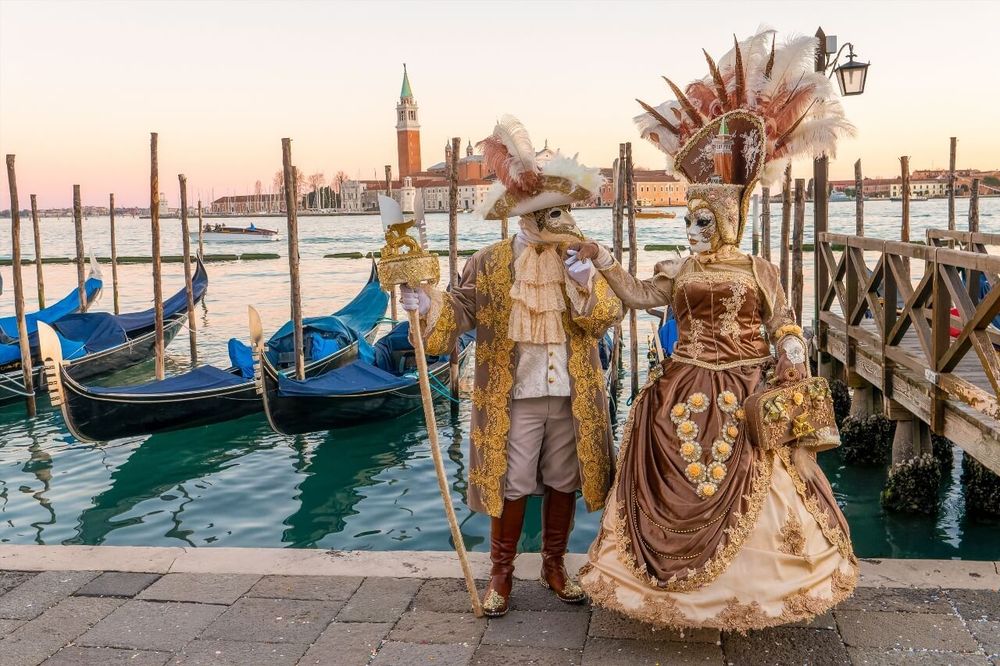
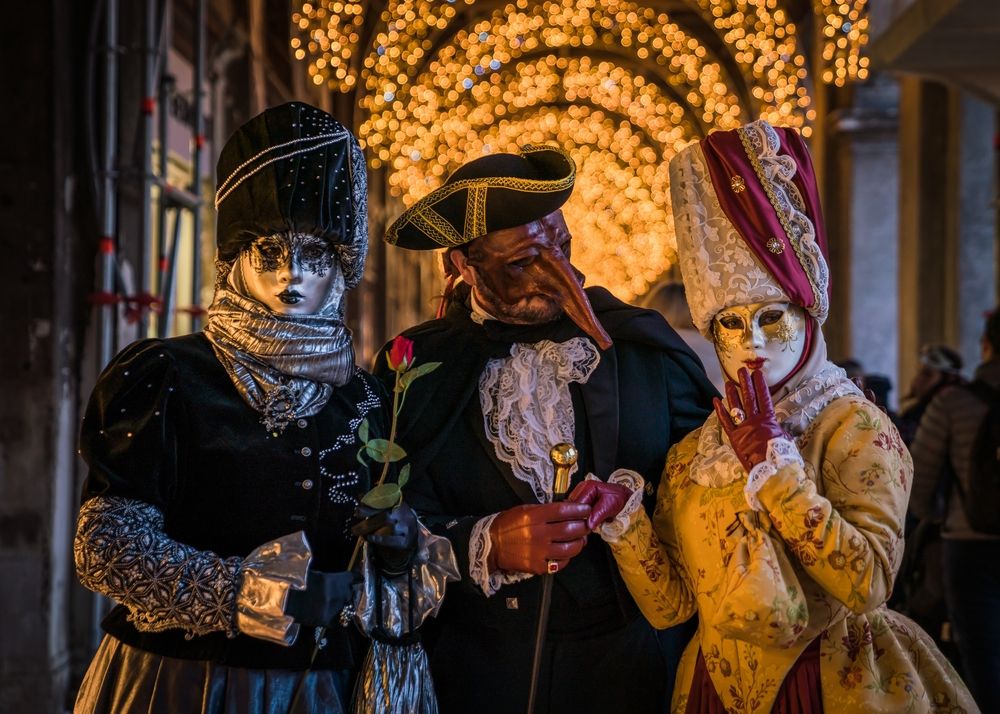
Carnival is still the most famous event: at the end of winter, masks, costumes and balls take over the squares and palaces, drawing considerable crowds in the centre. In midsummer, the Redentore festival turns the lagoon into a stage: a bridge of boats reaches across to the Giudecca and a huge firework display lights up St Mark's basin as seen from the boats, where Venetians dine with their families.
Autumn brings the Regata Storica and its procession of ceremonial craft along the Grand Canal, while the art or architecture Biennale takes over the Arsenale and the gardens for several months, alternating from one year to the next. Add the film festival at the Lido in late summer and the traditional processions which, once winter comes, mainly bring the locals together.
What is a gondola ride in Venice like?
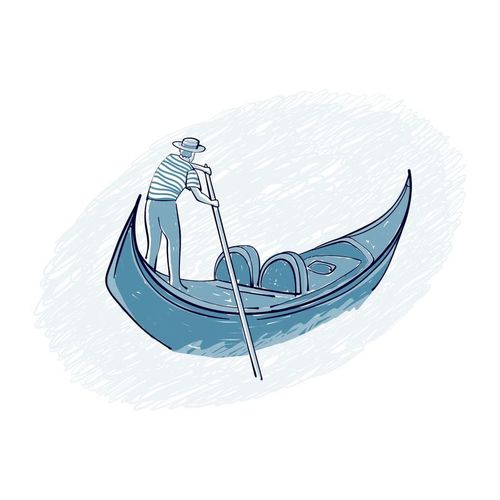
The gondola is no longer a means of transport but an outing, steered standing up by a gondolier who works a single oar resting on a carved wooden fitting. The ride generally lasts a little under half an hour and is agreed before you step aboard: routes through the narrow canals, away from the traffic, are often more rewarding than the return trips along the busier Grand Canal.
Fares are regulated by the city and vary according to the time of day, with the ride charged per boat rather than per person, which makes it more affordable in a group. If you simply want the experience of being rowed, the traghetto, a ferry gondola that crosses the Grand Canal where there is no bridge, lets you do it standing up, in a couple of minutes, just like the Venetians.
Vos commentaires, idées et suggestions
Aucun avis pour le moment