
Créé par Emilie, le 17 nov. 2026
Votre guide Ryo
Roma, Italy
The Eternal City
Parcours audioguidé pour visiter Roma en 1 jour
Enter the beating heart of the Eternal City, where layers of history overlap in monumental harmony. This walk takes you on a journey through time, from the imperial heights of the Capitoline overlooking the Forum to the arenas of the Colosseum, silent witnesses to ancient power. Let yourself be carried by this descent toward the banks of the Tiber, to move from the grandeur of the emperors to the dolce vita of Trastevere, a neighborhood of honey-colored alleys and mysteries.
Quand partir à Roma ?
Jan.
8°
7
Feb.
8°
7
March
11°
7
April
14°
8
May
18°
6
June
23°
4
July
26°
3
Aug.
26°
3
Sept.
21°
6
Oct.
17°
8
Nov.
13°
9
Dec.
9°
8
Rome enjoys a mild Mediterranean climate all year round. Winters are generally mild and rainy, but it can get cold in the evenings. Average temperatures are around 14°C, with minimums of 4°C. Summers are hot and sunny. Starting in June, temperatures can soar to 40°C, with occasional evening thunderstorms. Average temperatures in summer are around 30°C.
Départ conseillé
No need to worry about where to begin! Our tours are designed as a loop, so you can jump in wherever you are. The navigation system and audio-guide will automatically adjust to your location. However, if you happen to be nearby, we do have a preferred starting point: the Capitoline Square.
Parking à proximité
Gianicolo parking lot in via Urbano VIII 16/C
Parking in Italy can be a bit of a challenge. If you're traveling by car and can't park at your hotel, here are a few things to keep in mind: Downtown Rome is a limited traffic zone or ZTL (“Zona a Traffico Limitato”) as they call it. You'll know by the large, round signs with a red circle on a white background. You can't miss them. This zone is off-limits to non-residents for most of the day. The best thing to do is avoid it altogether, as enforcement is strict, with numerous cameras and active patrols. So chances are, if you take that risk, you'll get a hefty fine.
Outside the ZTL, you'll find three types of parking spaces: free spaces marked with white lines, paid spaces marked with blue lines charged between 8 AM and 8 PM, and no-parking zones marked with yellow lines. You can park outside the city, near a metro station, and get to the center by public transport. The area along the Tiber River is a great option, as it's easier to find parking there and it's cheaper than the covered parking lots in the center.
You can also book your covered parking space in advance to avoid the hassle of searching and save time.
À savoir
If you're planning to visit several sites, consider purchasing a city pass or a combined ticket. These will save you money and grant you skip-the-line privileges. Don't even try to queue up and buy your tickets on the spot on the day of your visit – you'll waste the whole day.
Découvrez 24 lieux d'intérêt pour visiter Roma





What to see in Roma on your 2h40 tour?
This 6.7 km loop takes 2 hours 40 minutes and links 22 sights. From the Capitoline Hill and its museums, it crosses the Forum to the Colosseum and Palatine Hill, follows the Aqua Claudia aqueduct and the Circus Maximus, then crosses the Tiber into Trastevere, with its squares and fountains. It returns via the Ponte Sisto past the Turtle Fountain and Piazza Venezia, back up to the Capitoline Hill. With the Ryo app in your ears, every arch or legend tells its story at your own pace.
Information checked in October 2026 and subject to change.
1 - Capitoline Square and Museums
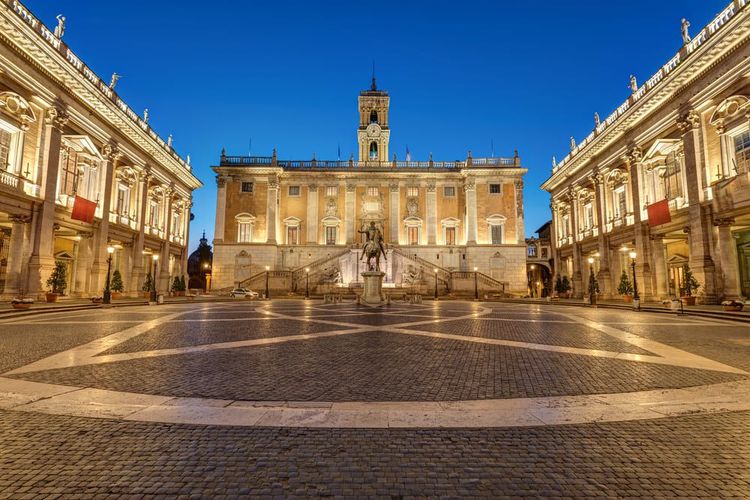
Atop the smallest of Rome's seven hills, this square already stood as a fortified site overlooking the Forum in ancient times. In 1536, Pope Paul III asked Michelangelo to design a new layout facing St Peter's Basilica, reached by a gently sloping ramp. Watch for the twin mythical statues guarding the entrance, the copy of an imperial equestrian statue at the centre, and the surrounding palaces, now home to one of the world's oldest museums.
Free to see from outside
2 - Capitoline She-wolf
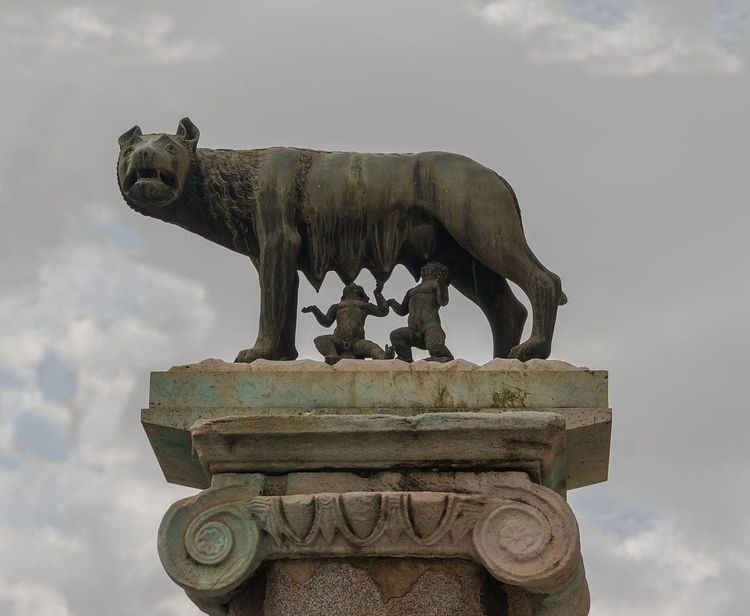
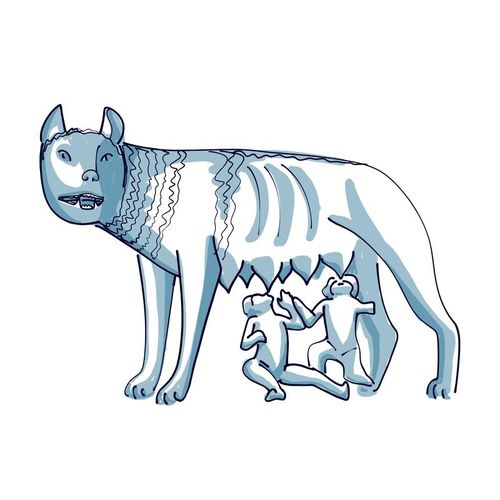
Perched on its column, this replica recalls the city's founding myth: twin babies cast into the Tiber, rescued and nursed by a wild animal at the foot of a nearby hill. The far older original is kept in the nearby museums. Over the centuries the figure became a symbol recognised well beyond Italy, copied in countless cities around the world, proof of its universal appeal.
Free entry
3 - Roman Forum
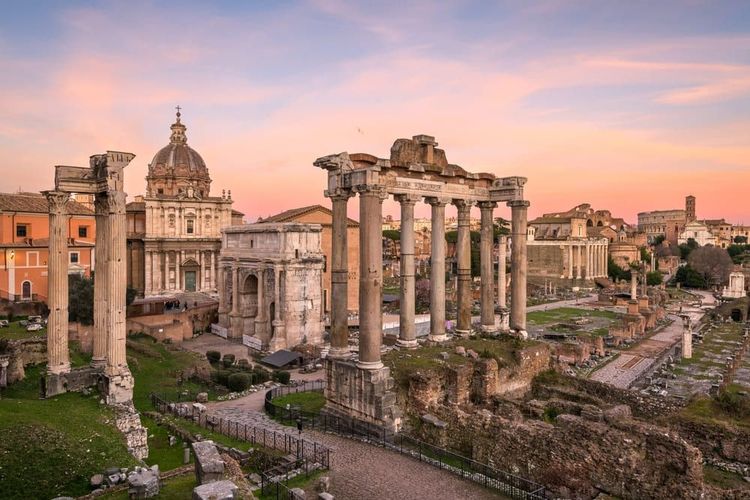
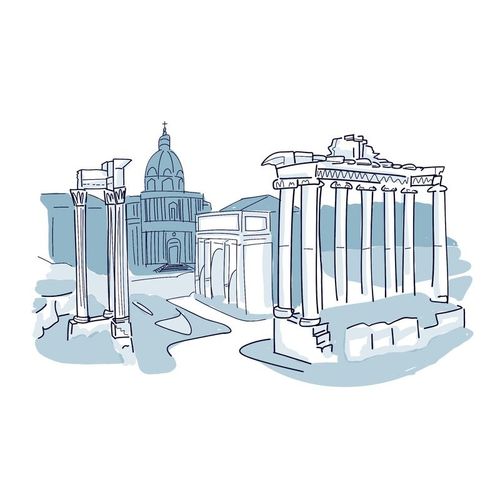
An unhealthy marsh used as a burial ground for neighbouring villages, this area was drained around 600 BC thanks to a huge sewer, freeing the space for what became the living heart of the ancient city. Modelled on the Greek agora, it concentrated power, religion, trade and justice: traces remain of the senate's seat, temples and basilicas, built across more than a thousand years of Roman history.
Paid entry (about €18)
4 - Arch of Septimius Severus
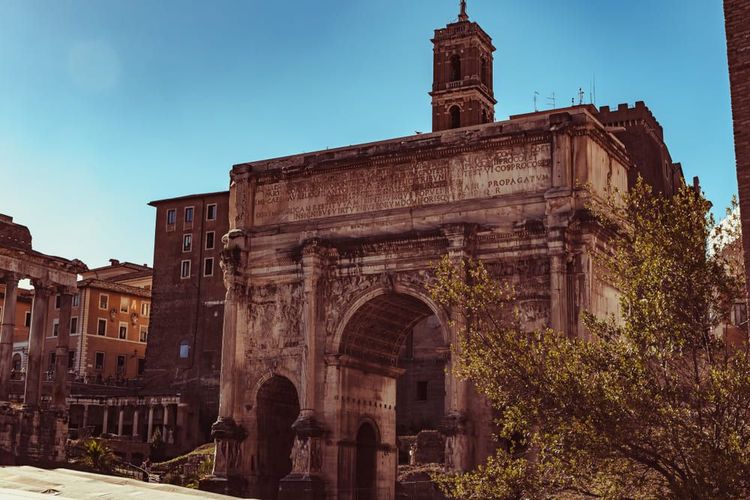
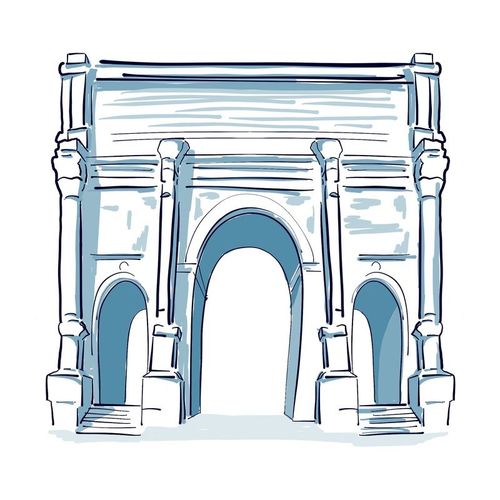
This monument celebrates a military victory won in the 3rd century by an emperor and his sons over a people from present-day Iran, long a rival of Rome. Standing some twenty metres high, it formed one of the monumental gateways leading to the nearby square. Kept intact within a now-vanished church until the 15th century, it has preserved its carved reliefs full of winged figures, deities and historical scenes, making it the best-preserved arch nearby.
Paid entry (about €18)
5 - View over the ancient ruins
From this footbridge, the view takes in the remains of the last great monumental complex commissioned by an emperor, funded by the spoils of a victorious campaign in central Europe. On the left, a few column fragments and a tall spiral-carved column recounting battles. Opposite, a vast curved building once housed shops and warehouses, sometimes described as one of the earliest covered markets; it now hosts a museum devoted to these grand imperial projects.
Free entry
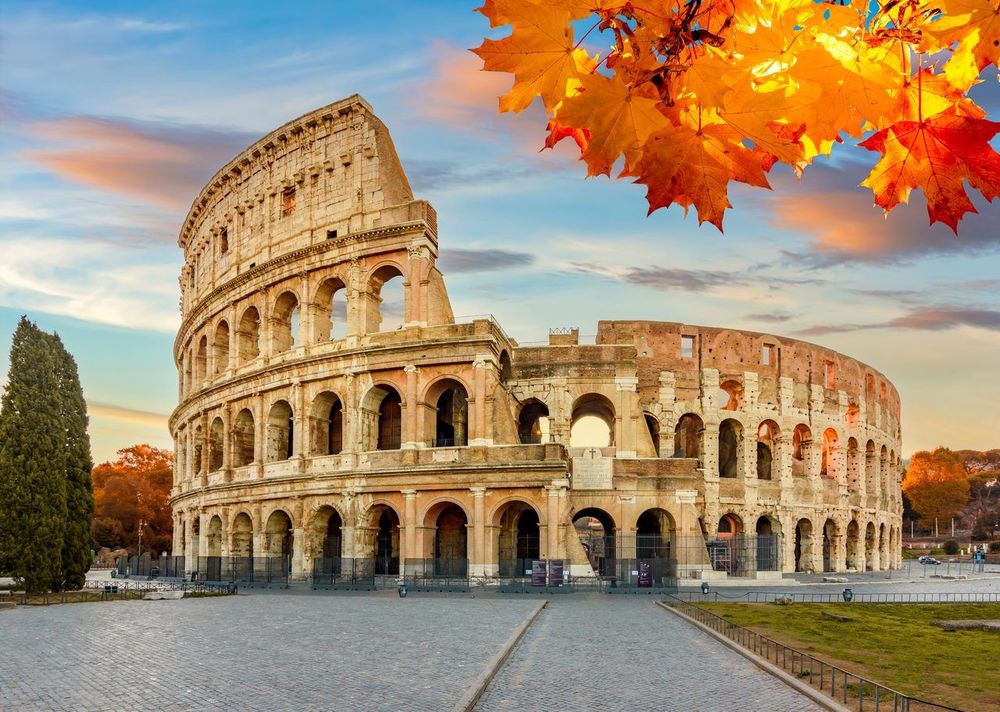
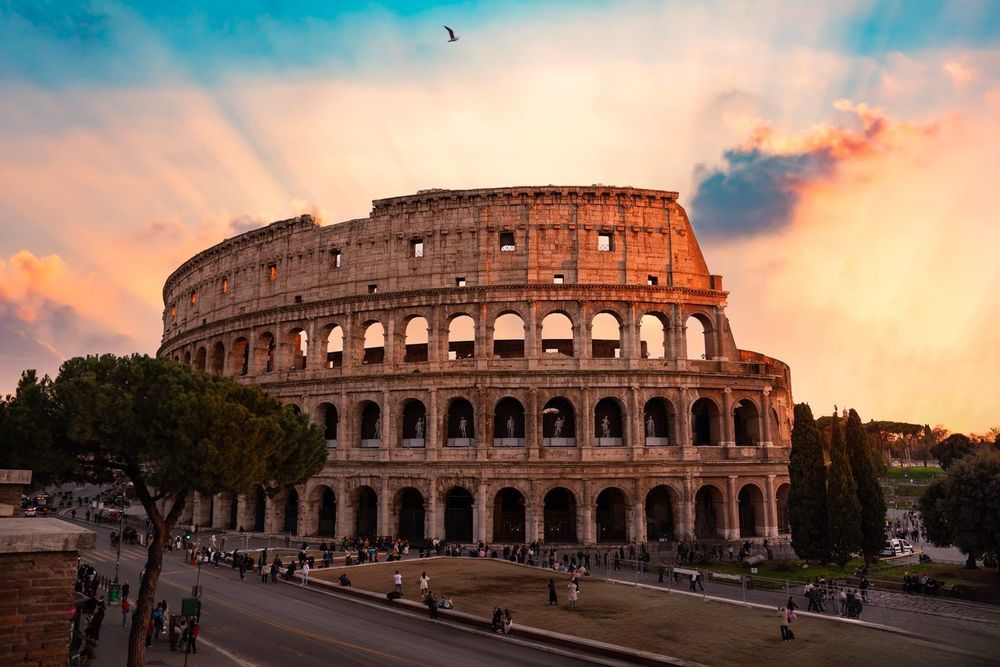
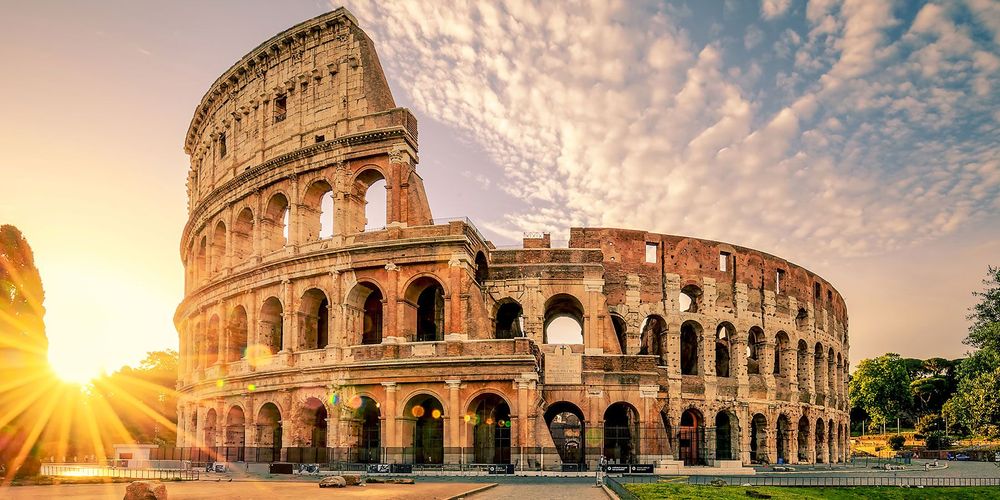
6 - The Colosseum
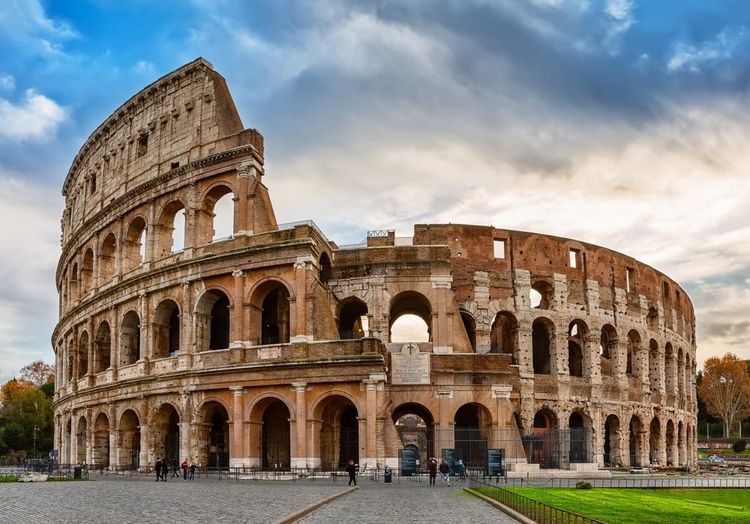
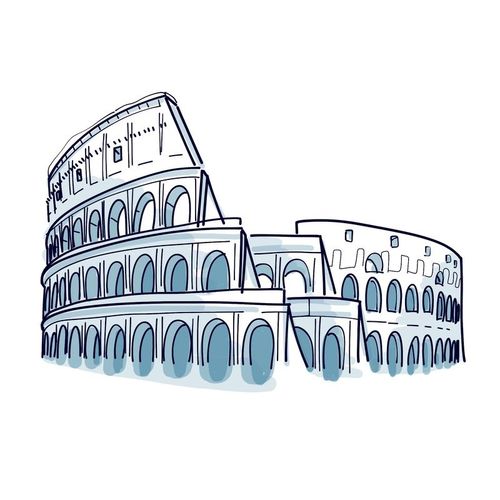
It's hard not to be struck by the sheer size of this amphitheatre, the largest ever raised by the Romans. Its nickname comes from a giant statue that once stood at the entrance, not from its dimensions. Begun under one emperor and finished by his son, it was funded by the spoils of distant military campaigns and given to the people in answer to a controversial predecessor who had seized the space for himself. Tens of thousands of spectators could gather here for the shows.
Paid entry (about €18) · Allow 1 h 15
7 - Arch of Constantine
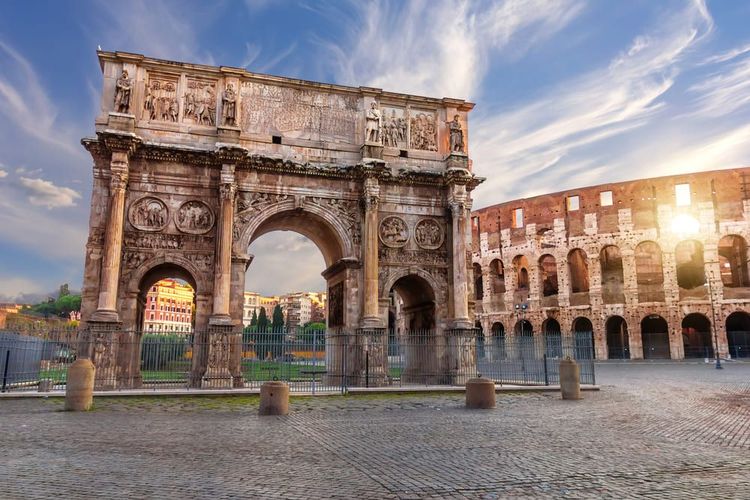
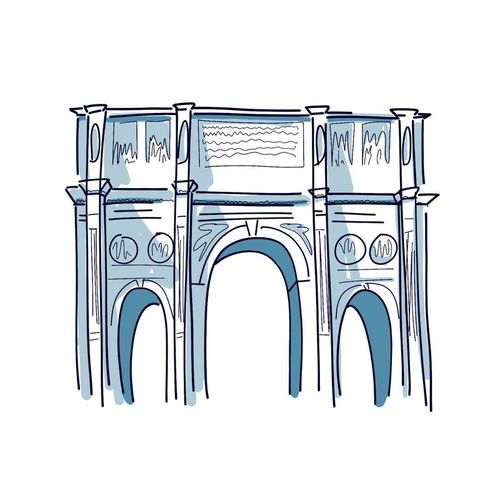
Right beside the great amphitheatre stands the city's largest triumphal arch, built in barely two or three years to mark an imperial anniversary. It celebrates a decisive victory over a rival near a bridge, following a vision the emperor is said to have had before the battle. Turning favourable to Christians after this fight, he ended their persecution, a major turning point for the West that the arch commemorates through its carvings and inscriptions.
Free entry
8 - Palatine Hill
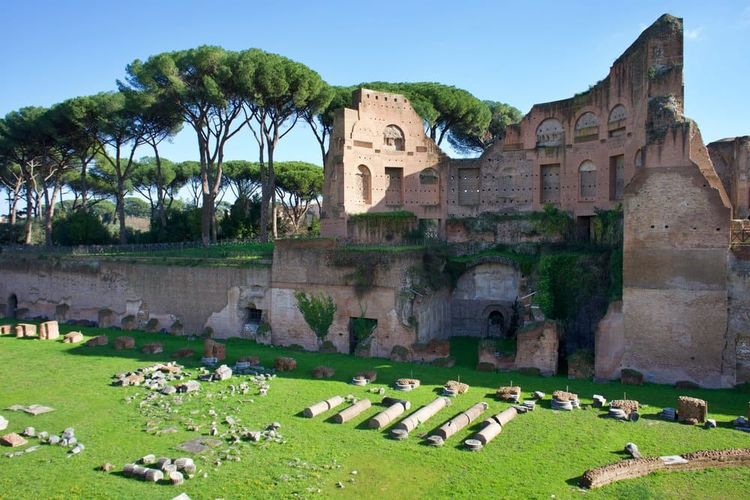
Legend has it that abandoned twins were rescued at the foot of this hill before going on to found the city. Later the residence of the powerful, it rises some forty metres above the nearby square and still holds, among peaceful gardens, the ruins of lavish palaces and baths. Far from the bustle of the streets below, the walk offers wide views over the city and is often combined with a visit to the surrounding monuments.
Paid entry (about €18)
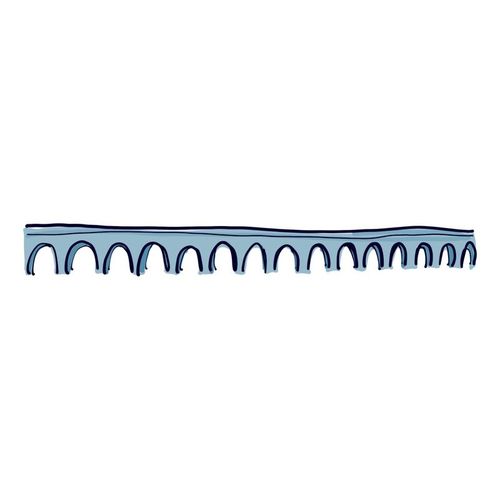
9 - Aqua Claudia Aqueduct
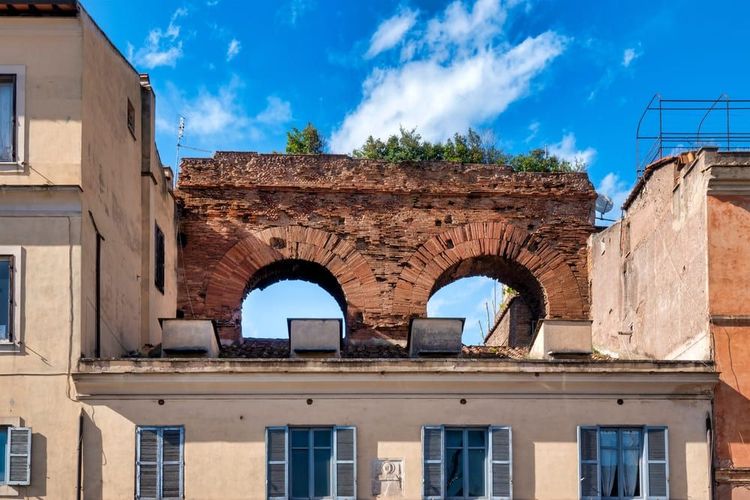
This arch once carried drinking water channelled into the city from springs outside it, along a tributary of the local river. Begun under one emperor and completed by his successor, the structure was later extended to serve more districts, including the one you have just crossed on the other bank. Shared under precise rules between imperial, private and public use, this underground then raised network was among the most famous in ancient Rome.
Free entry
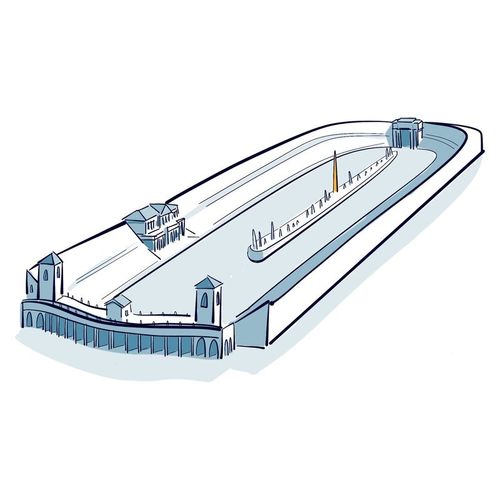
10 - Circus Maximus
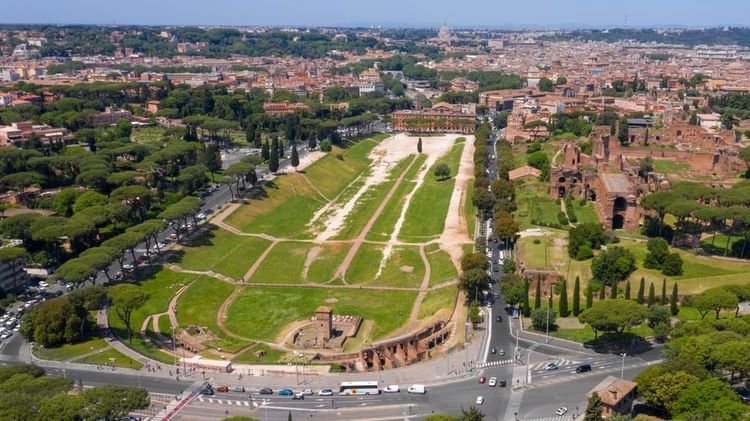
Standing before this vast stretch of grass takes a little imagination to picture the huge arena that once stood here, among the largest ever built for spectacles in antiquity. Its name comes not from a ruler but from a Latin word simply meaning the largest. Legend places its creation several centuries BC, under one of the city's earliest kings, and makes it the stage for the famous chariot races that thrilled Roman crowds.
Free entry
11 - La Bocca della Verita – The Mouth of Truth
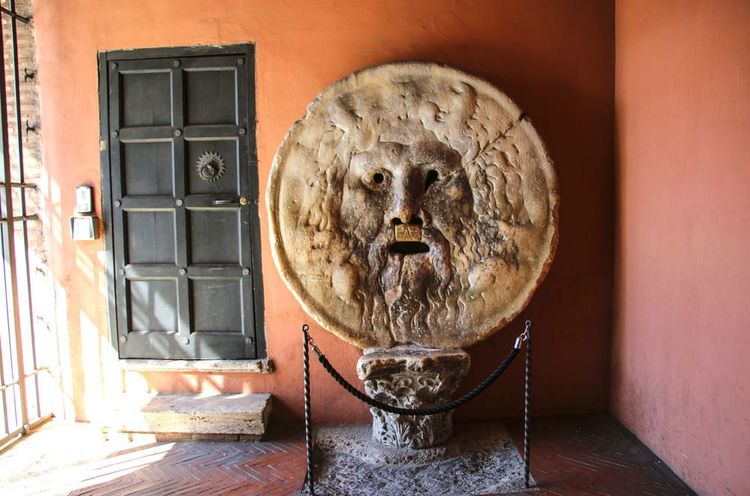
Under the portico of a nearby church hides a large stone mask, two thousand years old, its mouth and eyes hollowed out. Some see it as an old drain cover, given how close it stands to the city's great ancient sewer. But its fame rests mainly on a popular belief: the mouth is said to close on the hand of anyone who dares lie before it, a legend immortalised by a famous scene in a Hollywood film starring two leading actors.
Free entry
12 - Forum Boarium
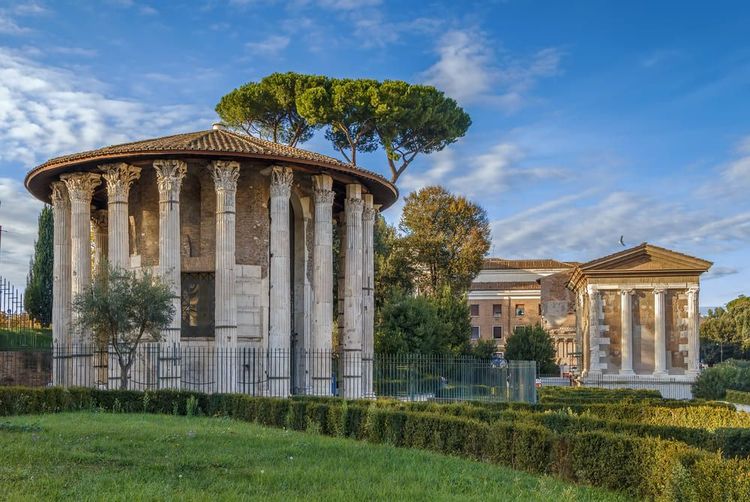
Near the city's old river port, goods unloaded here once supplied a cattle market. Two remarkably well-preserved ancient temples still stand as witnesses: a round building with elegant columns, dedicated to a mythological hero and considered the city's oldest marble monument, and a second, rectangular one, dedicated to a deity protecting rivers and harbours. Both owe their survival to being converted into churches.
Free to see from outside
13 - Palatino Bridge
More recent than the ancient monuments around it, this bridge carries walkers across the river towards the lively district on the far bank. From its deck, the view opens onto another nearby crossing, linking the small river island to the opposite shore. The crossing marks a clear change of mood: leaving the monumental ruins of the historic centre for a lively neighbourhood of narrow, colourful streets.
Free entry
14 - Piazza Mastai
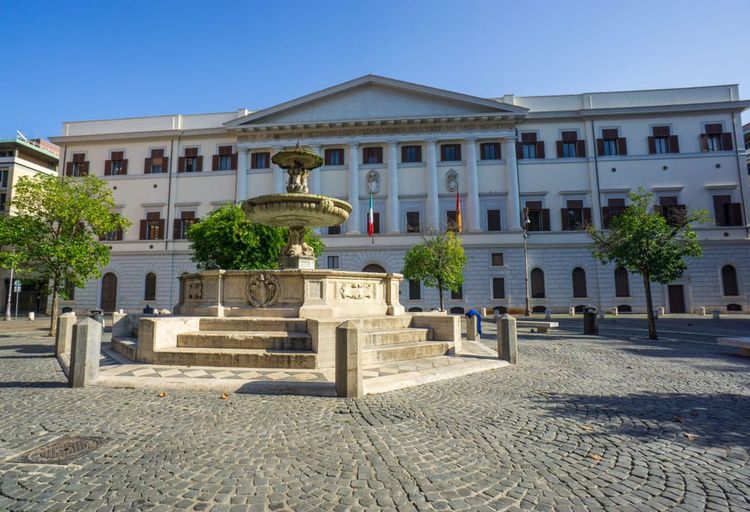
This square takes its name from a 19th-century pope, who had the tobacco factory built facing it, its facade still bearing a Latin inscription. An amusing story has it that the pontiff joked, during his visit, about how narrow the doorway looked next to the building's grand size. At its centre, a monumental fountain in pale stone, commissioned by the same pope, gives this quiet square its final touch of charm.
Free entry
15 - Basilica of Santa Maria in Trastevere
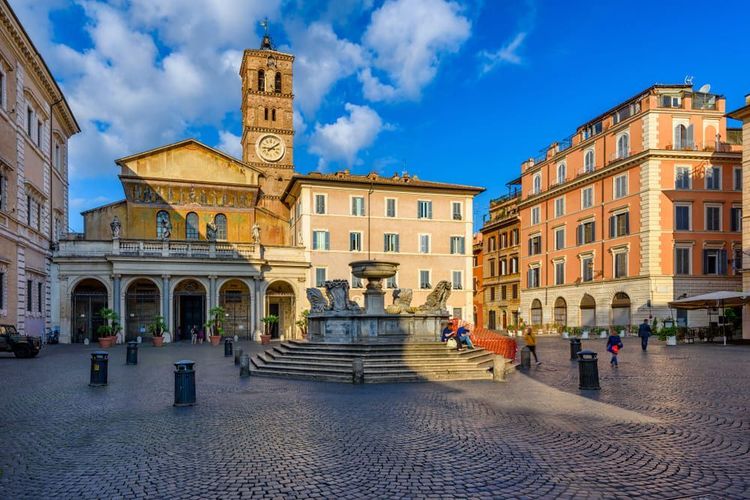
This church is said to be among the very first Christian sanctuaries built in the capital, its foundations possibly dating back to the earliest centuries AD, at a time when the new faith was still a minority one. Rebuilt and redecorated several times without ever losing its ancient character, its facade bears a mosaic of the Virgin surrounded by figures carrying lamps. Inside, the medieval choir mosaics, Byzantine in style, rank among the city's most admired.
Free entry
16 - Porta Settimiana
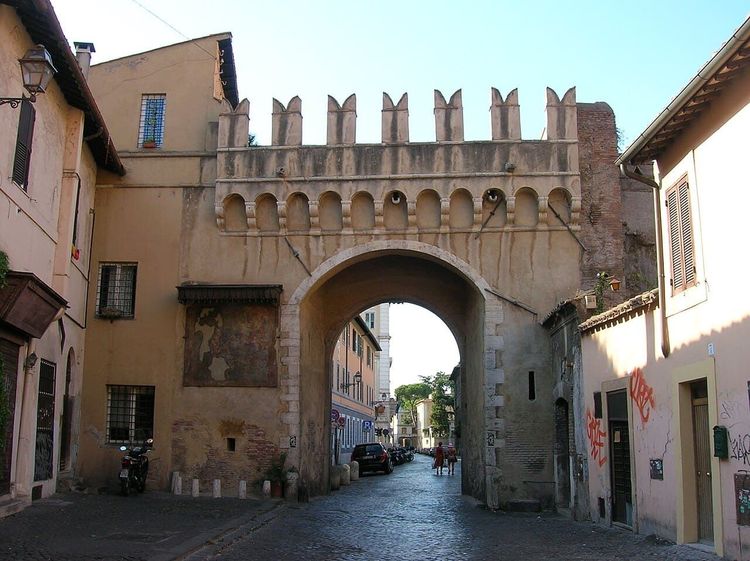
This gate is part of the walls raised by an emperor in the 3rd century to protect the city from invasion, a ring some twenty kilometres long, rising close to ten metres. Restored and reinforced by several popes over time, it withstood many sieges, yet failed to prevent two conquests of the city, centuries apart. A large stretch of this ancient wall still stands and still marks the boundary of the historic centre.
Free entry
17 - Sisto Bridge
Rebuilt in the Renaissance to replace an ancient structure likely swept away by a flood, this pedestrian-only bridge links two districts on either side of the river. Its pale stone arches open, at the centre, onto a round hole designed to let flood waters through. The river flowing beneath holds a special place in the city's founding legend, where two infants were once cast into its waters.
Free entry
18 - Turtle Fountain
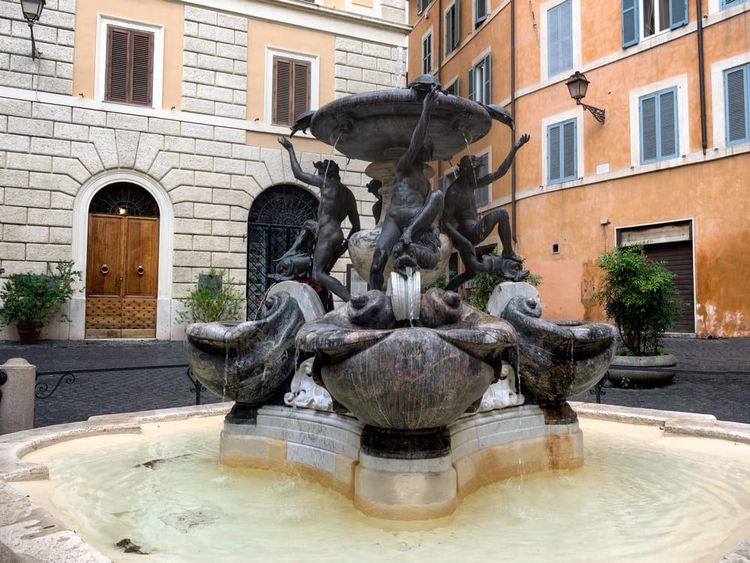
On a small square away from the bustle hides one of the city's most charming fountains. Originally designed with four young men holding up dolphins, it had to be reworked when the water pressure proved too weak to spurt through these figures, which were eventually moved elsewhere and lost. Shelled creatures were added later to fill the empty space, a touch credited to a great sculptor. A romantic legend claims it was built in a single night, to impress future in-laws.
Free entry
19 - Temple of the Nymphs
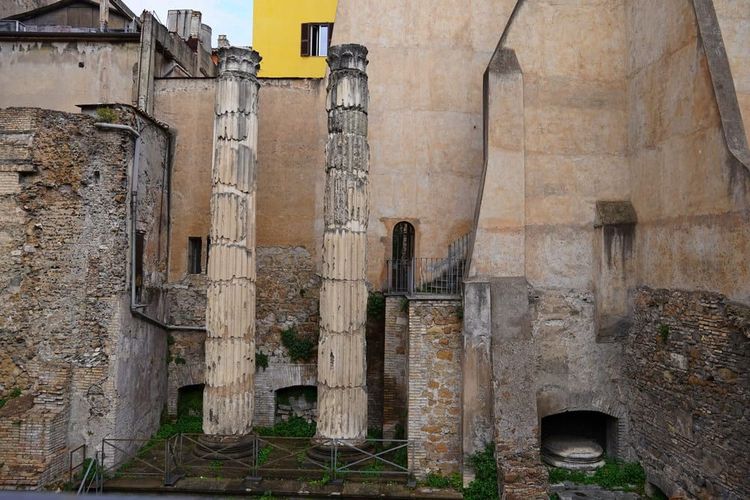
To the side stand the few columns that remain of a sanctuary dedicated to deities linked to springs, rivers and woods, female figures from ancient mythology. Built towards the end of a century BC, the building was damaged later and eventually closed for good as pagan worship declined under imperial edicts banning sacrifices. These silent remains now bear witness to a chapter of the city's religious history, between ancient tradition and the rise of Christianity.
Free entry
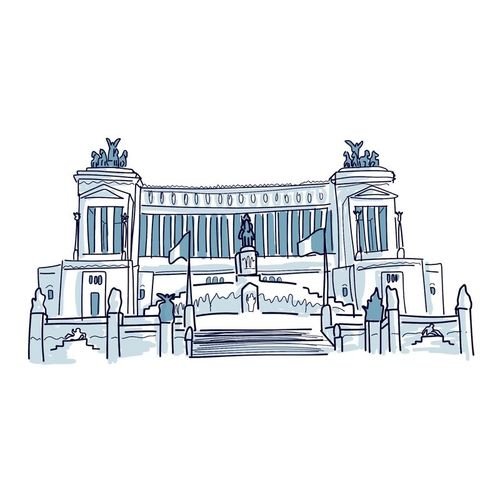
20 - Victor Emmanuel II Monument
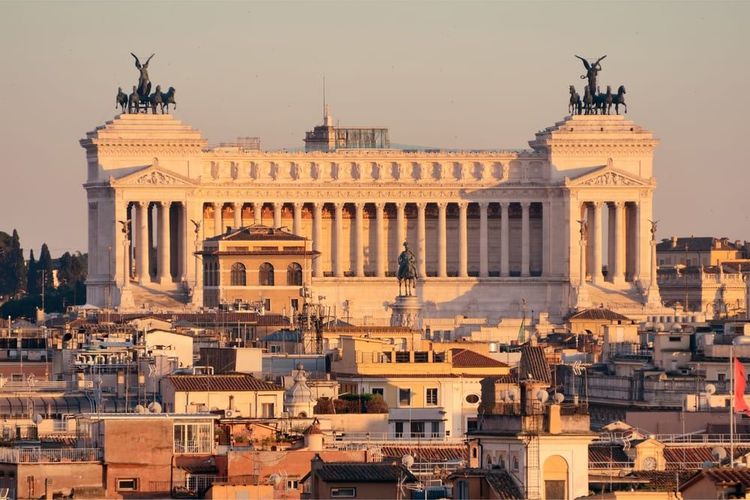
Before plunging back into the Rome of the emperors, this imposing monument honours a far more recent figure: the first ruler of a finally unified Italy, after a long period of division into independent provinces. Three names sum up this unification movement, completed in the late 19th century. A parliamentary vote officially created the new kingdom, and a few years later, the arrival of Italian troops in the city ended the popes' temporal power.
Free to see from outside
21 - Insula dell'Ara Coeli
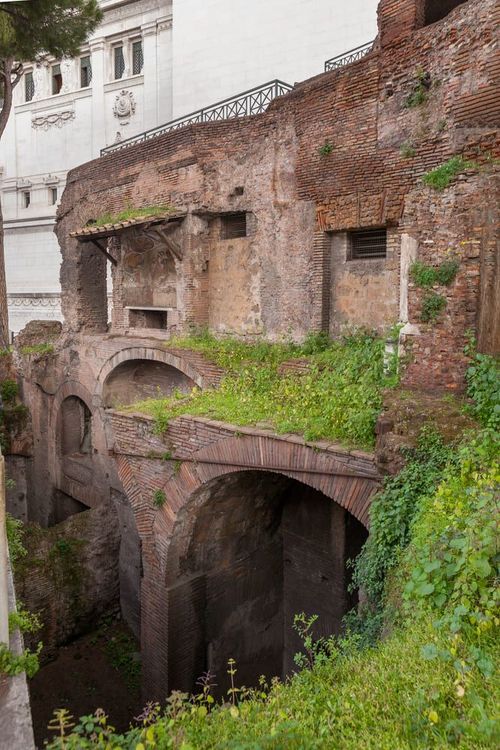
On the left stands a rare surviving example of a building type once common in antiquity: the distant ancestor of our apartment blocks, born of strong population growth that forced builders upward. First raised in light materials, then reinforced with brick, these buildings had several storeys and could house several hundred people, with shops on the ground floor and homes reached by stairs above. This one remains the only example open to visitors today.
Free to see from outside
22 - Basilique Santa Maria in Aracoeli
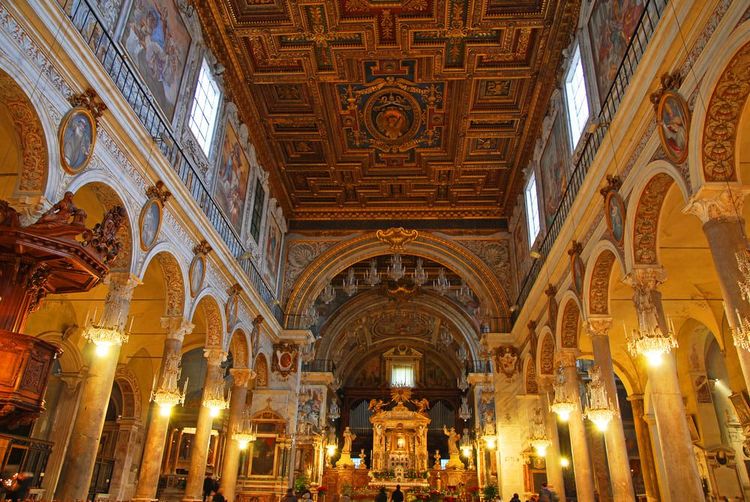
Its name evokes a heavenly altar, recalling a legend in which a prophetess is said to have told an ancient emperor of the coming birth of a divine child, symbolically linking imperial Rome to Christian Rome. The building houses a small revered statue, once believed to hold miraculous powers; after the original disappeared in the 1990s, only a copy can be seen today. At the top of a fairly steep staircase, visiting this sanctuary remains entirely free.
Free entry
What to do in Roma in 2 or 3 days?
A single day is enough for the 6.7 km loop that links the Capitoline Hill to Trastevere via the Forum and the Colosseum, about 2 hours 40 minutes on foot. With 2 or 3 days to spare, the city reveals itself in layers, from the ancient core to Vatican City.
The next day, head for the baroque historic centre, starting with the 135 travertine steps that lead down from the Trinità dei Monti to Piazza di Spagna. A detour through the Pantheon comes before the Trevi Fountain, where tradition says a coin tossed over the left shoulder guarantees a return to the Eternal City. Spend the afternoon among the stalls of Campo de' Fiori and the baroque fountains of Piazza Navona, before reaching, at sunset, the terraces of Castel Sant'Angelo.
The third day belongs to Vatican City: book tickets several weeks ahead for the Sistine Chapel, whose ceiling Michelangelo completed in 1512. Entry to St Peter's Basilica stays free, as does viewing the Pietà, before climbing the dome's 547 steps for a view over the whole city. Our practical guide to the Vatican lists up-to-date prices, and our guide to multi-day stays in Rome lays out the full sequence of these three days.
Which neighbourhoods does the tour cross?
In one loop, the tour links several Romes: that of the emperors, that of the popes, and the more down-to-earth one of the riverside districts.
It starts at Capitoline Square, designed by Michelangelo, crosses the Roman Forum and its temples, then reaches the Colosseum and skirts Palatine Hill, where legend places the founding of Rome (stops 1 to 10).
Past La Bocca della Verità and the Forum Boarium, the Palatino Bridge crosses the Tiber into Trastevere, a district of lively back streets explored at greater length in our guide to Trastevere in Rome, on to the Basilica of Santa Maria in Trastevere and then the Sisto Bridge back to the other bank (stops 11 to 17).
The final stretch skirts the Ghetto district and the Turtle Fountain, then opens onto Piazza Venezia and its monument to Victor Emmanuel II, before climbing back past the Insula dell'Ara Coeli to the starting point (stops 18 to 22). The other districts along the way are covered in our guide to Rome's neighbourhoods.
What to see in Roma in 2 hours?
If time is short, stick to Trastevere and its edge: stops 14 to 18 follow one another just a few steps apart, with not a single ticket to buy.
Start at Piazza Mastai, named after Pope Pius IX and his former tobacco factory, then head to the Basilica of Santa Maria in Trastevere for its 12th-century Byzantine mosaics, free to view. Porta Settimiana, the only one of the three original gates still standing in its original spot, opens onto the Sisto Bridge, entirely pedestrian, before a last detour to the Turtle Fountain, where bronze tortoises attributed to Bernini quietly complete the scene.
How much does it cost to visit Roma?
Of the tour's 22 stops, 14 can be visited without a ticket and 4 more are seen for free from the street: Capitoline Square, the Forum Boarium, the Insula dell'Ara Coeli and the base of the Victor Emmanuel II Monument. The 4 remaining stops, clustered between the Forum and Palatine Hill, open with a single combined ticket:
- the Roman Forum and the Arch of Septimius Severus, included in the €18 combined ticket;
- the Colosseum, usually visited in about 75 minutes;
- Palatine Hill, the last stop on the same ticket, valid for 24 hours;
- the terrace of the Victor Emmanuel II Monument, an optional €18 extra.
Beyond that, the Roma Pass comes in two versions: €62.90 for 72 hours or €38 for 48 hours, covering access to over 100 attractions, Rome's public transport and the city's public restroom network. For no-cost extras, our pick of free activities in Rome rounds out the tour nicely.
Information checked in October 2026 and subject to change.
Where to stop for a bite along the tour?
The tour actually runs straight through Trastevere, reckoned to be the best area in Rome for a meal, pasta and traditional grilled dishes alike.
At the table, cacio e pepe blends melted pecorino and ground pepper over tonnarelli pasta, while Roman carbonara sticks to just four ingredients: spaghetti, egg yolks, guanciale and pecorino, without a drop of cream. Saltimbocca alla romana, a thin veal escalope with cured ham and sage, sits alongside coda alla vaccinara, an oxtail stew simmered with celery and tomatoes.
Along the way, suppli, a fried rice ball stuffed with mozzarella, makes for easy street food, before a gelato to finish on a sweet note. Our selection of Rome's culinary specialities lists the other classics worth trying.
What to do in Roma with children?
The tour works well for a family outing: its ancient sites read like a giant playground, somewhere between make-believe gladiators and spot-the-detail games.
At the Colosseum, tell the children about the hypogeum, the underground network of corridors from which animals and fighters were hoisted up through trapdoors on pulleys. At the Forum, turn the visit into a treasure hunt: spot the Arch of Septimius Severus, guess what the Senate's Curia was used for. Palatine Hill, shaded by its umbrella pines, makes for a proper break, and Circus Maximus, a vast lawn where the oval of the track can still be traced, is perfect for an imaginary chariot race.
One simple game keeps younger visitors entertained along the whole route: spotting the letters SPQR, stamped all over manholes, lampposts and pediments, the city's signature since antiquity. Our guide to visiting Rome with family covers more activities, from strollers to cool-down breaks.
What should you know before visiting Roma?
Before setting off, a few points are worth checking so as not to be caught out on Palatine Hill or in the crowds.
On Palatine Hill, the House of Livia is currently closed for restoration, as is the Domus Transitoria, whose reopening has not yet been announced: better to check access before building either into the walk.
Pickpocketing is common near major sites and on crowded transport, especially metro line B and buses 40 and 64, which serve the main monuments: a closed bag, worn in front, lowers the risk. And to avoid losing a morning at the ticket office, it's better to buy a combined ticket or pass ahead of time rather than queue on site.
What to see around Roma?
Beyond the loop of the tour, Rome still has plenty to offer, from the Vatican to the great baroque squares, without ever having to leave the city.
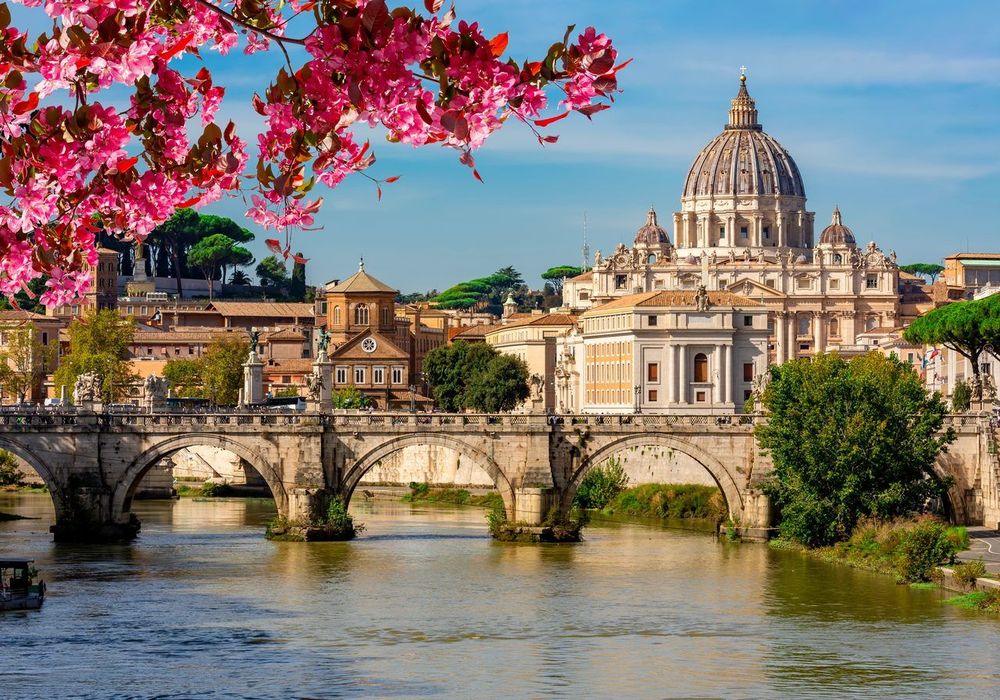
West of the Tiber, Vatican City brings together its museums, the ceiling Michelangelo painted and St Peter's Basilica, where entry stays free even though climbing the dome costs extra: our practical information on the Vatican covers the bookings to plan ahead. Between the Trevi Fountain, the Pantheon and Piazza Navona, the baroque centre can be explored in a few hours of strolling between fountains and lively squares.
The gardens of Villa Borghese offer a wide green lung to catch your breath, and our pick of Rome's must-see museums lists other, less crowded addresses, from the Centrale Montemartini to the frescoes of the Villa Livia. Our guide to Rome and its surroundings brings together all these extensions with their practical details.
Le plein d'inspirations
Explorez le monde en totale liberté, à pied au cœur des villes ou au fil des routes. Nos guides audios transforment chaque destination en une découverte culturelle immersive et unique.
FAQ for visiting Roma
When is the best time to visit Roma?
Roma is a pleasure to visit all year round thanks to its Mediterranean climate. Spring and autumn remain the ideal seasons, with mild temperatures and fewer tourists. Between April and June, and again from September to November, you'll enjoy sunny days that are perfect for exploring the city on foot. Summer can be very hot and crowded, while winter offers the advantage of shorter queues despite a few rainy days. Winter temperatures stay mild during the day, hovering around 14°C, but pack warm clothes for the evenings, which can be chilly. Each season reveals a different face of the Eternal City.
How many days do you need to visit Roma?
For a first trip to Roma, ideally plan for four to five days. This will give you time to explore the must-sees without rushing: the Colosseum, the Forum and the Vatican, but also to wander through picturesque neighbourhoods such as Trastevere. Three days is a minimum to skim the major sites, while a week gives you the chance to delve deeper into your visit and soak up the Roman atmosphere. Roma is a city where every street corner tells a story, and where the dolce vita is best enjoyed by taking your time. The longer you stay, the more you'll discover the hidden treasures and charming little squares that make up the soul of this thousand-year-old city.
How do you get around Roma?
Roma's historic centre is best explored on foot, letting you discover its cobbled lanes and secret squares. The metro has only two main lines but serves the major sites. Buses are plentiful but can be crowded, and their frequency varies depending on the time of day. The official white taxis remain a practical option, especially in the evening. For longer journeys, the modern tram efficiently rounds out the network. Avoid driving in the centre, between the limited-traffic zones and the difficult parking. A multi-day transport pass can prove economical if you plan to make many trips. Transport apps will help you plan your journeys in real time.
Should you book tickets in advance for the main attractions?
Booking ahead is strongly recommended for Roma's major sites, especially in high season. The Colosseum, the Vatican Museums and the Sistine Chapel are often fully booked several days in advance. Reserving not only spares you the long queues in the sun but also guarantees access to your preferred time slots. The Borghese Gallery requires a mandatory prior reservation, with limited visiting slots. For other monuments such as the Pantheon or the Trevi Fountain, access generally remains free. Remember to check the weekly closing days, which vary from site to site. Online bookings are simple and secure on the monuments' official websites.
Which neighbourhoods are best to stay in Roma?
The choice of neighbourhood will depend on your priorities and your budget. The historic centre around Piazza Navona or the Pantheon puts you at the heart of the action but remains pricier. Trastevere charms with its bohemian character and authentic trattorias, ideal for savouring Roma's nightlife atmosphere. Monti offers an excellent compromise between proximity to the sites and a trendy neighbourhood vibe. For a tighter budget, Termini near the central station offers many accommodation options with good transport connections. The Vatican district suits pilgrims and art lovers. San Lorenzo draws a young crowd with its student bars, while Prati remains residential and quiet.
What are the absolute must-sees to prioritise in Roma?
Roma is brimming with wonders, but some sites remain essential for a first visit. The Colosseum and the Roman Forum immerse you in the grandeur of the Empire, while the Pantheon impresses with its perfect dome. The Trevi Fountain is worth the detour despite the crowds, as are the Spanish Steps and their famous staircase. The Vatican, with St Peter's Basilica and the museums housing the Sistine Chapel, forms an artistic ensemble unique in the world. Don't miss a stroll through Trastevere to feel the authentic heart of Roma beating. The Ryo audioguide accompanies you on this discovery with commented routes linking these major sites while revealing fascinating anecdotes about the city's thousand-year history.
Where should you eat in Roma and which specialities should you try?
Roman cuisine celebrates simplicity and authentic flavours. Be sure to try the traditional carbonara, the amatriciana and the cacio e pepe in a family-run trattoria. Suppli, fried rice balls, make the perfect snack. For a sweet break, savour a cream-filled maritozzo or an artisanal ice cream. Testaccio remains the favourite neighbourhood of food lovers with its traditional restaurants, while the Campo de' Fiori market overflows with fresh produce. Avoid the tourist traps near the main monuments and go for the places where Romans eat. An aperitivo on a terrace around 6pm is an integral part of the local way of life. Pizza al taglio makes for a quick and delicious meal between two visits.
Is Roma a good destination for families with children?
Roma welcomes families wonderfully, offering a captivating journey through time for young and old alike. Children usually love exploring the Colosseum while imagining the gladiators, and the water jets of the many fountains fascinate them. The Villa Borghese offers vast green spaces to relax, with bike rentals and rowing boats on the lake. The gelaterias on every street corner delight the youngest. Plan for regular breaks, as the distances can tire little legs. Roman restaurants are generally very welcoming to children, often offering suitable portions. The Bioparco, Roma's zoo, and the catacombs offer different experiences. Strollers can be hard to manoeuvre on the ancient cobblestones, so a baby carrier will be more practical.
What should you see at the Vatican during a stay in Roma?
Set within Roma, the Vatican is visited in two parts. On one side, St Peter's Square, framed by Bernini's double colonnade, and the basilica itself, where you can admire Michelangelo's Pietà and the baldachin over the high altar; climbing to the dome, by stairs or partly by lift, then gives the finest view over the city.
On the other side, the Vatican Museums unfold galleries of antiquities, maps and paintings before leading to the Sistine Chapel and its frescoes. Allow a full morning for the whole visit, wear clothing that covers shoulders and knees, as this is required at the entrance to places of worship, and remember that silence is asked for in the chapel, where photographs are not allowed.
How can you explore ancient Roma?
The archaeological core can be covered in one go: the Colosseum, the Roman Forum and the Palatine Hill form a single ensemble that you cross on foot, walking down from the ruins of the imperial palaces to the Via Sacra. Right beside them, the Imperial Forums can be viewed freely from the avenue above, and the Capitoline Hill closes the perspective.
Further into the centre, the Pantheon impresses with its dome pierced by an oculus and still covered with its original facing. To go further, the Circus Maximus, the Baths of Caracalla and the Appian Way, lined with tombs, offer quieter walks. The Ryo audio guide offers a dedicated Roma route that links these remains and explains what you are looking at, ruin after ruin.
How can you visit the Colosseum, the Roman Forum and the Palatine without wasting time?
Book online: without a ticket, queues can reach three to four hours in high season. The combined ticket covers the Colosseum, the Forum and the Palatine, best done together in half a day, arriving at 9 am or around 4:30 pm. At the Colosseum, inaugurated in AD 80 with a hundred days of games, don't miss the hypogeum, where winches hoisted wild animals into the arena. In the Forum, follow the Via Sacra to the Arch of Titus and the Temple of Saturn, then climb the Palatine, where Romulus is said to have founded the city. Allow two to three hours.
Explore the ancient sites with our guide to the 9 wonders of ancient Roma.
Which day trips can you take around Roma, from Tivoli to Ostia Antica?
Beyond the Colosseum, the Vatican and Trastevere, the area around Roma offers fine escapes. The villas of Tivoli display their 500 fountains, Ostia Antica preserves the sand-covered ruins of the ancient port, the Castelli Romani surround volcanic lakes and Cerveteri is home to Etruscan necropolises. The more adventurous can push on to Naples. In the city itself, the catacombs of the Via Appia and the gardens of Villa Borghese round off the programme. Two days cover the must-sees, but a week is not enough to see everything.
Plan your outings with our guide to activities and day trips in and around Roma.
Which secrets of Roma are worth discovering beyond the Colosseum and the Vatican?
The major sites call for planning: the 18-euro Colosseum ticket includes the Forum and the Palatine, and the Vatican Museums, with their 1,400 rooms, open late on Fridays from May to October. But Roma also hides lesser-known treasures: the Aventine keyhole, which perfectly frames the dome of St Peter's, the four-level catacombs of San Callisto, where sixteen popes are buried, and the gardens of Villa Borghese, where locals go jogging on Sunday mornings. Free activities are far more numerous than you might think.
Discover them in our guide to activities, visits and secrets of Roma.
Do you now have to pay to get close to the Trevi Fountain?
Yes: since 2 February 2026, access to the platform around the basin requires a ticket at peak times, as the square receives up to 15,000 visitors a day in high season. Avoid third-party sites that resell it at a mark-up. Standing 26 metres high and almost 50 metres wide, the world's largest Baroque fountain was designed by Nicola Salvi and inaugurated in 1762. It is still fed by the Acqua Vergine, an aqueduct dug on Agrippa's orders in 19 BC, and was restored with funding from Fendi in 2014-2015.
Find prices, opening times and history in our complete guide to the Trevi Fountain.
Which museums in Roma are worth visiting beyond the Vatican?
The Borghese Gallery gathers six sculptures by the young Bernini and six Caravaggios, but admits only 360 visitors every two hours, with no tickets sold on site: book at least two weeks ahead. The Capitoline Museums, founded in 1471, are the oldest public museums in the world and house the equestrian statue of Marcus Aurelius, with a terrace over the Forum; entry is free on the first Sunday of the month. Near Termini, Palazzo Massimo displays the Boxer at Rest, while the Centrale Montemartini pairs ancient statues with industrial machinery.
Build your itinerary with our selection of the 14 must-see museums in Roma.
How does Roma celebrate its birthday on 21 April?
The Natale di Roma celebrates the legendary founding of the city by Romulus in 753 BC. Marked as early as the imperial era and later forgotten, the date was revived under Fascism before returning in the 1990s in a more tourist-friendly form. Organised by the Gruppo Storico Romano, the festivities run over several days around 21 April: a reconstructed Roman camp at the Circus Maximus, gladiator schools, shows and a grand costumed parade from the Circus Maximus to the Colosseum. Museums, exhibitions and concerts are free at that time.
Discover the legend and the programme in our article on the Natale di Roma.
What should you look out for in St Peter's Square, Bernini's masterpiece?
Commissioned by Pope Alexander VII and built by Bernini between 1656 and 1667, the square is 320 metres long and 240 metres wide. Its colonnades, with 284 columns 17 metres tall and 140 statues of saints, represent arms welcoming the faithful. Stand on one of the "centro del colonnato" discs and the four rows of columns merge into one. In the centre, the Egyptian obelisk brought back by Caligula is flanked by twin fountains, while the Swiss Guards, on duty since 1506, stand by the Bronze Door.
Learn more in our article on St Peter's Square.
How should you plan a stay of three to five days in Rome?
With three days, give each hub its own day: ancient Rome first, with the Colosseum at opening time, the Roman Forum, the Palatine and the Capitoline; then the baroque centre, with the Pantheon, Piazza Navona and the Trevi Fountain; and finally the Vatican and Trastevere. A combined ticket of around €18 covers the Colosseum, the Forum and the Palatine for 24 hours. Four or five days leave room for lesser-known discoveries. Either way, book your Colosseum tickets online several days ahead, especially in high season.
Follow our itineraries to visit Rome in 3 days or in 3, 4 or 5 days.
Which Roman pasta dishes and recipes should you try, from supplì to carbonara?
Start with a supplì, a ball of tomato rice stuffed with mozzarella, breaded and fried. For pasta, carbonara allows only spaghetti, egg yolks, guanciale and pecorino romano, with no cream; cacio e pepe coats tonnarelli in pecorino and pepper, while amatriciana dresses bucatini in a spicy tomato sauce with guanciale. Meat lovers can choose veal saltimbocca with sage, porchetta slow-roasted for eight hours over a wood fire, or coda alla vaccinara oxtail stew. Finish with tiramisu or gelato.
Discover the full selection in our top 14 culinary specialities of Roma.
What is there to see in Trastevere, on the right bank of the Tiber?
Incorporated into the city under Augustus as its 14th region, Trastevere, meaning "beyond the Tiber", was home to sailors, merchants and one of the oldest Jewish communities in the West, before becoming one of the cradles of Christianity in Roma. Everything starts on Piazza Santa Maria in Trastevere, around one of the city's oldest fountains. The basilica next door, free to enter, dazzles with its golden mosaics, including scenes from the life of the Virgin attributed to Pietro Cavallini. Nearby, Villa Farnesina houses Raphael's Triumph of Galatea.
Wander its lanes with our guide to visiting Trastevere.
How much does it cost to visit the Vatican, and how do you get there?
The Vatican Museums and Sistine Chapel cost 20 euros full price and 8 euros for 6 to 18-year-olds and students under 25, plus a 5-euro online booking fee that guarantees a time slot. They open Monday to Saturday from 8 am to 8 pm, and free of charge on the last Sunday of the month, though crowds are heavy. St Peter's Basilica is free; climbing the dome costs 8 euros on foot or 10 euros with the lift. By metro, get off at Ottaviano-San Pietro on line A, five minutes from the square.
Find opening times and tips in our guide to visiting the Vatican.
Vos commentaires, idées et suggestions
Aucun avis pour le moment