





Créé par Emilie, le 4 oct. 2026
Votre guide Ryo
Milan, Italy
Secrets and Treasures of the Lombard Capital
Parcours audioguidé pour visiter Milan en 1 jour
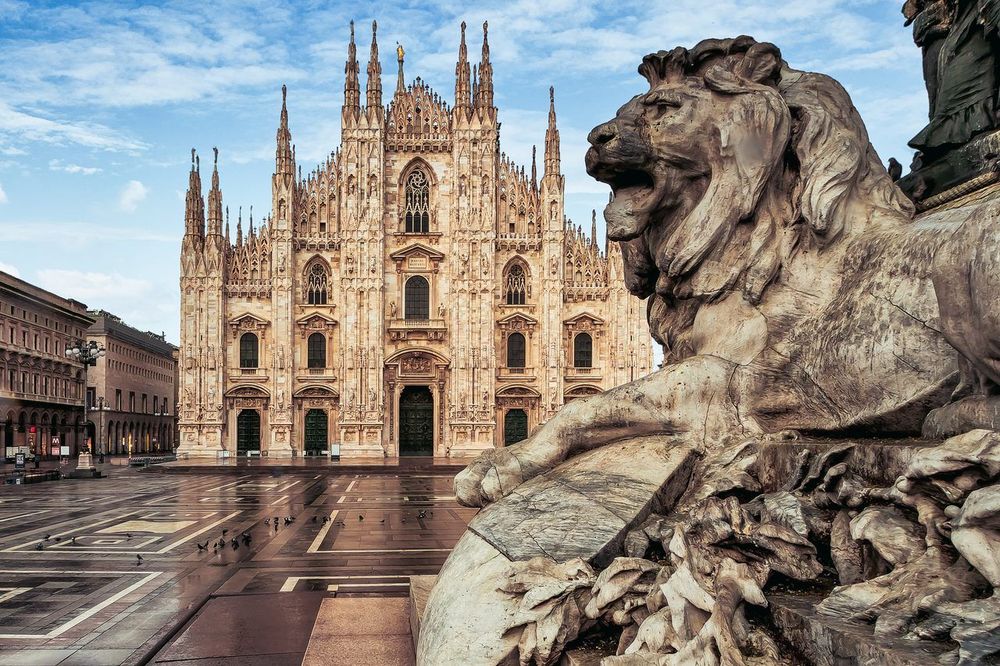
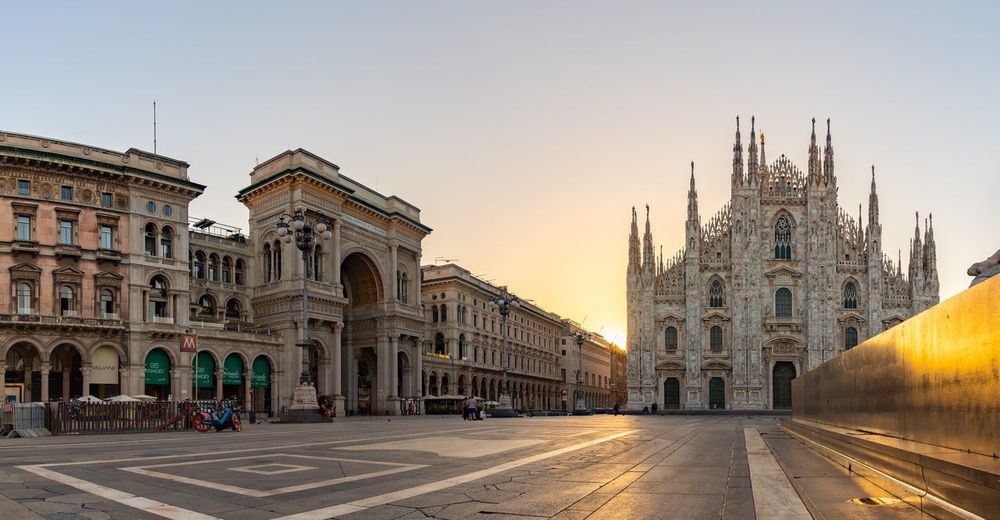
This tour of the historic heart of Milan invites you to step into the refined elegance of the Lombard capital, where grand palaces, hidden courtyards, and high-fashion storefronts shape the city’s distinctive atmosphere. As you follow the route, you’ll uncover the legacy of the Renaissance, marvel at the splendor of the Milan Cathedral, and pass through iconic landmarks where art, culture, and the Italian way of life come together effortlessly. It’s a simple, immersive way to explore Milan’s sophisticated center at your own pace.
Quand partir à Milan ?
Jan.
3°
7
Feb.
5°
6
March
10°
8
April
14°
11
May
18°
11
June
22°
9
July
25°
7
Aug.
24°
8
Sept.
20°
8
Oct.
14°
10
Nov.
8°
12
Dec.
4°
8
The best time to visit Milan is in April and from June to October. January sees the lowest temperatures, with lows around 3°C, while August is the hottest month, with highs of about 31°C.
Départ conseillé
We design our tours as loops, so you can easily start at the point closest to you – the guide will adapt automatically. If you’re nearby, we recommend starting at either Market Square or Cathedral Square.
Parking à proximité
Car Central Parking: 12 Via Chiaravalle / Autosilo Diaz: 6 Piazza Armando Diaz / Parking del Centro: Via Privata Pietro Calderon de la Barca
In Milan, as in all major Italian cities, parking can be a real challenge. Private car parks in the city centre are an option if you don’t mind the sometimes sky-high rates. Otherwise, we recommend using one of the many ATM park-and-ride facilities located near public transport. They’re cheaper, further from the centre, and let you explore Milan without the stress. If you try parking on the street, pay close attention to the colour codes: white lines mark free spaces, blue lines indicate paid parking with time limits, and yellow lines are reserved exclusively for residents.
À savoir
The route takes you through the Brera Botanical Garden, which is closed on Sundays. If you’re visiting on a Sunday, simply walk around it via Via Brera.
Découvrez 24 lieux d'intérêt pour visiter Milan
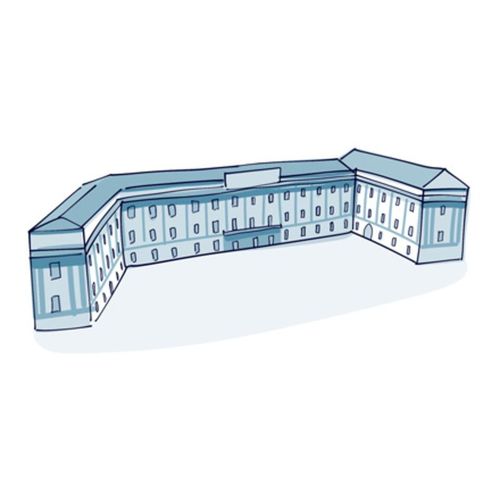
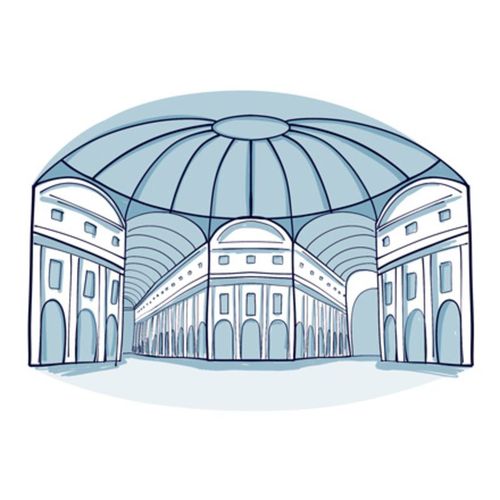
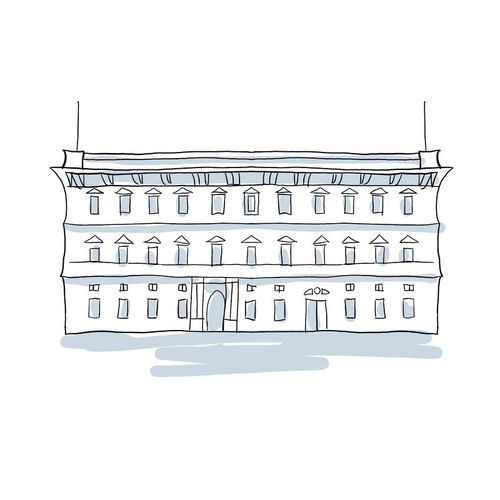
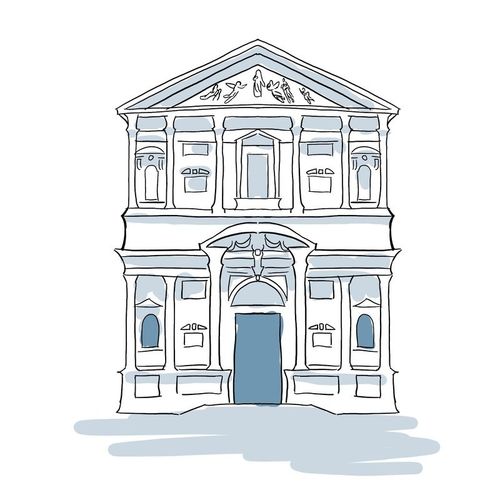





Le plein d'inspirations
Explorez le monde en totale liberté, à pied au cœur des villes ou au fil des routes. Nos guides audios transforment chaque destination en une découverte culturelle immersive et unique.

FAQ for visiting Milan
When is the best time to visit Milan?
The ideal time to discover Milan runs from April to October, with a preference for April and June to October. During these months, you will enjoy pleasant temperatures for exploring the city on foot and strolling through its elegant streets. Summer can be quite hot, particularly in August with high temperatures, but Milan's summer atmosphere remains unique. Winter, especially January, sees cooler temperatures, which can be less comfortable for long walks. Spring and autumn offer the best compromise between mild weather and moderate tourist crowds, perfect for fully appreciating the Milanese art of living.
How many days do you need to visit Milan?
For a first discovery of Milan, ideally plan on three to four days. This time will allow you to comfortably explore the historic centre, visit the majestic Duomo, soak up the atmosphere of the various neighbourhoods and enjoy the Milanese dolce vita. Two days are enough to see the must-sees if your schedule is tight, but you will have to make choices. With five days or more, you can delve deeper into your visit, discover less touristy neighbourhoods, shop without stress and even consider an excursion to the surrounding lakes. The key is not to overload your programme so as to keep time for cappuccino breaks and spontaneous discoveries.
How do you get around Milan?
Milan has an excellent public transport network that makes getting around easy. The metro, with its four main lines, efficiently serves the major tourist sites and neighbourhoods. The historic trams add charm to your journeys while being very practical. For the historic centre, walking is often the best option since many streets are pedestrianised and distances remain reasonable. Self-service bikes are a pleasant alternative for exploring the city like the Milanese do. Taxis are available but generally more expensive. Consider getting a daily or multi-day transport pass depending on the length of your stay, as it is more economical than individual tickets.
What are the must-see sights in Milan?
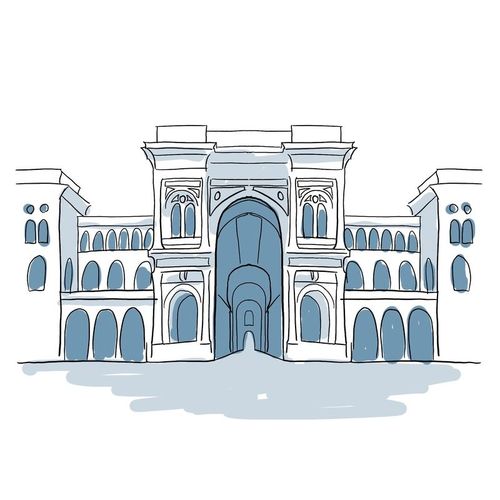
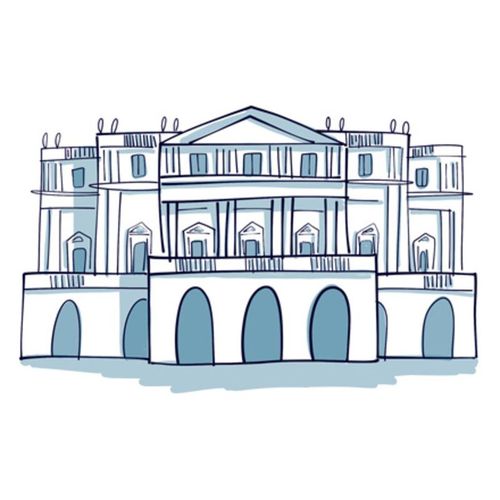
Milan is full of architectural and cultural wonders not to be missed. The Duomo, a spectacular Gothic cathedral, stands majestically over the central square and deserves a thorough visit, terraces included. The Galleria Vittorio Emanuele II will dazzle you with its elegance, while La Scala remains the world's temple of opera. The Sforza Castle and its museums tell the fascinating history of the city. The Brera district charms visitors with its bohemian atmosphere and picturesque lanes. For an enriched discovery of these emblematic places and the city's hidden courtyards, the Ryo audioguide offers a commented route that reveals the secrets of the Lombard capital while guiding you at your own pace.
Where to eat in Milan and which specialities should you try?
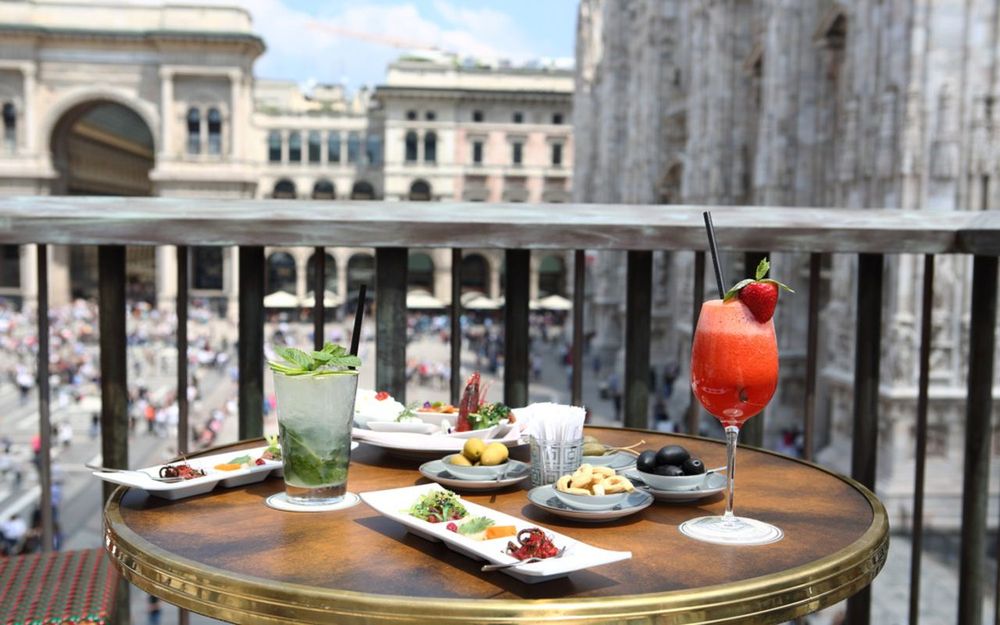
Milanese cuisine deserves your full attention with its flavourful specialities. Risotto alla milanese, golden with saffron, and osso buco are the iconic dishes to try without fail. The cotoletta alla milanese, a traditional breaded escalope, will delight meat lovers. For the aperitivo, an unmissable Milanese tradition, head to the bars in the Navigli or Brera districts at the end of the day. The family trattorias in the centre offer authentic cuisine in a warm atmosphere. For lunch, panzerotti, typical stuffed turnovers, are a quick and delicious option. Don't forget to end your meal with a panettone, even outside the Christmas season, accompanied by a good espresso.
How do you book tickets for Leonardo da Vinci's The Last Supper?
The Last Supper by Leonardo da Vinci, an absolute masterpiece kept in the refectory of Santa Maria delle Grazie, requires booking well in advance. Tickets generally sell out several weeks, or even months, ahead, especially in high season. Booking is done mainly online on the official website or by telephone. Visits are strictly limited in number and duration to preserve this fragile fresco. If the time slots are full, some tour operators offer guided tours including admission, but at a higher price. Remember to arrive early because latecomers lose their reservation. This exceptional visit is truly worth the organisational effort it requires.
What budget should you plan for visiting Milan?
Milan, Italy's economic capital, generally has higher prices than other Italian cities. For a comfortable stay, plan an average daily budget including accommodation, meals and visits. Restaurants offer lunch deals that are often more affordable than dinners. The aperitivo can make for an economical meal with its generous buffets. Admission to museums and monuments varies from site to site, but discounts are often available for young people and seniors. Shopping can quickly push up the budget in this fashion capital, but the winter and summer sales offer great opportunities. Public transport remains reasonable, especially with tourist passes. Adapt your budget according to your priorities and the season of your visit.
Where to go shopping in Milan?
Milan reigns supreme over the world fashion scene and offers incomparable shopping experiences. The Quadrilatero della Moda, around Via Montenapoleone, brings together the most prestigious luxury boutiques in a sumptuous setting. For more affordable brands, head to Corso Buenos Aires, one of the longest shopping streets in Europe. The Galleria Vittorio Emanuele II combines high-end shopping with spectacular architecture. Fans of vintage and emerging designers will appreciate the boutiques in the Brera and Navigli districts. The outlets on the outskirts of the city offer Italian brands at reduced prices. Don't forget the local markets to unearth authentic artisanal products and original souvenirs.
Can you go up onto the terraces of Milan Cathedral?
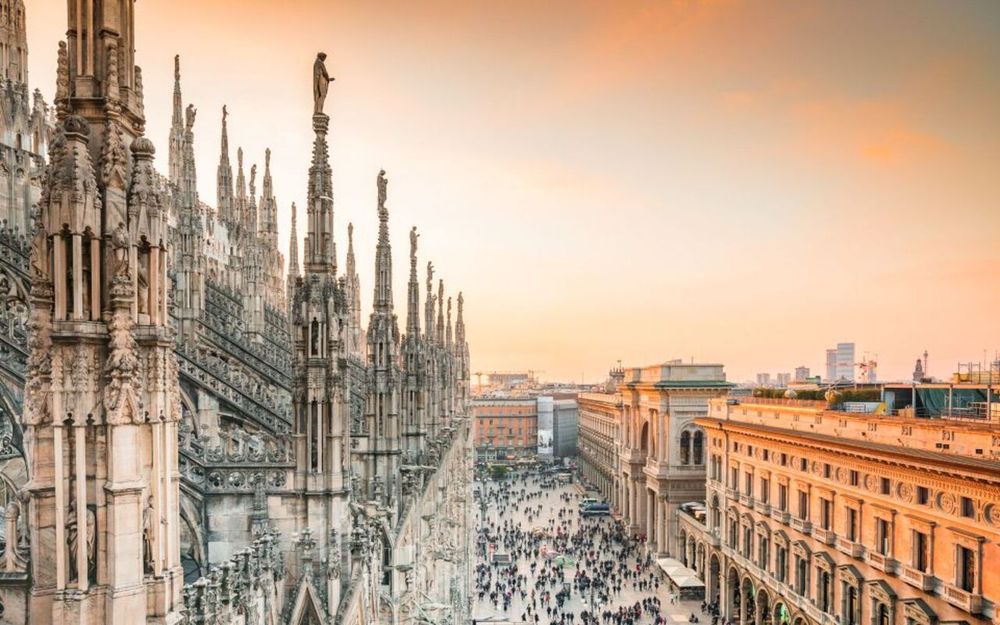
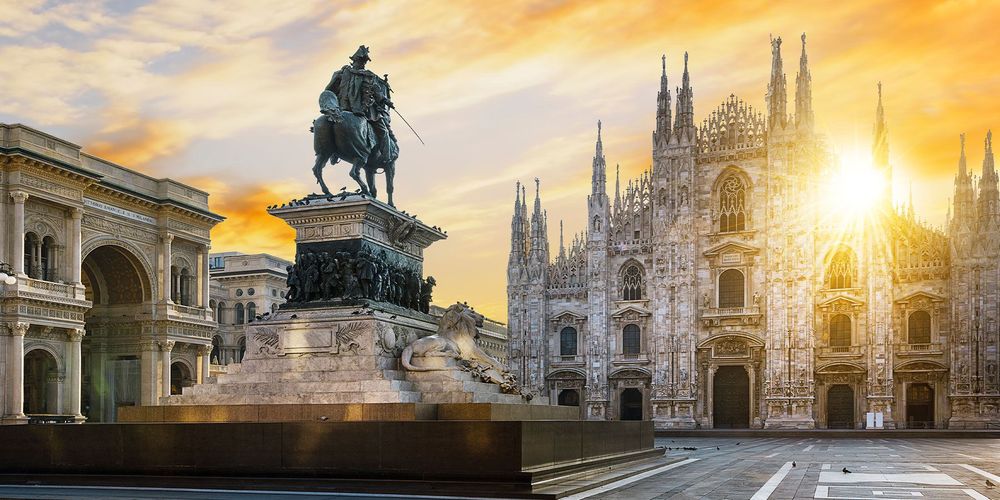
Yes, and it is one of the most striking experiences in the city. An entrance separate from the nave leads onto the roof of the cathedral, by stairs or by lift, and you then walk among the flying buttresses, the gargoyles and the forest of marble spires, with the gilded Madonnina at the summit and, on a clear day, the line of the Alps on the horizon.
Expect to queue at security, especially in the middle of the day and at weekends; early morning and late afternoon are quieter, and the low light is far more flattering. Clothing covering shoulders and knees is required, as it is inside. The Ryo audio guide offers a dedicated Milan route covering the Duomo and the highlights of the centre.
What is there to do in Milan's Navigli district?
The Navigli are the last visible canals of a network that once irrigated Milan and, so the story goes, carried the marble for the Duomo. The Naviglio Grande and the Naviglio Pavese both start at the Darsena, the old dock turned promenade, and can be followed on foot past low houses, flower-filled courtyards, craft workshops and small galleries.
The district comes alive above all in the evening, when the bars put tables out along the banks for the aperitivo, the moment when a drink comes with a buffet. Once a month, a large antiques market spreads along the Naviglio Grande and draws big crowds. During the day the mood is far quieter and suits a gentle walk out from the centre.
Vos commentaires, idées et suggestions
Aucun avis pour le moment