
Créé par Romane, le 4 oct. 2026
Votre guide Ryo
Genoa, Italy
La Superba of Italy
Parcours audioguidé pour visiter Genoa en 1 jour
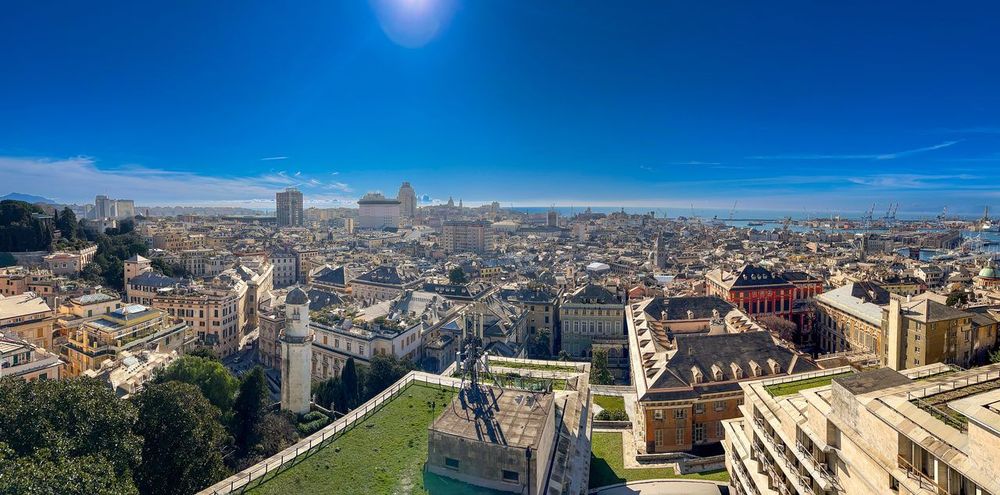
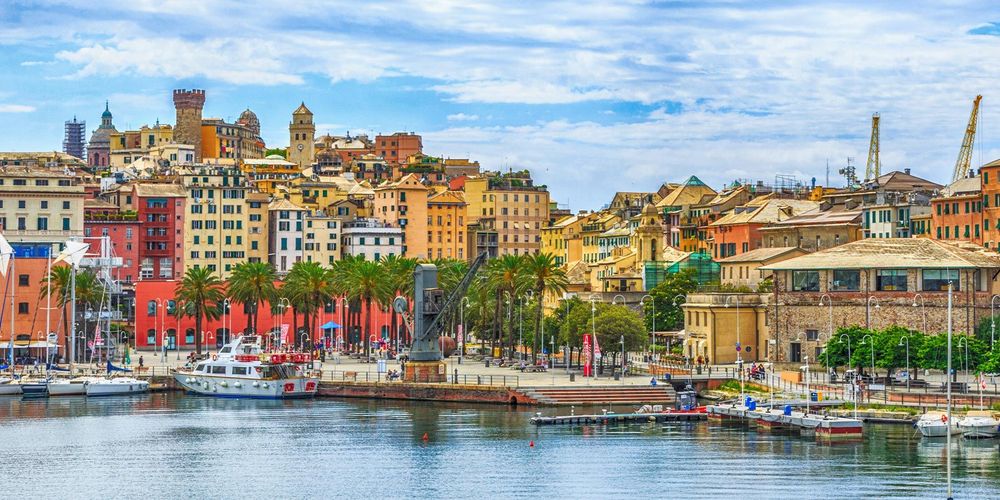
Between sea and hills, Genoa reveals a rich maritime past and a sometimes understated elegance. Behind its contrasting appearance, the city unveils a dense historic center, UNESCO-listed palaces, and an identity deeply connected to the sea.
Quand partir à Genoa ?
Jan.
9°
6
Feb.
10°
6
March
12°
7
April
15°
9
May
19°
8
June
23°
6
July
26°
3
Aug.
26°
4
Sept.
23°
6
Oct.
19°
8
Nov.
14°
9
Dec.
10°
7
Throughout the year, the average temperature in Genoa hovers around 12°C, thanks to a Mediterranean climate marked by mild, rainy winters and hot, often dry summers. January and February are the coldest months, with lows around 4°C. On the other hand, the hottest months are June, July and August, with highs reaching around 28°C. The wettest periods typically fall in October, November, December and March. To make the most of your trip, the best time to visit is between May and September.
Départ conseillé
No need to worry about where to begin! Our tours are designed as a loop, so you can jump in wherever you are. The navigation system and audioguide will automatically adjust to your location. However, if you happen to be nearby, we do have a preferred starting point: 2117 Largo Sandro Pertini.
Parking à proximité
Royal Park Corvetto : Via Martin Piaggio, 11r, 16122 Genova GE, Italie
A warning: like over 300 other cities in Italy, Genoa is subject to ZTLs — Limited Traffic Zones. These regulations restrict access, transit and parking for unauthorized vehicles, either during certain hours or throughout the entire day, within clearly defined street areas. As luck would have it, the zones affected are usually in the heart of the city or in popular tourist districts. In Genoa, the ZTL boundaries include the districts of Carignano, San Vincenzo, Molo, Prè and Castelletto. Without prior authorization and payment of a municipal fee — which varies depending on the type of vehicle — driving or parking in these zones is prohibited between 6 a.m. and 8 p.m. Don’t even think about trying to sneak in: surveillance cameras are in place and keep a close watch on both street-level and surface car parks. At least now you’ve been warned! To park safely and avoid a fine, you can always opt for a private or underground car park. Or head to Piazza Giambattista Raggi and Via Moresco, where — unless otherwise indicated — parking is FREE!
À savoir
Just like many other tourist destinations, Genoa offers a mix of benefits and discounts on transportation and attractions through the Genova City Pass. It's a great way to explore the city at your own pace, while making the most of the available deals.
You’ll quickly notice that Genoa is seriously lacking in public toilets. To avoid any uncomfortable urgent situations during your visit, we recommend taking advantage of the facilities in places where you stop to eat or have a drink.
Découvrez 22 lieux d'intérêt pour visiter Genoa





Le plein d'inspirations
Explorez le monde en totale liberté, à pied au cœur des villes ou au fil des routes. Nos guides audios transforment chaque destination en une découverte culturelle immersive et unique.
FAQ for visiting Genoa
When is the best time to visit Genoa?
The ideal time to explore Genoa runs from May to September, when the Mediterranean climate is at its finest. You will then enjoy pleasant temperatures, generally between 20 and 28°C, perfect for exploring the city on foot. Summers can be hot and dry, but the sea breeze brings a welcome coolness. If you prefer to avoid the tourist crowds, May and September remain excellent choices. Genoa's winter stays mild, with temperatures rarely below 4°C, but expect more rain, particularly between October and December. Spring also has its charm, with the city gently awakening.
How many days do you need to visit Genoa?
For a first discovery of Genoa, ideally allow three to four days. This time will let you comfortably explore the medieval historic centre, visit the famous Rolli palaces, stroll around the old port and savour the unique atmosphere of this maritime city. Two days are a minimum to see the essentials: San Lorenzo Cathedral, Via Garibaldi and its palaces, the old port district with its aquarium. With an extra day, you can venture into the caruggi, those typical narrow alleys, climb up to the viewpoints to admire the view, or even take a trip to the elegant residential districts such as Nervi or Boccadasse.
How do you get around Genoa and up to the heights?
Genoa has a public transport network well suited to its particular topography. The metro, buses and urban trains will let you cover the greater distances. To go up to the heights and enjoy the spectacular views, the public lifts and funiculars are your best allies. The Art Nouveau Castelletto Levante lift takes you up to a breathtaking panorama, while the Zecca-Righi funicular climbs to the city's heights. The historic centre is best explored on foot, despite the gradients. For longer distances or to reach the beaches, the coastal train is convenient. A daily or weekly transport pass is generally a good investment for exploring freely.
What should you absolutely see on a first visit to Genoa?
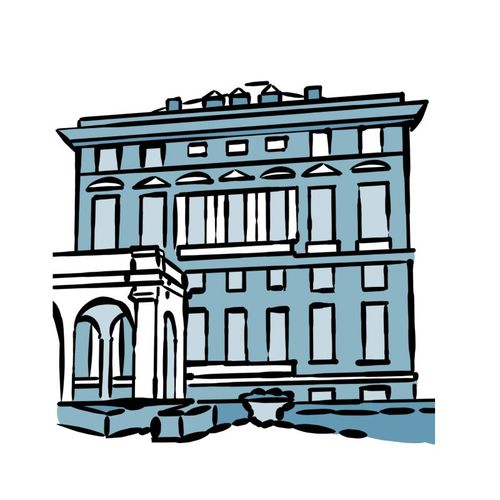
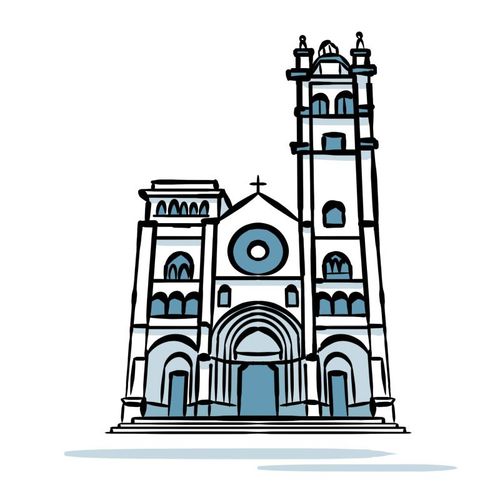
A first visit to Genoa must include Via Garibaldi and its sumptuous Renaissance palaces listed by UNESCO, true witnesses to the past power of the maritime republic. San Lorenzo Cathedral impresses with its typically Genoese black-and-white marble façade. The old port, transformed by Renzo Piano, offers a fascinating blend of history and modernity, with the aquarium as its flagship attraction. Don't miss the caruggi of the medieval centre, where the city's authentic soul reveals itself between historic shops and family trattorias. The Ryo audioguide accompanies you on this discovery with narrated routes that reveal the secrets and anecdotes of these emblematic places, enriching your exploration of La Superba.
Where can you eat the local specialities in Genoa (focaccia, pesto)?
To taste authentic Genoese focaccia, head to the traditional bakeries of the historic centre, particularly those frequented by locals first thing in the morning. Focaccia is eaten plain, with onions or even dipped in cappuccino at breakfast, as the Genoese do. For pesto alla genovese, look for the family trattorias in the caruggi or near the eastern market, where this basil sauce is prepared according to tradition. Trofie al pesto remains the emblematic dish to try without fail. Other specialities deserve your attention: farinata, a chickpea flatbread, and pandolce, a typical cake. Establishments displaying the label "cucina tipica ligure" generally guarantee an authentic experience.
How do you visit the Rolli palaces and when do the Rolli Days take place?
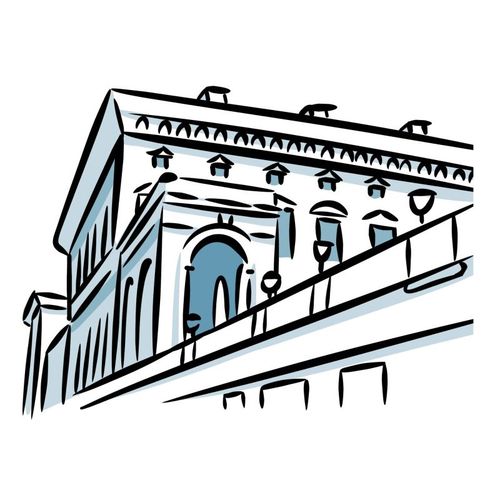
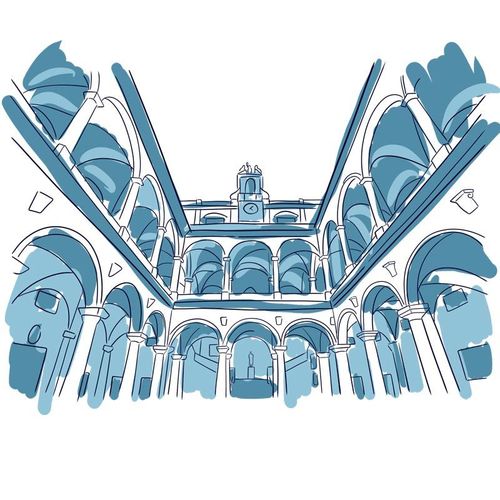
The Rolli palaces, inscribed on the UNESCO World Heritage List, are mainly concentrated along Via Garibaldi, Via Cairoli and Via Balbi. Some now house public museums accessible all year round, such as the Palazzo Rosso and the Palazzo Bianco. Others remain private residences or institutional headquarters, normally closed to the public. The Rolli Days, generally held twice a year in spring and autumn, are a unique opportunity to enter these usually inaccessible residences. During these special weekends, owners and institutions exceptionally open their doors for free or reduced-price guided tours. It is advisable to check the city's official website to find out the exact dates and plan your visit accordingly.
Can you take a day trip to the Cinque Terre from Genoa?
Genoa is an excellent starting point for discovering the Cinque Terre on a day trip. The regional train links Genoa station directly to the five colourful villages in about two hours for the most distant ones. Set off early in the morning to make the most of your day and avoid the afternoon crowds. The route hugs the Ligurian coast, offering superb views over the Mediterranean. Once there, you can explore one or two villages, take the scenic paths between them, or simply enjoy the unique atmosphere of these perched hamlets. Plan your return for late afternoon to avoid the packed trains. This getaway perfectly rounds off a stay in Genoa by adding a touch of spectacular nature.
Where is the Genoa Aquarium and do you need to book in advance?
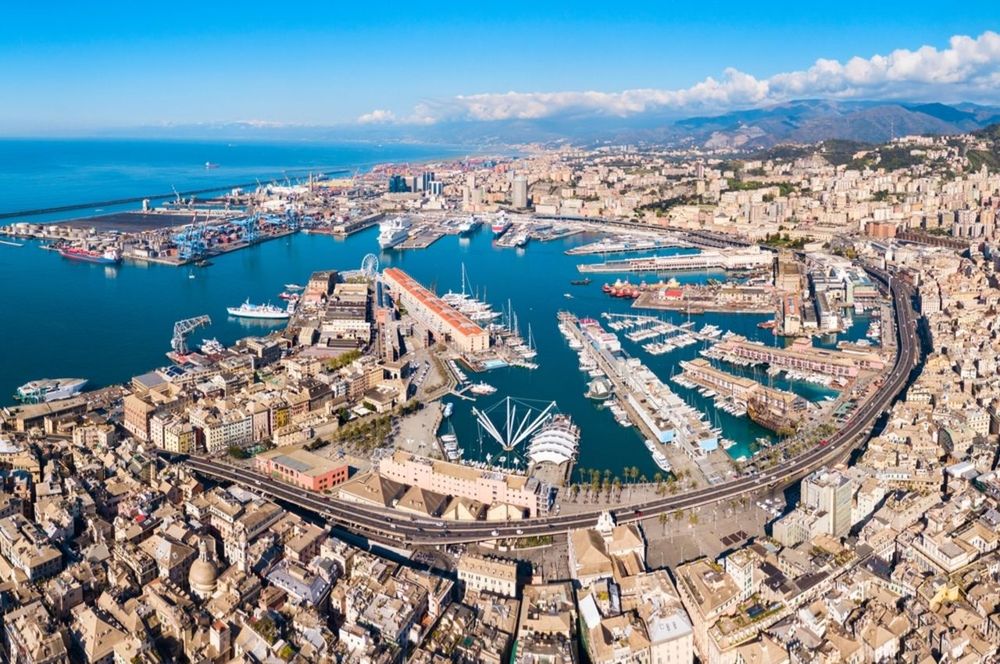
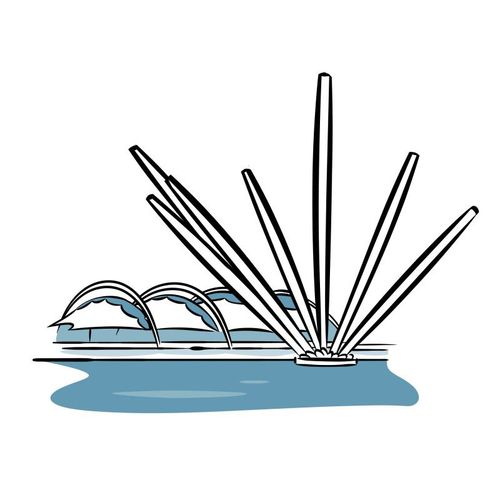
The Genoa Aquarium is located in the Porto Antico, the redeveloped old port, easily accessible on foot from the historic centre or by metro to the San Giorgio station. This major attraction, one of the largest in Europe, draws many visitors throughout the year. Online booking is strongly recommended, particularly during weekends, school holidays and the summer season. Buying your tickets in advance saves you the long queues and guarantees your entry at the desired time. Allow around two to three hours for the full visit. The aquarium generally offers combined tickets with other port attractions such as the Biosfera or the Galata Museo del Mare, offering good value for money for a full day of maritime exploration.
What is there to discover in Genoa's Boccadasse district?
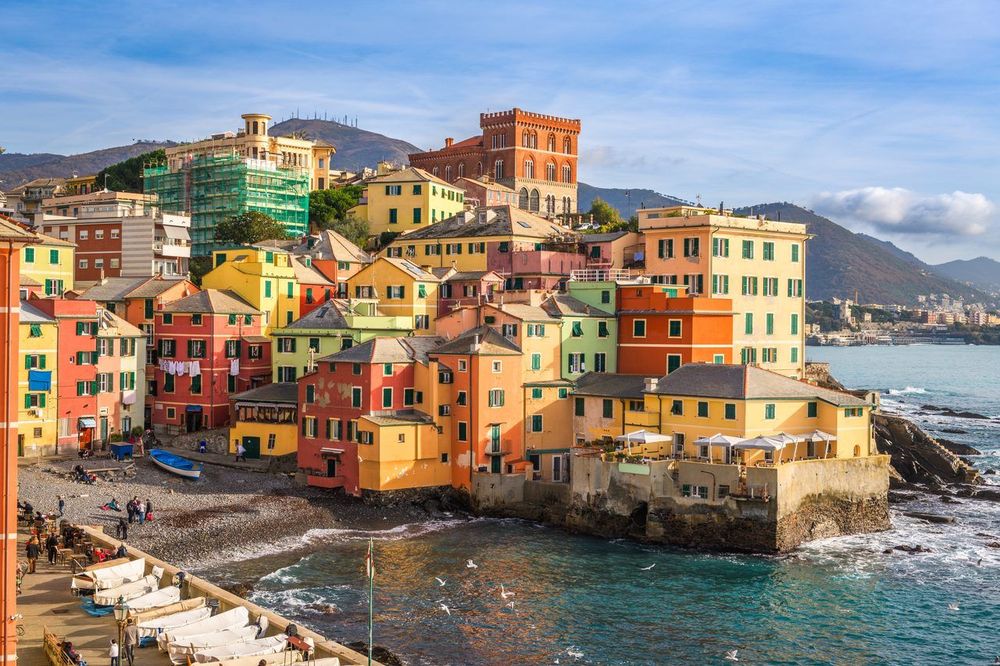
Boccadasse is a former fishing village swallowed up by the city, at the eastern end of the seafront promenade. A few steps lead down to a tiny pebble cove lined with ochre, pink and yellow houses pressed tightly together, with small boats pulled up onto the shore. The district takes barely an hour to explore, enough time to walk around the cove, sit on a terrace and try an ice cream, a firmly rooted local tradition. Many Genoese come here to watch the sun set over the sea. You can reach it by bus from the centre, or on foot by following the seafront.
What can you expect from a walk through the caruggi, the alleys of old Genoa?
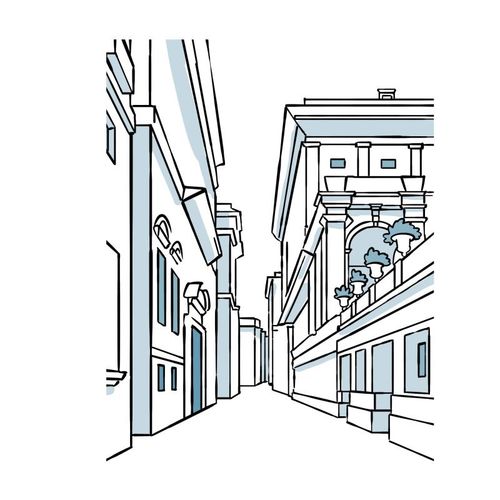
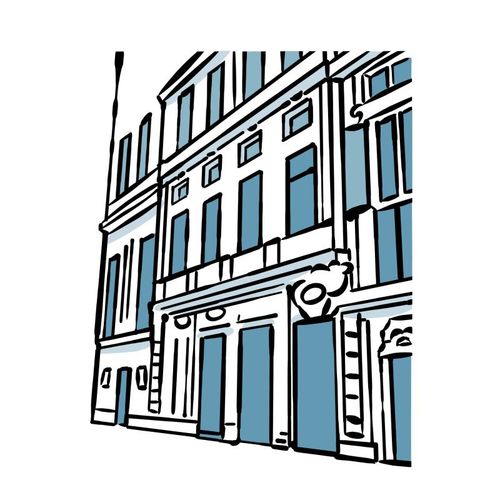
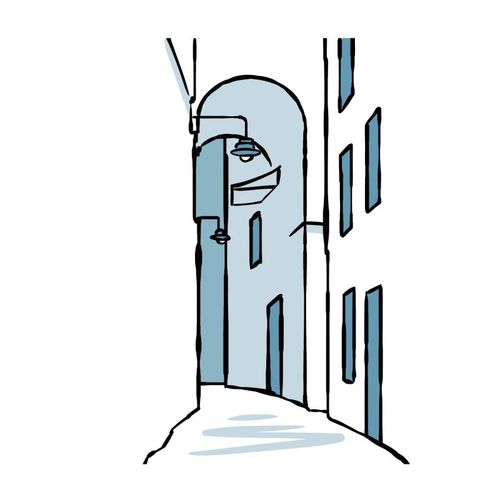
The caruggi form one of the largest medieval centres in Europe: a maze of alleys so narrow that daylight only reaches them in the middle of the day. You pass without transition from a historic shop to a small square where a palace suddenly opens up, from a craftsman's workshop to an unexpected baroque church behind a plain façade. This is where you find the focaccia bakeries, the old wine bars and the traces of the merchant port that made the city's fortune. It is best to wander in daylight and stick to busier streets after dark. The Ryo audio guide offers a dedicated walking route through Genoa that leads you step by step through this maze and explains its layers.
Vos commentaires, idées et suggestions
Aucun avis pour le moment