© Shutterstock
 Votre guide Ryo
Weekend in Genoa 2026: Old Port, Via Garibaldi and Fishing Villages in 2 or 3 Days
Under the arcades of the Old Port, the smell of coffee mingles with salt air and no one seems in a hurry — quite unlike the transit-city image Genoa has carried for decades. Many travellers only set foot here before rushing off to Portofino or the Cinque Terre, missing what is in fact the largest medieval historic centre in Europe: nearly a hundred hectares of narrow alleyways, the famous caruggi, where laundry still hangs from windows above passers-by. A weekend in Genoa is built precisely on this striking contrast, between baroque palaces and port backstreets, and the Ryo audio guide tour of Genoa is a great way to grasp that contrast from the very first hour, earphones in, without having to decipher a paper map in the maze of the city centre.
In two days, you can see the essentials: an aquarium that houses dolphins and stays open year-round, a public lift that rises forty metres above the harbour in about forty seconds, 16th-century palaces that once hosted ambassadors on the orders of the Genoese Senate, and a pastel-fronted fishing village reachable in twenty minutes by bus from the centre. This guide details hour by hour how to organise two or three days on the ground, where to eat authentic stone-ground pesto, how to reach Portofino or the Cinque Terre on a day trip, and where to stay depending on which neighbourhood suits you best.
Why Spend a Weekend in Genoa
Genoa has long suffered by comparison. Wedged between the postcards of Portofino and the colourful terraces of the Cinque Terre, the capital of Liguria is often dismissed as a logistical stopover — the city where you catch a train or a boat, not one where you linger. That's a mistake. A weekend in Genoa reveals, on the contrary, a city of grandeur and contrasts, where shipping magnates' palaces rub shoulders with the working-class lanes of the port.
The city lines up 42 Palazzi dei Rolli inscribed on the UNESCO World Heritage List since 2006, clustered around the Strade Nuove (Via Garibaldi, Via Balbi, Via Cairoli), a harbour that made the Maritime Republic's fortune for six centuries, and a historic centre so dense it can only really be explored on foot. You'll also find a value for money that Portofino has long since abandoned: an espresso at the counter still costs €1.20, and the best focaccia spots don't have a single sea-view terrace. Genoa takes a little earning — it isn't meant to be consumed through a camera lens.
How Many Days Do You Need to Visit Genoa
The question comes up at every stage of trip planning, and the answer depends mostly on what you want to get out of it.
One day is enough if you're on a cruise stopover or simply passing through on your way to the Riviera: allow time for the Old Port, the Aquarium and Piazza De Ferrari, and nothing more.
Two days, the classic weekend format, allow you to cover the historic centre in depth on day one, then Via Garibaldi, the Palazzi dei Rolli and a fishing village on day two. That's the pace of a weekend in Genoa as laid out in this guide — designed to explore the port and the alleyways on one day, then the hilltop districts and the Genoese aristocracy on the next.
Three days free up a half-day for Boccadasse and Nervi without rushing, plus a day trip to Portofino, Camogli or the Cinque Terre.
Four days or more suit curious travellers who also want to visit the monumental cemetery of Staglieno, considered one of the most impressive in Europe for its funerary sculpture, or venture out to the Pegli district and its villas.
Our recommendation for a first visit: two full days in the city, three if you can fit in a Riviera day trip without turning the weekend into a race against the clock.
Day 1: the Old Port, the Aquarium and the Historic Centre
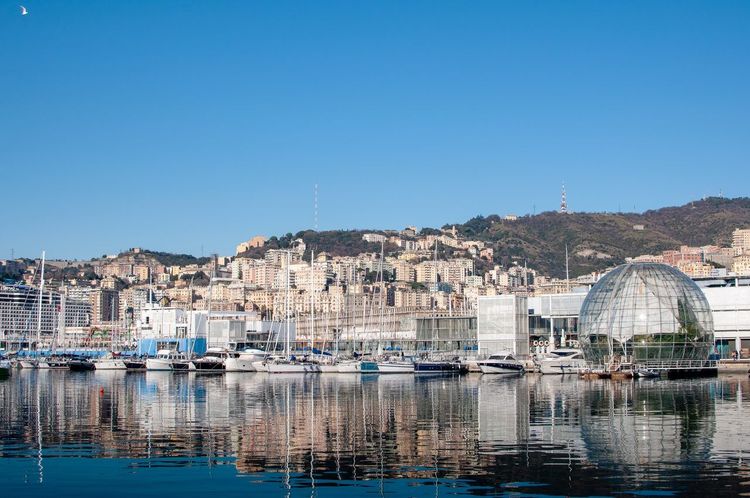
The first day is built as a descent: from the port into the centre, then towards the gentle heights of Piazza della Vittoria (Piazza della Vittoria, 16121 Genova). Allow a full day, breaks included, to avoid turning the visit into a marathon.
The Old Port, the Aquarium and the Galata Museum
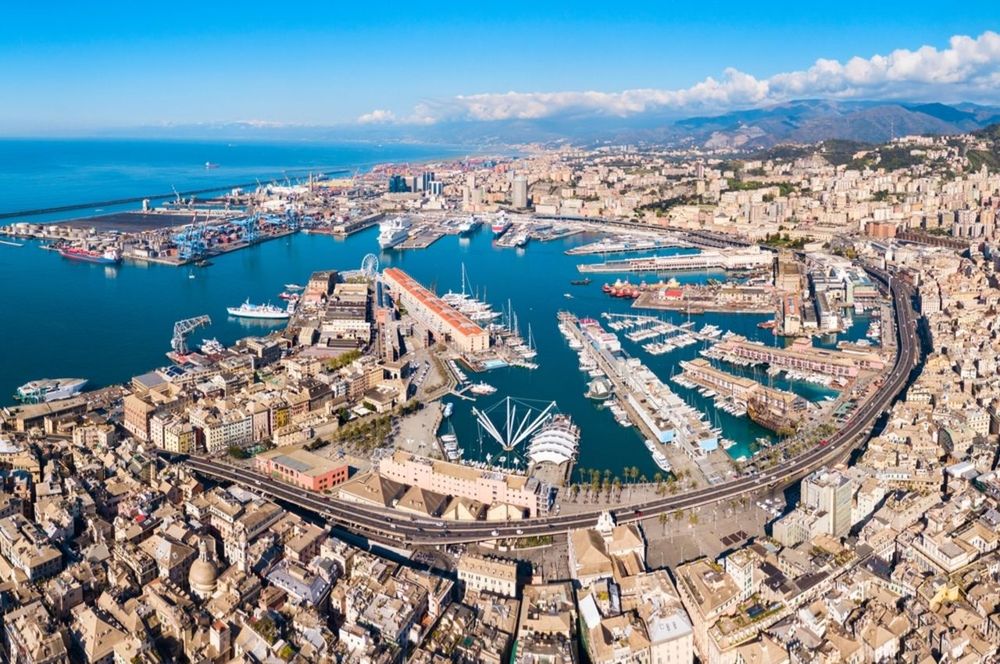
The Porto Antico (Porto Antico, 16128 Genova) is where you begin to understand why the harbour earned Genoa its nickname, la Superba. The district was entirely reimagined by Genoese architect Renzo Piano to mark the 500th anniversary of the discovery of America by Christopher Columbus, a native of the city: the Bolla (or Biosfera), a glass-and-steel bubble around twenty metres in diameter added in 2001, shelters a small tropical forest at the water's edge, set among former cotton warehouses converted into cinemas and restaurants.
The Acquario di Genova occupies part of these former quays and remains Italy's largest aquarium, with sharks and penguins on display year-round across some 70 tanks spread over several floors. Allow a good two hours if you want to see everything without rushing, and book your ticket online on the morning of your visit: the on-site queue can easily exceed forty minutes in high season, especially between 10:30 and noon.
Just across the way, the Galata Museo del Mare traces the maritime history of the Republic of Genoa across five floors, with a full-scale galley reconstruction and a gallery dedicated to Italian emigration to the Americas that's worth visiting even if you're not a ship enthusiast. Allow an hour, or an hour and a half if a temporary exhibition catches your attention.
If you're short on time, prioritise the Aquarium first thing when it opens: it's the site that fills up fastest, while the Galata remains manageable even late in the afternoon.
Piazza De Ferrari, the San Lorenzo Cathedral and the Caruggi
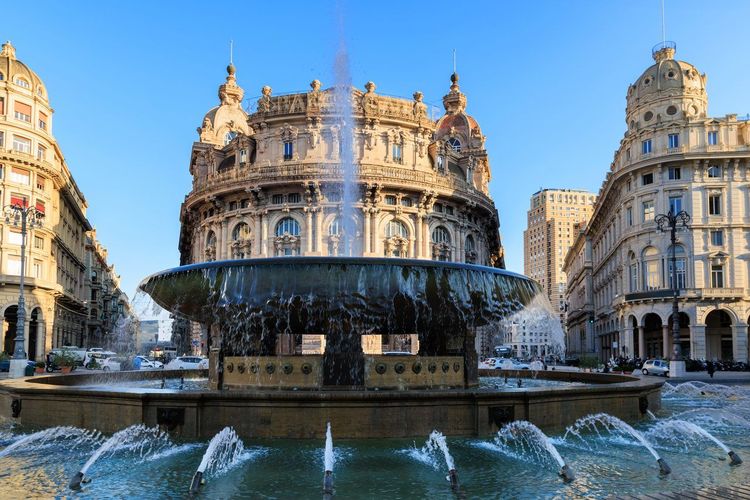
Heading back towards the centre, five minutes on foot is enough to reach Piazza De Ferrari, Genoa's monumental heart since the 19th century. Its circular fountain, framed by the Palazzo Ducale and the Teatro Carlo Felice, serves as the reference point where locals arrange to meet, and it is also where most of the city centre bus lines converge.
Just nearby, the Cattedrale di San Lorenzo strikes with its facade striped in alternating black and white bands, a style of contrasting marble typical of 12th-century Genoese architecture. A British shell from the Second World War, which fell on the building without exploding in 1941, is still on display inside, next to the cathedral treasury.
It is leaving the cathedral that the real exploration of the caruggi begins — that network of medieval alleyways so narrow that sunlight only touches the cobblestones at dead noon. Wander through them without a navigation app for an hour: you'll stumble upon craft workshops that have been in the same family for four generations, trompe-l'œil painted facades and the smell of freshly baked focaccia drifting out of ovens. It is one of the rare historic centres in Europe that hasn't been sanitised for tourists, and you feel it from the very first street corner: laundry strung overhead, no-frills grocery shops, repair workshops unchanged since the 1970s.
Piazza della Vittoria and the Bigo Lift
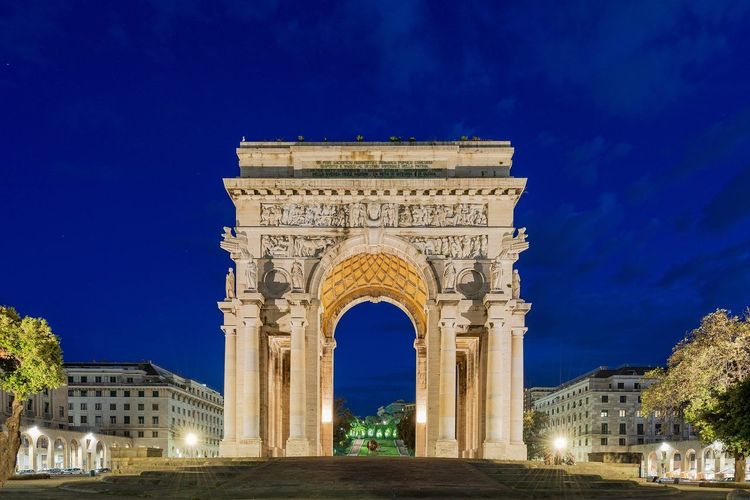
Then make your way down towards Brignole station, passing through Piazza della Vittoria, a monumental square built in the 1920s around a commemorative arch dedicated to the soldiers of the First World War. Its scale is a deliberate contrast to the narrowness of the caruggi you've just left behind.
To round off the day, head back to the port to ride the Bigo (Area Porto Antico, 16128 Genova, rated 3.8/5 on Google from 4,017 reviews), the panoramic lift shaped like a harbour crane, also designed by Renzo Piano. The cabin rises 40 metres above the Porto Antico in about forty seconds and offers, at sunset, a sweeping view of the amphitheatre city climbing from the sea up into the hills. Allow about ten minutes for the full rotation; the Bigo and the Biosfera can be combined with the Aquarium in a joint ticket, which works out cheaper than separate entry fees.
To make the most of all three stops without constantly glancing at your phone, the Ryo audio guide walk through Genoa connects the Old Port to the lanes of the historic centre, with a story at every stop: you walk, the narrative follows.
Day 2: Via Garibaldi, the Palazzi dei Rolli and the Hilltop Districts
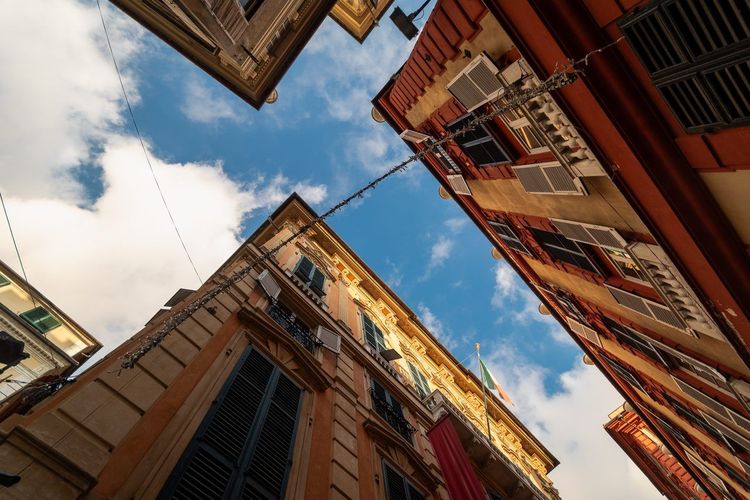
The second day shifts gear: you leave the port behind for Genoese aristocracy, then climb into the hilltop districts before coming back down for some shopping late in the afternoon.
Via Garibaldi and the Palazzi dei Rolli
Via Garibaldi alone contains one of the highest concentrations of Renaissance palaces in Europe: a large share of the 42 UNESCO-listed Palazzi dei Rolli is clustered along its roughly 250 metres of cobbled street. The Palazzi dei Rolli system dates back to 1576: the Genoese Senate kept an official register of these residences, drawn by lot to host ambassadors and sovereigns according to the prestige of their visit. The Flemish painter Rubens, struck by the street during a stay in Genoa, had even devoted an entire publication to these palaces as early as 1622.
The Palazzo Rosso and the Palazzo Bianco, now converted into municipal museums, can be visited on a combined ticket and house substantial collections of Flemish and Genoese painting — enough to fill a good morning, between Van Dyck portraits and religious scenes. The Palazzo Doria Tursi, now the city hall, can be visited free of charge in its public areas and is worth a detour for its monumental staircase and arcaded inner courtyard.
Even without stepping inside any of the museums, strolling along Via Garibaldi with your eyes lifted to the trompe-l'œil painted facades is enough to understand why this street long served as the showcase of the city's great merchant families — the Doria, the Spinola and the Grimaldi.
The Spianata di Castelletto, Panoramic View over Genoa
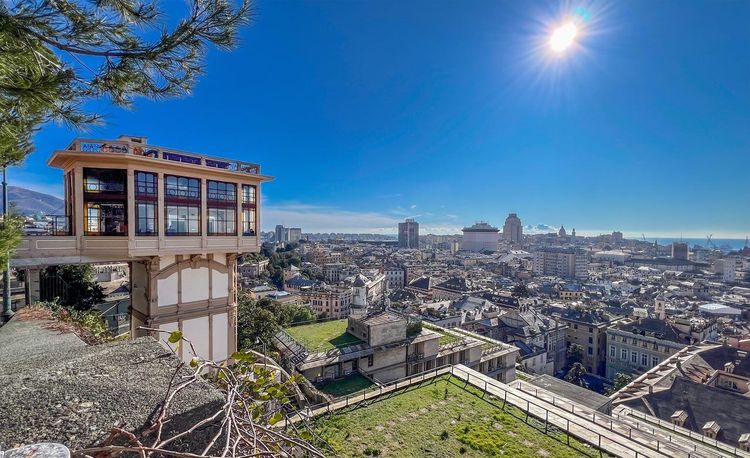
Five minutes on foot from Via Garibaldi, from Piazza del Portello, the Liberty-style Castelletto Levante lift, inaugurated in 1909, carries its wood-panelled cabins 57 metres up to the Spianata di Castelletto, a tree-lined belvedere overlooking the entire historic centre and harbour. The ride up requires only a standard AMT ticket and takes less than a minute.
It is from this terrace that the shape of Genoa finally makes sense: an amphitheatre city squeezed between sea and mountain, where each neighbourhood seems stacked on top of the last. Come in the late afternoon, when the raking light catches the orange rooftops of the caruggi below and the harbour boats cast long shadows across the water.
Via XX Settembre, Shopping and the Mazzini Covered Gallery
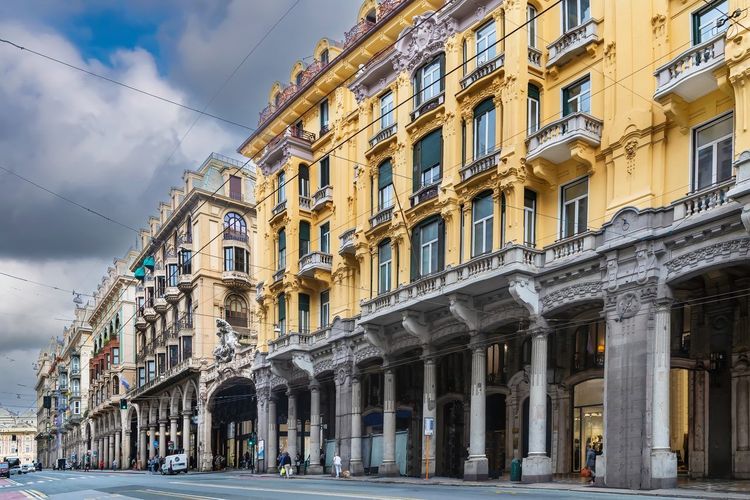
On your way back down towards the centre, Via XX Settembre (Via XX Settembre, 16121 Genova) is Genoa's main shopping thoroughfare, its arcades offering shelter from rain or sun depending on the season. You'll find both international brands and Genoese shops that have been trading for over a century — ideal if you're looking for where to shop in Genoa without leaving the centre.
Nearby, between Piazza Corvetto and the Teatro Carlo Felice, the Galleria Giuseppe Mazzini, smaller and more discreet than its Milanese counterparts, deserves a glance for its 19th-century glass-and-iron canopy. Earlier in the day, leaving Via Garibaldi via Via Cairoli, make a detour to the church of the Annunziata, the Chiesa dell'Annunziata del Vastato (Piazza della Nunziata 4, 16124 Genova, rated 4.7/5 on Google from 3,401 reviews), whose sober exterior gives absolutely no hint of the interior — entirely covered from floor to ceiling in baroque frescoes and gilding. It is one of Genoa's best-kept surprises, overlooked by most visitors in a hurry.
If you're following the Ryo audio guide, it also heads up Via Garibaldi and stops in front of several Palazzi dei Rolli, with the story of the noble Genoese families who had them built — handy for placing each facade in context without having to read a plaque in Italian.
Boccadasse and Nervi, Fishing Villages a Stone's Throw from the Centre
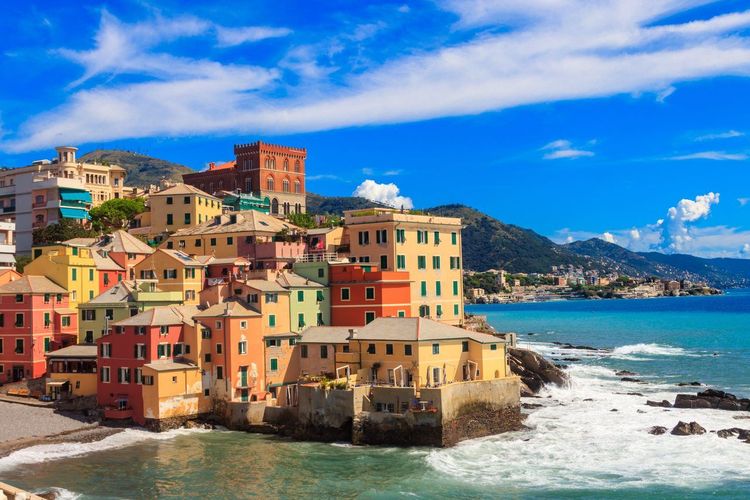
Boccadasse, the Small Fishing Village with Colourful Houses
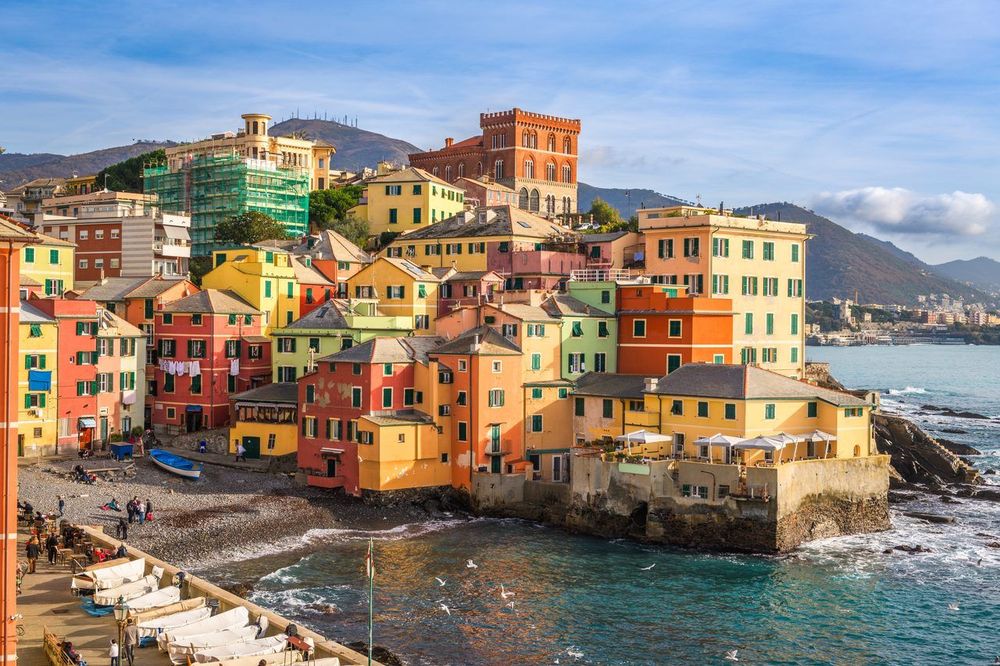
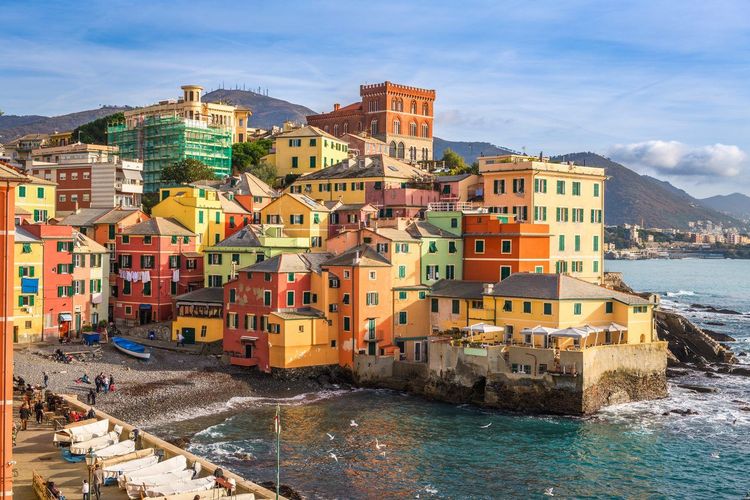
About twenty minutes from the centre by AMT bus (line 42 among others), or at the end of a long walk along the seafront, Boccadasse looks like a Cinque Terre village that somehow grew directly inside Genoa. Its ochre, pink and yellow facades line a small cove where a few wooden fishing boats, still tended by local families, rest at the water's edge.
The pebble beach, tiny as it is, isn't really suited to a long swim, but it's perfect for an ice cream break, cone in hand on the steps leading down to the water. The neighbourhood remains, even today, one of the few in the city almost entirely free of motor traffic. Come in late morning or in the evening: in the afternoon, the small space fills up quickly in high season.
Nervi and Its Coastal Promenade
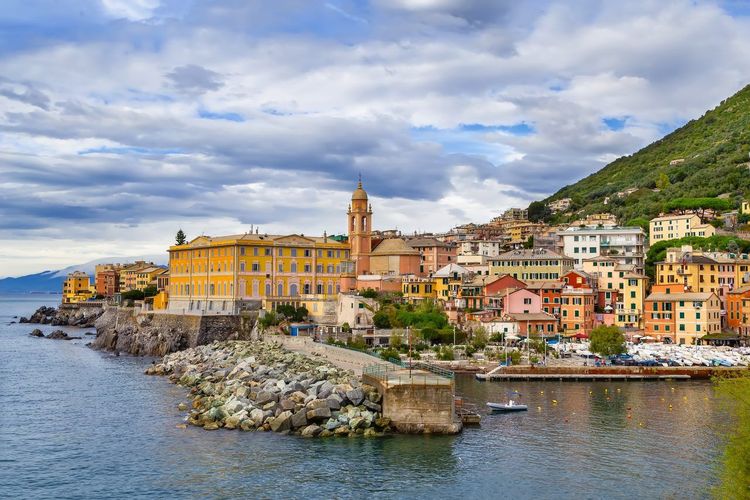
The most pleasant way to reach Boccadasse is to walk along Corso Italia (Corso Italia, 16145 Genova), the long seafront promenade that runs from the Foce district for around 2.5 kilometres. Further east, about six kilometres away, the Nervi district can be reached in a quarter of an hour by regional train from Brignole or by bus: a half-day to itself if you're staying three days.
The Passeggiata Anita Garibaldi (Passeggiata Anita Garibaldi, 16167 Genova, rated 4.8/5 on Google from 3K reviews) in Nervi, carved into the clifftop, is regularly cited among the most beautiful coastal walks in Italy: two kilometres of path suspended above the water, punctuated by botanical gardens and Belle Époque villas converted into museums. This is where the Genoese themselves come to walk on Sundays, well away from the visitor groups that stop at Boccadasse. At the end of the day, several rocky coves along the path offer a last swim before catching the bus back to the centre.
Keep the Ryo audio guide in your pocket for the end of the Genoa weekend: earphones in, you can enjoy the colourful lanes of Boccadasse without your nose buried in a paper map, especially on the final downhill stretch towards the cove.
Unusual Activities to Do in Genoa

Workshops and Unusual Guided Tours (Pesto, Electric Tricycle, Vintage Fiat 500)
Beyond the monuments, Genoa offers a handful of experiences that few guides still mention. A cooking class to learn how to make pesto with a marble mortar, in an apartment in the historic centre, usually lasts two to three hours and lets you leave with the exact recipe passed down through generations: Ligurian basil, pine nuts, parmesan and pecorino, and absolutely no electric blender according to the purists.
For a different way to discover the city, a guided electric tricycle tour connects the Old Port to the heights of Castelletto in an hour and a half with no strain on your legs — an option that appeals particularly to visitors travelling with children or with knees worn down by cobblestones. A vintage Fiat 500 tour from the 1960s, meanwhile, winds along the corniche roads above the sea, roof down when the weather allows, for around an hour of commentary from the driver.
Boat Trip and Street Food Tour
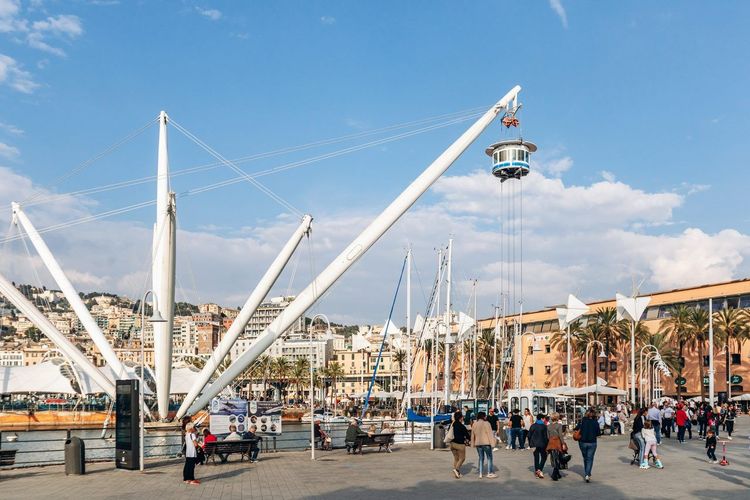
From the Porto Antico, an hour-long boat trip skirts the breakwater and offers a view of Genoa from the sea — the same view that merchants of old would have had returning from their voyages. Several companies offer departures every hour in season, with prices starting at around €15 per person.
Finally, a guided street food tour through the caruggi lets you sample farinata, focaccia al formaggio and fritto misto in a single evening without having to choose between three competing spots: the format works well for anyone who has only one evening to devote to local food and would rather be guided than plan their own route.
On the boat or on the tricycle, having the Ryo audio guide already downloaded on your phone means you won't lose the thread of harbour anecdotes, especially during the moments when the driver's or skipper's commentary pauses.
Day Trips from Genoa: Portofino, Camogli and the Cinque Terre
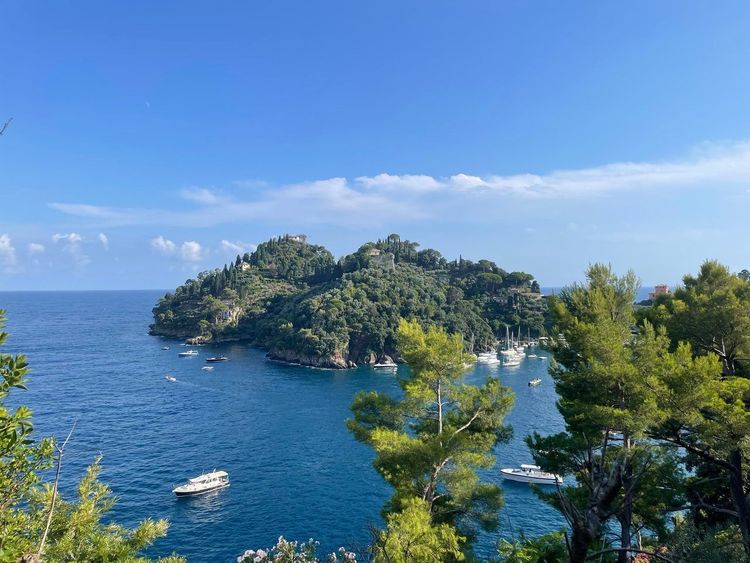
Portofino and Camogli, Villages of the Riviera di Levante
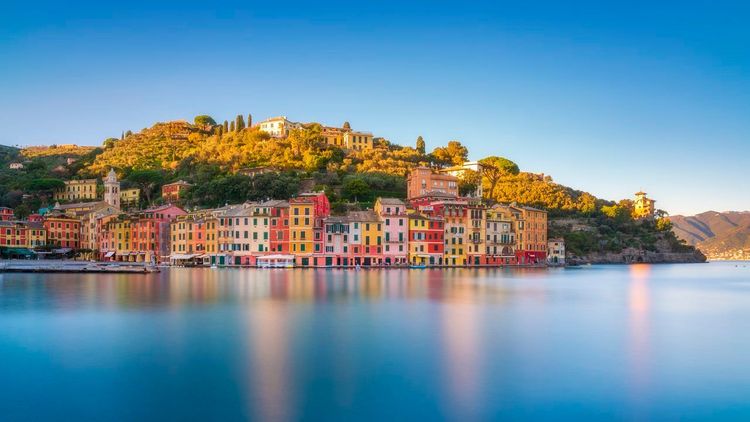
Portofino (Portofino, 16034 Genova), reached by train to Santa Margherita Ligure (around 40 minutes) then by bus or boat, is the most photographed village on the Riviera: a miniature harbour lined with pastel facades, yachts at anchor and luxury boutiques that partly explain why a pizza here costs twice the price in Genoa. Come on a weekday morning if you can: at the weekend, the small central square is packed by 11am and the last return bus is often full.
Camogli (Camogli, 16032 Genova), about forty minutes by regional train, wins visitors over with its relative authenticity: trompe-l'œil facades in warm rust tones, a still-active fishing harbour and far fewer tourist coaches than Portofino. A boat actually connects Camogli to Portofino in summer in around twenty minutes — a pleasant alternative for combining the two villages without doubling back through Genoa. This is the day trip to prioritise if you're looking for a more local atmosphere over a half-day.
The Cinque Terre from Genoa
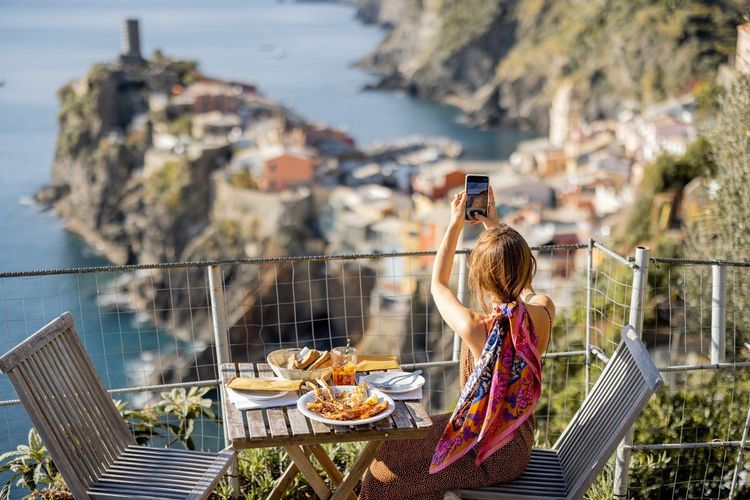
Yes, you can reach the Cinque Terre from Genoa by direct train, with a journey of around 1h30 to La Spezia or Monterosso depending on the line. It's a feasible day trip, but a tight one: aim to arrive before 9am if you want to see two or three villages without rushing, and bear in mind that the Cinque Terre Card, which covers local trains and hiking trails, can be bought at the station or in advance online.
If your weekend is only two days long, it's better to save this trip for a third day or a future stay: the there-and-back journey leaves little room for improvisation, and it would be a shame to rush through Vernazza or Manarola.
To plan this stage beyond Genoa, the Ryo article on the Liguria must-sees breaks down village by village how to build a day trip from the city, with precise travel times for each destination.
Where to Eat in Genoa: Local Specialities and Good Addresses
Pesto, Focaccia and Genoese Specialities to Try
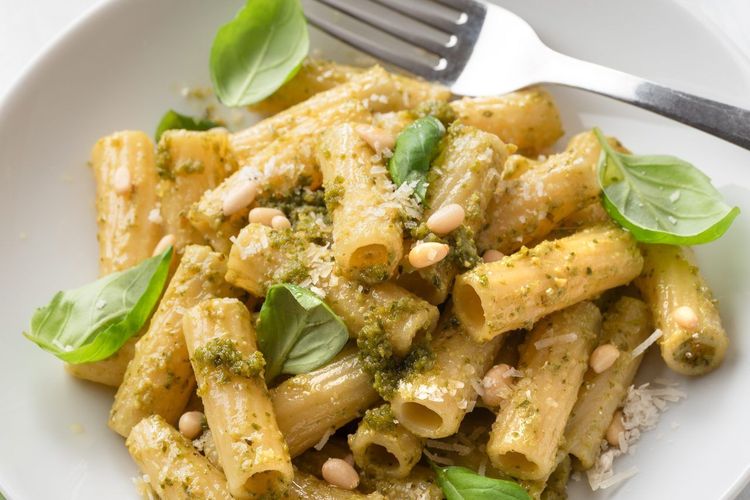
No visit to Genoa is complete without its culinary landmarks: pesto alla genovese, made here with DOP Ligurian basil grown on the nearby hills, just a hint of garlic, pounded in a mortar — never with an electric blender, according to the purists; focaccia, thick and olive-oil-rich, eaten at any hour, plain or with melted cheese; and farinata, a chickpea flour flatbread baked in a wood-fired oven, sold by the slice from stalls that sometimes offer nothing more than a counter on the street. Don't leave without trying trofie al pesto or a cappon magro, a layered salad of fish and vegetables typical of great Genoese occasions.
Our Top Spots for a Good Meal
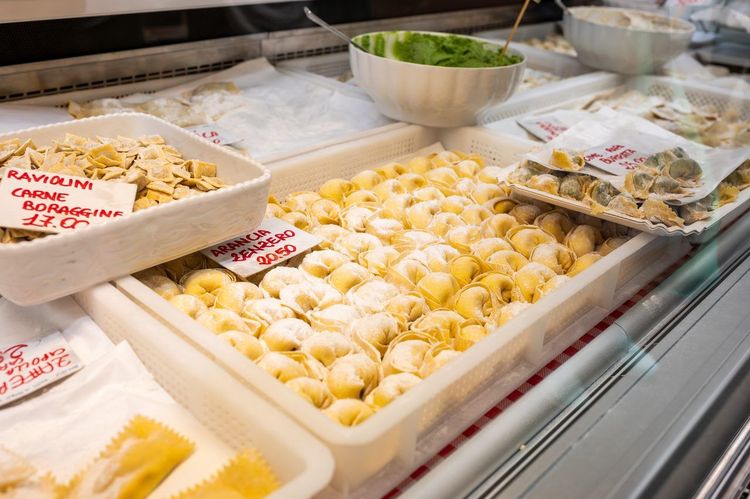
For lunch, head to the Mercato Orientale (Via XX Settembre 75, 16121 Genova, rated 4.3/5 on Google from 11,609 reviews), a former cloister converted into a covered market on Via XX Settembre: you'll find stalls selling charcuterie, fish and local produce, with several counters serving takeaway plates at reasonable prices.
For a more leisurely meal, the trattorias in the Boccadasse neighbourhood and those tucked into the caruggi around the cathedral generally offer better value for money than the spots with a terrace on the harbour. Eating well and cheaply in Genoa usually means finding a place with no neon sign, chosen on a local shopkeeper's recommendation rather than from a rating app.
Enjoying the Traditional Aperitivo
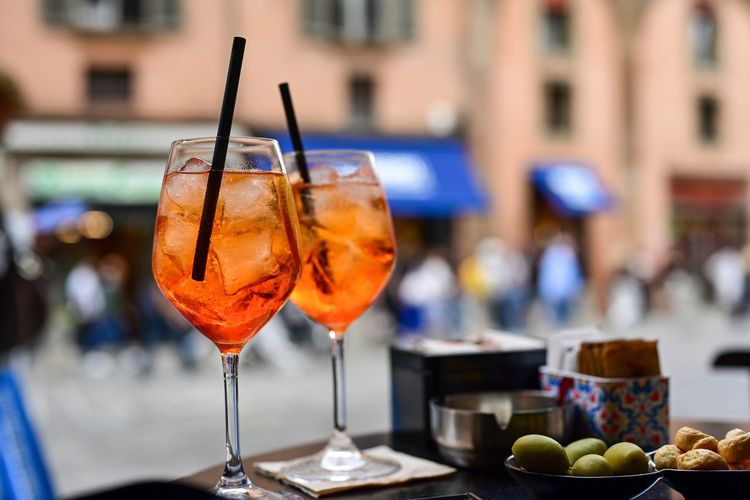
In the late afternoon, the Genoese aperitivo follows a simple ritual: a glass of Ligurian white wine or an Aperol Spritz accompanied by a spread of focaccia, olives and fritto misto, usually included in the price of the drink for a bill of between €6 and €10. Bars in the Via Garibaldi area or those overlooking the Porto Antico quays are particularly well suited to this between 6pm and 8pm.
Another, even more budget-friendly option is to put together an impromptu picnic: head to the Mercato Orientale for some vegetables and charcuterie, then to a central bakery for the day's focaccia, and eat it sitting on the steps of Piazza De Ferrari or facing the sea at the Porto Antico.
Where to Stay in Genoa: the Best Neighbourhoods
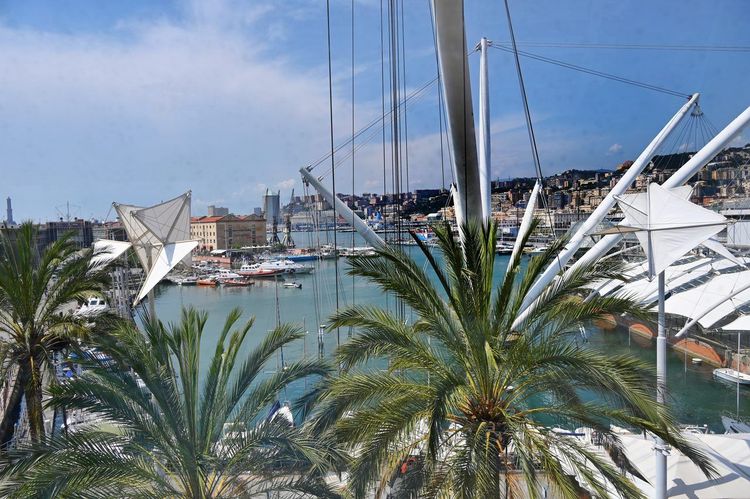
Historic Centre and Porto Antico, to Be in the Heart of the Action
Staying in the historic centre or near the Porto Antico puts all of day one's highlights within walking distance: the Aquarium, the cathedral, the caruggi and Piazza De Ferrari can all be reached in under fifteen minutes on foot from most hotels in the area. The downside: some alleyways are noisy in the evening, especially around Piazza delle Erbe, where bars and restaurants stay busy until late.
This is the neighbourhood to prioritise for a two-day stay that rarely strays far from the centre, where every minute of walking saved counts. Expect to pay roughly €90 to €150 per night for a well-located mid-range hotel.
Via XX Settembre and the Brignole Station Area
The Via XX Settembre and Genova Brignole station area suits those arriving by train who want direct access to transport towards Boccadasse, Nervi or Riviera day trips. Hotels here tend to be more modern, with a wider choice on booking platforms, but are around ten minutes' walk from the Old Port.
In summary: the historic centre for a pedestrian-centred immersion, Brignole for transport convenience. The two neighbourhoods are close enough to reach the other on foot in under twenty-five minutes, which makes booking mistakes relatively easy to avoid.
How to Get to Genoa
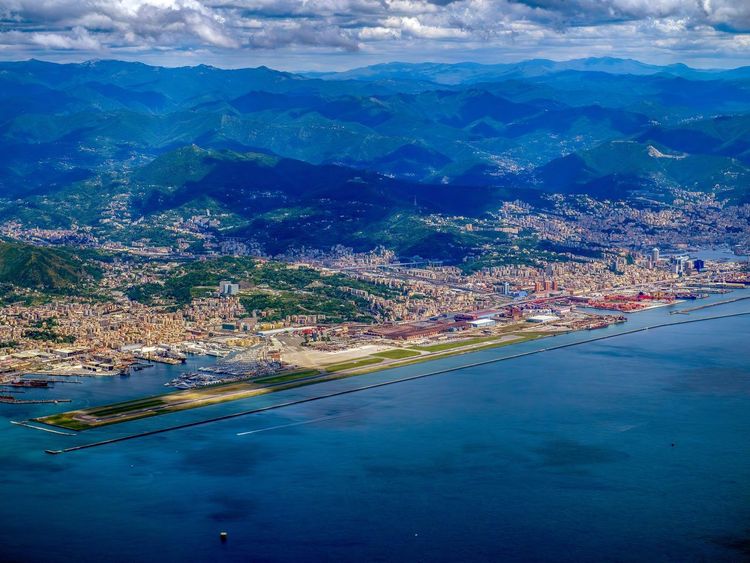
By Plane
Cristoforo Colombo Airport (GOA) is just 6 kilometres from the city centre, served by a limited number of direct flights from France, including a few weekly Volotea rotations from Paris Orly. The Volabus shuttle connects the airport to Genova Principe and Brignole stations in about thirty minutes for €6 (€5 online).
If no direct flight fits your dates, Milan Bergamo airport or Nice airport, followed by a train journey, remain common alternatives for travellers from France, provided you allow a generous connection window.
By Train
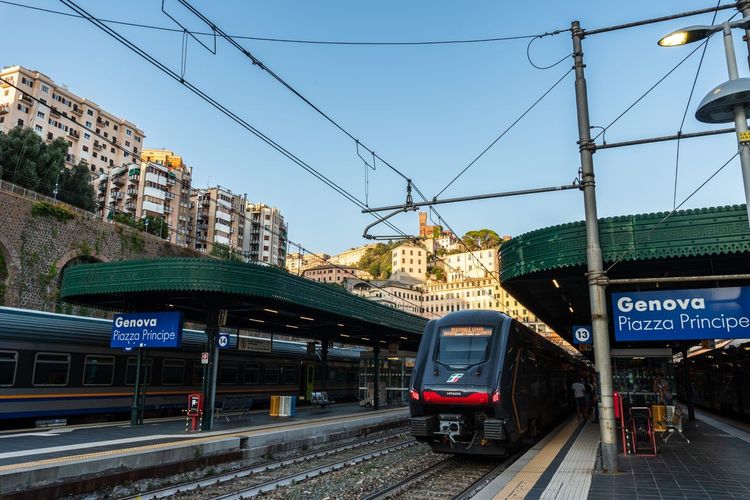
From Paris, expect a journey with a connection in Milan, totalling around 7 to 8 hours depending on the timetable. From Nice, the coastal line follows the Riviera through San Remo and Savona in just over 3 hours, usually with a connection at Ventimiglia: a stunning sea-view journey. Once there, Genoa has two main stations, Genova Principe on the port side and Genova Brignole to the east, both well connected to the historic centre by bus or a fifteen-to-twenty-minute walk. Always check which station your train arrives at before booking a hotel.
By Car or Bus
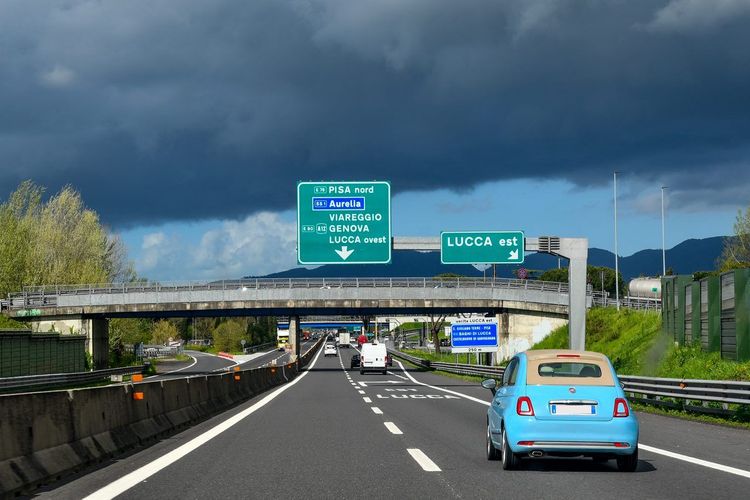
By car from France, the Riviera motorway (A10) connects Nice to Genoa in just under three hours outside summer traffic, with several toll booths along the way. Bear in mind that driving in the historic centre is virtually impossible: the caruggi are closed to traffic and parking is organised on the outskirts, near the stations or the port.
Long-distance coaches, including Flixbus, connect several French cities to Genoa at a lower cost, at the price of a considerably longer journey — often exceeding ten hours from the Paris region.
Getting Around and Parking in Genoa
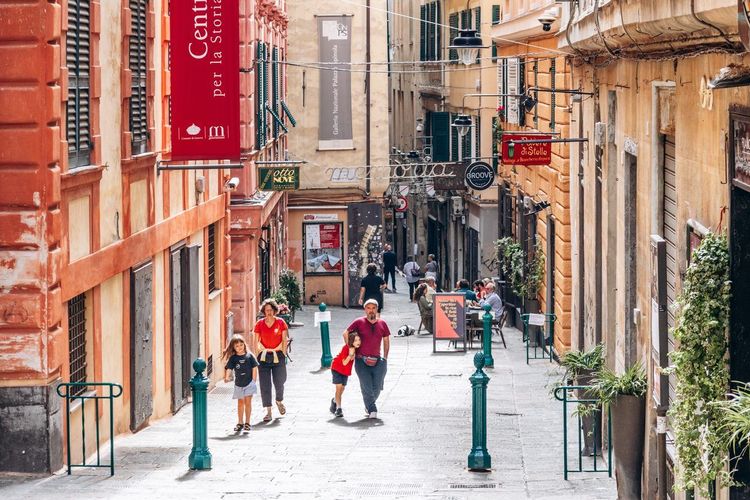
Genoa's historic centre is explored almost entirely on foot: the caruggi are too narrow for vehicles and even for most bicycles. To reach more outlying neighbourhoods such as Nervi, Boccadasse or the Spianata di Castelletto, the AMT network of buses, metro and funiculars is the simplest option, with a single ticket at €2 valid for 110 minutes across all modes, including the public lifts. The sole metro line, short but useful, efficiently connects Brignole to the centre and the Principe district.
If you're arriving by car, the best approach is to park on arrival in a car park near a station or the port and leave it there for the duration of your stay. Covered car parks around Genova Piazza Principe or the Porto Antico charge daily rates of around €20 to €25, which is far more sensible than circling the city centre in search of an on-street space — often impossible at the weekend.
When to Visit Genoa: the Best Time to Go
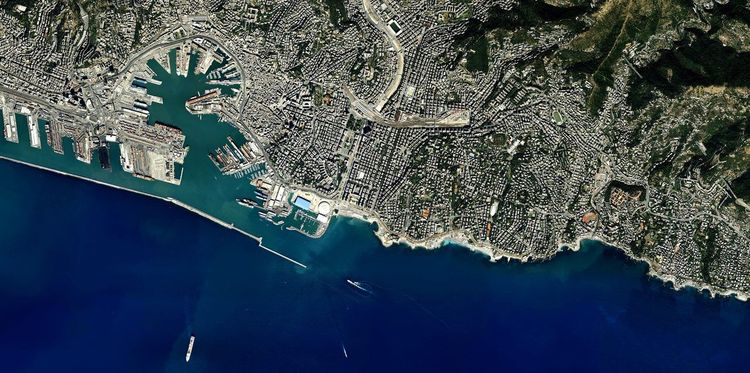
The best time to visit Genoa is between April and June, or between September and October: pleasant temperatures around 20°C, fewer crowds than in July and August, and a particularly gentle light on the pastel facades of the harbour.
Summer is still manageable, but the humid heat typical of Liguria, combined with the flow of visitors passing through on their way to the Cinque Terre, makes the narrow lanes of the historic centre difficult to navigate during the hottest part of the day.
From 1 to 6 October 2026, the city hosts the Salone Nautico, one of Europe's largest boat shows, held on the Waterfront di Levante (Piazzale Kennedy): a great opportunity to combine a classic weekend with a local event, provided you book accommodation several weeks in advance.
What to Do in Genoa with Children or When It Rains
Activities for Rainy Days
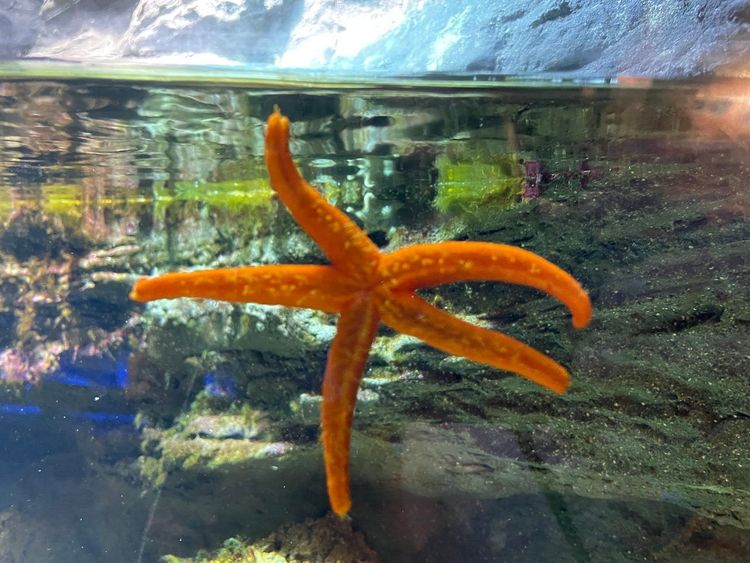
If the rain sets in, the Acquario di Genova remains the most obvious and effective option for filling an entire half-day indoors. The Galata Museo del Mare and the Via Garibaldi museums — notably the Palazzo Rosso and the Palazzo Bianco — make an equally comfortable cultural alternative, with rooms spacious enough not to feel cramped.
The caruggi themselves, thanks to their overhanging eaves and narrow width, offer partial shelter from light rain: a shopping stroll along Via XX Settembre, largely covered by arcades, remains perfectly pleasant even in a moderate shower.
Genoa with Kids: What to Do as a Family
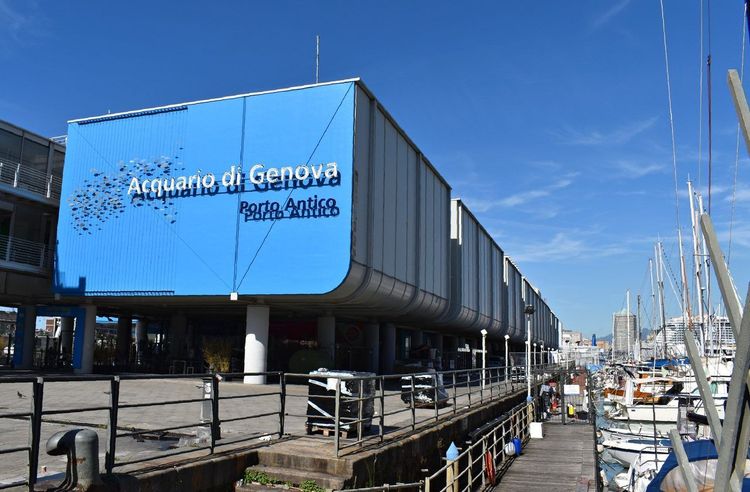
With children, the Aquarium naturally tops the list, but the Porto Antico also has a tropical biosphere and occasional seasonal events. Boccadasse and its small pebble beach suit families well for a gentle break away from the city centre crowds, and Nervi offers enough open space in its gardens to let younger ones run around after a morning of walking.
Also consider the electric tricycle ride or the Fiat 500 tour mentioned earlier: the fun format works particularly well with older children who are starting to flag on the cobblestones of the caruggi. For younger ones, a simple ride up the Bigo is often enough to cause a stir.
Genoa Map and Weekend Budget
Rather than a printed map that quickly goes out of date, it's better to build your own itinerary on a digital map based on the addresses mentioned in this guide, neighbourhood by neighbourhood: historic centre and Porto Antico for day one, Via Garibaldi and the hilltop districts for day two, Boccadasse and Nervi as extras if you're staying a third day.
On the budget side, a weekend in Genoa remains reasonable by Italian standards: expect roughly €80 to €150 per night for a decent central hotel depending on the neighbourhood, €25 to €35 per day per person for meals combining trattorias and street food, and around €15 for public transport over two full days. Museums and the Aquarium represent the main variable cost: between €15 and €30 per entry depending on the site, which can easily add €50 per person if you chain several paid visits over the weekend.
Is Genoa Safe? Accessibility and Practical Tips
Is Genoa a Dangerous City?
No, Genoa is not a dangerous city for visitors. As with any large port city, the usual vigilance applies around Brignole station in the evening and in the quieter caruggi alleyways after dark, but nothing that really sets Genoa apart from other Italian cities of comparable size. Crime mainly takes the form of pickpocketing in heavily tourist areas — a front-worn bag is generally enough protection.
Accessibility and Tips for Visitors with Reduced Mobility
Accessibility is Genoa's real weak point: the historic centre, cobbled and dotted with steps, makes wheelchair navigation considerably difficult, and many caruggi are too narrow for comfortable passage. The Porto Antico, on the other hand, is entirely flat and accessible, as is Corso Italia and much of the Nervi promenade. The public lifts, including the Castelletto Levante lift to the Spianata, offer welcome alternatives to staircases for enjoying the viewpoints without climbing on foot. Check with your accommodation in advance: many hotels in the historic centre are housed in older buildings with no lift.
FAQ
Is Genoa Worth Visiting?
Yes: Genoa boasts the largest medieval historic centre in Europe, UNESCO-listed palaces along Via Garibaldi and direct access to the Riviera di Levante. Less photogenic at first glance than Portofino, it offers a more authentic and considerably more affordable experience in return — provided you take the time to get lost on foot rather than rushing from one monument to the next.
How Many Days Do You Need to Visit Genoa?
Two full days cover the essentials: the Old Port and the historic centre on day one, Via Garibaldi and the hilltop districts on day two. Three days allow you to add a day trip to Portofino, Camogli or the Cinque Terre without feeling rushed, and four days leave time to venture out to Staglieno or Pegli.
Is Genoa a Dangerous City?
No, Genoa remains a safe city for visitors, with the usual precautions against pickpocketing in tourist areas and around train stations in the evening. Nothing that should put you off spending a weekend there.
What Is the Best Time to Visit Genoa?
April to June and September to October offer the best balance between pleasant weather and moderate crowds. Summer is still manageable but hotter and busier, largely due to the flow of visitors in transit to the Cinque Terre.
Can You Visit the Cinque Terre from Genoa?
Yes, by direct train to La Spezia or Monterosso, roughly a 1h30 journey. The trip can be done in a day but is tight: it's better to save it for a third day or a future stay rather than trying to squeeze it into a two-day weekend.
Where to Stay in Genoa for a Weekend?
The historic centre and Porto Antico are ideal for staying close to the first day's highlights, while the Via XX Settembre and Brignole station area offers more direct access to transport towards Boccadasse, Nervi and Riviera day trips.
A weekend in Genoa really plays out across this striking contrast between grandeur and authenticity: the gilded palaces of Via Garibaldi on one side, the working-class lanes of the caruggi on the other, and Boccadasse closing the chapter on a fishing-village note. Two days are enough to grasp the essentials, three to add the Riviera without rushing.
To keep track of all these spots once you're there, the Ryo audio guide tour of Genoa is the simplest companion to this guide: earphones in, itinerary already mapped, and no paper map to decipher between alleyways.