






Créé par Emilie, le 2 oct. 2026
Votre guide Ryo
Roma, Italy
Short tour -The Eternal City
Parcours audioguidé pour visiter Roma en 1 jour
This is the short version of the tour, perfect for discovering the city's highlights in no time. If you'd like to explore further, the full tour is also available, allowing you to immerse yourself in the city in much greater depth.
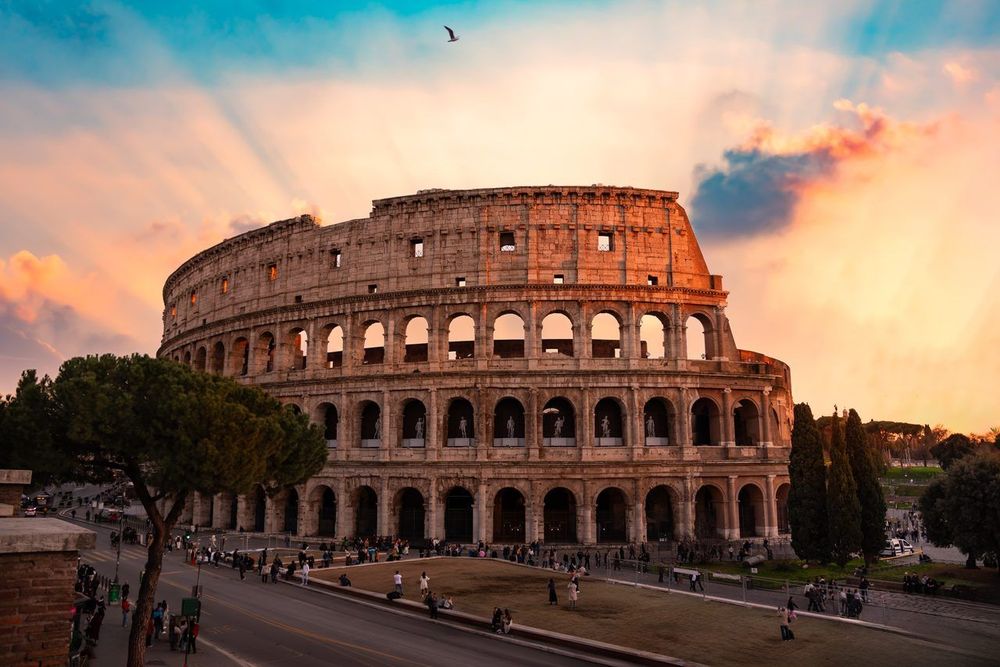
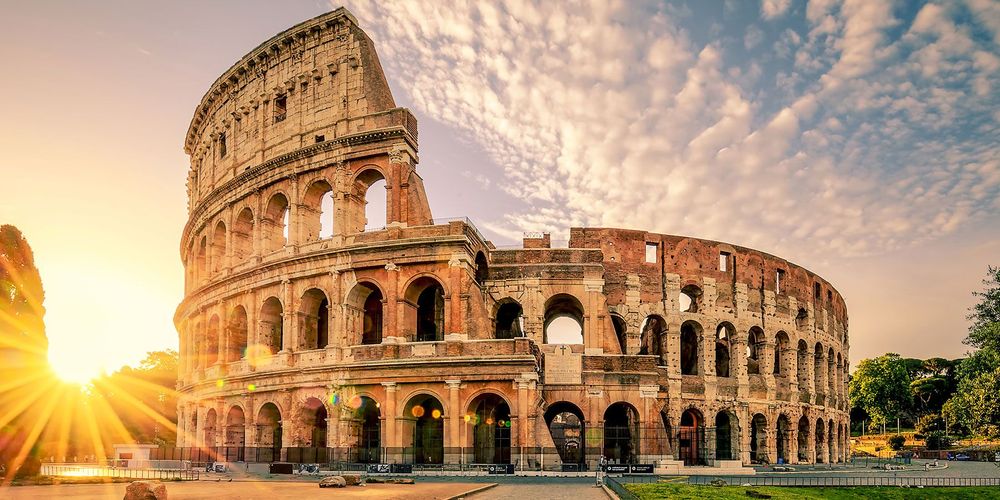
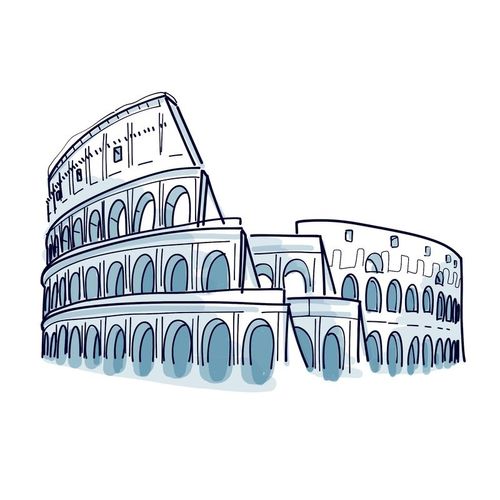
Enter the beating heart of the Eternal City, where layers of history overlap in monumental harmony. This walk takes you on a journey through time, from the imperial heights of the Capitoline overlooking the Forum to the arenas of the Colosseum, silent witnesses to ancient power. Let yourself be carried by this descent toward the banks of the Tiber, to move from the grandeur of the emperors to the dolce vita of Trastevere, a neighborhood of honey-colored alleys and mysteries.
Quand partir à Roma ?
Jan.
8°
7
Feb.
8°
7
March
11°
7
April
14°
8
May
18°
6
June
23°
4
July
26°
3
Aug.
26°
3
Sept.
21°
6
Oct.
17°
8
Nov.
13°
9
Dec.
9°
8
Rome enjoys a mild Mediterranean climate all year round. Winters are generally mild and rainy, but it can get cold in the evenings. Average temperatures are around 14°C, with minimums of 4°C. Summers are hot and sunny. Starting in June, temperatures can soar to 40°C, with occasional evening thunderstorms. Average temperatures in summer are around 30°C.
Départ conseillé
No need to worry about where to begin! Our tours are designed as a loop, so you can jump in wherever you are. The navigation system and audio-guide will automatically adjust to your location. However, if you happen to be nearby, we do have a preferred starting point: the Capitoline Square
Parking à proximité
Gianicolo parking lot in via Urbano VIII 16/C
Parking in Italy can be a bit of a challenge. If you're traveling by car and can't park at your hotel, here are a few things to keep in mind: Downtown Rome is a limited traffic zone or ZTL (“Zona a Traffico Limitato”) as they call it. You'll know by the large, round signs with a red circle on a white background. You can't miss them. This zone is off-limits to non-residents for most of the day. The best thing to do is avoid it altogether, as enforcement is strict, with numerous cameras and active patrols. So chances are, if you take that risk, you'll get a hefty fine.
Outside the ZTL, you'll find three types of parking spaces: free spaces marked with white lines, paid spaces marked with blue lines charged between 8 AM and 8 PM, and no-parking zones marked with yellow lines. You can park outside the city, near a metro station, and get to the center by public transport. The area along the Tiber River is a great option, as it's easier to find parking there and it's cheaper than the covered parking lots in the center.
You can also book your covered parking space in advance to avoid the hassle of searching and save time.
À savoir
If you're planning to visit several sites, consider purchasing a city pass or a combined ticket. These will save you money and grant you skip-the-line privileges. Don't even try to queue up and buy your tickets on the spot on the day of your visit – you'll waste the whole day.
Découvrez 19 lieux d'intérêt pour visiter Roma








Le plein d'inspirations
Explorez le monde en totale liberté, à pied au cœur des villes ou au fil des routes. Nos guides audios transforment chaque destination en une découverte culturelle immersive et unique.

When is the best time to visit Roma?
Roma is a pleasure to visit all year round thanks to its Mediterranean climate. Spring and autumn remain the ideal seasons, with mild temperatures and fewer tourists. Between April and June, and again from September to November, you'll enjoy sunny days that are perfect for exploring the city on foot. Summer can be very hot and crowded, while winter offers the advantage of shorter queues despite a few rainy days. Winter temperatures stay mild during the day, hovering around 14°C, but pack warm clothes for the evenings, which can be chilly. Each season reveals a different face of the Eternal City.
How many days do you need to visit Roma?
For a first trip to Roma, ideally plan for four to five days. This will give you time to explore the must-sees without rushing: the Colosseum, the Forum and the Vatican, but also to wander through picturesque neighbourhoods such as Trastevere. Three days is a minimum to skim the major sites, while a week gives you the chance to delve deeper into your visit and soak up the Roman atmosphere. Roma is a city where every street corner tells a story, and where the dolce vita is best enjoyed by taking your time. The longer you stay, the more you'll discover the hidden treasures and charming little squares that make up the soul of this thousand-year-old city.
How do you get around Roma?
Roma's historic centre is best explored on foot, letting you discover its cobbled lanes and secret squares. The metro has only two main lines but serves the major sites. Buses are plentiful but can be crowded, and their frequency varies depending on the time of day. The official white taxis remain a practical option, especially in the evening. For longer journeys, the modern tram efficiently rounds out the network. Avoid driving in the centre, between the limited-traffic zones and the difficult parking. A multi-day transport pass can prove economical if you plan to make many trips. Transport apps will help you plan your journeys in real time.
Should you book tickets in advance for the main attractions?
Booking ahead is strongly recommended for Roma's major sites, especially in high season. The Colosseum, the Vatican Museums and the Sistine Chapel are often fully booked several days in advance. Reserving not only spares you the long queues in the sun but also guarantees access to your preferred time slots. The Borghese Gallery requires a mandatory prior reservation, with limited visiting slots. For other monuments such as the Pantheon or the Trevi Fountain, access generally remains free. Remember to check the weekly closing days, which vary from site to site. Online bookings are simple and secure on the monuments' official websites.
Which neighbourhoods are best to stay in Roma?
The choice of neighbourhood will depend on your priorities and your budget. The historic centre around Piazza Navona or the Pantheon puts you at the heart of the action but remains pricier. Trastevere charms with its bohemian character and authentic trattorias, ideal for savouring Roma's nightlife atmosphere. Monti offers an excellent compromise between proximity to the sites and a trendy neighbourhood vibe. For a tighter budget, Termini near the central station offers many accommodation options with good transport connections. The Vatican district suits pilgrims and art lovers. San Lorenzo draws a young crowd with its student bars, while Prati remains residential and quiet.
What are the absolute must-sees to prioritise in Roma?
Roma is brimming with wonders, but some sites remain essential for a first visit. The Colosseum and the Roman Forum immerse you in the grandeur of the Empire, while the Pantheon impresses with its perfect dome. The Trevi Fountain is worth the detour despite the crowds, as are the Spanish Steps and their famous staircase. The Vatican, with St Peter's Basilica and the museums housing the Sistine Chapel, forms an artistic ensemble unique in the world. Don't miss a stroll through Trastevere to feel the authentic heart of Roma beating. The Ryo audioguide accompanies you on this discovery with commented routes linking these major sites while revealing fascinating anecdotes about the city's thousand-year history.
Where should you eat in Roma and which specialities should you try?
Roman cuisine celebrates simplicity and authentic flavours. Be sure to try the traditional carbonara, the amatriciana and the cacio e pepe in a family-run trattoria. Suppli, fried rice balls, make the perfect snack. For a sweet break, savour a cream-filled maritozzo or an artisanal ice cream. Testaccio remains the favourite neighbourhood of food lovers with its traditional restaurants, while the Campo de' Fiori market overflows with fresh produce. Avoid the tourist traps near the main monuments and go for the places where Romans eat. An aperitivo on a terrace around 6pm is an integral part of the local way of life. Pizza al taglio makes for a quick and delicious meal between two visits.
Is Roma a good destination for families with children?
Roma welcomes families wonderfully, offering a captivating journey through time for young and old alike. Children usually love exploring the Colosseum while imagining the gladiators, and the water jets of the many fountains fascinate them. The Villa Borghese offers vast green spaces to relax, with bike rentals and rowing boats on the lake. The gelaterias on every street corner delight the youngest. Plan for regular breaks, as the distances can tire little legs. Roman restaurants are generally very welcoming to children, often offering suitable portions. The Bioparco, Roma's zoo, and the catacombs offer different experiences. Strollers can be hard to manoeuvre on the ancient cobblestones, so a baby carrier will be more practical.
Vos commentaires, idées et suggestions
Aucun avis pour le moment