





Créé par Camille, le 4 oct. 2026
Votre guide Ryo
Bari, Italy
The town that watches over Saint Nicholas
Parcours audioguidé pour visiter Bari en 1 jour
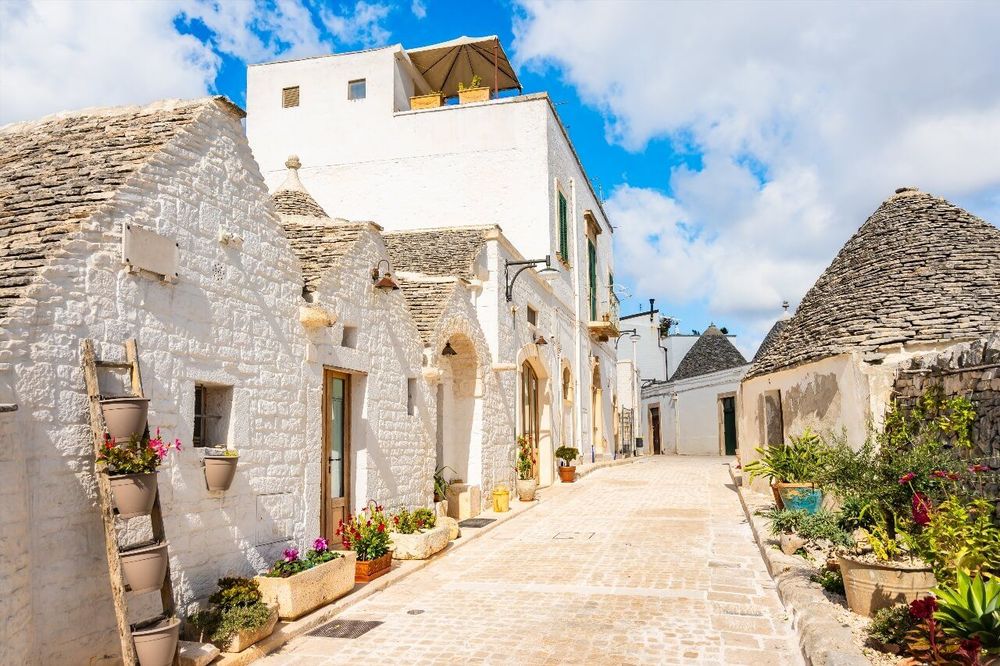
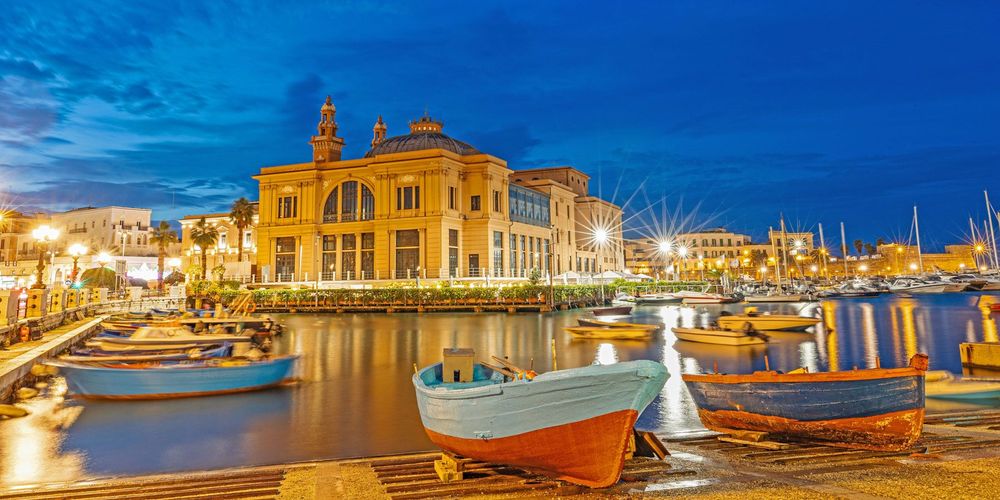
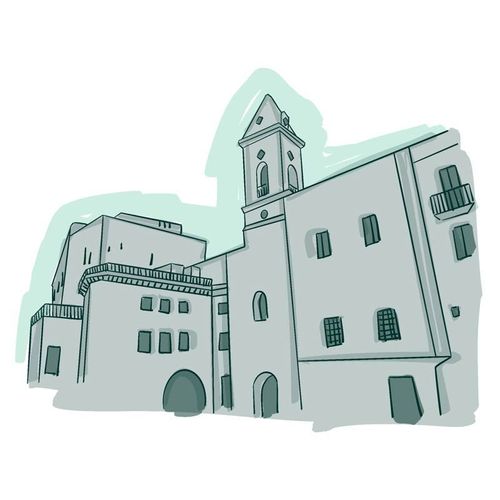
This tour of Bari invites you to discover one of the most vibrant cities in southern Italy, set between the Adriatic Sea and long-standing traditions. Along the route, explore the lively alleyways of Bari Vecchia, historic churches, and the squares where everyday local life unfolds in the open, while residents still prepare orecchiette pasta right outside their doors. A simple and pleasant walk to experience the Mediterranean atmosphere of this port city, where history, gastronomy, and daily life blend naturally.
Quand partir à Bari ?
Jan.
12°
9
Feb.
13°
8
March
15°
9
April
18°
8
May
23°
6
June
27°
4
July
30°
2
Aug.
31°
3
Sept.
27°
5
Oct.
22°
8
Nov.
17°
9
Dec.
14°
9
Bari has a typical Mediterranean climate, characteristic of southern Italy, with mild winters where temperatures rarely drop below 8 to 10°C between December and February and very hot and sunny summers where the thermometer often exceeds 30°C between June and August, often accompanied by high humidity due to the proximity to the Adriatic Sea. However, spring and early autumn offer particularly pleasant conditions for visiting, with temperatures ranging from 18 to 28°C and a calmer atmosphere compared to the peak tourist season. The months of April, May, June, September, and October are generally considered the best times to explore Bari and the Puglia region in favorable conditions.
Départ conseillé
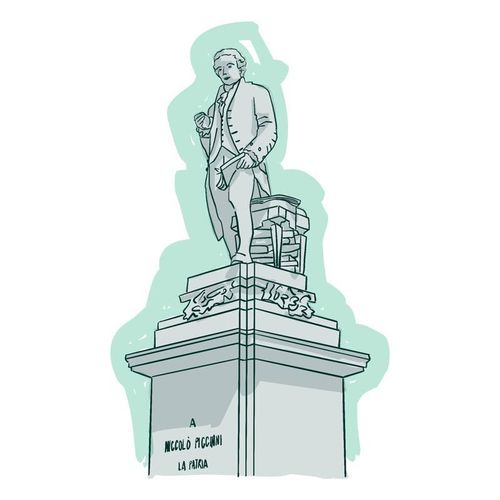
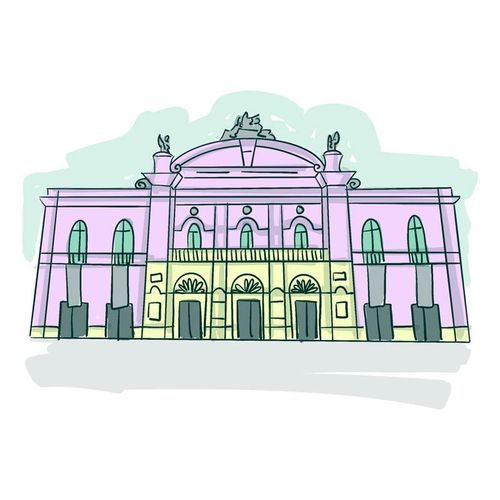
We design our tours in a loop format, allowing you to start your visit at the closest point to you, with the guide adjusting automatically. If you're nearby, we recommend starting at the ideal point: Piccinni Theater.
Parking à proximité
Parcheggio Saba Porto, Corso Vittorio Veneto, 5, 70123 Porto BA Gestipark Battisti, Via Scipione Crisanzio, 1/B, 70122 Bari BA
In Bari, several options allow you to park close to the historic center. Among the convenient choices, Parcheggio Saba Porto, located near the port and about a 10-minute walk from Bari Vecchia, is generally the cheapest and most practical parking for a quick visit to the center. Gestipark Battisti, near the train station and main shopping streets, is a large covered parking lot often considered the safest, thanks to its monitored structure and controlled access. As in many Italian cities, street parking is also regulated: blue lines indicate paid parking, white lines indicate free parking, and yellow lines are reserved for residents. It’s important to check the signs and displayed hours to avoid a fine.
À savoir
To visit Bari at a relaxed pace, keep in mind that the historic center, Bari Vecchia, has several Limited Traffic Zones (ZTL), where car access is restricted and monitored by cameras. It’s best to leave your vehicle in an outside parking lot and continue your visit on foot. In Puglia, the hours may differ from what you’re used to: many small shops still close in the early afternoon, typically between 1 PM and 4 PM, before reopening in the late afternoon, and restaurants often start serving dinner from 8 PM. When entering a church, proper attire is required, with shoulders and knees covered. Finally, at restaurants, you will often see a “coperto” charge on the bill, which is a per-person cover charge, typically between 1 and 3 euros. This is not a tip, but a fixed fee to cover the cost of bread, the table, and basic service.
Découvrez 20 lieux d'intérêt pour visiter Bari


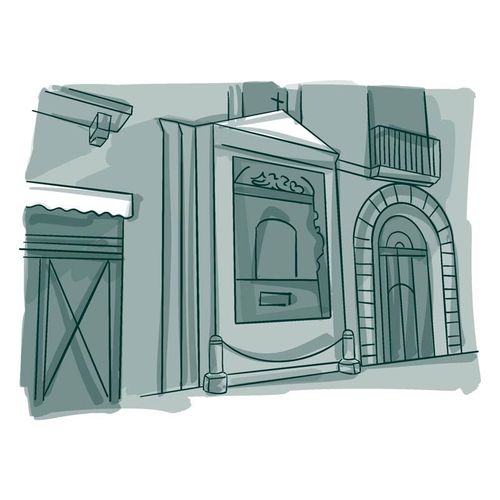
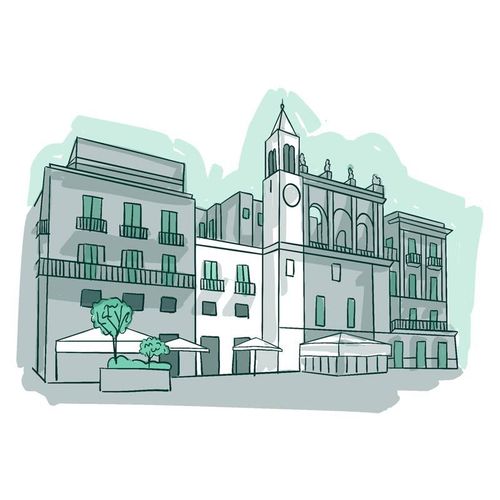
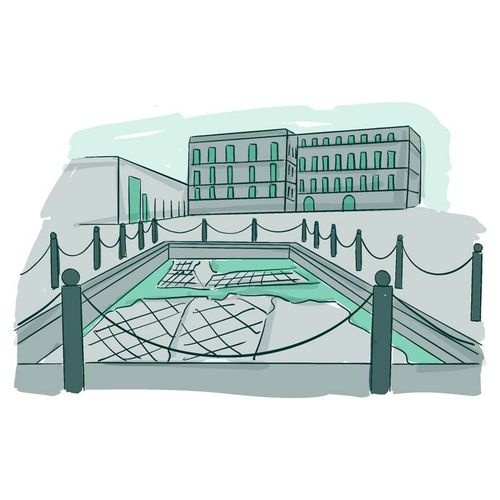
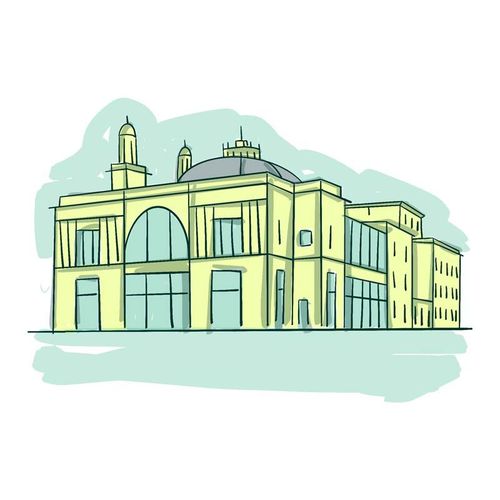
Le plein d'inspirations
Explorez le monde en totale liberté, à pied au cœur des villes ou au fil des routes. Nos guides audios transforment chaque destination en une découverte culturelle immersive et unique.




FAQ for visiting Bari
How long do you need to visit Bari?
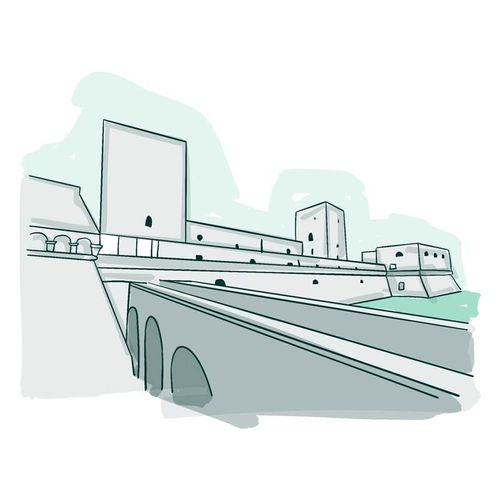
To discover the essentials of Bari, generally allow one full day, or two days if you'd like to explore the city at a more leisurely pace. The historic centre of Bari Vecchia can easily be covered in a few hours on foot, letting you admire the Basilica of Saint Nicholas, the Norman-Swabian Castle and wander through its characterful alleyways. With a full day, you'll have time to soak up the local atmosphere, savour the specialities in a trattoria and stroll along the lungomare. If you have two days, you can add a visit to the Murat district with its elegant boutiques, explore the local markets in more depth and perhaps even venture into the surroundings close to the city.
When is the best time to visit Bari?
The best times to visit Bari are spring and early autumn, particularly the months of April, May, June, September and October. During these months, you'll enjoy pleasant temperatures generally between 18 and 28°C, ideal for exploring the city on foot without suffering from the heat. Summer can be very hot, with temperatures often exceeding 30°C and high humidity owing to the proximity of the Adriatic Sea, which makes sightseeing less comfortable. Winter remains mild, with temperatures rarely below 8-10°C, but the days are shorter. Spring and autumn also offer the advantage of a calmer atmosphere than at the height of the tourist season, letting you better appreciate the city's authenticity.
How do you get around Bari and its surroundings?
The historic centre of Bari is best explored on foot, since the narrow alleyways of Bari Vecchia aren't accessible by car in any case. For longer journeys around the modern city, you can use the urban buses, which serve the various neighbourhoods well. Taxis are available but can be pricier. To explore the surroundings and the other towns of Puglia, the regional train is an excellent option from Bari's central station, with frequent services to Polignano a Mare, Monopoli and Alberobello. Renting a car remains handy if you'd like more flexibility to discover the region at your own pace. Bike-sharing is also available for short trips along the seafront.
What are the must-sees in Bari?
Bari's must-sees are mainly concentrated in the historic district of Bari Vecchia. The Basilica of Saint Nicholas, which houses the relics of the patron saint, is a major pilgrimage site with remarkable architecture. The Norman-Swabian Castle impresses with its medieval fortifications, while the Cathedral of San Sabino is also worth a visit. Lose yourself in the labyrinthine alleyways where local women still make orecchiette in their doorways, an authentic sight to behold. The lungomare, one of Italy's most beautiful seafront promenades, invites you to stroll facing the Adriatic. The Ryo audioguide accompanies you on this discovery with a narrated itinerary that reveals the secrets of these iconic places and guides you through the city's fascinating history.
Where can you eat local specialities like orecchiette?
To savour authentic orecchiette and other local specialities, head to the family-run trattorias of old Bari, particularly in the alleyways around Via dell'Arco Basso, where you'll often see women making them by hand. These small, unpretentious restaurants generally serve the best versions of traditional dishes such as orecchiette alle cime di rapa or con le braciole. The Bari Vecchia district is full of authentic spots where locals gather for lunch. For the full experience, also try focaccia barese, fried panzerotto and fresh seafood from the market. Avoid the overly touristy restaurants near the main monuments and opt instead for those frequented by residents, recognisable by their simple menu and convivial atmosphere.
How do you get from the airport to Bari city centre?
Bari-Karol Wojtyla Airport is located around ten kilometres from the city centre, and several options are available for reaching Bari. The regional train is generally the most convenient and economical option, with frequent departures from the airport station to Bari's central station in about twenty minutes. Shuttle buses also connect the airport to the city centre with several stops in different neighbourhoods. Taxis are available in front of the terminal but represent the most expensive option, though a handy one if you're travelling with a lot of luggage or in a group. Some hotels also offer a private shuttle service. Car rental is available directly at the airport if you plan to explore the Puglia region.
What day trips can you take from Bari?
Bari makes an excellent base for exploring the wonders of Puglia. Polignano a Mare, perched on its spectacular cliffs, is just about thirty minutes away by train and enchants with its sea views. Alberobello, famous for its World Heritage-listed trulli, is absolutely worth the detour for its unique architecture. Monopoli charms with its picturesque harbour and well-preserved old town. Further south, Lecce, nicknamed the Baroque Florence, dazzles with its ornate churches. The Castellana Caves offer a fascinating underground experience, while Castel del Monte impresses with its mysterious octagonal architecture. Trani, with its seaside cathedral, and Matera in neighbouring Basilicata with its cave dwellings, perfectly round off a stay in the region.
Why is the Basilica of Saint Nicholas so important in Bari?
Built at the end of the eleventh century to house the relics of Saint Nicholas, brought back from Myra by sailors from Bari, the basilica became one of the great sanctuaries of the Mediterranean. Its Romanesque architecture, massive and plain, contrasts with the crypt and its close-set columns, where the saint's tomb lies. Unusually, the church is venerated by Catholics and Orthodox Christians alike, which explains the pilgrims who come from Russia and the Balkans in particular, and the celebrations that fill the city in spring. It stands at the heart of Bari Vecchia, a few lanes from the cathedral. The Ryo audio guide devotes a route to Bari that links the basilica to the other stops in the old town.
Is Bari a safe city for visitors?
Bari carries an old reputation that no longer matches what you find in the centre: the old town and the seafront have been extensively renovated and are busy, including in the evening, when locals come out to eat or stroll. The precautions are those of any port city: keep an eye on your bag in crowded streets and near the station, leave nothing visible inside a car, and watch out for scooters on narrow pavements. The outlying districts hold little tourist interest and are rarely visited. By sticking to Bari Vecchia, the seafront and the Murat quarter, you will be in the liveliest and best-watched parts of the city.
Where can you enjoy the seafront in Bari?
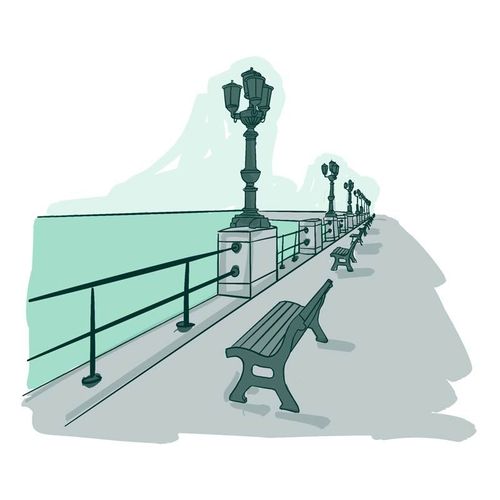
The Lungomare, one of the longest seafront promenades in Italy, runs along the city for several kilometres and becomes the gathering place of the locals at the end of the day, among runners, cyclists and families. To the north, the wall that encircles the old town forms a balcony over the Adriatic and leads to the fishermen's harbour, where the catch is sold straight from the quay. For swimming, the city beach of Pane e Pomodoro, a few minutes from the centre, is the easiest to reach on foot, while Torre Quetta, a little further out, offers more space. The sea is best for swimming from late spring to early autumn, once the water has warmed up.
Vos commentaires, idées et suggestions
Aucun avis pour le moment