





Créé par Emilie, le 4 oct. 2026
Votre guide Ryo
Cagliari, Italy
The Sardinian Treasure
Parcours audioguidé pour visiter Cagliari en 1 jour
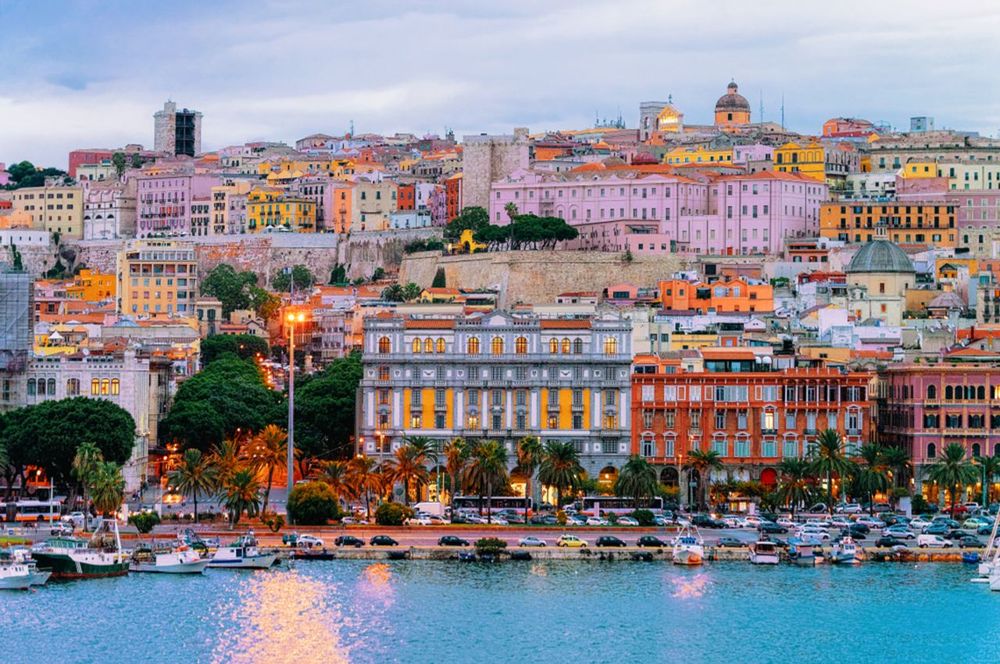
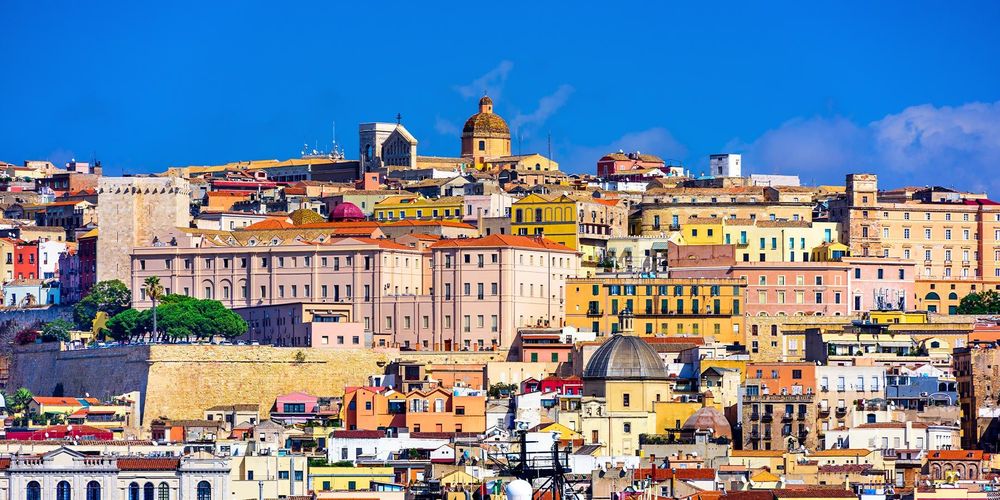
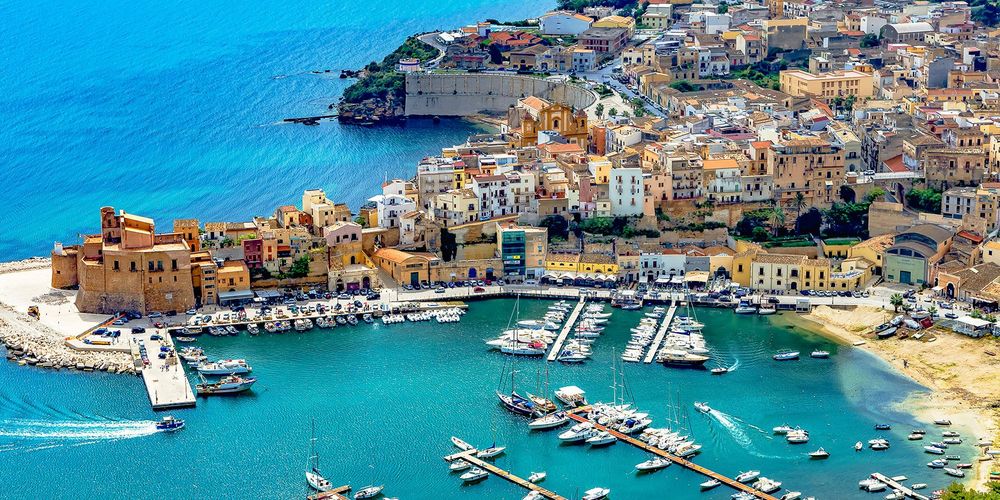
Set on the heights of Sardinia, Cagliari reveals a rich past shaped by its fortified city, Mediterranean influences, and lively port. With its historic streets, sweeping views, and vibrant neighborhoods, it reflects the full identity of the island.
Quand partir à Cagliari ?
Jan.
12°
6
Feb.
13°
5
March
14°
5
April
17°
5
May
21°
3
June
25°
1
July
28°
0
Aug.
29°
1
Sept.
26°
3
Oct.
22°
5
Nov.
17°
6
Dec.
13°
6
Sardinia, right in the heart of the Mediterranean—unsurprisingly—has a Mediterranean climate. That means mild, wet winters and hot, dry summers. If you're planning to enjoy the beaches and go hiking in nature, the best time to visit is between May and September. But if you're coming just for a city break in Cagliari, the town is already pleasant as early as March. If you'd like to avoid the crowds while still getting a taste of the sea, give May a try—you might be lucky with some truly lovely weather.
Départ conseillé
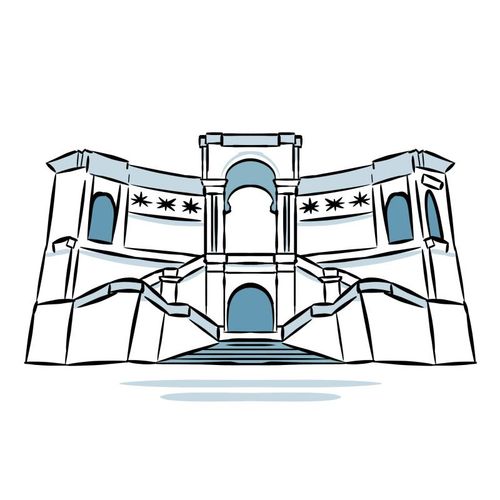
No need to worry about where to begin! Our tours are designed as a loop, so you can jump in wherever you are. The navigation system and audioguide will automatically adjust to your location. However, if you happen to be nearby, we do have a preferred starting point: In front of the San Remy Bastion
Parking à proximité
Metropark S.p.A. - Piazza Giacomo Matteotti Parcheggio PORTO / APCOA - Molo Sant'Elmo
Driving in the centre of Cagliari is not only difficult but also strongly discouraged. The city has restricted traffic zones, and parking is notoriously hard to find.
If you're planning to explore Sardinia by car, it's best to rent one from the city centre after you've spent your time in Cagliari, rather than picking it up at the airport on your first day and being stuck with it unnecessarily. There are shuttle buses between the airport and the city centre, and public transport is reliable and efficient. If you do prefer to rent a car directly at the airport, then make sure to book accommodation that offers parking—paid or otherwise—to avoid extra hassle. The blue lines on the street indicate paid parking, although they may revert to white—meaning free parking—outside of the tourist season.
Be aware that Cagliari has six different limited traffic zones: Poetto, Castello, Marina, Stampace Basso, Stampace Alto, and Villanova. In these areas, parking is only allowed for bicycles and motorbikes. If you need to access them by car, you must check the city council's website and apply for a special permit in advance.
Découvrez 18 lieux d'intérêt pour visiter Cagliari












Le plein d'inspirations
Explorez le monde en totale liberté, à pied au cœur des villes ou au fil des routes. Nos guides audios transforment chaque destination en une découverte culturelle immersive et unique.

FAQ for visiting Cagliari
When is the best time to visit Cagliari?
Cagliari's Mediterranean climate makes the city pleasant for much of the year. To make the most of the beaches and outdoor activities, aim for the period from May to September. Temperatures are ideal then and the days are sunny. If you prefer to avoid the tourist crowds while still enjoying mild weather, May is particularly recommended. For a simple cultural city break, the city is pleasant to visit as early as March, when temperatures start to soften. Winters remain mild but wetter, which can suit visitors looking for a more authentic atmosphere and attractive rates.
How many days do you need to visit Cagliari?
To discover the essentials of Cagliari, allow two to three days. This gives you time to explore the historic Castello district, wander through the old lanes and enjoy the panoramic views from the city's heights. With an extra day, you can add an excursion to the surrounding beaches or visit nearby natural sites such as the flamingo lagoons. If you really want to deepen your discovery and explore the area around the Sardinian capital, a full week will give you a more complete overview of the region, combining urban heritage, unspoilt nature and local traditions.
How do you get around Cagliari?
Cagliari's historic centre is best explored on foot, letting you fully enjoy the atmosphere of the lanes and the panoramic views. For longer journeys, the city has an efficient bus network that serves every district and the surrounding beaches. The main lines run regularly during the day. Taxis are also available, handy for night-time trips or when you have luggage. To reach the airport, a dedicated shuttle provides frequent links with the city centre. If you stay within the urban area, public transport is more than enough. Bike rental is also a pleasant option for exploring the coastal neighbourhoods.
Where are the most beautiful beaches near Cagliari?
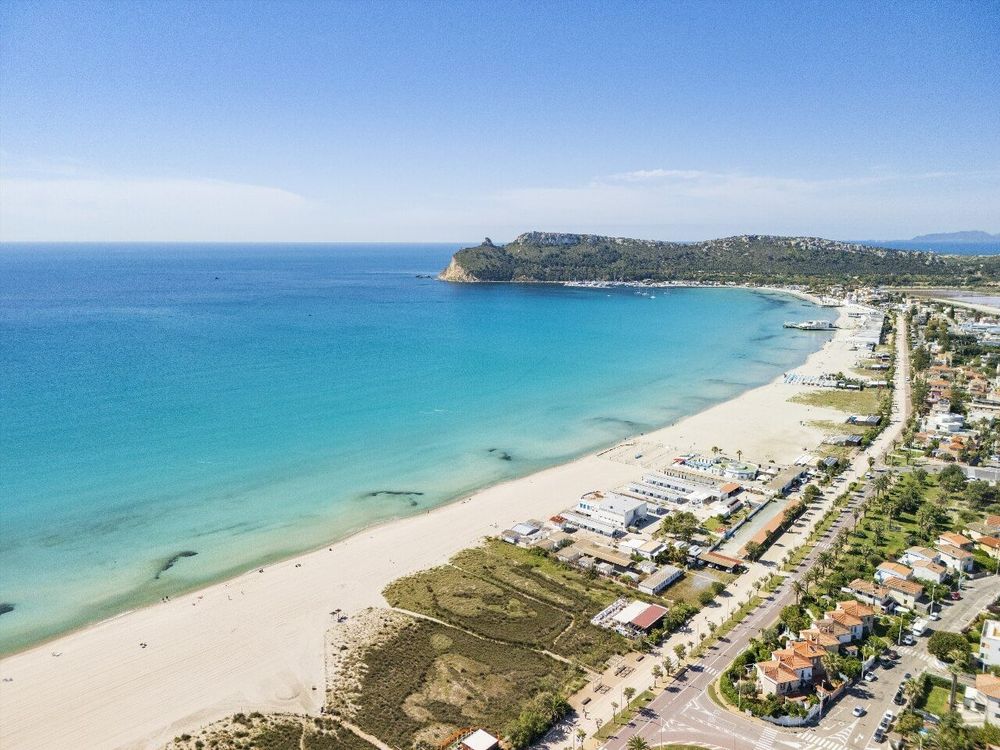
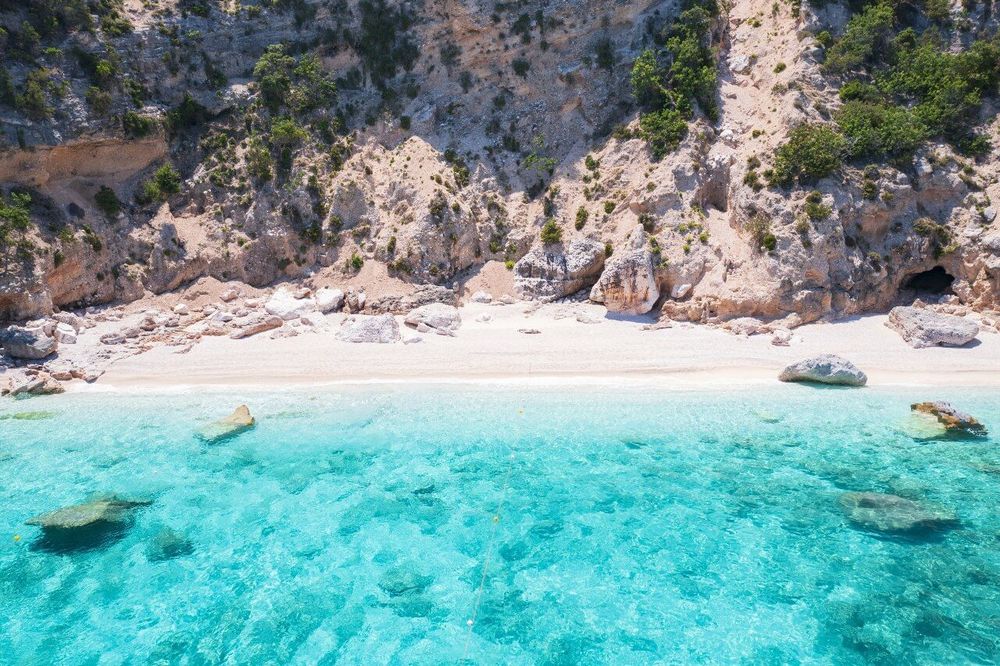
Cagliari boasts magnificent beaches that are quickly reachable from the city centre. Poetto beach, a long stretch of fine sand, extends for several kilometres to the east of the city. Easily reached by bus, it offers all the services you need and crystal-clear water. More intimate, the little cove of Calamosca nestles at the foot of the Sant'Elia lighthouse, perfect for a peaceful swim. Venturing a little further, you'll discover the wild beaches of Mari Pintau and Solanas, true gems with turquoise waters. To the west, the beaches of Chia and Villasimius are worth the trip for their idyllic landscapes, even if they require motorised transport.
Which neighbourhoods are must-sees?
The Castello district, perched on the hill, forms the historic heart of Cagliari with its ramparts, medieval towers and cobbled lanes offering spectacular views. Marina, at the foot of Castello, charms with its lively atmosphere, traditional restaurants and colourful facades. Stampace reveals an authentic character with its old churches and craftsmen's workshops. Villanova, more residential, is home to beautiful palaces and hidden gardens. These four historic districts form the essence of the city and are best discovered on a guided walk. The Ryo audioguide accompanies you through precisely these different neighbourhoods, revealing their secrets and anecdotes along carefully crafted routes.
How can you visit Cagliari's underground sites?
Beneath its streets, Cagliari conceals a fascinating underground network that bears witness to its rich past. The crypts of Santa Restituta and Sant'Efisio, in the Stampace district, can usually be visited on request from the churches concerned. The Grotta della Vipera, a former Roman tomb, offers a glimpse of ancient times. The underground galleries of the Castello district, used as shelters during the Second World War, occasionally open to the public during special events or organised tours. To access these sites, ask at the tourist office, which can point you towards the local associations offering guided tours, as opening times vary with the season.
Where can you see flamingos in Cagliari?
Flamingos are part of Cagliari's natural landscape, offering visitors a unique spectacle. The Molentargius lagoon, between the city and Poetto beach, is their main habitat. This protected wetland is home to thousands of flamingos throughout the year, with population peaks in spring. The park has laid-out trails and observation points that let you admire these elegant birds without disturbing them. The Santa Gilla lagoon, to the west of the city, is also home to large colonies. For the best viewing, bring binoculars and favour the early morning or late afternoon, when the flamingos are most active.
Do you need to rent a car to visit Cagliari and its surroundings?
To explore Cagliari alone, a car is not essential. The historic centre can be visited on foot and public transport efficiently serves the main points of interest, including nearby beaches such as Poetto. However, if you want to discover Sardinia's treasures beyond the capital, renting a car becomes very worthwhile. It will let you reach secluded beaches, inland archaeological sites and picturesque villages that are otherwise hard to access. Sardinian roads are generally in good condition and uncongested. Book your rental in advance, especially in high season, to get the best rates.
What should you absolutely see in Cagliari?
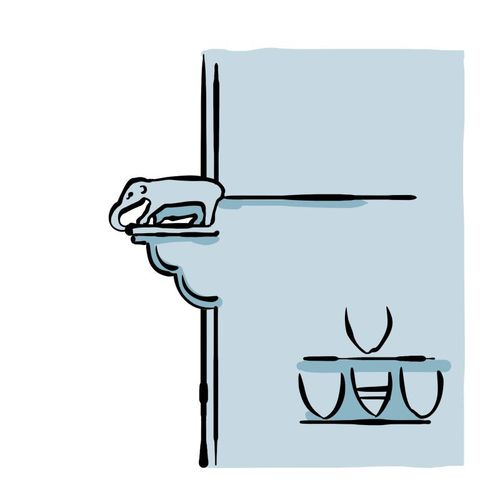
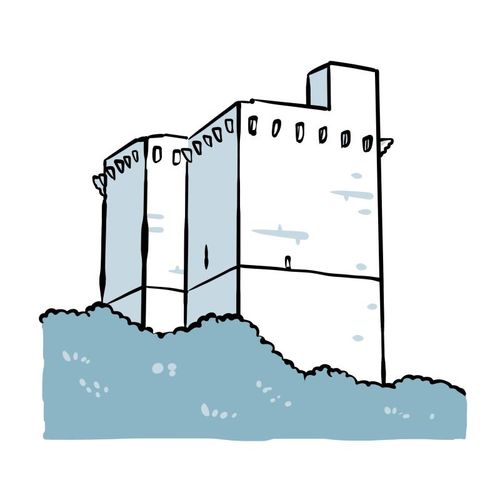
The essential stop is the Castello citadel, perched on its hill and still enclosed by ramparts. You climb up for Santa Maria cathedral, whose pale stone façade conceals a baroque interior and a carved crypt, and then for the terrace of the Bastione di Saint Remy, which opens onto the rooftops, the lagoon and the sea. The two Pisan towers, the Elephant Tower and the Saint Pancras Tower, still guard the old gateways and can be climbed for the view.
On the way back down, the Roman amphitheatre carved into the rock is a reminder of how old the city is, while the archaeological museum in the citadel of museums displays the Nuragic bronzes, unique in the Mediterranean. Add the Bonaria basilica and a break on Poetto beach to balance out the day. The Ryo audio guide offers a dedicated Cagliari route linking these highlights.
Which Sardinian specialities should you taste in Cagliari?
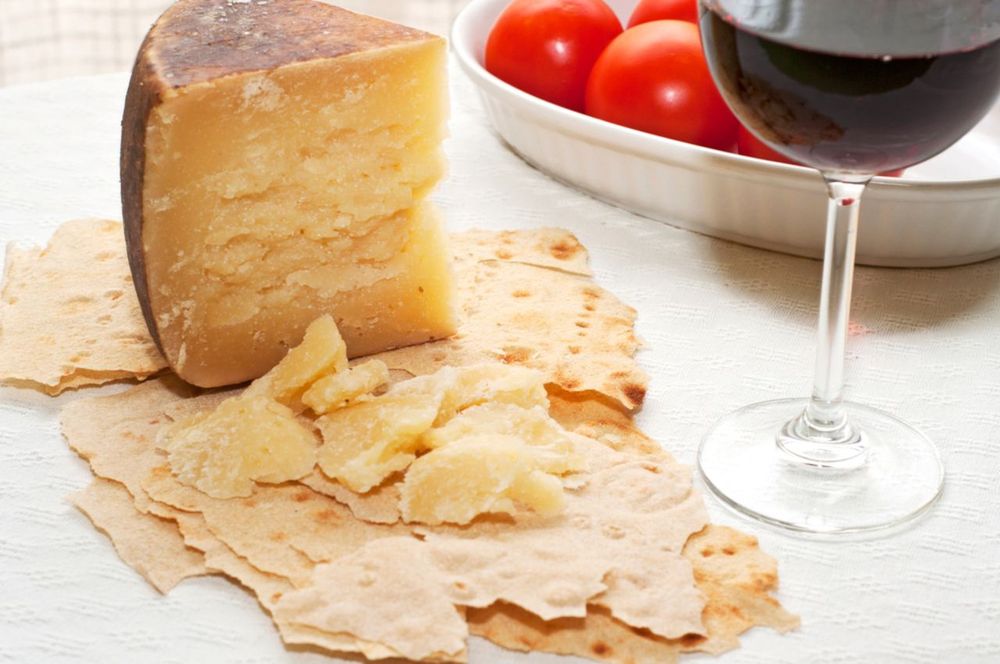
Sardinian cooking draws on both the land and the sea. You will come across culurgiones, ravioli sealed in a wheat-ear pattern and filled with potato, mint and cheese, malloreddus, small ridged pasta shapes often served with a sausage and saffron sauce, and fregola, rolled and toasted semolina cooked with clams. Pane carasau, a crisp sheet of bread, has accompanied meals here forever.
Cagliari adds its maritime touch with bottarga grated over pasta, sea urchins in season and fish from the nearby lagoon. Finish with a seadas, a fritter filled with fresh cheese and drizzled with honey, and let yourself be tempted by a white Vermentino or a myrtle liqueur. The covered market of San Benedetto is still the best place to take all of this in at a glance.
Vos commentaires, idées et suggestions
Aucun avis pour le moment