© Shutterstock
 Votre guide Ryo
Visiting Cagliari Solo in 2026: Neighborhoods, Itineraries and Tips for Traveling Alone
In Cagliari, nobody is surprised to see someone dining alone at a table for two: half the city walks with its head in the air between two limestone slopes, and the other half dips its feet in the Molentargius lagoon. Visiting Cagliari solo means accepting a change of pace every two hours, from the hilltop Castello to the sands of Poetto. The city lends itself well to it: a compact center you can explore on foot, reliable buses to the sea and a real counter culture where you can eat alone without drawing a single glance.
In the pages that follow: a cathedral guarded by two Pisan towers, an archaeological museum where Nuragic bronzetti tell 3,000 years of Sardinian history long before the Romans arrived, an 8-kilometer beach reachable in 20 minutes by bus, and flamingos nesting on the edge of the city. Three itineraries, a line-by-line budget and the routines that reassure a solo traveler complete this guide.
The Castello District, the Historic Heart to Explore on Foot
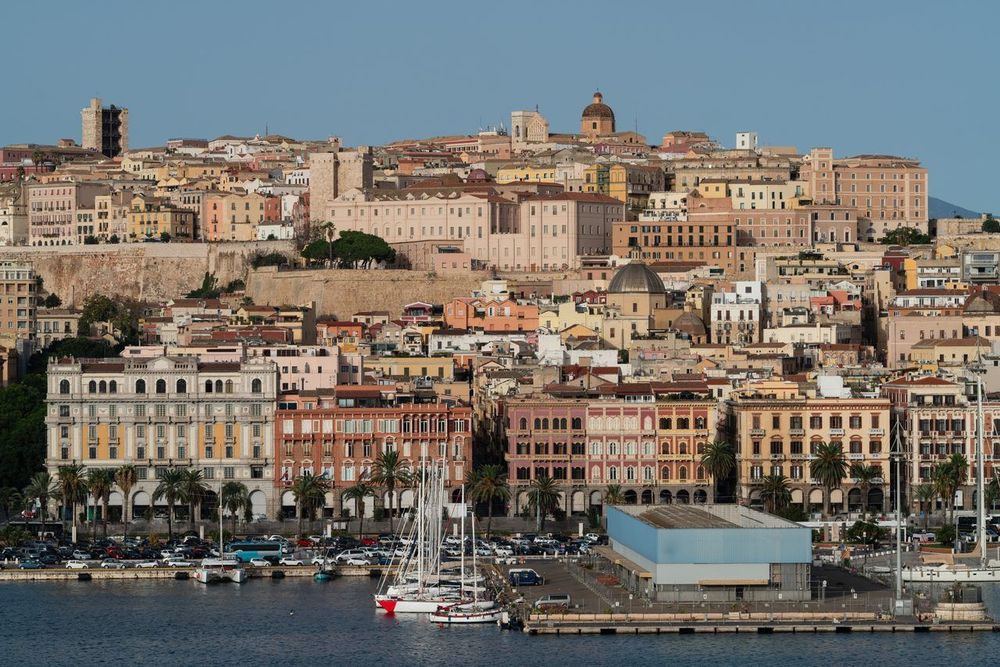
The Castello occupies the hill overlooking Cagliari since Pisan times, and it is probably the neighborhood where a solo traveler feels most at ease: the alleys are narrow, largely pedestrian, and the density of terraces makes any break feel natural, whether you are accompanied or not. Expect a real climb from the Marina, but the panorama waiting at the top justifies every flight of stairs.
The neighborhood preserves the traces of several centuries of successive fortifications, Pisan and then Aragonese, before becoming the administrative heart of the city. Today you wander between ochre facades, Sardinian craft shops and cafés that open late, an atmosphere that makes meeting people easy without ever forcing it.
The Bastione di Saint Remy and Its Panorama over the City
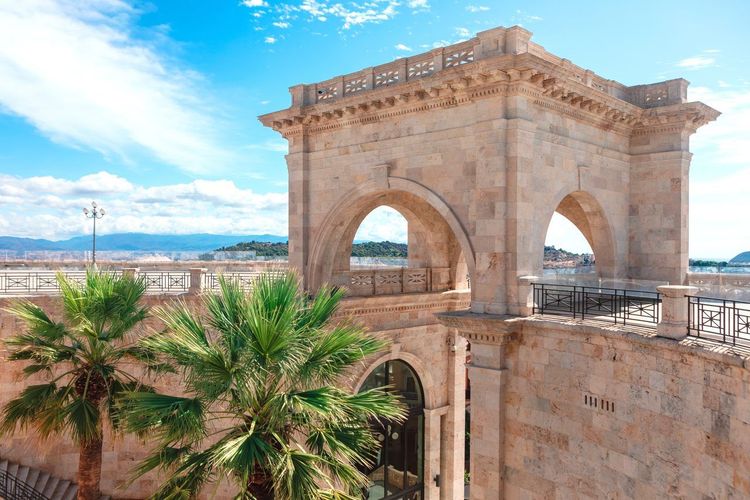
The Bastione di Saint Remy marks the most spectacular entrance to the Castello. Its monumental double-flight staircase, completed at the very beginning of the 20th century, leads to a terrace open to the Gulf of Angels, and it is one of the few places in the city where you can settle in for a long time without anyone being surprised to see a person alone occupying a table.
Go up in the late afternoon instead, when the light grazes the facades and the heat subsides. Many solo travelers take the opportunity to read for a while or watch the ballet of ferries in the port, with no pressure to make conversation with anyone.
Santa Maria Cathedral and the Medieval Towers (Torre dell'Elefante, Torre di San Pancrazio)
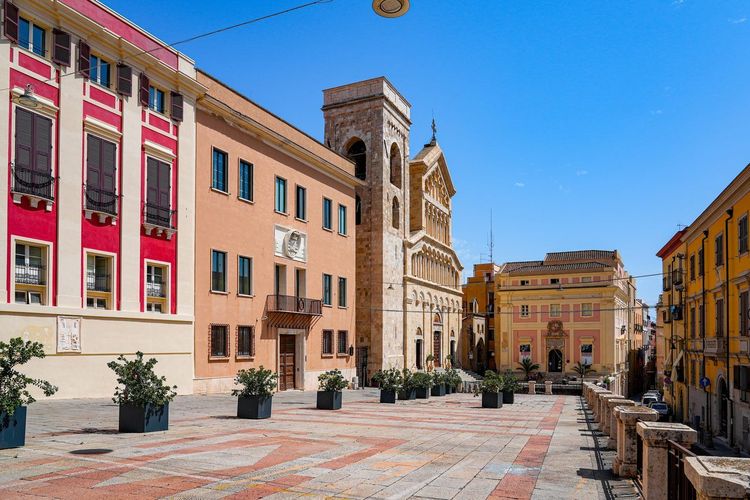
A few streets higher up, Santa Maria Cathedral (Duomo di Cagliari) combines a 20th-century neo-Romanesque facade with a largely Baroque interior, with a crypt that holds the relics of several Sardinian martyrs. Allow 20 to 30 minutes for the visit, an ideal stop between two coffee breaks.
Two white limestone Pisan towers still frame the neighborhood. The Torre di San Pancrazio (Piazza Indipendenza, 09124 Cagliari, rated 4.3/5 on Google from 462 reviews), the more massive of the two, dates from 1305; the Torre dell'Elefante, built in 1307, owes its name to the small elephant statue set on a bracket about ten meters up, which you will spot by looking up from Via Università. Open on the Castello side, they were used to watch arrivals from the sea as well as from inland. The Torre dell'Elefante can be visited every day except Monday, and its terrace offers one of the best views over the rooftops of the neighborhood.
Unlike other Italian historic centers, the Castello stays quiet after 10 p.m. outside the weekend: locals mostly come up to have dinner on a terrace, not to party. A strong argument if you travel alone and prefer to walk home calmly rather than take a taxi.
Many visitors simply link the three monuments in a straight line. Take the time, on the contrary, to deliberately get lost in the small streets between Via Lamarmora and Via Santa Croce, where the colorful facades and artisan workshops appear on no tourist map.
For a guided version of this climb, the 17 audio stops of the Ryo audio-guided tour of Cagliari pass by the Bastione, the cathedral and the two towers: you move at your own pace, headphones on, without hunting for information panels at every crossroads.
The Citadel of Museums and the Archaeological Heritage
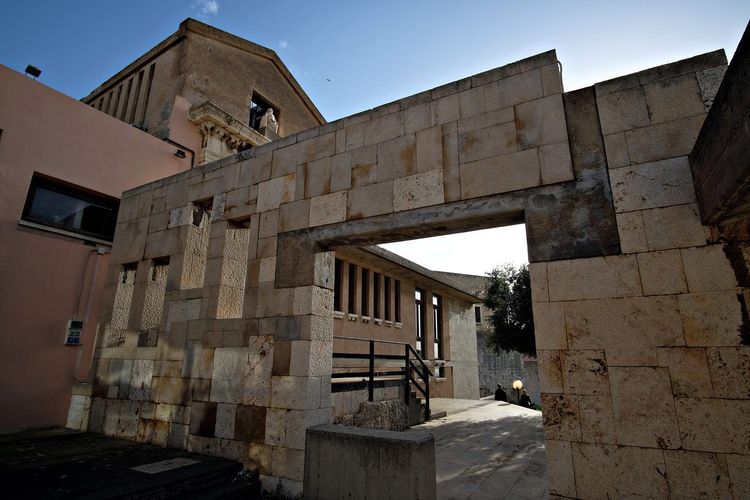
Directly adjoining the Castello, the Cittadella dei Musei brings together several collections in a former military arsenal that has been converted. It is the stop that changes the depth of a visit to Cagliari: you move from street scenery to an understanding of 3,000 years of Sardinian history.
The Cittadella dei Musei and the National Archaeological Museum
The Museo Archeologico Nazionale, housed in the citadel, holds the richest collection of Nuragic bronzetti: tiny votive statuettes of warriors, priestesses and boats, which give a concrete face to a civilization that appeared well before the founding of Rome. The full visit takes 1.5 to 2 hours, but one hour is enough to see the masterpieces if your time is limited.
Traveling alone? The museum has a practical advantage: the information panels let you visit without depending on a guide or waiting for a group slot, unlike some sites that only open for guided visits. The single ticket (€10) also gives access to the neighboring National Picture Gallery.
The Anfiteatro Romano, Remains of Ancient Cagliari
At the foot of the hill's northwest slope, the Anfiteatro Romano (Viale Fra Ignazio da Laconi, 09124 Cagliari, rated 3.8/5 on Google from 3,863 reviews) dates from the 2nd century and is still largely carved into the limestone rock. Less spectacular than the Colosseum, it remains genuinely interesting: it is one of the few Roman amphitheaters still visible in Sardinia, and you can glimpse its tiers from the street even when the site is closed.
This shift between medieval Castello and ancient layers is the subject of one stop in the Ryo audio guide, with historical insight that is often missing from the panels on site.
The Marina District, Between Strolls and Tables for Solo Travelers
Start with the Marina instead if you arrive by sea: the district is laid out in a fairly regular grid at the foot of the Castello, which makes it easy to navigate alone, without a map app constantly open.
Via Roma and the Waterfront
The Via Roma (Via Roma, 09124 Cagliari) runs along the port for nearly a kilometer, under arcades that protect as well from the midday sun as from autumn showers. It is the simplest artery to get your bearings on arrival: on one side the moored cruise ships and ferries, on the other the 19th-century facades that now house cafés and shops.
Heading up from the port, the alleys of the Marina preserve an older fabric, with colorful facades and a few traces of the former fishermen's quarter, now largely converted into bars and small restaurants. If you have time one morning, continue to the San Benedetto covered market, in the neighborhood of the same name: the stalls of whole fish and the counters serving plates at lunchtime let you taste without booking a table, a real plus when traveling alone.
Good Places to Have Lunch or Dinner Alone: Su Lumarzu, Amalfi Pizza & Gin, Libarium Nostrum
Eating alone is never a problem in Cagliari, and the Marina concentrates several places where a table for one surprises nobody. Su Lumarzu serves traditional Sardinian cuisine in a simple setting, perfect for a lunch without a wait.
For the evening, Amalfi Pizza & Gin blends Neapolitan pizzas and cocktails in a relaxed atmosphere where sitting at the counter is perfectly normal. And for an aperitif with a view, Libarium Nostrum (Via Santa Croce 33, 09124 Cagliari, rated 4.2/5 on Google from 3,079 reviews) occupies a terrace on the ramparts of the neighboring Castello, with a panorama over the rooftops of the Marina that is well worth the wait at peak hours.
In the evening, the Marina stays lively until late without becoming so noisy that it spoils a solitary stroll: terraces spill onto the sidewalk and car traffic is limited on several streets.
On the way down from the Castello, the Ryo audio guide also crosses the Marina, with a few anecdotes about the port and the colorful facades: enough to walk alone without fear of getting lost between two alleys that look alike.
Piazza Yenne and Via Garibaldi, Strolling and Shopping
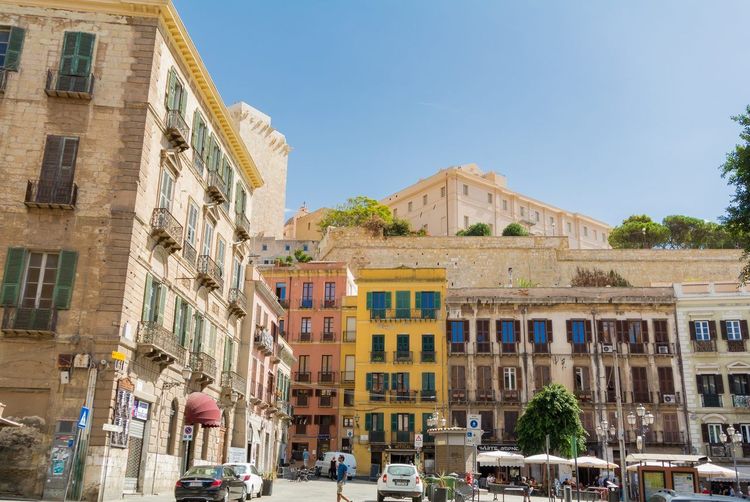
The Piazza Yenne marks the junction between the Marina, the Stampace district and Corso Vittorio Emanuele. Its bronze statue of Carlo Felice, dressed in Roman style, was meant to indicate the royal road to Porto Torres, today's SS 131, whose kilometer zero is marked by the neighboring obelisk of 1822. A tasty detail: moved from its planned location, the statue actually points in the opposite direction.
The square is lined with ice cream shops and wine bars where stopping alone never raises a question. In the evening, it is one of the liveliest places in the city, without falling into the overly touristy atmosphere of some streets in the center.
On the other side of the Castello, about fifteen minutes on foot passing under the Bastione, the Via Garibaldi (Via Garibaldi, 09124 Cagliari) crosses the Villanova district with its local fashion boutiques, Sardinian ceramics and a few independent bookshops. Allow 30 to 45 minutes to stroll along it, enough to find a souvenir that doesn't come from a mass-market shop.
Poetto Beach, the Seaside Day Escape
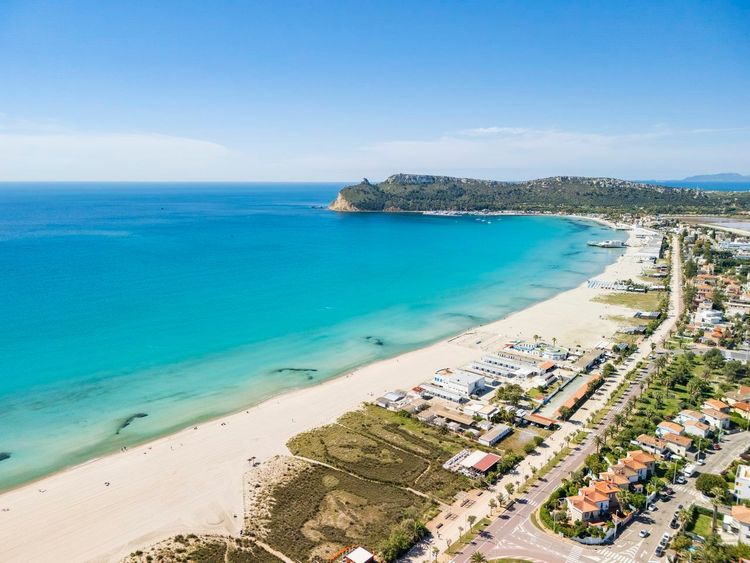
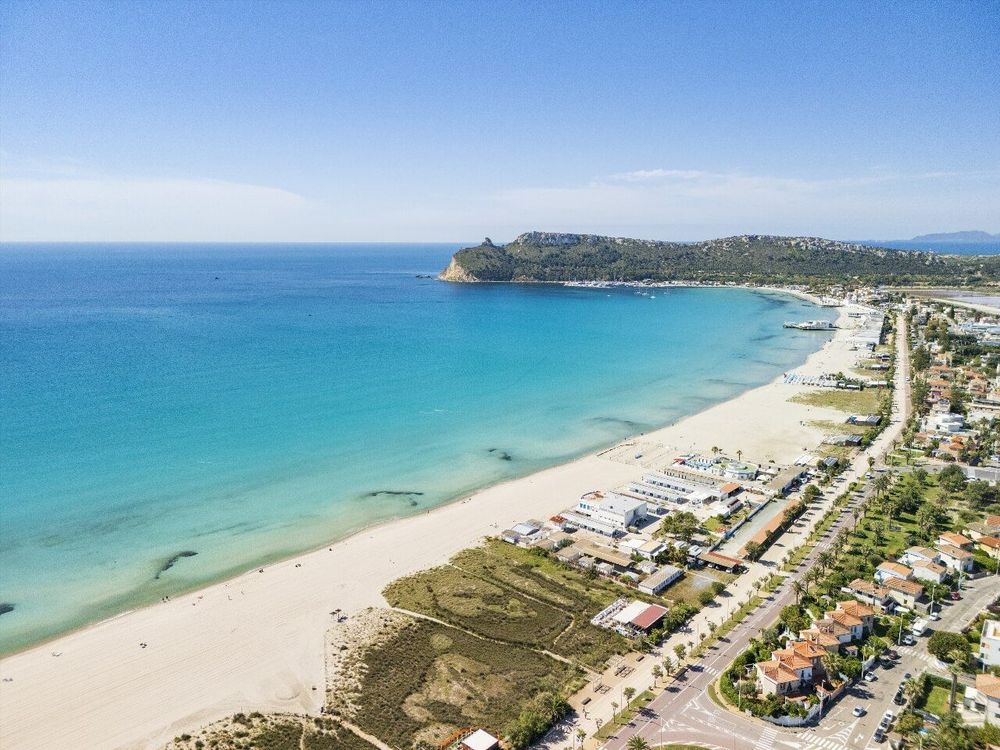
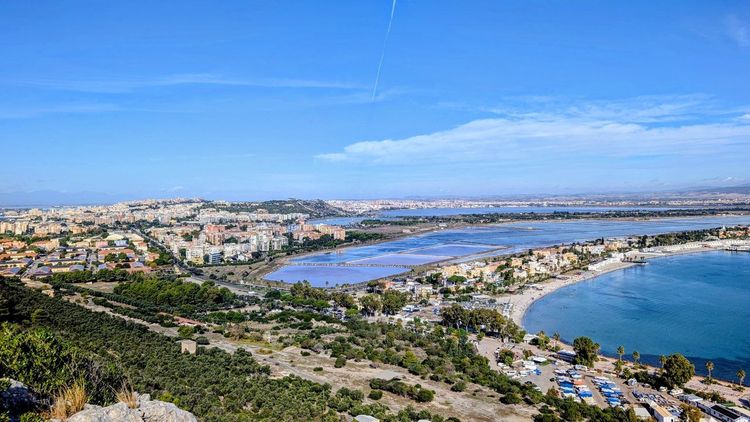
Twenty minutes by bus from the center, Poetto completely changes the rhythm of a stay in Cagliari. This fine-sand beach stretches for nearly 8 kilometers between the Sella del Diavolo headland and the coast of Quartu Sant'Elena, with turquoise water that has nothing to envy from Sardinia's better-known beaches.
For a solo traveler, Poetto works as well for a morning swim as for a full afternoon: sun loungers can be rented from the concessions lining the promenade, and kiosks serve simple plates without reservation. Many locals come alone after work, which completely normalizes the idea of settling in with a book.
And if your schedule lightens one day, nothing stops you from turning a morning of sightseeing into a real beach day: bus, swim, lunch by the water and return in late afternoon, without feeling guilty about ticking nothing off a list of monuments.
To get a bit of perspective on the coastline, several rental operators at Poetto offer kayak, paddleboard or small boat outings along the Sella del Diavolo: a different way to discover the Cagliari coast from the sea, without committing to an excursion of several hours.
Our article on the most beautiful beaches of Cagliari details other options if Poetto makes you want to explore further along the coast.
The Flamingos of Molentargius, a Nature Excursion
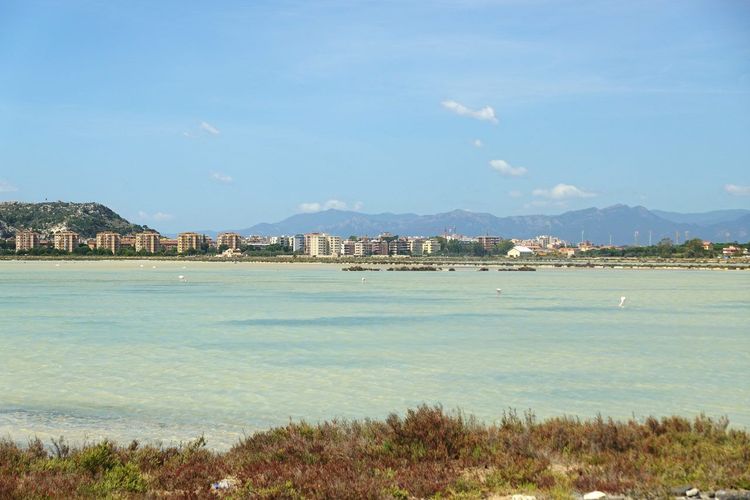
Between the city and Poetto, the former salt pan system of the Molentargius-Saline park shelters a large colony of flamingos, visible for much of the year from the embankments laid out as walking and cycling paths.
Let's be honest: the flamingos are a possibility, not a promise. They move depending on the season and the water level of the basins, and nothing guarantees you will see them on a one-hour outing. The best chances are early in the morning or at the end of the day, when the low light also makes photography easier.
To observe Molentargius in good conditions, a guided visit with a local naturalist remains the most reliable solution: some offer bike outings or small-group trips to the areas where the birds most often land. An excursion that suits a solo travel rhythm particularly well, slower than most stopover itineraries.
Tasting Sardinian Cuisine Solo: Fregula, Specialties and Good Tables
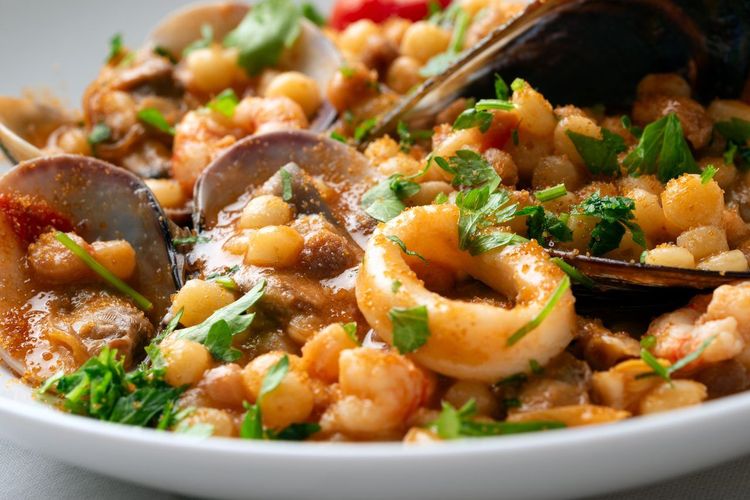
Keep time to discover Sardinian cuisine, even solo: it is one of the aspects of Cagliari that is poorly enjoyed in a rush. Start with the fregula with clams (fregula con le arselle), a small granular pasta close to couscous, cooked in a broth of clams and tomato.
Other specialties deserve a place on your list: bottarga of mullet grated over fresh pasta, culurgiones, ravioli sealed in the shape of an ear of wheat and filled with potato and mint, or the pane carasau, the flat, crispy bread that accompanies almost every Sardinian meal.
To eat alone without booking, favor the counters and wine bars of the Marina and the Castello: you order by the glass and by the plate, standing or on a stool, which avoids the awkwardness of a table for two set for one person. Several bars also offer generous aperitif formulas, enough to replace dinner every other night.
As for drinks, Cannonau, the island's emblematic red grape, is served by the glass in almost all wine bars in the center, often with a platter of local cold cuts and cheeses at a reasonable price.
Our article on the culinary specialties of Cagliari details nine dishes not to miss if you want to put together your own gourmet tour.
Sample Itineraries: Visiting Cagliari Solo in 1, 2 or 3 Days
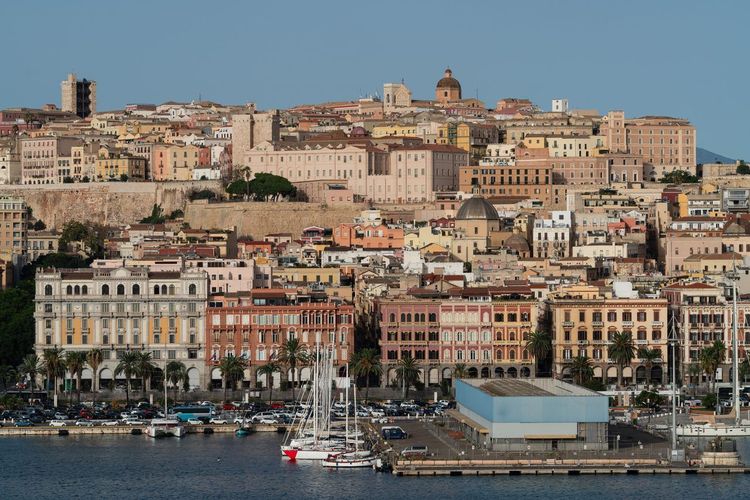
Better three realistic itineraries than a single impossible day trying to see everything. The time you have completely changes the balance between historic center, beach and nature excursion. These three versions cover the cruise stopover limited to a few hours, the short urban stay and the more relaxed stay that leaves room for nature and improvisation.
1 Day: The Essentials of the Historic Center
With a single day, focus on the Castello and the Marina. Start early with the Bastione di Saint Remy and the cathedral, before the heat and the cruise passenger groups. Continue to the two medieval towers, then come back down via Via Roma for lunch in the Marina. In the afternoon, head back up to the Cittadella dei Musei if the archaeological museum interests you, or stroll between Piazza Yenne and Via Garibaldi if you prefer shopping to ancient history. In the evening, an aperitif at Libarium Nostrum offers a finale with a view over the lower town.
A well-paced day alternates walking and breaks: allow about 45 minutes of active sightseeing for 15 minutes of coffee break, otherwise fatigue builds quickly on the slopes of the Castello. Alone, you have the advantage of adjusting this tempo without negotiating with anyone.
2 Days: Going Deeper into the Castello, Marina and Museums
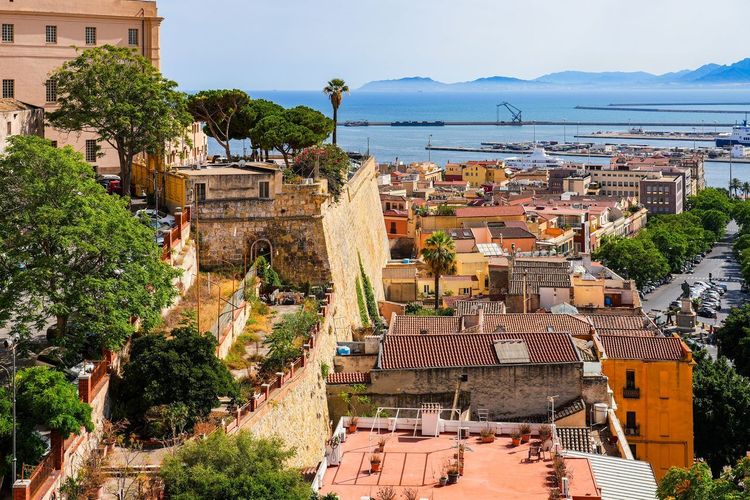
Two days let you stop rushing. Devote the first to the whole Castello, with a real stop at the National Archaeological Museum rather than a hurried visit, and finish with the Anfiteatro Romano in late afternoon. On the second day, head down early to the Marina to enjoy the still-quiet streets, have lunch at Su Lumarzu, then reserve the afternoon for Poetto: two to three hours of beach are enough to feel a real change of pace before coming back to town for dinner.
The first evening, the Castello is pleasant for a quiet dinner on a terrace; the second, the Marina is better for ending with a drink facing the port. This split avoids retracing the same route twice at the end of the day, which matters when you walk alone after a busy day. For an hour-by-hour plan, see our itinerary for visiting Cagliari in 2 days.
3 Days: Adding Beach and Molentargius to the Solo Rhythm
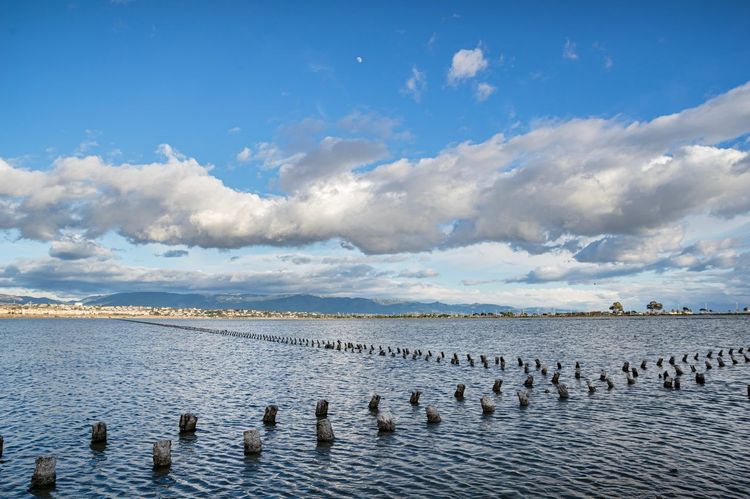
With three days, the Molentargius excursion naturally finds its place, preferably on the morning of the third day when the light favors flamingo watching. Reserve the afternoon for a second visit to Poetto or a boat outing, to discover the Cagliari coast from the water rather than from the sand. This third day remains the most flexible: it is the time to adjust the program according to what struck you most over the previous two days.
If your flight or ferry leaves at the end of the day, keep the morning for Molentargius and the afternoon for a relaxed lunch rather than a new visit: better to reach your departure point with a real margin than racing against the clock.
With its 17 audio stops over 1h50 and 4.5 km, the Ryo audio guide of Cagliari also serves as a benchmark for fitting any of these itineraries: you know in advance how long the historic center loop takes, and you build the rest of the day around it.
Practical Tips for Traveling Solo in Cagliari
Beyond the places to see, a successful solo trip to Cagliari mostly comes down to a few practical adjustments: transport, accommodation and a minimum of vigilance that is nothing alarming.
Getting Around: On Foot, by Bus and Car Rental
The historic center can be explored entirely on foot, but the terrain should be part of the plan, not become a bad surprise: the slopes of the Castello include several flights of steep stairs, and good shoes really change the experience compared to sandals. To reach Poetto or Molentargius, the CTM urban bus network works well: the 90-minute ticket costs €1.30 (with a €0.50 surcharge if bought on board).
Renting a car is only worthwhile for leaving the city, toward the south of Sardinia or the more remote beaches of the coast. In the city center, parking remains complicated and access to the Castello is reserved for residents (limited traffic zone): a car becomes more of a constraint than an asset for the three itineraries detailed above.
Where to Stay in Cagliari When Traveling Solo
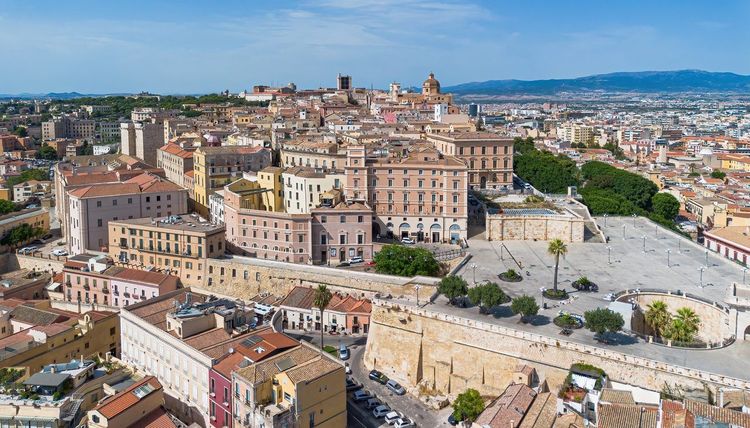
For a solo stay, the Castello offers the most immersive atmosphere, with guesthouses set in old buildings. The Marina suits you if you want to stay close to restaurants and the port, with a wider choice of mid-range hotels. The San Benedetto district, more residential, offers more affordable options a 10-15 minute walk from the historic center.
Preferably book an air-conditioned room between June and September: summer nights remain warm and few old Castello accommodations have it by default.
Safety, Meeting People and Independence for Solo Travelers
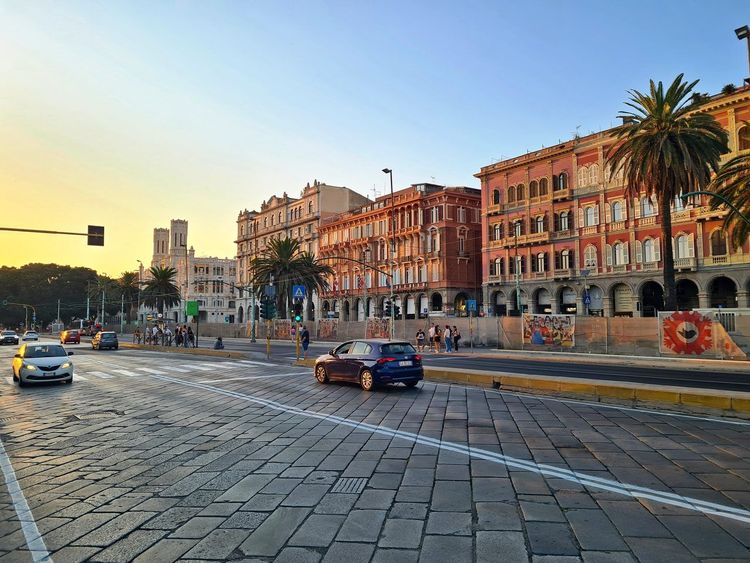
Cagliari ranks among the calmest Italian cities for a solo traveler, by day as well as in the evening in the central neighborhoods. Pickpocketing remains rare compared to other large Mediterranean cities, but the usual reflexes apply: bag carried in front in very busy places, vigilance on Via Roma at the end of the week.
For meeting people, the wine bars of the Castello and the hostels of the Marina regularly organize aperitifs or informal outings, a good entry point if you want to share a meal. As for independence, the Ryo audio-guided tour works offline once the files are downloaded: no need for a data plan or a group to follow to understand what is in front of you.
Budget for Visiting Cagliari Solo
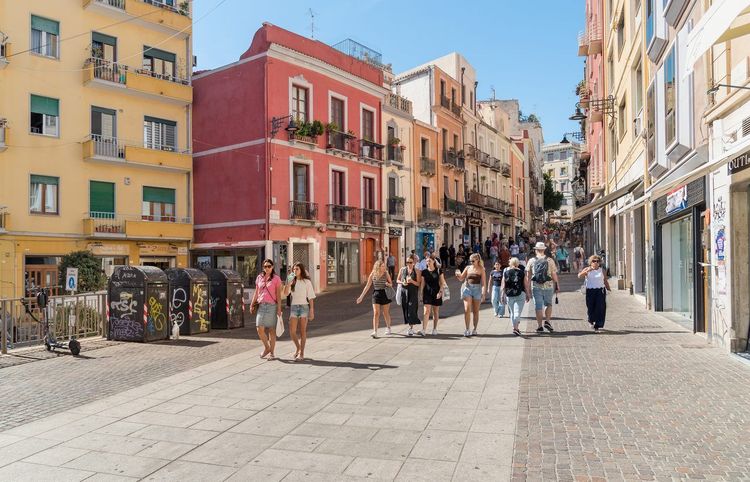
Traveling alone generally costs more per person than as a couple or in a group, since you can't share a room or a taxi. In Cagliari, the budget nevertheless remains reasonable compared to other Italian cities.
For accommodation, a room in a Castello guesthouse costs between €60 and €90 a night in low season, and between €90 and €130 in summer; hostels offer dorm beds from €20-25.
As for meals, a simple counter lunch costs €8 to €12, a full dinner with wine by the glass between €20 and €30. Fregula with clams can be found from €12-14 in trattorias in the center.
For local transport, the CTM bus ticket costs €1.30 and the integrated day pass €3.30. As for sightseeing, the single ticket for Cagliari's national museums (archaeological museum and Picture Gallery) is €10.
Overall, you can wrap up a full day in Cagliari (mid-range accommodation, meals, transport and one paid activity) for around €80 to €120 depending on the season.
How to Get to Cagliari: Flights, Stopovers and Arriving at the Port
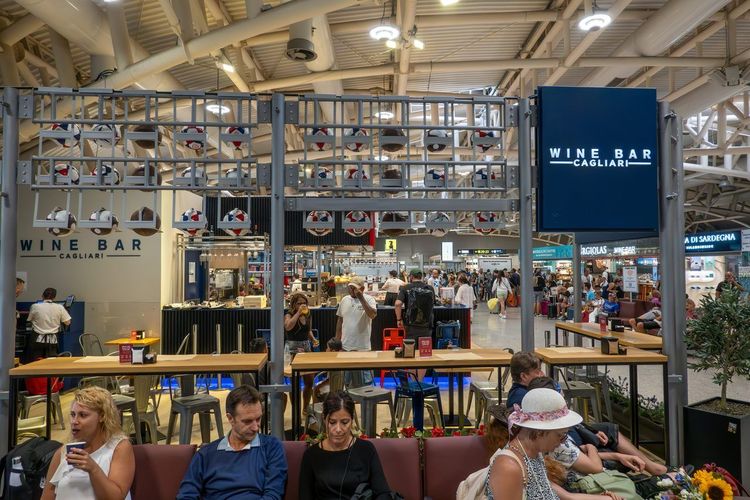
Cagliari-Elmas airport is only 6 km from the center, served by direct flights from several French cities, with schedules that increase markedly between May and September. The train connects the terminal to the central station in 5 to 6 minutes for €1.30, dropping you right at the end of Via Roma; an ARST bus and taxis complete the offer.
If you stop in Cagliari on a cruise, arrival at the port is at the edge of Via Roma: the Castello is reachable on foot in 10-15 minutes from the quay, which greatly simplifies organizing a solo day without depending on an excursion run by the ship.



FAQ
Is Cagliari a safe city for solo travelers?
Yes, Cagliari is one of the calmest Italian cities for solo travelers, both by day and in the evening in the Castello, the Marina and the city center. The usual precautions (carrying your bag in front in crowded places, staying alert on Via Roma on weekends) are more than enough.
How many days should you plan to visit Cagliari solo?
One day covers the essentials of the historic center, two days let you explore the museums and the Marina without rushing, and three days leave room for Poetto beach and the excursion to see the flamingos of Molentargius.
What budget should you plan for a solo trip to Cagliari?
Expect around €80 to €120 per day, including mid-range accommodation, meals, local transport and one paid activity. Hostels and bar counters can reduce this budget significantly.
How do you get around Cagliari without a car?
The center is entirely walkable despite the hills of the Castello, and the CTM bus network easily serves Poetto and Molentargius for €1.30 per 90-minute ticket. From the airport, the train reaches the central station in 5 to 6 minutes.
Where should you stay in Cagliari when traveling solo?
The Castello offers the most immersive atmosphere, the Marina stays close to restaurants and the port, while the San Benedetto neighborhood offers more affordable options a 10-15 minute walk from the center.
What is the best time to visit Cagliari solo?
Spring (April-June) and early autumn (September-October) offer the best conditions, with pleasant temperatures for walking and fewer crowds than summer, which remains hot and very busy at Poetto.
Visiting Cagliari solo ultimately means accepting to change scenery several times in a single day: the stairways of the Castello, the terraces of the Marina, the sand of Poetto and, weather permitting, the flamingos of Molentargius. None of these places requires traveling with company, and several are even better enjoyed alone, at your own pace.
To prepare this first day without spending hours on it, download the Ryo audio-guided tour of Cagliari before you leave and let the rest unfold along the alleys of the Castello.